The best christmas cookies? vanilla crescents, of course!
Vanilla Bean Substitutes: Extract, Paste, Vanilla Sugar and Exact Ratios
Updated Oct 6, 2026
The best substitute for a vanilla bean is vanilla paste or real vanilla extract: one bean is roughly equal to 2–3 teaspoons (up to 1 tablespoon) of paste or extract. In baked batters, you'll barely notice the difference. Where it really shows is in custards, ice cream or panna cotta, where vanilla is the star of the show. Here are the exact ratios for when to use which substitute, and why store-bought vanilla sugar isn't a great stand-in for a whole bean.
One vanilla bean (6–7 inches/15–18 cm) is best replaced with 2–3 teaspoons of vanilla paste or real vanilla extract, or ½–1 teaspoon of ground vanilla. Ranked from best substitute to least:
Vanilla paste: 2–3 teaspoons (up to 1 tablespoon)
Real vanilla extract: 2–3 teaspoons (10–15 ml)
Ground vanilla (vanilla powder): ½–1 teaspoon
Homemade vanilla sugar made with scraped pods: 2–3 tablespoons, cutting the recipe's sugar by the same amount
Store-bought vanilla sugar: only as a last resort, since strength can vary tenfold between brands
Vanillin sugar: this smells of vanillin, not vanilla, so only reach for it as an absolute last resort
Treat these ratios as a starting point. Beans vary in length and plumpness, and extracts vary in strength, so with custards and creams, always taste before adding more.
Vanilla extract is a reliable stand-in for a bean in anything that gets baked: pound cake, muffins, sponge cake or cookies. Use 2–3 teaspoons per bean, for every 500 ml of liquid or in a standard-size bundt tin.
A few things to watch for:
Real extract, not flavouring. Look for "vanilla extract" on the label, with vanilla beans and alcohol in the ingredients. "Vanilla flavouring" or "flavouring with vanillin" is usually synthetic vanillin, which tastes flatter than real vanilla.
Add it to hot mixtures at the very end. Extract is an alcohol-based infusion, and its aromatic compounds cook off with heat. For custard, cream or caramel, stir it in after taking the pan off the heat, not into boiling milk.
It's darker in colour. Extract is brown, so it will tint a white cream or whipped cream slightly. For a snow-white icing, use a smaller amount or reach for paste instead.
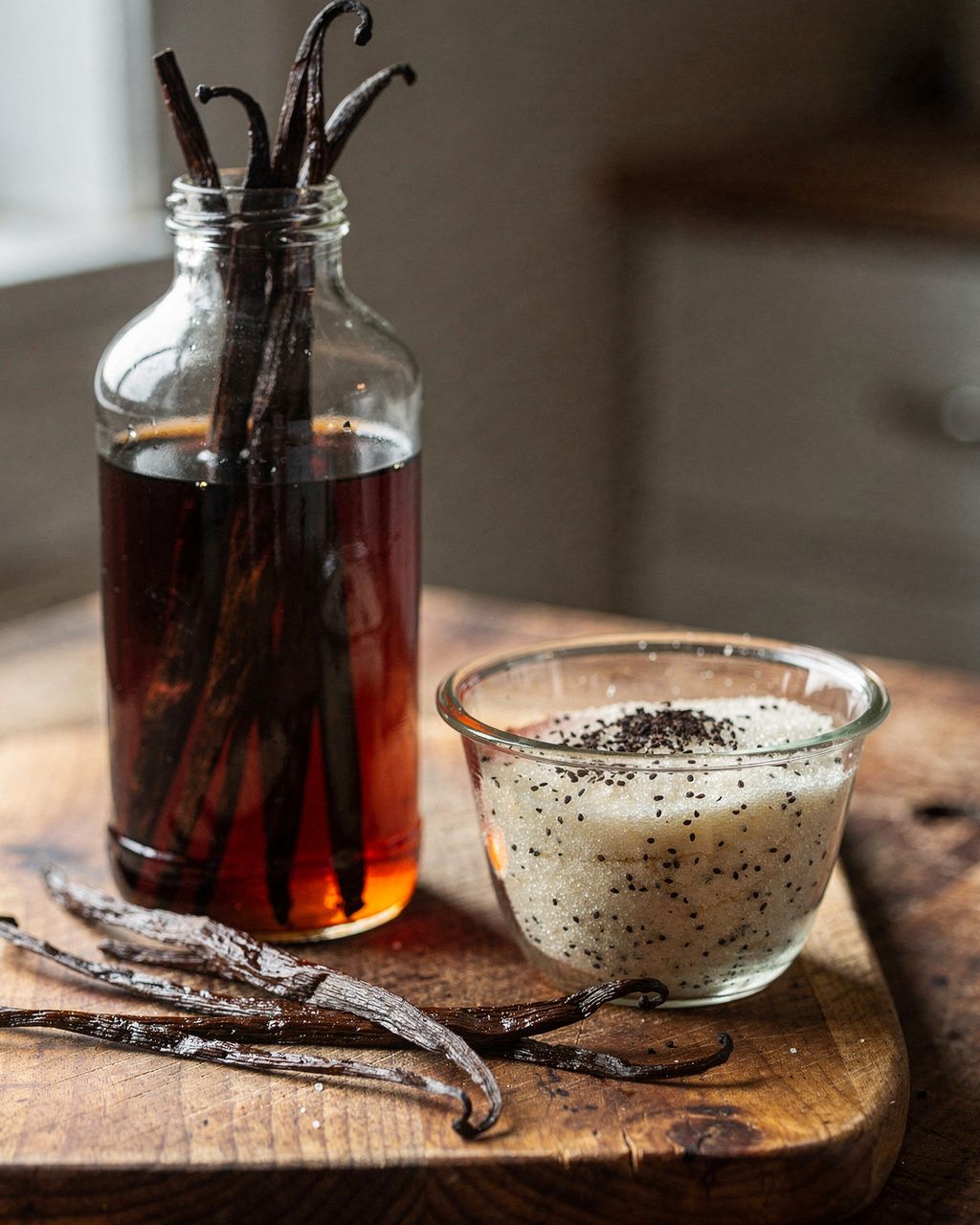
You can also make your own extract from beans steeped in vodka or rum — it just needs a few weeks to develop. You'll find the method in our article on homemade vanilla extract and vanilla sugar.
Vanilla paste is the closest substitute for a whole bean because it contains real seeds. It's a thick syrup made from vanilla infusion and ground seeds, so it will give your dessert those characteristic black specks people associate with "real" vanilla.
Ratio: 2–3 teaspoons (up to 1 tablespoon) of paste per bean. You can swap it 1:1 with extract.
Best used in: custards, whipped cream, mascarpone, vanilla ice cream or glazes — anywhere you want to see those seeds.
Watch out for: pastes are often sweetened, so in an already sweet custard you may want to cut back slightly on the sugar.
You can use vanilla sugar instead of a bean, but the store-bought, bagged kind delivers very little vanilla, and quite inconsistently at that. According to a dTest comparison, the real-vanilla vanillin content varied more than tenfold between brands: some sugars contained around 0.04 mg per gram, others as little as 0.003 mg. That's not enough to reliably stand in for a whole bean.
Here's how to work around it:
Vanilla sugar vs. vanillin sugar. Vanilla sugar should contain real vanilla (look for vanilla or vanilla extract on the ingredients list — you'll often spot black specks too). Vanillin sugar contains only synthetic vanillin (often ethyl vanillin as well) and no vanilla whatsoever.
Homemade vanilla sugar is a different league. Sugar that's had a scraped-out bean sitting in it for a few weeks is far more fragrant. Use 2–3 tablespoons per bean.
Cut back on sugar elsewhere in the recipe. If you add a few tablespoons of vanilla sugar, reduce the plain sugar by the same amount, or the dessert will end up too sweet.
Combine the two. Add vanilla sugar to the batter for flavour, plus a teaspoon of extract for extra aroma.
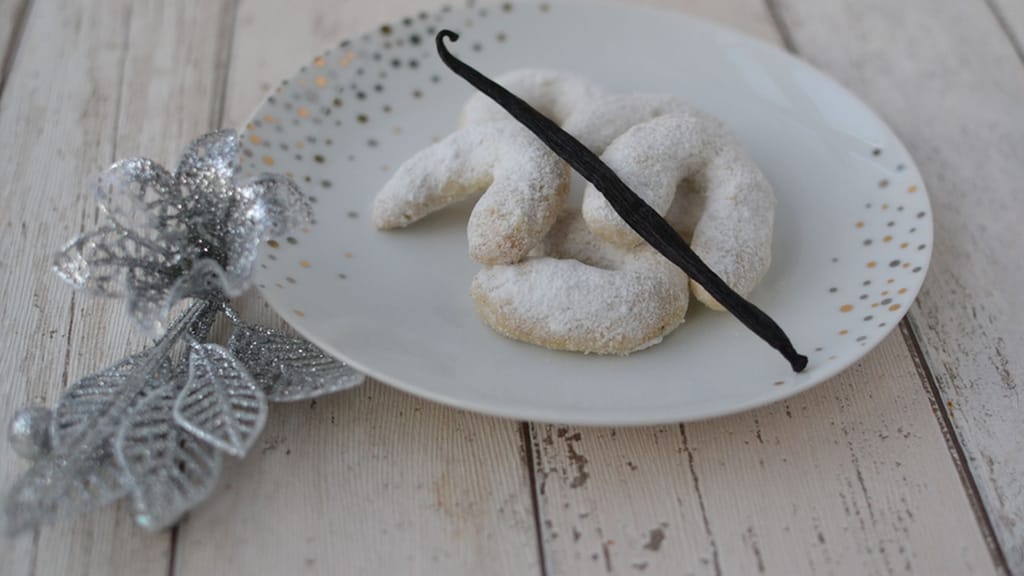
A classic example is vanilla crescent cookies. They're rolled in vanilla sugar, so it's worth using a really fragrant one — ideally homemade.
The best christmas cookies? vanilla crescents, of course!
Vanilla crescent cookies rolled in real vanilla sugar
A bean isn't worth substituting where vanilla is the main flavour and the dish is cooked in milk or cream. Think panna cotta, crème anglaise, crème brûlée, homemade vanilla ice cream, and vanilla pudding.
The reason is simple. The bean infuses in warm milk, and even the empty pod left over after scraping still releases plenty of aroma into the liquid. Extract can't replicate this, since it's added right at the end and only perfumes the dish. In a dessert built on nothing more than cream, sugar and vanilla, that difference really shows.
If you genuinely have no bean, at least reach for paste and stir it into cream that's warm but no longer boiling. For these desserts, though, it's worth keeping a few vanilla beans on hand, since stored properly they'll stay fragrant for months.
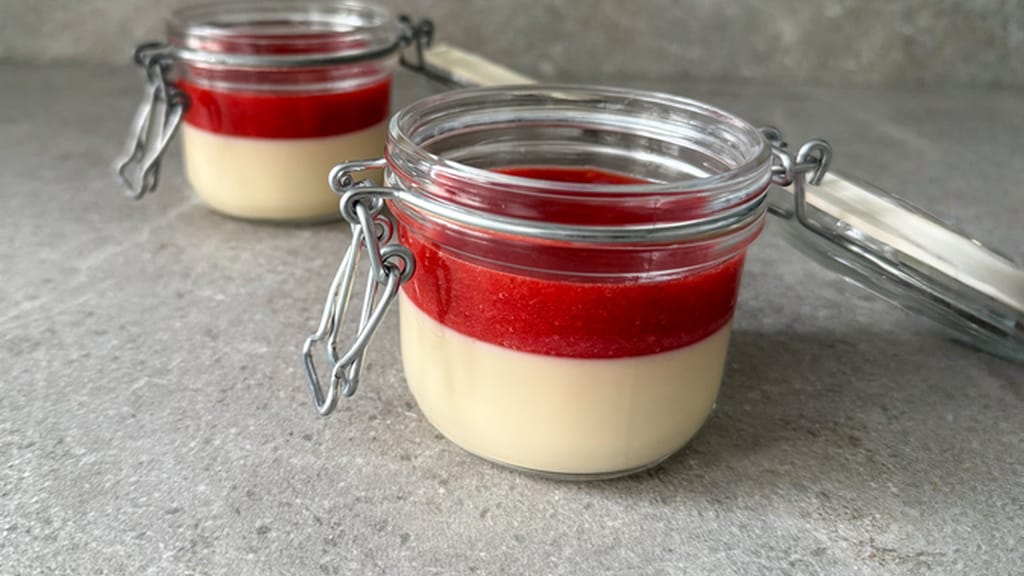
Panna cotta: a simple italian dessert ready in no time
Panna cotta made with a real vanilla bean, where substituting isn't worth it
If you have no bean, extract, paste or vanilla sugar, just leave it out, or use a different flavouring that suits the dessert. A cake without vanilla will still turn out fine — it will just be slightly less rounded in flavour.
Dark rum or bourbon (American whiskey): 1–2 teaspoons in the batter. They bring similar caramel, woody notes.
Almond extract: just a few drops, as it's very strong. Works well with cherries, apricots and in linzer-style bakes.
Lemon or orange zest: a different direction entirely, but lovely in cheesecakes and yeasted doughs.
Maple syrup: a tablespoon swapped in for some of the sugar lends a subtle vanilla-caramel undertone.
One vanilla bean can give you three things: seeds for your dessert, a pod to infuse in milk, and finally, homemade vanilla sugar. So don't throw away a scraped-out bean — there's still plenty of aroma left in the pod.
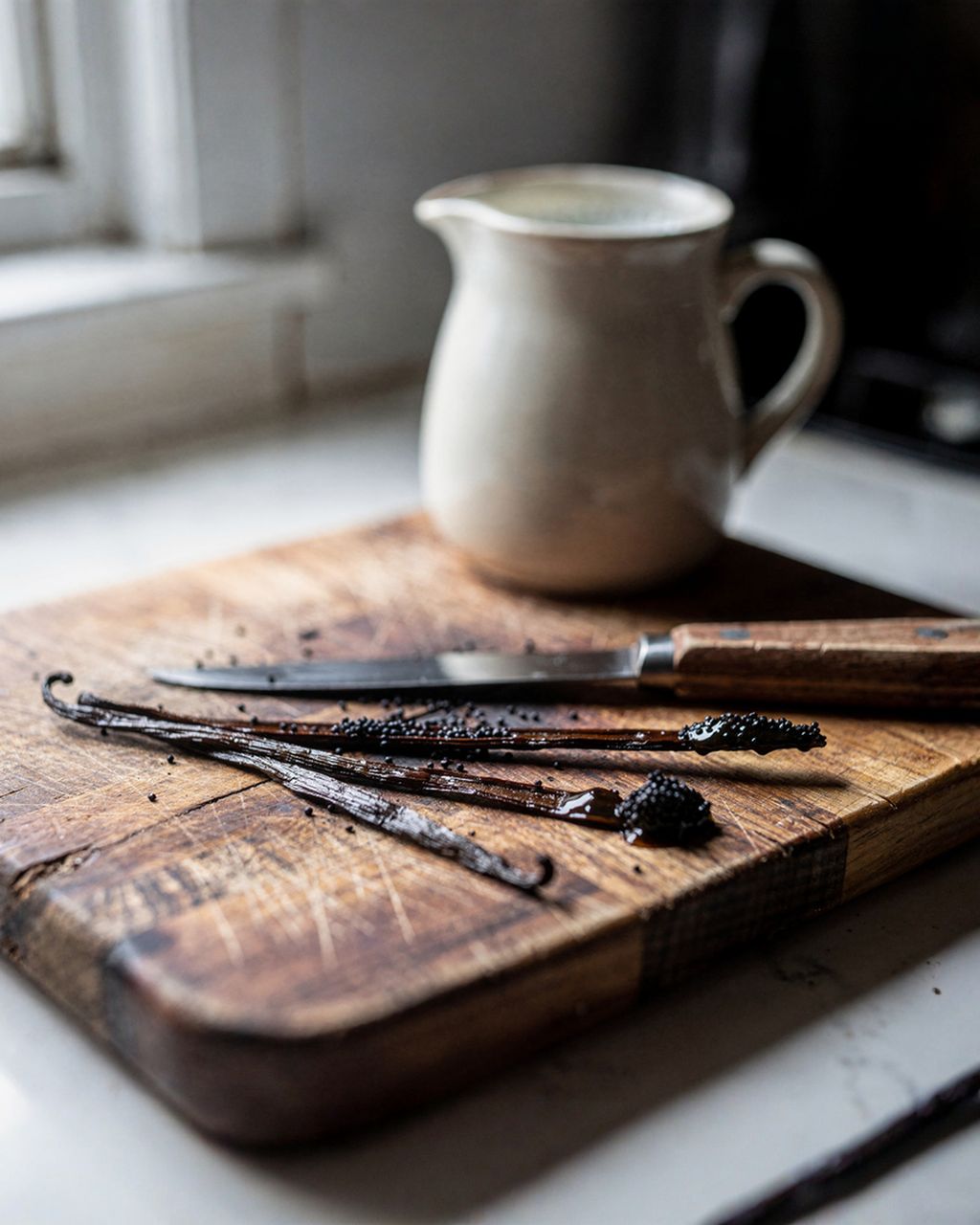
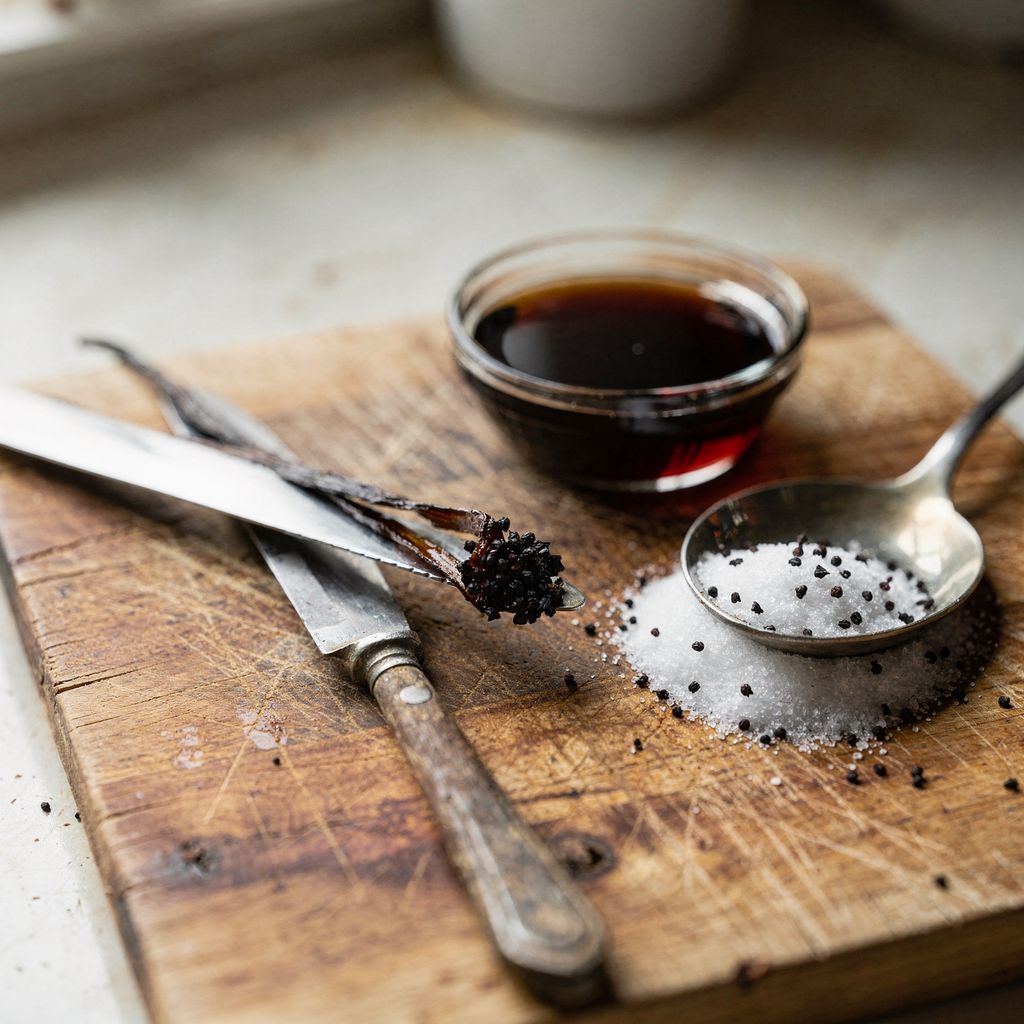
Split the bean lengthwise with the tip of a knife, then scrape out the seeds with the back of the blade.
Drop the pod into the milk or cream you're heating, and let it infuse for at least 15–20 minutes before fishing it out.
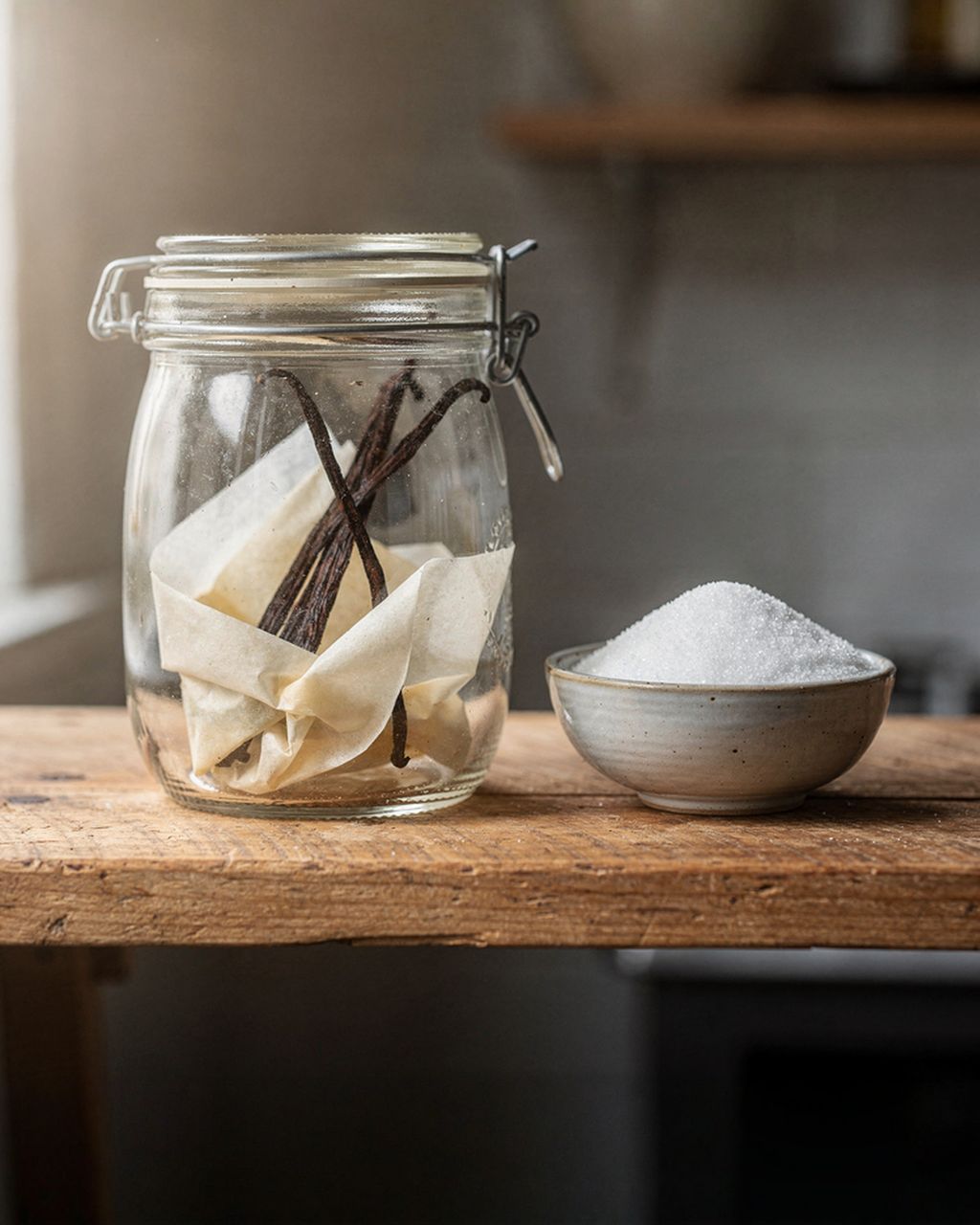
Rinse and dry the pod, then bury it in a jar of sugar. In 2–3 weeks you'll have homemade vanilla sugar.
That way, one bean does double duty. To stop your beans drying out to a crisp before then, check out how to store vanilla beans.
Vanilla beans are expensive mainly because of the hand labour involved: on plantations, every single vanilla orchid flower is pollinated by hand, and the harvested beans then spend several months fermenting and drying. Madagascar also grows a huge share of the world's crop, so bad weather or a poor harvest there sends prices moving worldwide.
Yes — make homemade vanilla paste from the seeds scraped out of 3–4 vanilla beans, 2–3 tablespoons (30–45 ml) of real vanilla extract, and 1–2 tablespoons of sugar syrup to thicken it. Treat these ratios as a rough guide, as recipes vary. Store it in a sealed jar in the fridge. Save the scraped-out pods for vanilla sugar.
Real vanilla extract keeps for several years in a sealed bottle stored somewhere dark and cool. The alcohol preserves it, and the flavour tends to deepen over time rather than fade. There's no need to refrigerate it.
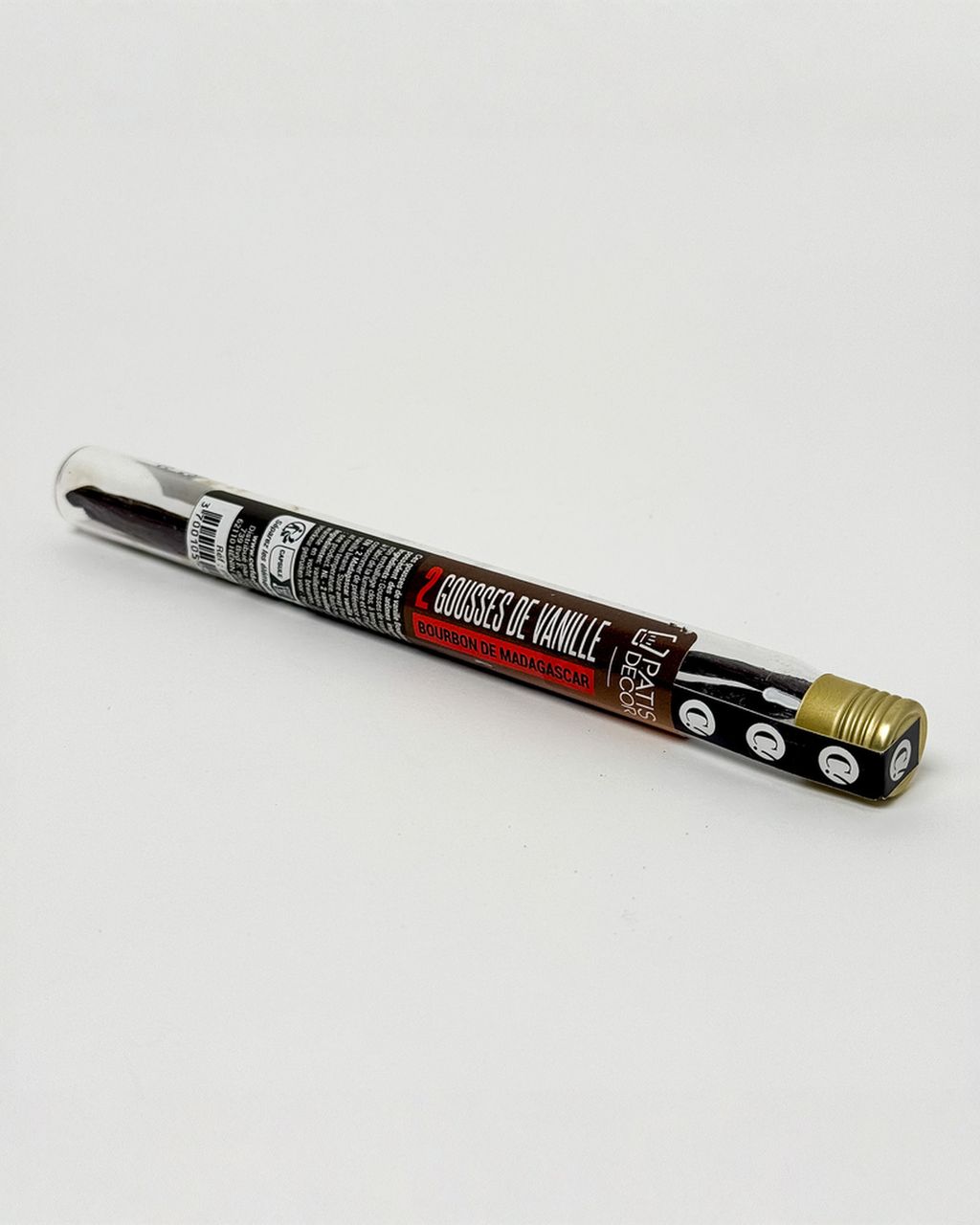
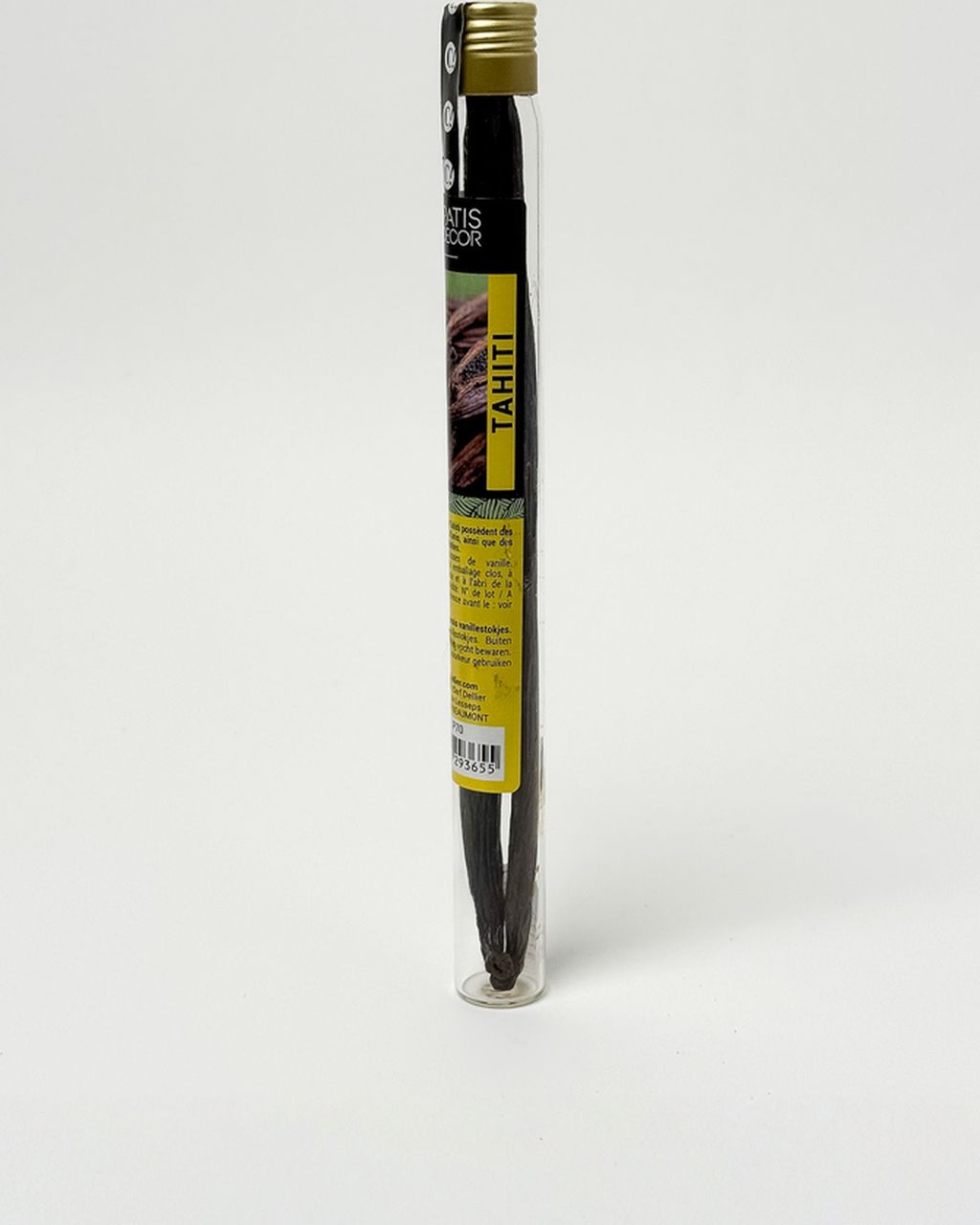
Yes, it does: Madagascar Bourbon vanilla is sweet and creamy, while Tahitian vanilla is more floral with fruity notes. Tahitian works best in cold desserts. For baking, and as an extract substitute for a whole bean, Bourbon is the all-purpose choice.
A few teaspoons of vanilla extract spread across a whole dessert is only a tiny amount of alcohol, but it doesn't fully evaporate during baking — according to USDA tables, around a quarter of it remains in batter baked for about an hour. This is general food information, not health advice: if you want to avoid alcohol altogether, skip the extract and use ground vanilla or seeds scraped from a bean instead. If you're using vanilla paste, check the label, as some pastes do contain alcohol.
One recipe worth heating the oven for, one tip, and one deal from the shop. Nothing else.