Cherry jam with tonka bean
Homemade Preserves as Gifts: What to Can, How to Wrap It and What to Put on the Label
Updated Oct 6, 2026
Homemade preserves make a great gift when three things line up: they keep safely until opened, they taste different from a jar off the shelf, and the person receiving them knows what to do with them. All you need is a properly sealed jar, a bolder flavour (spices, chilli, or richly cooked fruit butter), and a label with the date and a serving tip. Here's the whole process, from picking a recipe to tying the bow.
The best gift preserves are jams and marmalades with spices, fruit butters, savoury marmalades for cheese, and syrups. They contain enough sugar or acidity to keep for months, and they taste different from the standard strawberry jam you'd find in a shop.
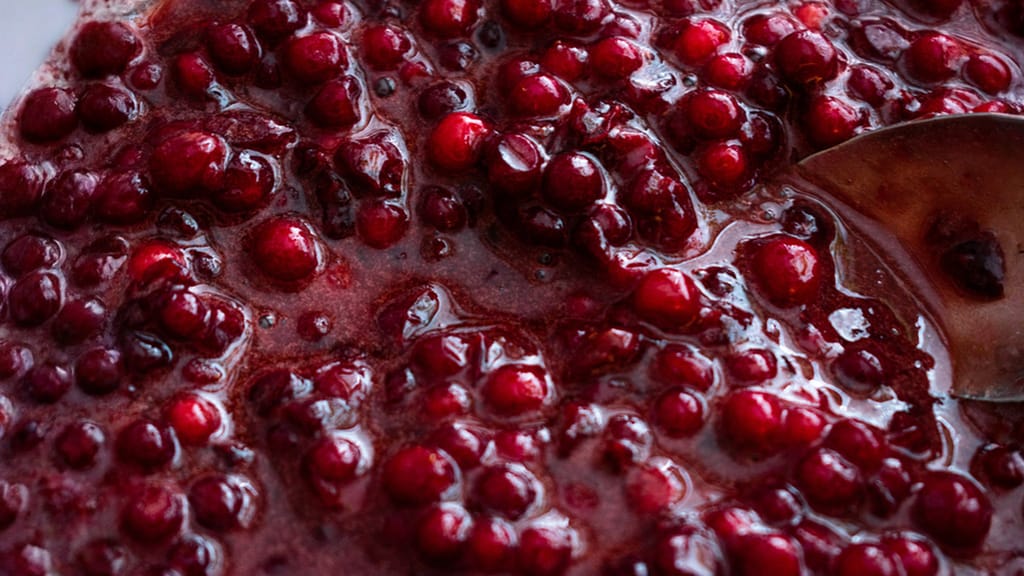
Fruit jam with an unexpected spice – cherries with tonka bean, or with pepper and thyme. A classic that still manages to surprise. Try cherry jam with tonka beans or cherry jam with mixed peppercorns and thyme.
Fruit butter – thick and dark, cooked down without pectin or jam sugar, and perfect for Christmas baking. Homemade plum butter has very low water content thanks to the long cooking time, which helps it keep well.
Savoury marmalade for cheese – a gift for someone who doesn't go for sweets. Chilli marmalade is a hit with a cheese board or roast meat.
Syrup – like elderflower syrup made back in June. Just note that syrup needs to be pasteurised, or it will ferment in the warmth.
What doesn't work as a gift: anything made "cold" without pasteurising, and anything you've canned for the first time and haven't tasted yourself yet. It's also best to skip gifting low-sugar preserves (typically made with 3:1 jam sugar), or only give them with a clear warning on the label. Low-sugar jam can be delicious, but once opened it only lasts a short while. The recipient won't know that, and it'll sit on the counter for a month.
Cherry jam with tonka bean
Cherry jam with tonka beans – a gift preserve with a festive aroma
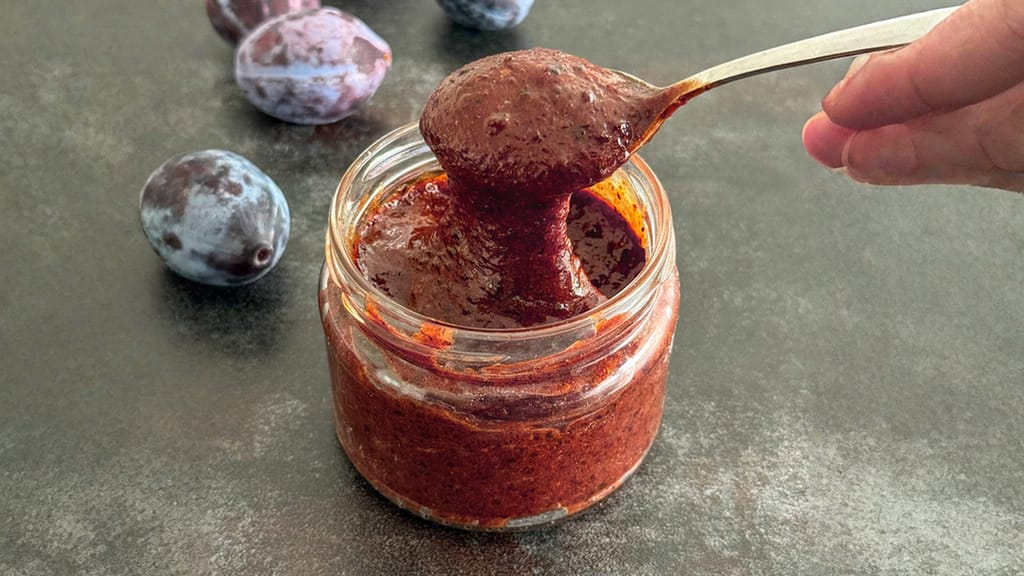
Homemade plum butter
Homemade plum butter – a thick preserve to gift for Christmas baking
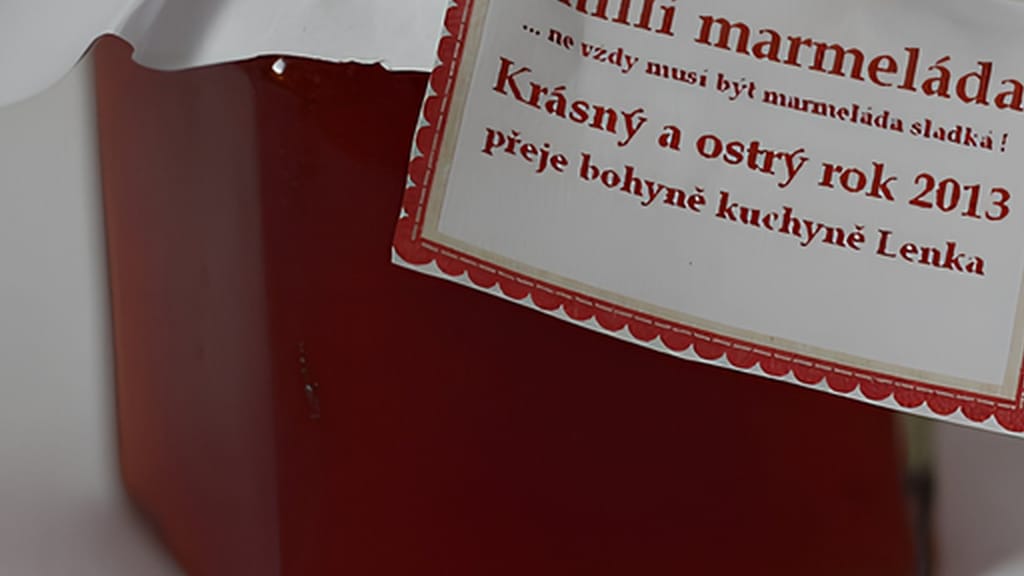
Chilli marmalade
Chilli marmalade – a gift preserve for cheese lovers
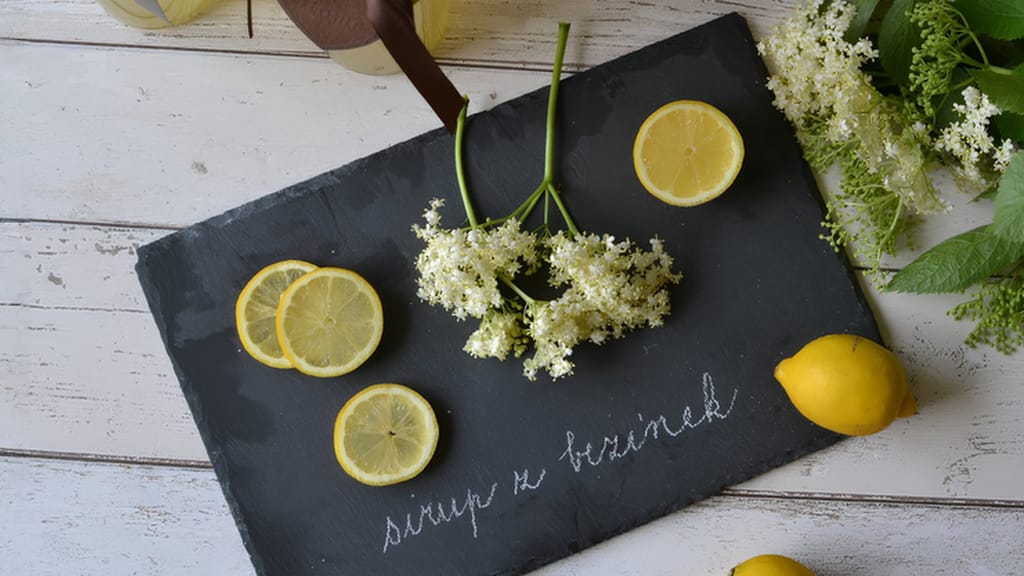
Wonderful homemade elderflower syrup
Homemade elderflower syrup – a summer preserve as a gift
For Christmas, you want to can in summer and autumn, not in December. Fruit is at its best (and cheapest) in season: cherries in June and July, plums for fruit butter from late August through October. In winter, frozen fruit is a fine option. Jam made from it turns out fine — just expect it to release more juice and take longer to cook down.
Build in some buffer time:
24 hours to let the jars cool undisturbed after canning, then check the lids.
2–3 days for the jam to fully settle and let the spices come together.
Within a year is the ideal window for gifting and eating the preserve. After that it's still safe as long as the lid holds, but it darkens and loses its aroma.
If this is your very first time canning, start with our beginner's guide to canning. And if you're torn between the stovetop and oven method, this comparison of canning methods will help.
Only gift a jar if, after 24 hours, the lid is holding a vacuum seal: it should be slightly curved inward and shouldn't click when pressed in the middle. There's no cutting corners here, since the recipient won't open the jar right away and has no way of knowing whether it sealed properly in the first place.
Quick checklist:
Lid is curved inward and doesn't flex. If it clicks, check why lids sometimes fail to seal. Put a jar like that in the fridge and eat it yourself.
Jar rim is clean, with no dried jam stuck under the lid. Leftover sugar on the rim weakens the seal and attracts ants.
Headspace under the lid is roughly 0.5–1 cm. The USDA recommends about 6 mm for jams. A jar filled right to the brim can overflow during processing, while too little filling may not seal properly.
Jars and lids are free of cracks and rust, and the seal is still flexible. For guidance on when to replace lids, see our article on jars and lids for canning.
Contents smell the way they should. If you're not sure, don't gift the jar. Warning signs are covered in when to throw out preserves.
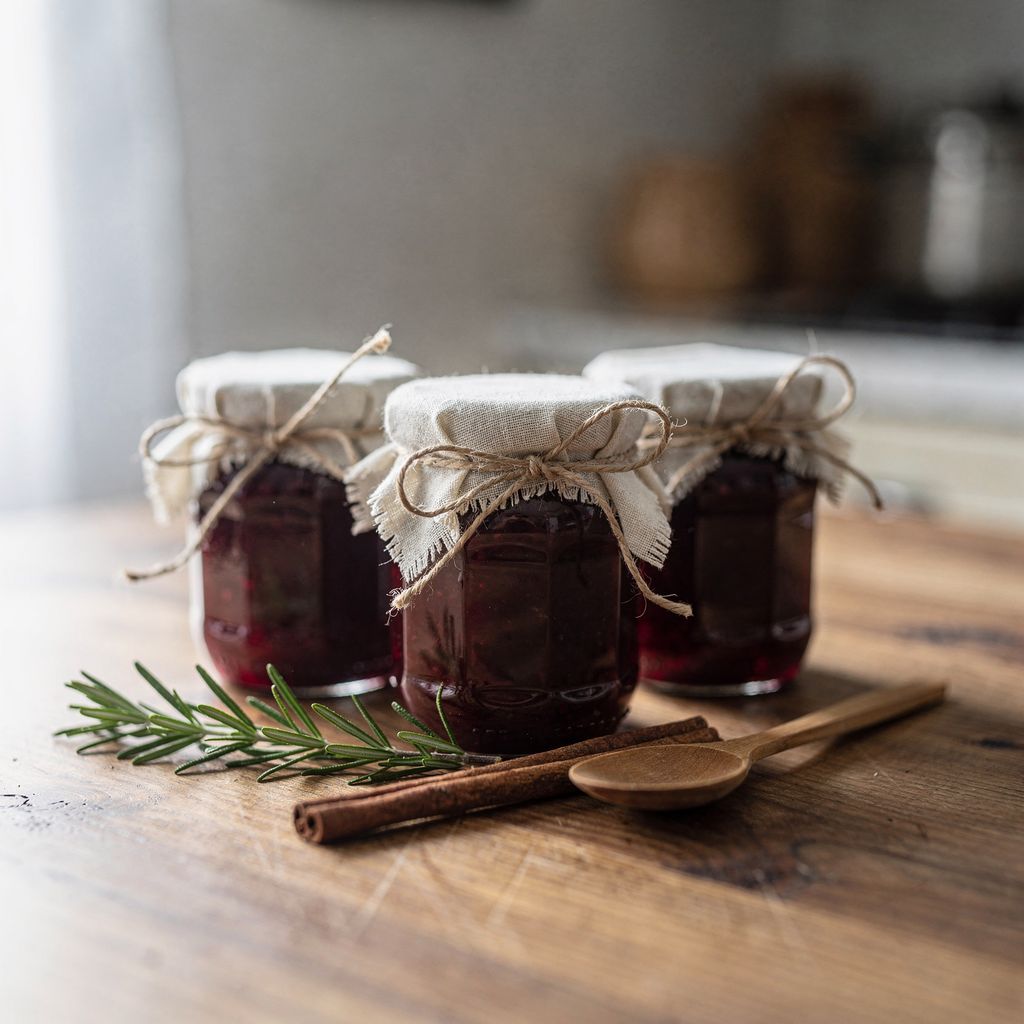
Wrapping jam as a gift comes down to four steps: a decorative lid topper, string or ribbon, a tag, and a sturdy box with padding for the trip. Add all of this only after checking the lids, and never on a jar that's still warm.
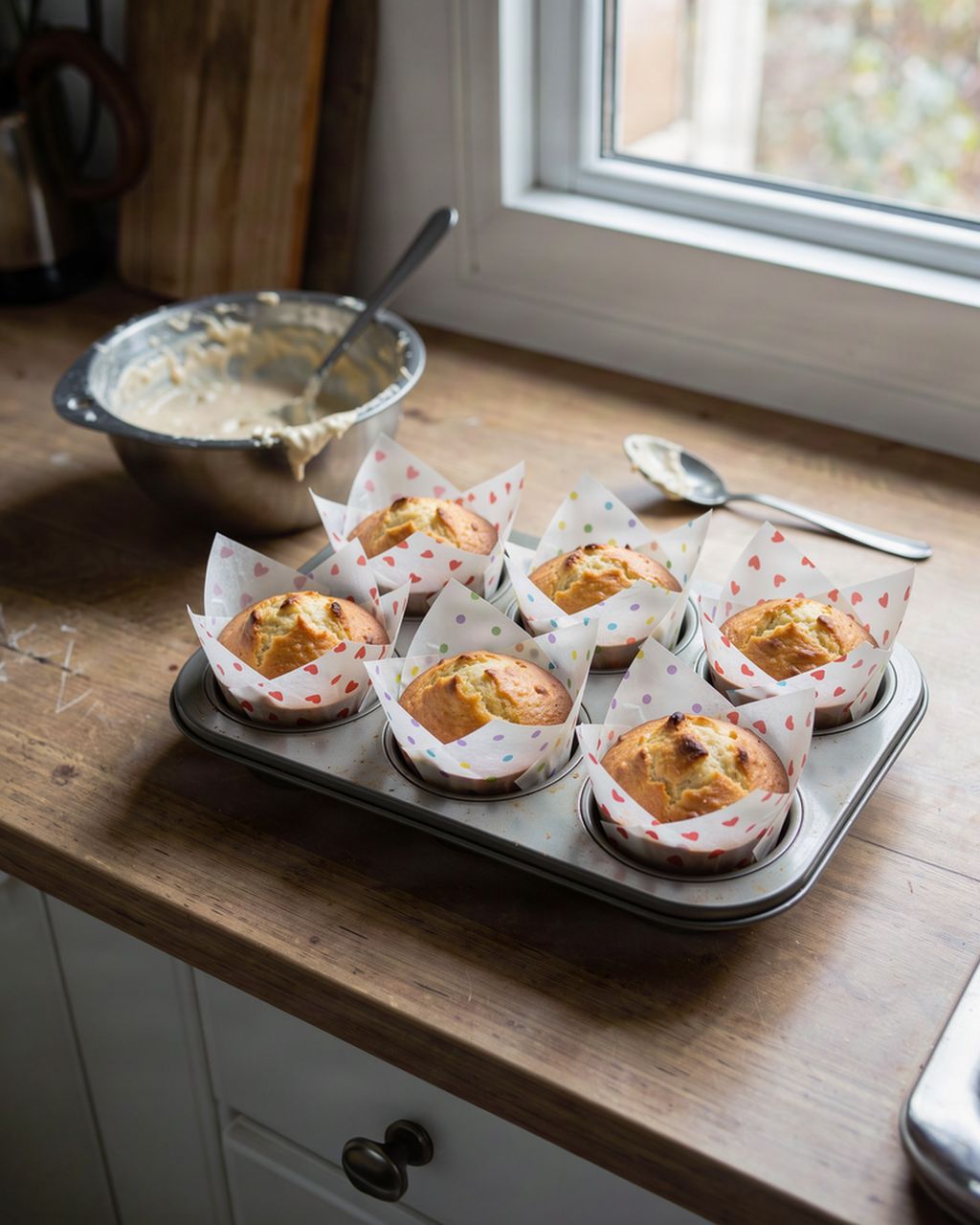
Decorative lid topper – either a fabric circle 4–5 cm wider than the lid's diameter, stretched over the lid (never underneath it) and secured with an elastic band, or a large paper muffin case turned upside down. For Christmas, linen, gingham, or a small-print fabric work well. A paper muffin case creates a pretty ruffled edge and costs next to nothing. You'll find them among paper muffin cases and other paper goods, where you can also pick a colour to match what's inside the jar.
String or ribbon – jute string for a rustic look, satin ribbon for something more festive. Tuck a sprig of rosemary, a cinnamon stick or a dried orange slice under the knot so people can see at a glance what's inside.
Tag – a kraft paper card tied to the neck of the jar, handwritten with the name and a serving tip. Practical details go on the label on the side of the jar; the tag is for a greeting and a personal note.
Box with padding – jars should travel upright, wrapped in paper or packed with paper filler so they don't knock against each other.
A nice extra touch: tie a wooden spoon to the neck of the jar along with the tag. The recipient will remember it, and they can dig in right away.
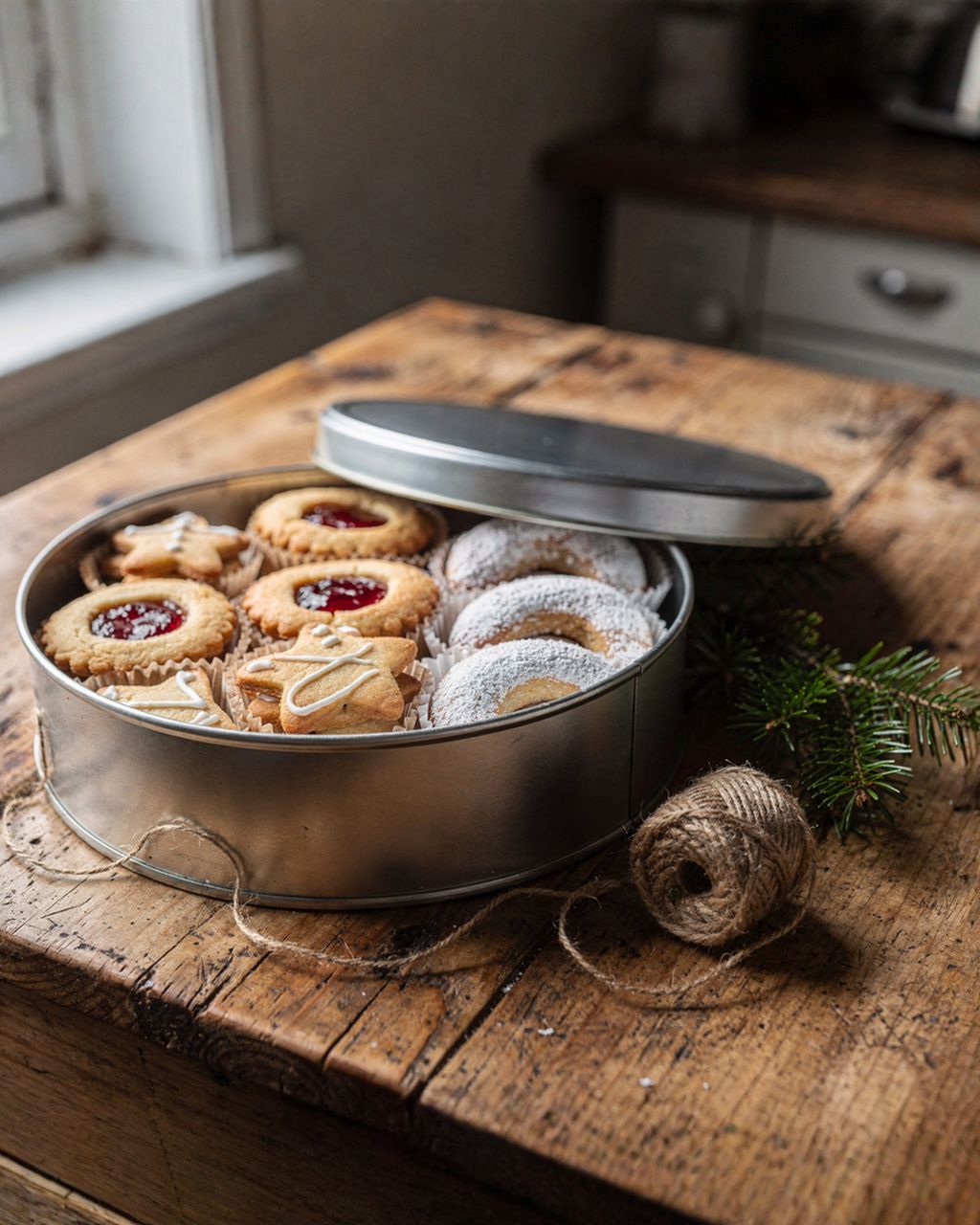
For gifts, 150–250 ml jars are the way to go. The recipient can finish one before an opened jar starts looking tired in the fridge, and more flavours fit into one box. A tried-and-true trio is one sweet jam, one fruit butter, and one savoury marmalade for cheese. If you're adding cookies to the mix, check out how to wrap them so they don't crumble in transit. Put the jars in the bottom layer and the cookies on top.
A preserve's label should include the name, canning date, main ingredients, storage instructions after opening, and a serving tip. Without that, even the prettiest jar is just a guessing game.
Specific name: "Cherries with tonka bean," not just "Jam."
Canning date (month and year is enough).
Main ingredients: something like "cherries, sugar, tonka bean." Always spell out nuts, alcohol, and strong chilli. For a jar going to a family with kids or someone with allergies, this really matters.
After opening: for classic jam, "Store in the fridge, use within 3–4 weeks." For syrup, "Store in the fridge after opening" is enough. If you do decide to gift a low-sugar preserve, write "Store in the fridge after opening and use sooner than regular jam."
Serving tip: "Pairs well with cheese and roast meat," "Great in Linzer cookies and cakes." This is what actually gets the jar opened instead of left on a shelf.
Stick the label on the side of the jar, not on the lid. The lid will be covered by fabric, and the recipient would have to tear the label off just to get to the contents.
An unopened preserve made with a standard amount of sugar lasts about a year in a cool (10–20 °C / 50–68 °F), dark spot, such as a pantry or cellar. The USDA's guidance puts this at a reasonable benchmark for best quality too. Once opened, a jar belongs in the fridge.
Classic jam and marmalade (fruit to sugar ratio roughly 1:1, i.e. made with 1:1 jam sugar): about 3–4 weeks in the fridge after opening.
Fruit butter cooked down thick: similar, though its low water content often makes it last even longer.
Low-sugar preserves (made with 3:1 jam sugar or sweetened with sugar substitutes): once opened, these keep for a shorter time in the fridge than the 3–4 weeks typical of classic jam. That's why it's best not to gift them, or only to do so with a clear note on the label that they must go in the fridge after opening and be eaten sooner.
Syrups: store in the fridge after opening.
Sugar in a preserve isn't just there for sweetness. It binds water, which makes it hard for microorganisms to grow, and together with pectin and acidity it's what holds the gel together. That's why low-sugar versions need more pectin and don't keep as long. You can read more about how pectin, agar and gelatine work in the articles below.
Send jars upright and wrap each one separately in bubble wrap or several layers of paper. Fill the box so the jars can't shift around, and mark it as fragile. In summer, avoid sending them during the hottest spells. Heat doesn't affect the safety of a properly sealed jar, but it does dull the colour and flavour over time.
Yes, a spoonful of rum, brandy or amaretto stirred into the jam just before filling the jars gives it a lovely festive touch. Alcohol doesn't replace sugar or proper sealing, though, so it has no effect on shelf life. Note it on the label so the recipient knows the jar isn't meant for children.
You can reuse jars from store-bought food for gift preserves, as long as they have a screw lid with intact sealing and no cracks. The lids from pickle or sauce jars, however, often carry a smell that transfers into the jam. For gifts, it's best to buy new lids in the same diameter. Wash both the jar and lid before filling, then boil or sterilise them in the oven.
Pair the jar with something that can be tasted right away. Butter biscuits or festive bread go well with sweet jam, a chunk of ripe cheese or crackers suit chilli marmalade, and gingerbread pairs nicely with fruit butter. A wooden spoon and a handwritten serving tip turn a single jar into a complete gift.
Yes, you can freeze jam in a plastic container or a jar, leaving at least 1.5 cm of headspace. As a gift, though, frozen jam isn't very practical. Once thawed, it needs to go in the fridge and only lasts a few weeks. For gifts, a classic properly sealed jar is the better choice — it keeps for a year in a cool, dark spot.
One recipe worth heating the oven for, one tip, and one deal from the shop. Nothing else.