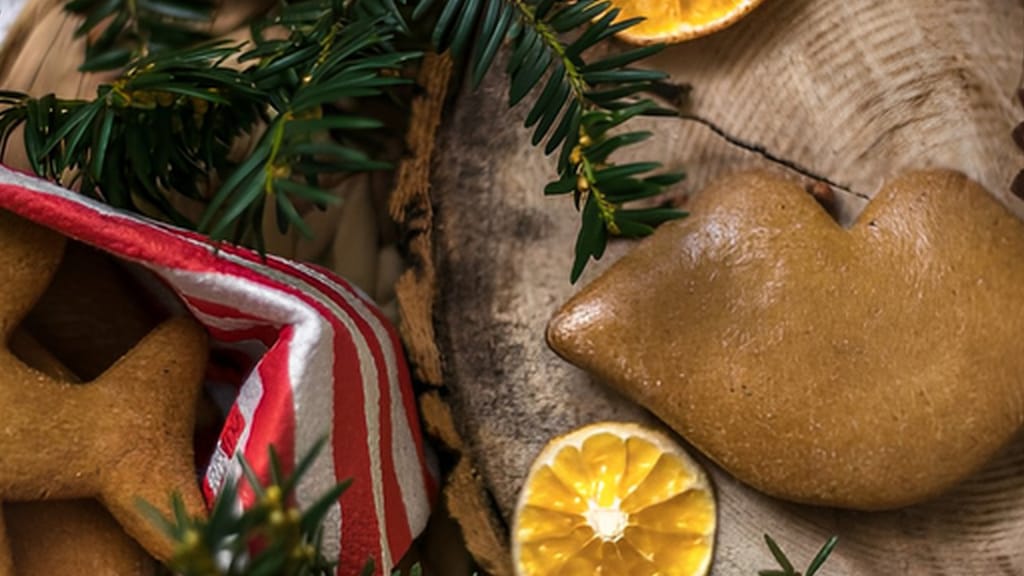
Soft gingerbread cookies
Homemade Christmas Gifts from the Kitchen: What to Bake and How to Wrap It
Updated Oct 4, 2026
The best homemade Christmas gifts from the kitchen are the ones that survive a few days under the tree: gingerbread, butter cookies, marshmallows, vanilla sugar, and for anyone eating them straight away, truffles or eggnog too. What matters most is shelf life and packaging, not how complicated the recipe is. Here's what to bake, how long it keeps, and how to wrap it so the recipient doesn't just end up with a box of crumbs.
The best gifts are things that'll keep for at least a week without refrigeration: gingerbread, linzer cookies, sugar cookies, vanilla crescents, butter and nut cookies, and marshmallows. For the fridge and quick eating, go for truffles, no-bake balls and eggnog.
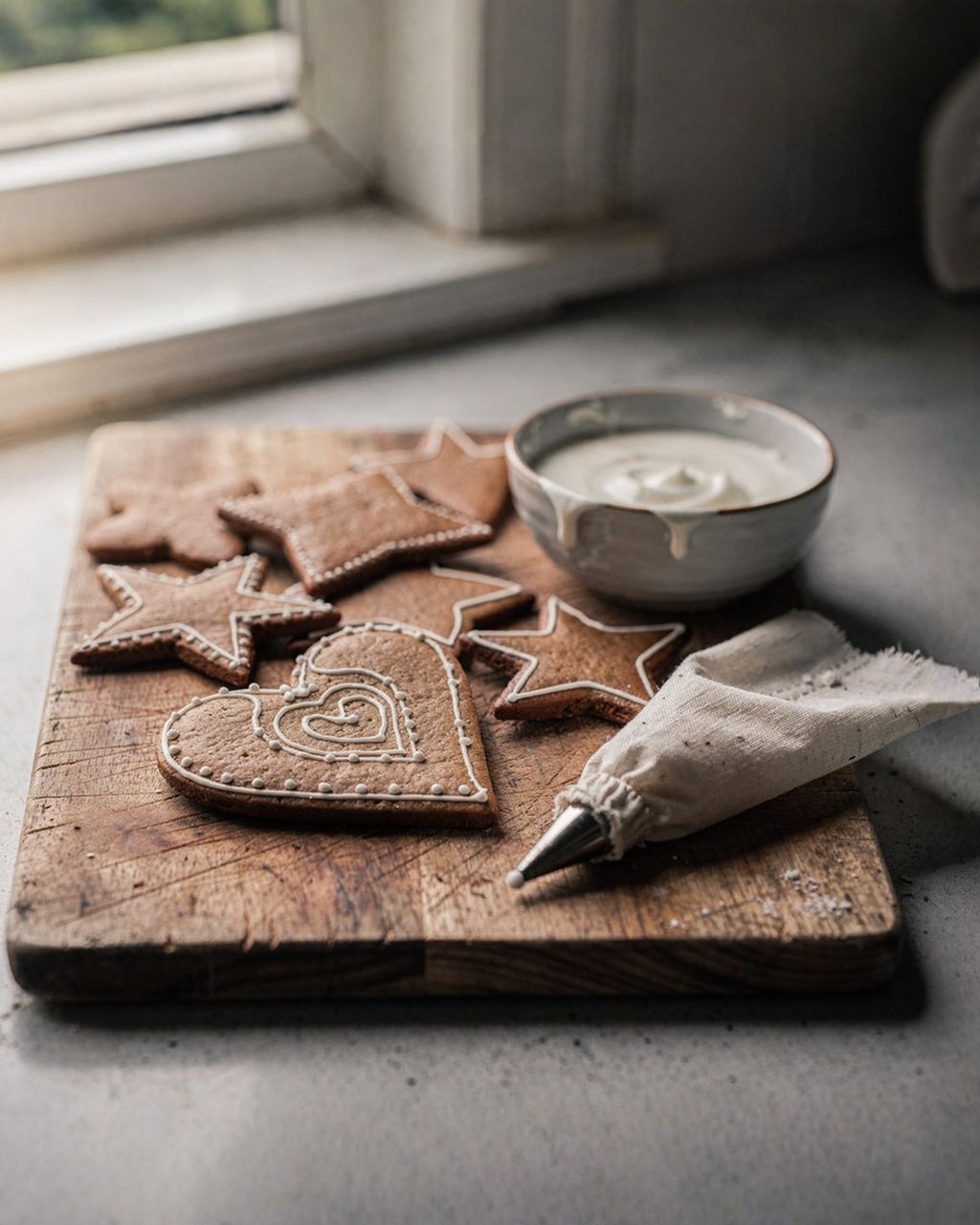
Gingerbread is the most grateful gift of all: honey gingerbread cookies don't go hard with time in a sealed tin — they actually get softer. Try these soft gingerbread cookies or soft honey gingerbread that stays tender. For tips on how to let them mellow properly, see how to store gingerbread so it softens.
Linzer cookies travel well and keep for weeks if left unfilled. The classic base is classic crumbly linzer cookies, or for the more adventurous, linzer cookies filled with salted caramel. For when they taste best, see linzer cookies: how long do they keep.
Decorated sugar cookies are the perfect blank canvas for names, stars and patterns. Recipe: crisp, delicate sugar Christmas cookies.
Vanilla crescents taste wonderful but are the most fragile thing in the whole box, so pack them with care. Recipe: classic vanilla crescents, or hollow walnut crescents.
Butter and nut cookies are quick to make and can even survive the post: crisp almond cookies.
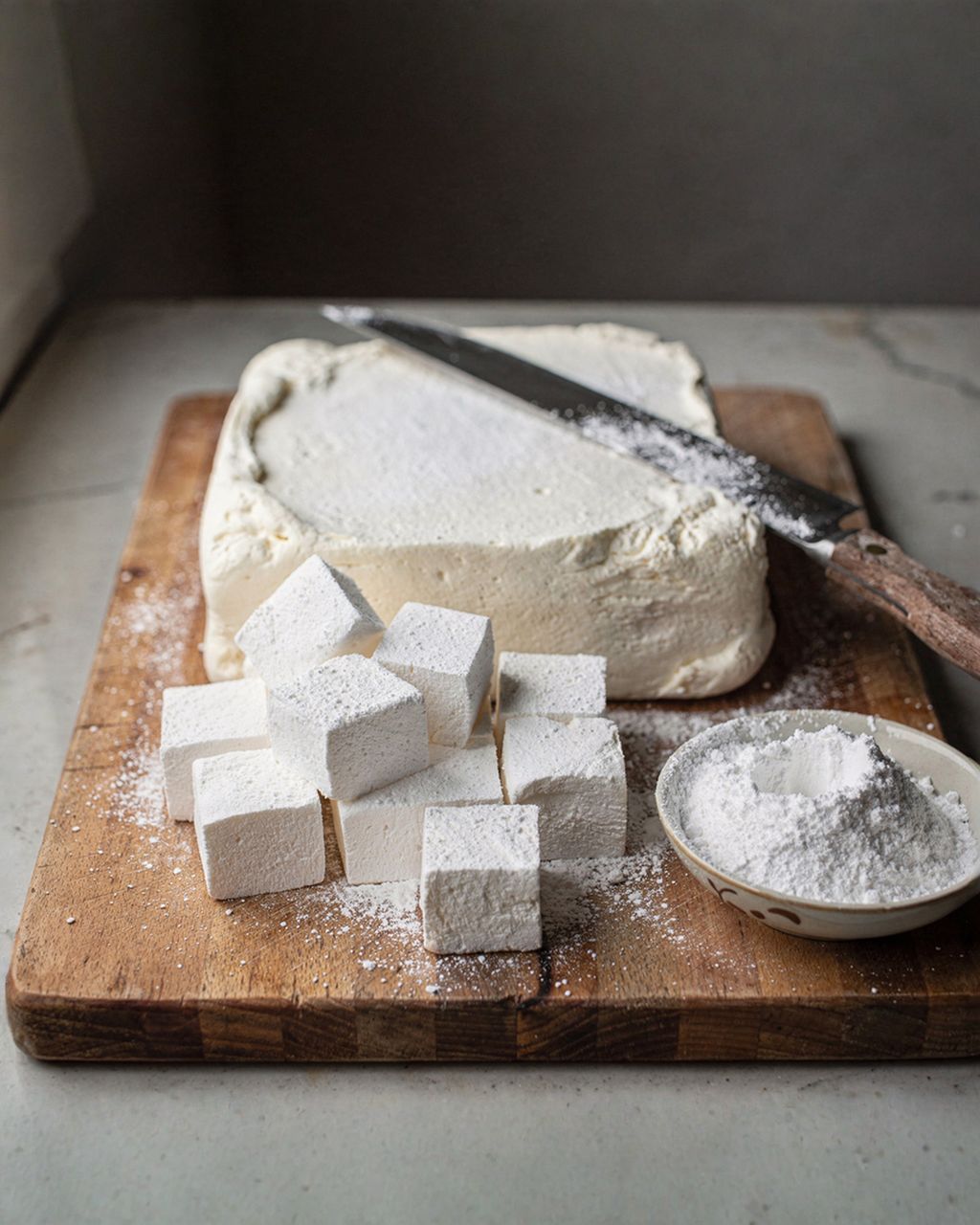
Marshmallows look utterly luxurious in a little box, and you can whip them up in a single afternoon: homemade mint-chocolate marshmallows.
Truffles, bonbons and cream-filled treats are best handed over in person, not posted: chocolate peanut butter truffles, Baileys white chocolate truffles or mocha rounds — if they're cream-filled, keep them in the fridge.
Eggnog in a pretty bottle is a gift for the grown-ups, meant to go straight on the table, and it belongs in the fridge: homemade Christmas eggnog.
Soft gingerbread cookies
Soft gingerbread cookies – a homemade Christmas gift that only gets better with time
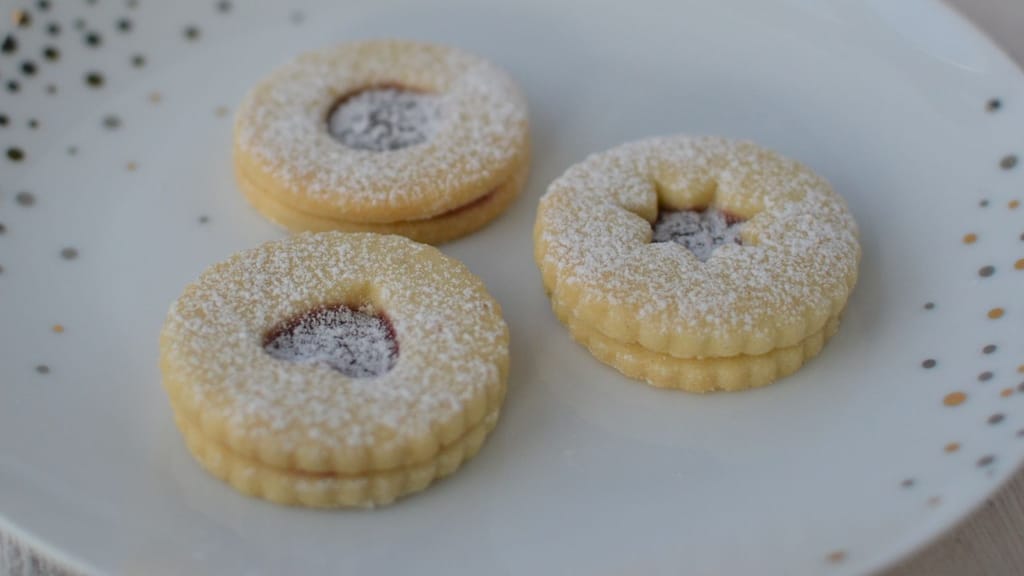
Classic christmas cookies: delicate linzer cookies
Classic crumbly linzer cookies for a gift box
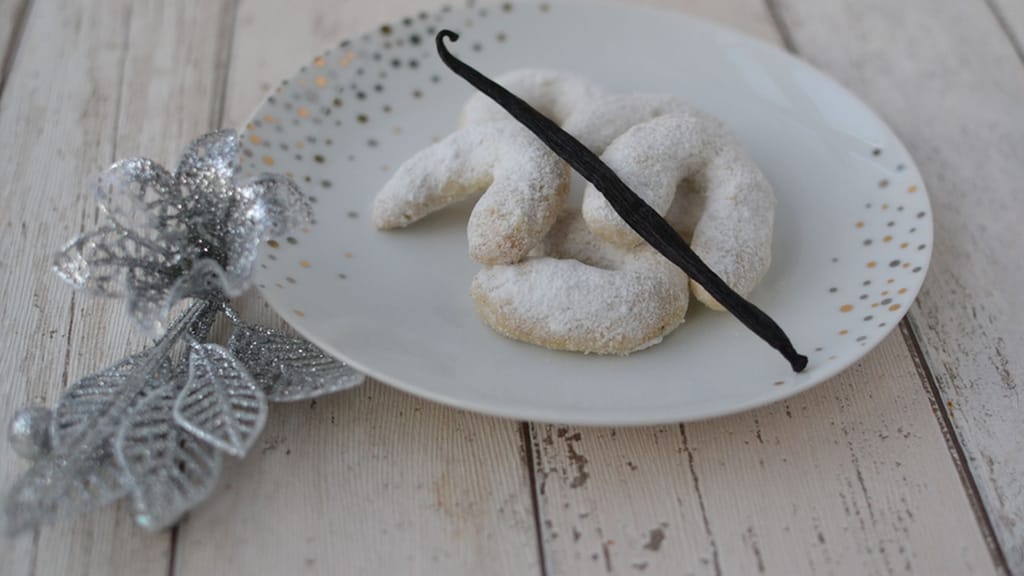
The best christmas cookies? vanilla crescents, of course!
Vanilla crescents as a homemade Christmas gift
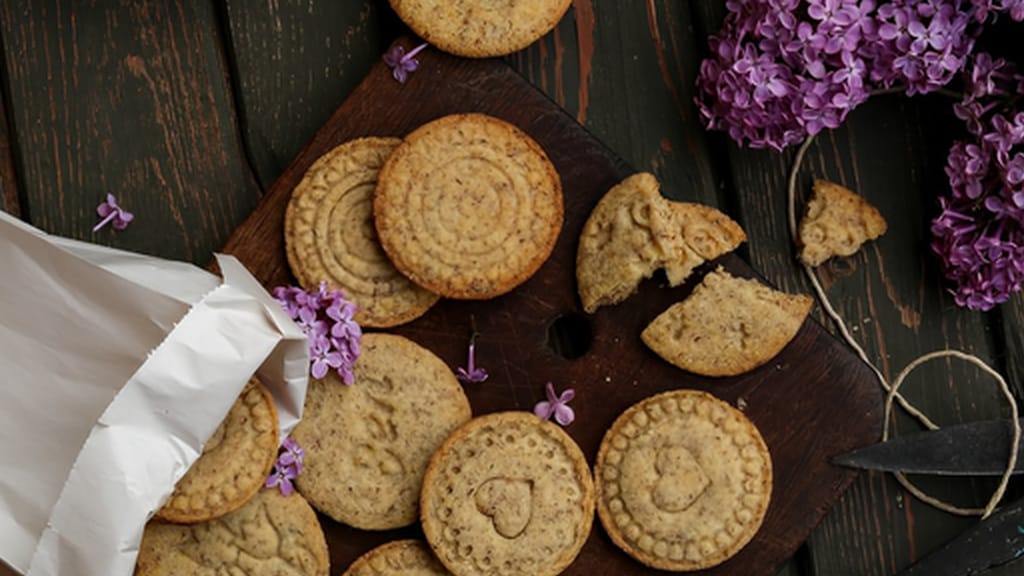
Delicate almond shortbread cookies
Crisp almond cookies that can survive even the post
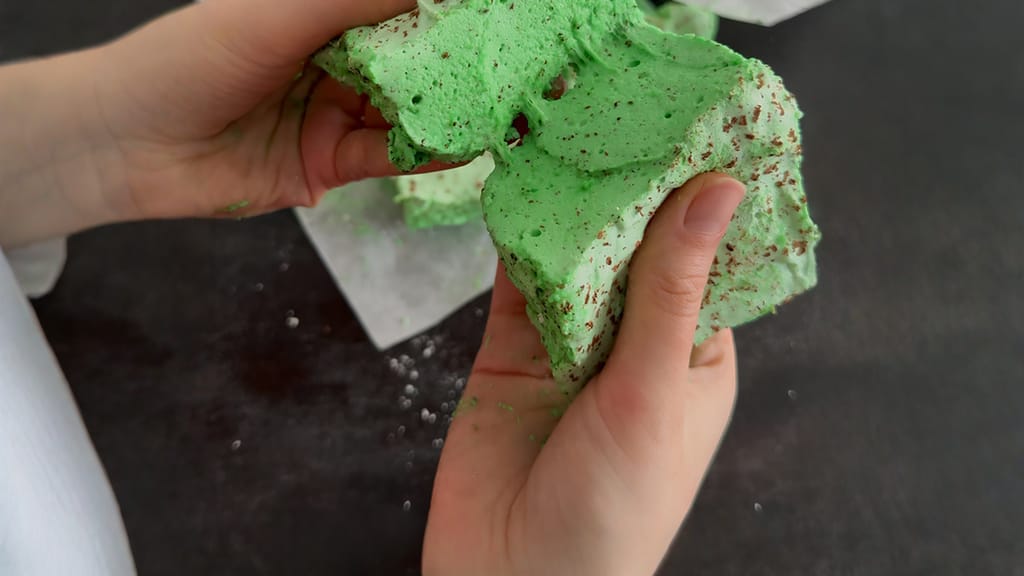
Homemade mint chocolate marshmallows
Homemade mint-chocolate marshmallows for a gift tin
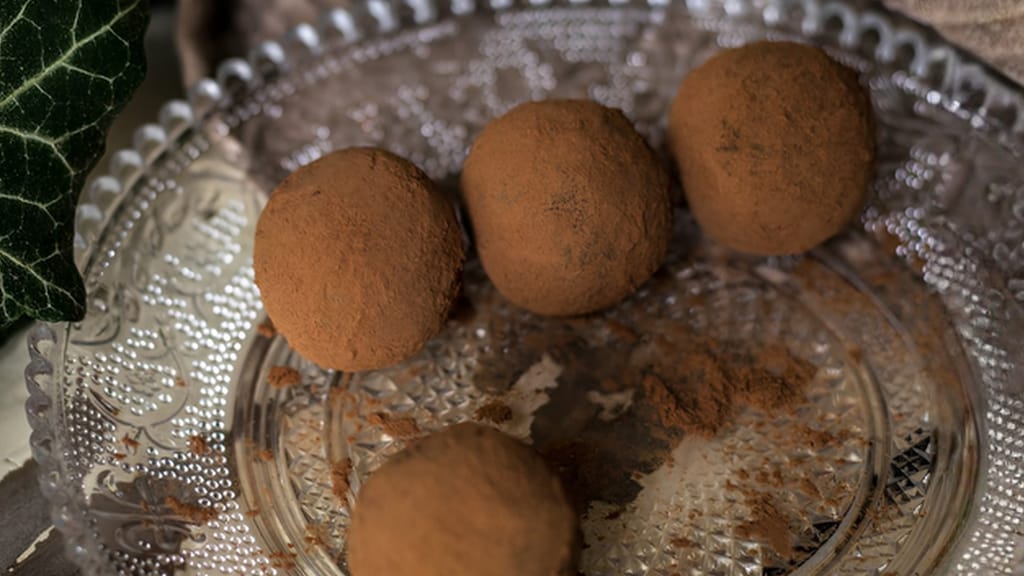
Chocolate peanut butter truffles
Chocolate peanut butter truffles, best handed over in person
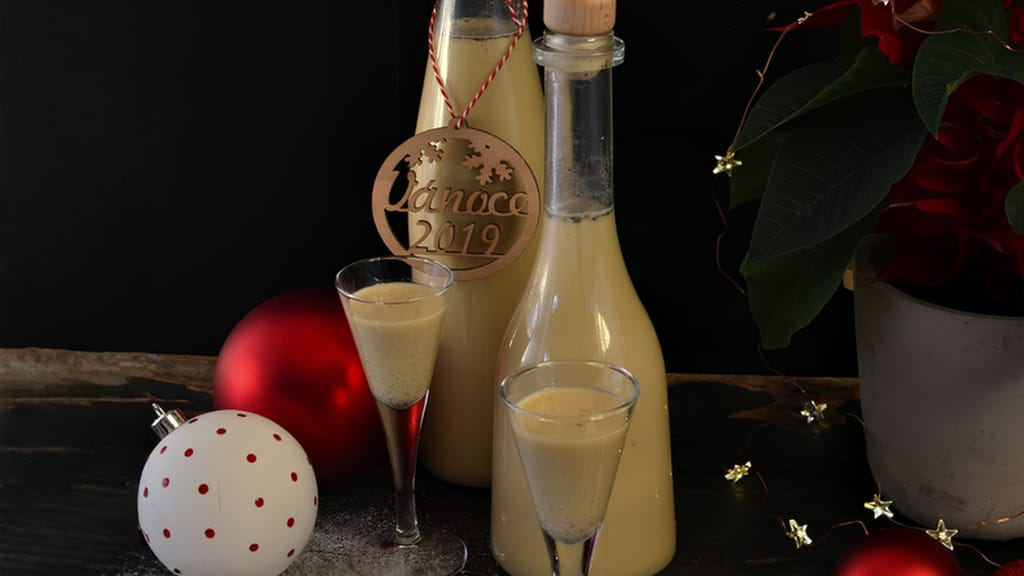
Homemade eggnog – the best christmas drink
Homemade Christmas eggnog in a gift bottle
General rule: the drier and richer the cookie, the longer it keeps. Cream, fresh cream and raw eggs cut shelf life down to just days. Choose what to give and how far it needs to travel accordingly.
4 weeks or more: gingerbread, unfilled linzer cookies, butter and nut cookies, vanilla sugar.
Roughly 2–3 weeks: linzer cookies filled with jam, vanilla crescents, meringues and marshmallows kept dry in a sealed tin.
Within a week, in the fridge: cream-filled cookies, cream-and-chocolate truffles, no-bake balls. Most recipes are designed for quick eating. Alcohol extends shelf life a little, but it won't save them.
In the fridge, with a date on the label: homemade eggnog made with raw yolks keeps just 2–4 days; only versions made with pasteurised or heated yolks last longer.
For exact timings by cookie type, see our overview of how long cookies keep by type, and for cream-filled bakes, how long do cream-filled cookies keep.
Start with whatever needs time to mellow: gingerbread and linzer cookies can be baked as early as the start of December, delicate types about a week before giving, and cream-filled ones 1–2 days before. Our day-by-day calendar for baking Christmas cookies breaks it down. If you want to get everything done well in advance, freeze the cookies, or just the dough.
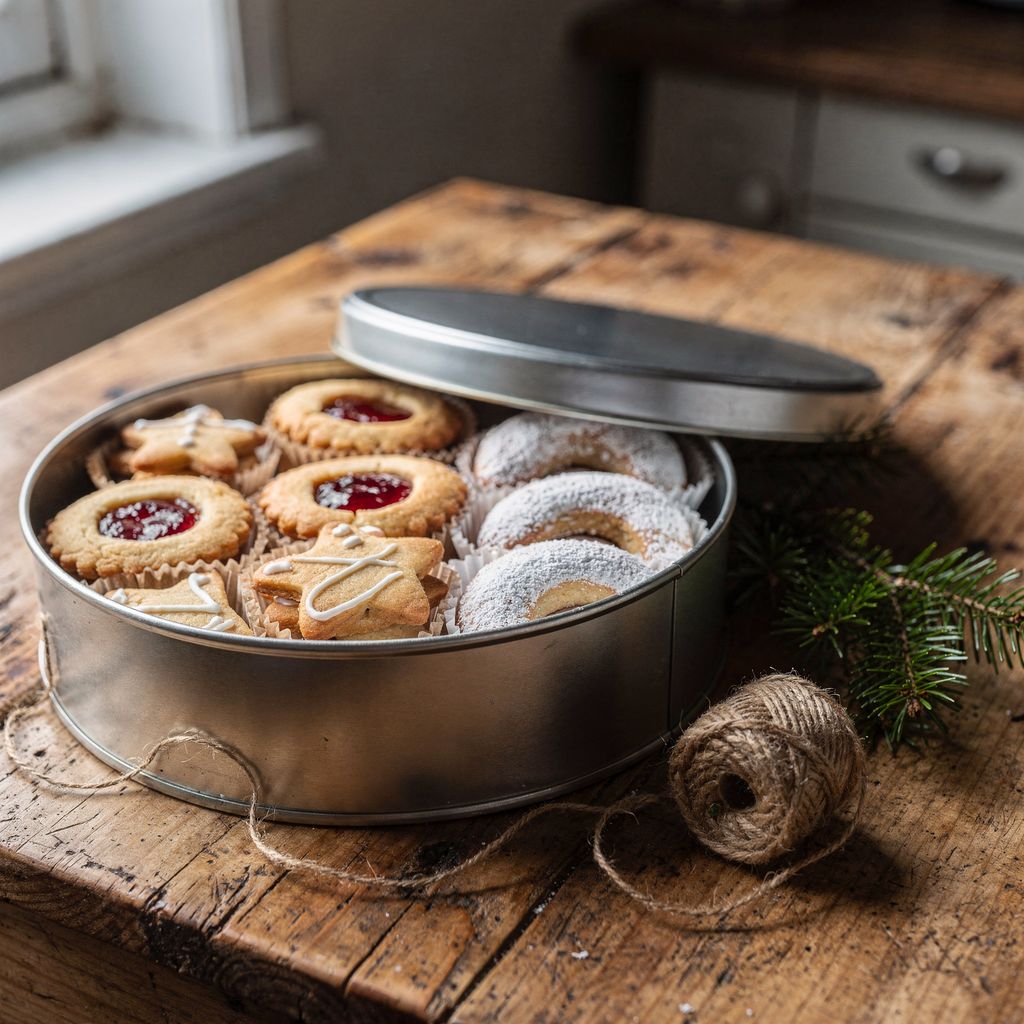
In short: let them cool completely, separate by type, put each piece in a paper case, stack flat rounds in neat columns, separate layers with paper, fill the gaps, and seal it all airtight in a sturdy tin. A cellophane bag looks pretty, but it's not enough on its own.
Let them cool completely. Even slightly warm cookies will sweat and go soft in a sealed tin. Wait at least until the next day — decorated cookies until the icing has fully dried.
Don't mix soft with crisp. Gingerbread and cream-filled cookies release moisture, and any crisp linzer cookies or crescents next to them will go soft. Strong scents like rum, clove or mint can also transfer. Give each type its own compartment, or at least its own paper cases.
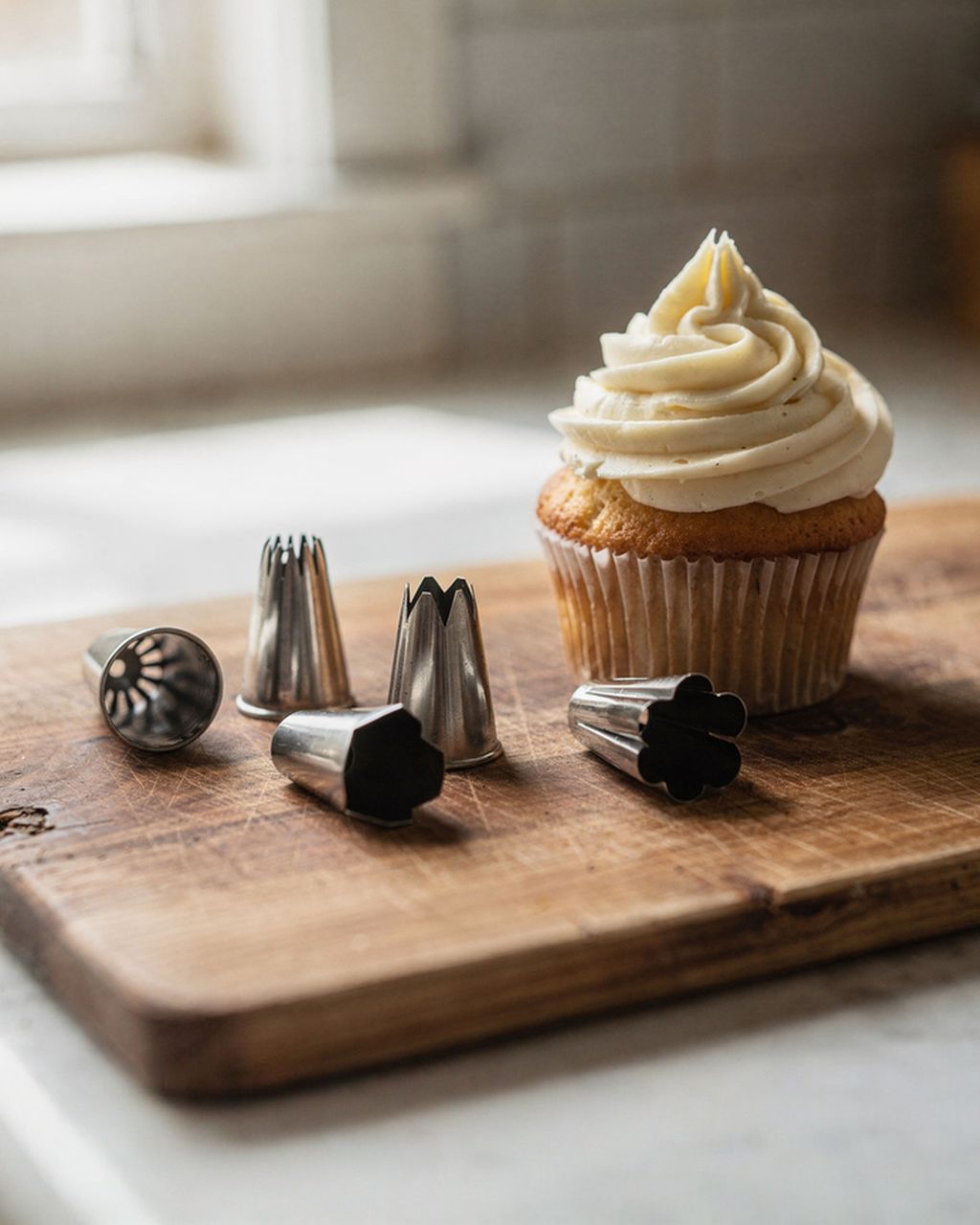
Use paper cases. A paper case keeps pieces apart, catches crumbs and loose sugar from crescents, and makes the box look like it came from a proper bakery. Go for mini sizes with smaller cookies. The same cases used for cupcakes work perfectly here too — choose between paper and foil cupcake cases.
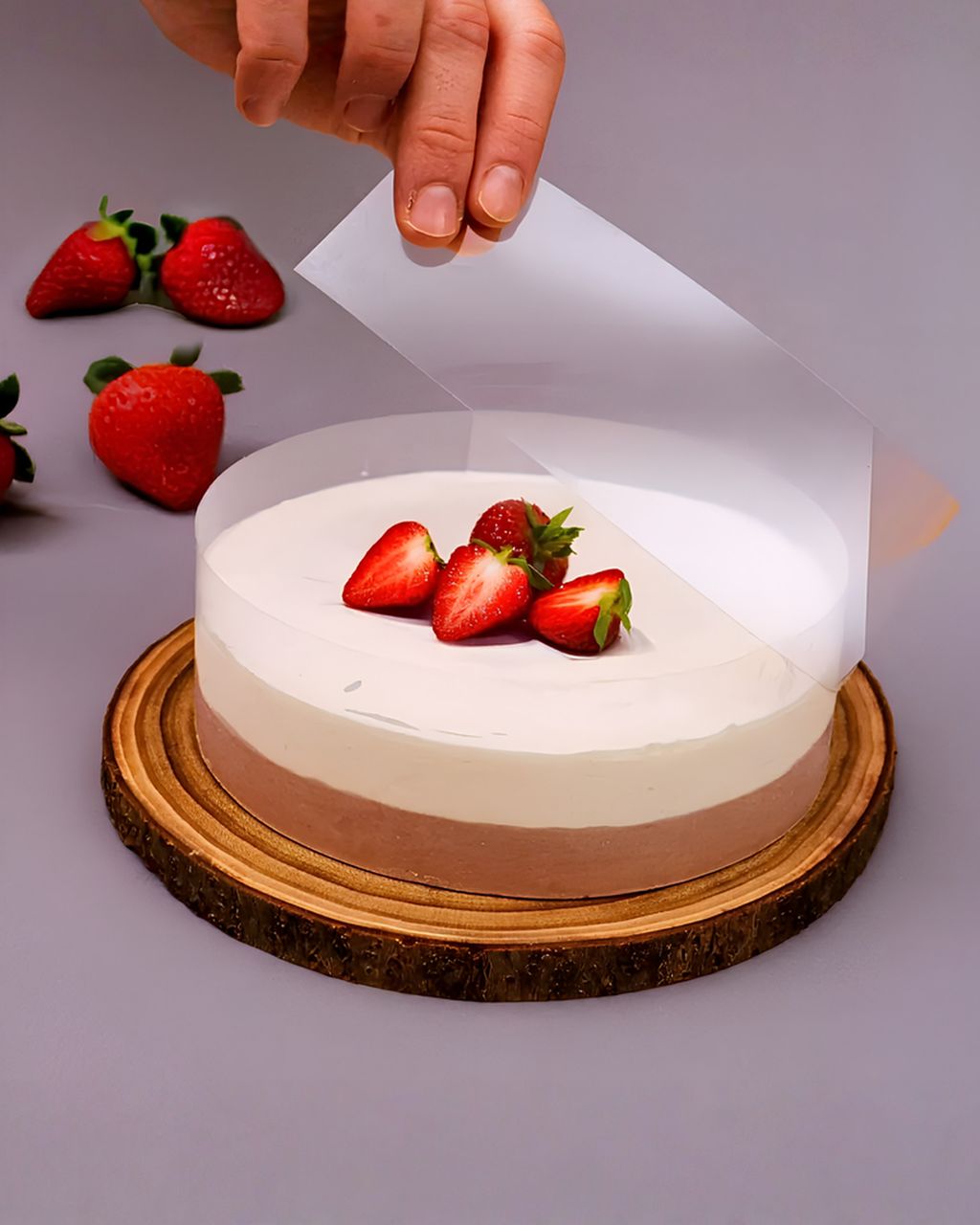
Stack flat rounds in columns. Pile linzer cookies or other rounds six to eight high, wrap a strip of acetate film around them and tape the end. This makes a firm little "cylinder" that won't shift in the box and lets you see what's inside at a glance.
Separate the layers. Put baking paper or a strip of acetate film between layers so the icing doesn't stick to the row below.
Fill the gaps. Empty space is the biggest enemy here. Fill it with scrunched-up baking paper or an extra case so nothing shifts when the box is shaken.
Seal it airtight. A lidded tin keeps things crisp the longest. Only tie up cellophane bags once they're inside the box, or save them for cookies that'll be eaten within a few days.
For more on why cookies go soft and how to keep them crisp, see our article on how to store Christmas cookies.
Put marshmallows and sweets in an airtight container, keep truffles chilled, and pour liquids into a clean, sealable bottle. Add a dated label to every gift.
Marshmallows: coat them in a mix of icing sugar and starch so they don't stick together, then store in a container or a sturdy zip-top bag. Humidity harms them far more than time does.
Truffles and bonbons: place each one in a mini paper case, in a single layer in a shallow box. Keep them in the fridge until it's time to give them, and pack them in a cool bag if they're travelling. Warmth in a car will soften them in no time.
Eggnog: pour it into a thoroughly washed and sterilised bottle with a tight seal, make it no earlier than the day before giving, and transport it chilled. Label it with a "use by" date — not just the date it was made — and a note that it needs refrigeration.
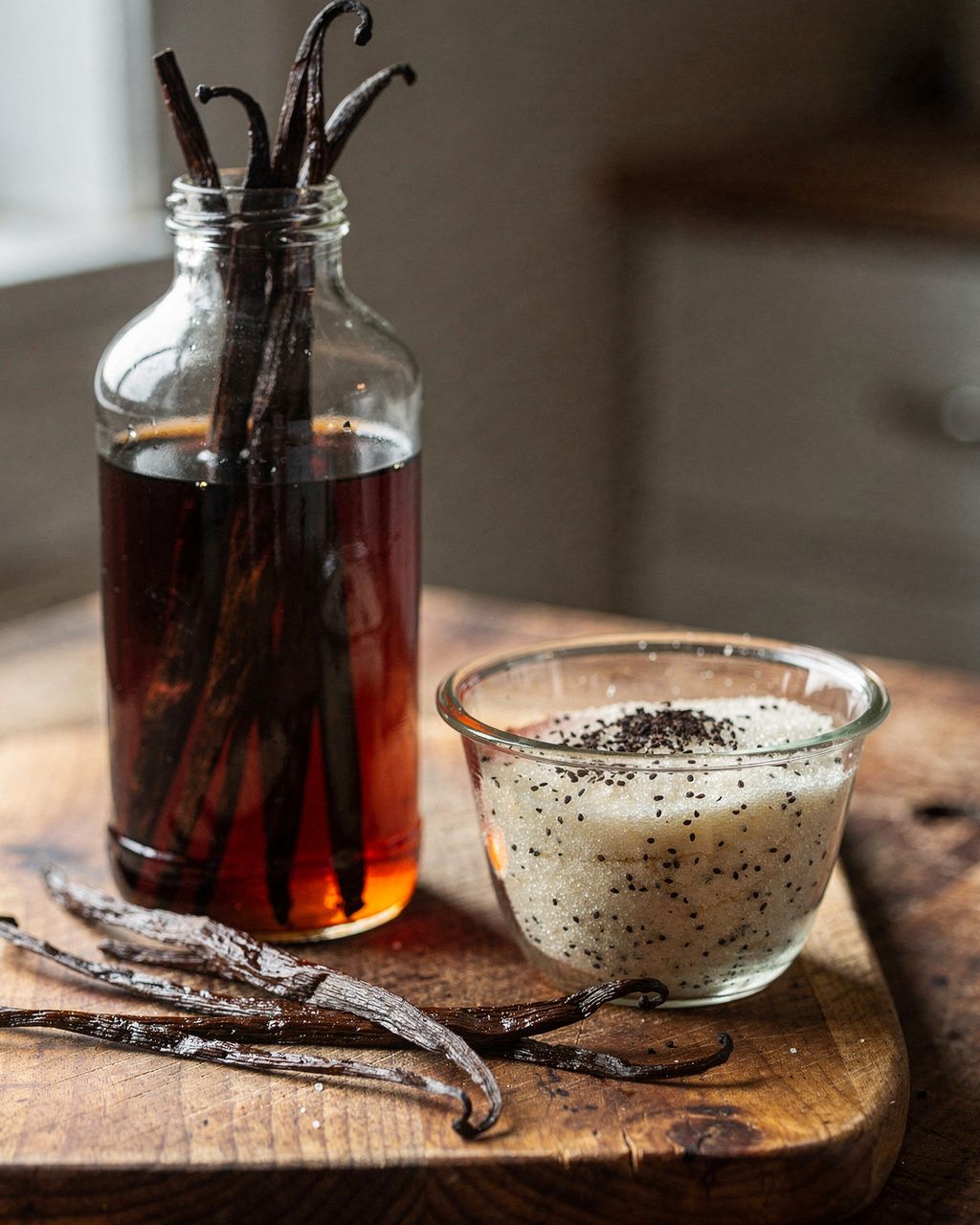
Vanilla sugar: a lidded jar works even as a last-minute gift and keeps for months.
You can post Christmas cookies as long as they're hard and dry — gingerbread, unfilled linzer cookies and butter cookies all travel well. Cream-filled cookies, truffles and crescents are better handed over in person. Pack the tin so nothing can shift, and place it inside a bigger box with at least 3 cm of padding on every side. Post it early in the week so the parcel doesn't sit in a depot over the weekend.
Roughly 250–400 g in four to six varieties is enough for one household. More varieties in smaller amounts look far more generous than one big pile of the same thing, and the recipient will get through them before they lose their crispness.
Dry cookies like gingerbread and linzer cookies can be wrapped a week ahead with no problem; delicate and cream-filled varieties are best wrapped 1–2 days before giving. Until then, keep them in separate sealed containers by type, so flavours and moisture don't mix. Only box up truffles and no-bake balls on the day itself, straight from the fridge.
Marshmallows or chocolate truffles can work as a gluten-free homemade Christmas gift, as long as you check that the chocolate, starch and other ingredients don't carry a gluten warning. Bake gluten-free cookies using suitable flours. Wrap them separately so they don't come into contact with regular cookies, and note it clearly on the label. For which flours to use and in what ratio, see our article on [what to use instead of flour in gluten-free cookies](/en/articles/what-to-use-instead-of-flour-in-gluten-free-cookies).
Only add thawed cookies to a gift box once they're completely defrosted and dry on the surface. Let them thaw inside a closed container so moisture doesn't condense on them, and only transfer them to the gift packaging afterwards. Otherwise they'll turn soft in the box.
One recipe worth heating the oven for, one tip, and one deal from the shop. Nothing else.