At a glance
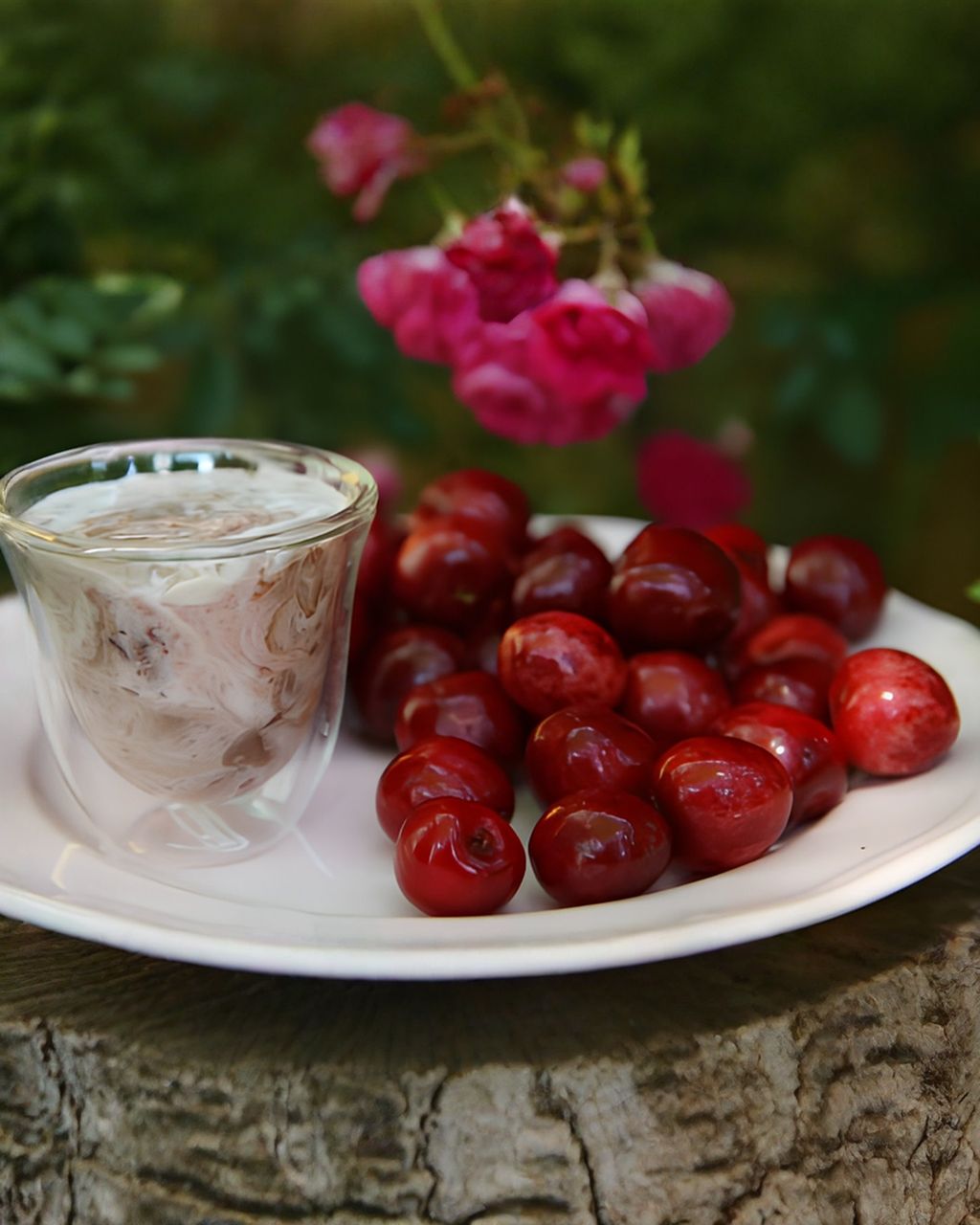
This cherry jam gets its magic from grated tonka bean, an aromatic spice that adds a wonderfully distinctive flavor to the preserve. The process is straightforward: you'll simmer pitted cherries until they soften, then blend or mash them to your preferred texture before stirring in sugar, pectin, and a pinch of tonka bean. The trickiest part is handling the tonka bean itself—just a tiny amount of this potent ingredient is needed, and remember that its use is restricted in some countries due to coumarin content.
1/4
Simmer the cherries
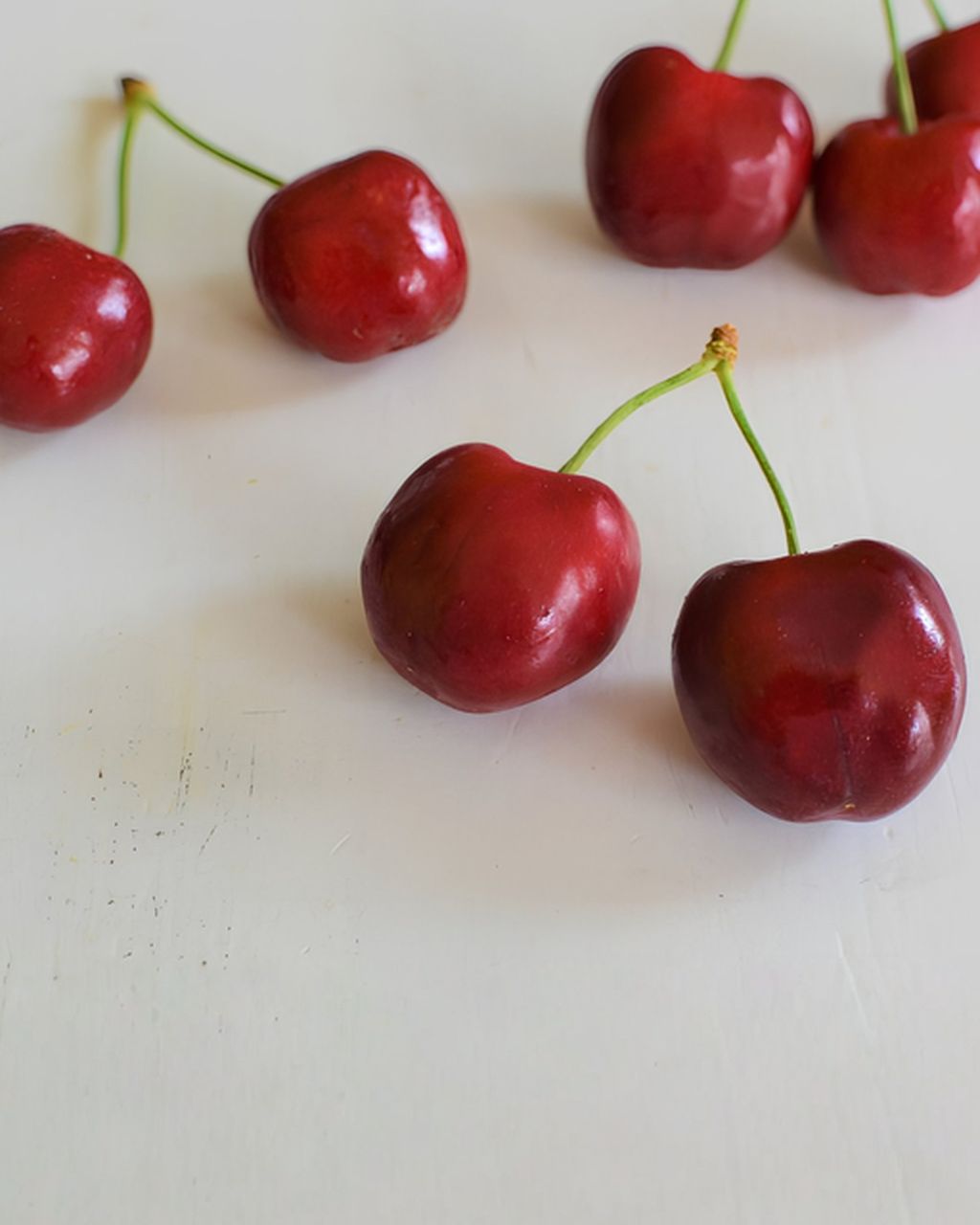
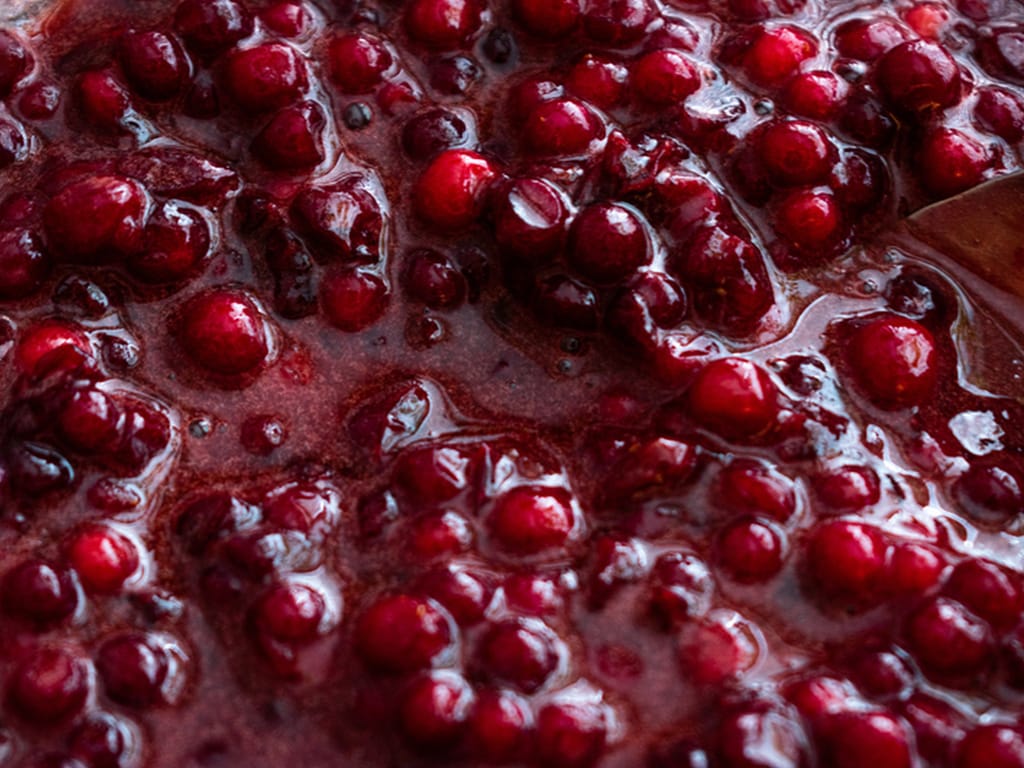
Pit the cherries and put them in a pot over low heat. If you're worried they might catch on the bottom, you can add a splash of water – but really no more than 50–100 ml.
For this step
0/12/4
Blend it up
Cover the pot with a lid and let the cherries bubble away for about 20 minutes. Remove the lid, then mash with a potato masher or blend with a stick blender, depending on whether you want chunks of fruit in your jam or a smooth texture.
3/4
A pinch of tonka bean
Mix the sugar with the pectin and stir it quickly into the fruit mixture. Add a pinch of grated tonka bean. Mix thoroughly and cook for a further five to ten minutes – the jam will start thickening right away.
For this step
0/3
Made it? Tell us how it went.
Want a recipe like this every Thursday?
One recipe worth heating the oven for, and one tip that saves you time. Nothing else.