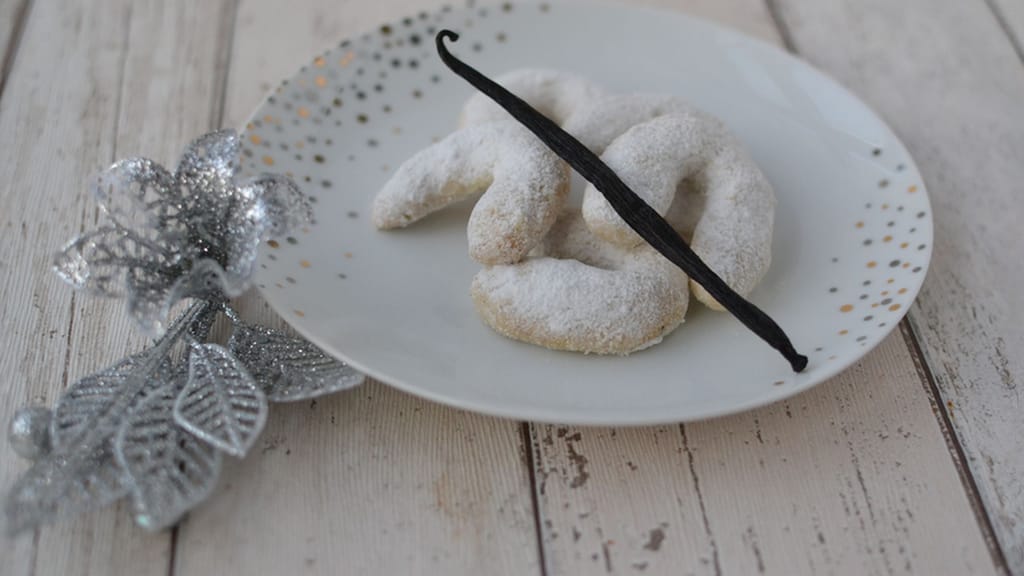
The best christmas cookies? vanilla crescents, of course!
Nut-Free Christmas Cookies: What to Use Instead of Nuts (and in What Ratio)
Updated Oct 6, 2026
There are two ways to make nut-free Christmas cookies: either swap the nuts in the recipe for something that does the same job — most often toasted ground sunflower or pumpkin seeds in a 1:1 ratio — or pick recipes that never had nuts in them to begin with. Here's what nuts actually do in the dough, which substitute suits which cookie, and what to watch for if you're baking for someone with a nut allergy.
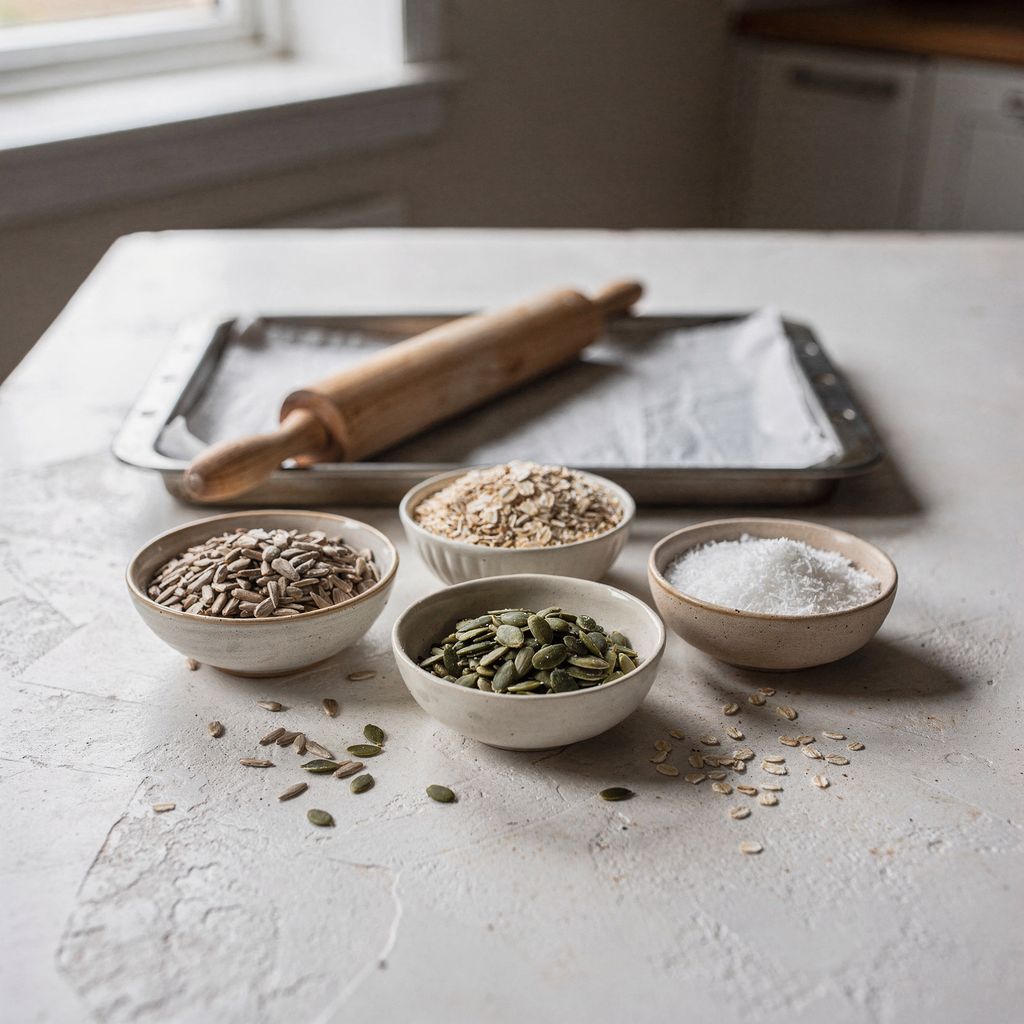
The best substitutes for ground nuts in cookies are: ground sunflower seeds, ground pumpkin seeds, desiccated coconut, toasted oats, ground poppy seeds, or flour with a bit of extra butter. Each works best for something different:
Sunflower seeds: the most versatile swap, use a 1:1 ratio by weight. Once toasted they taste nutty and have a similarly rich, crumbly texture. Great in crescent cookies, nut-style biscuits, and "pracny".
Pumpkin seeds: also 1:1, with a stronger flavour and a slightly greenish colour. They shine in gingerbread and spiced cookies, where the colour doesn't matter.
Desiccated coconut: replace at most half the nuts. It soaks up more moisture, so the cookies turn out drier and sweeter. Best in no-bake treats and meringue-based cookies.
Oats: for every 100 g of nuts, use 100 g of toasted, finely ground oats plus 10 g extra butter. They bring a nutty aroma, but even with the added butter they're lower in fat, so the dough is a touch more crumbly.
Poppy seeds: ground, 1:1. They give a dark colour and their own distinct flavour, so they don't mimic nuts, but they're a fully workable alternative.
Flour + butter: for every 100 g of nuts, use 60–70 g plain flour and 10–15 g butter. This is more of a last-resort fix — the cookies will be firmer and less delicate.
Start with seeds. They're the closest match and slot into most classic recipes without any other tweaks.
In cookie dough, nuts do three jobs: add fat, break up the gluten, and carry flavour. If your substitute covers at least two of these, you'll only tell the difference by taste.
Fat. Ground nuts are roughly half to two-thirds fat: USDA nutrition data puts almonds at around 50%, with hazelnuts and walnuts at 60–65%. That's why nut-based dough feels so melt-in-the-mouth. Sunflower and pumpkin seeds sit at around 50% fat, similar to almonds. Oats and flour contain far less fat, which is why you top them up with butter.
A gluten-free-feeling structure. Ground nuts "dilute" the wheat flour, so there's less material for gluten to form a firm network from, keeping the cookies crumbly. Swap in plain flour instead of nuts and you'll get more gluten — and a tougher crescent cookie.
Flavour from toasting. That classic nutty aroma comes mainly from toasting. The same goes for seeds and oats: raw, they taste flat and a bit grassy, but toasted they suddenly taste like hazelnuts.
Toast seeds on a dry baking tray at 160°C (320°F) for 8–10 minutes, until golden and fragrant. Let them cool completely before grinding.
Toast on a tray, not in a pan. The oven toasts them evenly. Give them a stir after 5 minutes.
Let them cool fully. Warm seeds turn into a paste when ground.
Grind with sugar. Add a tablespoon of the sugar from the recipe and grind in short pulses. The sugar soaks up the released fat and keeps the mixture loose rather than pasty.
Weigh after grinding. A 1:1 swap means matching the weight of nuts in the recipe, not the volume.
Watch out for a green tinge. Sunflower seeds contain chlorogenic acid, which turns green once baked in an alkaline environment — for example with baking soda or ammonium carbonate in gingerbread. The green colour is harmless but doesn't look great. For gingerbread, reach for pumpkin seeds, poppy seeds, or oats instead. Don't try cutting back on the raising agent to fix it — that will mess with how the dough rises.
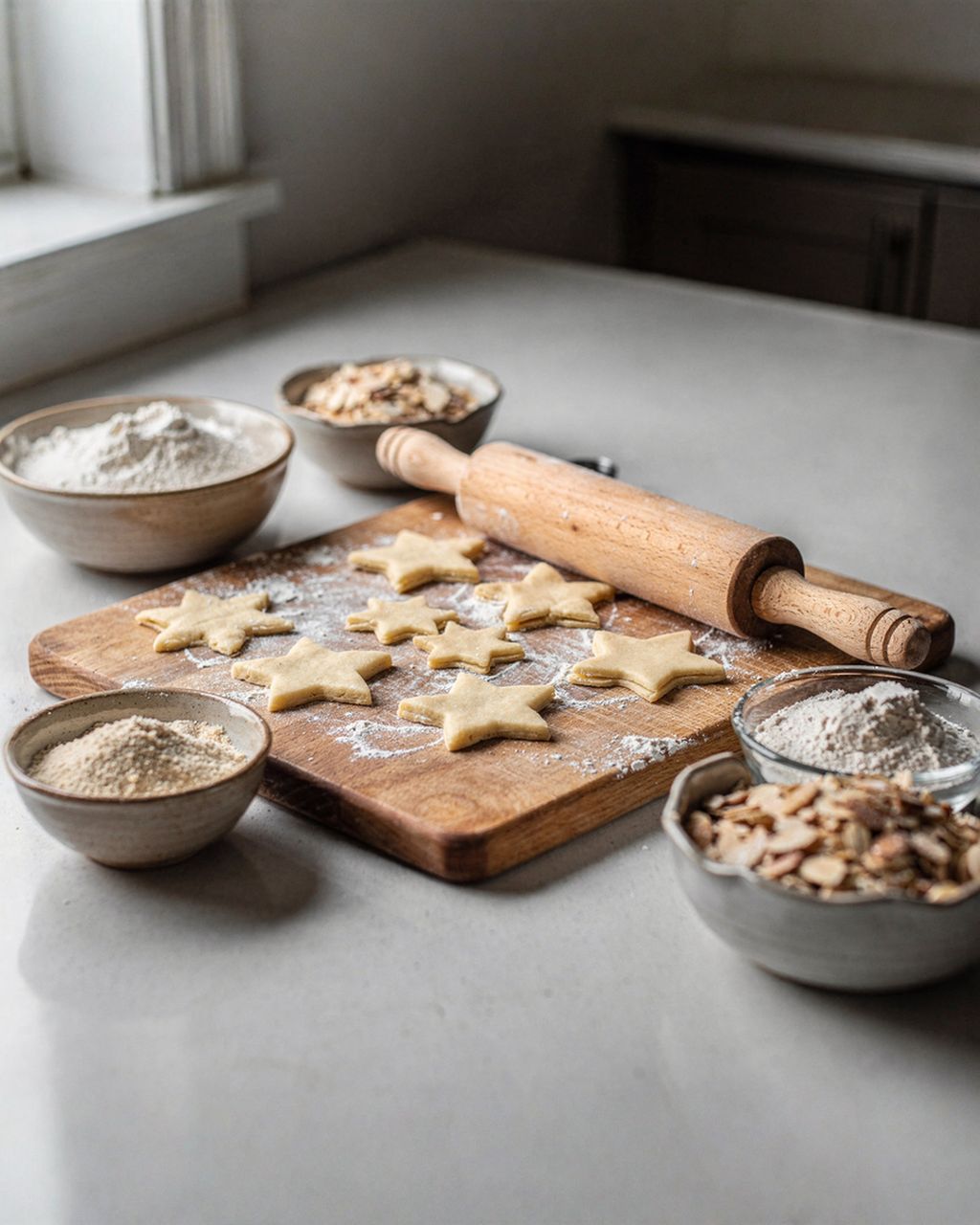
To make vanilla crescent cookies without nuts, swap the nuts in the recipe for the same weight of toasted, ground sunflower seeds. The dough comes together exactly the same way, and the cookies stay just as crumbly.
Take our vanilla crescent cookies recipe and simply switch out the nut component. A few other swaps that work just as well:
Half seeds, half poppy seeds: darker, bolder-flavoured crescents that stand out nicely on a plate next to the classic ones.
Oats + 10 g extra butter: for every 100 g of nuts, use 100 g toasted, ground oats. The butter makes up for the fat oats lack, though the cookies will still be a bit more crumbly than the nut version.
Flour only: for every 100 g of nuts, use 65 g flour and 15 g butter. These crescents come out firmer, with a slightly more biscuit-like texture.
Let dough made with seeds rest in the fridge for at least an hour before shaping. Seed-based "flour" absorbs moisture more slowly than nut flour, and chilled dough is much easier to shape.
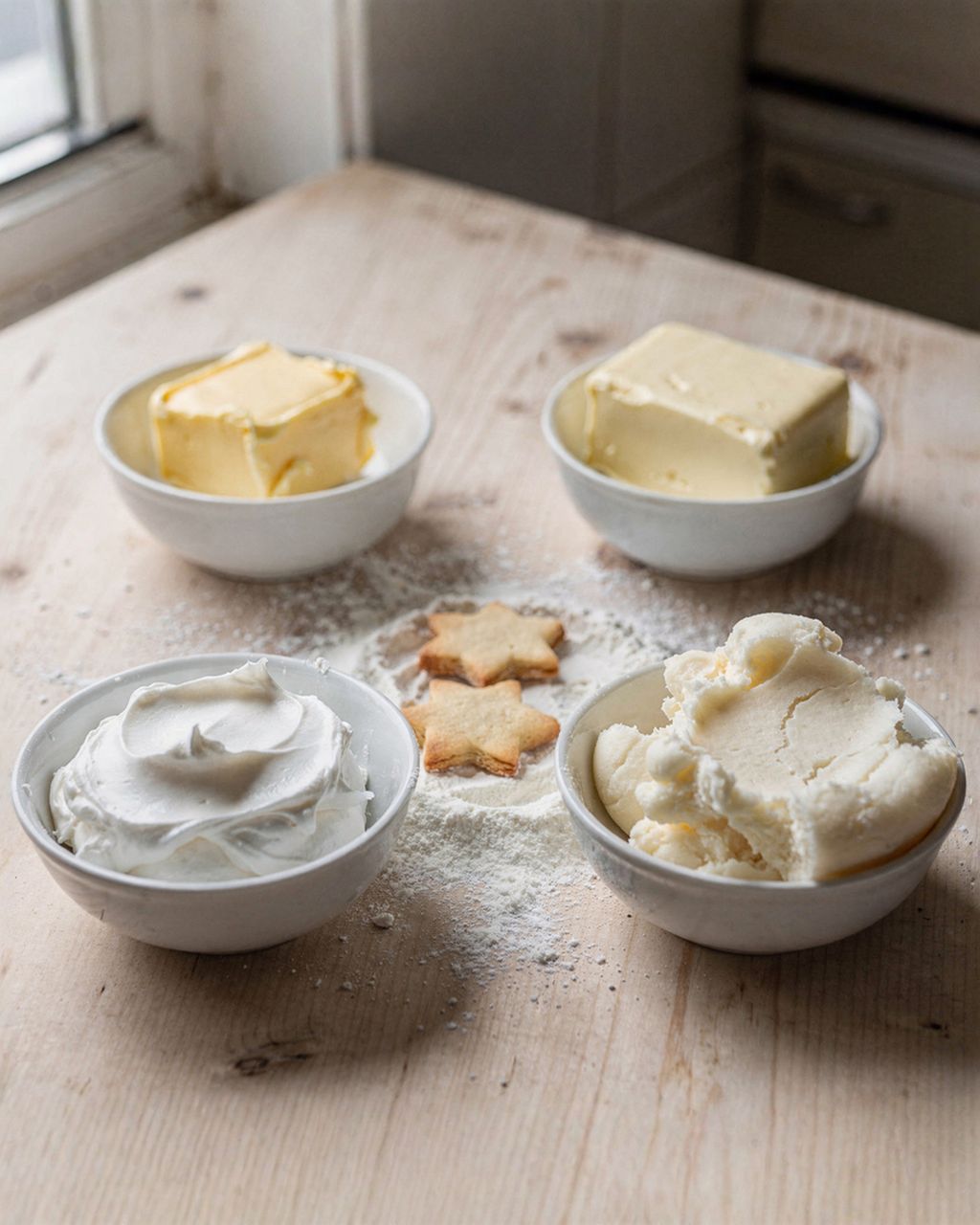
The best christmas cookies? vanilla crescents, of course!
Vanilla crescent cookies: a recipe where seeds easily stand in for nuts
Linzer cookies, most gingerbread, meringue "snow" cookies, coconut macaroons, and plenty of no-bake treats don't need nuts at all. There's nothing to substitute — just keep an eye on the decoration and filling.
Linzer cookies are simply flour, butter, sugar, and egg yolk. Nuts only ever show up as a garnish. For how long they keep and when they taste best, see Linzer cookies: how long they keep.
Gingerbread is nut-free at its core. Just watch for almonds used as decoration, and check the gingerbread spice packaging for "may contain traces of nuts" warnings. For times and temperatures by thickness, see what temperature to bake gingerbread at.
Meringues and coconut macaroons are built on whipped egg whites and sugar, with coconut added for macaroons.
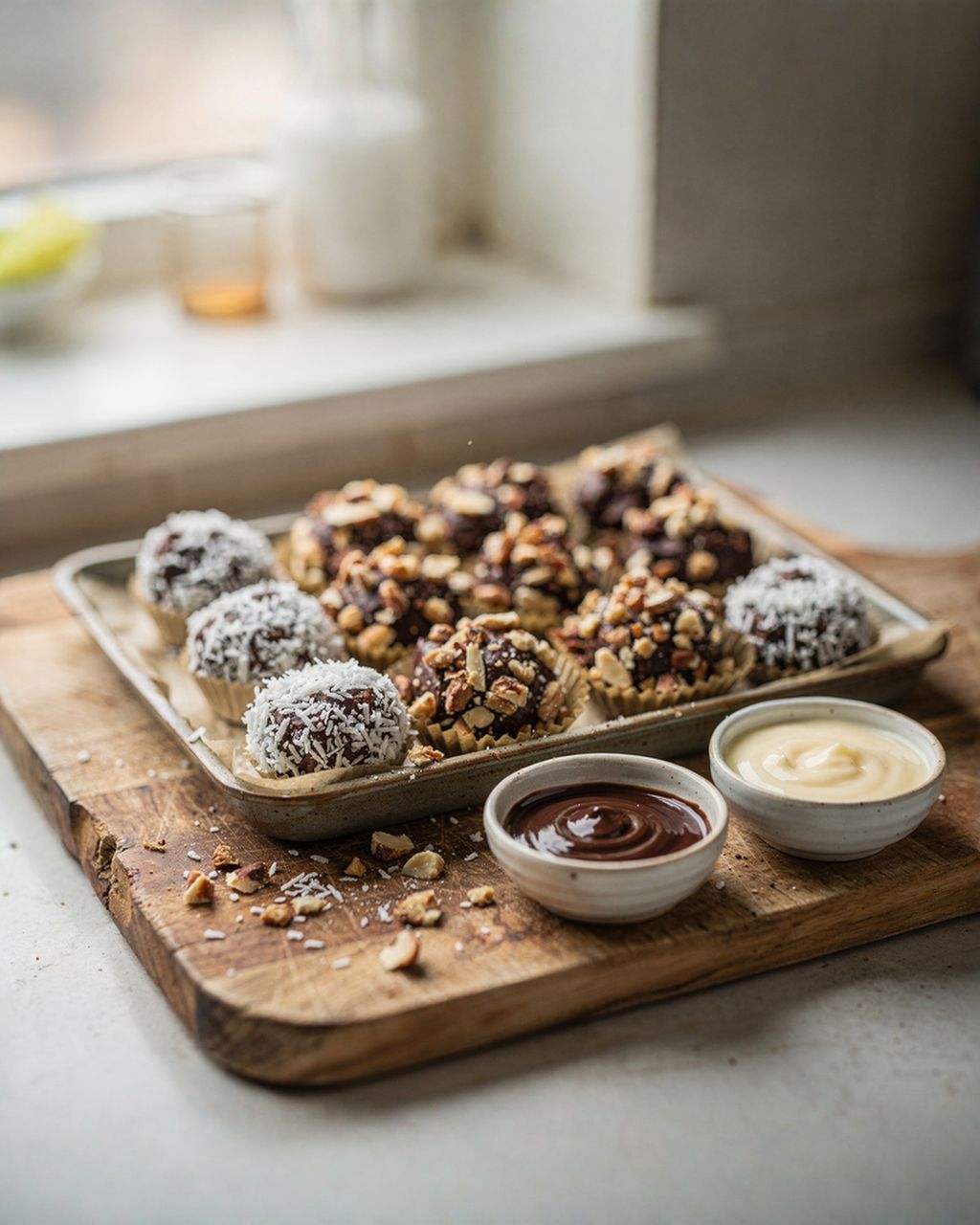
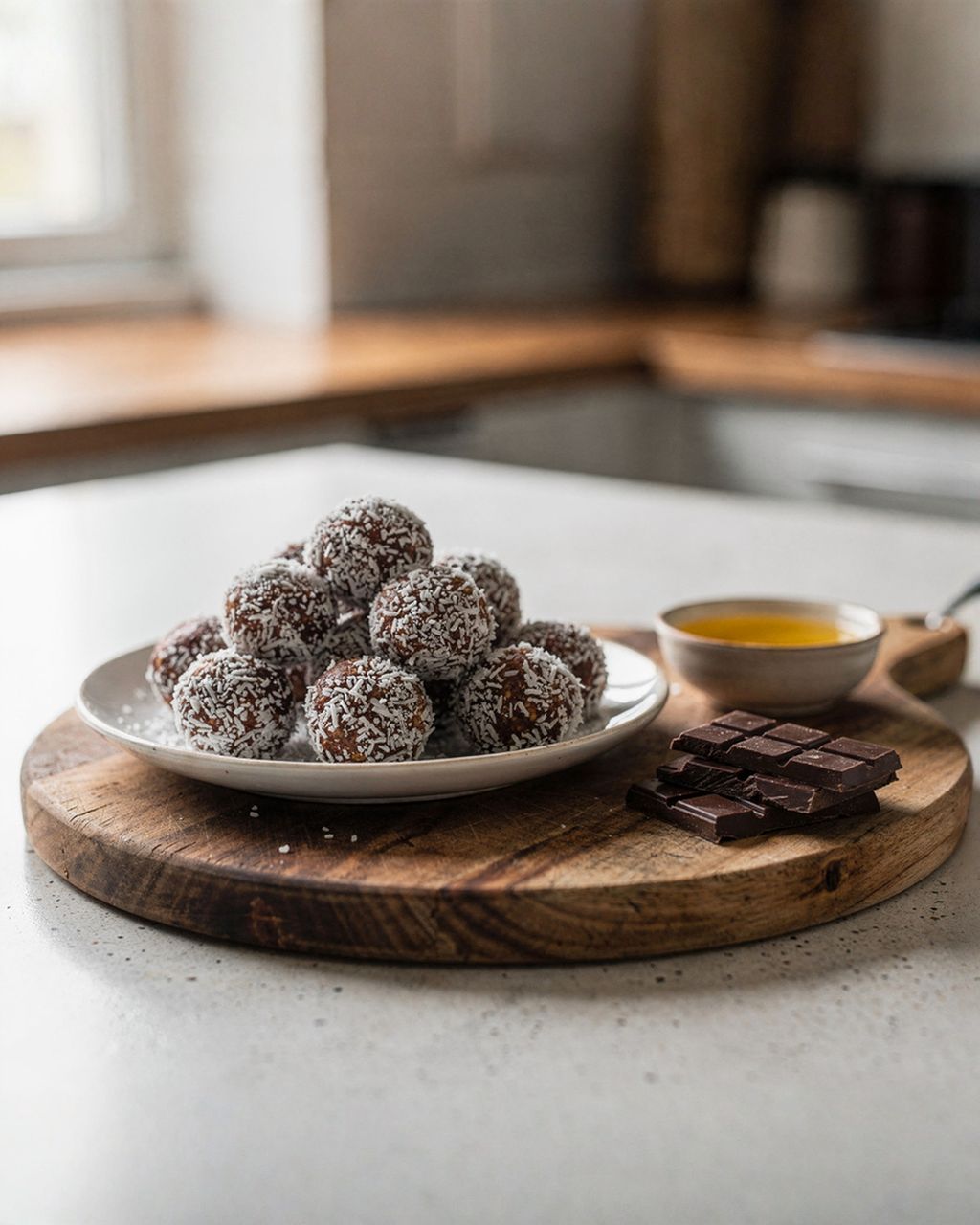
No-bake treats (truffles, little cups) are built on crushed biscuits or sponge cake. Use oats or coconut instead of ground nuts in these.
You'll find our full recipe selection on the Christmas cookies page. Before using a recipe, run it against the list above.
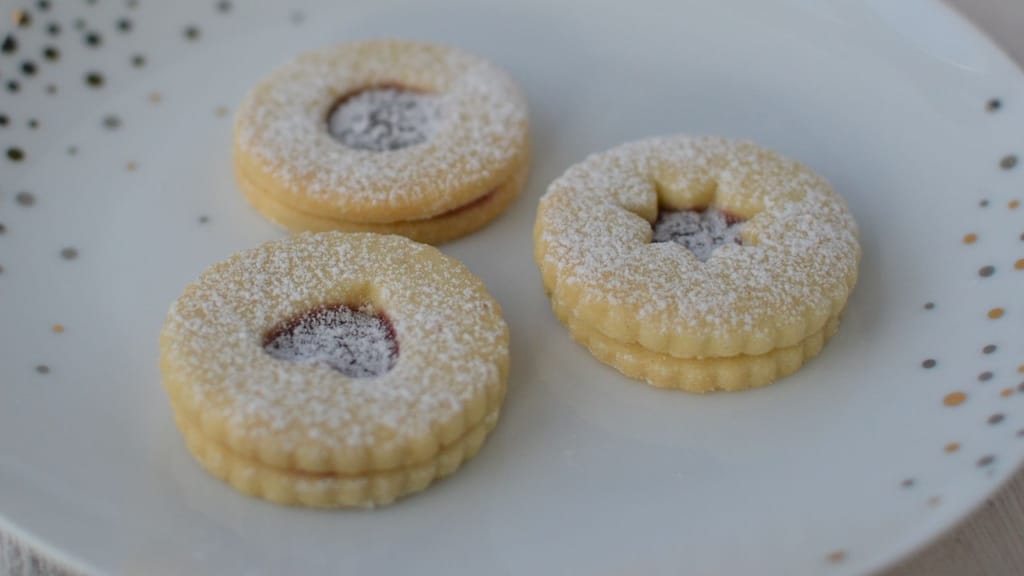
Classic christmas cookies: delicate linzer cookies
Crumbly Linzer cookies: a classic nut-free Christmas treat
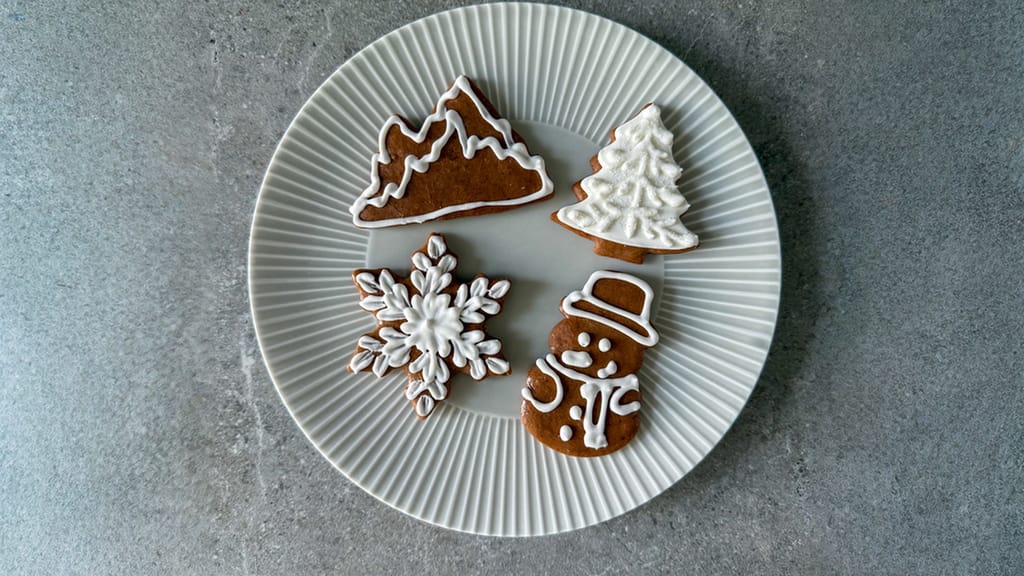
Soft honey gingerbread cookies that never go hard
Soft honey gingerbread: nut-free cookies that stay soft
Swapping out ingredients gives you cookies without nuts in the recipe — not cookies that are safe for someone with a nut allergy. These are two different things, and the difference comes down to cross-contamination.
Bake cookies made with seeds or oats on the same schedule as the nut version — crescent cookies and other delicate biscuits roughly 2–3 weeks before Christmas. But only grind the seeds on the day you mix the dough: ground seeds go rancid about as fast as ground nuts, and that stale taste would carry through the whole batch.
Store finished nut-free cookies exactly as you would the nut version — in a sealed container in a cool spot. Just keep them away from nut-containing cookies if you're baking for someone with an allergy.
More details here:
Most people with nut allergies tolerate coconut fine, since it isn't classed as a tree nut under the EU's list of foods that must be labelled as allergens. That said, some individual allergy sufferers can still react to coconut, so check with their doctor or allergist first.
Botanically, peanuts are a legume, but they're not a good substitute in nut-free cookies for someone with a nut allergy, since some nut-allergic people react to peanuts too. In the EU, peanuts are labelled as their own separate allergen. If a particular person can tolerate them, check with their doctor or allergist first.
Instead of a walnut half or almond on top of a cookie, use a toasted pumpkin seed, a piece of candied fruit, a dab of chocolate, or a sprinkle of poppy seeds. This only changes the look, not the texture of the dough.
Yes — seeds and poppy seeds are naturally gluten-free, so just swap in a gluten-free flour blend instead of wheat flour. Only use oats labelled "gluten-free", since regular oats are often contaminated with wheat. Gluten-free dough is more crumbly, so chill it well before shaping.
Tiger nut (chufa) is actually a tuber from the yellow nutsedge plant, not a true nut, and its flour can be used in place of nut flour. It's sweeter and absorbs more moisture, so the dough can end up drier. Try replacing no more than half the nuts with it as a first test.
One recipe worth heating the oven for, one tip, and one deal from the shop. Nothing else.