Easy redcurrant yogurt muffins
Why Muffins Stick to Their Liners and How to Prevent It
Updated Nov 22, 2026
Muffins stick to their liners for three main reasons: you peel them while still warm, the batter is low in fat and high in moisture, or you're baking in thin, absorbent paper. Each one has a simple fix: let the muffins cool on a wire rack for at least an hour, lightly grease the liners with oil for wet batters, and reach for a non-stick liner. Below you'll find what actually happens between the paper and the crumb, when to peel a muffin, how to rescue ones that have already stuck, and why fruit, vegetable, savory and frosted versions each stick a little differently.
Muffins stick to their liners for five reasons: you peel them while warm, the batter is low in fat, the batter is too wet or sweet, the paper is thin and absorbent, or the muffins are overbaked or underbaked. Often several of these come together – typically low-fat fruit muffins in plain paper, peeled straight out of the oven.
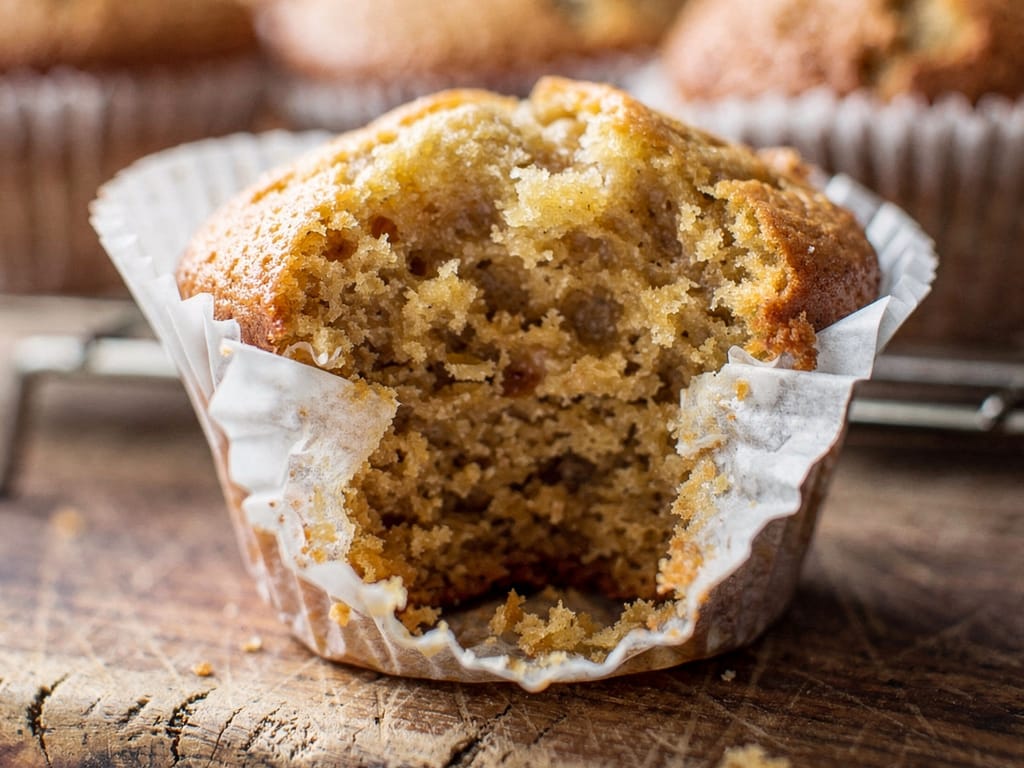
Warm muffins. Right after baking, the crumb is full of steam and the starch in it is still soft and sticky. The steam condenses where the muffin meets the paper and works like glue. Once the muffin cools, the crumb sets, shrinks slightly and pulls away from the paper by itself.
Too little fat. The fat in the batter forms a thin dividing layer between the crumb and the paper. A typical sweet muffin batter uses roughly 100–120 ml (about ½ cup) of oil or melted fat for 225–250 g (about 1¾–2 cups) of flour. If you replace the fat with yogurt, banana or applesauce, that layer disappears and the crumb literally bakes into the paper.
Lots of moisture and sugar. Banana, pumpkin, grated carrot, zucchini, yogurt or juicy fruit all add water. Sugar and fruit juice caramelize against the wall of the liner and stick to the paper like caramel to a pan.
Thin, absorbent paper. Cheap paper liners soak up fat and moisture from the batter, and the crumb catches in the paper fibers. Parchment paper, by contrast, is treated to be non-stick: it absorbs neither fat nor water, and that's why it releases.
Wrong baking time. Overbaked edges dry out and harden into a thin crust that grips the paper tightly. An underbaked center is gooey and sticks all by itself.
You can also tell the cause from where the muffin sticks. If the paper clings only at the bottom, moisture and steam are to blame, because that's where they collect most. If the whole sides stick, there's not enough fat or the paper is too absorbent. And if only the edges tear, with a hardened crust, bake 2–3 minutes less next time, or lower the oven temperature by 10 °C (about 20°F).
Recipe of the week, one tip that saves you time and one deal from the shop. Unsubscribe in one click.
The next issue goes out on Thursday, November 26.
To keep muffins from sticking to the paper, let them cool, lightly grease the liners, bake in non-stick paper, keep juicy fruit away from the walls, fill the liners only three-quarters full, don't cut the fat without a substitute, and bake until just done. Usually changing one or two of these is enough to make the problem disappear.
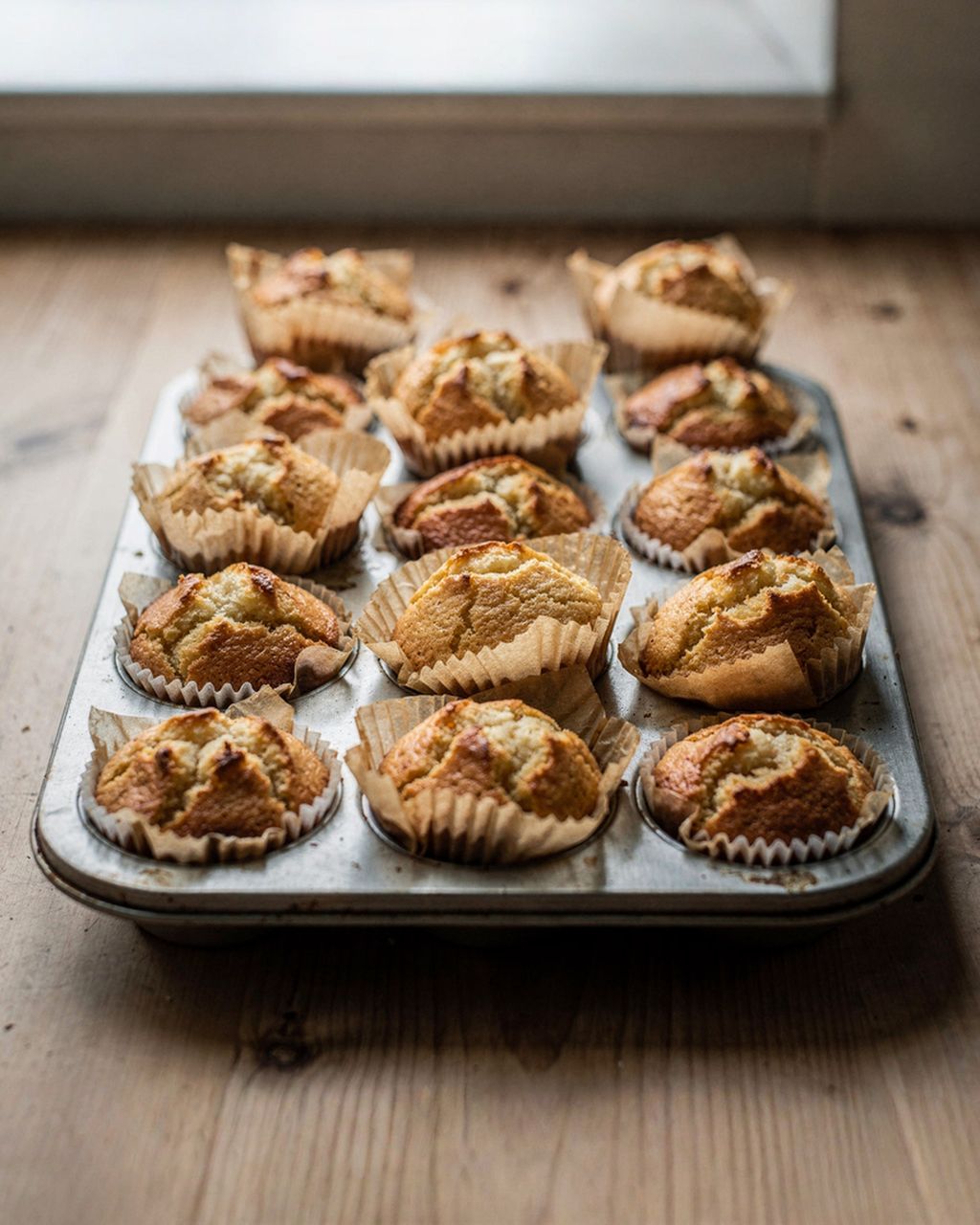
Let them cool. After taking them out of the oven, leave the muffins in the pan for about 5 minutes so the crumb firms up, then move them, liners and all, to a wire rack. Ideally let them cool completely, which for typical muffins takes about an hour; after 15–20 minutes they're still lukewarm and the crumb can tear. Cool them on a rack, not in the pan: steam gets trapped in the cups beneath them and the bottoms turn damp.
Grease paper liners too. It sounds unnecessary, but for fruit batters and low-fat batters it works better than anything else. A thin layer of oil, sprayed or brushed on, is enough – a few drops per liner, not a puddle at the bottom.
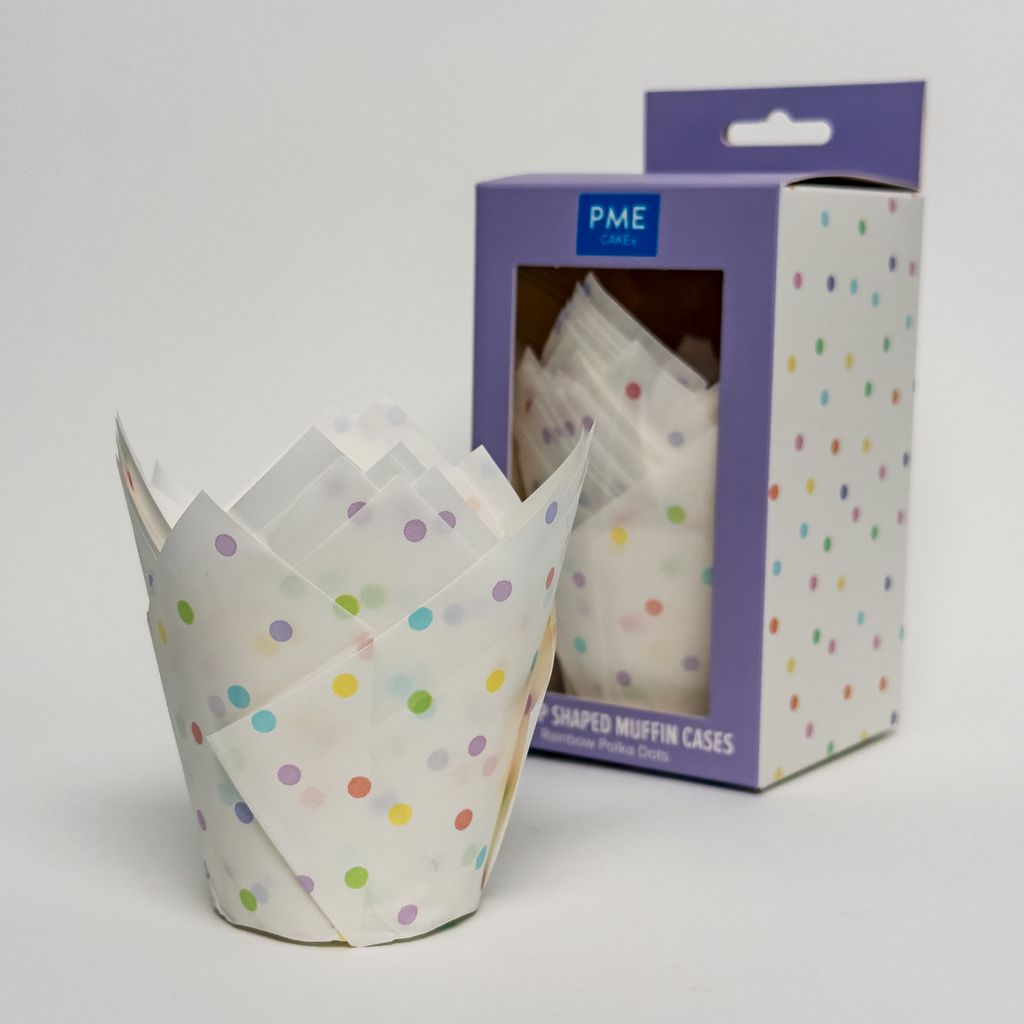
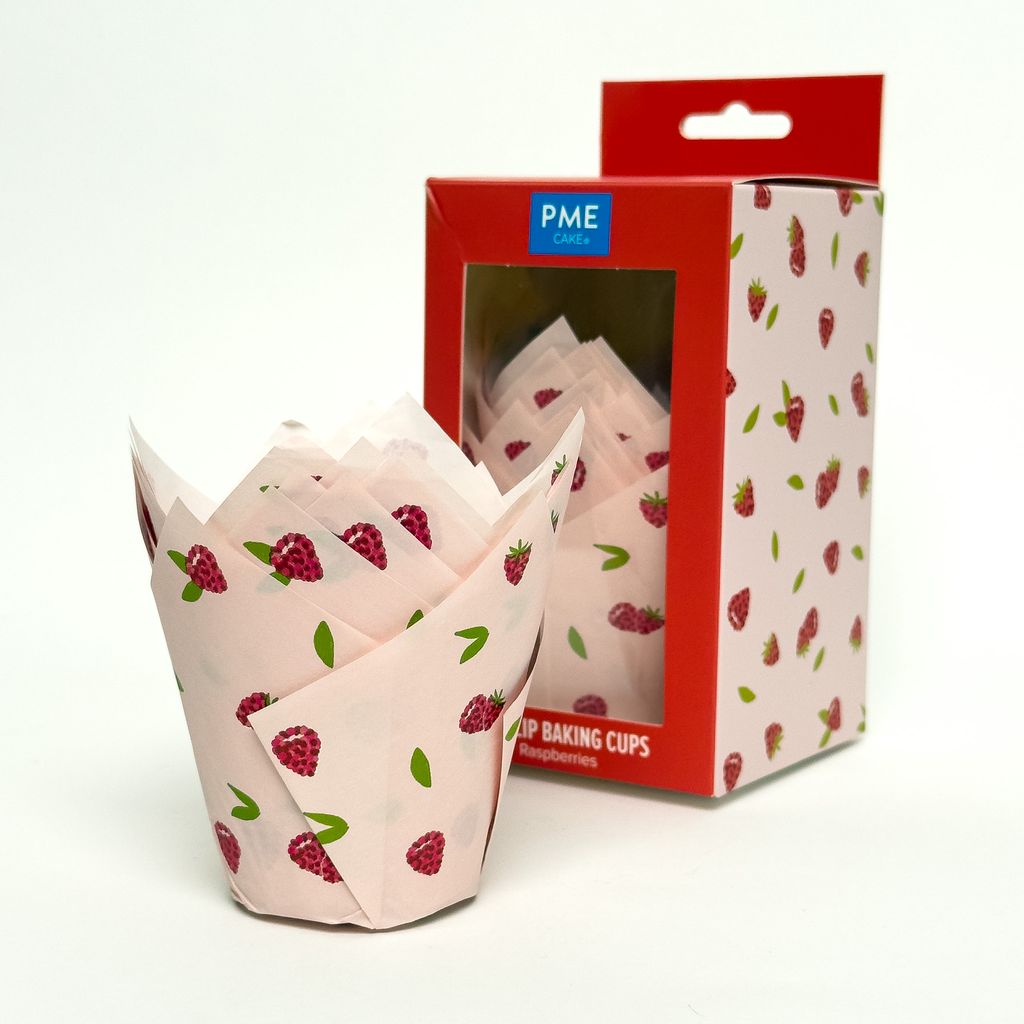
Reach for non-stick paper. Sturdier parchment-paper liners absorb neither fat nor moisture. Typically these are tulip liners, which also have taller sides, so the batter doesn't spill over the paper. The differences between paper, foil and tulip liners are covered in Muffin and Cupcake Liners: Paper, Foil or Tulip?
Fruit in the middle, not against the wall. Blueberries, raspberries or currants burst against the paper and their juice sticks. Drain the fruit well, fold it in gently with a spatula, and push any berries you see at the edge when filling back in with a spoon.
Fill two-thirds to three-quarters full. Overfilled batter flows over the rim of the liner and bakes onto the pan and the top edge of the paper, so the muffin can't be lifted out or peeled. Watch for drips of batter between the paper and the wall of the pan, too.
Don't cut fat blindly. If you replace butter with yogurt in a recipe, expect the batter to stick more – and grease the liners.
Bake precisely. Muffins are done when a skewer inserted in the center comes out clean or with just a few moist crumbs, and the top springs back when lightly pressed. Every extra minute dries out the edges. Dark pans bake faster, which is why Betty Crocker recommends reducing the oven temperature by 25°F (about 15°C) for muffins. You'll find times for mini, classic and jumbo muffins in How Long to Bake Muffins: Time and Temperature for Mini, Classic and Jumbo.
If your muffins don't rise or don't have a domed top, that's a different problem – covered in Why Muffins Don't Rise and Don't Dome.
Muffins stick to the bottom of the liner mainly because of steam, which stays trapped between the paper and the pan after baking and leaves the bottom wet. The second culprit is fruit or chocolate that sinks to the bottom and bakes into the paper.
Steam in the pan. When muffins cool in the cups, the steam has nowhere to go and condenses right underneath them. After 5 minutes, move them to a wire rack, where air circulates from below as well.
Sinking pieces. Heavy pieces of fruit and chocolate sink to the bottom in a thin batter. Let a thinner batter sit for a few minutes to thicken, or fold the fruit into only part of the batter and fill the bottom of the liner with plain batter.
Wet paper bottom. If batter or grease from greasing gets under the liner, the paper sticks to the pan and turns soggy from underneath. Put the oil only inside the liner and keep the pan dry.
Underbaked center. If the bottom is gooey even after cooling, the muffin wasn't baked long enough. Next time leave it in the oven 3–5 minutes longer and lower the temperature by 10 °C (about 20°F), so the center cooks through before the top browns too much.
Take muffins out of their liners only once they're completely cool, about an hour after baking. Warm muffins almost always stick, even when the batter is fine.
0–5 minutes out of the oven: leave the muffins in the pan. The crumb is still so soft it would get squashed when moved.
5–10 minutes: move them, liners and all, to a wire rack so steam can escape from underneath too.
15–30 minutes: they're lukewarm. Fine for sampling, too early for peeling – the paper will pull off a chunk of crumb.
About 60 minutes: the muffin is cool to the touch even in the middle, the crumb has set and the paper releases.
Next day: overnight the moisture in the crumb evens out and the paper often releases even more willingly.
If you want to serve them without liners, feel free to bake them a day ahead – that's when they peel best.
If muffins have already stuck, let them cool completely and only then peel the paper off slowly from the bottom in a spiral, not from top to bottom. This way you tear the paper from the crumb in small bits and the muffin stays whole.
Start at the bottom edge, where the paper is loosest, and unwind it at an angle all the way around. Hold the crumb with your thumb just above the spot where the paper is coming away.
If it won't let go even when cold, leave it in a closed container until the next day. The moisture in it evens out and the paper often loosens by itself.
For a muffin that caught on the pan with an overflowed top edge, run a thin knife or flat spatula around it while it's still lukewarm, and only then lift it out.
Scrape whatever stays on the paper off with a spoon – perfect for snacking.
If the crumb tears even when cold, the problem is the batter or the paper, not you. For the next batch use non-stick liners or grease them.
For a spread where looks matter, the easiest fix is to hide the stuck spots under frosting or cream, or serve the muffins right in a new, dry liner. For ideas, see How to Decorate Muffins: From Streusel to Glaze and Ganache.
Tulip liners made of parchment paper, greased foil-lined paper liners and greased silicone molds stick the least; plain thin paper liners without greasing stick the most. What matters is whether the material absorbs fat and moisture from the batter or leaves them in the muffin.
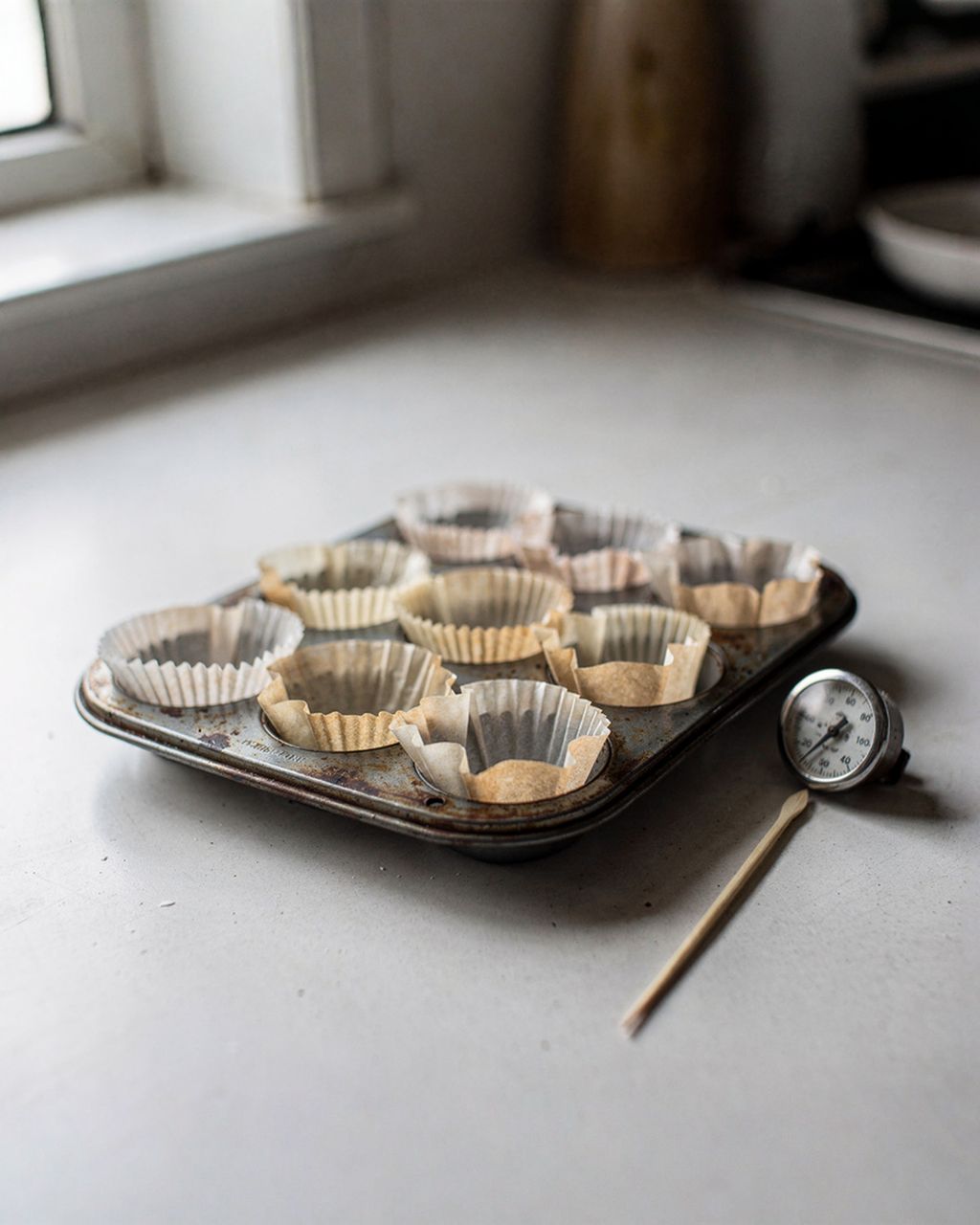
Plain paper liners are cheap and colorful, but absorbent. With buttery muffins that have enough fat they work well, but with fruit batters and low-fat batters they stick. Greasing them helps, and so does setting them in a muffin pan with cups, since on their own they don't hold their shape – they spread under the weight of the batter.
Tulip liners are made of sturdier non-stick paper with tall sides. The batter doesn't bake onto them, and once cool they release cleanly even with wet fruit batters, where plain paper tears the crumb. The taller sides also hold more batter, but still fill them with some room to spare – see Tulip Muffin Liners: How to Fill Them So They Hold Their Shape for how.
Foil-lined paper liners have an inner side of thin foil that absorbs neither fat nor moisture. Lightly sprayed with oil, they suit batters with pieces of fruit or chocolate, which stick to plain paper. They're sturdier than plain paper, so they hold their shape even on a flat baking sheet.
Silicone molds are non-stick on their own, but new ones and very sweet batters can still catch. Grease them lightly if they're new or you're baking a wet batter. Take muffins out only when they've cooled – just push up on the mold from underneath and the muffin pops out.
Without liners, grease the cups of the pan with softened unsalted butter and dust them with all-purpose flour (cocoa for chocolate muffins); tap out the excess. Solid fat stays on the walls as a continuous layer, whereas oil can run down to the bottom or soak into the batter, and then the muffin releases less easily. Leave the muffins in the pan for 5–10 minutes to set, then turn them out onto a wire rack. Without paper the edges brown more golden, so watch the time.
Fruit muffins stick the most, because berries burst against the wall and their juice and sugar bake into the paper like caramel. Well-drained fruit, gentle folding with a spatula and a non-stick or greased liner all help.
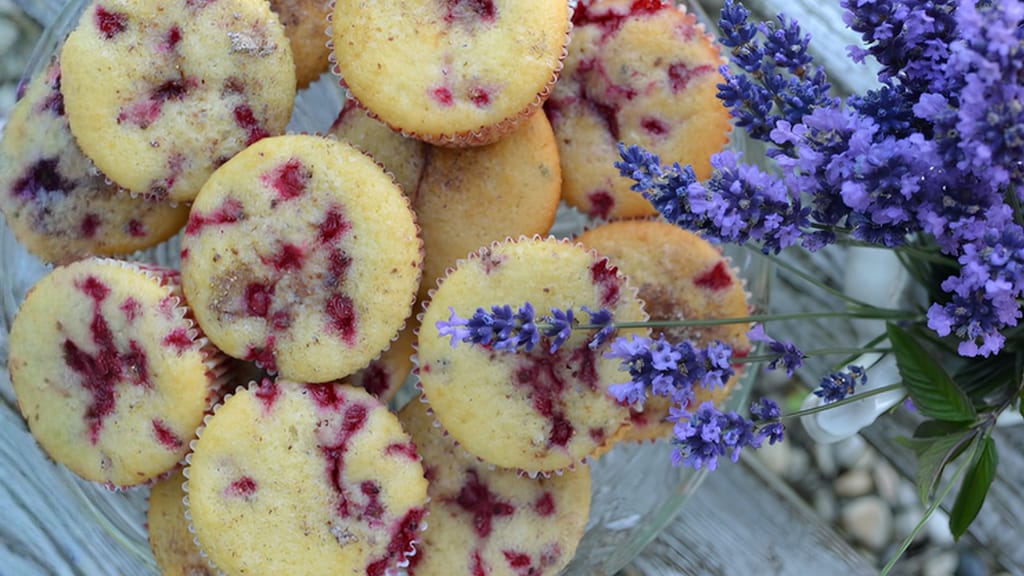
You can see this well in the easy currant yogurt muffins below: 230 g of semi-coarse flour (Czech polohrubá, slightly grittier than all-purpose) goes with 500 g of red currants, so there's more fruit juice in the batter than anything else. With a batter this juicy, a tulip liner or a few drops of oil in a plain paper liner is worth it.
The same rules apply to blueberries and raspberries: don't thaw frozen ones, fold them in at the very end, and push any berries at the paper toward the center.
Easy redcurrant yogurt muffins
Easy currant yogurt muffins – 500 g of currants to 230 g of flour, a wet fruit batter where a non-stick liner pays off
Carrot and vegetable muffins stick because grated vegetables release water during baking, and savory versions often lack fat. The less fat and flour in the batter, the more you should grease the liner.
The sweet carrot muffins with orange flavor have 120 ml of sunflower oil to 225 g of all-purpose flour in the batter. That much fat balances the water from 300 g of carrots, so the paper releases well even without greasing.
The vegetable-cheese muffins below are an entirely different case: there's no flour, oil or butter in the batter, only carrot, cottage cheese and eggs. There's no fat to separate the crumb from the paper, and the cottage cheese bakes into the paper fibers against the wall. So brush the liners with oil before filling and peel the muffins only when completely cold.
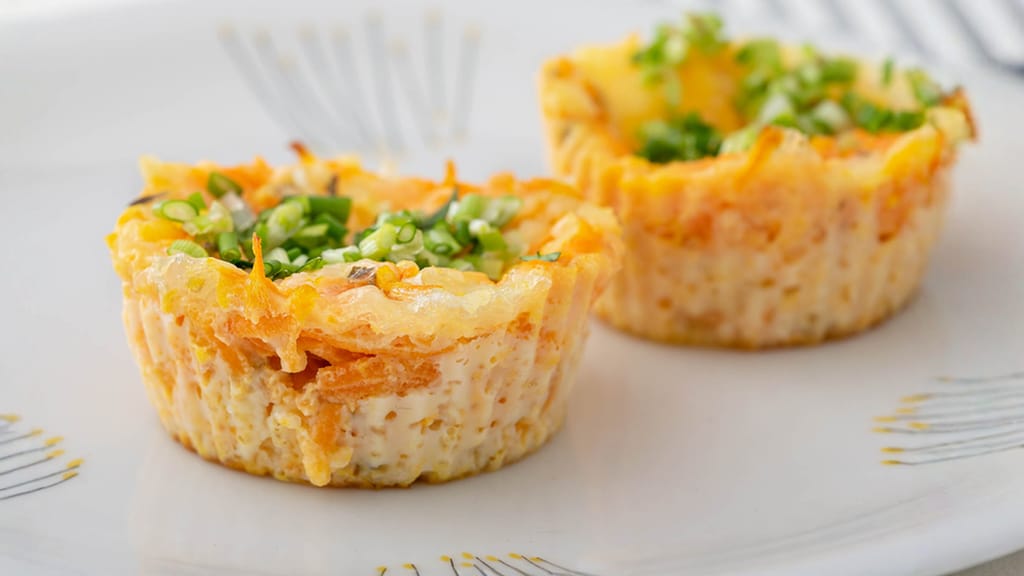
Veggie & cheese muffins
Vegetable-cheese muffins with carrot and cottage cheese – a batter with no oil or butter, where greasing the liner pays off
Muffins made with yogurt, banana or fruit purée instead of butter or oil almost always stick to the liners. They lack the layer of fat between the crumb and the paper, so greasing, a silicone mold or a tulip liner is a necessity here, not a suggestion.
That's the case with these yogurt-banana cupcakes: the fat is replaced by blended banana and 250 g of yogurt, so the batter is moist and has nothing to separate it from the paper. Grease the molds, and add the quark (tvaroh, a Czech fresh curd cheese) frosting only to completely cooled cakes.
If you're adapting another recipe this way and replacing the fat with yogurt or purée, keep three things in mind: grease the liner, bake 2–3 minutes less, because a batter without fat dries out quickly at the edges, and peel the paper only when completely cold.
Savory muffins with cheese stick mainly where melted cheese reaches the wall of the liner and bakes into the paper. The batter is usually thick and has enough fat, so you just need to keep pieces of cheese from ending up at the edge.
The wild garlic muffins with three cheeses have 130 g of melted plant-based fat to 350 g of semi-coarse flour, so the batter itself releases from the paper. They stick only where a piece of mozzarella or goat cheese ends up against the wall and melts – push those inward after filling.
And since savory muffins are often eaten still warm, feel free to serve them in the liner – they'll peel well only after cooling.
Cupcakes stick to liners for the same reasons as muffins – warmth, moisture, too little fat, absorbent paper. In addition, frosting runs off a warm cake, so decorate and peel them only when completely cool. How the two bakes differ is explained in Cupcakes or Muffins: What's the Difference.
The baked pear cupcakes with quark frosting below have diced pears in the batter along with their caramel juice – and that's exactly what likes to bake onto the paper. So keep the pear pieces away from the walls of the liner when filling, and take the paper off only after the cupcakes have cooled completely.
The chocolate cupcakes with caramel frosting, by contrast, rely on buttermilk and 80 ml of sunflower oil, so the paper releases willingly. Just don't overfill the liners, and let the cupcakes cool.
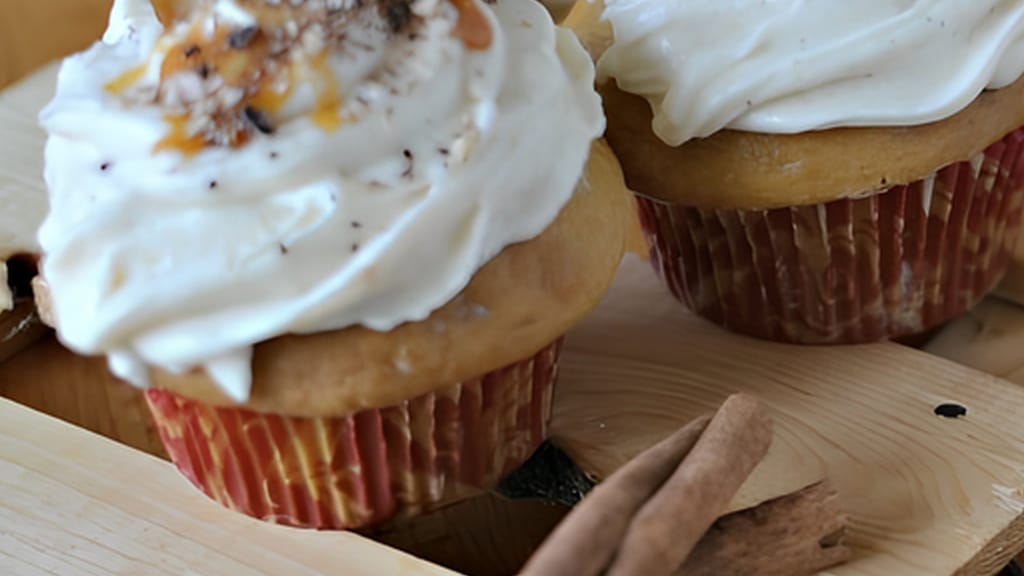
Roasted pear cupcakes with quark frosting
Baked pear cupcakes with quark frosting – caramel pear juice, which is why it pays to let them cool before peeling the paper
Liners pull away because the muffin shrinks as it cools, and the steam between it and the paper softens the paper. It helps to cool the muffins uncovered on a wire rack, not pack them into a container while warm, and bake them until fully done, since underbaked muffins shrink more.
You can bake muffins without a muffin pan only in sturdy liners: tulip liners, foil-lined paper liners, or two paper liners nested together. A single thin paper liner spreads under the weight of the batter and the muffin flows outward. Set them on a baking sheet snugly side by side so they support each other.
Store muffins in their liners, since the paper protects the sides from drying out. According to the storage guide on the food blog Well Plated, they keep for 2–4 days at room temperature in a covered container lined with a paper towel; the towel soaks up the moisture the muffins release. Add them only once they're completely cool, or steam condenses inside and the tops turn damp. The same source doesn't recommend the fridge, as it changes flavor and texture.
Yes, you can freeze muffins in their liners, as long as they're completely cool. Wrap each one individually in plastic wrap and put them in a bag; according to the food blog Well Plated, they keep their quality in the freezer for up to 2 months. Thaw them at room temperature in their wrapping and peel off the paper only after thawing.
For paper and silicone liners, grease with oil, either sprayed or brushed on. For a pan without liners, use softened butter and flour. Under EU rules butter may contain up to 16% water, which separates when it melts and stiffens in the paper as it cools, while oil forms a thinner, more even layer. If you want to use butter on liners, use clarified butter.
One recipe worth heating the oven for, one tip, and one deal from the shop. Nothing else.