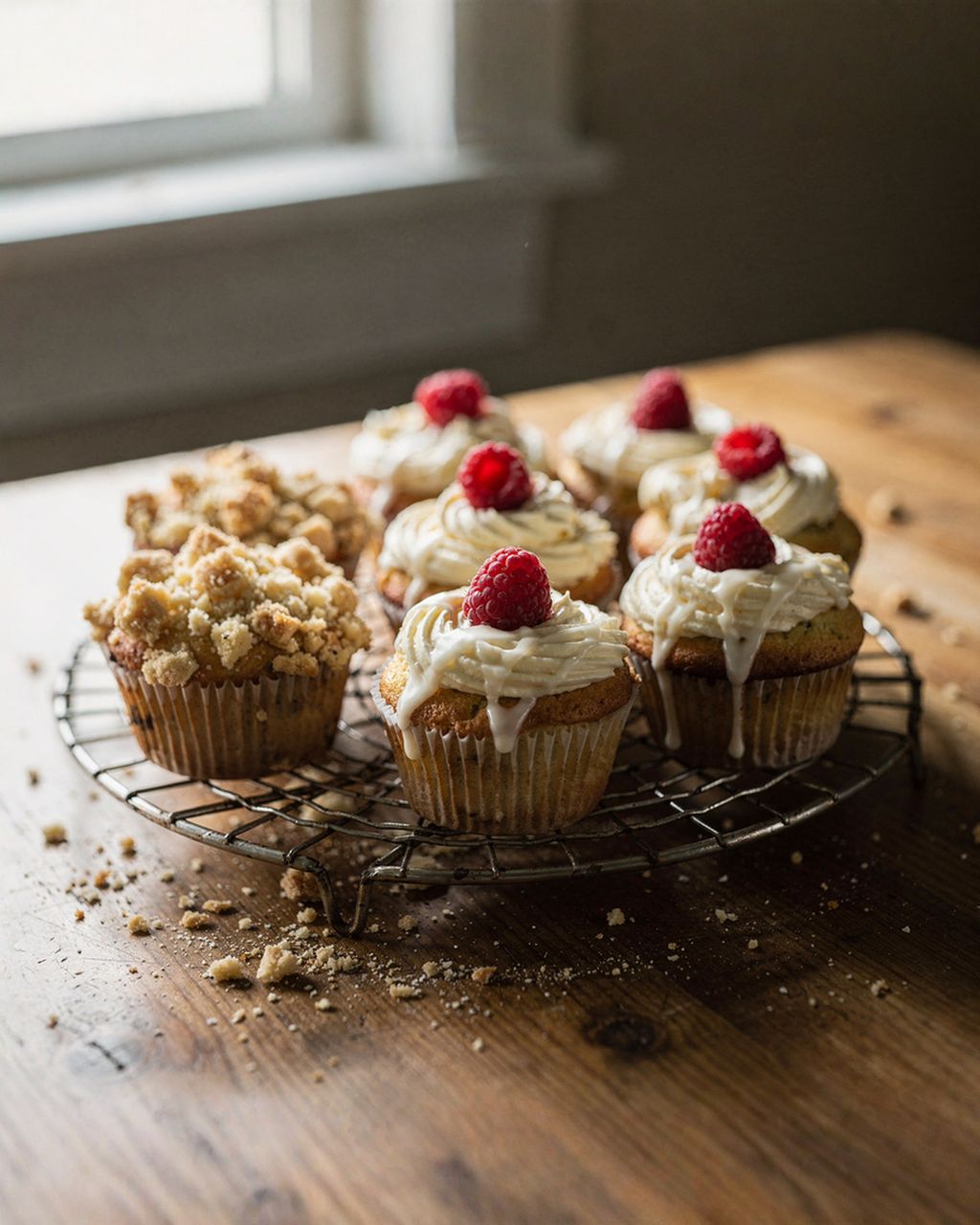
Easy redcurrant yogurt muffins
Why Muffins Don't Rise or Dome (and How to Fix It)
Updated Oct 4, 2026
Muffins usually fail to dome for one of a handful of reasons: baking powder that's past its prime, overmixed or overly thin batter, a cold oven, or simply too little batter in the liner. A dome forms when the edges of the muffin set before the center does, so the center keeps rising upward for a bit longer. Throw that timing off, and you end up with a flat top instead. Below you'll find all seven causes, how to spot each one, and how to bake muffins with a proper, generous dome.
Muffins that come out without a proper dome almost always boil down to one of these seven causes:
Old or damp baking powder
Overmixed batter
Batter that's too thin
Too much leavening
A cold or unpreheated oven
Not enough batter in the liner
Opening the oven too soon
Each one throws off the same balance: how fast the batter rises versus how fast it sets. Just one of these is enough to kill your dome.
Opened baking powder gradually loses its power, especially if it's stored somewhere damp. A few months after opening, it might not lift anything at all. Before you start baking, test it: drop ½ teaspoon of baking powder into a little hot water. If it fizzes up instantly and vigorously, it's still good. If it only produces a few lazy bubbles, toss it. The same goes for baking soda — test that one with a splash of vinegar.
Overmixed batter gives you dense, rubbery muffins with tunnels running through them, often topped with a pointy peak instead of a rounded dome. Muffin batter only needs to be brought together, not beaten. Mix it too long and the flour develops gluten, which stiffens the batter so that gas forces its way out through long tunnels instead of fine, even bubbles. King Arthur Baking advises mixing just until combined, or your muffins won't be light and tender.
Mix the dry and wet ingredients separately first.
Then fold them together with a spatula, around 10–15 strokes.
Stop as soon as you can't see any dry flour. A few lumps are fine — they'll disappear during baking.
Fold in fruit or chocolate right at the end, in those last few strokes, rather than stirring it in separately afterward.
Thin batter spreads outward in the liner, so the top stays flat because there's nothing holding its shape. Properly thick muffin batter should fall off the spoon in clumps, not pour in a steady stream. If yours is too thin, stir in 1–2 tablespoons of flour. The usual culprits are too much milk, yogurt, or fruit purée, or an extra large egg.
Letting the batter rest also helps. Chilling it in the fridge for 30–60 minutes gives the starch in the flour time to absorb liquid, thickening the batter so it rises higher in the oven.
More baking powder doesn't mean taller muffins. Too much leavening makes the bubbles inflate in the oven before the batter has set, so they burst and the muffin collapses. You'll notice it rises beautifully in the oven, then sinks and tastes faintly bitter or soapy. A standard packet of Czech baking powder (12 g) is formulated for 500 g (about 4 cups) of flour. Stick to the recipe and don't add extra "just in case."
A dome needs a sharp blast of heat right from the start. The edges of the muffin near the liner's walls set quickly, while the still-liquid center keeps rising and has nowhere to go but up. In an unpreheated or cooler oven, the muffin rises slowly and evenly all the way through, so it ends up flat.
Preheat the oven for at least 15–20 minutes. The indicator light often switches off before the inside is actually up to temperature.
For a tall dome, start at 220°C/425°F (top and bottom heat) for about 5 minutes, then — without opening the door — lower it to 180°C/350°F and finish baking.
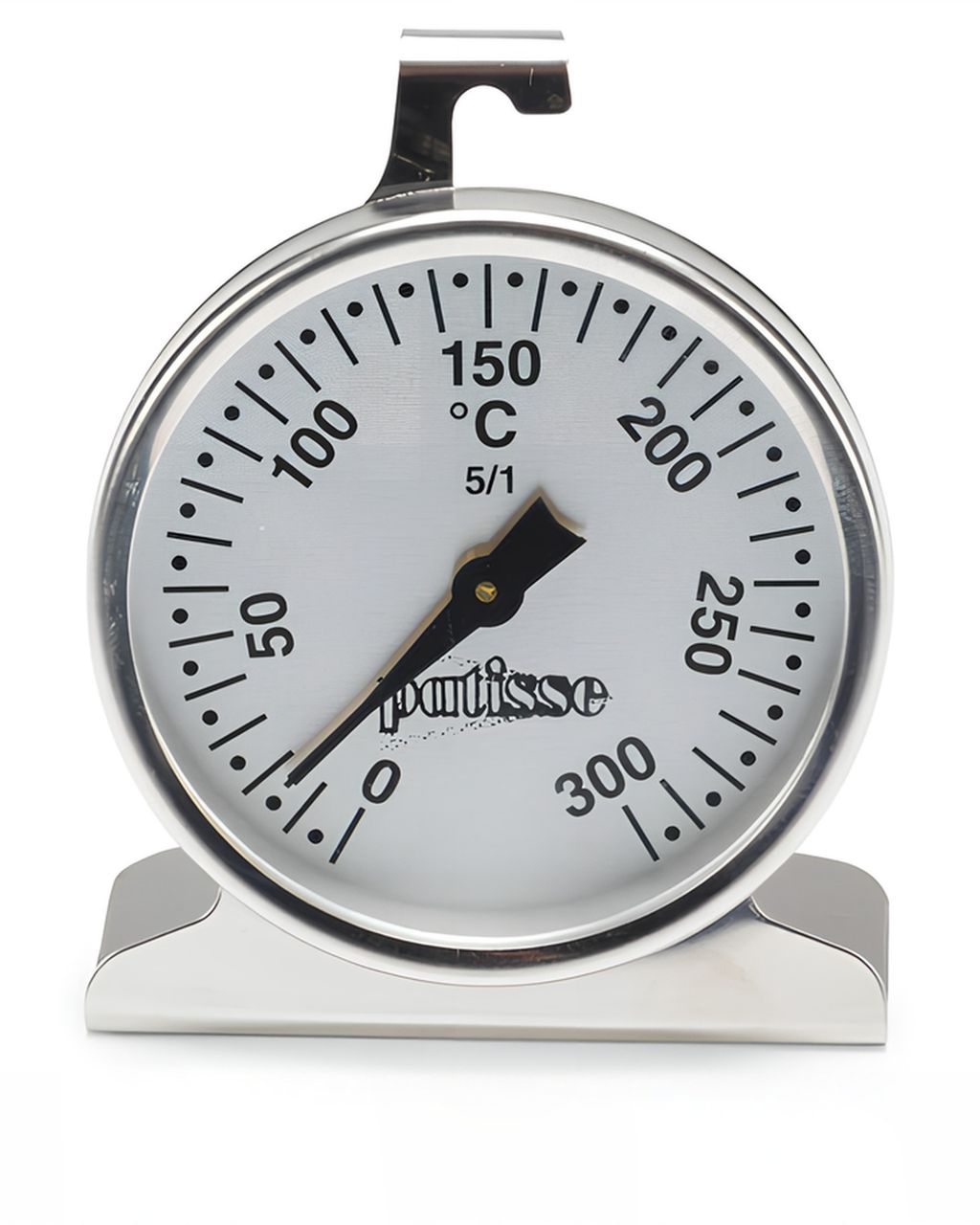
Home ovens commonly run 10–20°C (18–36°F) off from the dial setting. If your muffins come out flat even with good batter, check the oven's actual temperature with an oven thermometer.
Fill the liner only halfway and the muffin barely has room to grow, so it struggles to reach the rim. For a domed muffin, fill the liners almost to the top, around 80–90% full. Thicker batter will then rise above the rim into a proper cap.
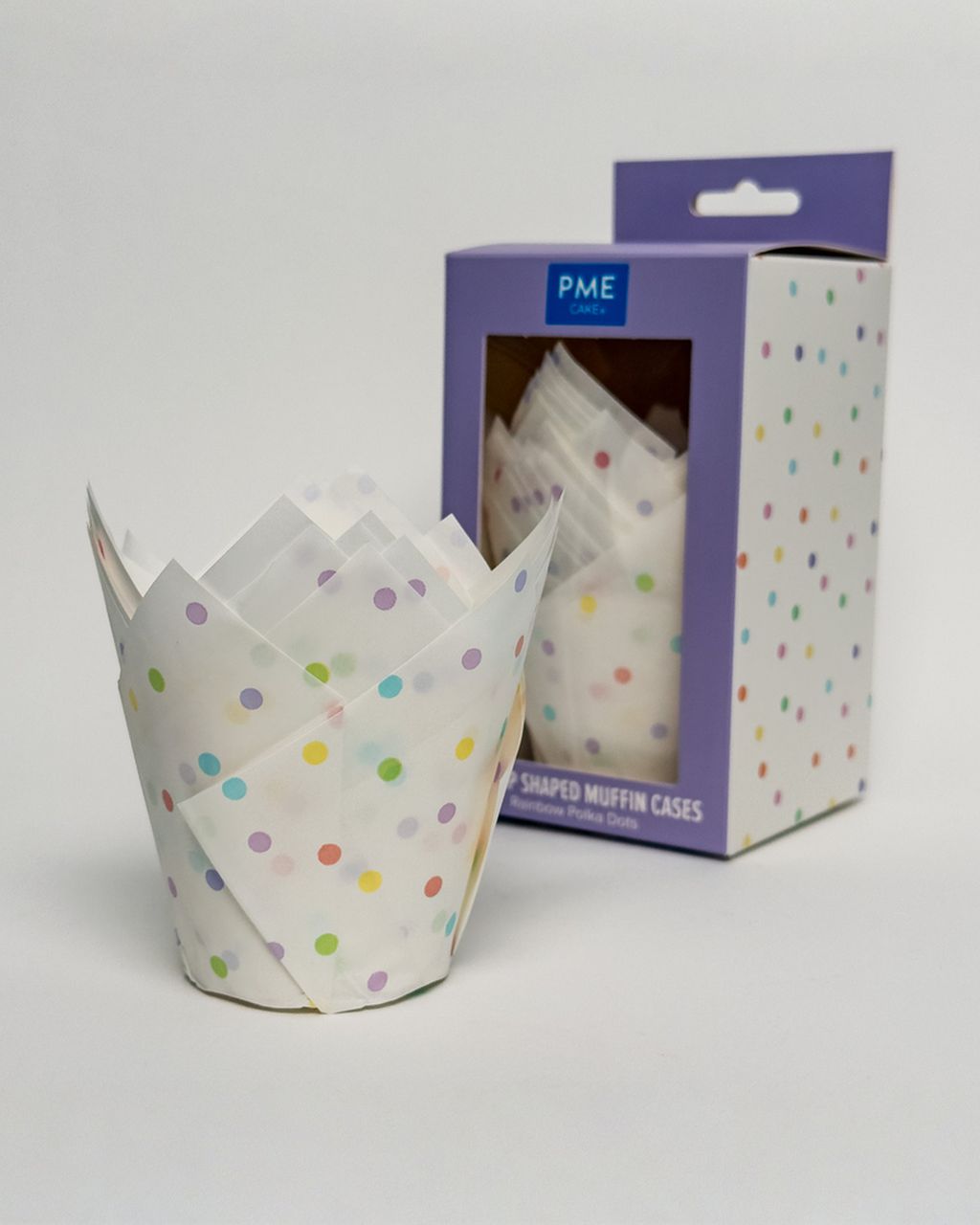
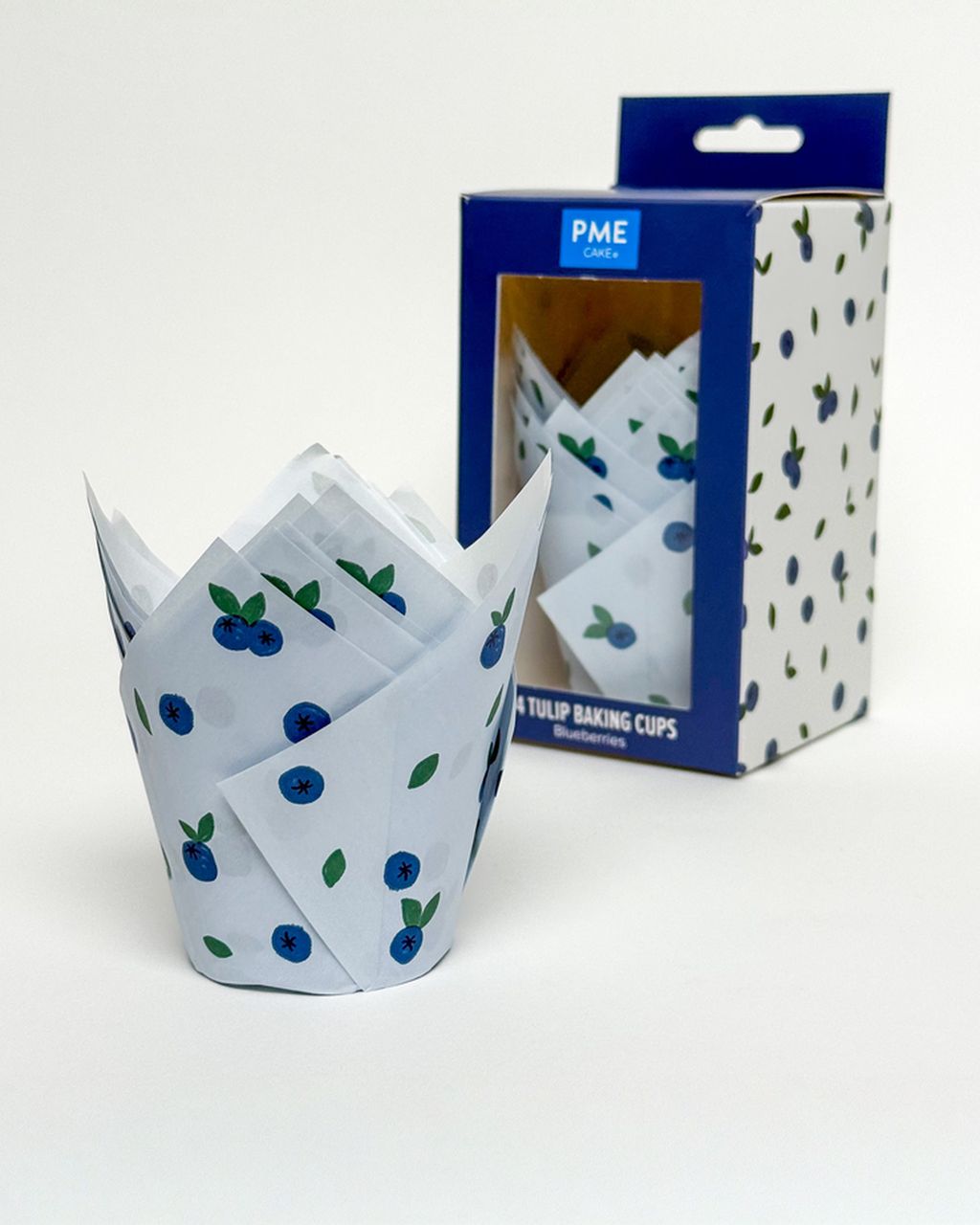
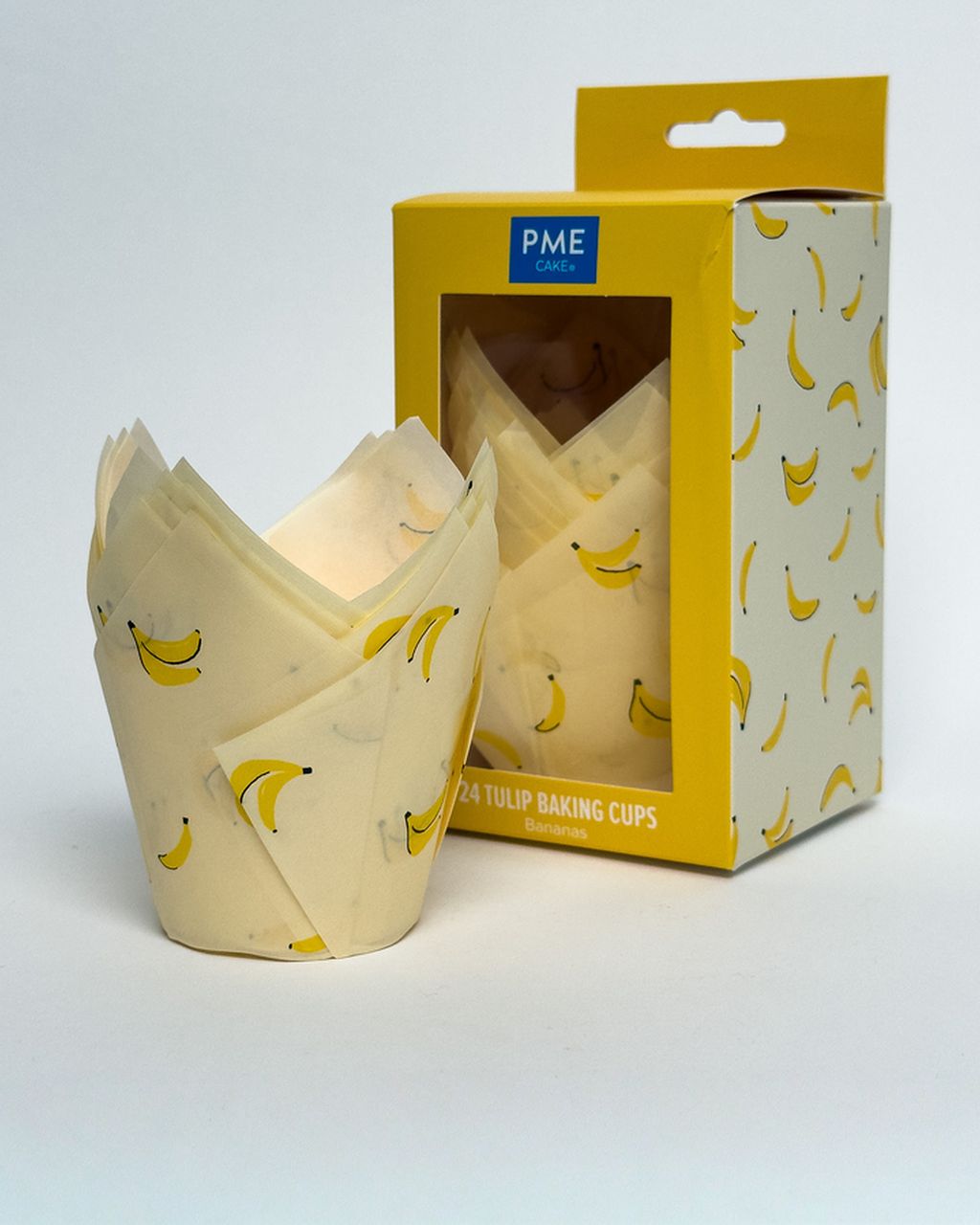
Taller muffins bake better in taller paper liners. Tulip muffin liners have walls that extend above the tin, so you can fill them higher and the muffin grows upward instead of outward. If you have less batter, fill every other cup in the tin instead. Hot air then circulates around each muffin, and the edges set faster.
Keep the oven door closed for the first 12–15 minutes. At that stage, the muffin's structure is still mostly gas bubbles — the framework hasn't set yet. A blast of cold air from an open door drops the temperature and the dome collapses. Only start checking for doneness in the final third of baking.
Tall, domed muffins come from thick, briefly mixed batter baked in a hot oven. Here's the full method:
Test your baking powder in hot water.
Bring ingredients to room temperature. Cold milk or eggs will cause melted butter to clump and seize.
Mix dry and wet ingredients separately, then fold them together briefly with a spatula. Lumps are fine.
Check the consistency. The batter should fall off the spoon in clumps.
Let the batter rest in the fridge for 30–60 minutes. Not essential, but it will give you a taller dome.
Fill tall liners almost to the top, ideally using every other cup in the tin.
Bake at 220°C/425°F for 5 minutes, then lower to 180°C/350°F and finish baking (usually another 13–18 minutes, depending on size).
Don't open the oven for the first 12–15 minutes. They're done when a skewer inserted into the center comes out dry or with just a few crumbs.
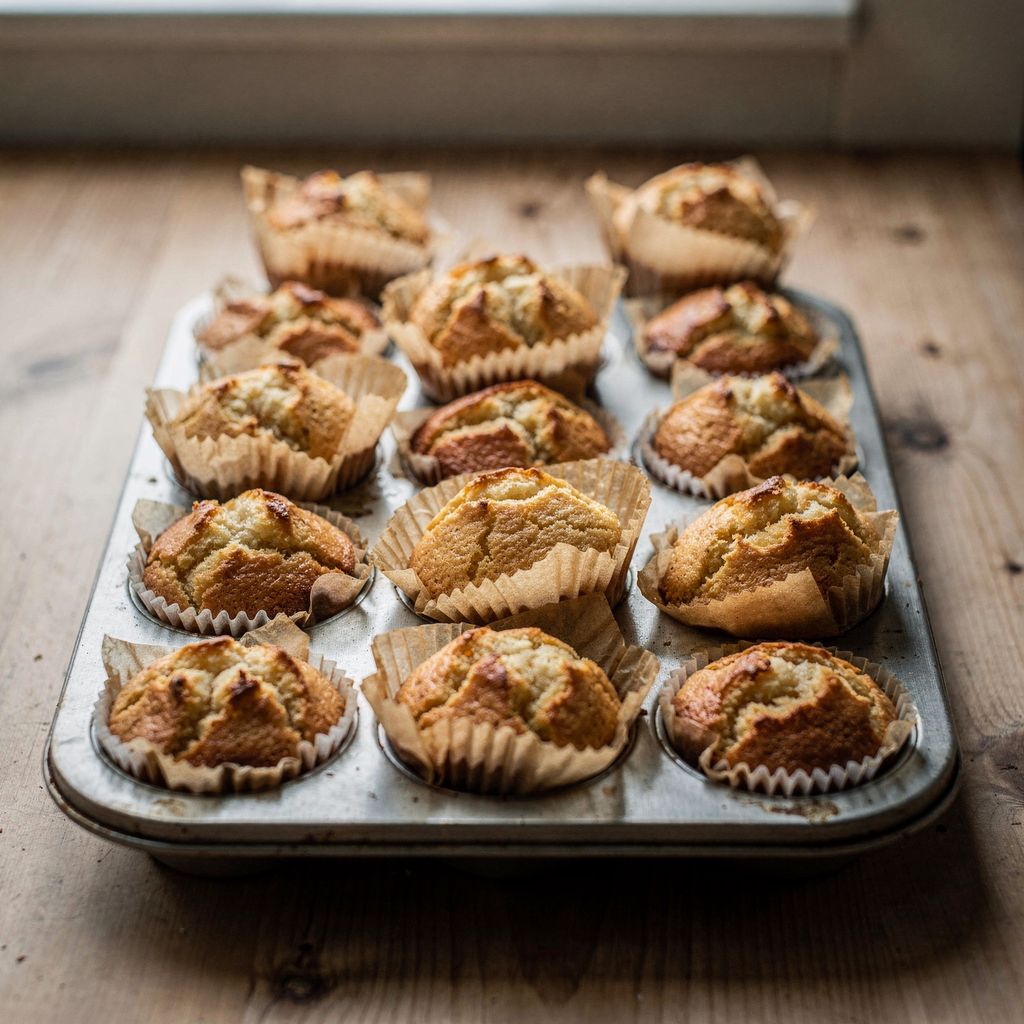
Try this out with our yogurt and redcurrant muffins — they have a nice thick batter that responds well to the dome method.
Easy redcurrant yogurt muffins
Easy yogurt and redcurrant muffins to try the dome method
Muffins most often sink because they weren't fully baked through, or had too much leavening. An underbaked center hasn't set its structure, so as soon as steam escapes, it collapses. Other causes include:
A sudden temperature shock. Pulling the tin straight from a hot oven into a draft. Let the muffins sit in the tin for 5 minutes before moving them to a wire rack.
Too much sugar or fat relative to the flour. The batter then can't hold its own structure.
Wet fruit (thawed blueberries along with their juice) dilutes the batter. Add frozen fruit while still frozen, lightly tossed in flour.
The shape of your muffin usually tells you exactly what went wrong:
Completely flat top, muffin spread outward: batter too thin, or oven too cold.
Low, dense, rubbery muffin with tunnels inside: overmixed batter.
Low but light and fluffy muffin: not enough batter in the liner, or weak baking powder.
Muffin rose nicely then sank, tastes slightly bitter: too much leavening.
Sunken center with a gummy streak: underbaked center, or oven opened too soon.
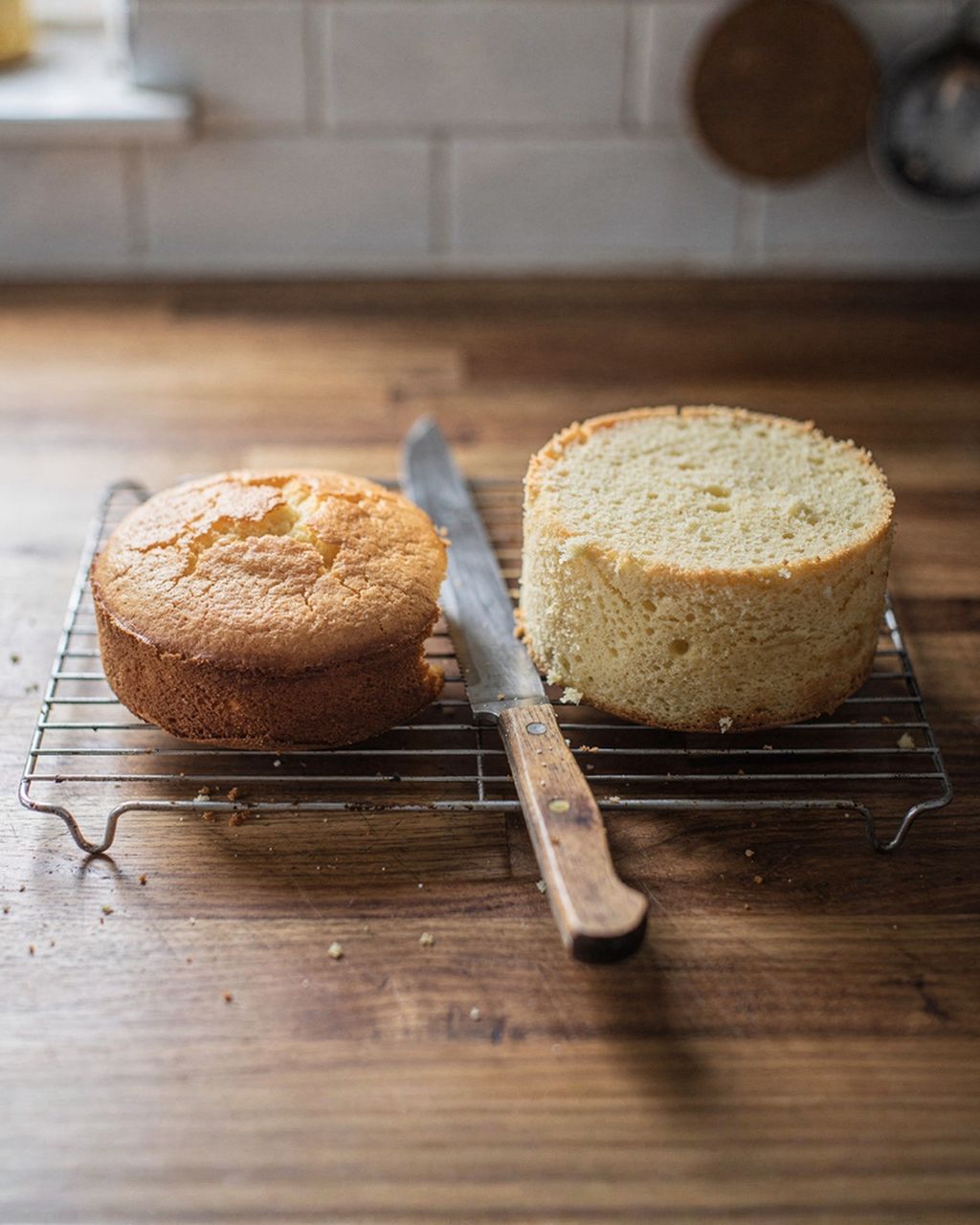
Sharp peak instead of a rounded dome: the oven was too hot the whole time, or the batter was very thick and overmixed. Lower the temperature after the first 5 minutes, and mix the batter only until just combined.
If your problem is the opposite — a cake doming up into a peak in the oven — check out our article on why cakes dome up in the oven.
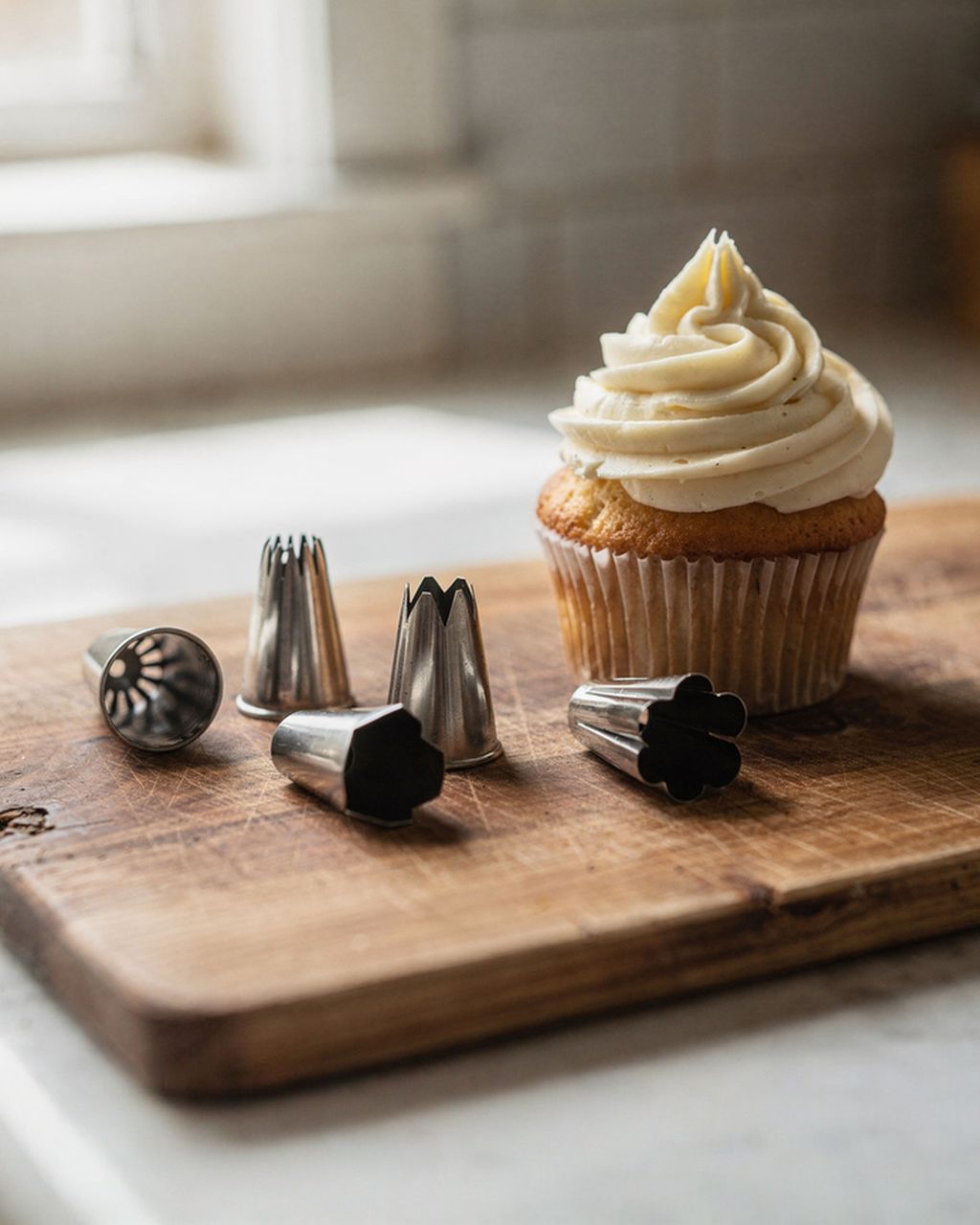
Bake cupcakes with a flat top at a lower temperature, around 160–170°C/320–340°F the whole time, filling the liners only about ⅔ full. The slower heat lets the batter rise evenly so no dome forms, meaning frosting or ganache sits smoothly on top.
Yes, you can bake muffins in a silicone mold without liners, just expect a lower dome. Silicone conducts heat more slowly than metal, so the edges set later. Set the silicone mold on a baking sheet and bake the muffins for an extra 2–3 minutes.
Muffin batter handles a few hours in the fridge just fine, and resting it for 30–60 minutes actually helps the dome. Left overnight, though, the baking powder gradually loses strength, so the muffins may turn out shorter. Don't stir the batter again before filling the liners.
You can substitute baking soda for baking powder in muffins only if the batter contains an acidic ingredient, like yogurt, buttermilk, or sour cream. Soda needs acid to activate. It's roughly 3–4 times stronger than baking powder, so about ¼ teaspoon of soda replaces 1 teaspoon of powder. Without enough acid, the muffins won't rise and will taste soapy.
Muffins usually stick to their liners because they're peeled while still warm — the trapped steam glues the paper on. Let the muffins cool completely on a wire rack and the liner should come off cleanly on its own. For lower-fat batters, liners with a greaseproof coating or a light greasing help too.
One recipe worth heating the oven for, one tip, and one deal from the shop. Nothing else.