- Season
- Year-round
- Price
- Medium
Calories and nutrition per 100 g
- 717 kcal
- 0.9 g protein
- 81.1 g fat
- 0.1 g carbs
Unsalted Butter
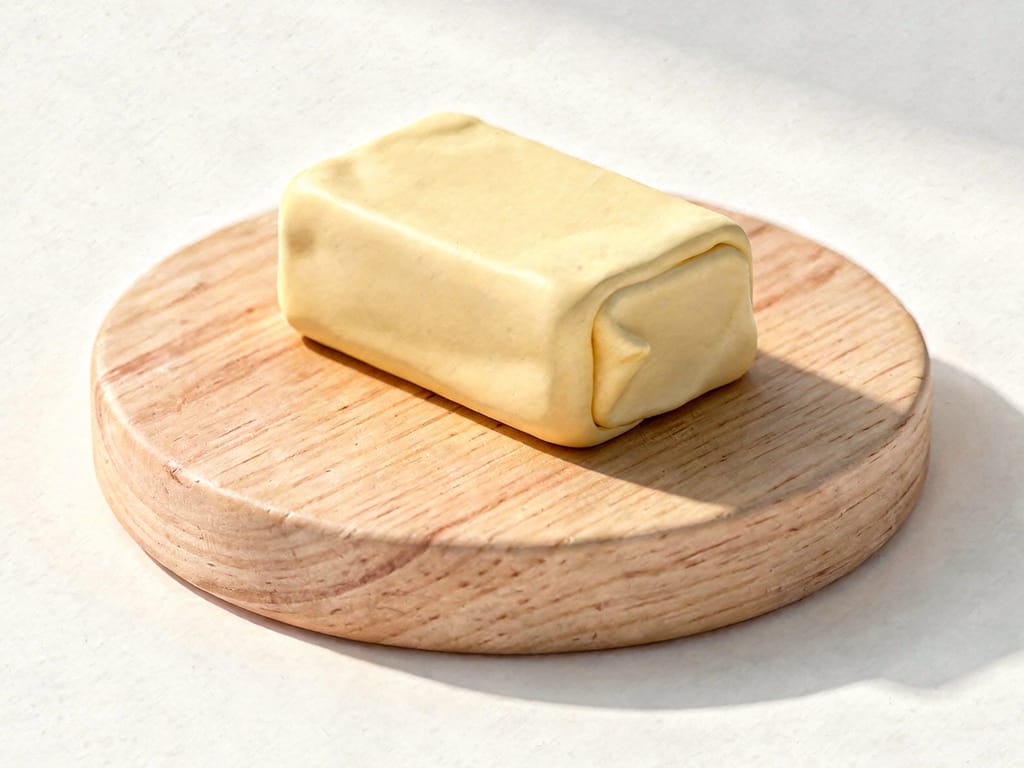
Unsalted butter is butter with no added salt, churned from cream; in the Czech Republic it is the standard butter in shops, with at least 80 % milk fat and usually 82 %. Baking recipes ask for it because you control the salt yourself and the butter tastes purely of cream.
In a covered butter dish in a cool room, away from sun and the hob, keep it for at most 1–2 days and only as much as you will use quickly. Unsalted butter is more delicate on the counter than salted.
Keep it in the fridge in its original wrapper or a closed container, away from strong-smelling foods, as butter absorbs odours easily. Unopened, it keeps until the date on the pack; opened and well wrapped, use it by the date on the pack.
Freeze it in its original wrapper with an extra layer of film or a bag, ideally for up to 6 months. Thaw overnight in the fridge. Do not refreeze thawed butter; it loses aroma and texture.
Look for the word butter on the pack: only a milk product with at least 80 % milk fat may use it. Vegetable fats and blends may not be sold as butter. Standard 82 % butter is fine for baking; higher-fat butter has less water and is easier to work in puff and shortcrust pastry. In the Czech Republic "čerstvé máslo" (fresh butter) is at most 20 days from production, while "stolní máslo" (table butter) was stored frozen. Butter should have an even colour, a smooth surface without darker, dried edges and a clean smell of cream, not sour or rancid.
Salted butter 1:1, just cut the salt in the recipe: 100 g of salted butter contains roughly 1–2 g of salt, depending on the brand.
Clarified butter or ghee for cooking; refined coconut oil or baking margarine for vegan baking. Oil and coconut oil are pure fat, so use about a fifth less and expect a different texture.
For cakes and creaming with sugar, let butter soften to 18–20 °C: a finger leaves a dent, but the butter holds its shape and is not greasy. For shortcrust and Linzer dough use it cold, cut into cubes. For puff pastry it should be cold but pliable. For brown butter, melt it over medium heat and stir until the milk solids on the bottom turn golden and it smells of hazelnuts.
Keep butter wrappers in the fridge or freezer and use them to grease baking tins. Use buttermilk left from churning butter at home in pancakes, bread or bundt cake.
Roughly what one measure weighs, scooped the way you normally would in the kitchen.
In baking, unsalted butter is creamed with sugar, worked cold into shortcrust and puff pastry and used in buttercreams. In cooking, stir it into sauces, risotto and mashed potatoes at the end. For high-heat frying, clarify it first, because the milk solids burn before the fat does.
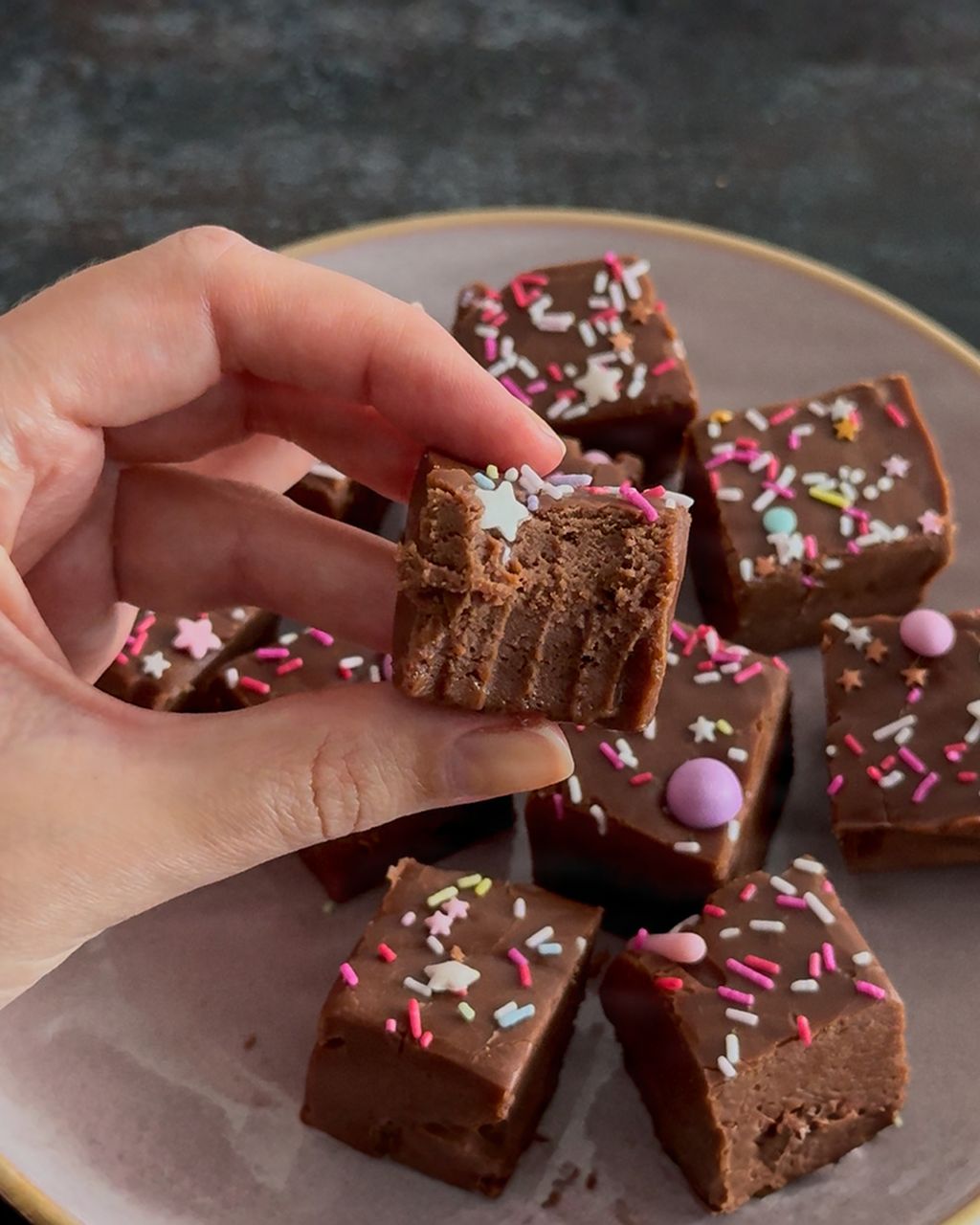
Dark chocolate fudge

Swiss grittibänz st. nicholas bread men with soft tangzhong dough

Chocolate linzer cookies with apricot jam and chocolate dip

Hazelnut linzer cookies with blackcurrant jam
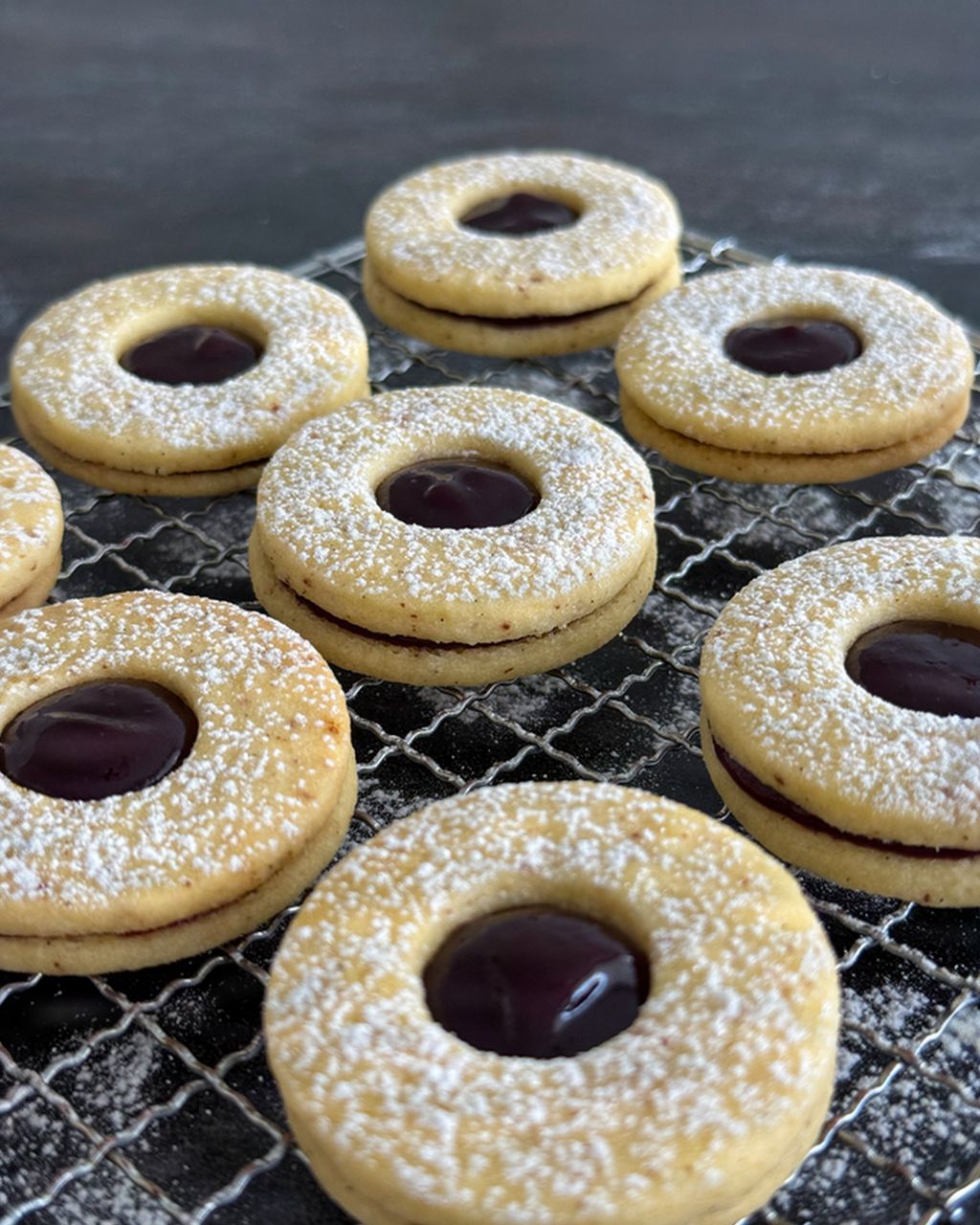
Brown butter linzer cookies with tonka bean and blackcurrant
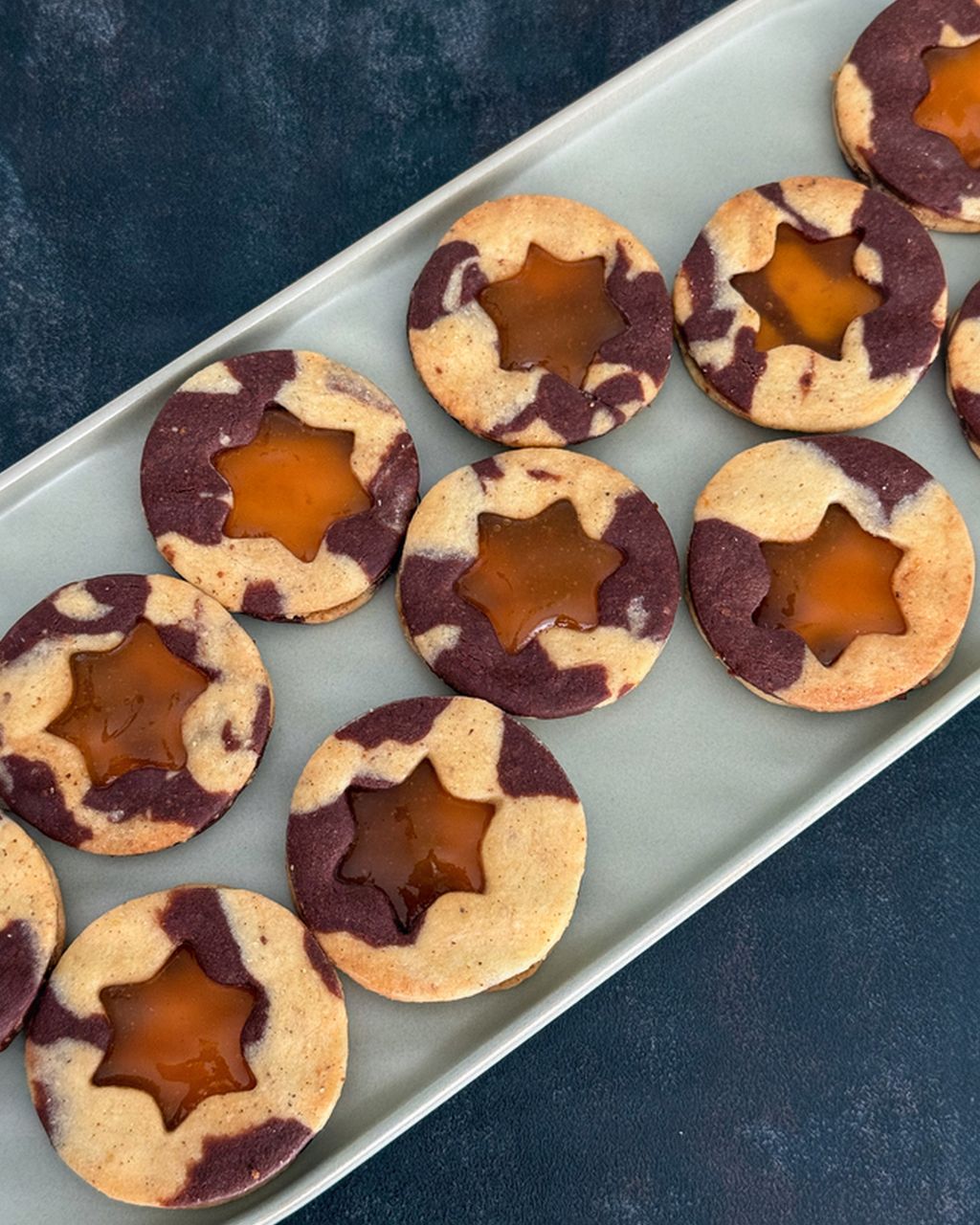
Marbled linzer cookies with vanilla and cocoa dough
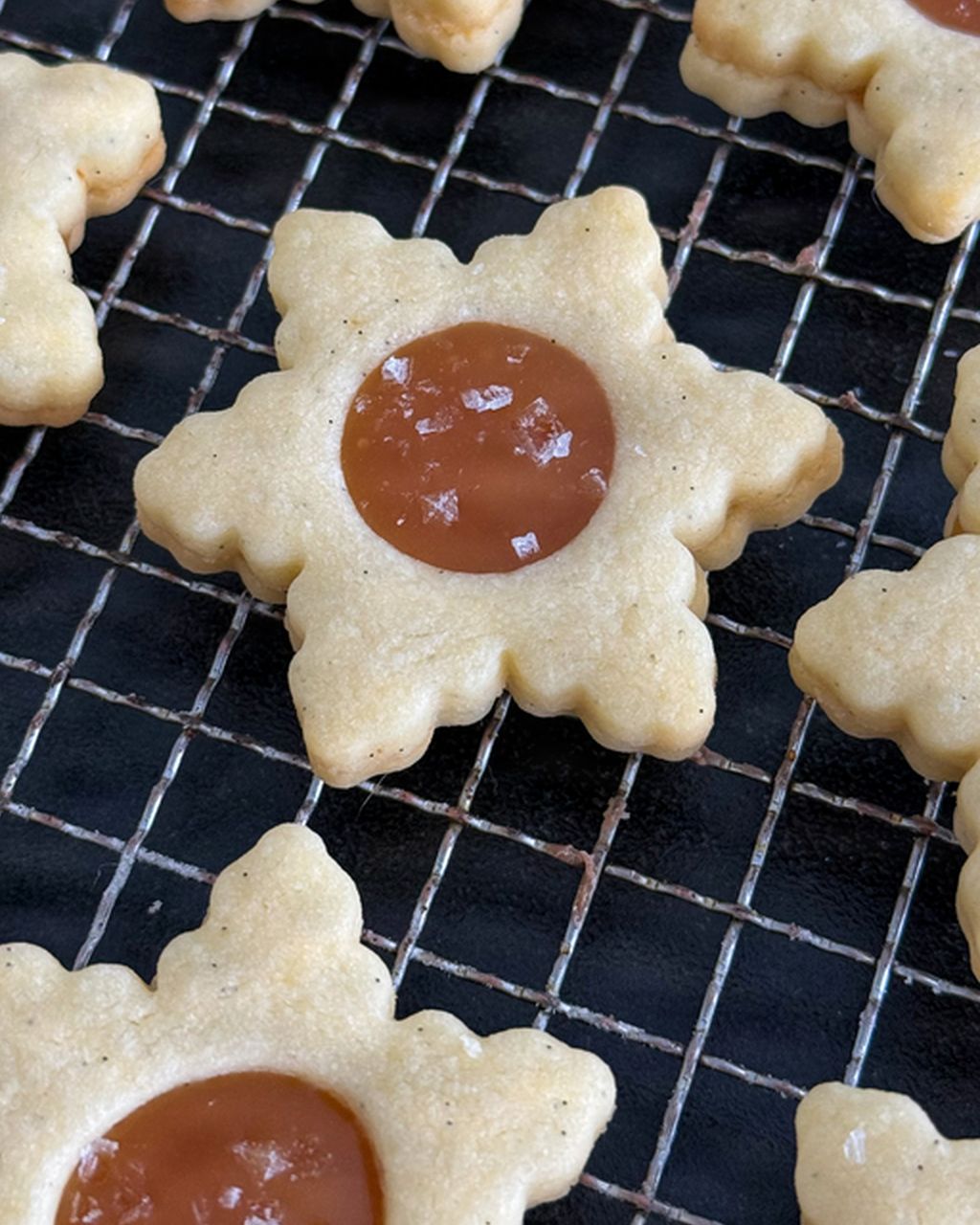
Linzer cookies with salted caramel and flaky sea salt

Classic linzer cookies with redcurrant jam
Butter is made by churning cream: the fat globules clump into butter grains and the buttermilk separates. Unsalted butter is then just washed and worked, with no salt added. Under EU rules, which Czech Decree 397/2016 refers to, butter must contain at least 80 % and less than 90 % milk fat, at most 16 % water and at most 2 % non-fat milk solids. Standard butter in Czech shops is unsalted, usually 82 % fat; salted butter says "solené" on the pack.
Unsalted butter tastes clean and slightly sweet of cream. Cultured butter adds a gently tangy, nutty note. In baking, the taste of butter shows most in shortcrust and buttercream, where nothing masks it.
Seasonal baking plans, tested recipes and kitchen tricks that save you time. Unsubscribe in one click.
4 min read
Czech Decree 397/2016 on milk and dairy products defines butter by reference to EU Regulation 1308/2013 on the common organisation of markets. Under it, butter has at least 80 % and less than 90 % milk fat, at most 16 % water and at most 2 % non-fat milk solids. Under the decree, a product with more than 90 % fat is butter concentrate. The name butter is reserved for dairy products, which is why the former Czech "pomazánkové máslo" spread is now sold as "tradiční pomazánkové".
The decree also defines two Czech specialities: only butter up to 20 days from production may be labelled "čerstvé máslo" (fresh butter). "Stolní máslo" (table butter) is butter stored frozen at −18 °C or below for up to 24 months; once taken out of cold storage it has a use-by date of 20 days. Both are full butter; they differ only in how long and how they were stored.
The salt in salted butter varies by brand, roughly 1 to 2 g per 100 g. If a recipe relied on salted butter, the result would be differently salty every time. With unsalted butter you set the salt yourself, with the pinch the recipe gives. It matters most in buttercream, caramel, Linzer cookies and sweet shortcrust, where extra salt would stand out.
In the Czech Republic standard butter is unsalted, so a recipe that just says "butter" means unsalted. Watch out with foreign recipes: in Britain and the US salted butter is common, which is why baking recipes there stress "unsalted". For how soft butter should be when you cream it with sugar, see creaming butter and sugar.
In shortcrust and Linzer dough butter brings flavour and crumbliness: cold butter is worked into the flour quickly so it does not melt. For a tested method see classic Linzer cookies with redcurrant jam. Browning the butter first gives the dough a nutty taste, as in brown butter Linzer cookies with tonka bean.
Margarine or baking fat can replace butter in cookies but changes the taste and texture; what each substitute does is covered in what to use instead of butter in Christmas cookies.
Butter belongs in the fridge, ideally in its original wrapper, which protects it from light and odours. Use it, opened or unopened, by the date on the pack. In a butter dish on the counter keep it for at most 1–2 days in a cool room, away from the hob and sun; unsalted butter is more delicate because it has no salt to protect it. In the freezer it keeps good quality for about six months; thaw it in the fridge.
Spoiled butter smells sour, cheesy or rancid and has a darker, translucent edge where it oxidised in the air. You can trim off a thin yellower edge, but throw rancid butter away entirely.
According to the USDA database, unsalted butter has about 717 kcal per 100 g and about 81 g of fat; 82 % butter has roughly 740 kcal. A tablespoon of butter, about 14 g, has around 100 kcal. The rest is mostly water with a little protein and milk sugar. About two thirds of the fat is saturated. Butter contains vitamin A and milk proteins, so it must be labelled as an allergen (milk). It has only traces of lactose, usually under 1 g per 100 g, but it is not lactose-free.
Sweet cream butter is churned from pasteurised cream and tastes clean and milky. Cultured butter is made from cream with added lactic cultures; it has a gently tangy, fuller taste. Both can be salted or unsalted. Clarified butter and ghee are butter with the water and milk solids removed, almost pure fat that does not burn as easily.
Butter has been churned for thousands of years, in the Czech lands in wooden churns. Before refrigerators, butter was often salted to keep longer.