- Season
- Available year-round, with peak aromatic intensity shortly after milling.
- Price
- Low
Calories and nutrition per 100 g
- 247 kcal
- 4 g protein
- 1.2 g fat
- 80.6 g carbs
Ground Cinnamon
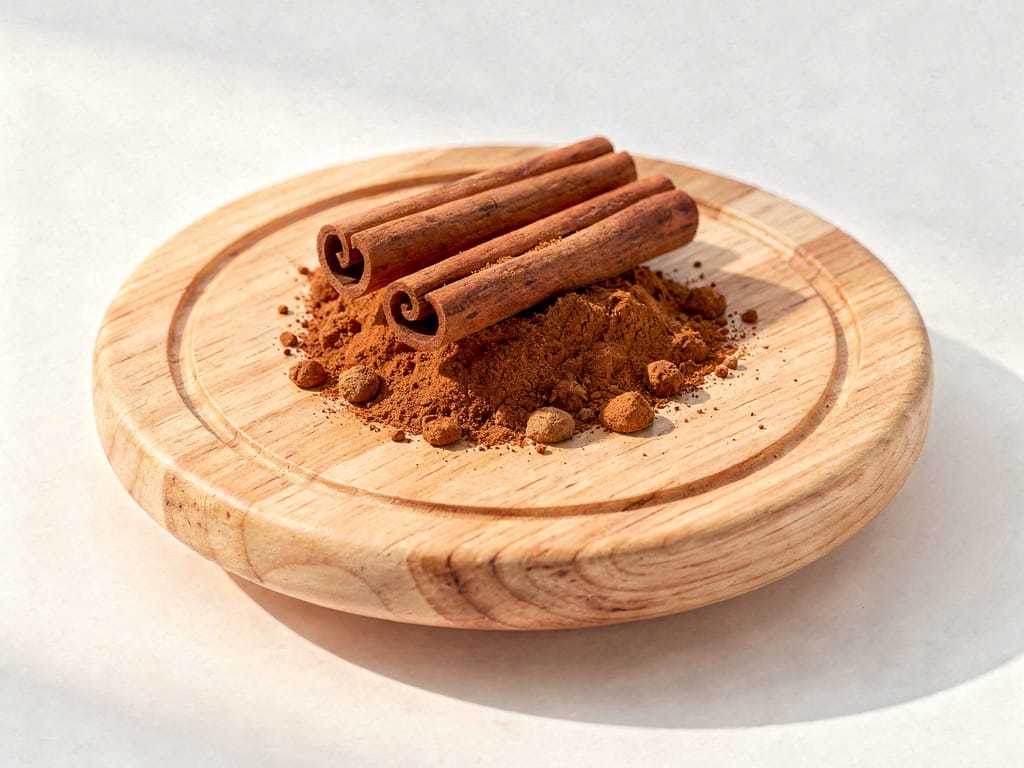
Ground cinnamon is the finely milled inner bark of evergreen trees of the genus Cinnamomum, dried and reduced to powder to concentrate its volatile aromatic compounds. Though modest in appearance, it is among the most historically consequential of spices, functioning as perfume, preservative, medicine, and culinary cornerstone across civilizations.
Store in an airtight container away from heat and light for up to six months.
Refrigeration is unnecessary and may introduce condensation that dulls aroma.
Freezing is possible for long-term storage but should be done only in moisture-proof packaging.
Choose ground cinnamon with a uniform, fine texture and a pronounced aroma detectable without agitation. Freshness is indicated by a reddish-brown hue and a sweet, complex scent rather than a flat or dusty note. Avoid powders with visible clumping, which may signal moisture exposure or age.
Freshly ground cinnamon from whole quills offers superior aroma and control.
A blend of nutmeg and allspice can approximate warmth, though lacking true sweetness.
Bloom ground cinnamon briefly in warm fat or liquid to awaken volatile oils before incorporating into dishes. Add early for infused warmth or late for brighter aromatic lift.
Revive fading cinnamon by infusing it into syrups, teas, or poaching liquids rather than discarding it.
Roughly what one measure weighs, scooped the way you normally would in the kitchen.

Chocolate linzer cookies with apricot jam and chocolate dip

Hazelnut linzer cookies with blackcurrant jam
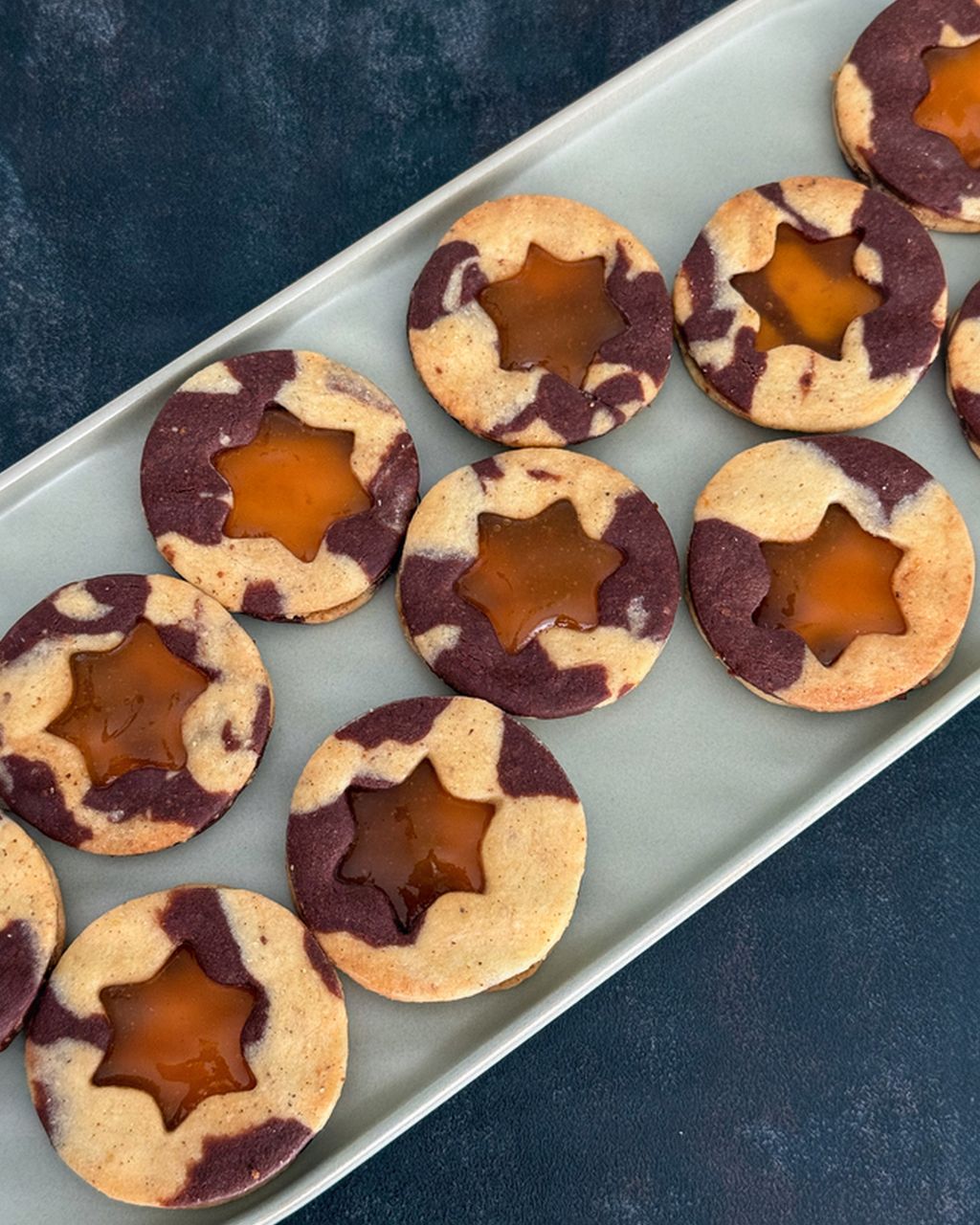
Marbled linzer cookies with vanilla and cocoa dough
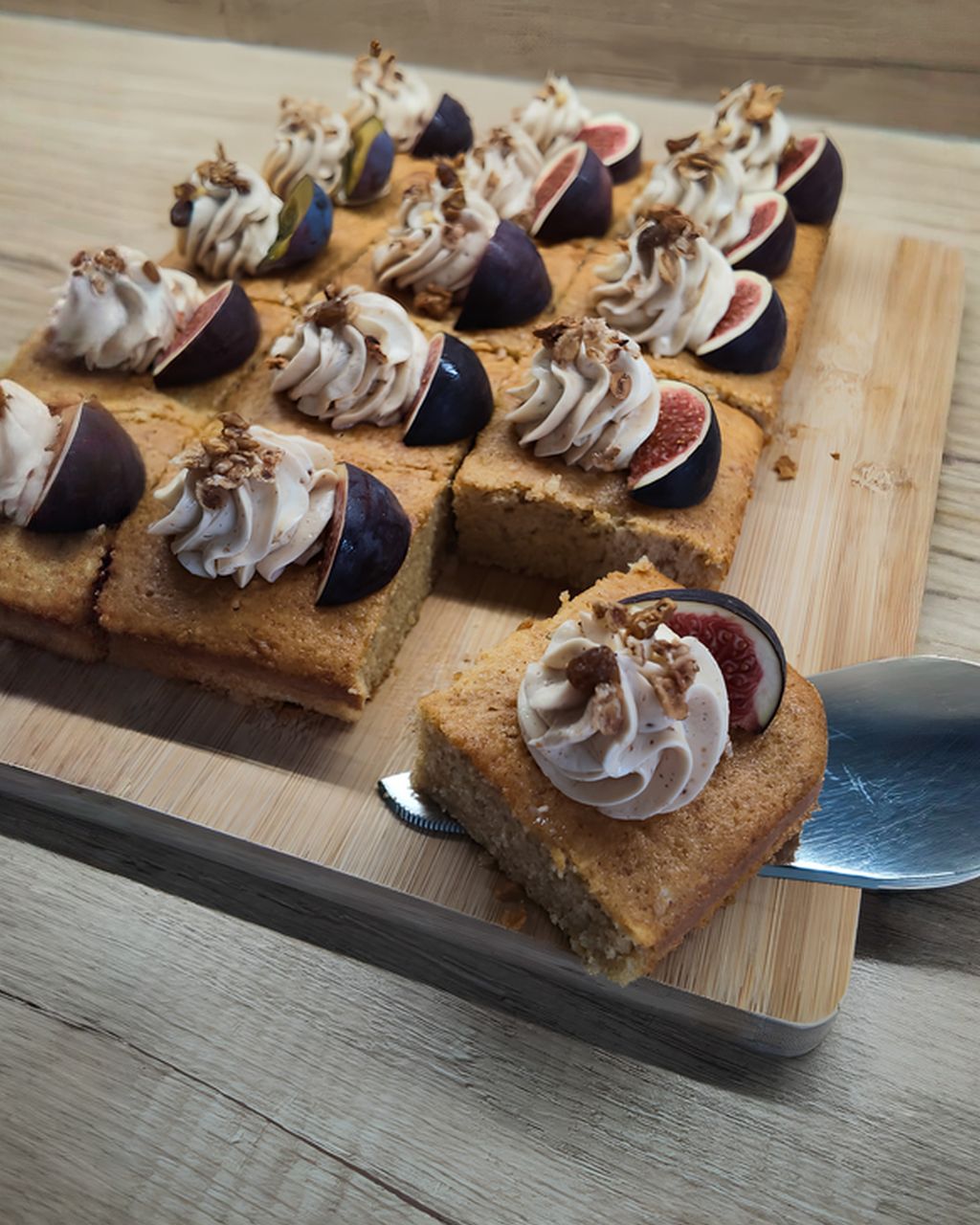
Autumn squares
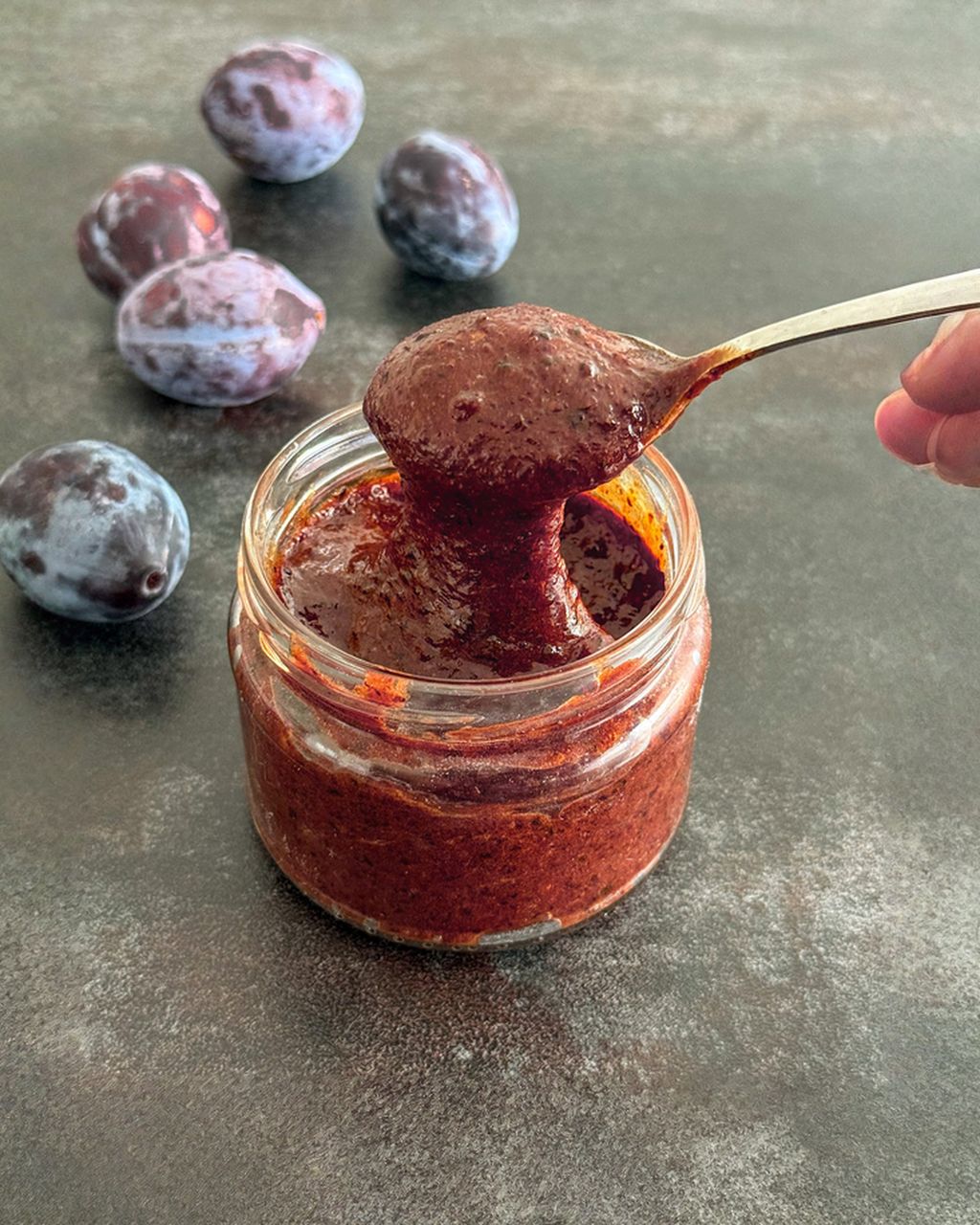
Homemade plum butter
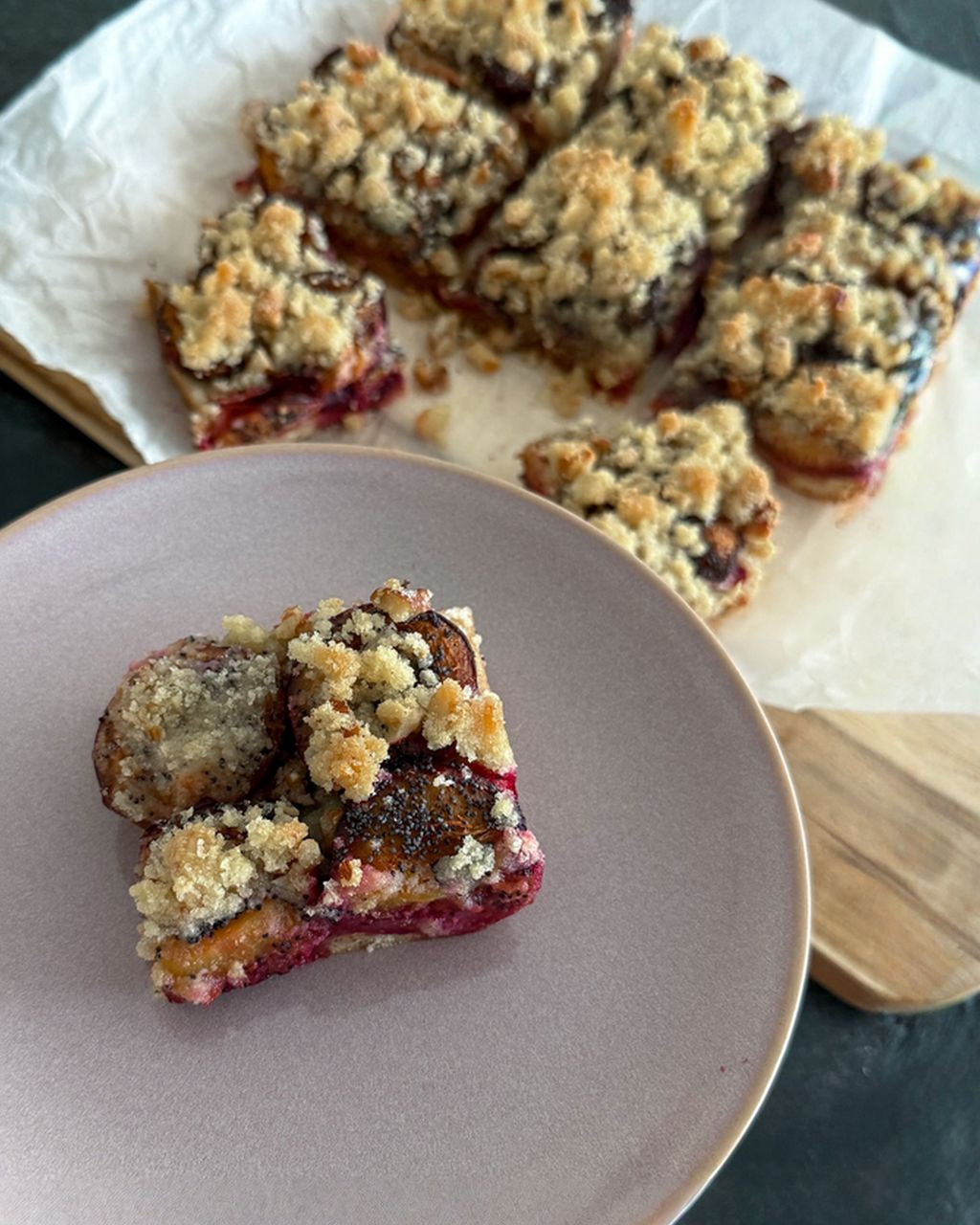
Classic yeasted plum sheet cake with crumble topping
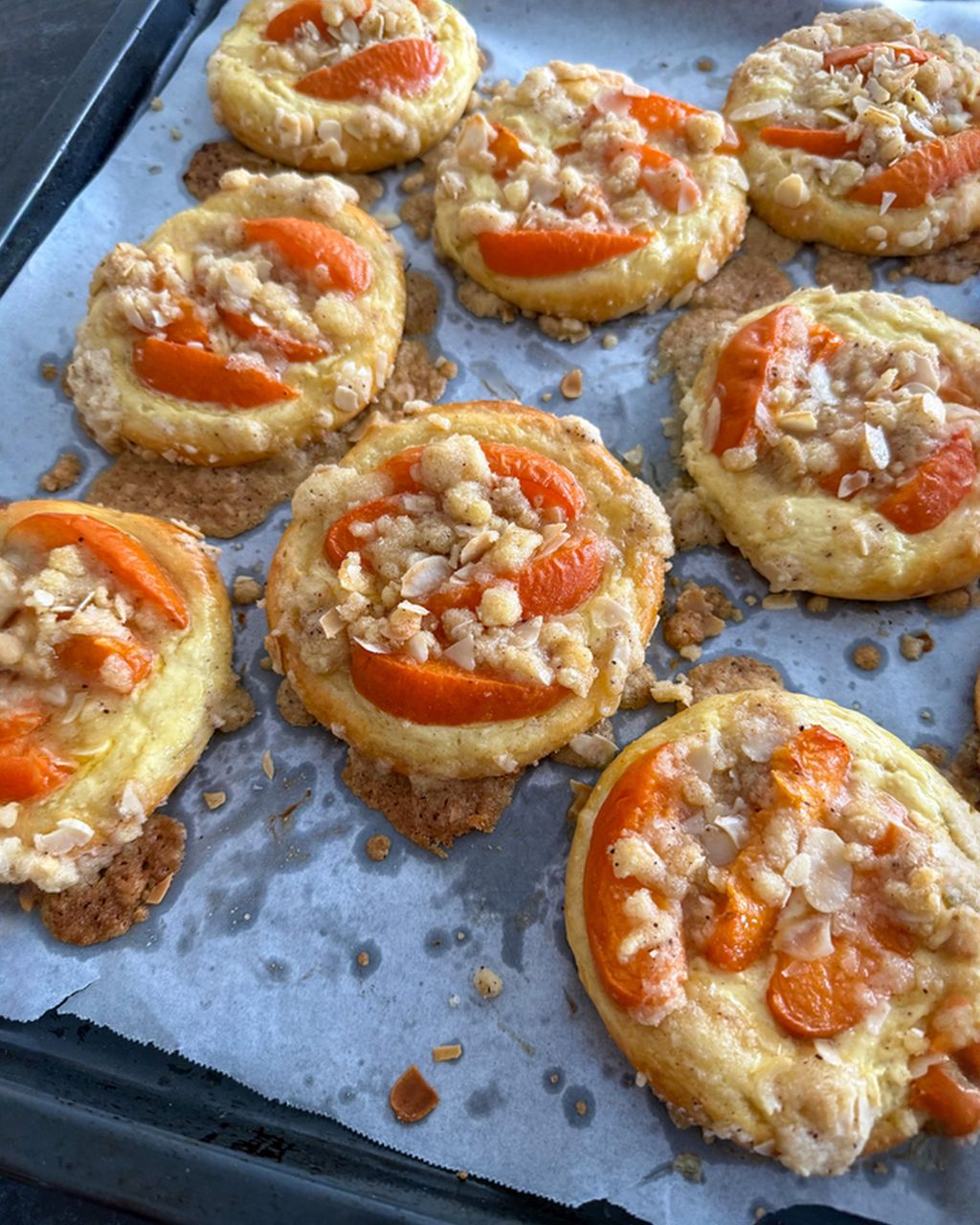
Apricot kolaches with curd cheese filling and almond crumble
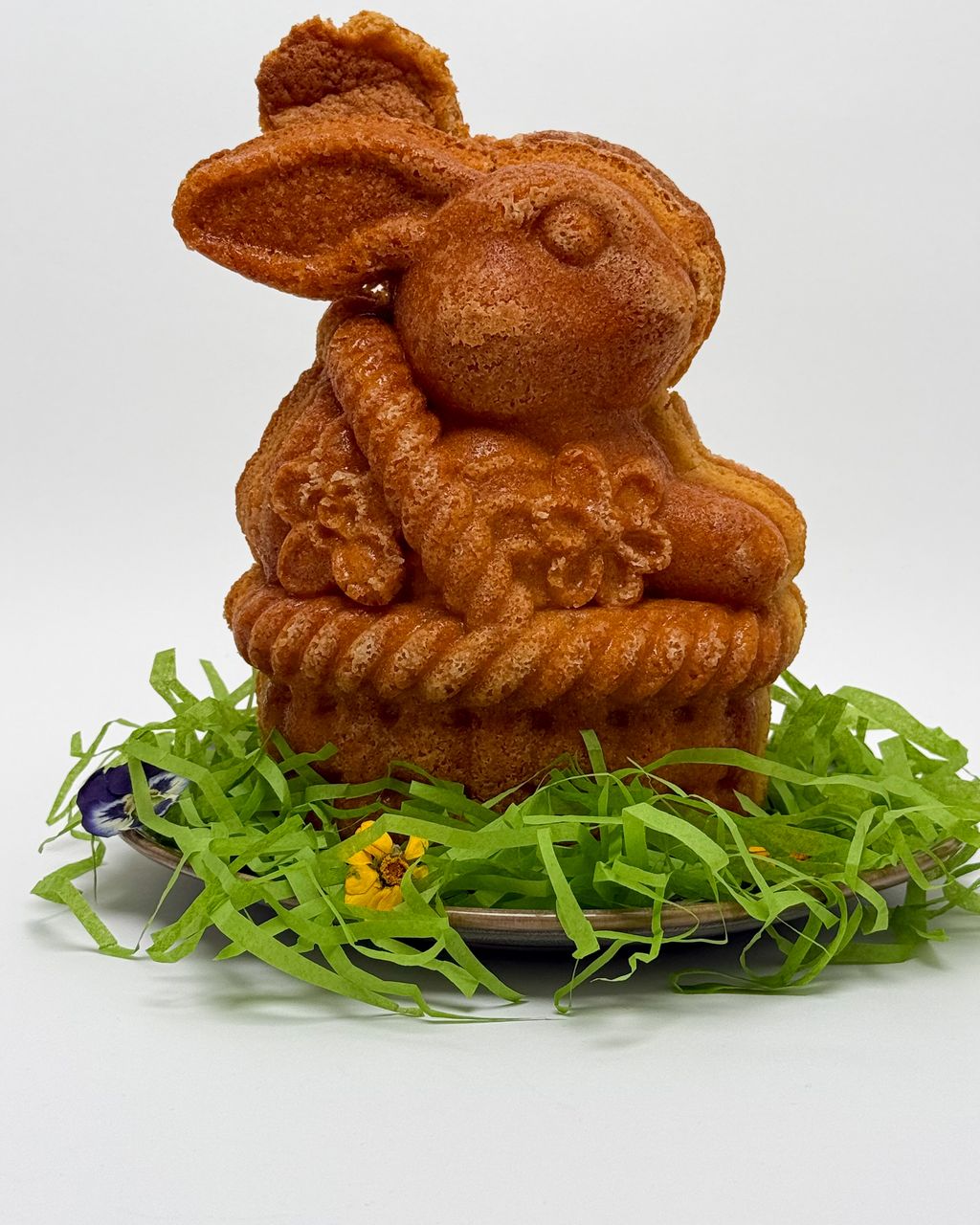
Banana easter bunny cake with vanilla and spice
Ground cinnamon is the finely milled inner bark of evergreen trees of the genus Cinnamomum, dried and reduced to powder to concentrate its volatile aromatic compounds. Though modest in appearance, it is among the most historically consequential of spices, functioning as perfume, preservative, medicine, and culinary cornerstone across civilizations.
The attack is immediately sweet and perfumed, with a gentle heat that blooms on contact with the palate. The mid-palate deepens into woody, resinous tones, carrying hints of clove, citrus peel, and dried fruit. The finish is persistent yet clean, leaving a warming echo rather than aggressive burn, particularly in true cinnamon varieties.
Seasonal baking plans, tested recipes and kitchen tricks that save you time. Unsubscribe in one click.
3 min read
Though sold simply as ground cinnamon, the powder conceals profound botanical diversity. Ceylon cinnamon: originating in Sri Lanka’s humid coastal belt, where the finest bark grows on the white, quartz-rich sandy soils around Negombo, is harvested by hand from young shoots, whose inner bark is delicately peeled and sun-dried. Its flavor is pale, floral, and gently sweet, with a short, elegant finish. Cassia cinnamon: dominant in global trade and often sourced from China, Indonesia, and Vietnam, grows in heavier soils and yields thicker bark harvested from mature trees. The resulting powder is darker, bolder, and more tannic, with a robust, lingering heat. Saigon cinnamon: from the mountainous provinces of central and northern Vietnam — chiefly Quảng Nam and Quảng Ngãi, with Yên Bái the largest producer — delivers an exceptionally high essential oil content, producing an intensely sweet-spicy profile prized by bakers. Each reflects its landscape, harvest timing, and curing method, making ground cinnamon a study in place as much as species.
In Ancient antiquity, cinnamon was shrouded in myth, described by Greek writers as a substance guarded by serpents and collected at great peril. The Egyptians employed it in embalming rituals, valuing its preservative and aromatic powers. During the Medieval period, cinnamon became a linchpin of the spice trade, moving along Arab-controlled routes into Europe, where it signified wealth and was used to mask off-flavors in preserved meats. Venetian merchants built fortunes upon its trade. In the Modern era, colonial expansion and botanical classification demystified its origins, while industrial grinding democratized access. Yet even as it became commonplace, cinnamon retained symbolic weight, anchoring holiday baking and global comfort foods.
The characteristic aroma of ground cinnamon arises chiefly from cinnamaldehyde, which makes up roughly 50–75% of the essential oil in Ceylon bark and can reach 90% in cassia types. Eugenol contributes clove-like warmth, while coumarin, far more prevalent in cassia types, adds bitterness and is subject to EU maximum levels in flavoured foods under Regulation 1334/2008, with an EFSA tolerable daily intake of 0.1 mg per kg of body weight. These compounds are fat-soluble and volatile, explaining cinnamon’s sensitivity to heat and time. It also contains polyphenolic compounds, chiefly proanthocyanidins.
Ethical sourcing of cinnamon hinges on fair labor in bark harvesting, a process requiring skill and speed. Sri Lankan producers often rely on smallholder systems with generational knowledge, while industrial cassia production may involve less transparency. Responsible sourcing prioritizes traceability, reasonable coumarin levels, and support for traditional peeling communities.