Soft gingerbread cookies
Store-Bought Gingerbread Dough: How to Bake and Decorate Cookies That Stay Soft
Updated Nov 3, 2026
Cookies made from store-bought gingerbread dough stay soft if you let the dough warm up a little before rolling, roll it to 3–4 mm (about 1/8 inch) without extra flour, and take the cookies out while they still spring back when touched. At 160–170 °C (320–340 °F), thin cookies usually take 6–10 minutes, but treat the package instructions as a starting point and keep a close eye on the first tray. Decorate them only once they've cooled completely, and when the icing is fully dry, leave them in a tin with a source of moisture for a few days to soften.
Cookies from store-bought dough are usually hard mainly because they're baked a few minutes longer than they need. The four most common causes:
Overbaking. A cookie that's already hard in the oven will be as crisp as a biscuit once it cools.
Dough rolled too thin. Below 3 mm (about 1/8 inch), almost all the moisture leaves the dough.
Extra flour. Dough that sticks while you roll it is easily "rescued" with flour, and that dries it out.
No source of moisture after baking. Gingerbread cookies only soften in a tin, where they have something to draw moisture from. In a dry box they stay hard.
It's perfectly normal for cookies to be firm straight out of the oven. Honey dough is dense and softens only gradually, because honey draws moisture from the air. Store-bought dough is no different from homemade in this respect.
Seasonal baking plans, tested recipes and kitchen tricks that save you time. Unsubscribe in one click.
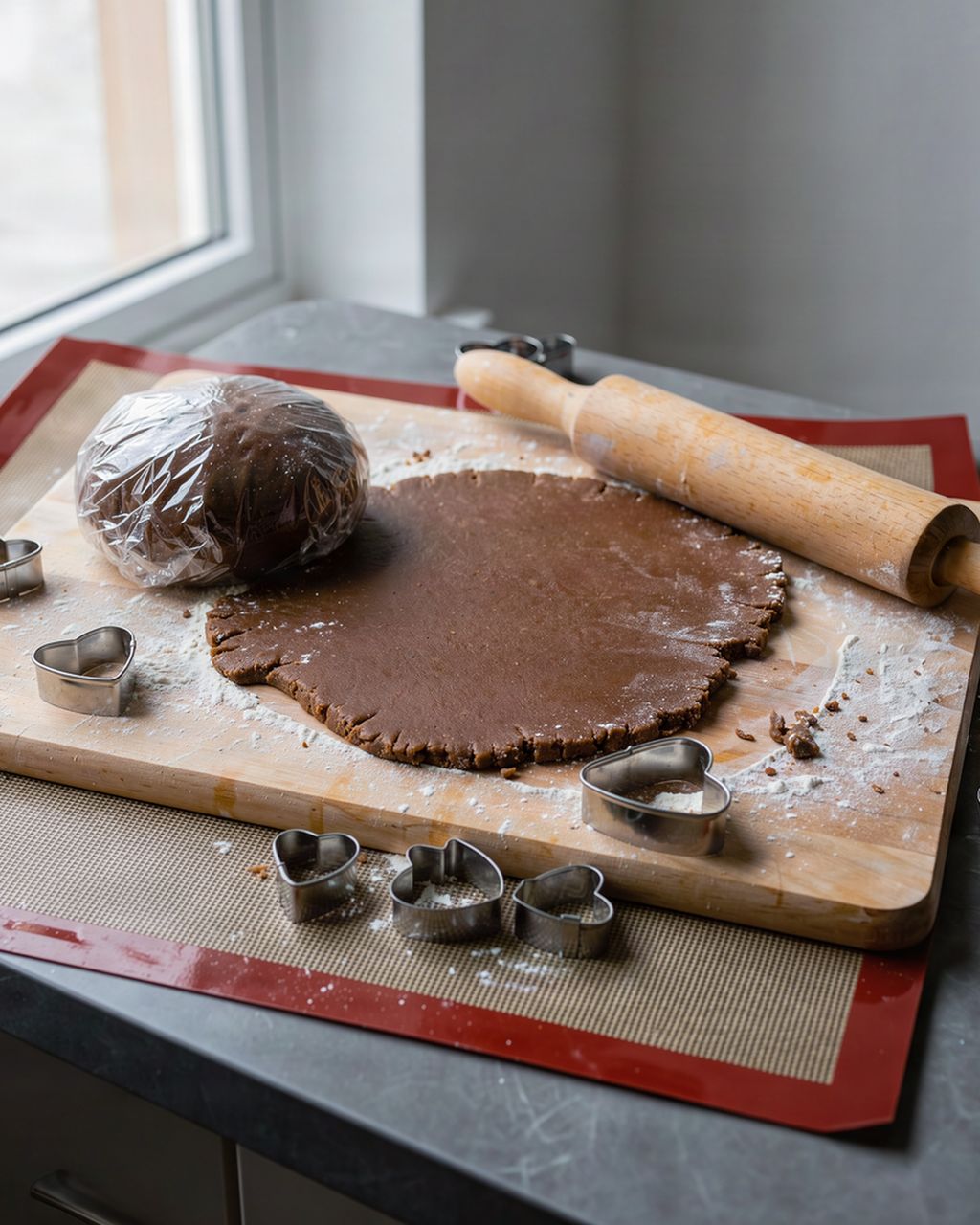
Take store-bought gingerbread dough out of the fridge 15–30 minutes before rolling and let it come up in temperature in its wrapping. It should be cool but pliable: it gives when you press it with a finger and doesn't crack at the edges.
Read the package. Manufacturers give the baking temperature and time, and say whether the dough should be kneaded before rolling. You'll find the allergens listed there too.
Knead it briefly, just until it's smooth. Kneading for too long warms the dough and makes it sticky.
Sticky? It's too warm. Wrap it and put it back in the fridge for 15 minutes; don't add flour.
Cracking and crumbling? It's too cold. Let it rest a little longer.
Does the store-bought dough taste bland? You can briefly work in a teaspoon or two of gingerbread spice per 500 g (about 1 lb) of dough. You can mix your own blend using the recipe for gingerbread spice. For how gingerbread dough behaves when rolled in general, see our article on gingerbread cookie dough.
Roll cookies from store-bought dough to 3–4 mm (about 1/8 inch). 4 mm gives a softer cookie, while 3 mm gives a crisper shape that suits Christmas tree ornaments.
Roll the dough between two sheets of parchment paper, or on a work surface that's only lightly dusted with flour. Every extra handful of flour dries the cookies out.
Keep the thickness even across the whole sheet. Thin edges brown before the center bakes through.
Gather the scraps and roll them out again, but no more than twice. Each time a bit more flour works in, and the cookies turn hard.
Put the cut-out shapes in the fridge for 10 minutes. They'll keep sharp edges and spread less in the oven.
If your cookies spread into flat discs in the oven, you'll find the causes and fixes in our article on why gingerbread cookies spread when baking.
Bake cookies from store-bought dough at 160–170 °C (320–340 °F) with top and bottom heat (or 150–160 °C / 300–320 °F with a fan), for roughly 6–10 minutes at a thickness of 3–4 mm. If the package gives a different temperature or time, follow it, but keep a close eye on the first tray and adjust the next ones accordingly.
Honey dough browns quickly, so a higher temperature won't help: the surface darkens before the cookie bakes through, and every extra minute dries it out. For why gingerbread is so sensitive to temperature and how thickness changes the time, see what temperature to bake gingerbread cookies at.
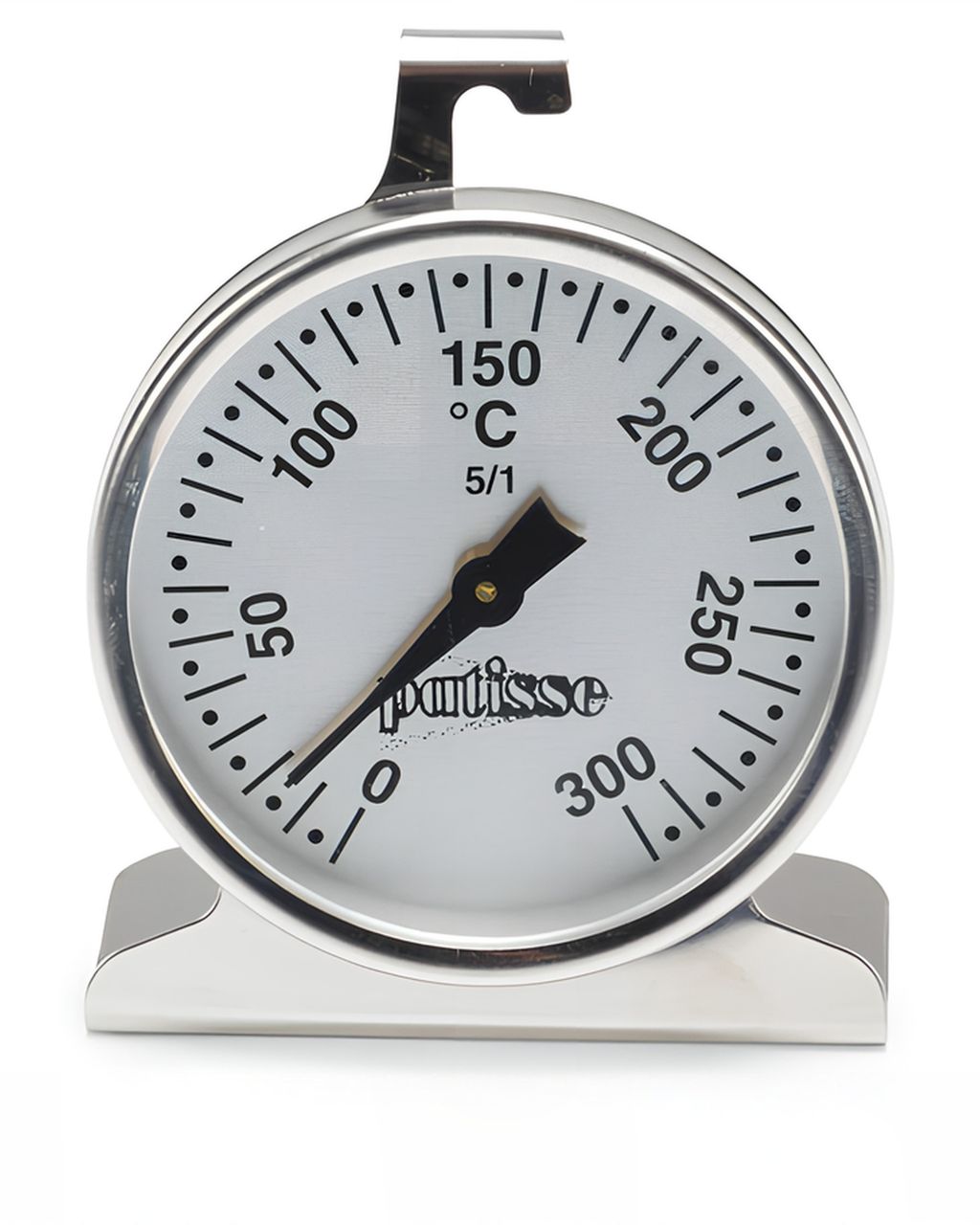
Home ovens commonly differ from the set temperature by 10–20 °C (about 20–35 °F). If your cookies regularly darken too much or stay pale, first check your oven with an oven thermometer and only then change the time. You'll find more baking tools among our molds and baking accessories.
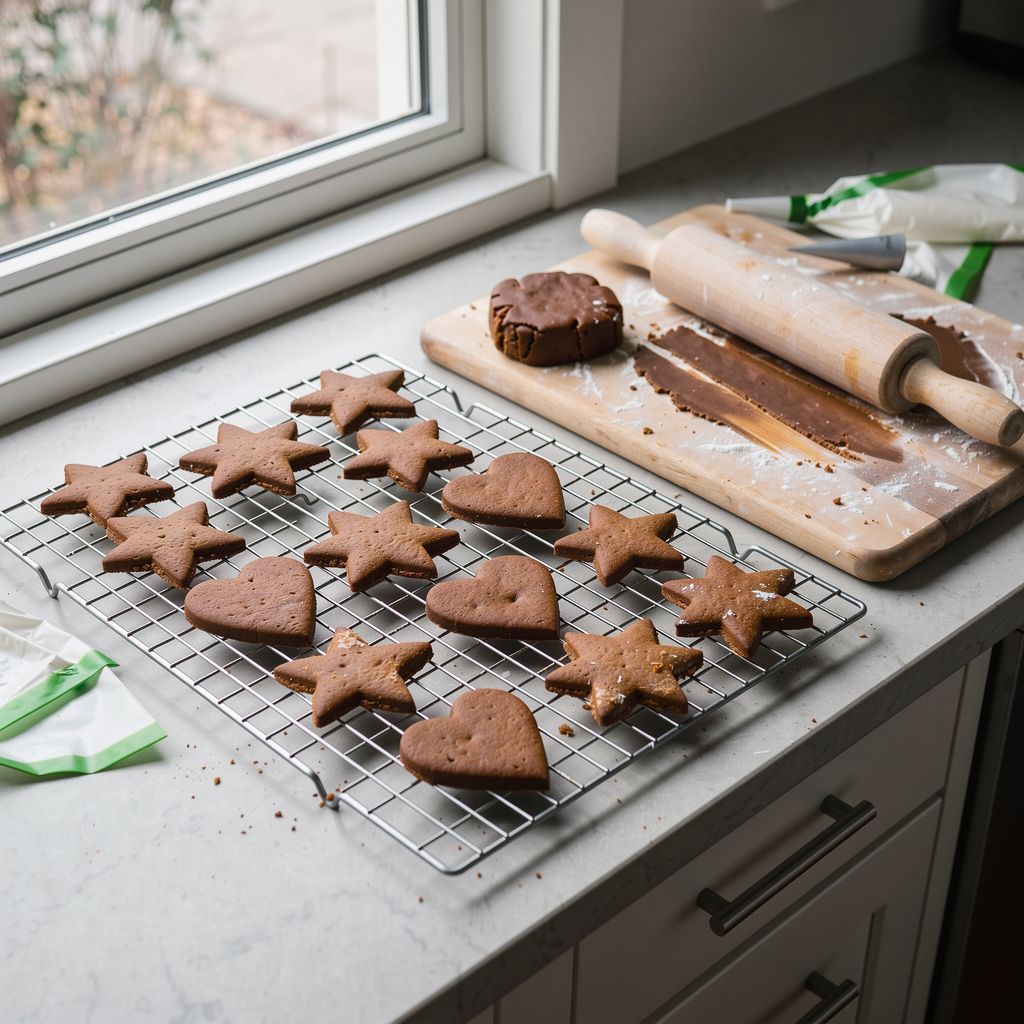
Take the cookies out as soon as the surface turns matte and they spring back lightly when touched, not once they're hard. On the hot tray they keep baking for a minute or two, and they firm up as they cool.
With dark dough, color is hard to judge. Rely more on the matte surface, the spring, and the time.
The underside should be golden, not dark brown. Feel free to flip one cookie over and look.
Leave them on the tray for 2–3 minutes after baking, then move them to a wire rack so they don't keep baking from underneath.
Five signs that tell you for sure a cookie is baked are covered in our article on how to tell when gingerbread cookies are done.
You soften cookies from store-bought dough the same way as homemade ones: put them in a metal tin or cardboard box together with a source of moisture, such as a quarter of an apple on a piece of paper. Kept at room temperature, they soften in a few days. Time alone isn't enough; in a dry tin they stay hard even after a month.
You'll find the whole method, including what to do if you need them soft by tomorrow, in our article on how to store gingerbread cookies so they soften. For why gingerbread cookies harden in general, see why gingerbread cookies turn hard and how to make them soft.
Decorate cookies from store-bought dough once they've cooled completely, ideally the next day. On a warm cookie the icing runs, and fat from the dough seeps into it and leaves stains.
Icing: classic egg white icing, or icing made without raw egg white. You'll find the recipe and consistency in our article on gingerbread cookie icing, and egg-white-free versions in gingerbread icing without egg whites.
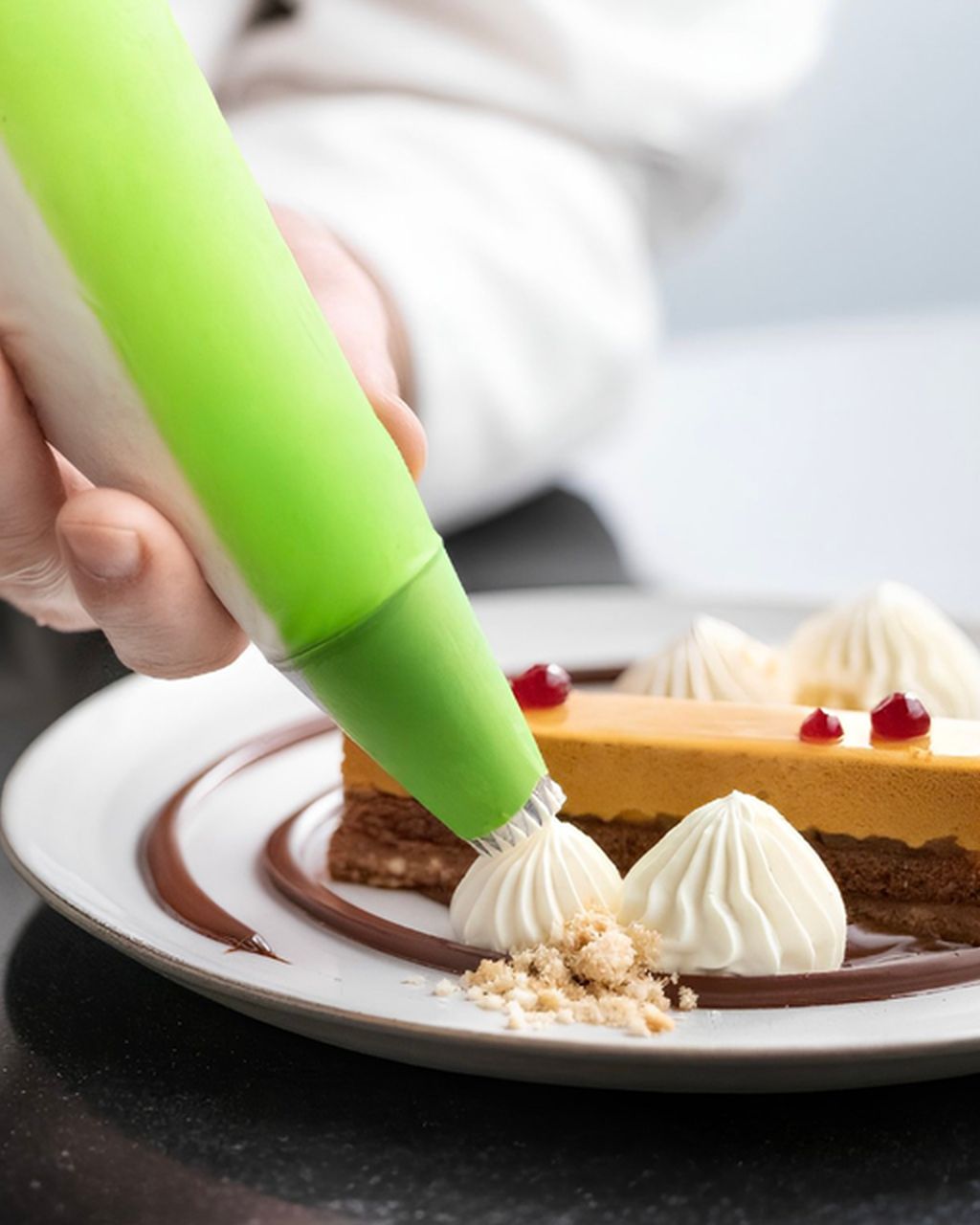
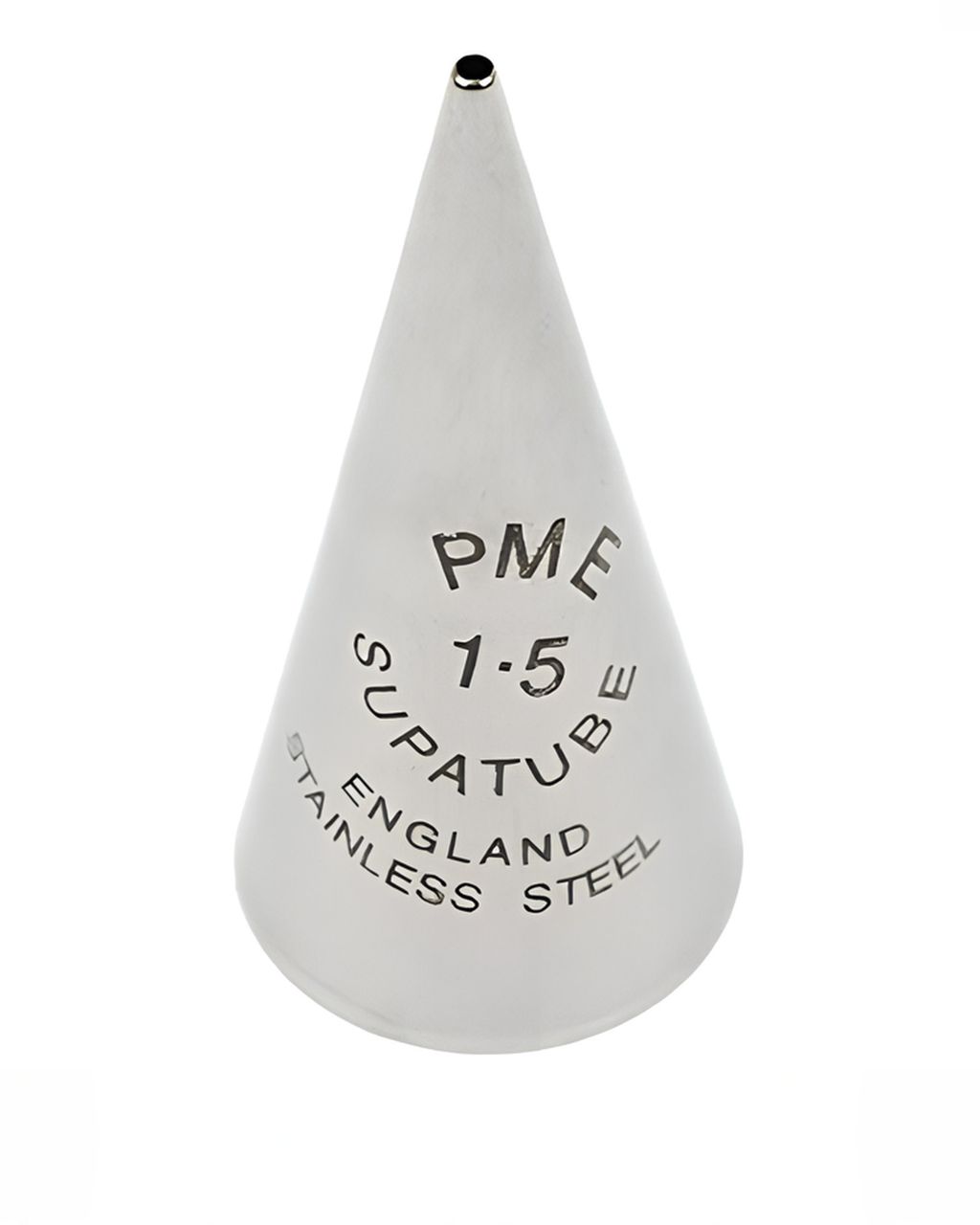
What to decorate with: for fine lines and dots, a 30 × 17 cm piping bag with the tip snipped off is enough; for very thin lines and lettering, add a PME Supatube decorating tip – Writing No. 1.5.
When it's done: icing takes several hours to dry. Let the cookies dry overnight before putting them in the tin, or the icing will leave imprints.
Patterns and a step-by-step method are covered in our article on decorating gingerbread cookies. Which works better, a bag, a tip, or a tube, is compared in gingerbread cookie decorating tools.
Store-bought dough saves you the mixing and resting, while homemade gives you what store-bought can't: your own ratio of honey, spices, and fat. If you have time a few days ahead next time, try cookies from your own dough. This recipe gives soft cookies that are easy to decorate:
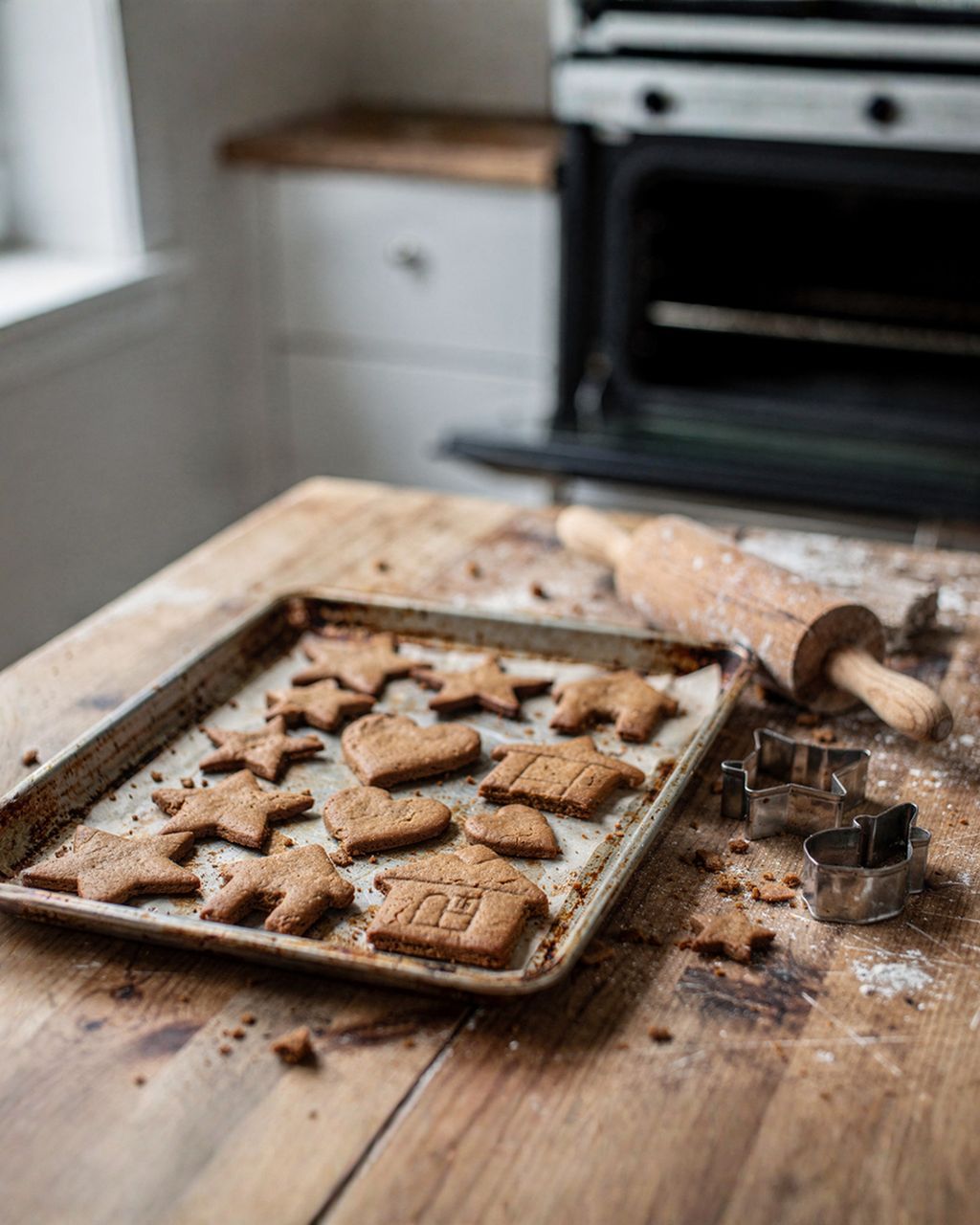
Soft gingerbread cookies
Soft gingerbread cookies: homemade dough instead of store-bought
Store unopened dough according to the package and use it by the date the manufacturer gives. Wrap any opened leftovers tightly in plastic wrap so they don't dry out or pick up odors, and use them as soon as you can. The package usually also says whether the dough can be frozen.
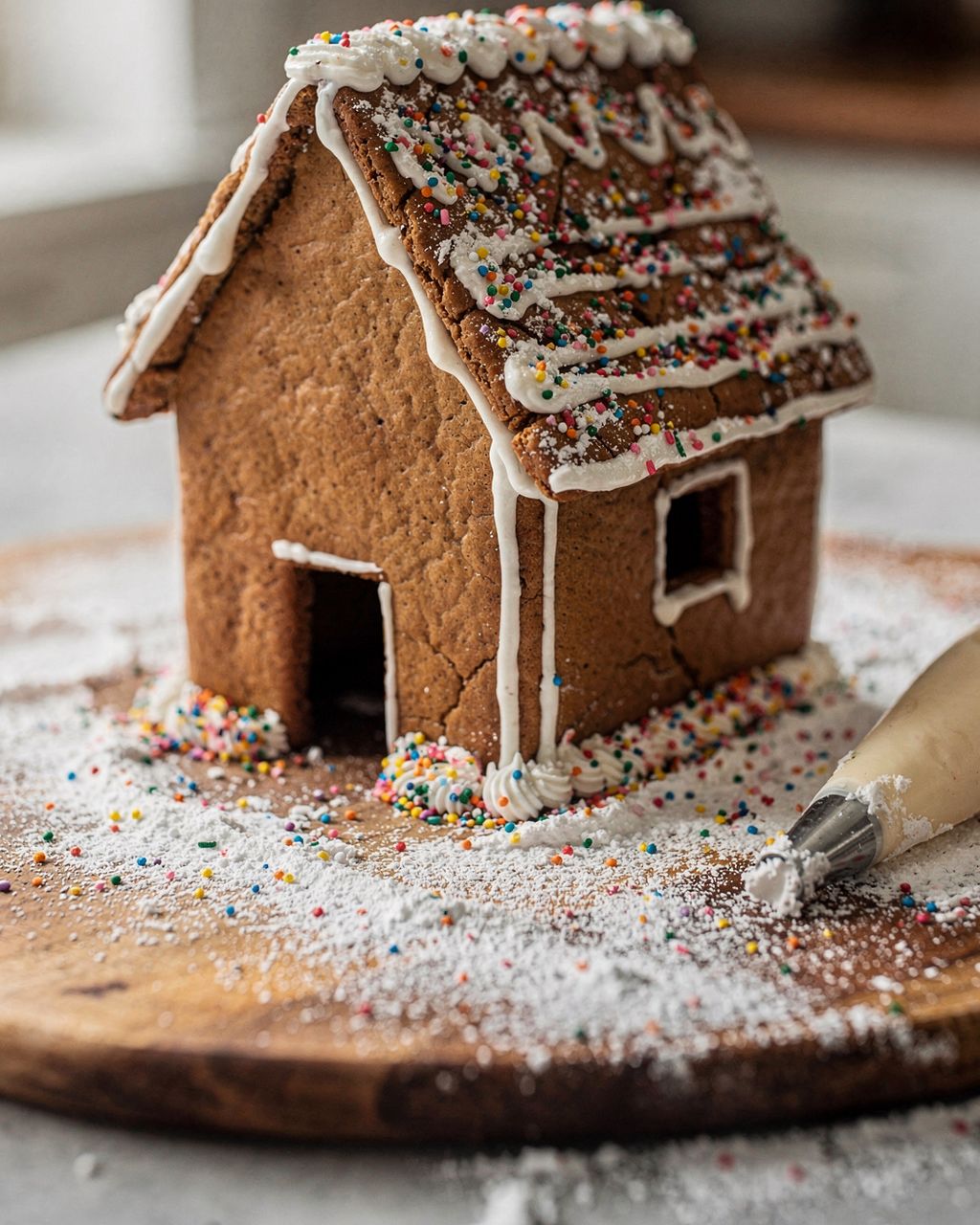
You can, but roll the pieces thicker, to 5–6 mm (about 1/4 inch), and let them dry thoroughly overnight before assembling. Dough made for soft cookies slowly absorbs moisture, so the walls could sag. You'll find the method in our article Gingerbread House Step by Step.
Most often the oven is too hot: honey dough browns before it bakes through. Lower the temperature to 160–170 °C (320–340 °F), bake a minute or two longer, and check your oven with a thermometer. Rolling the dough to an even thickness across the whole sheet helps too.
They just need to cool completely, ideally overnight. Resting in a tin with a source of moisture is for softness, not for decorating, so you can decorate the very next day and put them away to soften only once the icing is dry.
One recipe worth heating the oven for, one tip, and one deal from the shop. Nothing else.