Homemade mint chocolate marshmallows
Hot Chocolate from Real Chocolate: Ratio Per Mug & How to Thicken It
Updated Oct 8, 2026
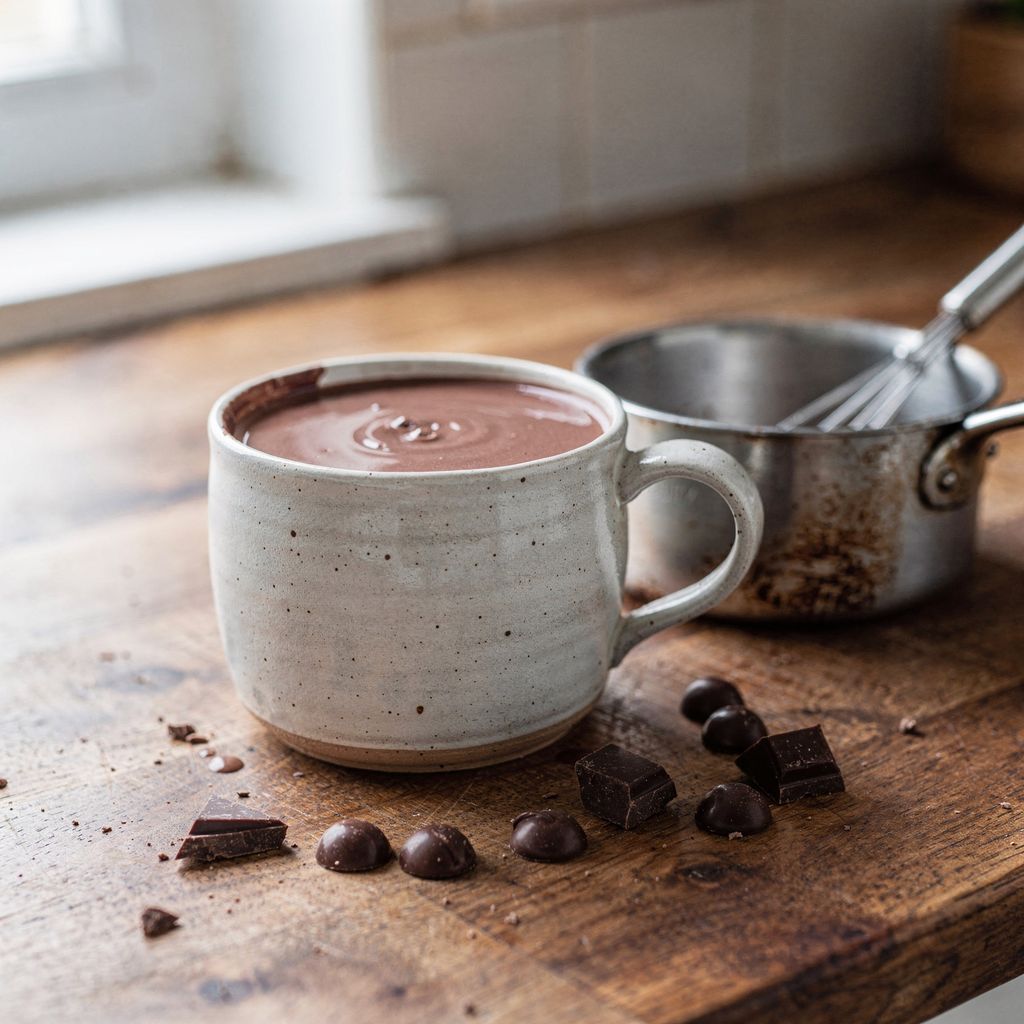
Hot chocolate made from real chocolate needs 40–60 g of chocolate per 200 ml of milk — any less and it's basically chocolate milk, any more and it starts turning into pudding. You can thicken it with a higher proportion of chocolate, a splash of cream, or a teaspoon of cornstarch. Below you'll find exact ratios for dark and milk chocolate, a method that keeps the chocolate from splitting, and what to do if yours turns out too thin.
For one mug (200 ml milk), use 40–60 g dark chocolate, or 70–80 g milk chocolate. Here are the ratios behind that, and what they give you:
Light, drinkable: 40 g dark chocolate (around 55%) per 200 ml milk.
Full and creamy: 60 g dark chocolate per 200 ml milk.
Thick, "spoonable": 60 g dark chocolate + 3–6 g cornstarch per 200 ml milk.
From milk chocolate: 70–80 g per 200 ml milk, with no added sugar.
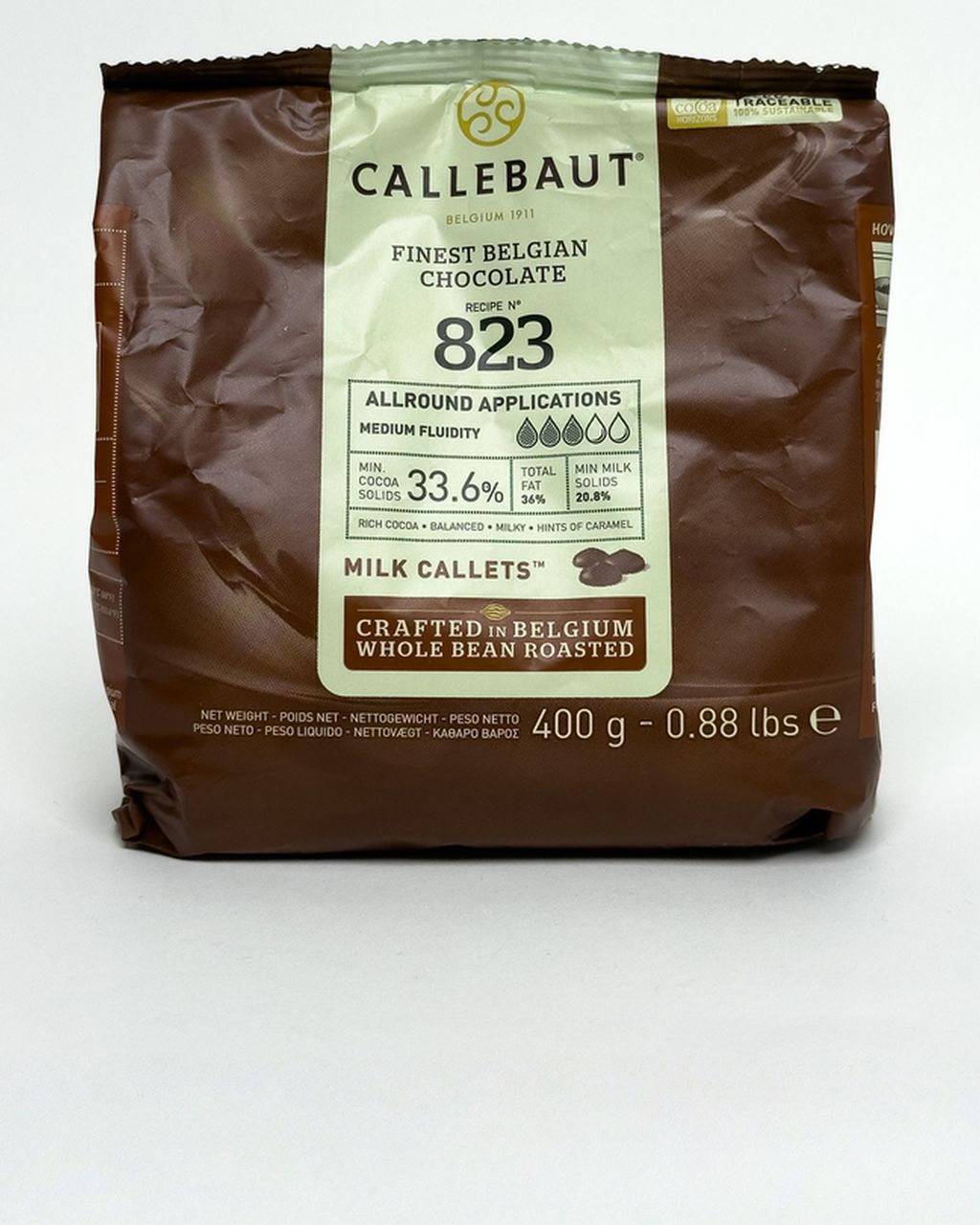
Why the difference? Flavour and body both come from cocoa solids. Dark Callebaut 811 has 54.5% according to the manufacturer, while milk Callebaut 823 has only 33.6% — the rest is milk and sugar. For the milk version to taste like more than sweetened milk, you need more of it, and since it's already quite sweet, there's no need for extra sugar.
If you like a bolder, more bitter flavour, go for 811 and sweeten with a teaspoon of sugar if needed. For kids, or anyone after a dessert-in-a-mug, 823 is the safe bet. You can mix the two as well: 40 g dark + 30 g milk gives a balanced result that isn't overly sweet.
Couverture works best — chocolate with a high cocoa butter content that melts smoothly without going grainy in your mug. From best to weakest choice:
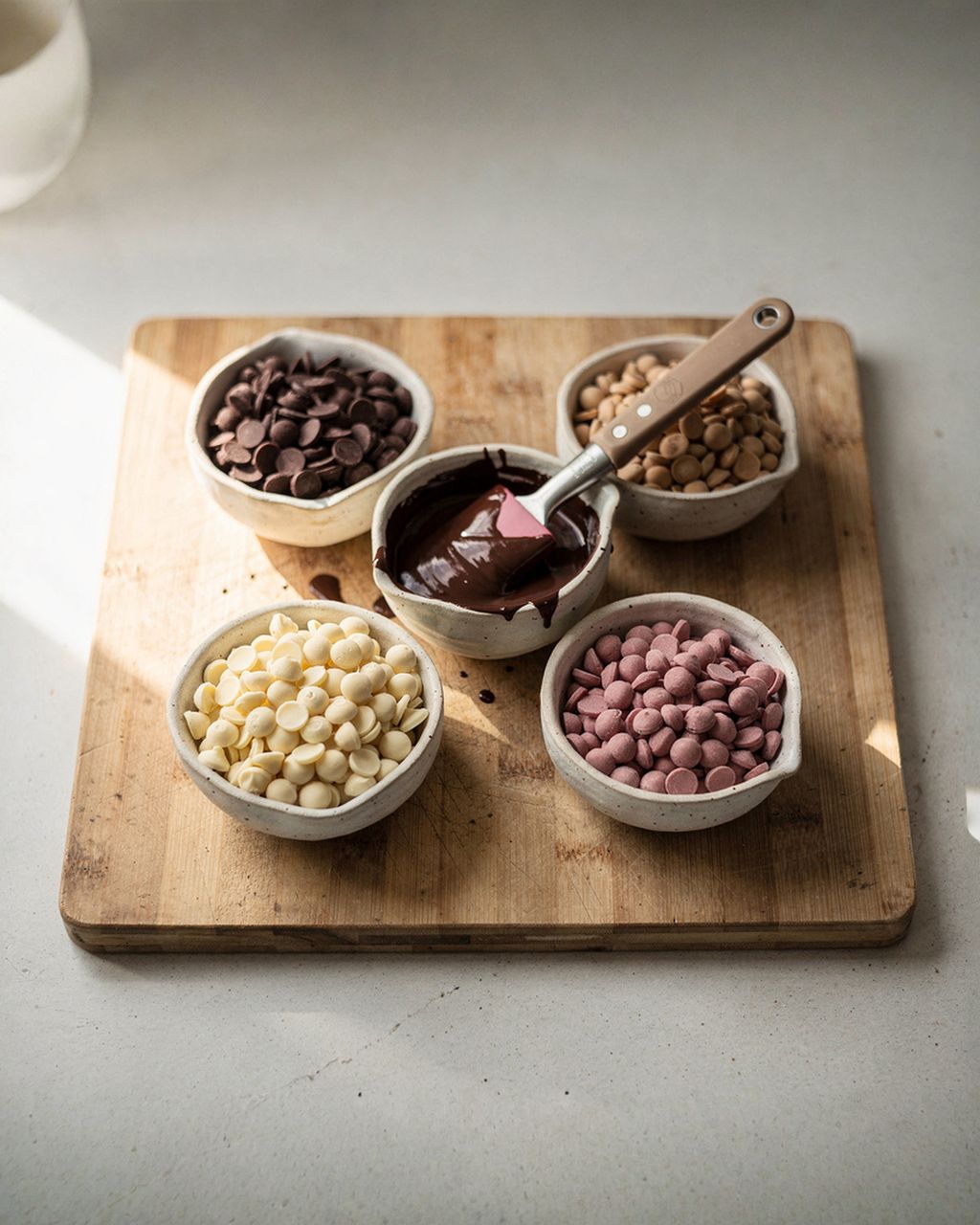
Couverture callets — such as Callebaut 811 and 823. No chopping needed, they melt evenly, and you can measure them straight onto the scale. Pricier than a standard bar, but you can tell the difference in the mug. The distinction is explained in couverture vs. baking chocolate.
Good-quality 60–70% chocolate bar — works well; just chop it finely, and with 70% expect to add 1–2 teaspoons of sugar. A higher percentage gives a more bitter, thicker drink, so 40–50 g is enough.
Cheap cooking chocolate or cocoa (fat) coating — will do in a pinch, but coating chocolate uses vegetable fat instead of cocoa butter, melts less smoothly, and tastes flatter.
Cocoa powder — gives flavour but not body, since most of its cocoa butter has been removed. Per mug, use 2 tablespoons cocoa (10 g), 1–2 teaspoons sugar, and ideally a bit of starch. More in cocoa vs. cocoa powder vs. baking chocolate.
Instant mixes — mostly sugar and milk powder. Quick, but no match for real chocolate.
If you're trying to decide which chocolate to put in your mug, see the full range in baking and cooking chocolate. What the numbers on Callebaut actually mean is explained in our article on Callebaut 811, 823, W2 and RB2.
The most reliable method is to first make a thick chocolate emulsion with part of the milk, then thin it out — this way the chocolate never splits. Here's how, for one mug:
Weigh out the chocolate (40–60 g dark or 70–80 g milk) into a bowl. If using a bar, chop it finely.
Heat 200 ml milk in a small saucepan to 70–80°C (160–175°F) — steam rising from the surface and tiny bubbles at the edge, but not boiling.
Pour about a third of the hot milk (roughly 70 ml) over the chocolate, let it sit for 30 seconds, then whisk from the centre outward until you get a glossy, smooth cream.
Gradually add the rest of the milk, whisking constantly. Pour it all back into the saucepan.
Warm through briefly over low heat until the drink reaches around 65°C (150°F), and season with a pinch of salt. Salt tones down the bitterness and lets the chocolate flavour shine.
Full-fat milk (3.5%) gives the roundest result. Semi-skimmed works too — just add 10 g more chocolate, or replace 30–50 ml of the milk with cream.
There are four ways to thicken hot chocolate: more chocolate, cream in place of some of the milk, cornstarch, or a combination. Each gives a different texture:
More chocolate (up to 70–80 g dark per 200 ml) — the purest flavour; the drink turns velvety and rich thanks to the cocoa butter. Also the thickest and most intense option.
Cream — swap 50 ml of the milk for whipping cream (30–33%). Adds creaminess, but won't give you a spoonable texture.
Cornstarch — this is what gives you the thick hot chocolate you know from Italian cafés. Per 200 ml milk: 1 teaspoon (3 g) = lightly thick, still drinkable; 2 teaspoons (6 g) = thick, more spoonable.
Combination — 60 g chocolate + 3 g starch is the sweet spot for most people: thick but not heavy.
How to use starch correctly: mix it with 2–3 tablespoons of cold milk (hot milk would make it clump), stir it into the warming milk and, stirring constantly, bring it to a boil and simmer for 1 minute. Cornstarch starts thickening around 70°C (160°F), reaches full thickness just below boiling point, and tastes starchy if undercooked. Only then pour the thickened milk over the chocolate as described above.
Keep in mind that the starch-thickened version keeps thickening as it cools — if it looks right in the pan, it'll be thicker by the time it's sat in the mug for five minutes. Potato starch works too instead of cornstarch; it thickens at a lower temperature but thins out again with long boiling — just bring it to a boil. Vanilla pudding powder is also a starch, just with added sugar and flavouring — if you use it, skip the extra sugar.
For how thick Italian, French, and spiced Mexican hot chocolate differ, see Italian, French and Mexican hot chocolate.
Hot chocolate most often splits because too little liquid reached the chocolate, or it overheated. Specifically:
A few drops of milk into a lot of chocolate. A small amount of liquid makes the sugar and cocoa particles clump and the chocolate seize. Always pour in a full third of the milk at once, not just a spoonful.
Scorching at the bottom of the pan. Chocolate heated directly over about 50°C (122°F) — or 45°C (113°F) for milk and white chocolate — catches, turns bitter and forms dark lumps. Heat the milk, not the chocolate.
Chunky pieces of bar chocolate. Large pieces don't melt fully before the milk cools.
Undercooked or lumpy starch. Always mix starch into cold milk first.
How to fix it: add 2–3 tablespoons of hot milk and whisk vigorously, or blitz it for a few seconds with an immersion blender. The emulsion will usually come back together. Scorched chocolate, however, can't be saved — nothing covers up that bitter burnt taste.
The best way to flavour hot chocolate is with a pinch of salt, vanilla, cinnamon, chilli, orange zest or espresso — and top it with marshmallows or whipped cream.
Vanilla: let a piece of pod steep in the milk before heating.
Cinnamon and chilli: a cinnamon stick and a pinch of chilli in the milk — the base of the Mexican style.
Orange zest: a strip of zest, white pith removed, into the warming milk; take it out before adding the chocolate.
Espresso: 1 shot of espresso (30 ml) per mug makes a mocha that isn't overly sweet.
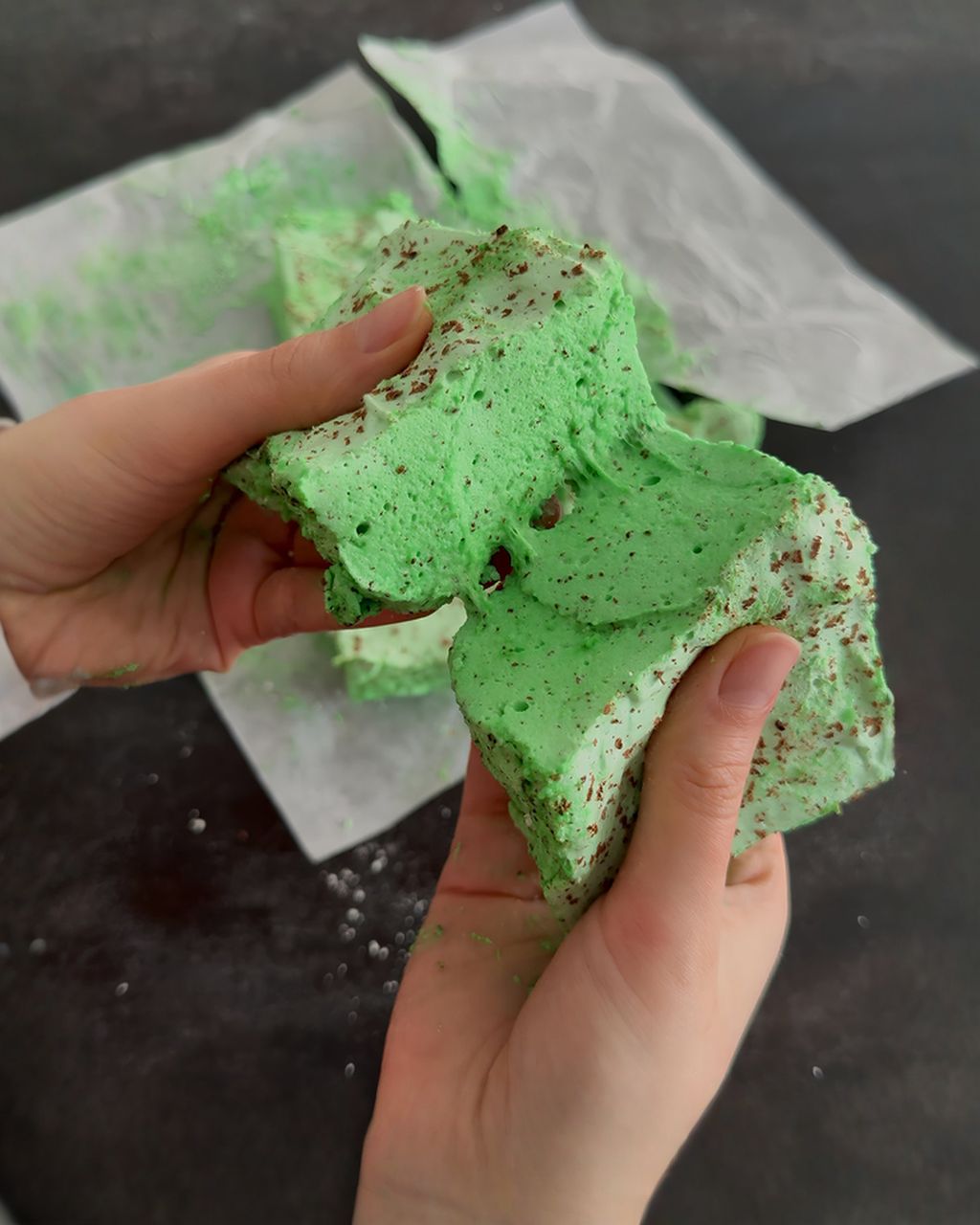
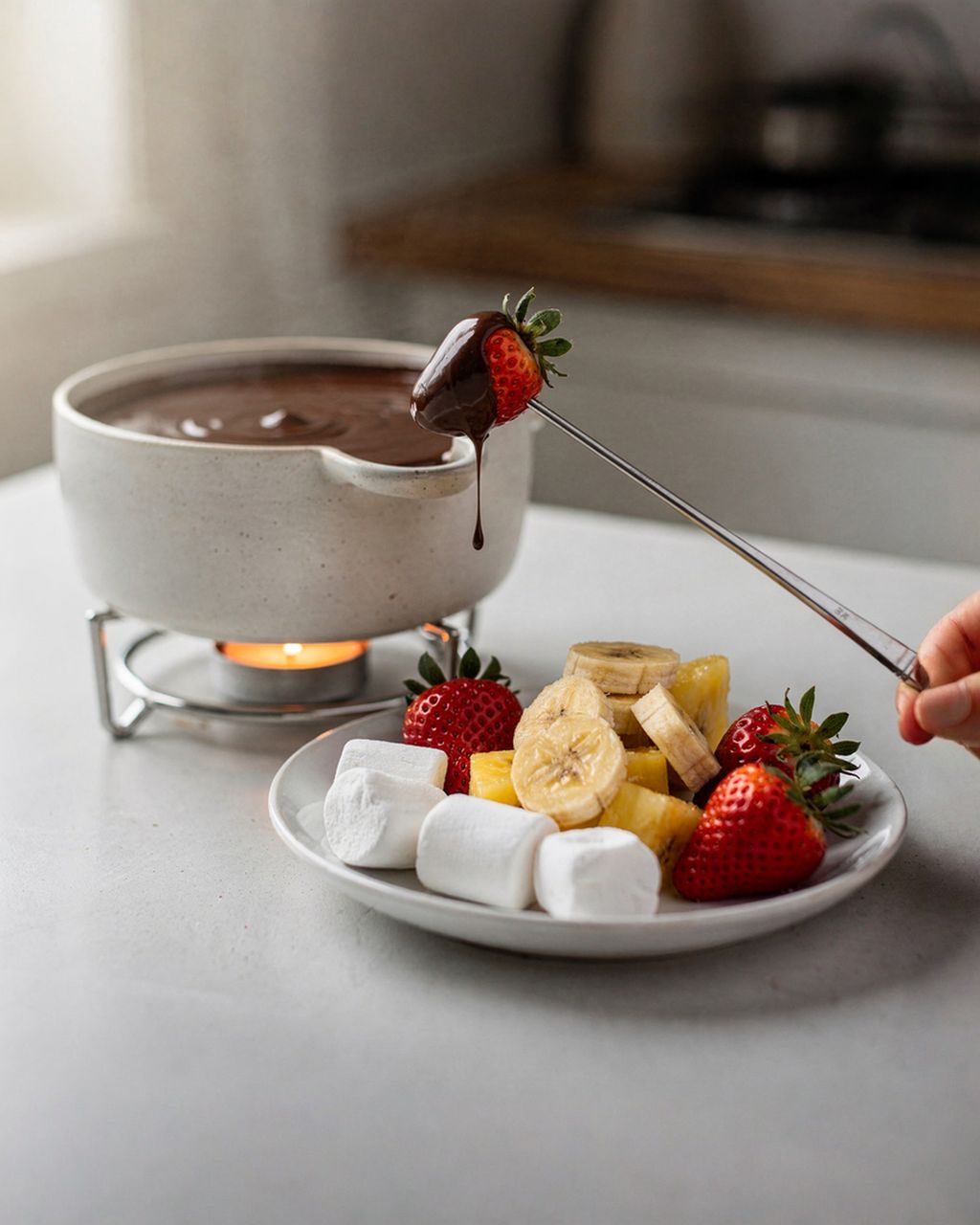
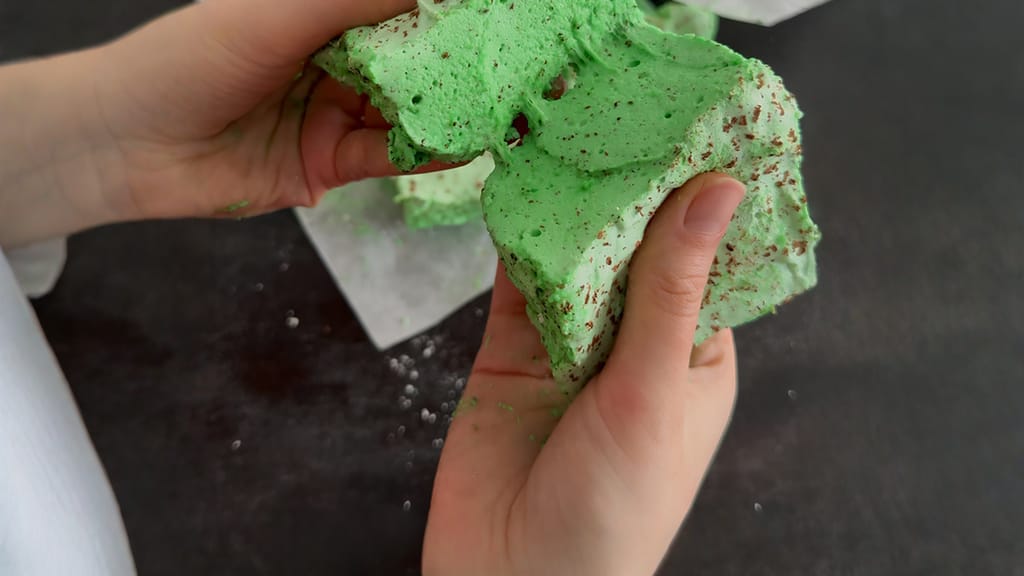
Marshmallows are the classic hot chocolate topping: they soften in the heat, melt into a foam, and lightly sweeten the drink. With dark 811, homemade mint chocolate marshmallows work beautifully — the mint freshens up the drink and the dark chocolate holds its own against it. With creamy milk 823, try homemade cherry marshmallows — the fruity tang balances the sweetness. For more ways to use marshmallows, see What to do with marshmallows.
Homemade mint chocolate marshmallows
Homemade mint chocolate marshmallows – for hot chocolate made with dark chocolate
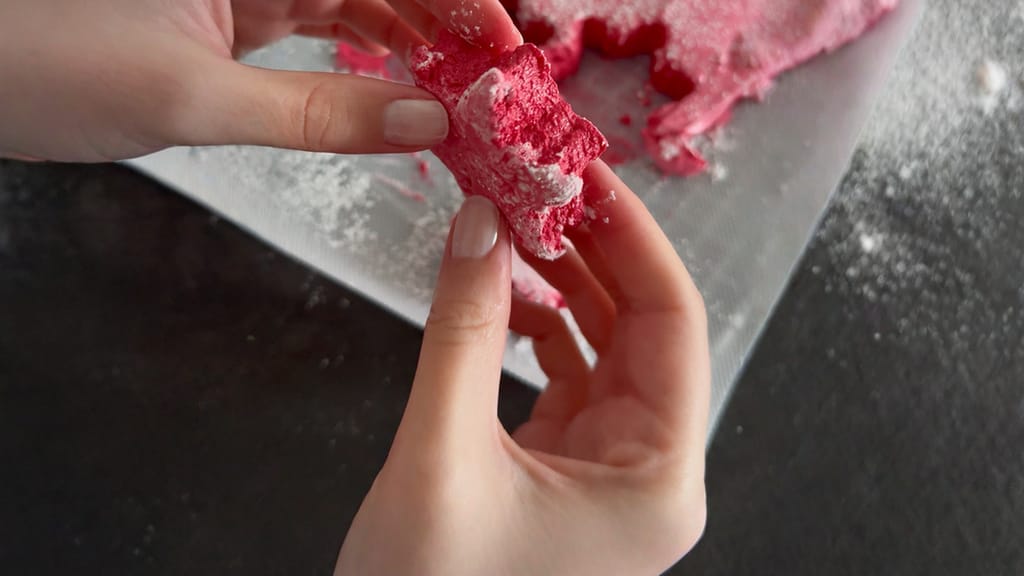
Homemade cherry marshmallows
Homemade cherry marshmallows – for hot chocolate made with milk chocolate
Homemade hot chocolate keeps for 2–3 days in a sealed container in the fridge. Reheat it slowly over low heat, stirring as you go; the starch-thickened version sets quite firm when chilled, so thin it with 2–3 tablespoons of milk as you reheat.
Yes — oat or soy milk work best since they have the most body. Almond and rice milk are thinner, so add an extra 10–20 g of chocolate or a teaspoon of cornstarch; if using a sweetened plant milk, leave out the sugar.
Yes — use 50–60 g white chocolate per 200 ml milk and skip the sugar. White chocolate scorches more easily, so heat the milk to only 70°C (160°F), and add a pinch of salt or a touch of vanilla so it doesn't taste flat.
Yes — heat the milk in a mug on full power for about 60–90 seconds, pour it over the chocolate in a bowl and stir until smooth. Don't microwave the chocolate alone for more than 20–30 seconds at a time, or it will scorch.
Plan on 200–250 ml per person for drinkable hot chocolate, or 120–150 ml for the thick starch-based version, which is much richer and sipped in smaller amounts. For four people, that's 800 ml milk and 160–240 g dark chocolate.
One recipe worth heating the oven for, one tip, and one deal from the shop. Nothing else.