Chocolate mousse
Couverture Chocolate: How It Differs from Regular and Baking Chocolate
Updated Oct 6, 2026
Couverture is chocolate with a higher proportion of cocoa butter – at least 31% under EU rules. On Czech packaging you'll find it under the legal term "poleva" ("coating"), as in "dark chocolate – poleva." Thanks to its higher cocoa butter content, melted couverture behaves very differently from an ordinary bar: it flows thin, spreads into an even, thin layer, and after tempering sets with a shine that gives a satisfying crack when you bite into it. Here's how it differs from baking chocolate and from cocoa coatings made with vegetable fat, what the percentage on the label actually tells you, and when couverture is worth the splurge – and when it's an unnecessary luxury.
Couverture is chocolate with at least 31% cocoa butter, at least 35% total cocoa solids, and at least 2.5% fat-free cocoa solids. On a Czech label you'll spot it by the designation "poleva" (e.g. "dark chocolate – poleva", "milk chocolate – poleva"); "couverture" is simply the trade name.
This is how it's defined by the EU Cocoa and Chocolate Products Directive (2000/36/EC), currently implemented in Czech law through Decree 490/2025 Coll. For milk couverture, the total fat content (cocoa butter plus milk fat) must be at least 31%.
The name comes from the French couvrir, "to cover." It was originally developed as a chocolate for coating pralines and cakes, where you need it to spread into a thin, even, glossy layer. That's exactly what cocoa butter does: the more of it there is, the thinner melted chocolate flows.
For comparison, under the same rules, ordinary chocolate only needs 18% cocoa butter, while chocolate allowed to call itself higher quality needs at least 26% cocoa butter and 43% total cocoa solids. The gap between 18-26% and 31% cocoa butter is exactly the difference you'll feel on your spatula.
Couverture contains at least 31% cocoa butter, while baking chocolate usually has less – which is why couverture flows thinner, sets glossier, and snaps with a crisper bite, but costs more.
Fluidity: melted couverture flows like thick cream, while baking chocolate behaves more like pudding.
Shine and snap: properly tempered couverture sets glossy and gives a loud crack when broken. Baking chocolate tends to be duller and softer.
Taste and melt: more cocoa butter means the chocolate melts smoothly and cleanly in your mouth, without any waxy feel.
Price: couverture costs more, since cocoa butter is the most expensive ingredient in chocolate.
"Baking chocolate" isn't actually a legal category, just a commercial label. It might be honest dark chocolate that differs from couverture by only a few percentage points of fat – or it might be a cheap substitute. That's why you should always check the ingredients list, not just the label on the front of the pack.
The percentage on the label shows the total share of all cocoa-derived ingredients combined – cocoa mass, cocoa butter, and any cocoa powder. The rest is mainly sugar, plus milk powder in the case of milk chocolate.
What the number tells you, and what it doesn't:
70% cocoa means roughly 30% sugar. The higher the number, the less sweet and more intense the chocolate.
The percentage doesn't tell you how much cocoa butter is in there. Two 70% chocolates can behave completely differently – one might have more butter and flow easily, the other more cocoa solids and be thick and bitter.
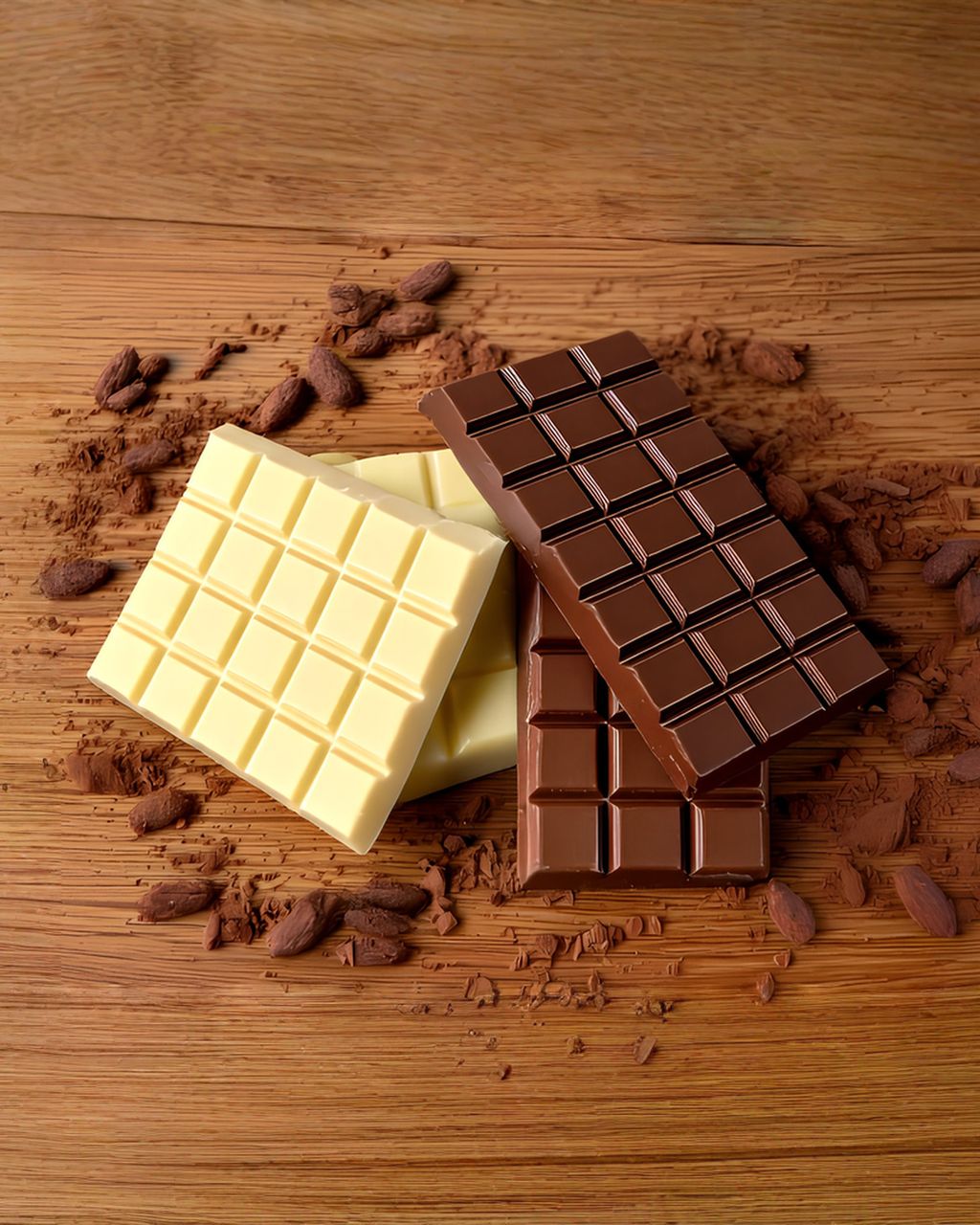
For white chocolate, cocoa butter is the only cocoa-derived ingredient, so the percentage (say, 28%) tells you directly how much butter it contains.
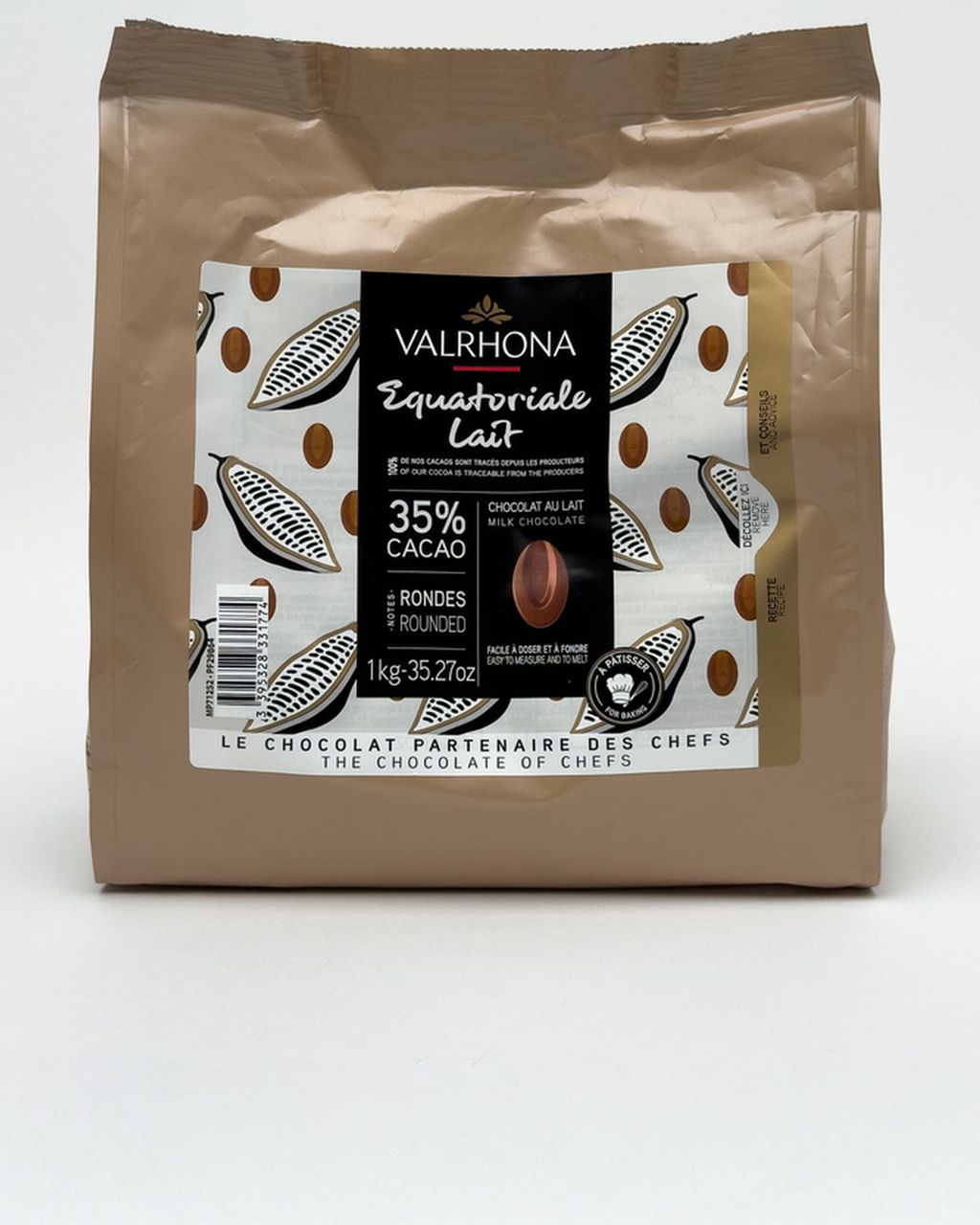
For milk chocolate, typical figures run 30-40%. Milk chocolate around 33% is the classic pastry-making choice.
A practical trick: check the fat line on the nutrition label. When comparing two dark chocolates with the same percentage, the one with more fat has more cocoa butter and will flow thinner once melted. Couverture typically sits around 35-40% fat.
For more on how dark, milk, and white chocolate differ in composition and melting behaviour, see our article Dark, Milk, and White Chocolate: Differences in Composition, Melting, and Use.
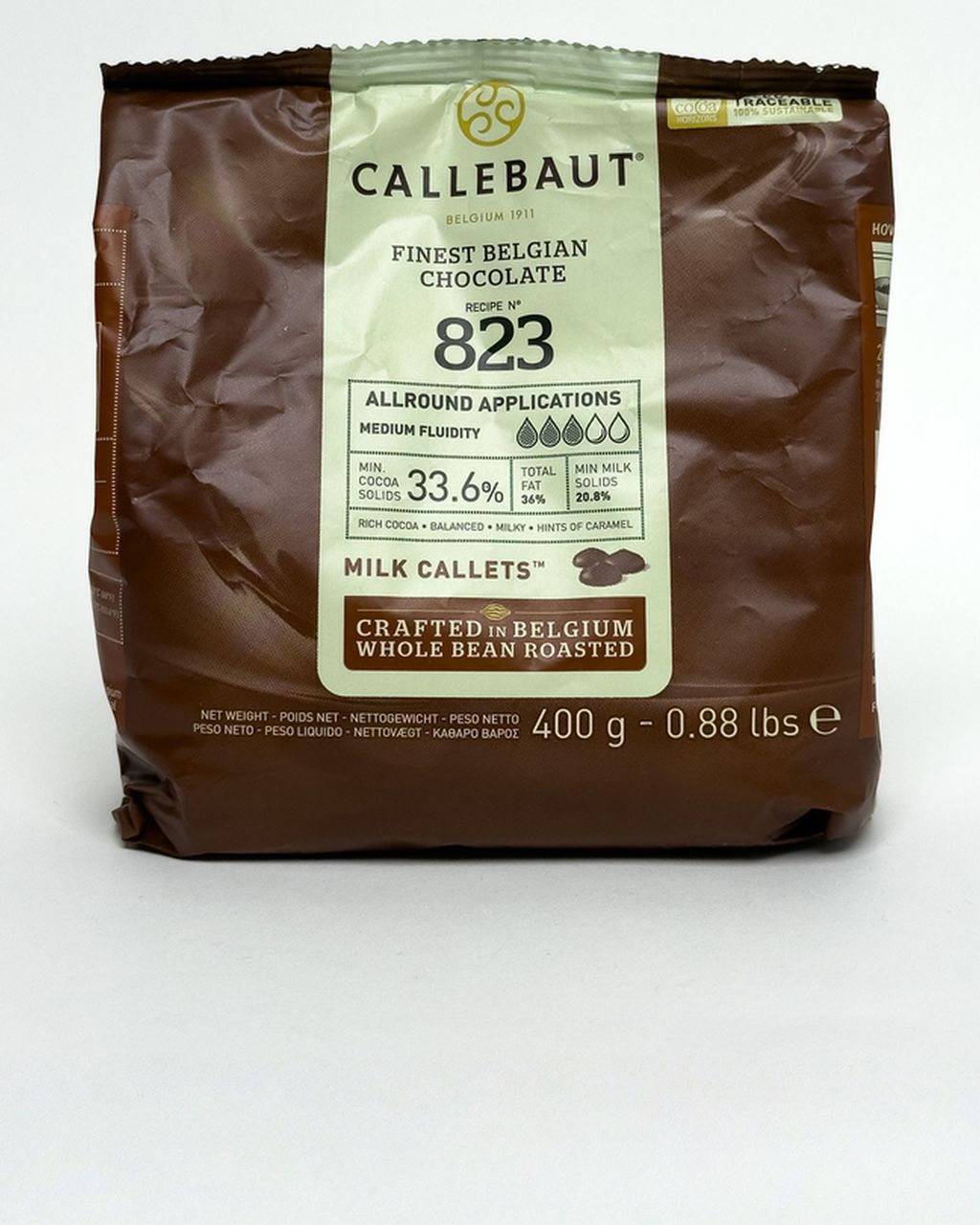
Drops (Callebaut uses 1 to 5) indicate how fluid the melted chocolate is – the more drops, the thinner it flows. This is actually more useful than the percentage, since it tells you straight away what the chocolate is best suited for.
1-2 drops: thicker, suited to batters, mousses, and ganache.
3 drops: the all-purpose middle ground – praline shells, dipping, ganache, baking. This includes dark Callebaut 811 (54.5% cocoa).
4-5 drops: very thin, for fine coatings and large surfaces.
If you're not sure what to pick, go for three drops. It handles pretty much anything you'll make at home.
Couverture is worth it anywhere the chocolate stays visible and needs to set glossy and crisp. Where it gets baked into batter, good baking chocolate is all you need.
Reach for couverture for:
pralines, bars, and chocolate figures – without enough cocoa butter you won't get a thin shell that releases cleanly from the mould,
dipping strawberries, biscuits, and candied peel,
a thin coating on a cake or chocolate decorations,
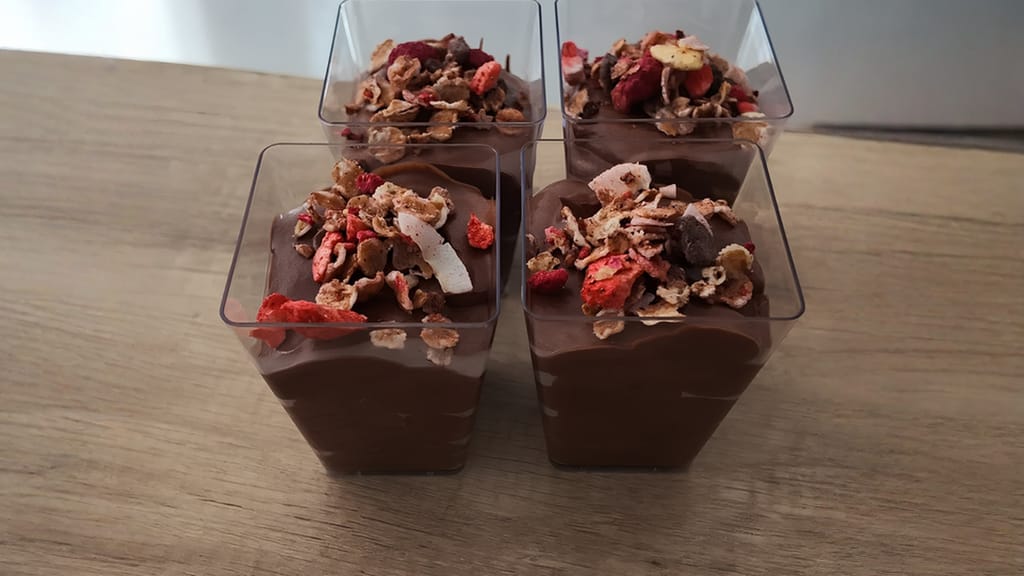
ganache and mousses, where the chocolate carries the whole flavour – for example a classic chocolate mousse or a chocolate cake with raspberry pralines.
Baking chocolate is more than enough for:
brownies, like fudgy chocolate brownies, and chocolate mini bundt cakes, cakes, or muffins, where the chocolate gets baked into the batter,
chocolate chips for cookies,
hot chocolate,
a glaze that doesn't need to be perfectly glossy – for example on a simple chocolate cake.
Even for baking, though, better chocolate still means a better result – you just won't notice the cocoa butter difference as much once it's baked in. You'll find a full range of dark, milk, and white chocolates in our baking chocolate and praline selection.
Chocolate mousse
Classic chocolate mousse made with couverture
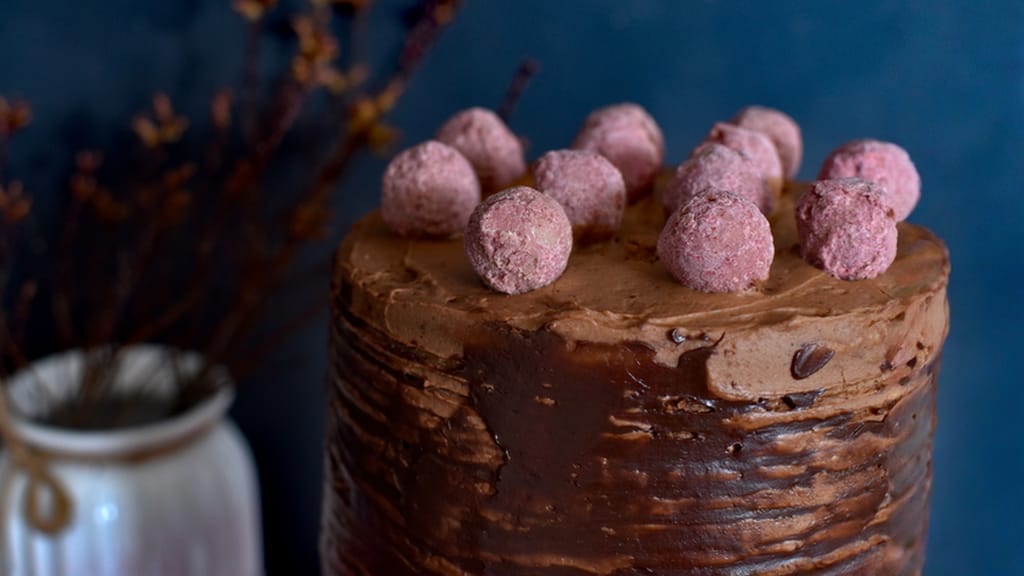
Chocolate cake with chocolate and raspberry pralines
Chocolate cake with raspberry pralines made with couverture
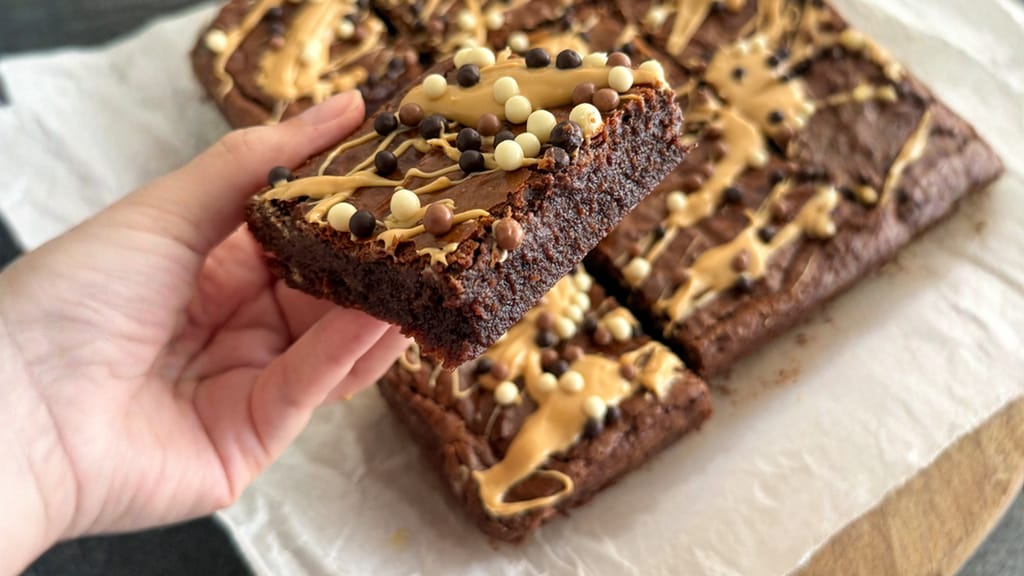
Yumsto signature fudgy brownies with toppings
Fudgy chocolate brownies made with baking chocolate
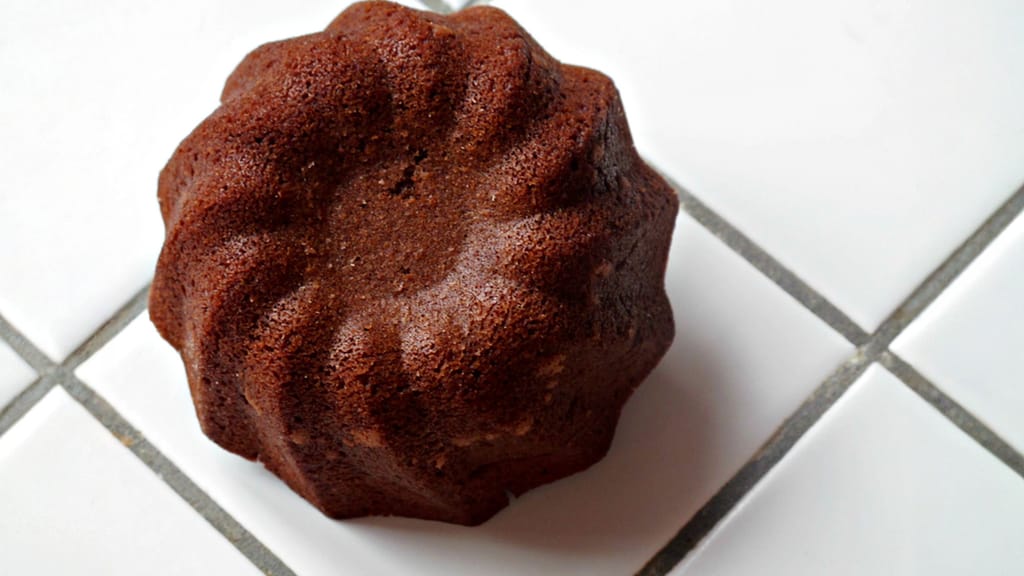
Little chocolate bundt cakes with ganache
Chocolate mini bundt cakes with a baking chocolate glaze
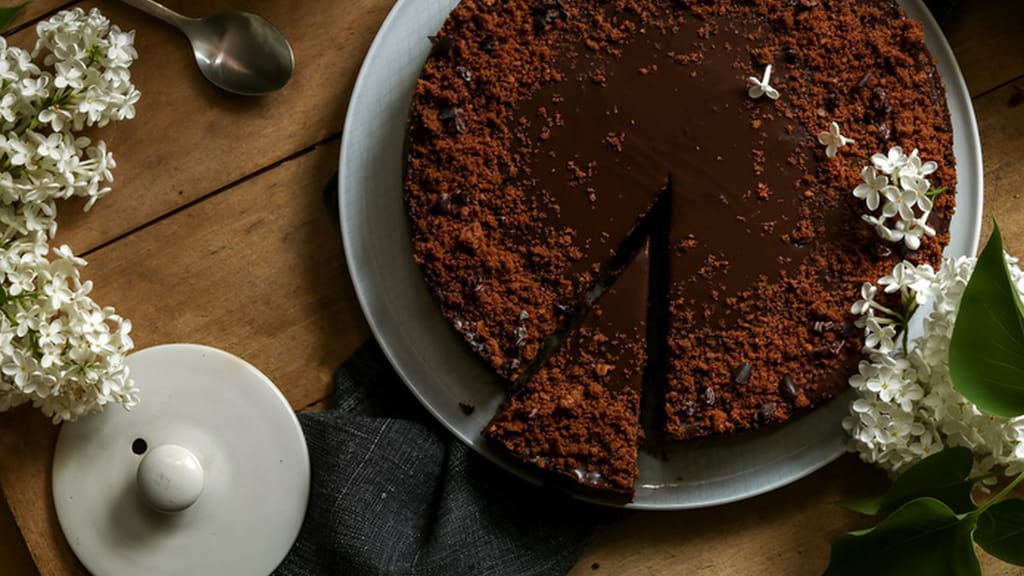
Simple chocolate cake
Simple chocolate cake with baking chocolate
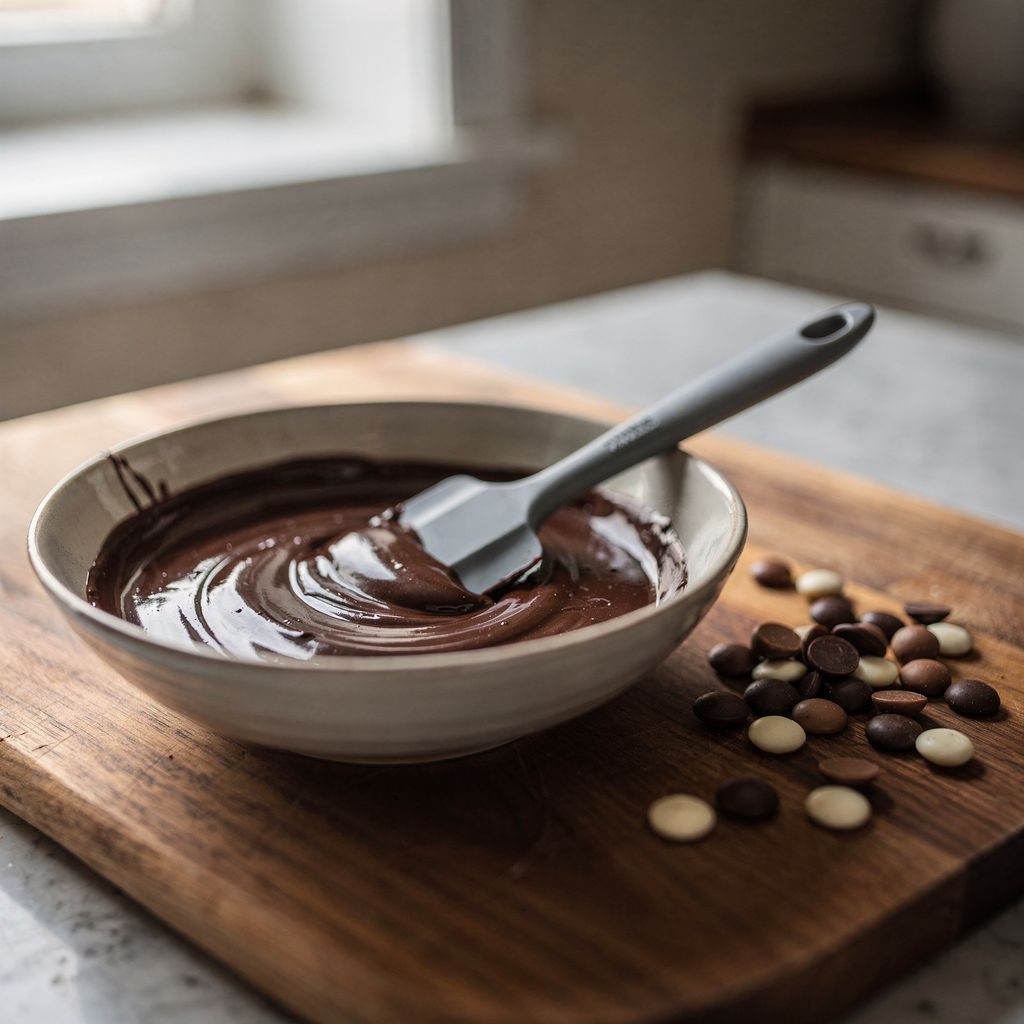
Melt couverture slowly and watch the temperature: dark chocolate no higher than 45-50°C (113-122°F), milk and white no higher than 40-45°C (104-113°F). Overheated chocolate turns thick, grainy, and loses its flavour.
No need to chop callets. They're all the same size, so they melt evenly and are easy to weigh out – even 30 g for a garnish can be measured precisely.
Melt it over a water bath or in the microwave in 20-30 second bursts, stirring in between. The bottom of the bowl must not touch the water.
Not a single drop of water. Even a bit of steam is enough to make the chocolate seize into a stiff, grainy mass.
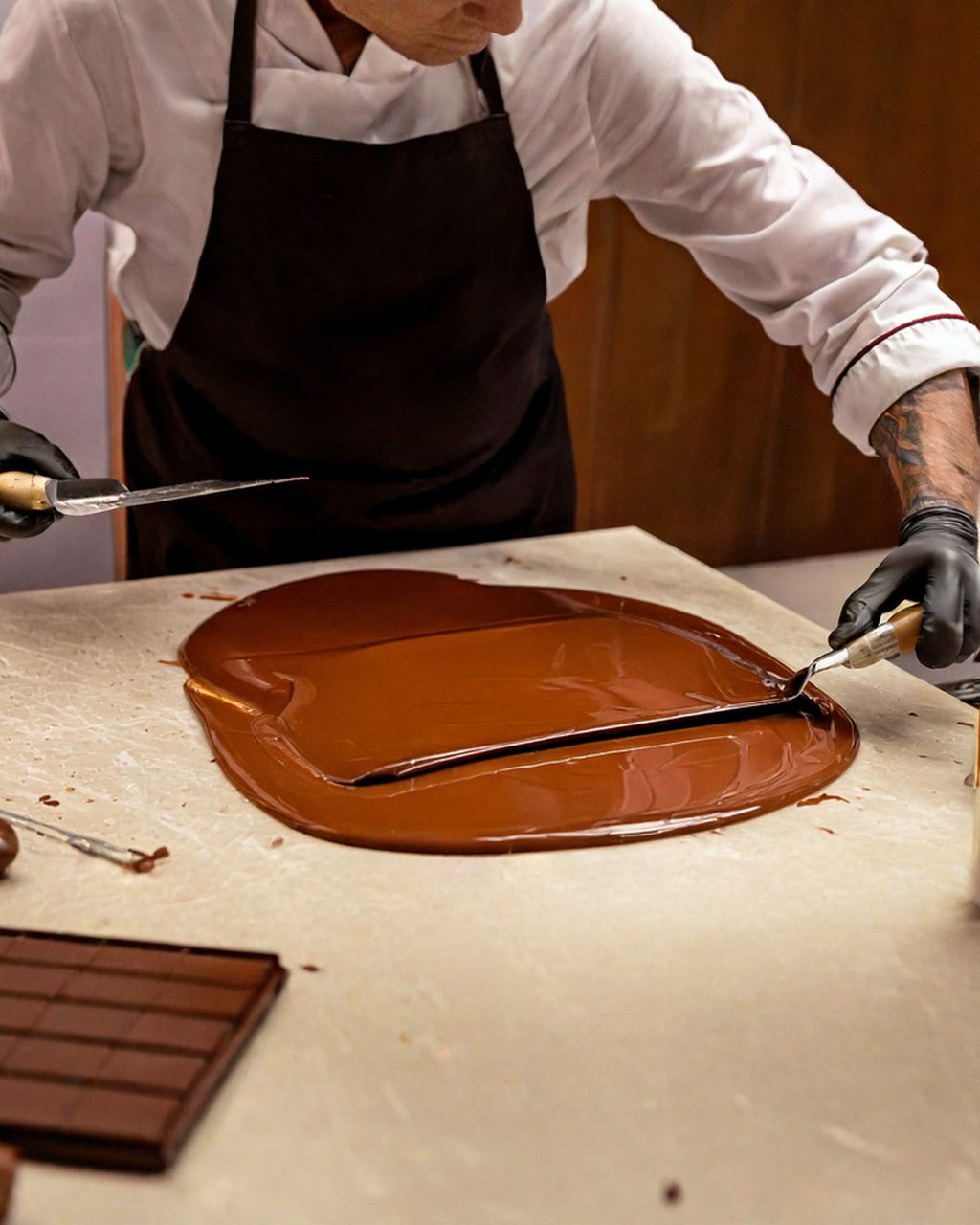
For shine and snap, you need to temper it – melt, cool, and gently reheat to working temperature (dark 31-32°C/88-90°F, milk 29-30°C/84-86°F, white 28-29°C/82-84°F). Without tempering it sets dull, soft, and streaked with grey. You'll find the full step-by-step method in our article How to Temper Chocolate: A Complete Guide to a Perfect Shine.
For ganache, mousse, or batter, you don't need to temper couverture – gently melting it is enough.
Not always – callets just describe the shape, couverture describes the composition. Most professional chocolate callets, like Callebaut, are couverture, but you can also buy cocoa (fat-based) coatings with vegetable fat in callet form. What matters is the cocoa butter content and ingredients list, not the shape.
Look for the designation "chocolate – poleva" in the description or on the label (e.g. "dark chocolate – poleva"), and check that cocoa butter, not vegetable fat, appears in the ingredients. The fat content on the nutrition label helps too – couverture usually sits around 35-40%. Products labelled "cocoa coating" or "fat-based coating" are not couverture.
Yes, couverture is just regular chocolate with more cocoa butter. The callets can be eaten straight from the bag, sprinkled over granola, or baked into cookies.
Dark couverture usually keeps for 1-2 years, while milk and white keep for a shorter time – always check the date on the pack. Store it somewhere dry and dark at 15-18°C (59-64°F) in a well-sealed bag, not in the fridge, where condensation forms and turns the chocolate grey.
If couverture has seized because of water, you can't rescue it for coating or tempering anymore, but stirring in hot cream a spoonful at a time will bring it back into a smooth mixture for ganache, sauce, or batter. If it's just thickened from overheating without actually scorching, take it off the heat and stir in a handful of unmelted callets to cool it down.
One recipe worth heating the oven for, one tip, and one deal from the shop. Nothing else.