Sacher torte – the classic viennese chocolate cake
Italian, French & Mexican Hot Chocolate: What's the Difference?

Updated Jul 19, 2026
Italian, French and Mexican hot chocolate don't just taste different – the real difference lies in texture and technique. Italian cioccolata calda is thick, almost like pudding; French chocolat chaud is silky-smooth and rich; and Mexican hot chocolate is thinner, frothy, and spiced with cinnamon and chilli. Let's look at why that is, where each style comes from, and how to make all three at home.
Italian, French and Mexican hot chocolate differ mainly in texture and technique, not just flavour:
Italian (cioccolata calda): roughly 1 part dark chocolate to 1 part whole milk, plus a pinch of cornflour – thick, almost like pudding, served in small cups.
French (chocolat chaud): good-quality dark chocolate (70% and up) slowly melted into milk with added cream, no starch – silky-smooth and rich.
Mexican: chocolate with cinnamon and chilli, whisked into a froth with a wooden molinillo – thinner, aromatic and gently warming.
The Spanish version is close to the Italian one (thick, meant for dunking churros), while the Swiss version goes the opposite way – sweet and milky.
Hot chocolate didn't start in Europe – it began in Central America. The Maya, and later the Aztecs, drank a beverage called xocolatl – a "bitter water" made from ground cacao beans, water and spices like chilli, vanilla or achiote. Historians believe the foam that's now typical of the Mexican version was originally created by pouring the drink from one vessel into another from a height; only later was this replaced by the wooden whisk known as the molinillo.
Cacao was brought to Europe by Spanish conquistadors in the 16th century. There, it picked up sugar and warm milk, and lost the chilli. In Italy, Turin became the centre of chocolate-making – according to local sources, the Savoy court licensed the city's first chocolate house in 1678, turning it into Italy's "chocolate capital". It's also where bicerin comes from – a layered drink of hot chocolate, espresso and cream that's been served at Turin's Caffè Al Bicerin since the 18th century. From Italy and Spain, chocolate spread to the French court and from there across the rest of Europe.
Italian cioccolata calda is the thickest of the three – a spoon will practically stand up in it. The secret isn't more chocolate, but a touch of starch. The classic ratio is roughly 1 part good-quality dark chocolate to 1 part whole milk, plus a teaspoon of cornflour, which thickens the drink to a pudding-like consistency.
It's cooked slowly, stirring constantly over low heat, so the flavours come together and the starch doesn't scorch. It's served in small cups, often topped with whipped cream or a dusting of cocoa and a biscuit on the side – it's more of a spoonable dessert than a drink to sip slowly. Vanilla or cinnamon is sometimes added for extra flavour.

French chocolat chaud relies on the quality of the chocolate, not starch. The base is dark chocolate with a high cocoa content (ideally 70% or more), slowly melted into hot milk, often with added cream. The result is silky-smooth, rich and intensely chocolatey, but looser than the Italian version.
A pinch of salt – in Parisian cafés, often fleur de sel – subtly brings out the cocoa flavour; vanilla or a small knob of butter add roundness and shine. It's sipped slowly, in small portions, as a little indulgence. The Parisian tea room Angelina and its rich l'Africain are legendary.
Mexican hot chocolate is thinner, aromatic and gently spicy. It's traditionally made from chocolate tablets that already contain sugar and cinnamon, melted into milk or water and whisked into a froth with a wooden molinillo.
It's characterised by the combination of cinnamon, vanilla and a pinch of chilli, which adds warmth without making the drink truly hot. The frothy layer on top is a direct legacy of the Aztec xocolatl. In Mexico, it's often served with churros or pan dulce and enjoyed both at breakfast and as an evening ritual.
Spanish chocolate a la taza is close to the Italian style – thick, dark, often thickened with starch, and served alongside churros for dipping. We've got a churros with chocolate sauce recipe if you want to try it.
The Swiss version goes the opposite way: it's built on smooth milk chocolate, making it sweeter, lighter and creamier – closer to the classic "kid-friendly" idea of hot chocolate, and often topped with whipped cream.
Three styles, three different methods – but all of them rely on good chocolate and gentle heat. Here are the basic ratios to start from:
Italian: 1 part dark chocolate to 1 part whole milk, plus a teaspoon of cornflour mixed with a little cold milk; stir until it thickens to a pudding-like consistency.
French: ~100g dark chocolate (70%) to 500ml milk with added cream, a pinch of salt, and vanilla if you like; no starch – the chocolate and cream provide the thickness.
Mexican: 500ml milk or water, dark chocolate, 1/2 teaspoon cinnamon, a pinch of chilli and vanilla; whisk well at the end until frothy.
The quality of the chocolate matters more than anything else here, so don't cut corners on your main ingredient.
Each of these styles has its own iconic spots worth visiting to try it at the source.
When it comes to thick Italian hot chocolate, Turin is the place to go. The historic Caffè Torino on Piazza San Carlo is famous for its velvety cioccolata calda. You can also try the layered bicerin here – a Turin speciality made of hot chocolate, espresso and cream, best sipped without stirring so you get the full effect of each separate layer.
The Parisian tea room Angelina, near the Louvre, serves the legendary l'Africain – a thick hot chocolate topped with homemade whipped cream. It's a small luxury in both taste and price, and one that regularly draws queues. Reviews praise its silky texture and intense cocoa flavour.
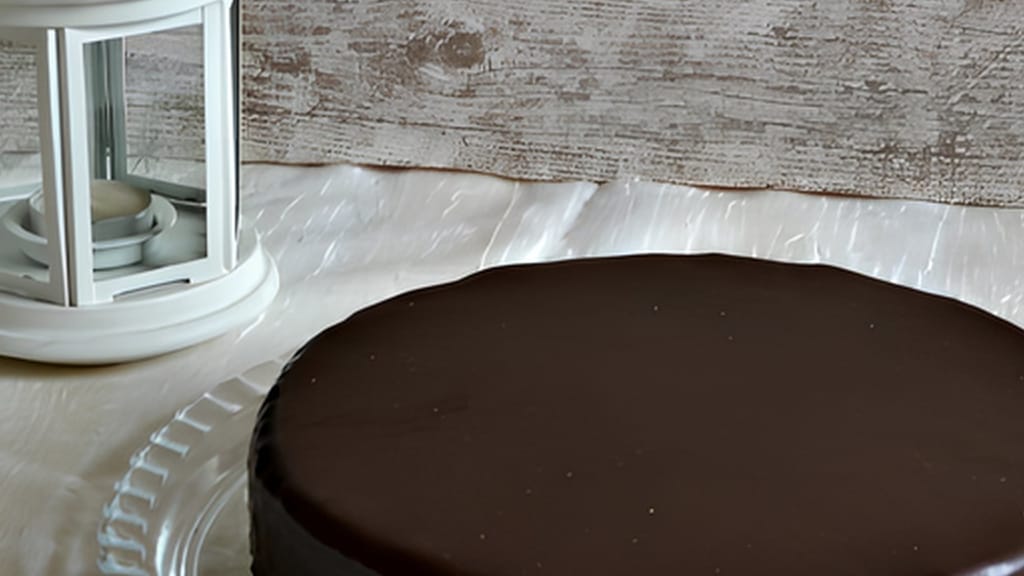
Vienna pairs hot chocolate with its most famous dessert. At Café Sacher, you can enjoy a cup alongside the original Sachertorte – a chocolate cake layered with apricot jam and covered in smooth chocolate icing. The combination of cake and hot chocolate is a Central European classic.
Sacher torte – the classic viennese chocolate cake
Sachertorte – Vienna's classic chocolate cake, easy enough to make at home too.
Good-quality dark chocolate with 60–70% cocoa works best. It has enough cocoa butter for a smooth texture and bold flavour, so you don't need much sugar. For a sweeter, milder Swiss-style cup, reach for good-quality milk chocolate instead.
Swap cornflour for the same amount of potato starch, or simply add a bit more grated chocolate. A whisked egg yolk stirred in at the end (off direct heat) also works well – it gives a creamy thickness, but you must not let it boil.
Yes. Use a plant-based milk – oat and coconut give the creamiest results – or, as in Mexican tradition, just water, which lets the cocoa flavour really shine. Choose a dairy-free chocolate if you need it to be fully vegan.
Classically only very mildly – the chilli adds warmth rather than heat. About 1/4 teaspoon of ground chilli or a pinch of cayenne per 500ml is plenty; feel free to adjust the amount or leave it out entirely.
Keep leftover hot chocolate covered in the fridge for up to 2 days. It will thicken once chilled, so reheat it slowly over low heat, stirring constantly, and thin it out with a splash of milk if needed. Never let it boil again.
One recipe worth heating the oven for, one tip, and one deal from the shop. Nothing else.