Yumsto signature fudgy brownies with toppings
Chocolate Fondue at Home: Which Chocolate, How Much Cream, and How to Keep It Smooth
Updated Oct 8, 2026
You only need two ingredients to make chocolate fondue at home: good chocolate and whipping cream, melted together in the right ratio and kept warm around 40–45°C (104–113°F). What matters most is which chocolate you pick (dark can take more cream than milk or white) and how you heat it — fondue doesn't go wrong on flavour, it goes wrong from overheating. Below you'll find the ratios for each type of chocolate, a step-by-step method, and how to rescue it if it thickens or seizes.
Couverture (often labelled chocolate coating on the pack) works best — this is professional-grade chocolate with at least 31% cocoa butter, ideally in callet form. It melts evenly, flows smoothly, and keeps its shine once mixed with cream. Regular bar chocolate from the shop works too, but it's a bit thicker and scorches more easily.
Here's how the different options stack up:
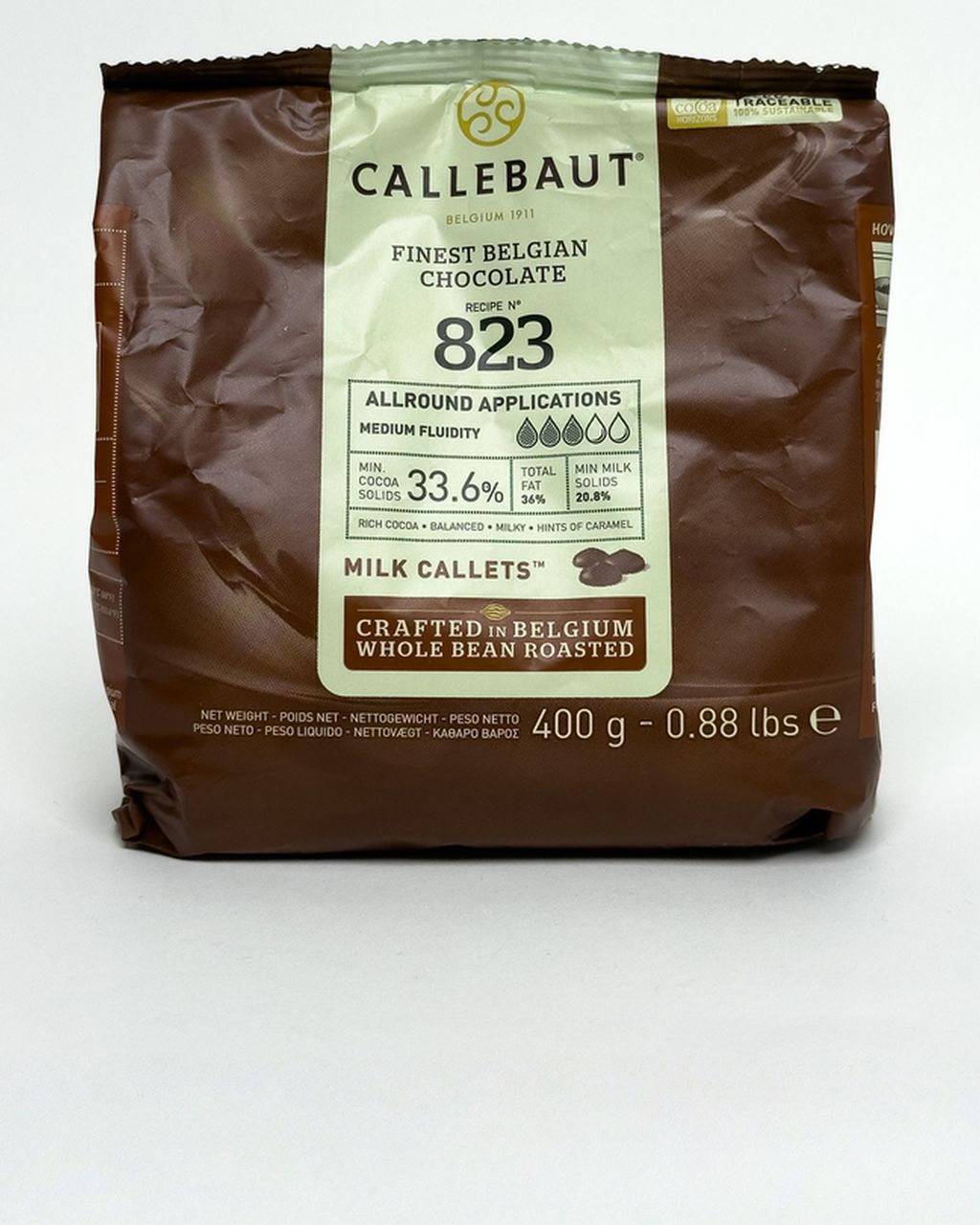
Couverture callets (e.g. Callebaut 811 dark, 823 milk, W2 white) — the most reliable choice. The callets melt fast and evenly, there's no chopping involved, and they're easy to weigh out. You'll find the full range among our baking and cooking chocolates.
Good-quality bar chocolate (dark, 50–70%) — tastes great, just chop it finely so it melts before the edges overheat.
Very dark chocolate, above 70% — fantastic flavour, but thicker and slightly bitter; add extra cream and a teaspoon of honey or sugar.
Cocoa (fat-based) coating with vegetable fat — flows well but tastes waxy and flat. Note this isn't technically chocolate: under EU chocolate regulations, a product with over 5% vegetable fat can't legally be called chocolate. Since fondue puts the chocolate's flavour front and centre, we wouldn't recommend it here.
Ruby chocolate — works fine, just use less cream (as with white chocolate) and a lower temperature, otherwise it loses its pink colour and fruity tang. More on this in our article Ruby chocolate: what it is and how to work with it.
Not sure what those numbers on the bags mean? Our article Callebaut 811, 823, W2 and RB2: what the numbers mean breaks it down. And the difference between couverture and ordinary chocolate is explained in Couverture chocolate: how it differs.
For dark chocolate, use roughly a 1:1 ratio of cream to chocolate; for milk chocolate, 3:5; and for white chocolate, 2:5 (cream : chocolate, by weight). The less cocoa solids a chocolate has, the softer it already is on its own, and the less liquid it needs — pairing white chocolate with a dark-chocolate ratio would leave it as thin as milk.
For 4 people (allow 50–70 g chocolate per person):
Dark (Callebaut 811, 54.5%): 250 g chocolate + 250 ml whipping cream, 30–33%
Milk (Callebaut 823): 250 g chocolate + 150 ml cream
White (Callebaut W2): 250 g chocolate + 100 ml cream
Dark, above 70%: 250 g chocolate + 280–300 ml cream
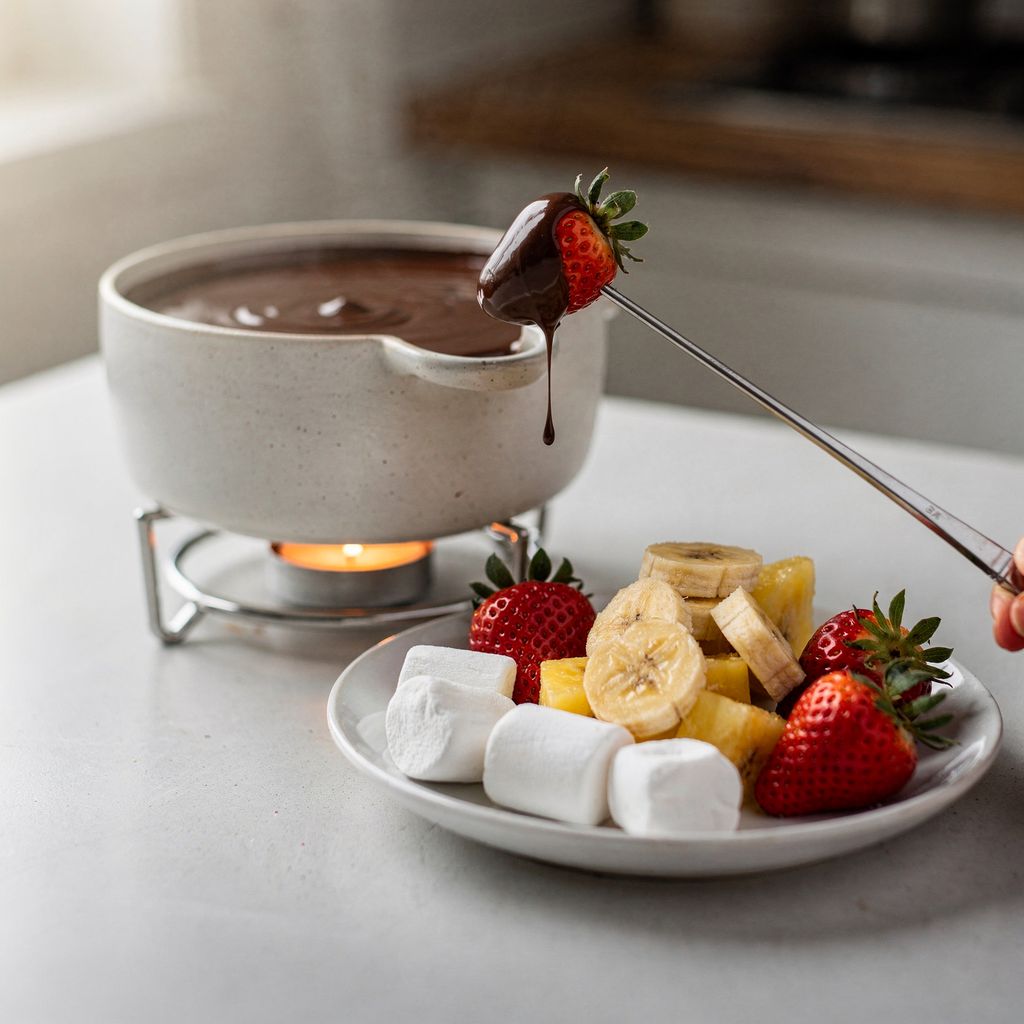
Treat these ratios as a starting point. The right consistency is when the chocolate coats a strawberry in an even layer and drips slowly off a fork rather than running in a stream. If it's too thick, loosen it with a spoonful of warm cream; if it's too thin, melt in a few more chocolate callets.
Use full-fat whipping cream (30–33%). Milk works too, but you'll need about a third less of it, and the fondue will be less creamy.
Heat the cream to just below boiling, pour it over the chocolate, and stir until combined — that's all the heat your fondue needs.
Weigh out the chocolate into a heatproof bowl or straight into the fondue pot. Chop bar chocolate into pieces smaller than 1 cm; leave callets as they are.
Heat the cream to 75–80°C (167–176°F) — you'll see the first small bubbles form at the edge, but it shouldn't come to a full boil.
Pour the hot cream over the chocolate and let it sit for a minute without stirring, so the heat can spread through.
Stir from the centre outward using a spatula, in small circles. A glossy emulsion will form in the middle — gradually widen your strokes to bring in the edges. Skip the whisk; it beats in air.
If lumps remain, set the bowl over a pan of barely simmering water for a couple of minutes (the bowl shouldn't touch the water) or microwave it in 10–20 second bursts, stirring between each.
Add any flavourings right at the end (see below), then pour into a warmed fondue pot.
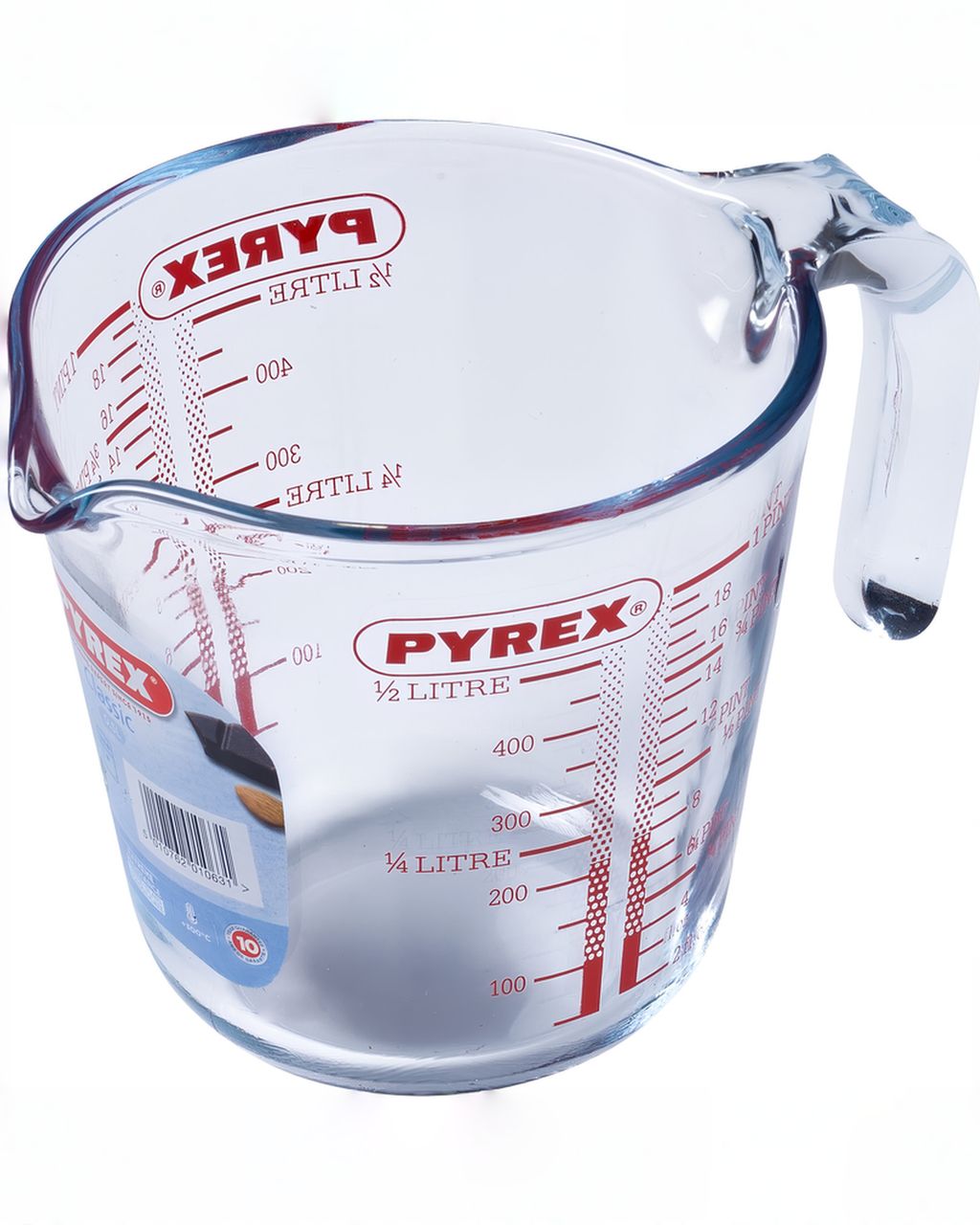
A microwave works brilliantly for fondue, just go in short bursts: 10–20 seconds, stir, repeat until smooth. Glass measuring jugs are ideal, since you can keep an eye on what's happening at the bottom.
Keep the fondue between 40–45°C (104–113°F) and stir it every few minutes. Below 35°C (95°F) it starts to thicken; above 50°C (122°F) — or above 45°C (113°F) for milk and white chocolate — the milk proteins and sugar start to scorch and the chocolate turns grainy.
What actually works:
A tea light, not a spirit or gas burner. Burners made for cheese or meat fondue are too strong for chocolate and will scorch the bottom within minutes. A single tea light under a ceramic pot is enough.
Ceramic pots or a water bath. Ceramic holds heat evenly. Even more reliable is a metal chocolate fondue pot with a built-in water bath underneath.
Smaller batches. Melt half at a time and warm up the second batch once the first runs out. Fondue left standing for an hour will thicken no matter how you keep it warm.
Top up with warm, never cold. If it's thickening, stir in 1–2 tablespoons of warmed cream. Cold liquid will shock the chocolate and can make it seize up.
No heat source? That's fine too — just add 20–30% more cream than the ratios above call for, so the fondue stays loose for longer, and pop it back in the microwave for 10–20 seconds every fifteen minutes or so.
If you want a thinner chocolate for drizzling or dipping rather than true fondue, check out our article How to thin chocolate so it flows better.
Fondue seizes for three reasons: overheating, a few drops of water, or cold cream. Most cases can be rescued with a spoonful of hot cream and thorough stirring.
It's grainy and dull — a drop of water (a wet strawberry, steam from a water bath) or too little liquid has probably made it "seize". Counterintuitively, more liquid is the fix: stir in 1–2 tablespoons of hot cream until it comes back together. A quick blast with an immersion blender at the bottom of the bowl works wonders.
The fat is separating and there's a greasy film on top — the emulsion has broken, usually from overheating. Take it off the heat, let it cool slightly, stir in a spoonful of lukewarm cream, then blend.
It's stiff and stringy — this means the sugar and milk proteins have overheated, typically with white or milk chocolate. Milder cases can be fixed with cream and a blender, but a scorched taste (brown flecks at the bottom) can't be rescued — start again and watch the temperature closely.
White chocolate is the most sensitive to overheating; our article How to melt white chocolate without it seizing covers how to handle it without trouble.
The best dippers are firm fruit, light sweet bites, and something salty for contrast: strawberries, banana, pineapple, pears, marshmallows, brownie cubes, and pretzels.
Fruit: strawberries, banana, pineapple, pear, mandarin segments, kiwi, cherries with stems left on. Pat everything thoroughly dry with paper towel — moisture from fruit is the most common reason fondue turns lumpy at the table. Slice banana and pears just before serving so they don't brown.
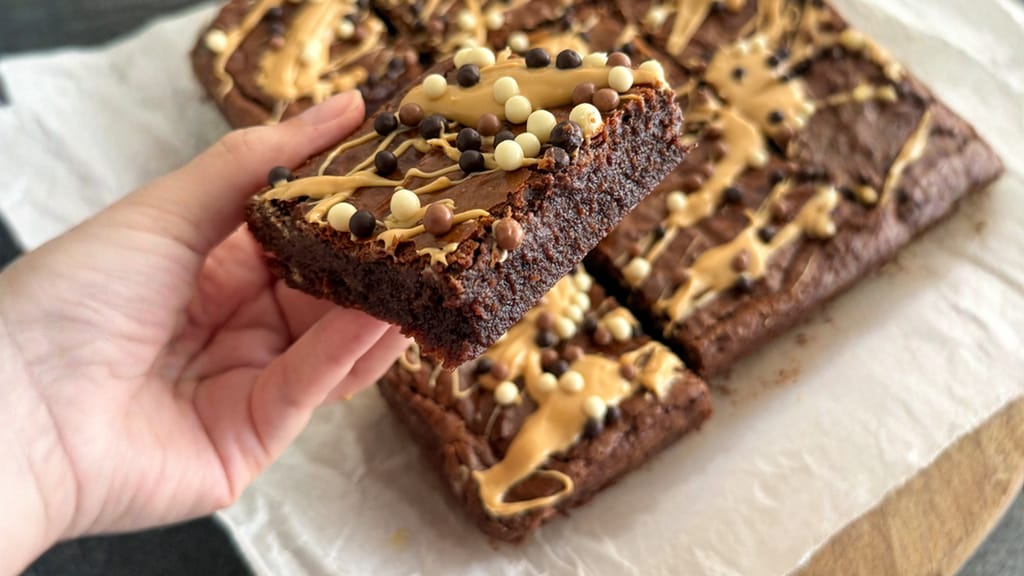
Sweet: marshmallows (try our homemade mint marshmallows with chocolate), cubes of fudgy brownies cut the day before, sponge fingers, pieces of orange almond bundt cake, or spelt waffles.
Salty: pretzels, salted crackers, breadsticks — salt lifts chocolate's flavour beautifully.
Cut everything into bite-sized pieces about 2–3 cm across, so they stay put on the fork instead of dropping into the pot. For more ideas on what to do with marshmallows, see our article What to do with marshmallows.
Yumsto signature fudgy brownies with toppings
Fudgy brownies for dipping in chocolate fondue
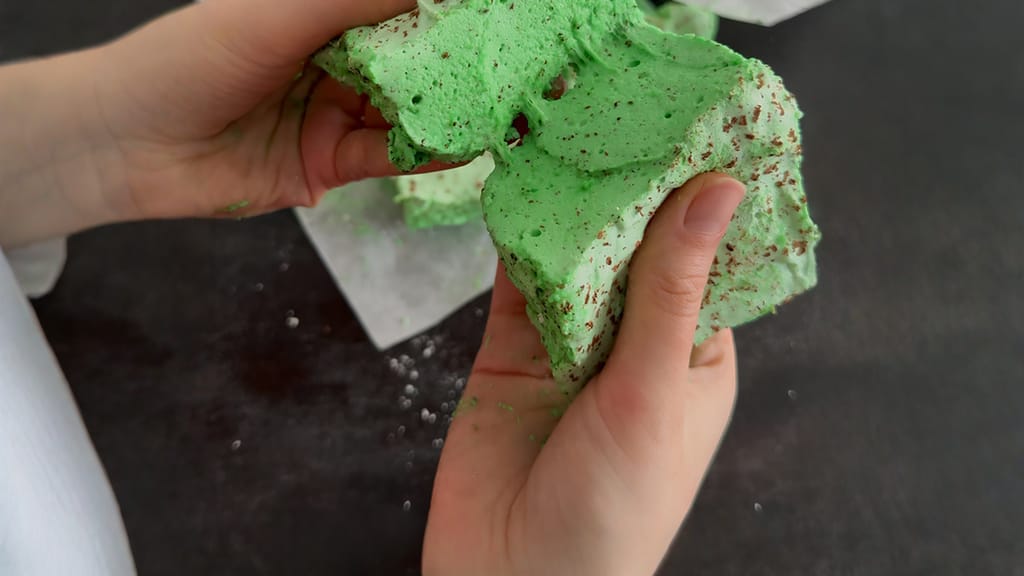
Homemade mint chocolate marshmallows
Homemade mint marshmallows for chocolate fondue
There are five easy ways to flavour chocolate fondue: alcohol, a pinch of salt, espresso, spice, or orange zest — always stirred in once the fondue is finished and off the heat, otherwise the alcohol would evaporate and the spices would scorch.
Alcohol: 1–2 tablespoons per 250 g chocolate — rum or whisky with dark chocolate, orange liqueur with milk, coconut liqueur with white. Don't add more, or it'll thin the fondue out.
A pinch of salt (2–3 g flaked salt) — brings out the flavour of dark and milk chocolate more than almost anything else.
Espresso: 1–2 tablespoons with dark chocolate; you'll barely taste the coffee, but it deepens the chocolate flavour.
Spice: cinnamon, chilli, cardamom, or vanilla — just a pinch for the whole batch.
Orange zest — finely grate it straight into the finished fondue and stir through.
Serving kids? Leave out the alcohol and add a teaspoon of vanilla extract instead.
If chocolate fondue is the centrepiece of the evening rather than just a dessert after a meal, plan on around 100 g of chocolate per person — so about 400 g for 4 people. Work out the cream based on the ratio for whichever chocolate you're using.
Yes, you can swap the cream for full-fat milk or coconut cream. Use about a third less milk than you would cream, since it's thinner; use coconut cream in the same amount as cream, and expect a subtle coconut flavour that pairs best with dark chocolate.
Pour any leftover fondue into a bowl, cover, and refrigerate — it'll keep for 3–4 days. It will set into a ganache, which you can roll into truffles, or you can gently rewarm spoonfuls in a water bath and use it as a sauce for ice cream or pancakes. For how to make truffles, see our article [Chocolate Truffles](/en/articles/chocolate-truffles-ganache-coating-shelf-life).
No, chocolate mixed with cream is too thick for a fountain and will clog the auger. Fountains need pure melted chocolate, thinned if necessary with cocoa butter or a neutral oil — up to roughly 10–20% of the chocolate's weight, often less or not at all with couverture.
Yes, you can make the fondue up to a day in advance and store it covered in the fridge. Before serving, rewarm it slowly in a water bath or in the microwave in 10–20 second bursts, stirring between each. If it's thicker after reheating, stir in a spoonful of warm cream.
One recipe worth heating the oven for, one tip, and one deal from the shop. Nothing else.