Gluten-free beetroot and walnut brownies
Gluten-Free Recipes: Brownies, Bundt Cake, Pancakes, Crackers and Pizza Without Wheat Flour
Updated Nov 23, 2026
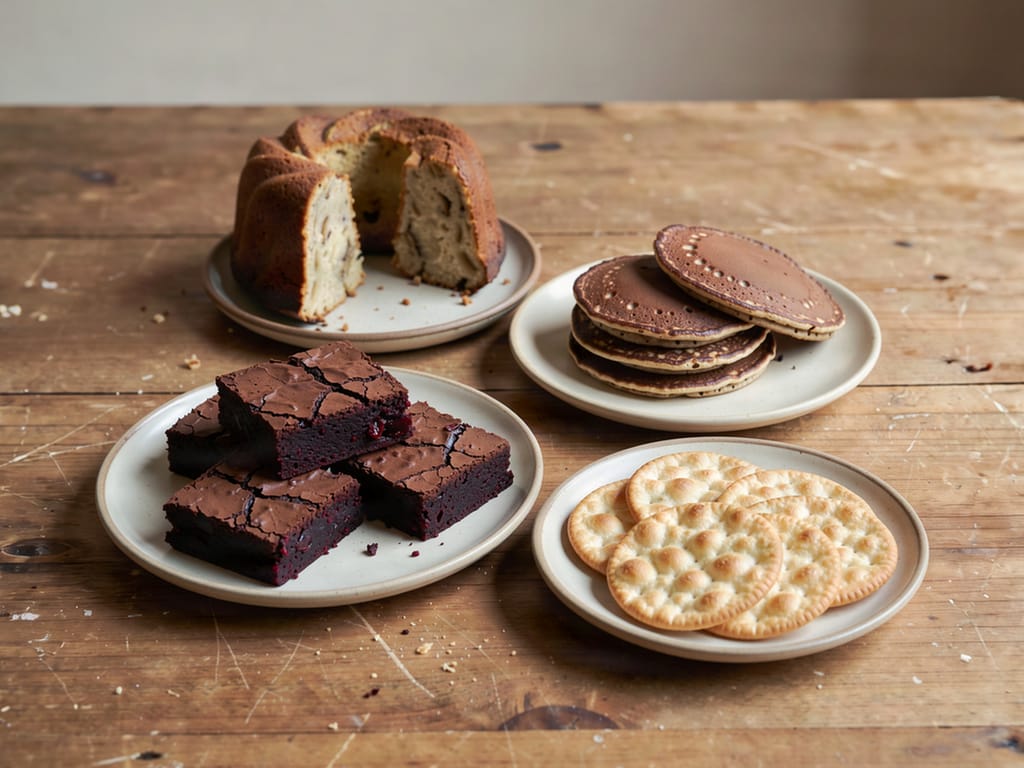
Gluten-free recipes don't need pricey mixes or crumbly bakes. Beet brownies, banana bundt cake made with cornmeal, chickpea cocoa pancakes, pea and lentil flour crackers, and quinoa pizza all work because they're built on ingredients that never had gluten in the first place. You'll find sweet and savory recipes, main dishes, meat dishes and zucchini, plus tips for kids and for the bread machine. You'll also find out how to keep gluten from sneaking into your food at home.
A gluten-free recipe is one without wheat, barley, rye or spelt, and without anything made from them: regular flours, semolina, breadcrumbs, couscous, bulgur and most pasta. Oats belong in gluten-free cooking only if the package is labeled gluten-free.
You still have plenty to work with. Gluten-free recipes are built on these basics:
rice and rice flour, corn and cornmeal,
buckwheat, millet and quinoa,
legume flours: chickpea flour, pea flour and lentil flour,
buckwheat flour with its distinctive, earthy flavor,
ground nuts, ground coconut, potatoes and starches,
binders that do the job of gluten: eggs, ripe banana, cooked beet or ground psyllium.
Why does this work? Gluten holds dough together and traps bubbles of gas, which is why a risen wheat dough can be stretched. Gluten-free flour can't do that, so something else has to provide the structure: a thicker batter, eggs, fiber, or a recipe where the dough never needs stretching. That's why gluten-free baking works best for brownies, pancakes, crackers and flat pizzas, and why a classic risen loaf is the hardest challenge.
For a detailed look at how each flour behaves and which one to use where, see our guide to gluten-free flours and how to use them. Here we focus on finished dishes.
Seasonal baking plans, tested recipes and kitchen tricks that save you time. Unsubscribe in one click.
Three sweet gluten-free recipes that work the first time: brownies made with beets and walnuts, a banana chocolate bundt cake made with cornmeal, and cocoa pancakes made with chickpea flour. In all three, something other than flour makes them moist: beet and banana, cooked rice and coconut, or eggs in a thick batter.
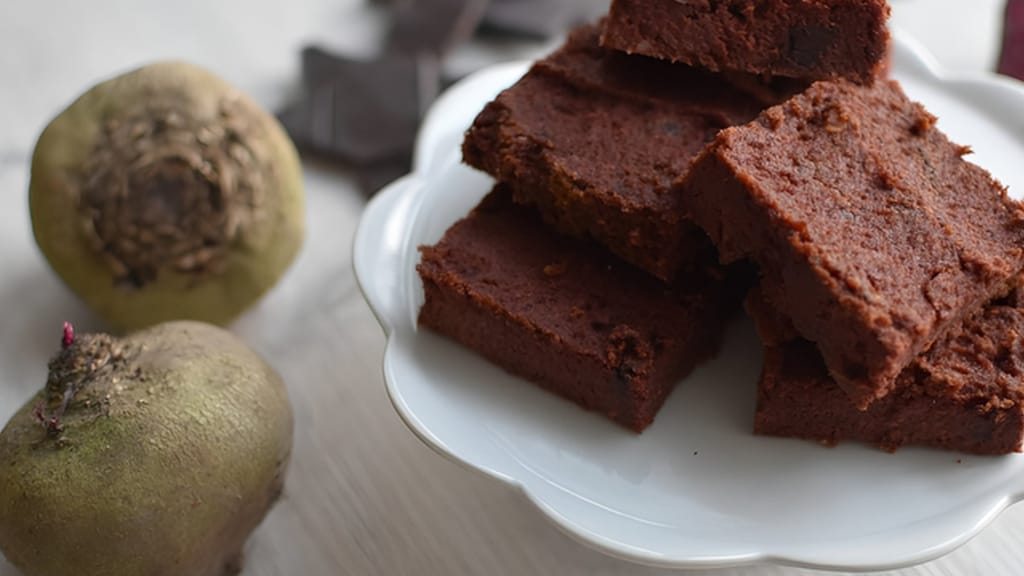
These gluten-free beet brownies hold together thanks to beet purée, banana and eggs, and they use 100 g of millet flour instead of wheat flour. Blend the beets with the bananas and eggs until completely smooth, because that purée carries the moisture the flour would otherwise provide.
Grease a pan of roughly 20 × 30 cm (8 × 12 in) and dust it with ground nuts, not flour. The brownies will come out easily and stay gluten-free. Bake them in an oven preheated to 180°C (350°F) for 35 minutes. When done, they have a firm edge and a center that springs back only slightly when touched, and a skewer pushed into the middle should come out with a few moist crumbs.
The beet doesn't taste like a vegetable. It gives the brownies a dark color, juiciness and an earthy sweetness that goes well with dark chocolate. The recipe makes 8 servings and takes under an hour. If you're cooking for someone with celiac disease, choose millet flour and chocolate labeled gluten-free.
Gluten-free beetroot and walnut brownies
Gluten-free beet and walnut brownies: beet, banana, chocolate and nuts, 35 minutes in the oven
This gluten-free banana bundt cake holds together thanks to cornmeal, cooked jasmine rice and ground coconut. Ripe bananas, which break down completely when whisked with the eggs, and the pre-cooked rice make it moist. The rice gives the batter the moisture and density that gluten would otherwise provide.
Grease the bundt pan with Hera (a Czech vegetable shortening) and dust it with cornmeal labeled gluten-free, or with coconut. The whole cake, prep included, takes about 55 minutes. Check that it's done with a skewer pushed into the highest point: when it comes out dry, with no wet batter, the cake is ready. Chop the chocolate into smaller pieces, because big chunks would sink to the bottom of the pan. The more brown spots the bananas have on their skins, the easier they are to whisk in and the more fragrant the cake. If you're cooking for someone with celiac disease, choose baking powder labeled gluten-free, too.
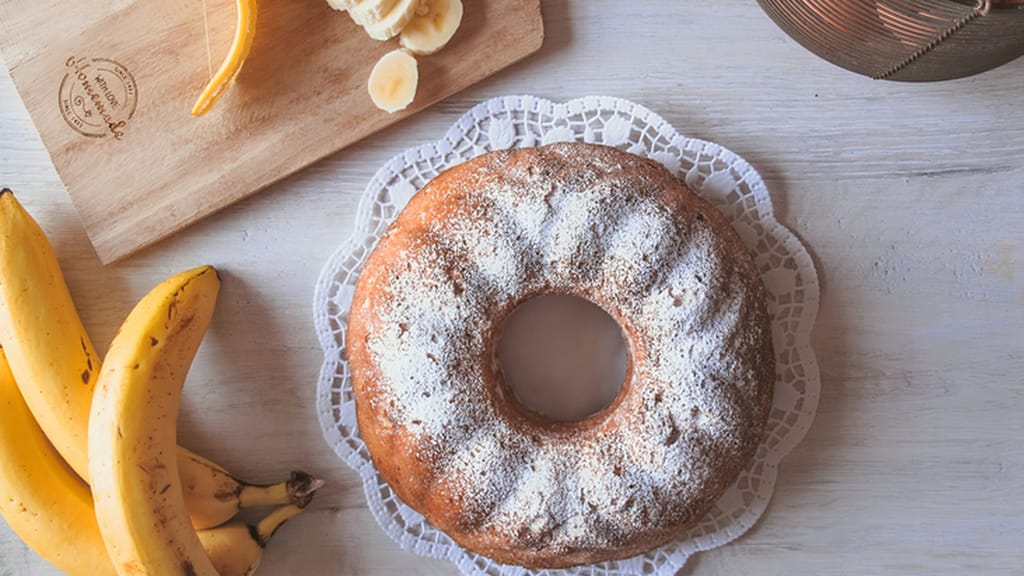
Gluten-free banana bundt cake with chocolate
Gluten-free banana chocolate bundt cake: cornmeal, cooked rice and coconut instead of wheat
Chickpea flour cocoa pancakes are the quickest sweet gluten-free recipe: a serving is ready in 17 minutes. The eggs hold the batter together. Chickpea flour tends to clump, so whisk the batter until the last lump disappears. Flip the pancakes when bubbles form on the surface and the edges turn matte.
Raw chickpea flour smells a little like legumes. The cocoa and honey cover that smell, and you won't notice it in the finished pancakes. These pancakes are denser than classic ones, so the recipe pairs them with plain yogurt and fresh fruit. The tang of the yogurt and the juicy fruit lighten them. The recipe makes one serving, so feel free to multiply it for the whole family.
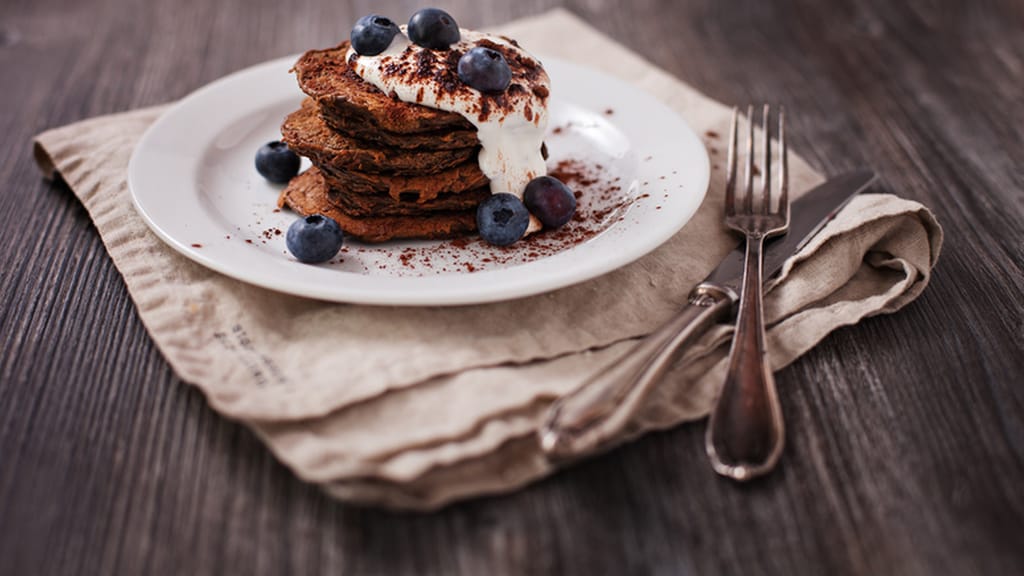
Cocoa chickpea flour pancakes
Chickpea flour cocoa pancakes: a sweet gluten-free recipe ready in 17 minutes
Three savory gluten-free recipes even a beginner can handle: pea flour crackers, crispy lentil flour crackers and a pizza made from soaked quinoa. Legume flours are excellent for savory baking. They have a pronounced flavor, combine well with oil and water, and turn pleasantly crisp once baked.
Pea flour crackers are ready in about half an hour, and the dough is held together by pea flour with olive oil and a little egg. The dough should be smooth and pliable: if it crumbles, add water a few drops at a time, and if it sticks, dust it with pea flour, not wheat flour.
The scraps barely spread, so small gaps on the baking sheet are enough. The beaten egg you brush on top makes the sesame seeds stick.
Bake in an oven preheated to 160°C (320°F) for about 10–15 minutes, until the crackers turn golden. Thinner pieces are done sooner, so keep an eye on them toward the end.
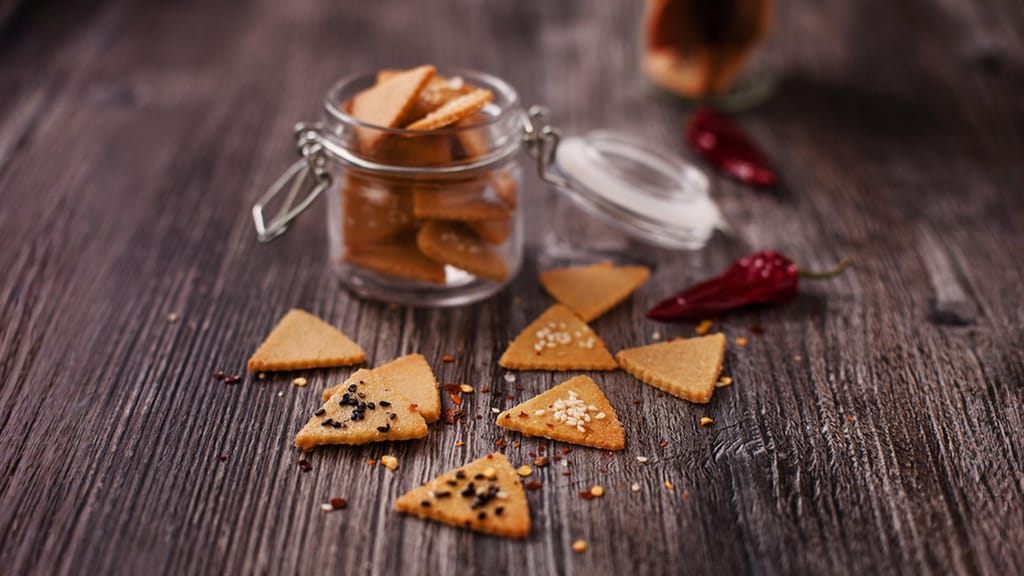
Pea flour crackers
Gluten-free pea flour crackers with sesame: ready in half an hour
You can make gluten-free lentil flour crackers with 150 g of flour, 50 ml of water, a tablespoon of olive oil and spices (dried garlic, cumin and coriander), rolled out to 2 mm. Mix the spices into the flour while dry so they don't stay in clumps, and roll the dough between two sheets of parchment paper, which the rolling pin won't stick to.
Cut shapes from the rolled-out sheet and bake. The whole thing, prep included, takes 30 minutes. The thinner the crackers, the crispier they get. They're properly crisp only once they've cooled. These crispy lentil flour crackers contain no eggs or dairy, so they also suit vegan cooking.
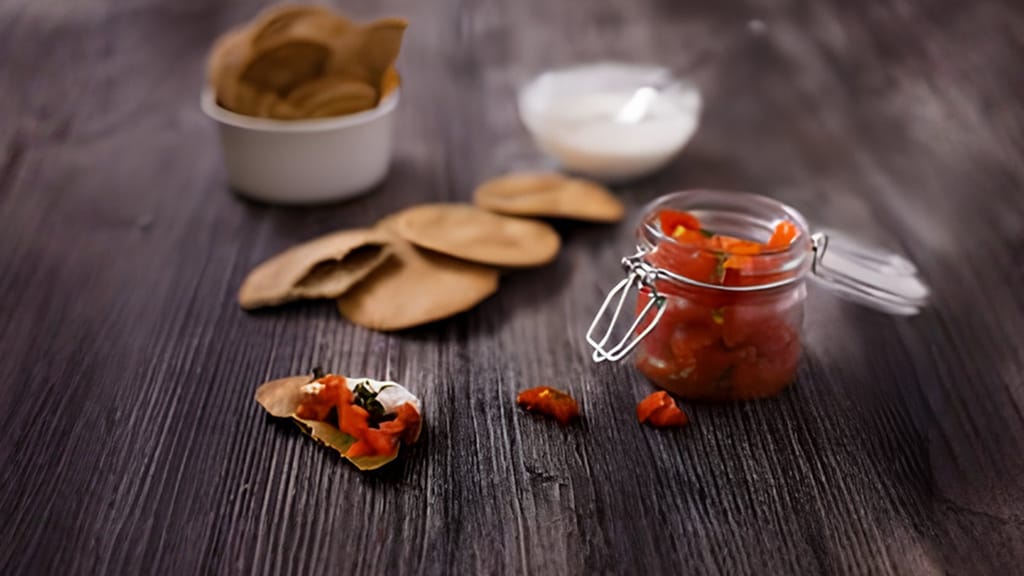
Lentil flour crackers
Crispy gluten-free lentil flour crackers with cumin and coriander
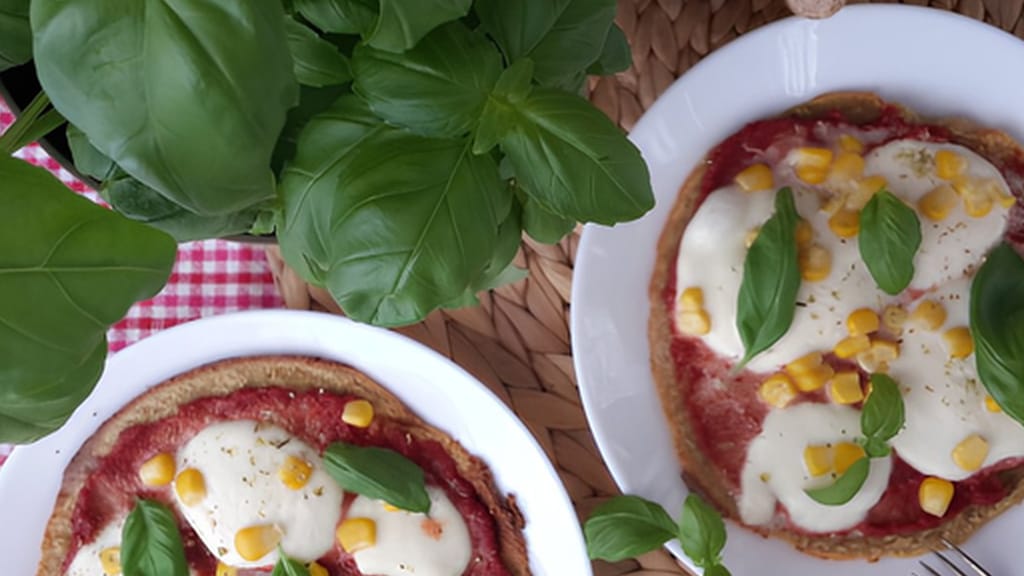
No flour goes into quinoa pizza, because the dough is made from whole quinoa grains soaked overnight. In the evening, cover 200 g of quinoa with 400 ml of water and leave it covered to swell. In the morning, drain it in a sieve, rinse it well with cold water and let it drain thoroughly. Rinsing gets rid of the bitter coating quinoa grains naturally have. Then blend it with an immersion blender for about 5 minutes with baking powder, salt, two tablespoons of olive oil and a little water, until you have a batter a bit thicker than pancake batter.
Line a baking sheet with parchment paper and brush it with olive oil. For each pizza base, scoop two heaped spoonfuls of batter and spread it with the back of the spoon. Bake at 170°C (340°F) for 10–15 minutes, until the bases are dry and firm on top, then flip them and bake for another 10 minutes. Only once the bases are baked through do they get the sauce of tomato paste, olive oil and oregano, slices of mozzarella and corn. Return the topped bases to the oven and bake until the mozzarella melts. Tear the basil over the finished pizza. Serve right away, while the cheese is still melty and the edges are crisp.
Don't expect a fluffy risen dough. This is a crisp flatbread, so treat it that way. The recipe makes 6 servings. You'll spend under an hour actively working on it, but you have to soak the quinoa the day before.
A gluten-free main dish is the easiest thing of all: cook with meat, fish, potatoes, rice, legumes and vegetables, and watch only a few spots where gluten can sneak in. For lunch, try tuna with mint and corn pasta, kulajda (a Czech creamy mushroom and dill soup) thickened with potatoes instead of flour, and a lentil salad with tuna and eggs.
Where gluten most often sneaks into lunch:
roux and flour thickening: thicken soups and sauces with blended potatoes, vegetables or starch,
breadcrumbs in coatings and in ground meat,
bouillons, spice blends, soy sauce and mustard, whose ingredients vary by manufacturer, so read the label,
wheat-based sides: couscous, bulgur, regular pasta and dumplings,
cured meats and ready-made sauces.
Tuna with mint and corn spaghetti is a gluten-free lunch where you only need to watch the pasta: buy one with "gluten-free" or the crossed-grain symbol on the package, because regular wheat spaghetti contains gluten. Tuna, mint, mushrooms and arugula are gluten-free on their own.
Don't rinse the tuna steaks. Just pat them thoroughly dry with a paper towel, because a dry surface sears better on the grill. Brush them all over with olive oil, season with salt and pepper, and coat them in finely chopped mint. Keep them in the fridge until grilling, taking them out no more than 20 minutes ahead. Meanwhile, cook the corn spaghetti, sauté the onion with the mushrooms, toss them with the pasta and add about half a cup of the pasta cooking water. The starch in the water combines with the oil and coats the pasta in a silky sauce. Finish with the arugula.
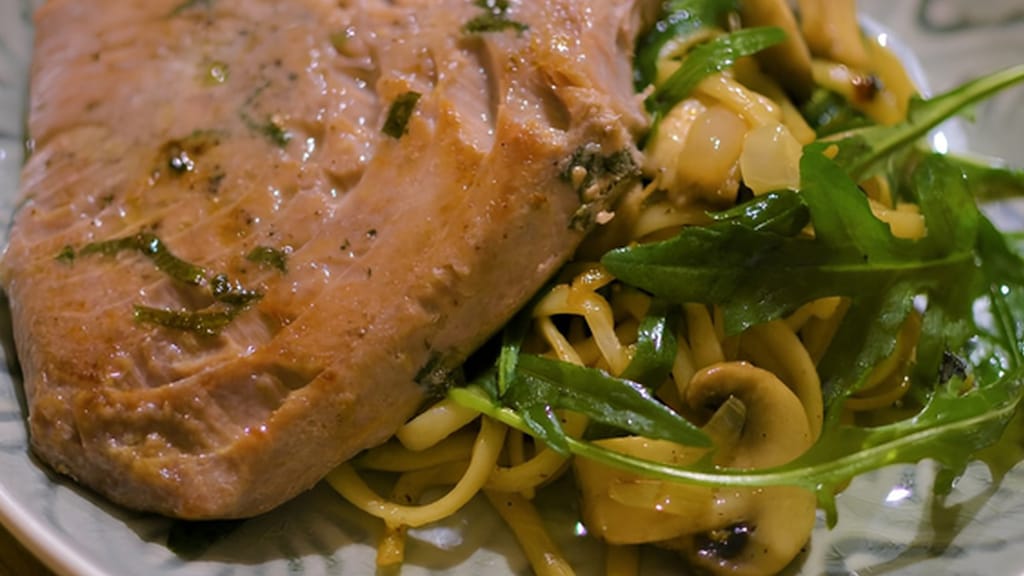
Tuna with mint and gluten-free pasta
Tuna with mint and gluten-free pasta: corn spaghetti, mushrooms and arugula
Gluten-free kulajda does without a roux, because blended potatoes thicken it. Sauté the mushrooms with the shallot and caraway until the liquid cooks off, then add vegetable stock and milk and simmer the potatoes in the soup until tender. Take out about half of the potatoes and mushrooms, blend the rest until smooth and return the pieces you set aside.
This flour-free kulajda with milk is lunch for four in under an hour. If you're cooking for someone with celiac disease, choose a stock labeled gluten-free.
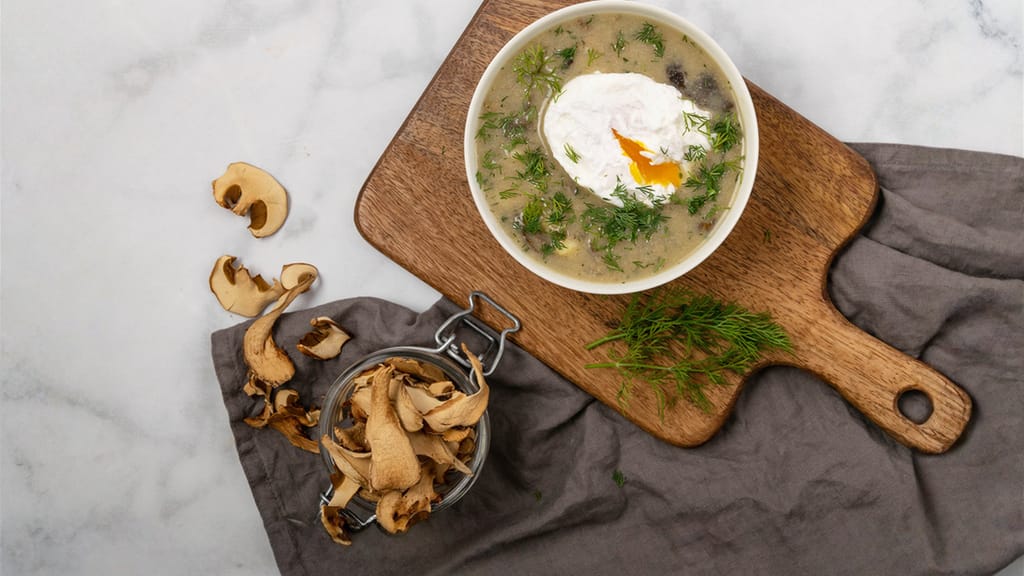
Kulajda with milk and no flour
Gluten-free kulajda with no flour: thickened with potatoes, with dill and a poached egg
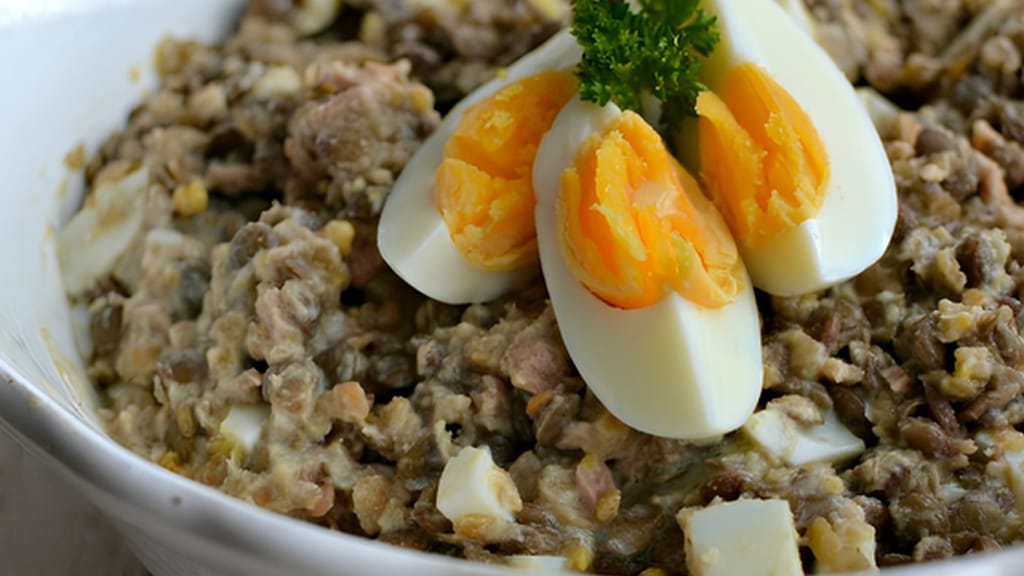
This lentil salad with tuna is a hearty gluten-free dish with no flour at all. Start cooking the brown lentils first and add the red ones when the brown are almost tender. Toss the cooled lentils gently with the eggs so they don't turn to mush. The oil from the can of tuna makes the base of the dressing with mustard and yogurt.
The salad makes four servings in about 45 minutes. If you're cooking for someone with celiac disease, pay particular attention to the mustard and choose one labeled gluten-free.
Meat itself doesn't contain gluten, so with gluten-free meat recipes it's mainly about what you coat it in, what you thicken the sauce with and what you serve alongside. Roasted, grilled and braised meat with no coating is a safe choice. Trouble comes from breadcrumbs, roux, marinades with soy sauce and some cured meats. For coating and for ground meat, use breadcrumbs labeled gluten-free.
A good example is stuffed pork tenderloin with zucchini. Pat the tenderloin dry, cut it into thick medallions, then season with salt and pepper. Use a narrow knife to cut a pocket into each one and press feta into it. Lay a slice of dry-cured ham on each medallion, press it on with your palm and pan-fry the medallions in olive oil, ham side down, for about five minutes, until the ham turns crisp and golden. Meanwhile, slice the zucchini thinly and sauté it with garlic, coriander and chili. Spread it in a bowl, top with the medallions and pour the pan juices over them.
Of the sides the recipe suggests, choose rice or potatoes. Bulgur, couscous and regular pasta are made from wheat. If you're cooking for someone with celiac disease, buy dry-cured ham and feta labeled gluten-free.
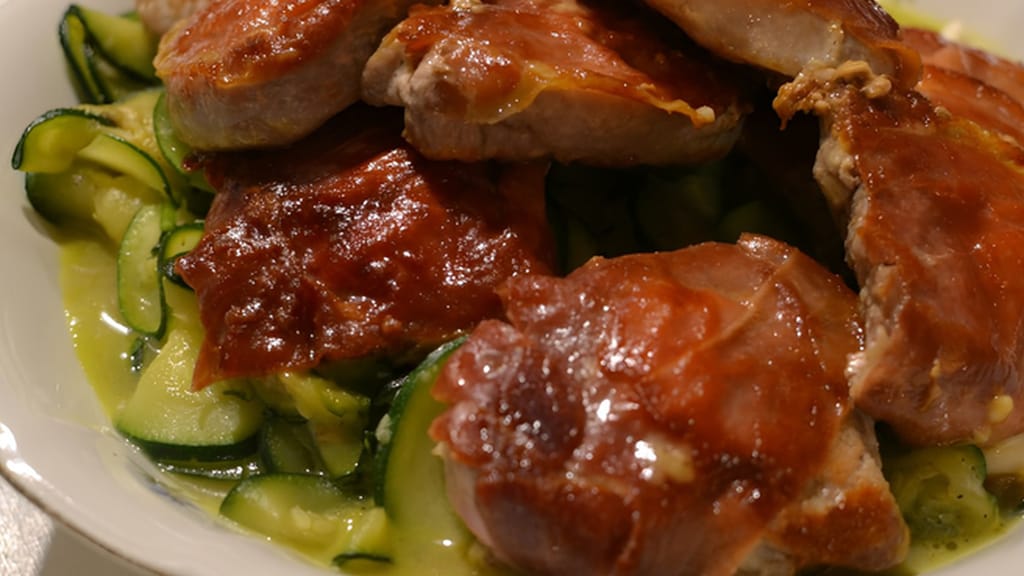
Feta-stuffed pork tenderloin with zucchini
Stuffed pork tenderloin with zucchini: a gluten-free meat recipe with feta and dry-cured ham
For a gluten-free side, slice zucchini thinly and quickly sauté it in a hot pan with oil and garlic until it softens but still holds its shape. It replaces pasta or couscous, and there's no flour to worry about. It tastes best when it's seared fast over high heat and not stewed in its own water.
Three rules that apply to almost every zucchini recipe:
slice it into thin, evenly thick pieces so they soften at the same time,
use a wide pot or pan and get it properly hot, so the zucchini sears instead of boiling,
sauté it only until it softens but still holds its shape.
The zucchini for the stuffed pork tenderloin recipe above is made by the same rules.
Zucchini fritters are a chapter of their own. Many recipes for them use wheat flour, breadcrumbs or rolled oats, and those without a gluten-free label don't belong in gluten-free cooking. The method stays the same: grate the zucchini, salt it, let it release its water and squeeze it out thoroughly, or the fritters will be soggy. You'll find more ideas in our article on what to cook with zucchini.
Kids like gluten-free recipes best when they're finger food and look like a normal treat or snack: cocoa pancakes, banana chocolate bundt cake and crackers they cut out themselves. For kids with celiac disease, the rules in the box above count double, because at preschool, at Grandma's and when visiting, gluten most often gets into food through a crumb on a shared cutting board.
How to get kids involved:
Pea flour crackers: a child can cut out shapes and brush them with egg, and the sesame seeds then stick on their own.
Cocoa pancakes: the batter only needs whisking, so even a school-age child can manage it. Stay with them at the stove, though.
Banana bundt cake: it uses up ripe bananas with brown spots that nobody wants anymore. They break down completely when whisked, so you can't see or feel any pieces in the cake.
Quinoa pizza: everyone tops their own base with mozzarella and corn.
The brownies are full of both ground and coarsely chopped walnuts. It's best not to give them to the youngest children, and keep them in mind if anyone at the table has a nut allergy.
You can bake gluten-free bread in a bread machine, just not by following a recipe for wheat bread. Gluten-free dough is more of a thick batter than an elastic loaf, and it needs its own method. Yumsto doesn't yet have a tested recipe for gluten-free bread machine bread, so here are at least the principles that will help you handle a recipe from a gluten-free mix package or your bread machine's manual.
What gluten-free bread machine bread relies on:
A blend of flours, not a single flour. The base is usually rice or corn flour, and buckwheat flour adds flavor and color.
A binder. Ground psyllium or another thickener does the job gluten would otherwise do.
More liquid than in wheat bread. Psyllium quickly absorbs water and forms a gel.
The gluten-free bread program, if your machine has one, and exact weighing according to the recipe.
Psyllium deserves a few extra words. A 2024 study in the journal Foods describes how psyllium in gluten-free dough helps form a network similar to gluten's, so the dough holds the fermentation gas better. It needs enough water to do so. For perspective, a 2018 Brazilian study by the Fratelli team tested gluten-free bread with 3 to 17% psyllium and 82 to 118% water by weight of flour. The bread with just under 3% psyllium (about 15 g per 500 g of flour) and water at around 82% of the flour weight had the best volume and structure. So weigh the psyllium according to the recipe and don't replace it with another binder in the same amount, because each one binds water differently.
Do you also bake regular bread in your machine? Wash the pan, kneading paddle and lid thoroughly after wheat dough and clear away all crumbs before you pour in the gluten-free mix.
Gluten-free dough crumbles when it lacks a binder or moisture, so give it both. The most common mistake is to put the same amount of gluten-free flour into a wheat recipe: the dough then falls apart or stays heavy. Here are six rules you'll see in all the recipes above:
A binder instead of gluten: eggs in the pancakes and bundt cake, banana, eggs and beet in the brownies.
Moisture from another ingredient: cooked rice in the bundt cake, beet purée in the brownies, soaked quinoa in the pizza.
Whisk the batter until smooth. Legume flour clumps, which is why pancake batter is whisked until the last lump disappears.
Dust the pan with something gluten-free: ground nuts, coconut or cornmeal labeled gluten-free, never regular all-purpose flour.
Let thin bakes cool. Crackers are properly crisp only once they've cooled.
Judge doneness by texture: brownies have a springy center and a few moist crumbs on the skewer, flip pancakes when the edges turn matte, and take crackers out when they turn golden.
Yes, buckwheat is naturally gluten-free, even though it's often called a grain. But it can get mixed with wheat at the mill, so if you're cooking for someone with celiac disease, buy only buckwheat and buckwheat flour labeled gluten-free. Watch out for recipes that mix buckwheat flour with wheat flour, too, because those aren't gluten-free.
Rolled oats are gluten-free only if the package is labeled gluten-free. Under EU Regulation No. 828/2014, oats in a gluten-free food must be grown and processed so they don't get mixed with wheat, rye or barley, and the food may contain no more than 20 mg of gluten per kilogram. Ordinary rolled oats don't belong in gluten-free cooking.
No, spelt is a type of wheat and it contains gluten. Spelt flour, pearl spelt and spelt pasta don't belong in gluten-free recipes, even though they're sometimes described as a gentler alternative.
Baking powder can contain gluten, depending on the manufacturer, so if you're cooking for someone with celiac disease, buy only one labeled gluten-free. The same goes for baking soda in mixes, vanilla sugar, baking chocolate and cocoa.
Look for the words "gluten-free" or the crossed-grain symbol on the package. Under EU Regulation No. 828/2014, only food with no more than 20 mg of gluten per kilogram may carry the words "gluten-free". The wording "very low gluten" means up to 100 mg per kilogram, which is not the same thing.
One recipe worth heating the oven for, one tip, and one deal from the shop. Nothing else.