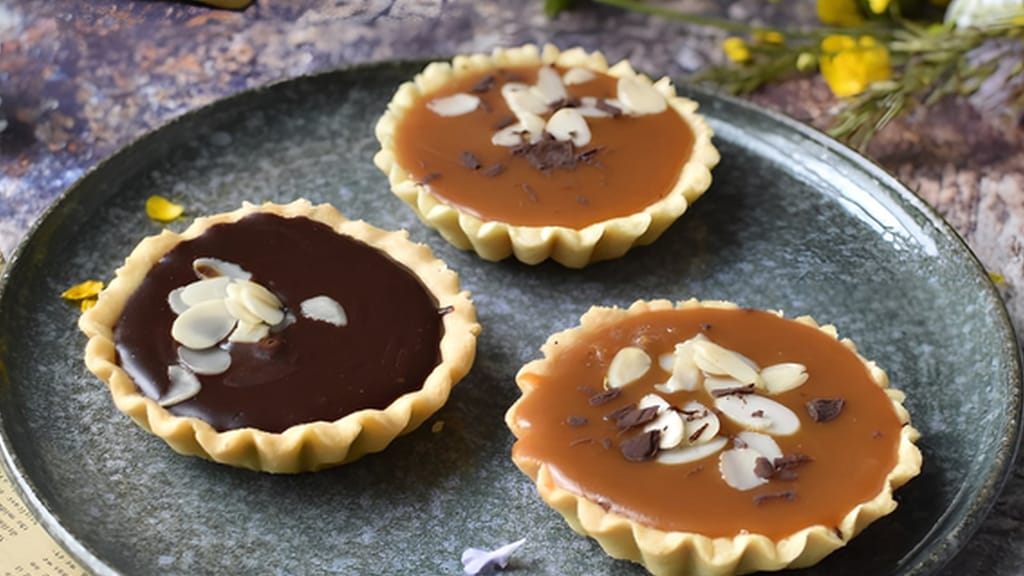
Crisp tartlets with salted caramel and chocolate
Tartlet Recipes: Sweet and Savory Fillings for New Year's Eve and Parties
Updated Nov 24, 2026
Tartlets are small shells of shortcrust or puff pastry that you fill with caramel, mascarpone or ricotta cream, lemon curd or a savory mousse and serve in a single bite. They're ideal for New Year's Eve and parties: you can bake the shells and cook the caramel fillings ahead, the creams only need whipping, and nobody has to cut a cake. Below you'll find sweet fillings from salted caramel to lemon, savory puff pastry versions and a plan for getting it all done.
The best tartlet fillings are ones that hold their shape when cold: caramel, chocolate ganache, whipped mascarpone cream, ricotta and quark cream, baked lemon filling and, for savory tartlets, cheese or fish mousses. The whole selection in one place:
Salted caramel with chocolate – the boldest flavor, almost a must for a New Year's Eve table.
Caramel with pecans – thick, crunchy and travels well.
Mascarpone with strawberries – creamy and fresh, filled just before serving.
Ricotta with quark – a gently tangy cream, ready in minutes with no cooking.
Lemon filling with meringue – tartness that balances a sweet table.
Savory fillings – smoked salmon, ricotta with sun-dried tomatoes, blue cheese or camembert in puff pastry shells.
One rule applies to all of them: the shell must be baked and completely cool before the filling goes in. Warm pastry melts the cream, and a moist cream softens the pastry in turn. So fill with no-bake creams as late as possible, while caramel or ganache can be poured in a day ahead and left to set in the shell in the fridge.
For sweet tartlets, bake a shortcrust dough made from flour, fat, sugar and an egg yolk or whole egg; for savory ones, use a butter dough with just a pinch of sugar, the same as for quiche, or ready-made puff pastry. The recipes in this article show how much one base can be varied:
Butter dough with powdered sugar – shells for salted caramel and for spring strawberries with mascarpone.
Cocoa dough – for the white ricotta and quark cream, where the dark pastry makes a lovely contrast.
Almond dough with no sugar – the dough for the mascarpone and currant jelly tartlets contains ground almonds and vanilla, and the sweetness comes from the cream.
With vegetable fat – the caramel pecan shells are made with butter-flavored vegetable fat instead of butter.
Most often the dough calls for unsalted butter: you measure the salt yourself, which you'll appreciate with salted caramel, where saltiness plays the lead role. All the recipes agree that the dough should be handled quickly and cold. The warmth of your hands softens the butter, and the shells then turn out hard instead of tender, which is why the dough is best brought together in a food processor. The rest in the fridge varies from half an hour to overnight, depending on how much butter the dough has.
How to roll out the dough, line the molds and blind-bake the shells with weights is covered step by step in tartlets: how to choose the dough, prepare it and bake the shells. Here we stick to fillings and finished recipes.
For salted caramel tartlets, cook caramel from sugar, butter, whipping cream and salt: melt the sugar dry until golden, stir in the butter and hot cream off the heat, and finally salt the caramel to taste. Cold in the shell, it sets just enough to hold its shape while staying soft.
Three things decide the result:
A wide pot with a non-stick bottom. On a large surface the sugar melts evenly and nowhere scorches before the rest.
Medium heat. On full heat the caramel burns, and you can't fix bitterness.
Stirring only once almost all the sugar has dissolved and begins to darken. A few lumps don't matter, as they dissolve with further cooking; burnt caramel is a worse problem than a lump.
Add the salt to caramel that has stood aside for a while and cooled slightly. Taste carefully and add the salt gradually: it should bring out the flavor of the caramel, not overpower it. Color determines flavor – light golden caramel is sweet and mild, while darker amber has a pronounced bitterness that goes best with chocolate. Don't let it get too dark, though, or it turns bitter.
These shortcrust tartlets with salted caramel and chocolate have two layers: salted caramel at the bottom, chocolate cream on top. The dough of all-purpose (plain) flour, powdered sugar, butter, eggs and dried lemon zest needs at least 8 hours in the fridge, ideally overnight. The next day, press it into the molds and bake at 175°C (350°F) for 10–15 minutes, until the shells turn golden.
Pour the caramel into the cooled shells only up to half their height, leaving room for the chocolate, and let it set in the fridge. For the cream, bring the cream to a boil, take it off the heat, break 85% dark chocolate into it, leave it for five minutes and whisk it into a glossy cream. The recipe assumes the tartlets then rest in the fridge for at least 24 hours so the fillings firm up and the flavors come together; because of the cream, store them in the fridge too. For New Year's Eve that's an advantage, not a complication: you bake them a day early and on the day of the party you're done.
Crisp tartlets with salted caramel and chocolate
Shortcrust tartlets with salted caramel and chocolate
Caramel and pecan tartlets are shortcrust shells filled with thick caramel and chopped pecans and topped with a whole nut. The sugar is caramelized gradually in three batches in the largest pot you have: you add the next batch only once the previous one has melted, and you watch it all the more closely because the caramel is already hot. When the caramel is golden, take it off the heat, stir in the butter, then the whipping cream, and bring it together over low heat.
Chop some of the pecans and stir them into the caramel, keeping the rest for decoration. Spoon the caramel into the shells and place a whole nut on each. The dough of butter-flavored vegetable fat, powdered sugar, all-purpose flour and egg yolks is made the day before, pressed into the molds and baked at 175°C (350°F). Watch the color: it should turn golden, not dark. The recipe makes 10 servings, so it suits a party perfectly.
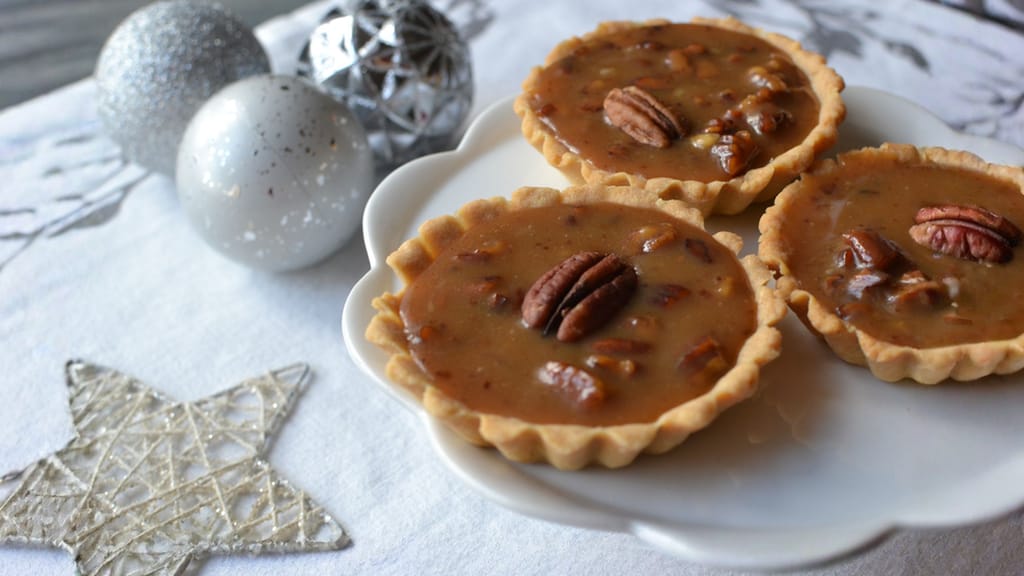
Pecan caramel tartlets
Caramel and pecan tartlets
A chocolate tart with salted caramel is a large tart with a cocoa crust, filled with milk chocolate ganache with salt and decorated with three piped creams. In the recipe for chocolate tart with salted caramel, three things matter most:
The tart ring lined with dough goes into the freezer for 30 minutes before baking so the sides hold their shape.
The ganache is ready only once it has set completely in the fridge; the recipe allows 4–6 hours for this, and you pipe the creams on only afterward.
Make the white ganache for one of the creams a day ahead so it has time to cool.
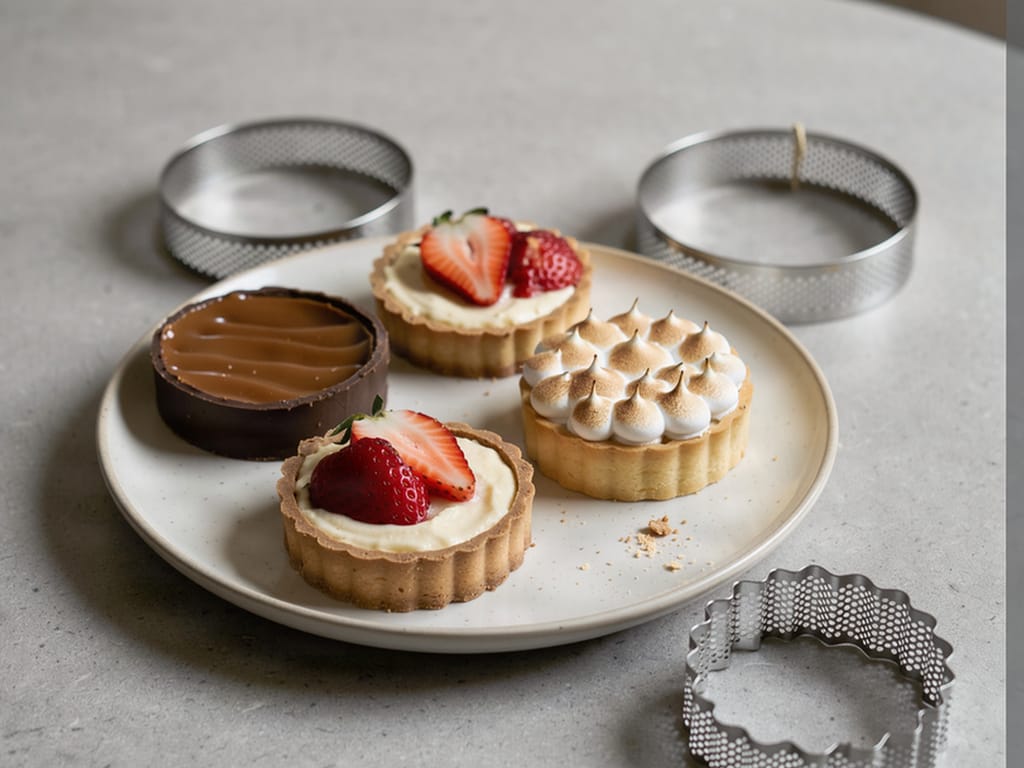
You'll find the full method in the recipe. Why the ring is perforated and how to bake with it is explained in the article on the perforated tartlet ring.
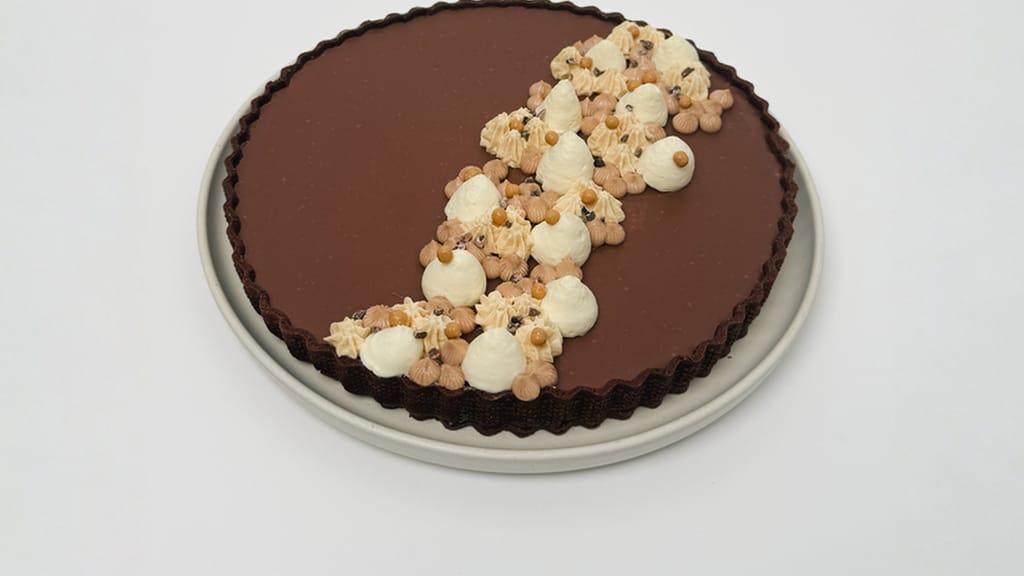
Chocolate tart with salted caramel
Chocolate tart with salted caramel and milk chocolate ganache
Whip mascarpone cream for tartlets from whipping cream, mascarpone and powdered sugar; the only thing that can spoil it is whipping for too long. As soon as the cream holds its shape, stop: overwhipped, it turns grainy and starts to curdle.
Mascarpone is a thick Italian cream cheese. It gives the filling body and velvety smoothness, while the whipped cream adds lightness, so the two complement each other. Work with cold ingredients straight from the fridge; warm mascarpone is harder to whip and the cream turns out thinner. The recipes use two methods:
Cream first, then mascarpone. Whip the cream with the sugar to stiff peaks and beat in the mascarpone only briefly, until the filling comes together. The cream is airier.
Everything at once. Put the mascarpone, cream and sugar in a bowl together and whip to a smooth, firm cream. The cream is thicker and holds better when piped.
Fill the shells with mascarpone cream only on the day of serving. Fruit releases juice onto it, and pastry under a moist cream softens over time.
The dough in tartlets with mascarpone, strawberries and currant jelly has no sugar: butter, all-purpose flour, ground almonds, salt, vanilla extract and an egg yolk. Shape it into a log, wrap it in plastic wrap and leave it in the fridge for at least an hour, then slice it into rounds and press them into the molds evenly over the bottom and sides. Bake at 175°C (350°F) for about 20 minutes.
For the cream, whip the whipping cream with powdered sugar to stiff peaks and briefly beat in the mascarpone. Make the jelly from currant juice, currant jam and gelatin according to the package directions, let it set in the fridge and cut it into cubes. Strawberries, raspberries and jelly cubes go on top of the cream, and their tartness balances it nicely.
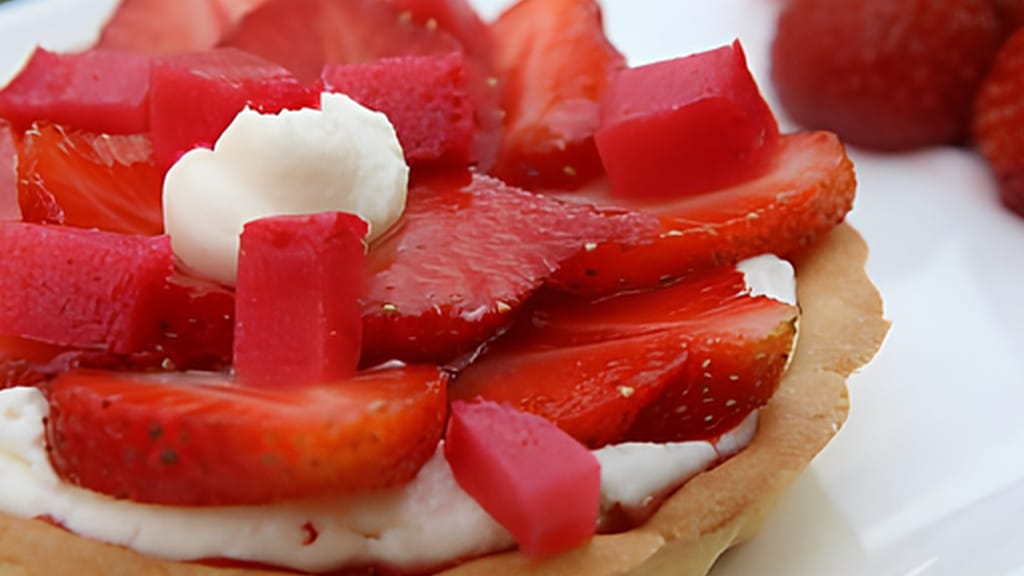
Mascarpone tartlets with strawberries and red currant jelly
Tartlets with mascarpone, strawberries and currant jelly
Spring strawberry and mascarpone tartlets are the simplest fruit version. Quickly bring together the dough of butter, powdered sugar, all-purpose flour, eggs and salt, chill it, roll it into a thin sheet and cut rounds slightly larger than the diameter of the molds so they cover the bottom and sides. Silicone or non-stick molds don't need greasing or flouring; the shells bake at 160°C (320°F) for 12 minutes.
Whip the mascarpone, whipping cream and powdered sugar together into a smooth, firm cream, fill the shells and top with strawberries. The recipe is built on fresh strawberries, so for a winter party choose the most fragrant ones you can find.
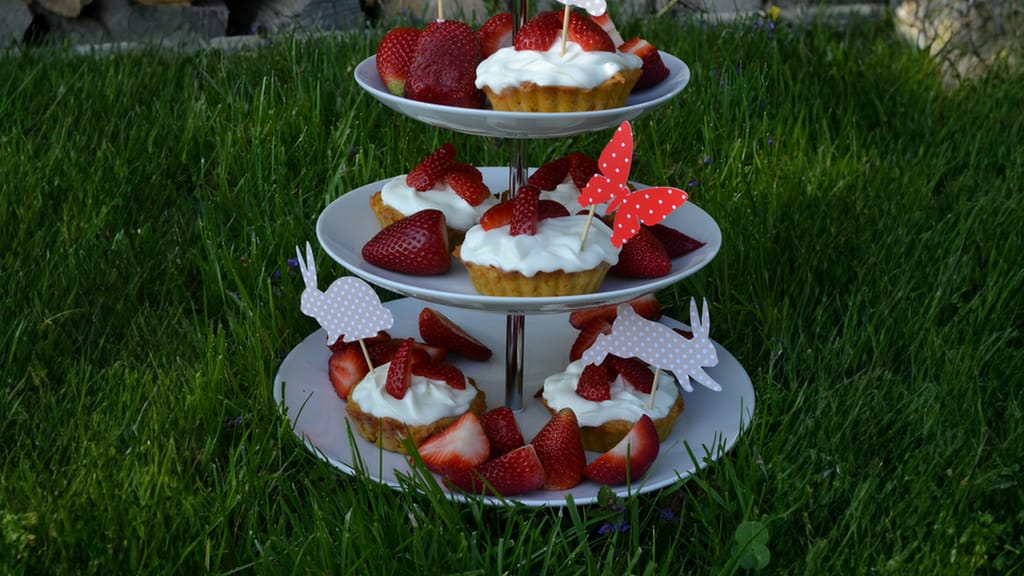
Spring strawberry and mascarpone tartlets
Spring strawberry tartlets with mascarpone cream
Ricotta and quark cream is the quickest sweet tartlet filling: whisk both briefly with sugar and lemon juice and you're done, with no cooking, no whipped cream and no gelatin.
Ricotta is a mild Italian fresh cheese traditionally made from whey. It's slightly grainy and gently sweet, and quark (tvaroh) gives it firmness and a pleasant tang. Together they make a cream that's less heavy on the tongue than whipped cream with mascarpone and sits well beside caramel tartlets.
In the recipe for tartlets with ricotta and quark cream, the cocoa dough shells are blind-baked with weights; they're done when the dough starts to pull away from the sides of the molds. Whisk the ricotta, full-fat quark, sugar and lemon juice until the sugar dissolves. Let the shells cool completely, and only then unmold and fill them; in a warm shell the cream would thin out. Top with raspberries. The recipe makes 3 servings, so for a party feel free to double or triple it.
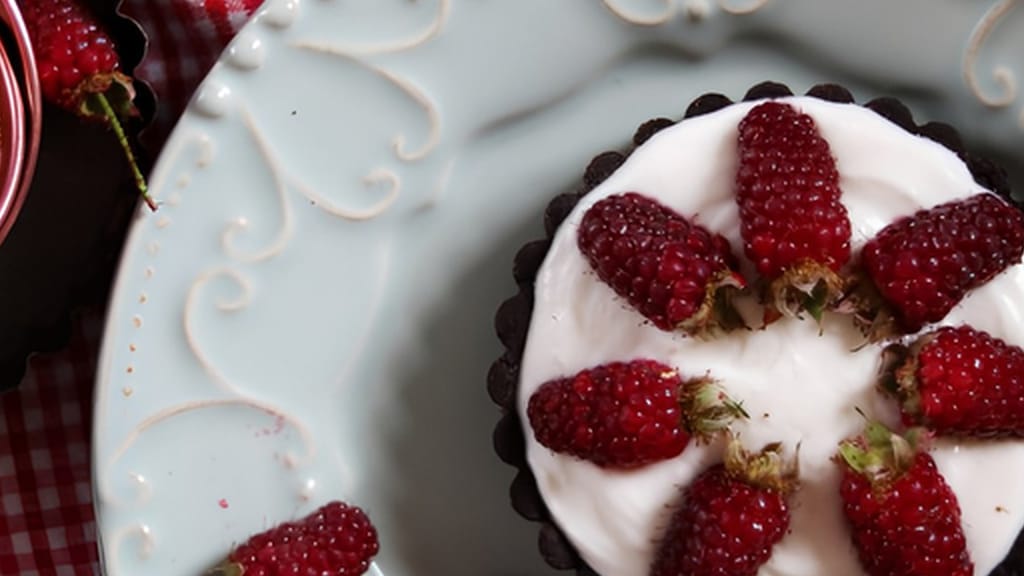
Tartlets with ricotta and curd cheese cream
Cocoa tartlets with a light ricotta and quark cream
A lemon filling is the best counterpoint to caramel and chocolate on one table: it's tart and fresh, with a crisp pastry underneath and baked meringue on top. The origin of the lemon tart isn't clear; in France it became a pâtisserie classic.
Our recipe for tarte au citron – French lemon tart makes 8 servings in a large pan about 30 cm across. Here's what to take from it:
Prick the base of the shell thoroughly with a fork and pre-bake it briefly so it doesn't puff up in the oven.
The lemon filling is done when it has set on the surface and no longer wobbles in the middle when you shake the pan.
Pile stiff, glossy meringue onto the still-hot tart all the way to the edges and bake it.
If you want lemon tartlets instead of one large tart, the method is the same, but keep an eye on the shells. Small fillings set sooner, and the sign of doneness stays the same: the center doesn't wobble when shaken.
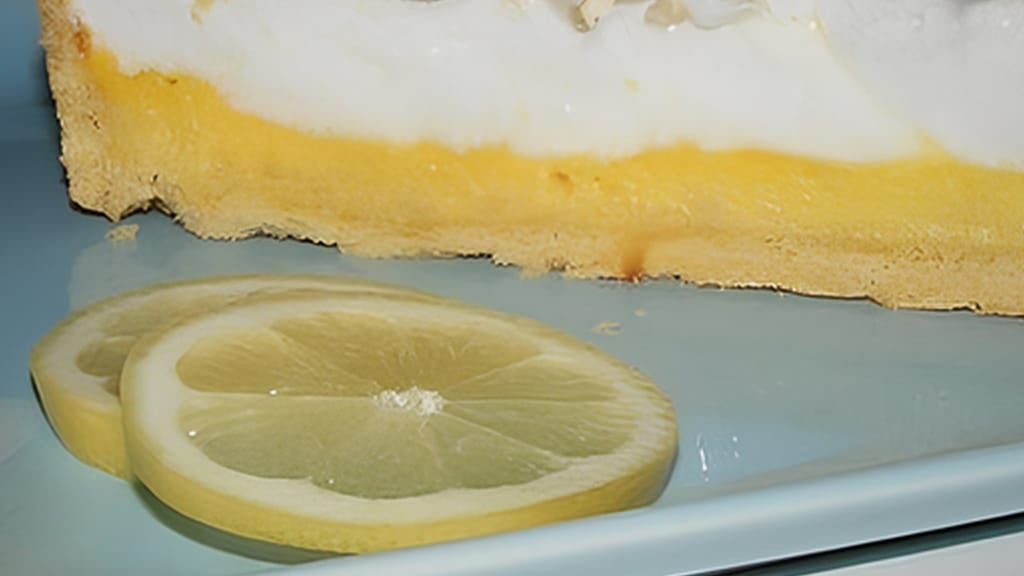
Tarte au citron – french lemon tart
Tarte au citron – French lemon tart with meringue
Most tartlet recipes don't need almond flour at all. Of the selection in this article, these do without almonds:
shortcrust tartlets with salted caramel and chocolate,
caramel and pecan tartlets,
tartlets with ricotta and quark cream,
spring strawberry and mascarpone tartlets,
tarte au citron.
Almonds appear in only two: ground almonds in the dough of the mascarpone and currant jelly tartlets, and a little almond flour in the cocoa dough of the chocolate tart. Almonds make the dough more tender and give it a nutty flavor, because they replace part of the flour. If you don't have them, replace them with the same weight of all-purpose flour. The dough will be slightly firmer, so chill it all the more and roll it thinner.
Cooking for guests who avoid nuts? Then it's not enough to watch for almonds: the caramel tartlets contain pecans, one of the creams for the chocolate tart is a hazelnut chocolate spread, and the blue cheese shells are decorated with a walnut.
The quickest savory tartlets are made from puff pastry: cut out rounds, bake them into tall shells and fill them with a cold mousse of smoked salmon, ricotta with sun-dried tomatoes, blue cheese or camembert. For a sturdier, crisp shell that can carry a thicker filling, reach for savory butter dough (with just a pinch of sugar), the same as for quiche.
Savory fillings have one advantage: they don't need to be baked or set. Blend them, fill a piping bag and pipe them into the cooled shells just before serving. Puff pastry stays crisp only for a short time; once a moist filling sits on it for long, it goes soft.
For savory puff pastry tartlets, cut full rounds and rings from ready-made puff pastry, stack them and bake at 200°C (400°F) until golden. The method comes from the recipe for puff pastry shells: you cut the rounds with a larger and a smaller cutter so that a ring remains once the center is cut out. On the bottom full round, stack two rings, press them down lightly and brush with beaten egg so they stick together and turn golden.
Bake in an oven heated to 200°C (400°F) until the shells puff up nicely and turn golden. You can prick the bottom round with a fork before baking so the base doesn't rise too much. Let the finished shells cool completely and only then fill them. Don't squash the dough scraps from cutting into a ball; just lay them snugly side by side and run a rolling pin over them so the layers aren't ruined.
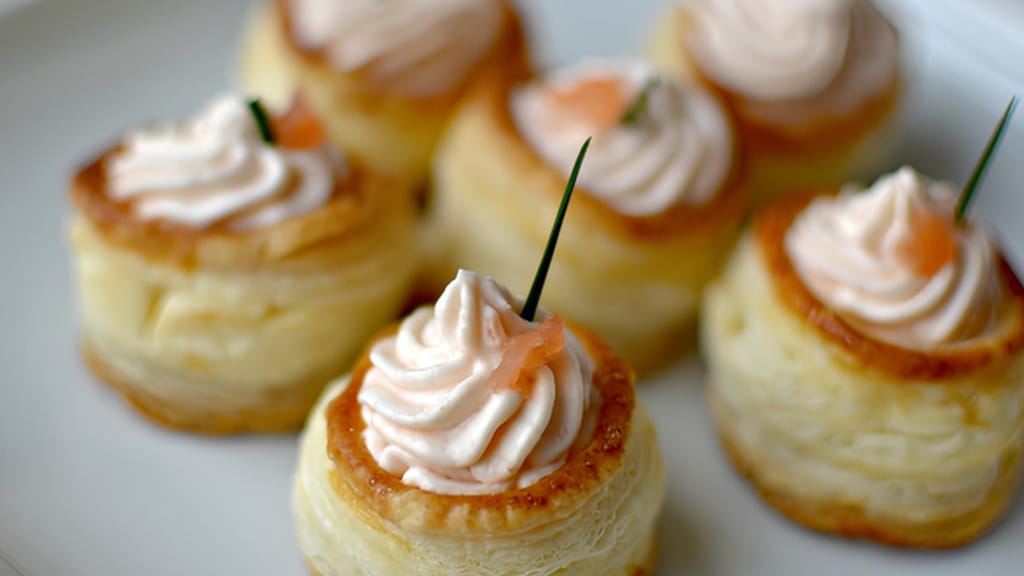
Puff pastry bites
Puff pastry shells with savory fillings
Four cold mousses suit savory tartlets best: salmon, ricotta with sun-dried tomatoes, blue cheese, and camembert with grapes. All of them come from the puff pastry shells recipe and complement each other well at a party:
Salmon – smoked salmon blended with the traditional pomazánkové máslo (a Czech soft dairy spread, not butter), salted and peppered. Topped with dill or chives and a piece of salmon.
Ricotta with sun-dried tomatoes – ricotta blended with sun-dried tomatoes in oil, decorated with a piece of black olive.
Blue cheese – blue cheese blended with the traditional pomazánkové máslo and softened with a little whipping cream, topped with a piece of toasted walnut.
Camembert with grapes – a white-rind cheese whipped with butter and cream, decorated with a white grape.
For a varied platter, two or three of them are enough: one fish, one bold cheese and one mild. You'll find more savory fillings for shells, from liver to salmon, in the article on homemade pâté.
For savory shortcrust tartlets, use the quiche dough – savory French tart. Quickly work the flour, a pinch of sugar, salt and butter with your fingers into coarse crumbs; small pieces of cold butter are what make the dough tender. Pour in about half the ice water, bring the dough together and add more water only if it won't come together: the less water, the more tender the shell.
The dough rests in the fridge for an hour, then it's rolled out and used to line the pan. Prick the base, cover with paper and weigh down with beans; for a large pan the recipe pre-bakes it for 10 minutes at 200°C (400°F) and then about 5 more minutes without the weights, until the base loses its raw sheen and turns lightly golden. In small tartlet molds this will go faster, so follow that sign, not the minutes.
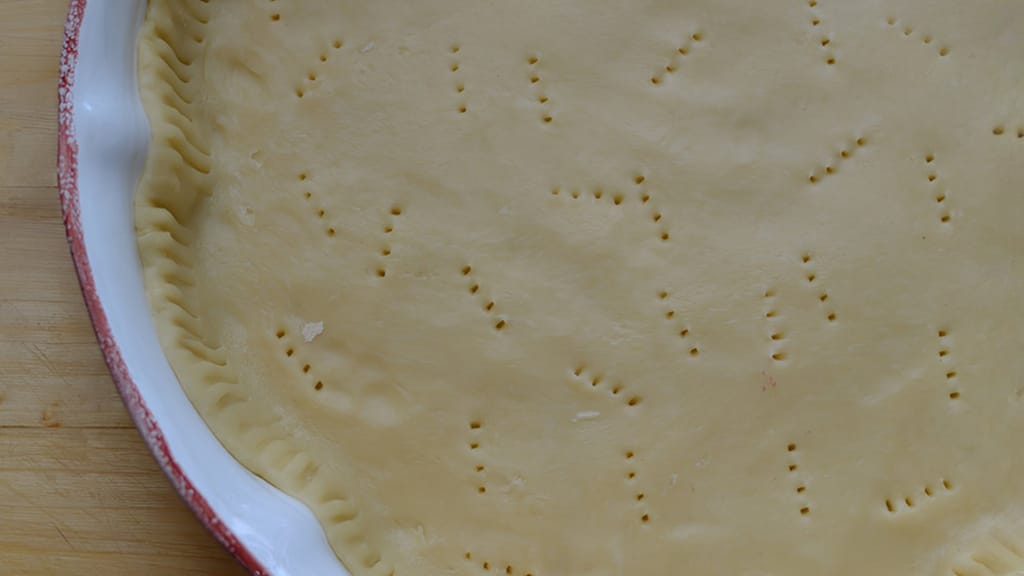
Quiche pastry – french savory tart dough
Quiche dough for savory shortcrust tartlets
Savory mini tartlets work best when they can be eaten in one bite without a plate. A few rules that prove themselves at parties:
Small molds or a cutter around 4–5 cm (1½–2 in). A bigger shell takes two bites and crumbles.
A thick filling. A cheese or salmon mousse has to hold its shape from the piping bag; a runny filling leaks out and softens the base.
Fill at the last moment. Bake the empty shells a day ahead and mix the fillings and keep them in the fridge, but put them into the shells only just before serving.
Garnish as a label. Dill, olive, nut or grape not only decorates but tells guests what's inside.
Recipe of the week, one tip that saves you time and one deal from the shop. Unsubscribe in one click.
The next issue goes out on Thursday, November 26.
For New Year's Eve, bake the shells and caramel fillings a day ahead, whip the mascarpone and ricotta creams on the day of the party and fill the savory shells just before guests arrive. Plan it like this:
Two days ahead: make the doughs. The shortcrust for the salted caramel and chocolate tartlets needs a night in the fridge, as does the dough for the caramel pecan shells.
The day before: bake all the shells, cook the caramel and fill the caramel and chocolate tartlets. The salted caramel recipe builds in a 24-hour rest in the fridge. For the chocolate tart, make the white ganache in the evening so it can cool overnight.
On the morning of the party: bake the puff pastry shells for the savory tartlets, mix the savory fillings and put them in the fridge.
A few hours before the party: whip the mascarpone cream or the ricotta and quark cream, fill the sweet shells and decorate them with fruit.
Just before serving: pipe the savory fillings into the puff pastry shells.
Count on roughly two to three sweet tartlets per person when there are other desserts on the table; when they're the main sweet of the evening, feel free to go for four. For a varied platter, choose three fillings that complement each other in flavor: one rich (caramel or chocolate), one fresh (lemon or strawberries with mascarpone) and one creamy (ricotta with quark). Keep creamy fillings made with cream in the fridge until serving.
For more ideas for sweets you eat by hand, see the article New Year's Eve finger desserts: six kinds of party desserts. And if you're also preparing the savory side of the table, we'll advise what to put on a platter for New Year's Eve and parties and how much to make per person.

One Way
Piping Bags 30x17 cm, 100 Pack
Valrhona
Valrhona Equatorial Milk Chocolate 35% (1kg)Yes. Ready-made shells are the quickest shortcut for sweet and savory tartlets, and homemade fillings work in them just as well as in homemade shells. Choose shells without a strong flavor so they don't overpower the filling, fill them only on the day you serve, and put your effort into the cream, because that's where most of the flavor of a tartlet comes from.
Tartlets go soft when the filling goes in before the shells have cooled completely, or when a moist cream sits in them for a long time. Let the shells cool, fill them with whipped cream, mascarpone and ricotta creams only on the day you serve, and brush the inside of the base with a thin layer of melted chocolate, which separates the cream from the pastry.
The closest substitute for mascarpone in tartlets is a cream of ricotta and full-fat quark (tvaroh, a Czech fresh curd cheese) whisked with sugar and lemon juice. It's fresher and less dense than a mascarpone and whipped cream filling, but it holds its shape and goes into the shells the same way.
Unmold tartlets only after they've cooled, when the pastry has firmed up and stops crumbling. With silicone molds, just flex them from underneath; with metal ones, wait a moment and tap the edge lightly. With a tart ring, let the shell stand for about 15 minutes after baking, then carefully lift the ring off.
Make tartlets with a filling that sets by itself: caramel, chocolate ganache, baked lemon filling or a ricotta and quark cream. Of the recipes in this collection, gelatin appears only in the currant jelly on the mascarpone and strawberry tartlets; leave out the jelly and decorate them with fresh fruit alone, and they don't need it either.
Carry tartlets in a box or tin in a single layer, chilled and packed as snugly as possible so they don't slide around. Caramel and chocolate ones can travel already filled; take the mascarpone or ricotta cream separately in a piping bag and fill the shells on site.
One recipe worth heating the oven for, one tip, and one deal from the shop. Nothing else.