- Season
- Year-round
- Price
- Low
Calories and nutrition per 100 g
- 43 kcal
- 3.5 g protein
- 1.1 g fat
- 4.8 g carbs
Cultured Buttermilk
Cultured buttermilk is a thin, pleasantly tangy dairy product made from buttermilk, the liquid left after churning butter, soured with dairy cultures. It has about 1 % fat and around 40 kcal per 100 g, is drunk cold, and with baking soda it makes pancakes, bublanina and bundt cakes rise.
Do not leave it at room temperature; take it out only briefly before baking so it is not ice-cold.
Keep unopened buttermilk in the fridge at up to 8 °C and use it by the date on the pack. Once opened, use it as soon as possible; producers state, for example, within 48 hours.
For baking you can freeze it for about 3 months, ideally in measured portions. It separates when thawed in the fridge, so stir it well and use it only for baking, not for drinking.
Look for buttermilk and dairy cultures on the ingredient list; some products also contain milk. The pack must not be bloated. Buttermilk that has thickened or separated a little on standing is fine; just shake it. For farm buttermilk, check that it was made from pasteurised cream.
Milk with lemon juice or vinegar: put 1 tablespoon (15 ml) of acid in a jug, top up with milk to 250 ml and leave for 10 minutes. Kefir works just as well 1 : 1.
Plain yogurt thinned with milk or water (3 parts yogurt to 1 part liquid), or acidophilus milk 1 : 1.
Shake buttermilk before use. For a batter with baking soda, use it chilled or slightly warmed to room temperature, and bake right after mixing, as the soda and acid start reacting at once.
Use leftover buttermilk in pancakes, crêpes or bread, or soak chicken in it before frying. If you have a lot, freeze it in 250 ml portions for baking.
Roughly what one measure weighs, scooped the way you normally would in the kitchen.
Buttermilk goes into pancakes, crêpes, bublanina, bundt cakes and soda bread, where it makes the batter rise with baking soda. Chicken is soaked in it before frying, and it is used in cold sauces, dressings and cold soups, or drunk on its own.
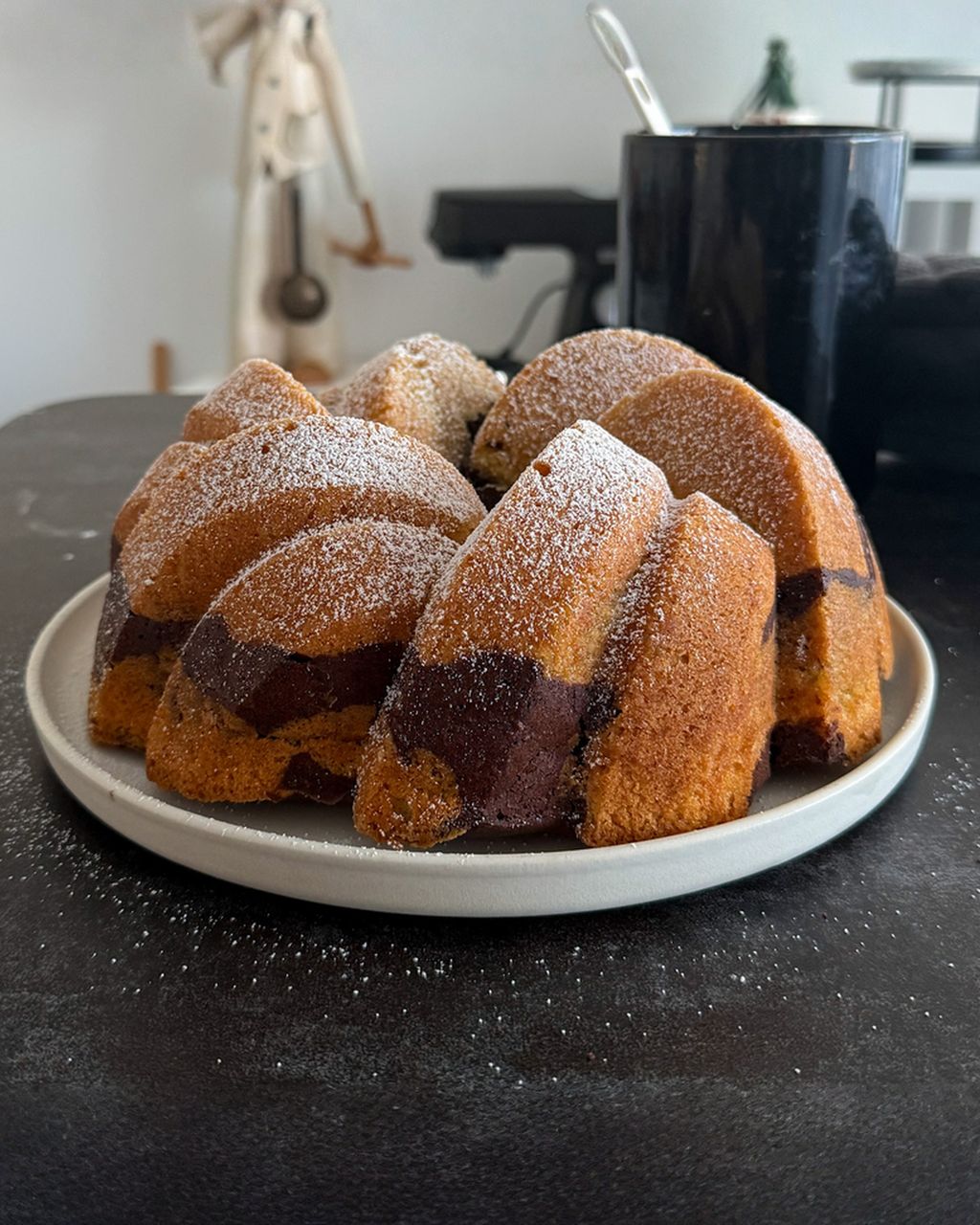
Marble bundt cake with buttermilk and vanilla
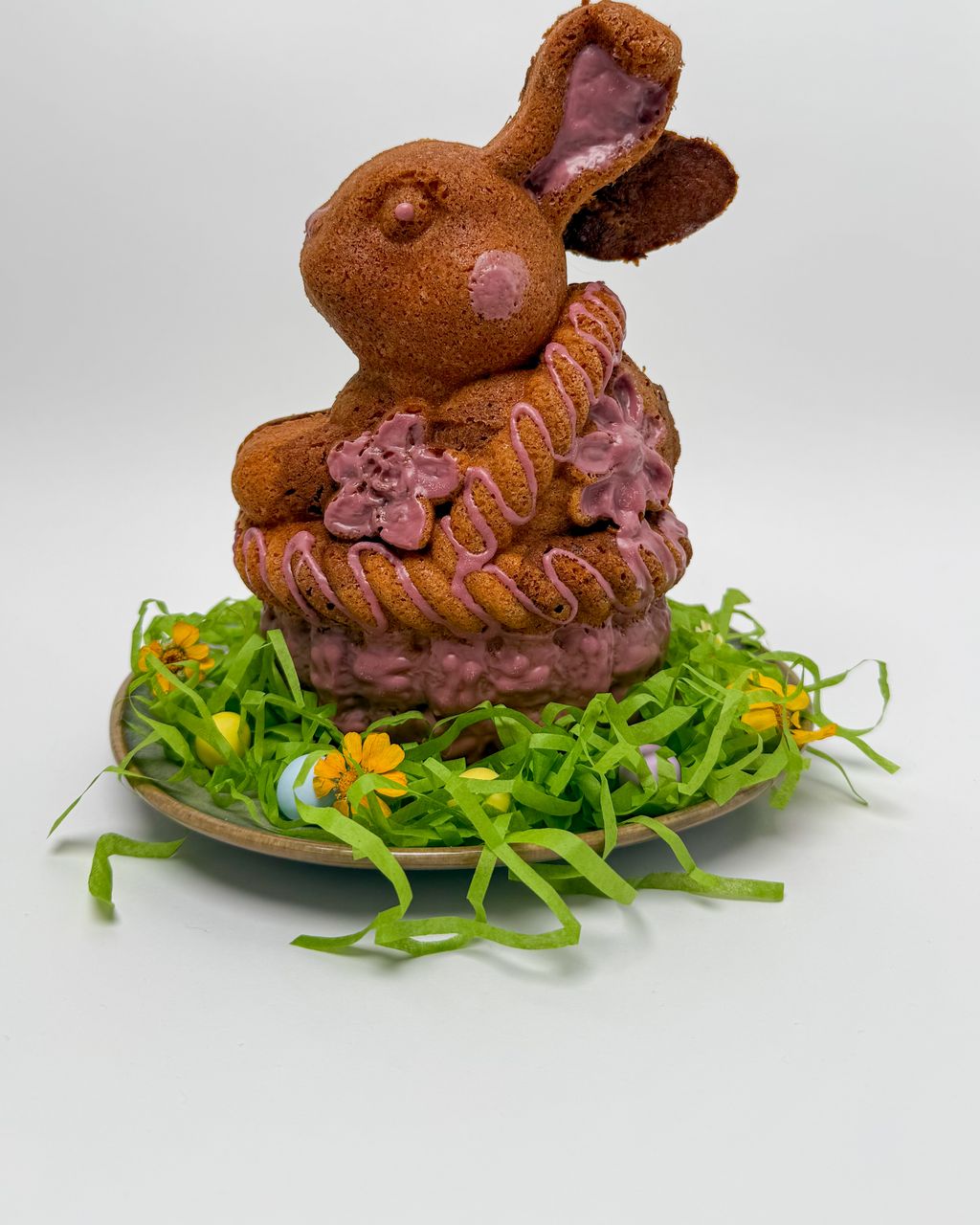
Easter marble bunny cake with brown butter and strawberries
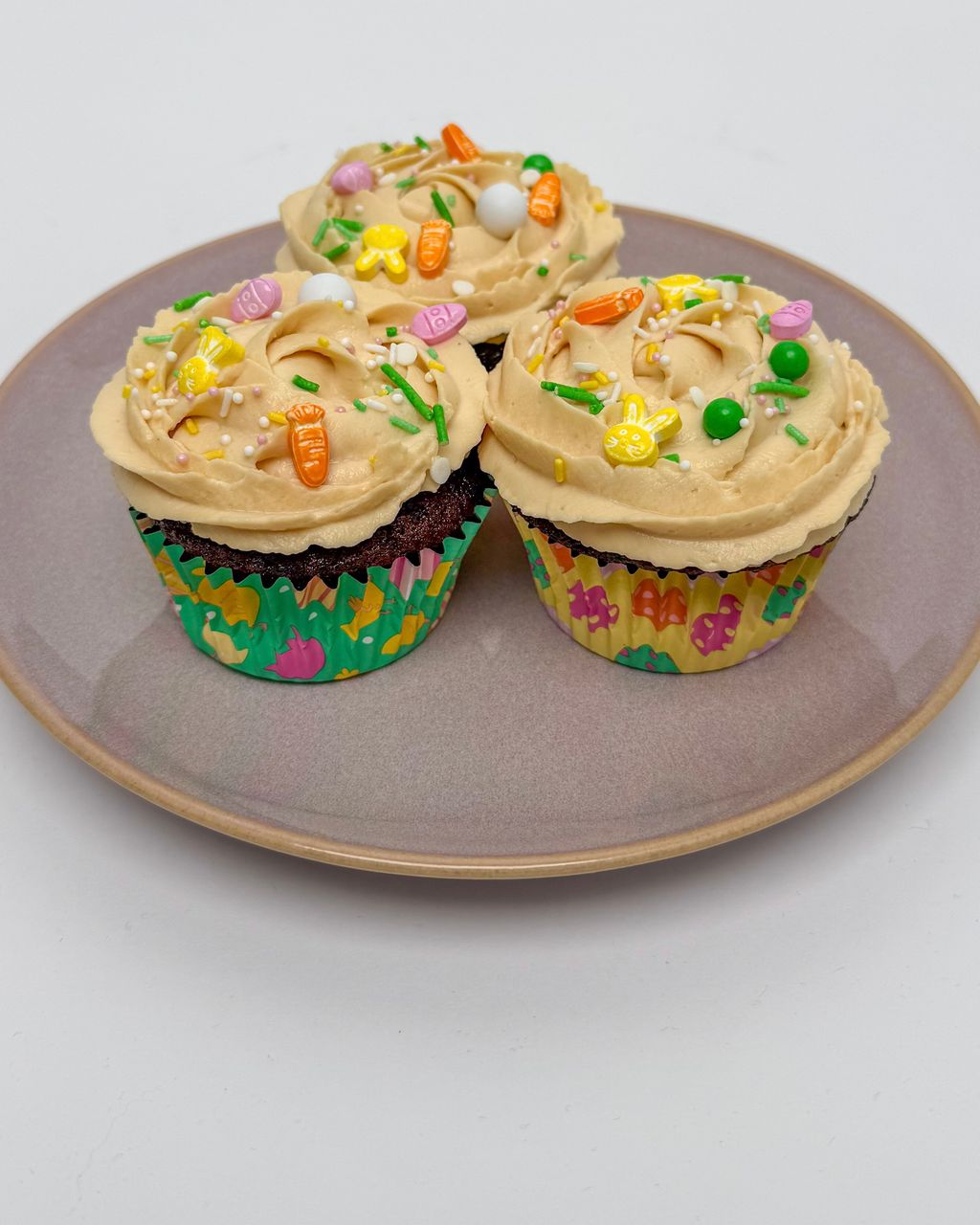
Chocolate cupcakes with salted caramel cream
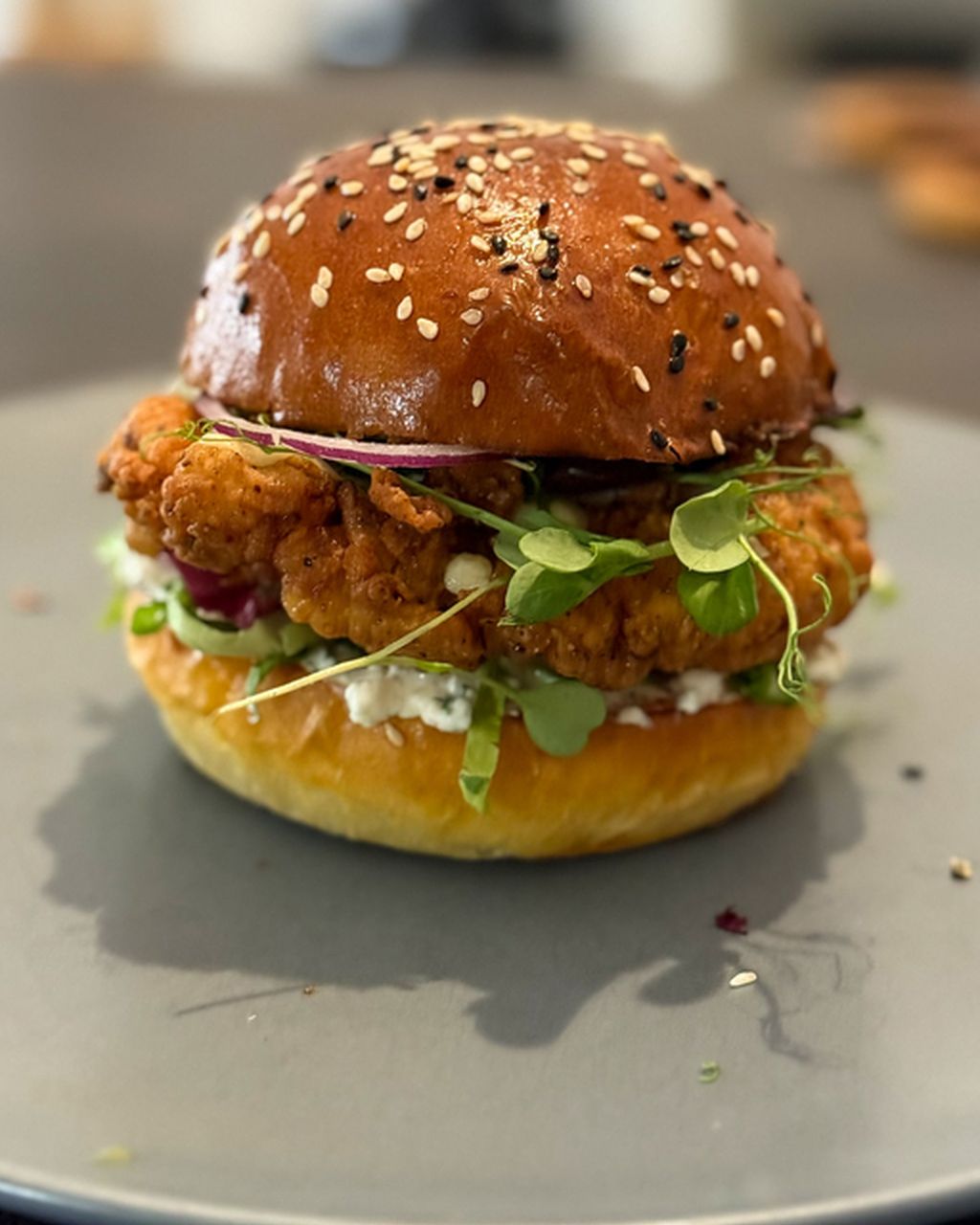
Crispy chicken burger in a homemade bun
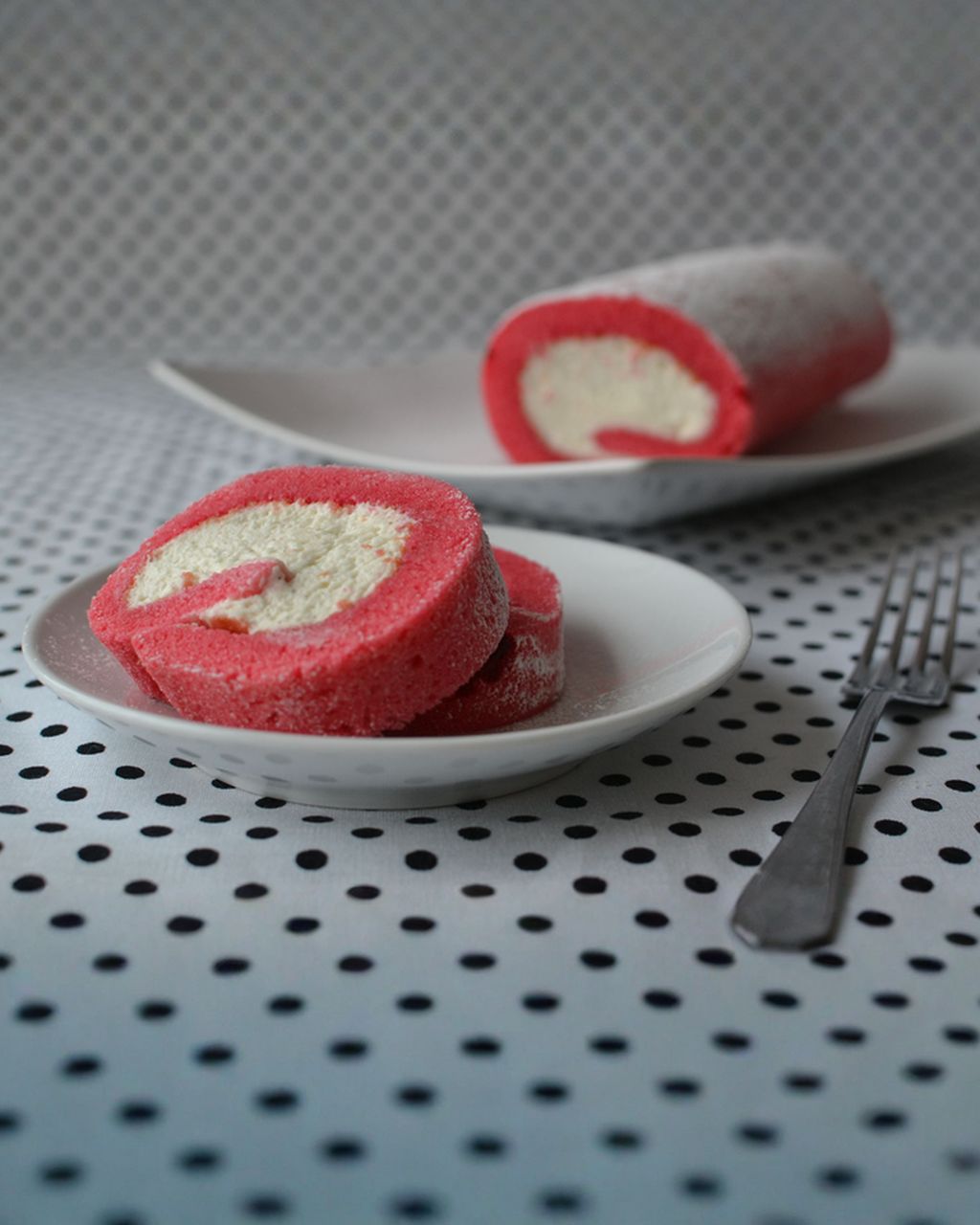
Fluffy pink swiss roll with quark cream filling
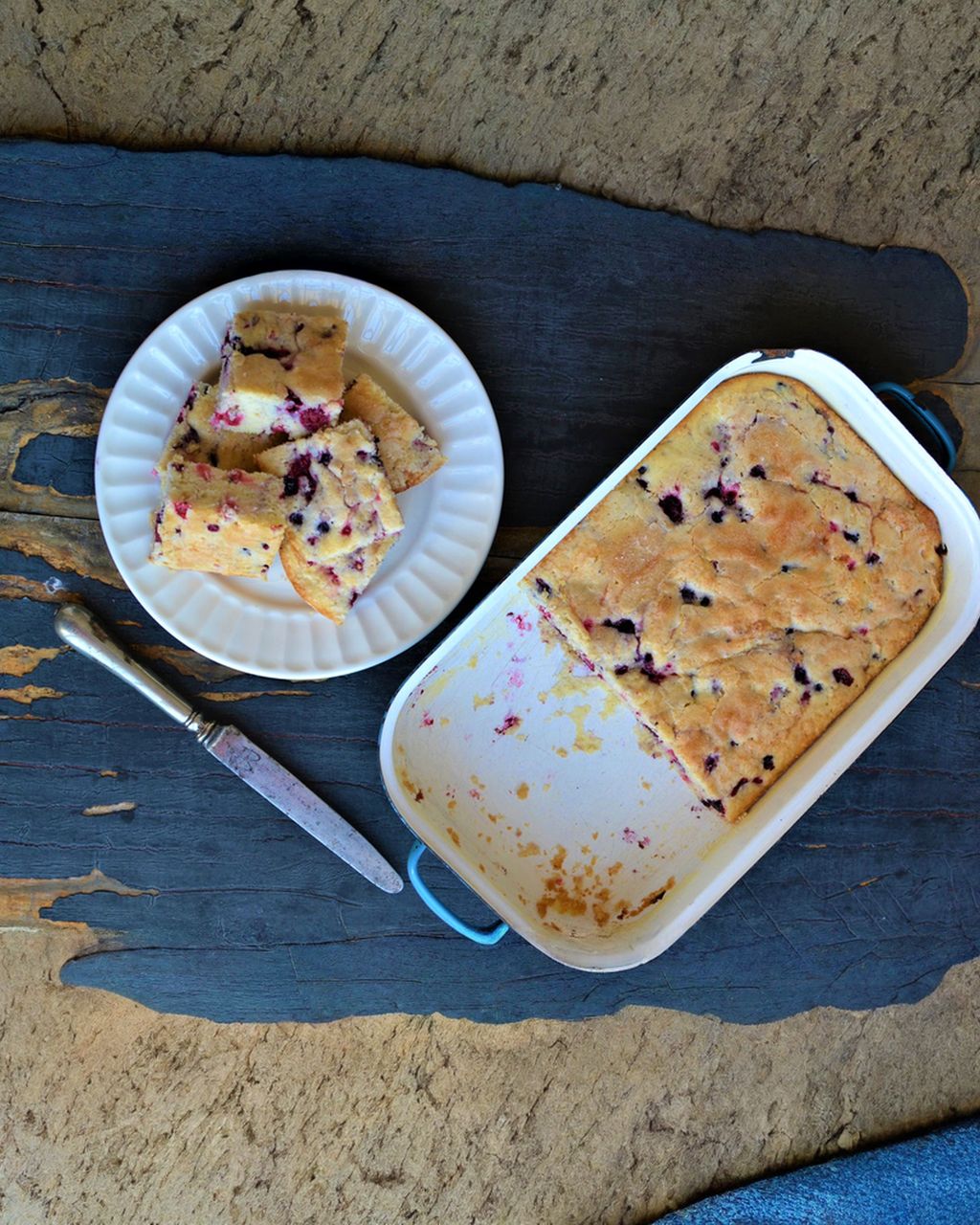
Buttermilk breakfast bublanina with mixed berries
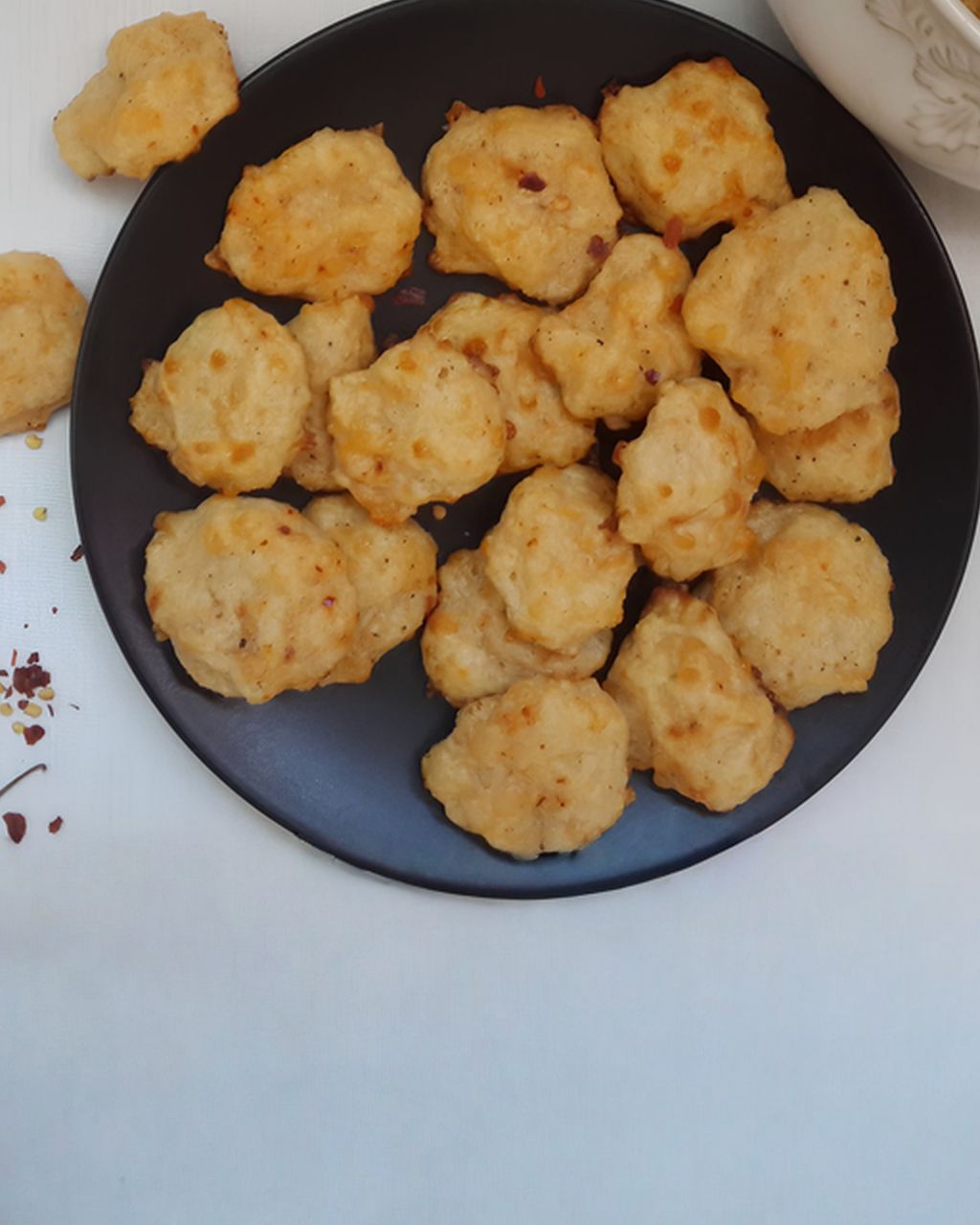
Cheddar and chilli bites
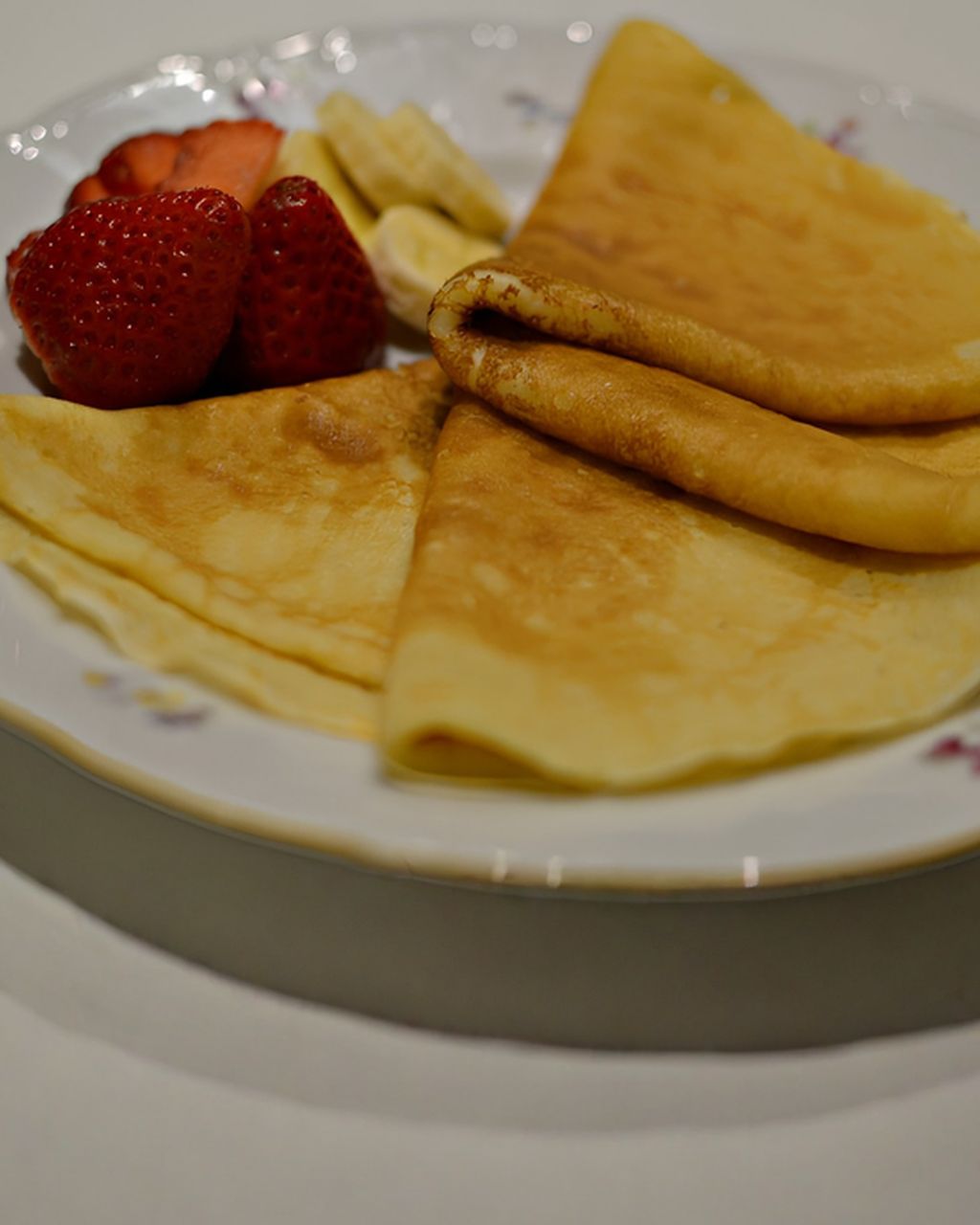
Easy buttermilk pancakes
Buttermilk is the liquid left when cream is churned into butter: the milk fat becomes butter and what remains is thin buttermilk with little fat. Cultured buttermilk is made when this buttermilk, on its own or mixed with milk, is soured with dairy cultures. That is also how Czech Decree No. 397/2016 defines it. It is sold chilled, usually with 0.5–1 % fat. It tastes fresh and sour, like kefir but thinner and milder. It is drunk on its own, and in the kitchen it goes mainly into batters and doughs, where its acidity reacts with baking soda.
Cultured buttermilk is fresh and tangy, lightly creamy and faintly buttery. It is milder and less prickly than kefir and thinner than yogurt. In a batter its flavour almost disappears, leaving only a light tang.
Seasonal baking plans, tested recipes and kitchen tricks that save you time. Unsubscribe in one click.
4 min read
When cream is churned, the milk fat clumps into butter and separates from the liquid. That liquid is buttermilk: water, milk sugar, protein and only a little fat. Cultured buttermilk is made by souring buttermilk with lactic acid bacteria, which turn lactose into lactic acid, so the buttermilk thickens and gains its tang.
Czech Decree No. 397/2016 defines buttermilk as a dairy product arising as a by-product of butter making, and cultured buttermilk as a product made by fermenting buttermilk or a mix of buttermilk and milk, not heat-treated after fermentation. Its cultures therefore stay alive; the decree requires at least 10⁶ CFU of lactic acid bacteria per gram in cultured dairy products.
Buttermilk straight from the churn is sweet, not sour, when the butter was churned from sweet cream. Shops sell almost only cultured buttermilk, because its flavour is consistent and it keeps longer. English recipes that say buttermilk mean cultured buttermilk; in the US, however, it is made by souring skimmed milk rather than from buttermilk.
All three are cultured dairy products; they differ in base and culture. Buttermilk is made from buttermilk, kefir from milk with a kefir culture that also carries out a slight alcoholic fermentation, and acidophilus milk from milk with Lactobacillus acidophilus. Kefir is thicker and more prickly, acidophilus milk milder.
In baking they can be swapped 1 : 1; all are acidic enough to react with baking soda.
Buttermilk is in a recipe mainly for its acid. It reacts with baking soda, releasing carbon dioxide that makes the batter rise. As a guide, use ½ teaspoon of baking soda per 250 ml of buttermilk. Bake straight away, or the bubbles escape.
That is how easy buttermilk pancakes, buttermilk breakfast bublanina and a marble bundt cake with buttermilk work. In recipes leavened only with baking powder, buttermilk mainly adds moistness and a light tang.
The quickest substitute is milk soured with lemon juice or vinegar: put 1 tablespoon (15 ml) of acid in a jug, top up with milk to 250 ml and leave for 10 minutes. Use kefir or acidophilus milk 1 : 1, or plain yogurt thinned with milk 3 : 1.
Plain milk without acid will not replace buttermilk in a recipe with baking soda: the soda has nothing to react with, the batter does not rise and it can taste soapy. All ratios, including a vegan option, are in our article on buttermilk substitutes.
Mildly acidic buttermilk is used to soak chicken before frying, as in the crispy chicken burger in a homemade bun. Marinate the meat in the fridge for at least 4 hours, or overnight, and then discard the marinade that held raw meat.
Unopened cultured buttermilk keeps in the fridge until the use-by date on the pack; shelf life is short and varies by producer. Once opened, use it as soon as possible; producers state, for example, within 48 hours. If it smells bitter, mouldy or yeasty, or the pack is bloated, throw it away.
Do not give buttermilk made from unpasteurised cream, such as farm buttermilk, to pregnant women, young children, older people or anyone with weakened immunity, just as with raw milk. Shop buttermilk is made from pasteurised ingredients.
According to labels, cultured buttermilk has about 40 kcal, around 1 g fat, 3.3–3.5 g protein and 4.5 g milk sugar per 100 g. It contains lactose and milk protein, so it is not suitable for a milk allergy; with lactose intolerance it depends on how much a person tolerates.
Buttermilk is as old as butter making. In the countryside, cream was left to sour naturally before churning, so buttermilk was sour and drunk as a refreshing drink. With industrial butter making from sweet cream, dairies began culturing buttermilk with pure cultures to give it a consistent flavour and thickness.