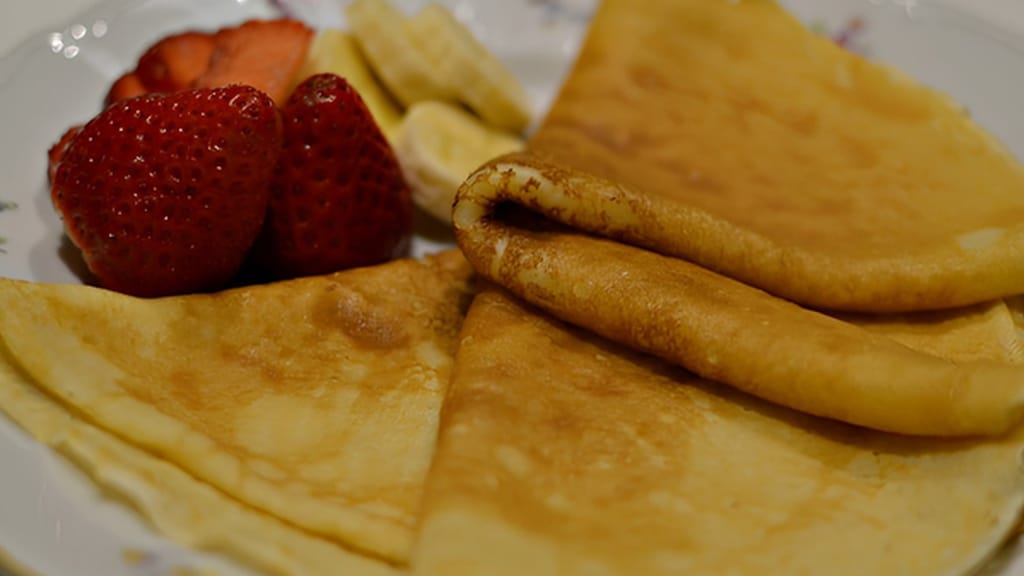
Easy buttermilk pancakes
Make-Ahead Crêpes: How Long Batter and Cooked Crêpes Keep, and How to Freeze Them
Updated Nov 17, 2026
Crêpe batter made with eggs and milk keeps 1–2 days in the fridge (a cautious estimate). Cooked crêpes keep about 2 days in the fridge (per the UK's FSA) and about 2 months at best quality in the freezer at −18°C (0°F) (per the USDA FSIS). Palačinky (thin Czech crêpes) are one of the best make-ahead foods there is: cook once, eat three times. Below you'll find how to store the batter, how to layer and freeze crêpes so they don't stick together, what applies to lívance (small Czech pancakes), and how to reheat them so they're soft again, not rubbery.
In short: batter 1–2 days in the fridge, cooked crêpes 2 days in the fridge, about 2 months in the freezer. In more detail, and with who says what:
Raw batter (eggs + milk), fridge: 1–2 days. The USDA FSIS gives raw egg yolks and whites on their own 2–4 days in the fridge; for batter, where milk and flour are added to the egg, stay at the lower end.
Batter or cooked crêpes at room temperature: 2 hours at most, then into the fridge (USDA FSIS). For cooked crêpes, the UK's FSA advises refrigerating them within 1–2 hours of cooking.
Cooked crêpes, fridge: up to 48 hours according to the UK's FSA; the USDA FSIS gives cooked leftovers 3–4 days at 4°C (40°F) or below.
Cooked crêpes, freezer (−18°C / 0°F): about 2 months at best quality according to the USDA FSIS. They stay safe for longer, but lose flavor and dry out.
After thawing in the fridge: use within 24 hours (FSA).
According to the FSA, the fridge should be at 0–5°C (32–41°F). If yours is set to "five" and you open the door often, count on a shorter time.
Seasonal baking plans, tested recipes and kitchen tricks that save you time. Unsubscribe in one click.
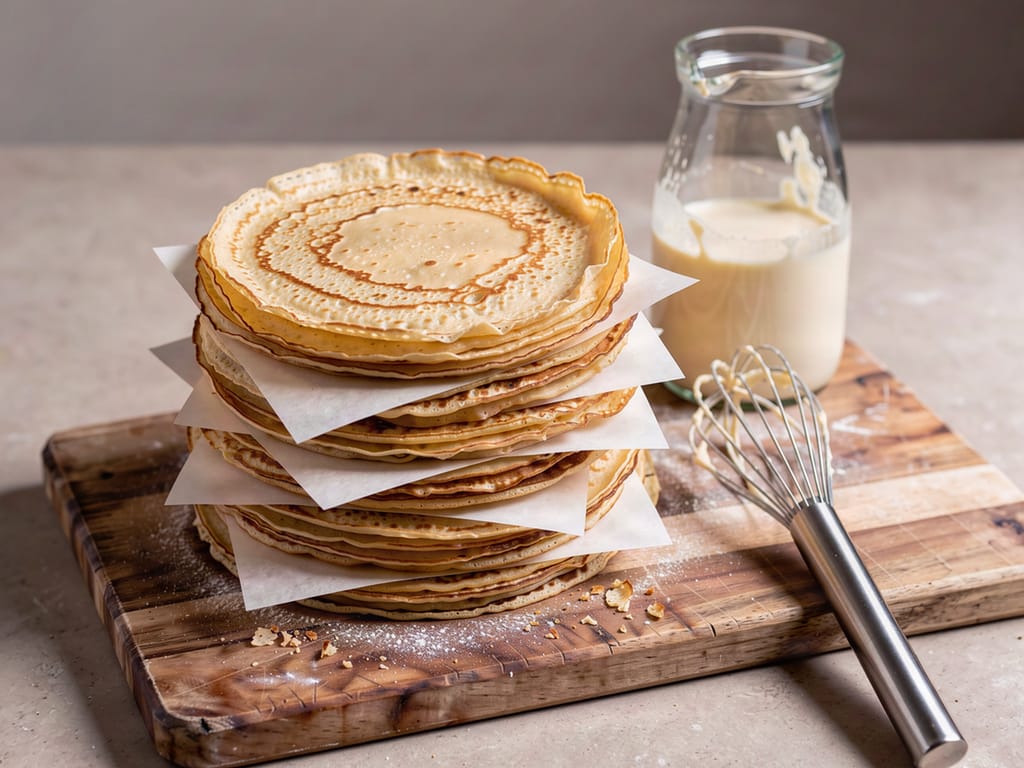
You can happily make crêpe batter in the evening and cook in the morning. Just keep it in a covered container in the fridge and use it within 1–2 days (a cautious estimate derived from the USDA FSIS guidance on raw eggs, see the overview above). Resting even does the batter good: the flour hydrates fully, the gluten relaxes, and the crêpes come out thinner and more supple, and tear less.
What to do with batter after a night in the fridge:
Stir it. The flour sinks to the bottom and liquid separates on top. A whisk brings it back together in a few seconds.
Thin it out. The hydrated flour thickens the batter. Add a tablespoon or two of milk until it flows like thick cream again.
Let it take the chill off. Ice-cold batter cooks unevenly on a hot pan. It's enough to let it stand while the pan heats up, no longer.
The best container is a pitcher with a lid, or a bottle. From a bottle you can pour the batter straight into the pan, nothing drips, and the batter doesn't pick up fridge smells.
You can try this with easy buttermilk crêpes. Buttermilk gives the batter a gentle tang, so after a night in the fridge it smells slightly sour from the start. Watch for bubbling and a sharp, musty smell rather than the mere tanginess.
Easy buttermilk pancakes
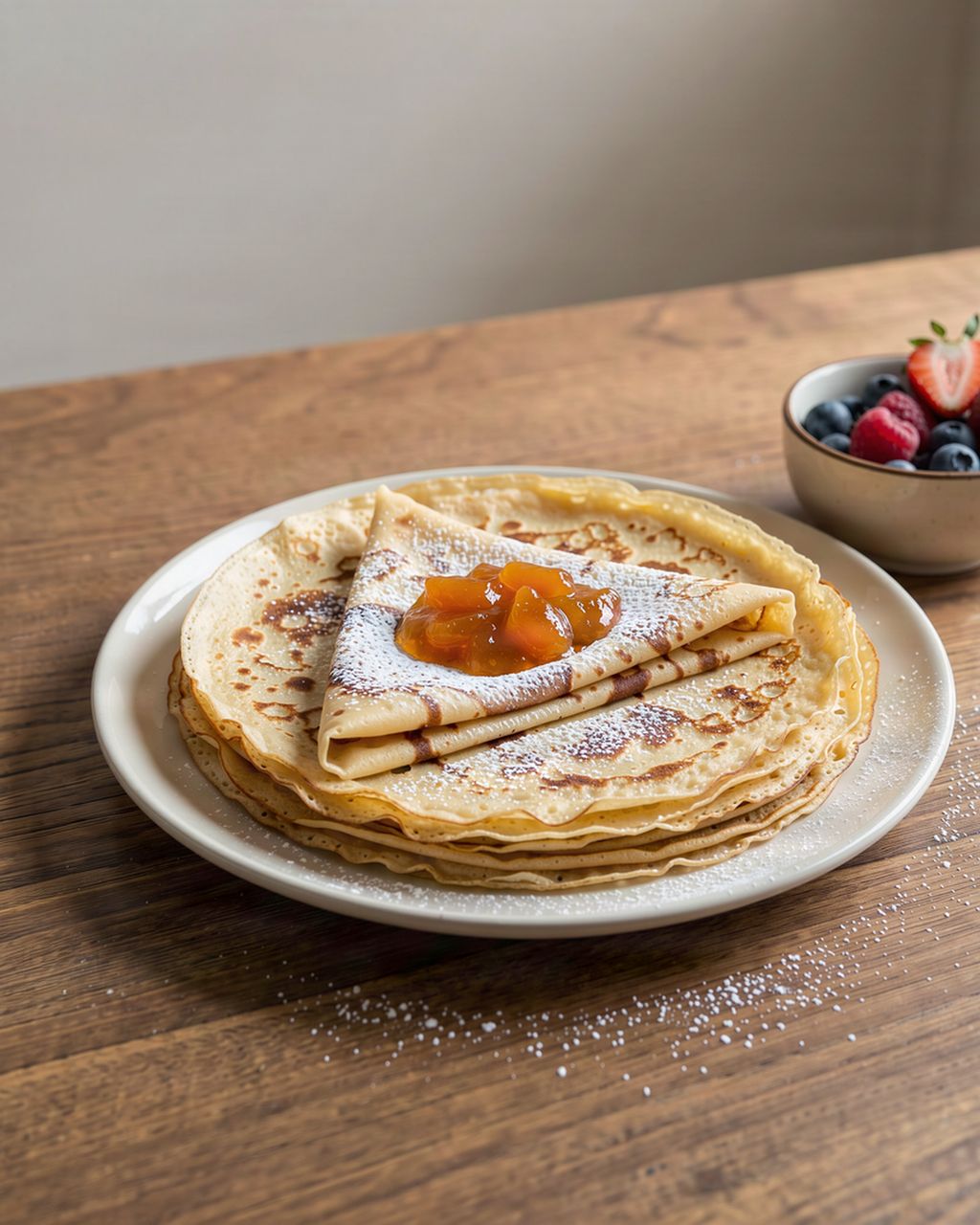
Easy buttermilk crêpes: a batter you can happily make in the evening
Eat cooked crêpes within 2 days. That's what the UK's FSA gives leftover cooked food; the US USDA FSIS is more lenient and says 3–4 days at 4°C (40°F) or below. If you won't get to them by then, freeze them right away, not on day four.
To keep them from drying out or absorbing odors in the fridge:
Let them cool, but not for long. Into the fridge within 2 hours of cooking (USDA FSIS). Spread them on a plate or rack so the steam escapes, otherwise they steam in the container and stick together.
Layer them with parchment paper, even if they're only going in the fridge. The next day you can separate them one by one and nothing tears.
Container or bag, with as little air as possible. The edges of crêpes dry out first and start to crack.
Filled crêpes keep for less time and not as well. Quark or fruit releases juice and the crêpe turns soggy. Store them separately and fill them just before eating.
You freeze crêpes in five steps: cool, layer, wrap, flatten, label.
Cool. Spread the cooked crêpes out side by side so they aren't warm. Warm ones steam in the bag, frost over in the freezer and stick together.
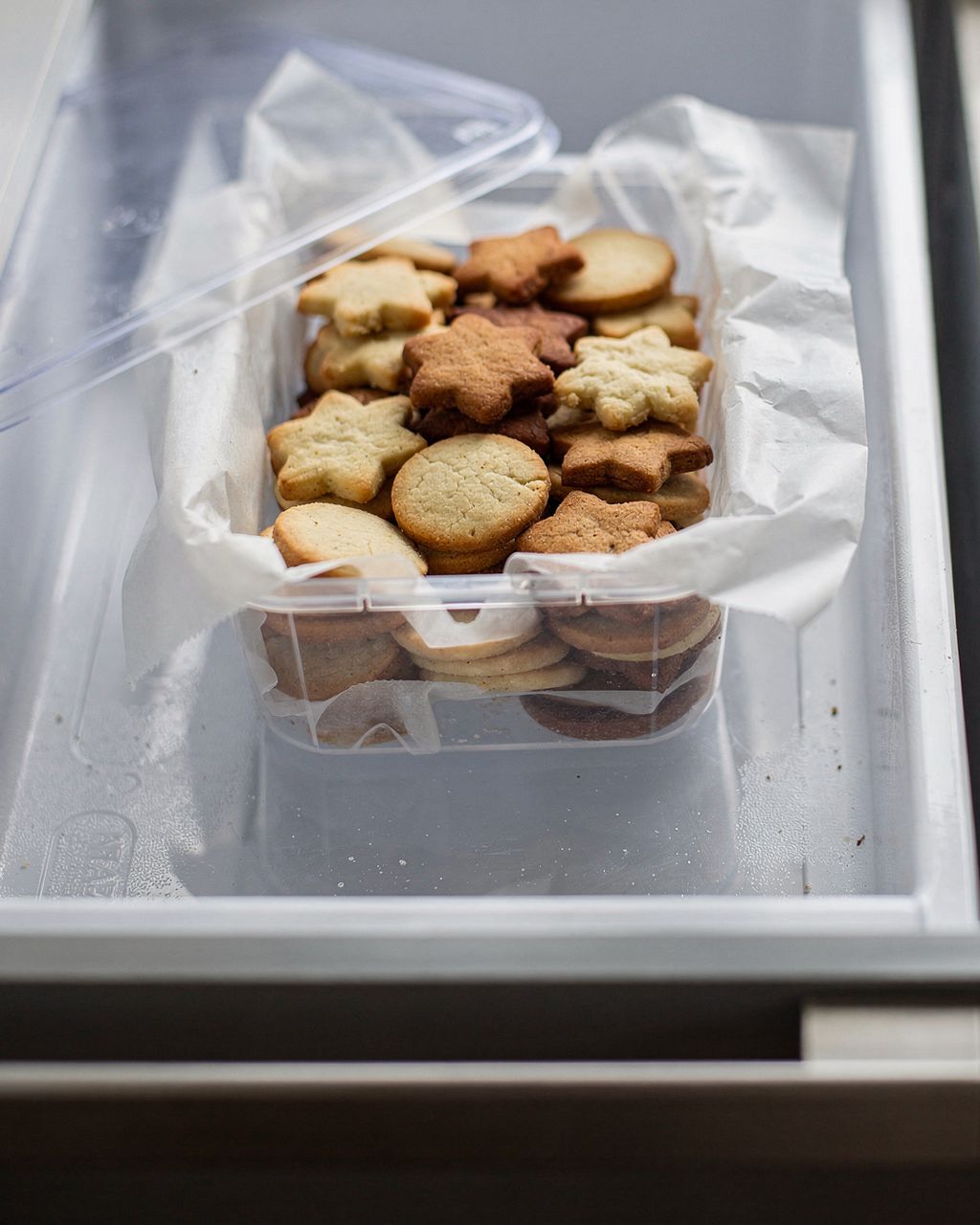
Layer. Put a square of parchment paper between each crêpe. That way you can later pull out exactly three, not a whole frozen block.
Wrap. Put the stack in a freezer bag and press out as much air as you can. Air in the bag means dried-out edges and a freezer taste.
Flatten. Lay the bag flat until it freezes. A flat package takes up less space and thaws faster.
Label. Write the date on the bag. According to the USDA FSIS, frozen crêpes keep their best quality for about 2 months at −18°C (0°F).
Freeze crêpes unfilled. Quark releases water and changes texture after thawing, whipped cream collapses, and fresh fruit turns watery. The exceptions are thick fillings that stand up to freezing, such as plum butter (povidla), jam or chocolate-hazelnut spread.
Thin, properly cooked crêpes with enough fat in the batter freeze best. Thicker American pancakes freeze the same way, just wrap them in smaller stacks.
You freeze lívance (small Czech pancakes) exactly like crêpes: cook, cool, layer with paper, wrap without air. The same USDA FSIS and FSA times above apply too. With lívance, though, it matters more what leavens the batter, and that determines whether it makes sense to store the batter:
Baking powder, or baking soda with buttermilk: the reaction that makes the bubbles starts right after mixing. The batter won't spoil overnight in the fridge, but the lívance won't rise as much. So cook all the batter at once and freeze the cooked lívance.
Yeast (yeasted lívance): in the fridge it keeps rising slowly and the flavor deepens, so an evening batter is just right for the morning. Because of the egg and milk, though, the same 1–2 day limit applies as for crêpe batter.
Freezing the batter: possible, but not worth it. The leavening wakes up reluctantly after thawing and the lívance come out flat. If you try it anyway, thaw the batter in the fridge and use it within 24 hours (FSA).
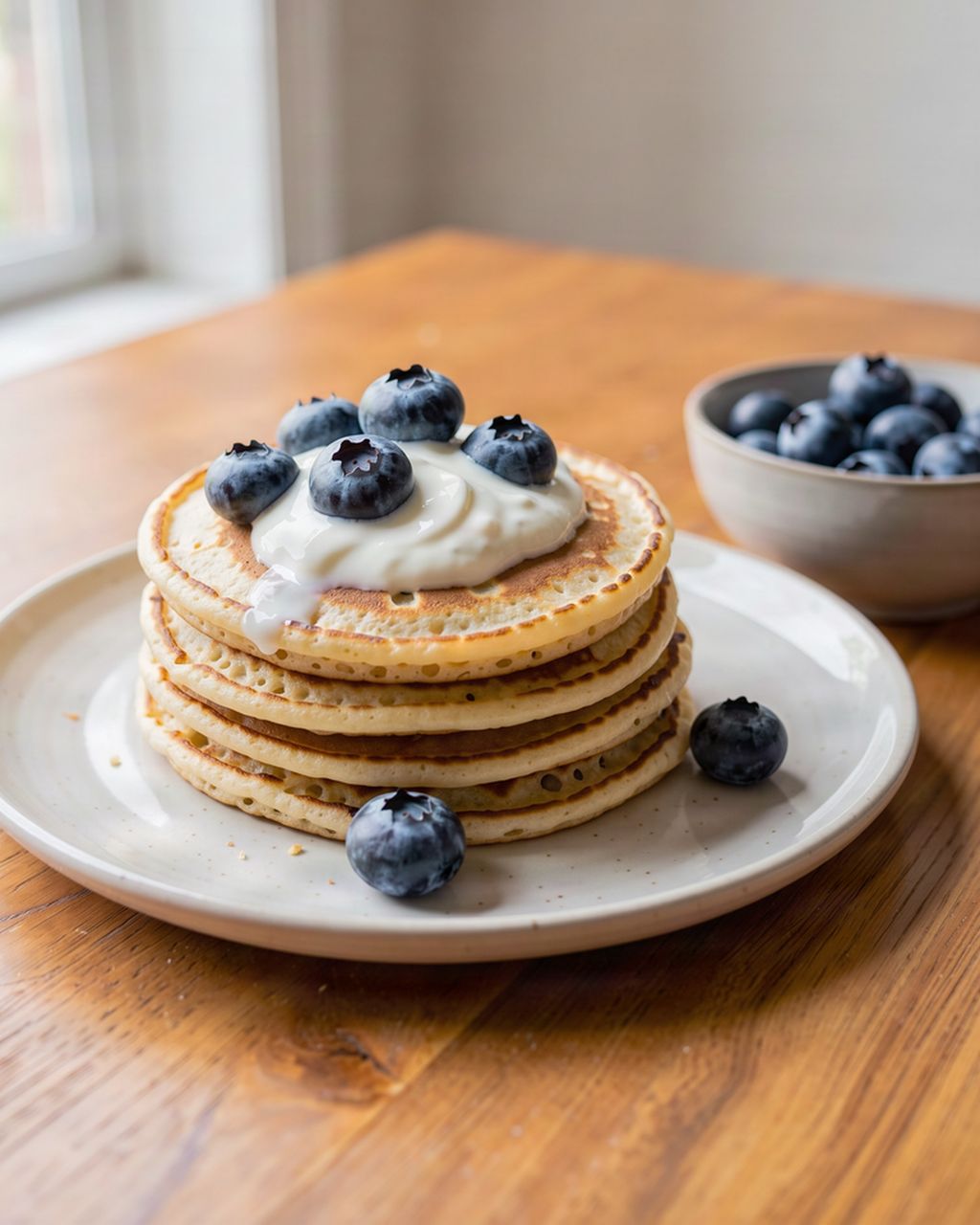
Lívance with fruit inside, such as lívance with Greek yogurt and blueberries, can be frozen. Blueberries release a little juice after thawing, but in a warm lívanec that doesn't matter. If you bake gluten-free, you'll find a recipe and tricks for fluffiness in the article on gluten-free lívance. Store them the same way, though they tend to be more delicate, so always layer them with paper.
The best way to reheat crêpes is briefly in a pan with a little butter. In the microwave, cover them with a damp paper towel; in the oven, wrap them in aluminum foil. What makes them rubbery and dry is long, dry reheating, not the fridge or the freezer.
Pan: melt a little butter over medium heat, lay the crêpe in the pan and flip it after 20–30 seconds. The edges crisp up lightly and the center stays tender.
Microwave: cover the stack with a dampened paper towel and heat in 20–30 second bursts, checking between rounds. Steam from the towel keeps the crêpes soft. Heating for a long time in one go turns them into shoe leather.
Oven: for larger amounts. Wrap the stack in aluminum foil so it doesn't dry out and heat it at 150–160°C (300–325°F) for 10–15 minutes.
From the freezer you don't need to thaw anything. According to the USDA FSIS, it's safe to reheat food straight from frozen, and a thin crêpe in a pan thaws and heats through in no time. Lívance and American pancakes also do fine in a toaster. If you thaw ahead, do it in the fridge, not on the counter, and eat them within 24 hours (FSA).
According to the USDA FSIS, leftovers should be reheated to 74°C (165°F) all the way through. For crêpes with a savory filling (meat, cheese, fish), pay special attention to this: cover and use gentle heat, rather than just browning the surface.
From a stash of crêpes you can make three dishes: baked crêpes, savory crêpes for dinner, and sweet filled ones at the last minute.
Baked crêpes: fill the leftover crêpes, roll them up, arrange them in a baking dish and bake. This is ideal for day-old crêpes, as the oven makes them tender again.
Savory crêpes for dinner: for example with dill and trout. Unsweetened crêpes are stored and frozen in exactly the same way; just label the bag so you don't spread jam on them in the morning.
Sweet filled crêpes at the last minute: heat a few crêpes in a pan, fill them, and you have a dessert that tastes freshly made. In the fall, try it with pumpkin and salted caramel.
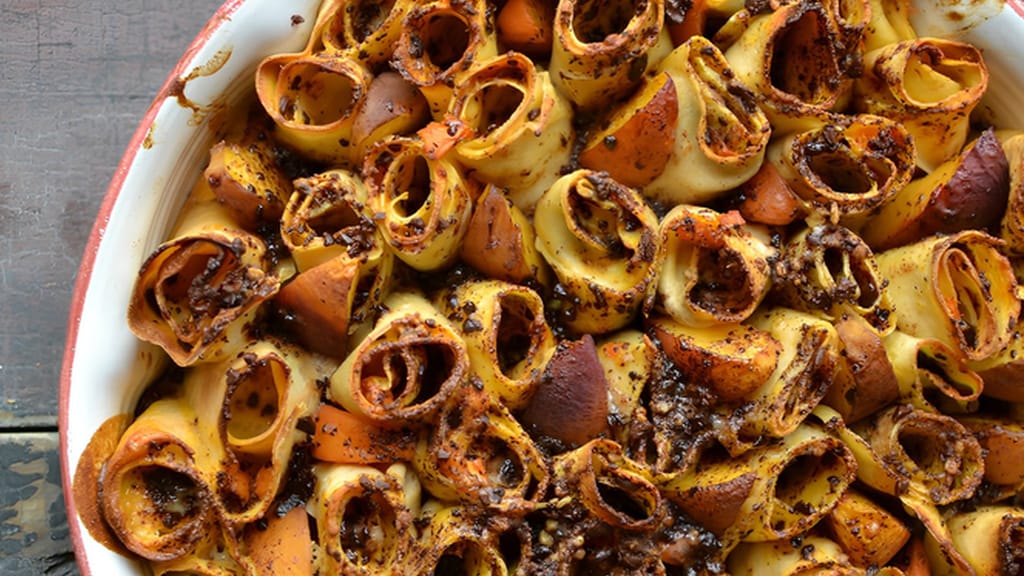
Baked pancakes with fruit and lučina cream cheese
Baked crêpes with fruit and lučina (a Czech soft cream cheese): ideal for day-old crêpes

Savory dill crêpes with marinated trout
Savory crêpes with dill and trout for dinner
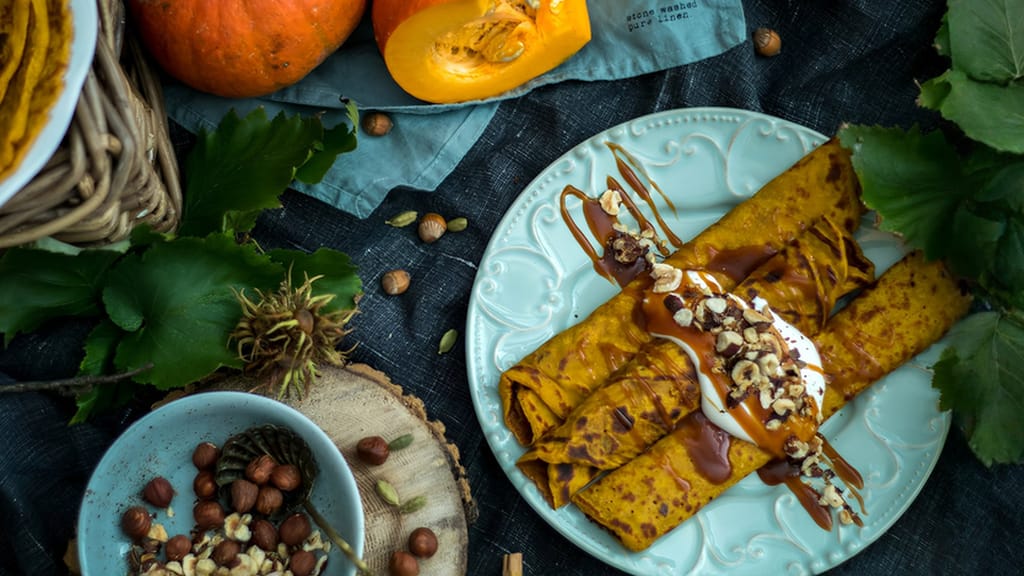
Pumpkin pancakes with salted caramel
Pumpkin crêpes with salted caramel
No. Crêpe batter made with eggs and milk belongs in the fridge overnight. According to the USDA FSIS, it shouldn't sit at room temperature for more than 2 hours. Keep it in a covered container in the fridge and use it within 1–2 days.
Spoiled crêpe batter smells sharply sour or musty and bubbles or foams on its own, even though there's no yeast in it. If so, pour it out, even if it has been in the fridge for less than 1–2 days. Just one of those signs, such as the smell, is enough: don't put the batter in the pan.
Yes, you can freeze crêpe batter, but cooked crêpes stand up to freezing better. Freeze the batter in a sealed container or bag, thaw it in the fridge and use it within 24 hours, as the UK's FSA advises. Liquid usually separates after thawing, so whisk the batter thoroughly before cooking.
According to the USDA FSIS, crêpes thawed in the fridge can be refrozen, though they lose some quality and dry out more. If they thawed on the counter or in the microwave, don't refreeze them. Eat them right away. The UK's FSA advises using thawed food within 24 hours and reheating it only once, so the safest approach is to take out of the freezer only as many as you'll eat.
You can freeze filled crêpes, but only with a thick filling such as plum butter (povidla), jam or chocolate-hazelnut spread. Quark (tvaroh, a Czech fresh curd cheese), whipped cream and fresh fruit turn watery after thawing and change texture. The safer choice is to freeze the crêpes unfilled, layered with parchment paper.
One recipe worth heating the oven for, one tip, and one deal from the shop. Nothing else.