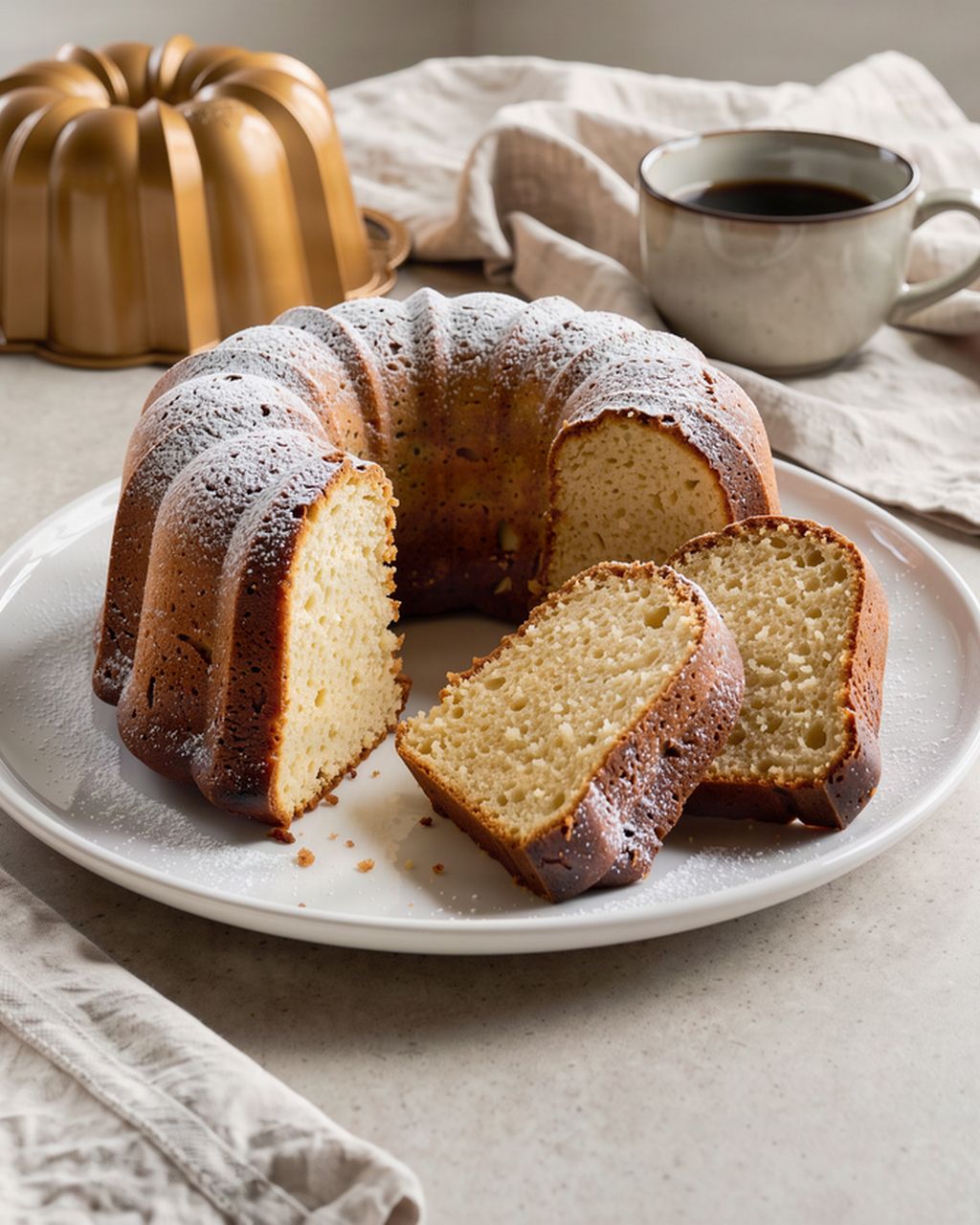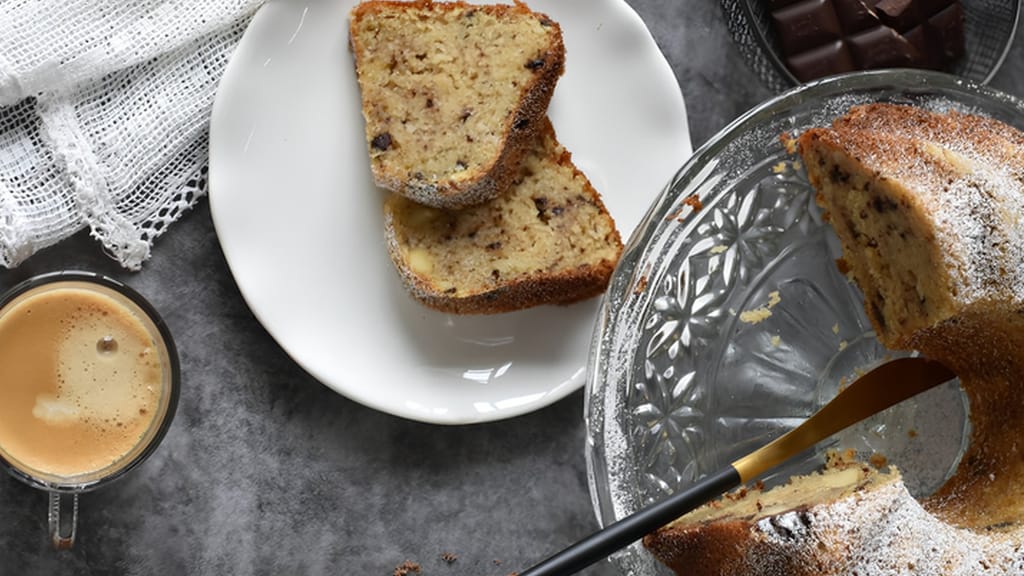
Two-fifty curd cheese bundt cake with chocolate and almonds
Bundt Cake (Bábovka): Classic, Quark, Marble and Christmas Recipes
Updated Nov 20, 2026
A bábovka (Czech bundt cake) turns out well when you stick to three things: ingredients at room temperature, brief mixing once the flour goes in, and a pan that's carefully greased and dusted. The base is almost always the same – eggs, sugar, fat, flour and baking powder – and whether you end up with a quark, marble, whipping cream or Christmas bábovka depends on what you add to that base. Below you'll find the ratios, a step-by-step method, all the favorite variations with links to tested recipes, and advice on keeping the cake moist for several days.
A classic creamed bábovka rests on a simple ratio: roughly equal weights of fat, sugar and flour, plus four eggs and baking powder. For a standard pan (about 22–24 cm), that means about 250 g of each main ingredient. You may know this ratio from English pound cake or French quatre-quarts, and it works because the fat, sugar and eggs form an emulsion that holds air, which the flour then sets.
The method has five steps that repeat in almost every recipe:
Preheat the oven (usually to 160–180°C / 320–350°F) and prepare the pan – grease it with fat and dust it with flour.
Beat the fat with the sugar, or the eggs with the sugar, into a pale, fluffy foam. This is where you work air into the batter, so don't skimp on time.
Beat in the eggs one at a time so the emulsion doesn't split.
Fold in the flour mixed with the leavening, alternating with a liquid (milk, buttermilk, sour cream, yogurt). Mix only until the dry spots disappear.
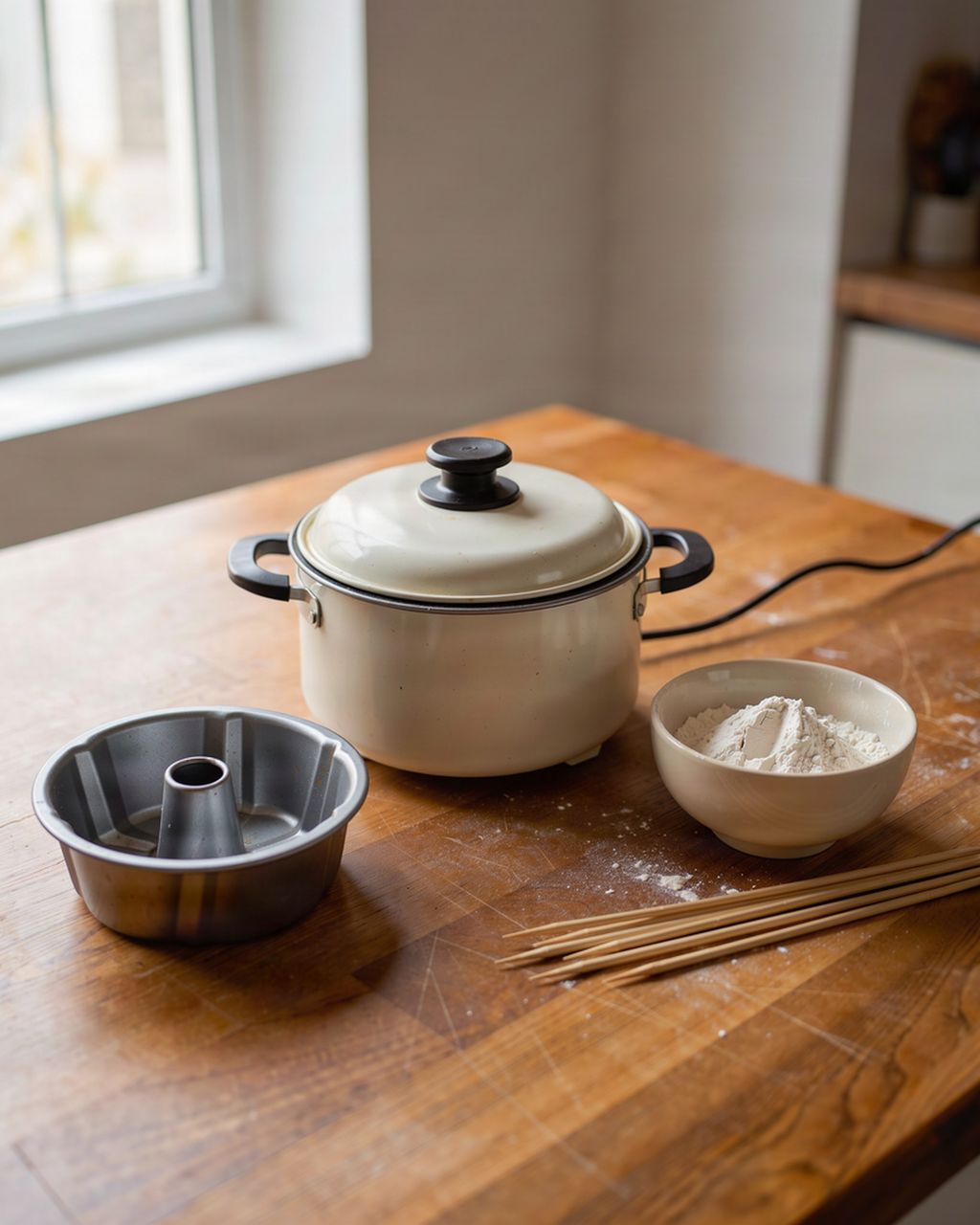
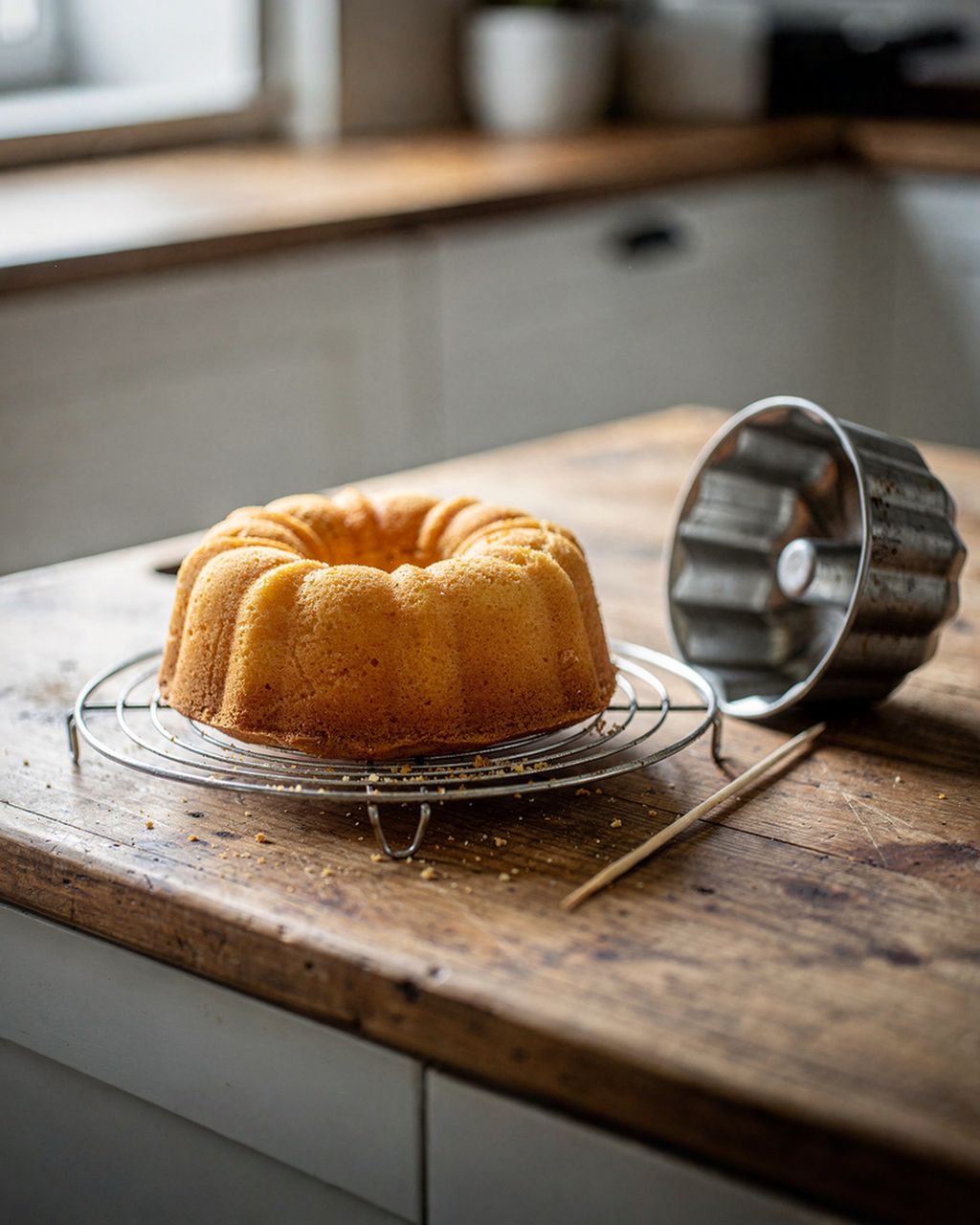
Pour the batter into the pan and bake. Check doneness with a skewer pushed into the highest point – it should come out dry.
The most common mistake is overmixing in step four. As soon as flour meets liquid, gluten starts to form, and the longer you mix, the tougher and more rubbery the cake gets. That's why many recipes say at this point: "put the mixer down and pick up a spatula."
The second thing recipes often leave out is ingredient temperature. Cold eggs straight from the fridge make creamed butter seize into clumps, and the emulsion stops holding air. Take them out at least an hour ahead, along with the butter and dairy.
How to soften gingerbread that’s gone hard, when to fill Linzer cookies and how to tell the carp is done. One recipe and one tip a week. Unsubscribe in one click.
A moist bábovka comes mainly from moisture in the batter and a bake that's not too long. Specifically, these help:
A soured dairy ingredient – buttermilk, sour cream or yogurt. They bring moisture, and their acidity softens the texture of the crumb.
Some oil in place of butter. Butter gives flavor, while oil stays liquid even after cooling, so the cake doesn't seem dry even the next day. Many good recipes combine both.
Not overbaking. Check with a skewer five to ten minutes earlier than the recipe says; every oven bakes differently.
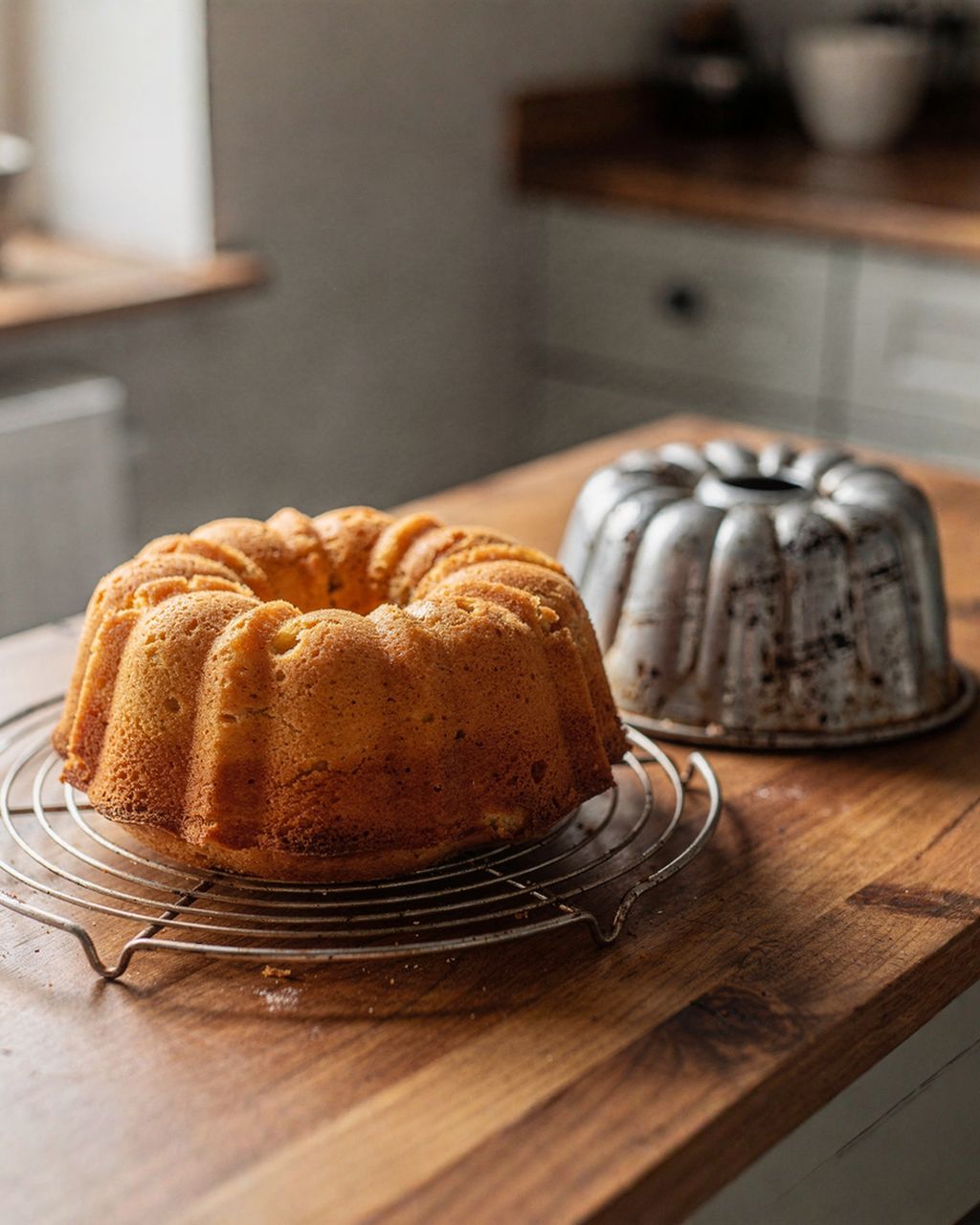
Letting it rest in the pan for 10–15 minutes, then turning it out onto a rack. A hot bábovka is fragile, but if you leave it in the pan too long it steams.
Slicing it only once it's cool. Hot crumb gets squashed under the knife and loses the steam you want to keep inside.
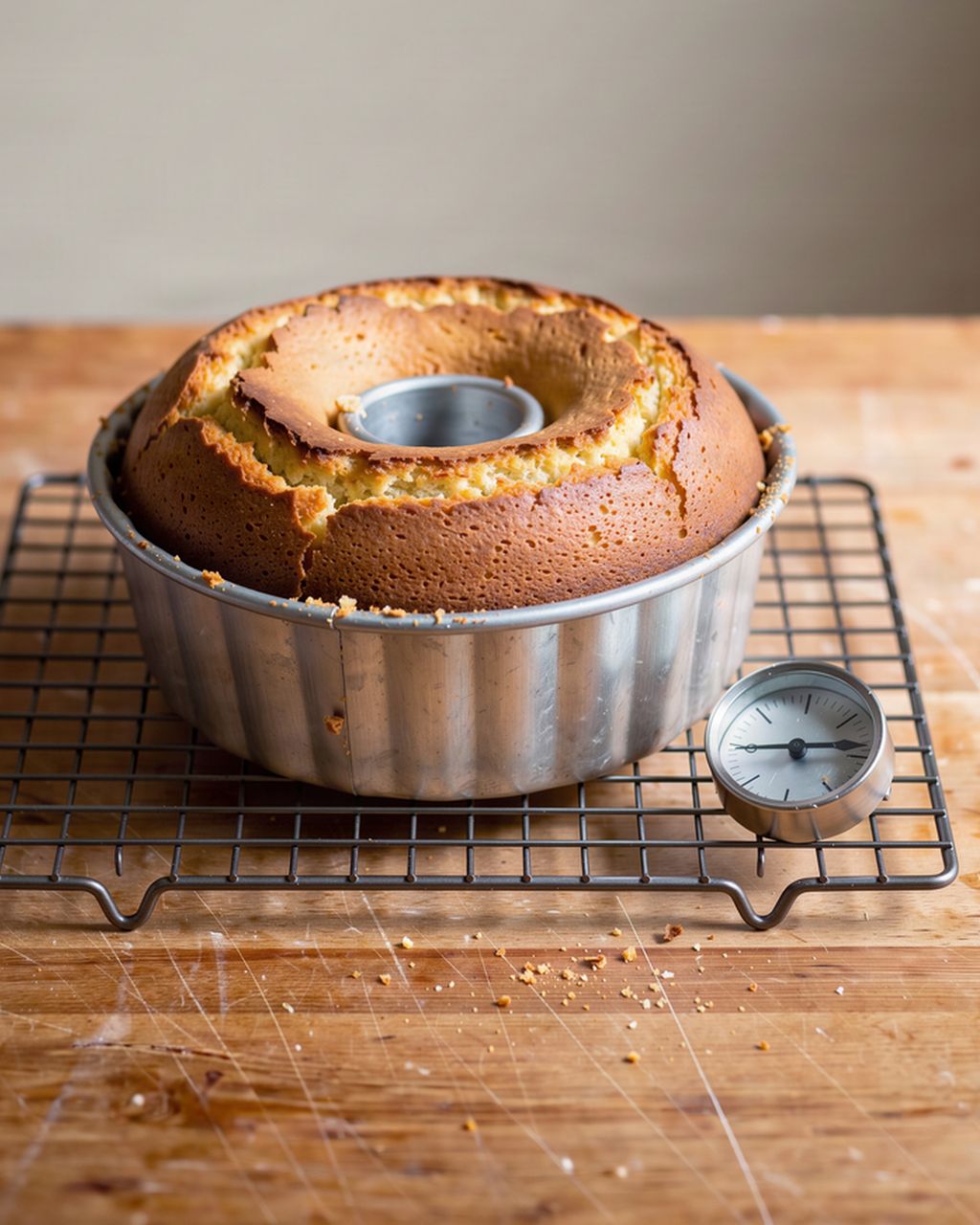
If your bábovka still cracks on top or sinks, you'll find the causes and fixes in the article Why bábovka cracks, bulges or doesn't rise. A crack on top isn't a flaw in itself, though – it's where steam escapes when the surface sets before the center.
You can bake a bábovka with either all-purpose (plain) flour (Czech hladká) or semi-coarse flour (Czech polohrubá, slightly grittier than all-purpose), and both work. All-purpose flour is more finely milled, gives a smoother, finer crumb, and is the most common choice for a traditional creamed bábovka with butter and buttermilk. Semi-coarse flour has a coarser grain, so the batter is a little rougher and less smooth and the crumb slightly more crumbly – it suits batters with a lot of moisture, such as quark or grated zucchini.
In practice you can swap one for the other in the same amount. You'll notice the difference in texture rather than in whether the cake succeeds. Semi-coarse flour (or fine semolina) is also excellent for dusting the pan, because it doesn't bake into clumps as easily as all-purpose flour.
A creamed bábovka rises thanks to the air whipped into the fat and eggs plus baking powder, while a yeasted one rises thanks to yeast. Today Czech kitchens mostly bake the creamed kind, because it's ready in an hour and almost can't go wrong. The older form of the cake, known to Austrians as Gugelhupf and to the French as kouglof, is yeasted, though – made from a buttery dough with milk, raisins and almonds.
You'll taste the difference in the first bite:
A creamed bábovka has a fine, dense, moist crumb, similar to sponge cake or biskupský chlebíček (a Czech fruit-and-nut loaf cake). It goes into the oven as soon as it's mixed.
A yeasted bábovka is soft and stringy, like vánočka (Czech braided Christmas bread), less sweet, and it takes butter or jam better. The dough has to rise first in the bowl and then once more in the pan, so allow two to three hours.
Yeasted dough needs warmth, not heat: lukewarm milk at around 40°C (104°F) wakes the yeast up, while hot milk kills it. And because a yeasted bábovka can't be rescued with baking powder, give it time – underproved dough comes out of the oven heavy and dense.
A quark bábovka is denser and moister than the classic, because quark carries a lot of water and protein. The batter therefore bakes longer and in two stages: a higher temperature at the start so it rises quickly, and a lower one at the end so it bakes through without a burnt crust.
That's exactly what Dvěstěpadesátka – quark bábovka with chocolate and almonds does. It's named after its ratio of 250 g of each main ingredient (the name means "two hundred fifty"). Before the quark goes in, you beat the eggs with the sugar into a thick, pale foam – it holds the air that wet quark needs.
A general tip for quark: if it's very wet, let it drain in a sieve for a while. Excess water would weigh the batter down and the cake could stay gummy in the middle.
Two-fifty curd cheese bundt cake with chocolate and almonds
Dvěstěpadesátka: quark bábovka with chocolate and almonds, built on a 250 g ratio
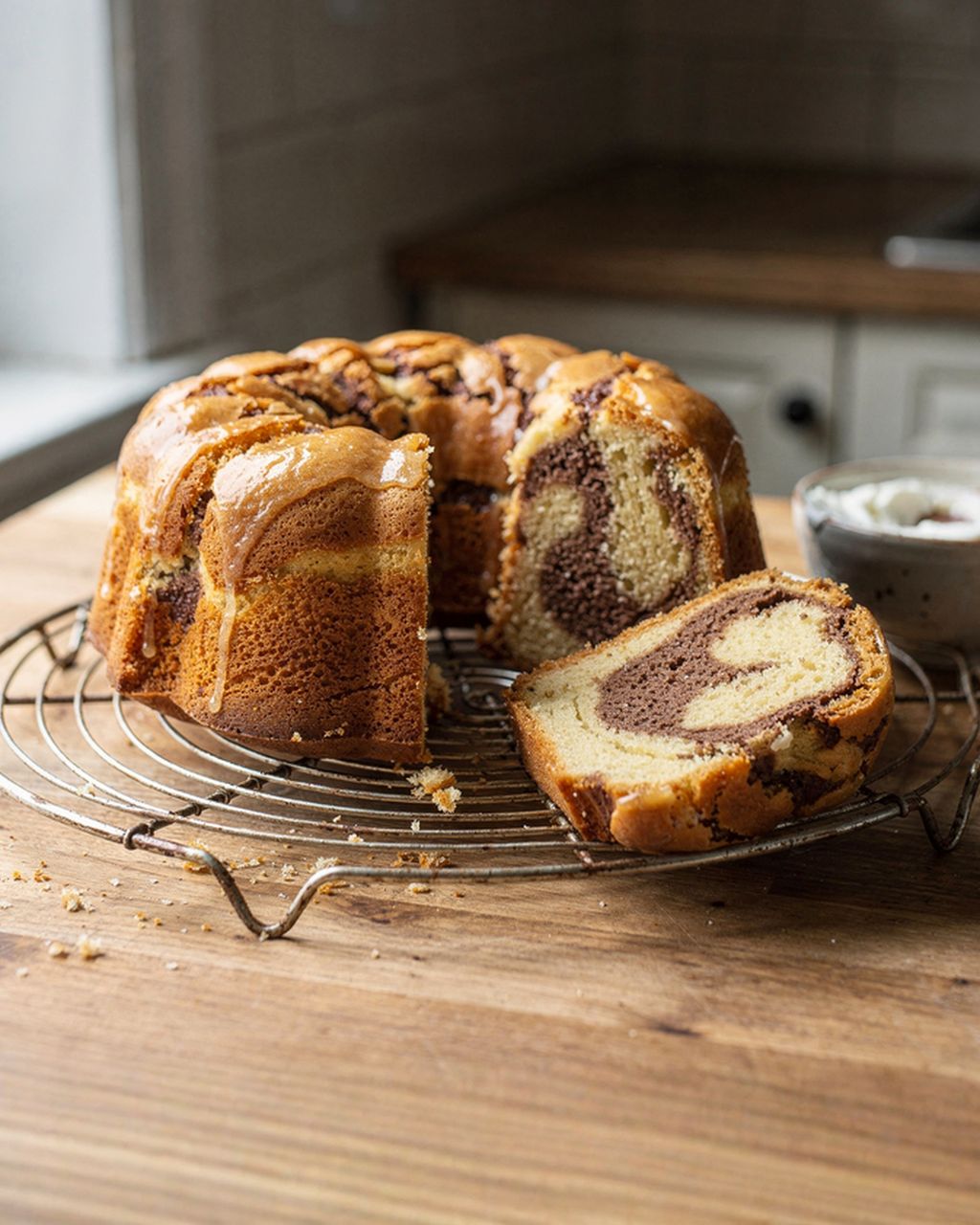
A marble bábovka is made by coloring part of the light batter with cocoa, layering both batters in the pan and running a skewer through them. What matters is that both batters have a similar thickness – otherwise the dark one sinks to the bottom and you get two layers instead of marble.
The marble bábovka with buttermilk and vanilla solves this cleverly: it adds a little extra buttermilk to the cocoa third of the batter, because cocoa dries out and thickens batter. Both batters then have the same consistency and the skewer joins the layers into real marbling.
Don't overdo the swirling. One or two figure-eights with the skewer are enough; the more you stir, the more the colors blend into a uniform brown.
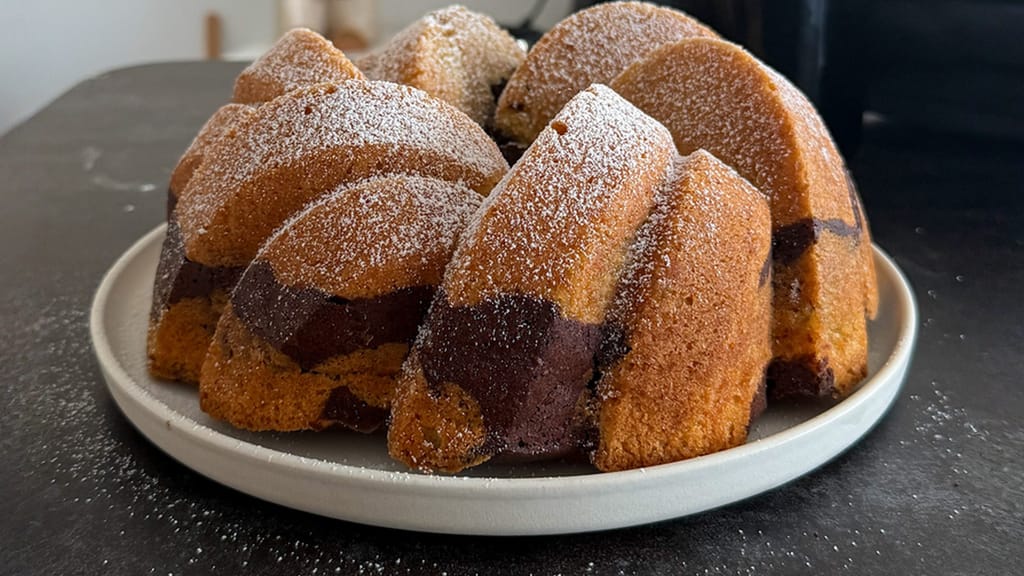
Marble bundt cake with buttermilk and vanilla
Marble bábovka with buttermilk and vanilla: a moist cocoa layer and a light one
A sour cream bábovka is moist and slightly tangy, because the cream adds both fat and moisture and its acidity softens the crumb. You add it to the classic ratio in place of milk, or as the last ingredient into the beaten base. For baking, a richer sour cream (15–18%) works best, such as 18% sour cream – low-fat versions give the batter more water than creaminess.
The raspberry bábovka with white chocolate and sour cream relies on two tricks: you fold the cream into the buttery base only briefly, and at the end you gently fold in beaten egg whites to lighten the batter. The raspberries and chocolate pieces are tossed in flour first so they don't sink to the bottom.
Sour cream is also used in the apple bábovka we describe below – there it balances the sweetness of the brown sugar and the moisture of the grated apples.
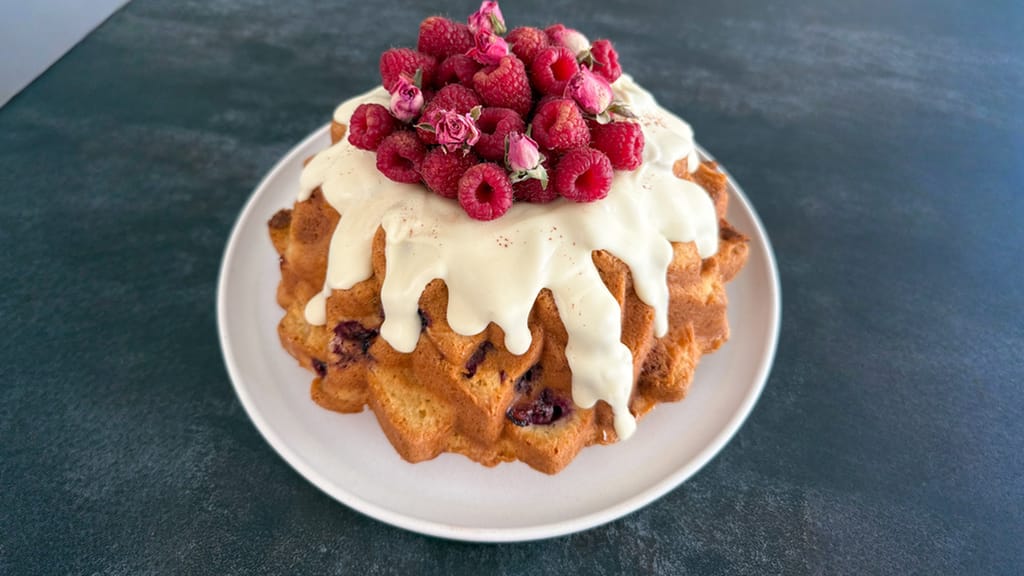
Raspberry bundt cake with white chocolate and sour cream
Raspberry bábovka with sour cream and white chocolate
A yogurt bábovka is moist and slightly tangy, much like one made with sour cream; yogurt has less fat, though, so the crumb comes out a little springier and less creamy. Thick Greek yogurt behaves more like sour cream than runny plain yogurt does; the latter thins the batter more, so use less of other liquids with it.
The orange bábovka with almonds, cinnamon and cardamom combines Greek yogurt with orange juice. Its best trick is elsewhere: you first rub the sugar between your fingers with grated orange zest until it turns damp and fragrant – the essential oils from the zest then perfume the whole batter.
For more ideas on what to bake with yogurt, where bábovka is only one of the options, see the article What to bake with yogurt.
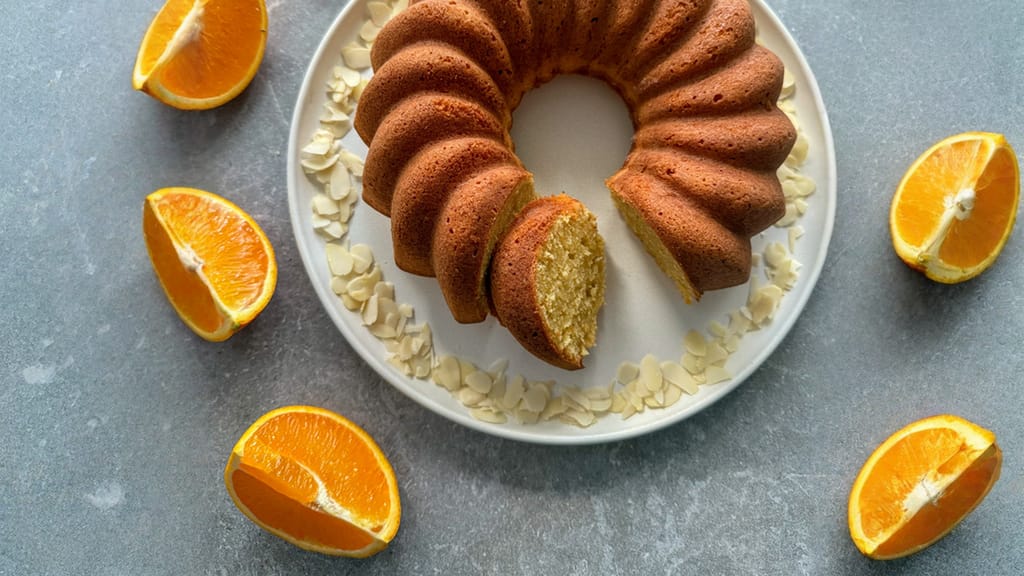
Orange bundt cake with almonds, cinnamon and cardamom
Orange yogurt bábovka with almonds, cinnamon and cardamom
A whipping cream bábovka is the simplest bábovka of all: you don't add fat separately, because the whipping cream brings it. The batter is ready in a few minutes and needs neither softened butter nor beating fat with sugar.
The great whipping cream bábovka gets by with six ingredients and takes about 50 minutes in total. You beat the eggs, cream and sugars together and whisk in the flour and baking powder only briefly – there's no more work than that.
It's a good base for experimenting: you can mix in lemon zest, a handful of chopped chocolate, or color part of the batter with cocoa to make it a marble cake.
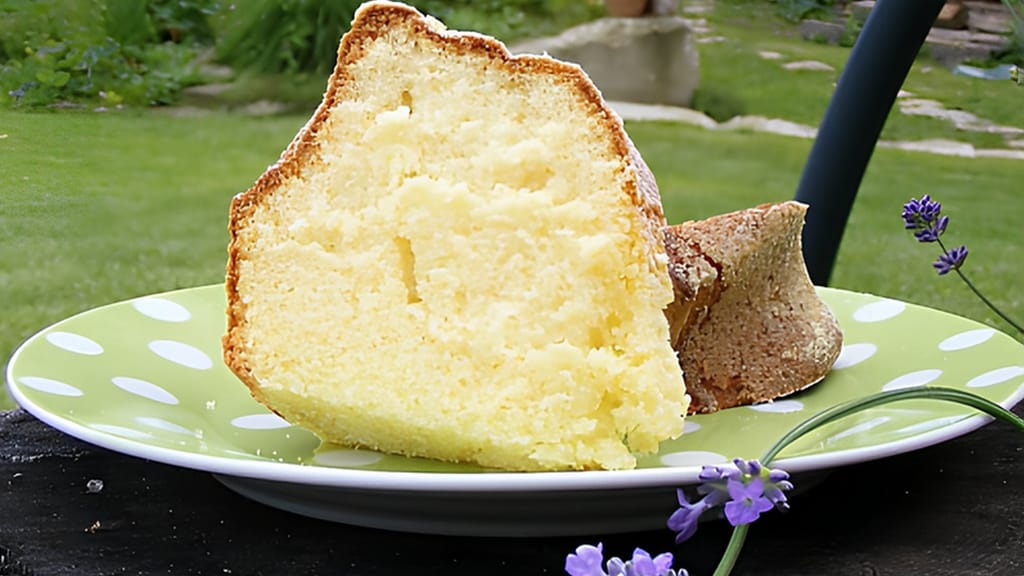
Wonderful cream bundt cake
Great whipping cream bábovka: a quick bábovka made with whipping cream
An apple bábovka is moist and fragrant, because grated apples release juice straight into the crumb as it bakes. That's why it bakes at a lower temperature and for longer – a higher temperature would burn the surface before the wet middle bakes through.
The apple bábovka with coconut oil bakes at 160°C (320°F) and watches one thing: the coconut oil must be soft, not melted, because liquid fat can't hold air when beaten with sugar. You sprinkle the grated apples with lemon juice so they don't brown.
Thanks to the gingerbread spice and ginger, it's also the closest route to a Christmas gingerbread bábovka.
Apple bundt cake with coconut fat
Apple bábovka with gingerbread spice, walnuts and sour cream
Fruit won't sink in a bábovka if you toss it in a little flour before folding it in and the batter is thick enough to carry it. The flour on the surface absorbs juice and forms a rough layer that grips the batter instead of sliding down.
Cut large pieces into cubes of about 1 cm; whole strawberries or plums are too heavy for a bábovka.
Don't thaw frozen fruit – toss it in flour while frozen and fold it in at the very end, otherwise it will stain and thin the batter.
Add juicy fruit (raspberries, blueberries, cherries) in reasonable amounts; about 250–300 g per pan is what the batter can still carry.
Put a thin layer of fruit-free batter in the bottom of the pan first. Any fruit that does sink then won't bake onto the pan wall.
The same trick works for chocolate pieces and nuts – smaller pieces stay suspended in the batter better than large ones.
A cup bábovka is measured with an ordinary cup instead of being weighed, so you can bake it without a kitchen scale. The traditional ratio is roughly two cups of all-purpose flour, one cup of sugar, one cup of milk, half a cup of oil, two eggs and baking powder; bake at 170–180°C (340–350°F) until a skewer comes out dry.
The important thing is to use the same cup for every ingredient – it's the ratio that works, not the exact volume. You can replace part of the milk with yogurt or buttermilk and color half the batter with cocoa.
You can bake a Christmas bábovka in three proven forms: gingerbread-spiced, orange with cinnamon and cardamom, or pumpkin topped with caramel. The batter stays the same as for an ordinary bábovka; what changes are the spices and aromas.
Gingerbread: add gingerbread spice to the base batter, and perhaps a little cocoa and honey. A ready-made example is the apple bábovka with gingerbread spice and ginger above.
Orange: the orange bábovka with almonds, cinnamon and cardamom from the yogurt section smells like Christmas cookies and, thanks to the oil, stays moist for a few days – good for baking ahead.
Pumpkin with caramel: the autumn pumpkin bábovka topped with cream caramel gets its moisture from roasted Hokkaido pumpkin purée; pour the caramel over it while it's still lukewarm so it runs into the grooves.
On the Christmas table you'll often also meet Italian Christmas panettone, a relative of the yeast bábovka. It isn't a bábovka, though: it's a tall, sweet yeast bread with raisins and candied peel, baked in a paper mold and often left to rise overnight. Plan on a whole day of work. How to glaze and decorate a Christmas bábovka is covered below.
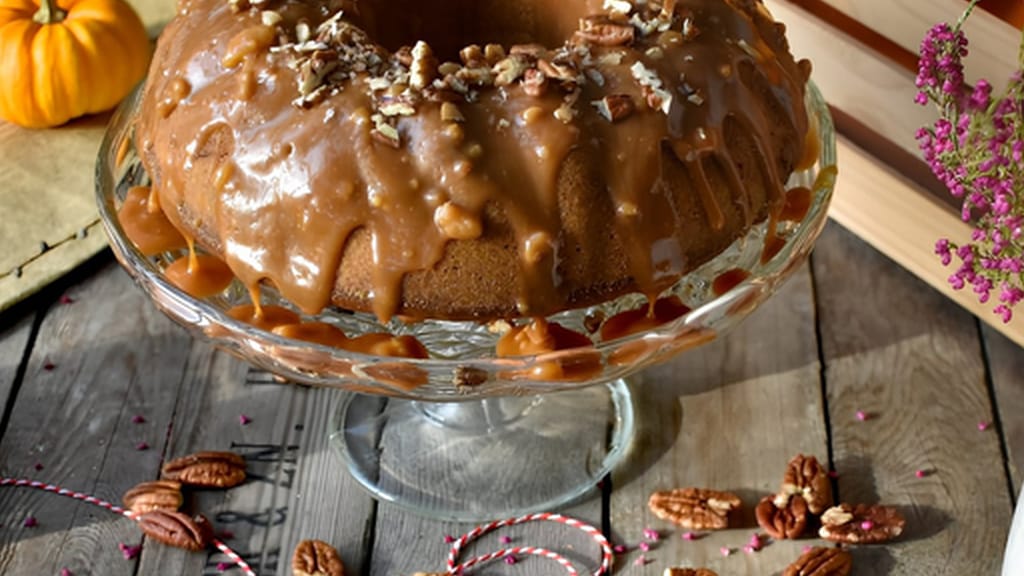
Autumn pumpkin bundt cake with creamy caramel glaze
Pumpkin bábovka with cream caramel and pecans
Beyond the sweet classic, the zucchini bábovka, the gluten-free banana bábovka and the savory yeast bábovka with ham and cheese have all proven themselves.
The zucchini bábovka stands or falls on well-squeezed zucchini: grate it, let it release its water, then squeeze it out by the handful through a clean kitchen towel. The drier it is, the less gummy the cake.
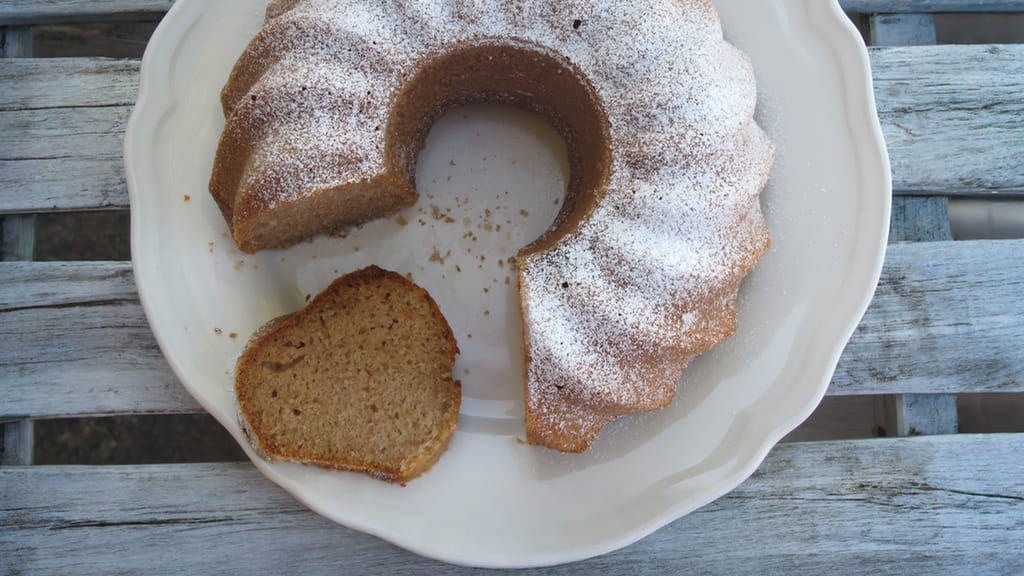
Zucchini bundt cake
Zucchini bábovka with cinnamon: a moist cake made with grated zucchini
A gluten-free banana bábovka holds its shape thanks to eggs whipped to a thick foam and blended ripe bananas. Gluten-free banana bábovka with chocolate replaces wheat flour with cornmeal flour and cooked jasmine rice. If you're baking it for someone with celiac disease, every ingredient has to be labeled "gluten-free" – not just the flour, but also the baking powder, chocolate and ground coconut, which can contain gluten or be cross-contaminated during production.
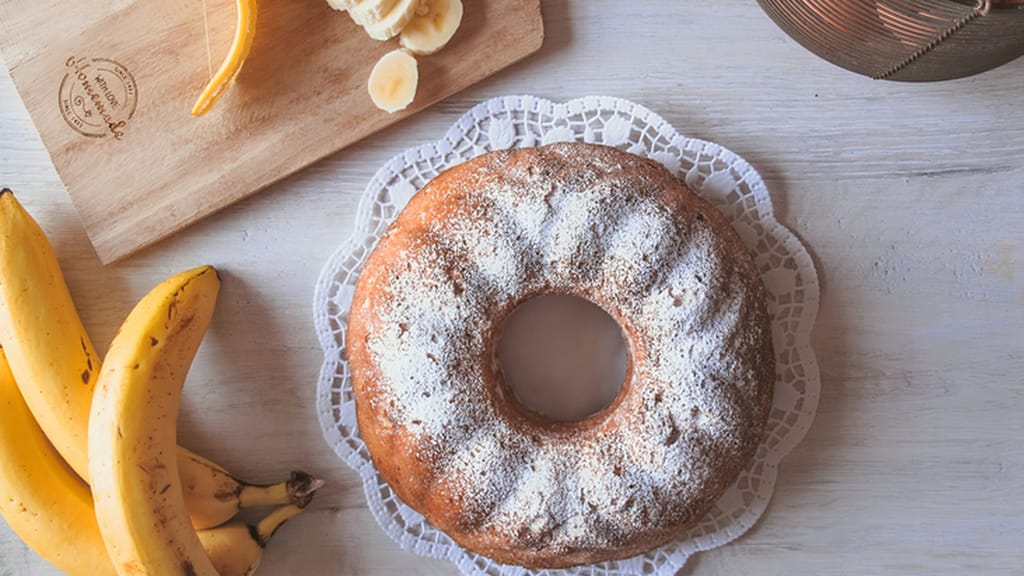
Gluten-free banana bundt cake with chocolate
Gluten-free banana bábovka with chocolate, made with cornmeal and rice
The savory bábovka with ham and cheese is a yeast cake, not a creamed one, and the spirals inside come from rolled-up pieces of dough. For the savory yeast bábovka with ham and cheese, you divide the dough into pieces, spread each with pomazánkové máslo (a Czech soft dairy spread, not butter), top with ham, bacon and cheese, and roll up. Rolls packed tightly side by side in the pan give spirals when sliced. After baking, let it cool for half an hour so the cheese inside firms up.
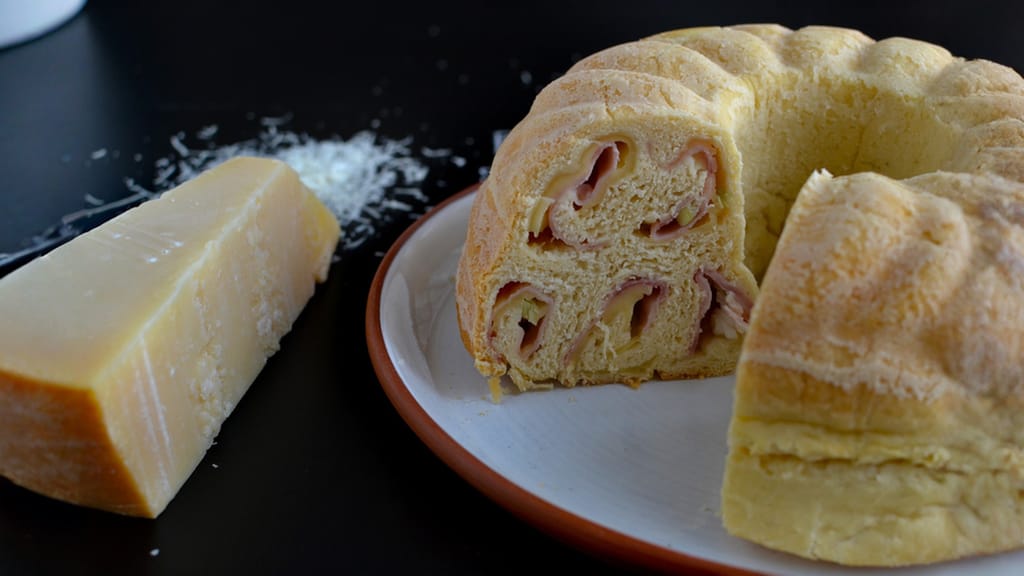
Savory yeasted bundt cake with ham and cheese
Savory yeast bábovka with ham, bacon and cheese
A bábovka won't stick if you grease the pan into every crevice with soft fat and dust it with flour, semolina or breadcrumbs. A bundt pan has many grooves, and that's exactly where the batter clings most.
Take softened, not melted, unsalted butter. Melted butter runs to the bottom and leaves bare spots on the walls.
Rub it into every groove with a brush or your fingers, including the center tube.
Dust the pan with coarse or semi-coarse flour, fine semolina or breadcrumbs and tap out the excess.
To be safe, put the greased pan in the freezer for 10 minutes – the firm fat won't be wiped off when you pour in the batter.
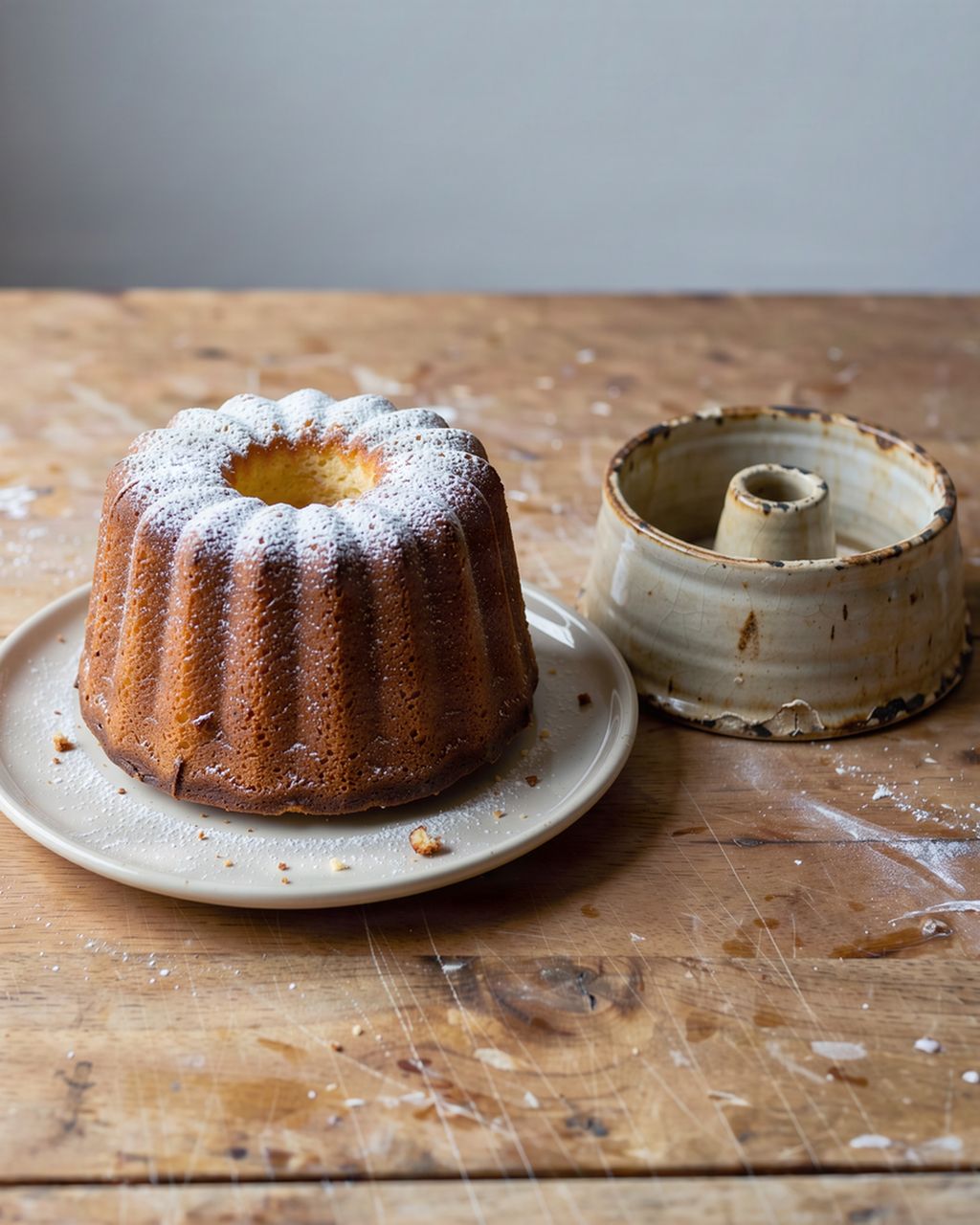
After baking, leave the bábovka in the pan for 10–15 minutes so it firms up and loosens slightly from the walls, then turn it out.
For a cocoa or marble bábovka you can dust the pan with cocoa instead of flour so no white patches are left on the dark surface. For a gluten-free bábovka, dust the pan with cornmeal or ground coconut – for people with celiac disease, only kinds labeled "gluten-free".
The simplest decoration for a bábovka is powdered sugar, but always on a fully cooled cake – on a warm one it melts and disappears. If you want more, choose according to the batter:
Lemon glaze: powdered sugar stirred with a few spoonfuls of lemon juice into a thick, slowly dripping mixture. It suits the classic, yogurt and orange bábovka.
Chocolate glaze: dark chocolate melted with a bit of butter or with whipping cream. For marble and quark bábovka with chocolate.
Cream caramel: for pumpkin or apple bábovka, poured over while still lukewarm so the caramel runs into the grooves.
Nuts, candied peel, fresh fruit: scattered onto the still-sticky glaze so they stay put. For Christmas, chopped nuts with candied citrus peel are a good fit.
Pour the glaze over the bábovka standing on a rack above a plate or paper. The excess runs off and you won't have a puddle under the cake that would make the bottom soggy.
A bábovka without cream keeps for 2–3 days at room temperature if well wrapped. For an undecorated bábovka that's the best way to store it; it keeps up to a week in the fridge, but dries out faster there. Frozen, it holds its flavor best for three to four months.
Store it fully cooled, wrapped in plastic wrap or under a cake dome so it doesn't dry out.
Keep bábovka with quark, mascarpone or a cream glaze in the fridge and eat it within 3–4 days; don't store it at room temperature. With fresh fruit it keeps 1–2 days at room temperature and 3–5 days in the fridge.
To freeze it, wrap it in plastic wrap and then in aluminum foil or a bag. Slices are fine too – you take out only as much as you'll eat.
Thaw it wrapped, so the condensation collects on the wrapping, not on the surface of the cake.
A stale bábovka can be rescued: briefly fry slices in butter in a pan, or use them in a baked pudding.
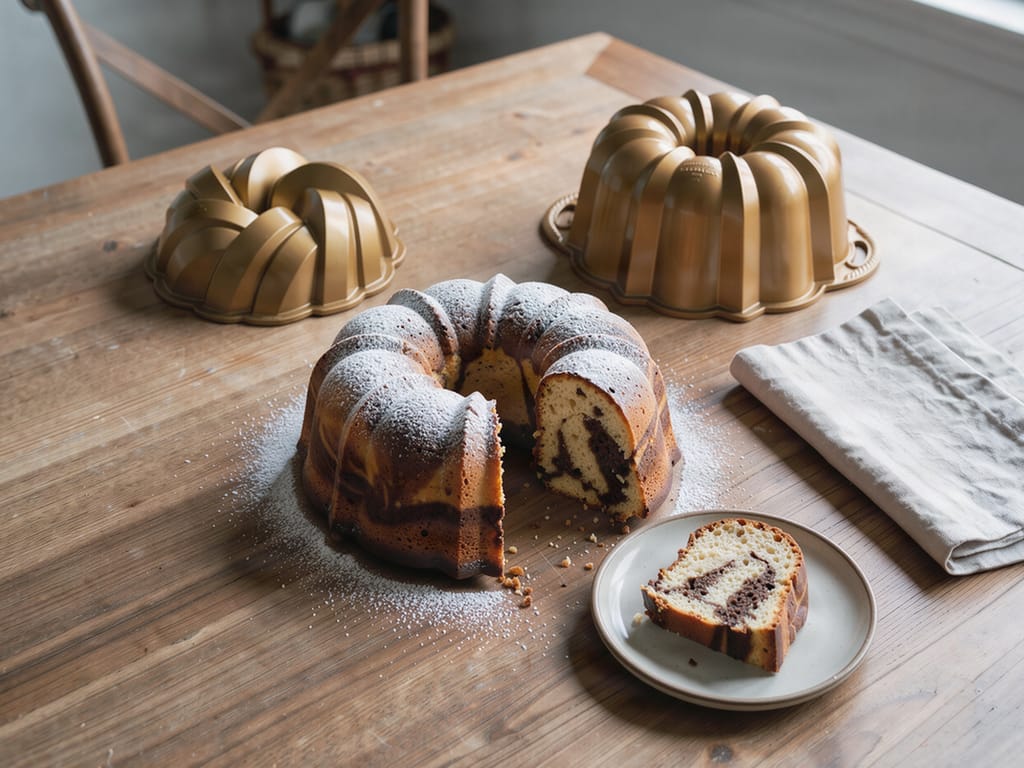
Nordic Ware
Bundt Pan - TraditionNordic Ware
Bundt Pan - BraidedPatisse
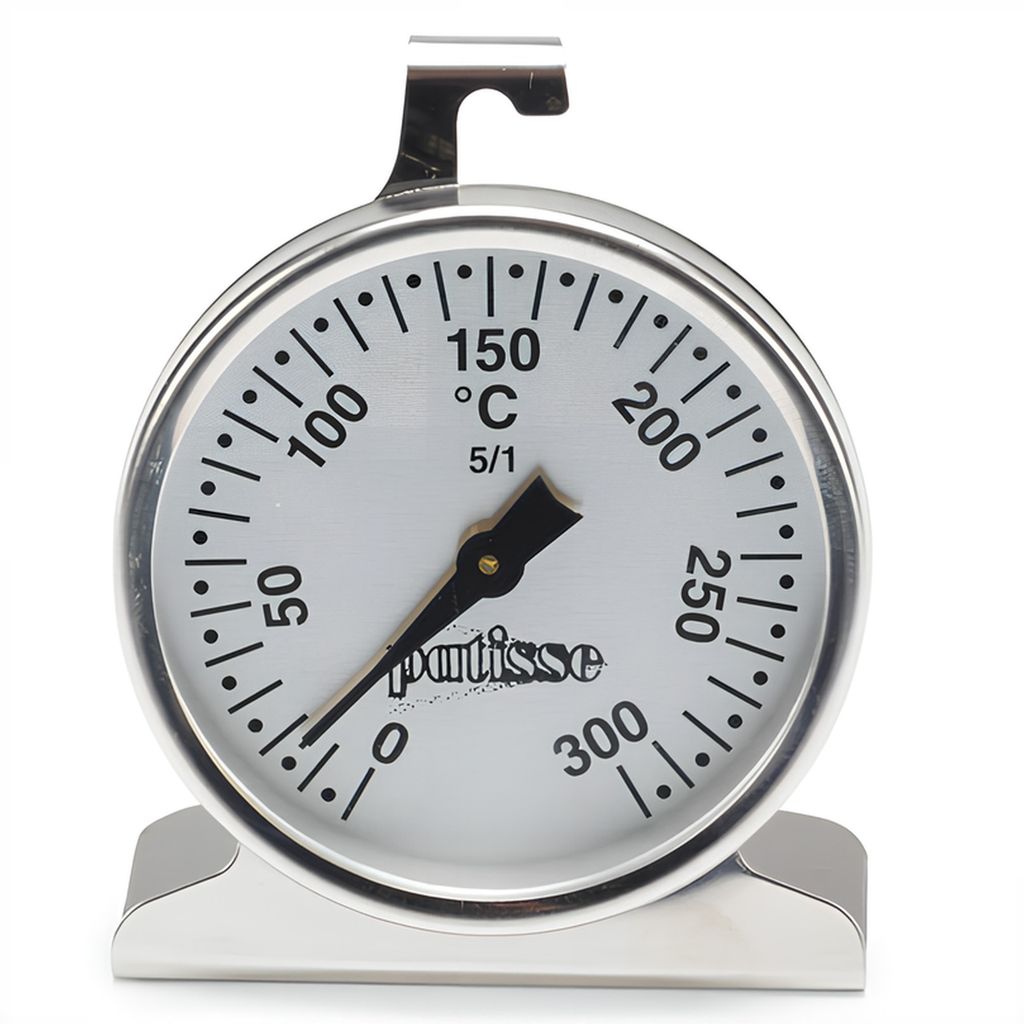
Patisse Oven ThermometerUse mascarpone in place of part of the butter or instead of the sour cream, usually 200–250 g for a standard pan. It's richer and thicker than quark (tvaroh, a Czech fresh curd cheese), so it gives a fine, creamy crumb and the batter doesn't need as much other fat. Whisk it briefly until smooth before folding it in so no lumps are left in the batter.
You can replace baking powder with baking soda plus an acidic ingredient such as buttermilk, yogurt or sour cream. For a standard bábovka (one packet of baking powder, about 12 g), roughly ½ to ¾ teaspoon (3–4 g) of baking soda and about 200–250 ml of buttermilk, yogurt or sour cream as the acid is enough. More soda gives the cake a soapy, metallic taste. Another option is to fold in stiff whipped egg whites, which lighten the batter without a chemical leavener.
A gummy center means the cake wasn't baked through or the batter held too much moisture. Bake it longer at a lower temperature, squeeze out grated vegetables, and drain wet quark. Test for doneness with a skewer at the highest point of the cake, not near the edge.
A typical bábovka bakes for 40–60 minutes at 160–180°C (320–350°F), depending on the batter and the size of the pan. A light whipping cream bábovka is usually done in 40 minutes, while a moist batter with apples or buttermilk can need over an hour. Go by a dry skewer, not the clock.
Yes, you can easily bake it a day ahead, and it's often even better the next day because the moisture spreads evenly. Let it cool completely and wrap it in plastic wrap or keep it under a cake dome. Pour the glaze on only on the day you serve it.
Choose a metal pan with a center tube, about 22–24 cm in diameter. The tube carries heat to the middle of the batter so the cake bakes evenly. Dark pans bake faster, so you can lower the temperature by 10°C (about 20°F) with them.
One recipe worth heating the oven for, one tip, and one deal from the shop. Nothing else.