- Season
- Available all year. Flour has no season in the shops.
- Price
- Low
Calories and nutrition
per 100 g
361 kcal
Calories
12 g
Protein
72.5 g
Carbs
1.7 g
Fat
Medium-Fine Wheat Flour
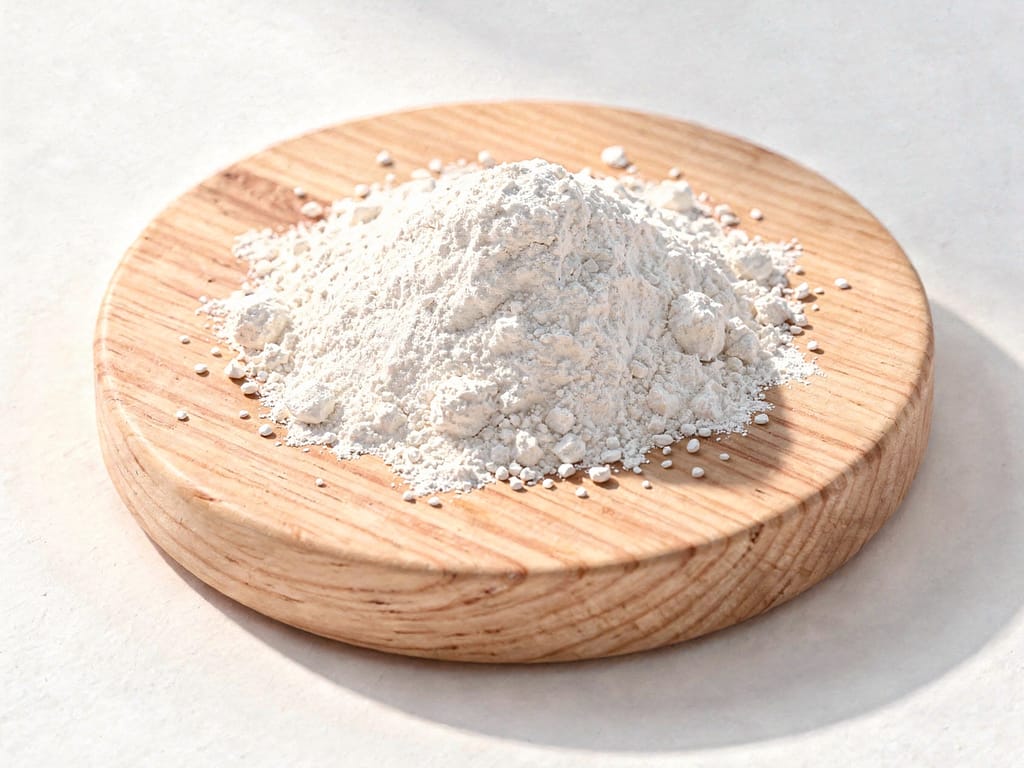
Polohrubá mouka (semi-coarse wheat flour) is the Czech white wheat flour of medium grind, the middle one of the three Czech types (hladká, polohrubá, hrubá): under Czech Decree 18/2020 at least 96 % must pass a 366 µm sieve and at most 75 % may pass a 162 µm sieve. It is the all-round flour of Czech home baking, used for yeast doughs, buchty, koláče, vánočka, linecké biscuits and bread dumplings.
per 100 g
361 kcal
Calories
12 g
Protein
72.5 g
Carbs
1.7 g
Fat
Keep it in a dry, cool, dark cupboard and, once opened, in a well-closed container away from damp and strong smells. It keeps about 8–12 months; go by the date on the pack. Throw away flour that smells musty or bitter, or shows moths or webbing.
Not needed. In the fridge it can absorb moisture and smells, so if you do keep it there, use an airtight container.
You do not need to freeze it. If you buy in bulk or have had pantry moths, freeze it in a sealed bag for a few days and let it come to room temperature in the bag before opening, so no moisture condenses in it.
Look for "pšeničná mouka polohrubá" on the pack. It is sold in 1 kg paper bags next to hladká and hrubá; on Rohlík.cz in November 2026 it cost roughly 11–30 CZK per kilogram, organic more. Do not mix it up with hrubá flour or with semolina (krupice), which sit on the same shelf in similar bags. Choose a dry, undamaged bag with no lumps or signs of moths, and check the best-before date.
Hladká (fine) flour 1 : 1. It absorbs liquid faster, so for a yeast dough hold back about 5 % of the milk or water (1–2 tablespoons per 500 g flour) and add it only if the dough is still stiff after a few minutes of kneading.
Hrubá (coarse) flour, mainly for bread dumplings and crumble, where both work equally well. For sponge cake and fine pastry hrubá flour is wrong; use hladká.
There is no need to sift it. Polohrubá flour absorbs liquid more slowly than hladká: the dough starts out softer and firms up as you knead and rest it, so do not add more flour straight away. Weigh flour rather than measuring it by the cup. Do not taste raw dough: flour is a raw ingredient, and milling does not kill bacteria such as Salmonella or E. coli; only baked or cooked food is safe.
Use up the last of a bag for a crumble topping, for dusting a greased tin or for a roux to thicken soup. A few spoonfuls of flour rubbed with butter and sugar are enough for a crumble topping.
Roughly what a spoon or cup weighs, filled the way you usually would.
4 g
1 teaspoon
8.69 g
1 tablespoon
125 g
1 cup
Polohrubá flour suits yeast doughs (buchty, koláče, vánočka), linecké and shortcrust pastry, bread dumplings, creamed bundt cakes and bublanina, and crumble toppings. For sponges hladká is better, for potato and tvaroh doughs hrubá. Yeast dough is often made with half hladká and half polohrubá.
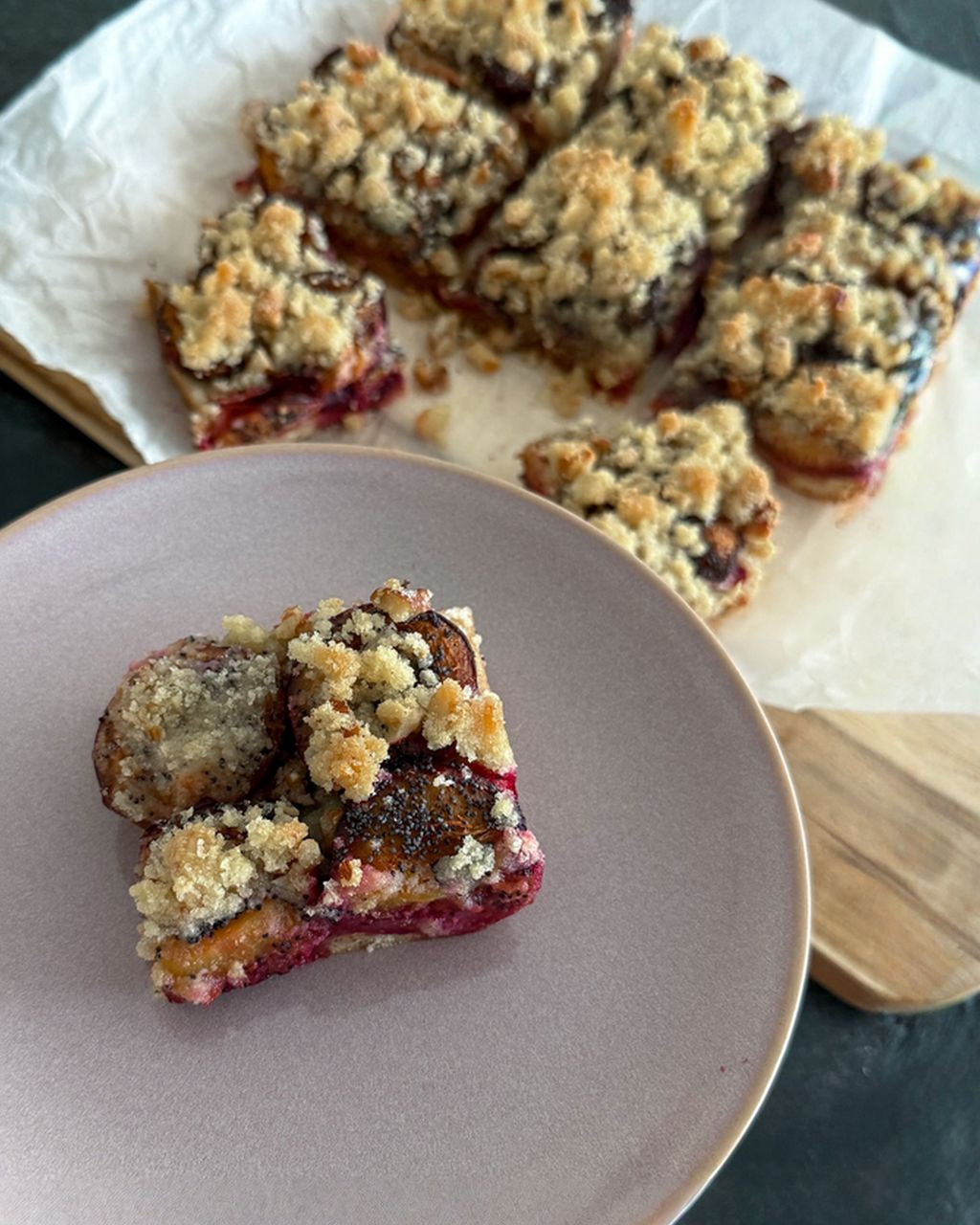
Classic yeasted plum sheet cake with crumble topping
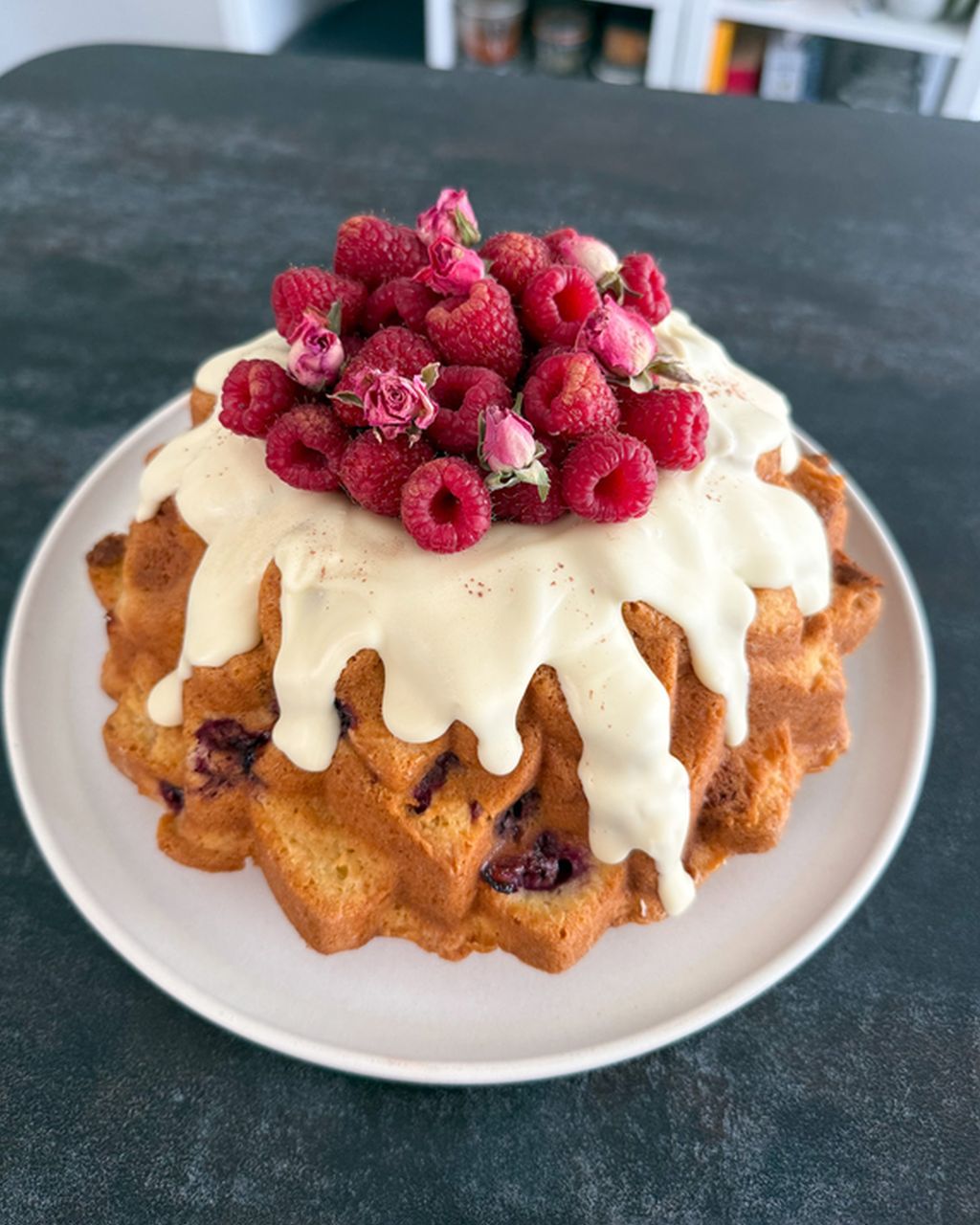
Raspberry bundt cake with white chocolate and sour cream
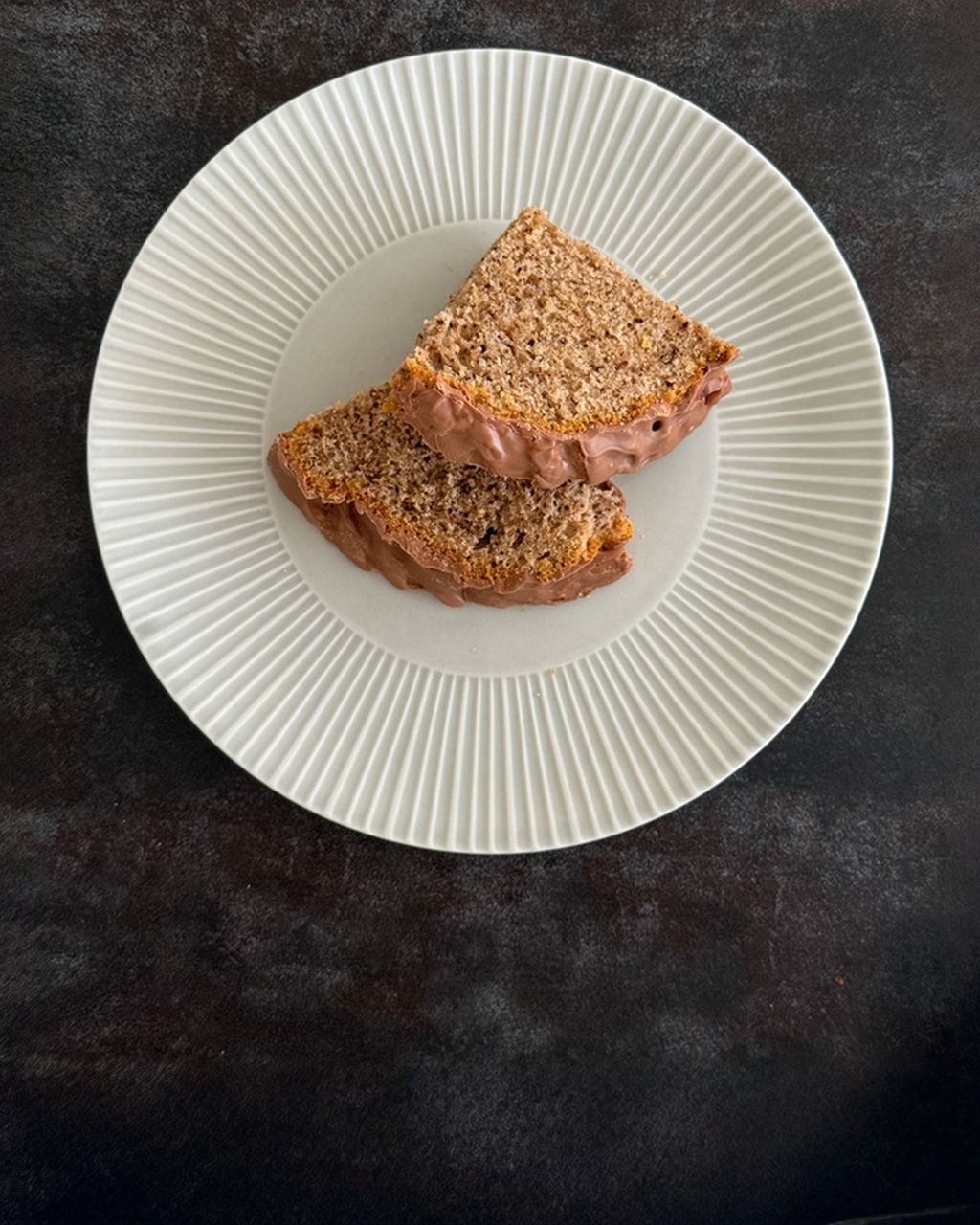
Traditional walnut easter lamb cake with chocolate glaze
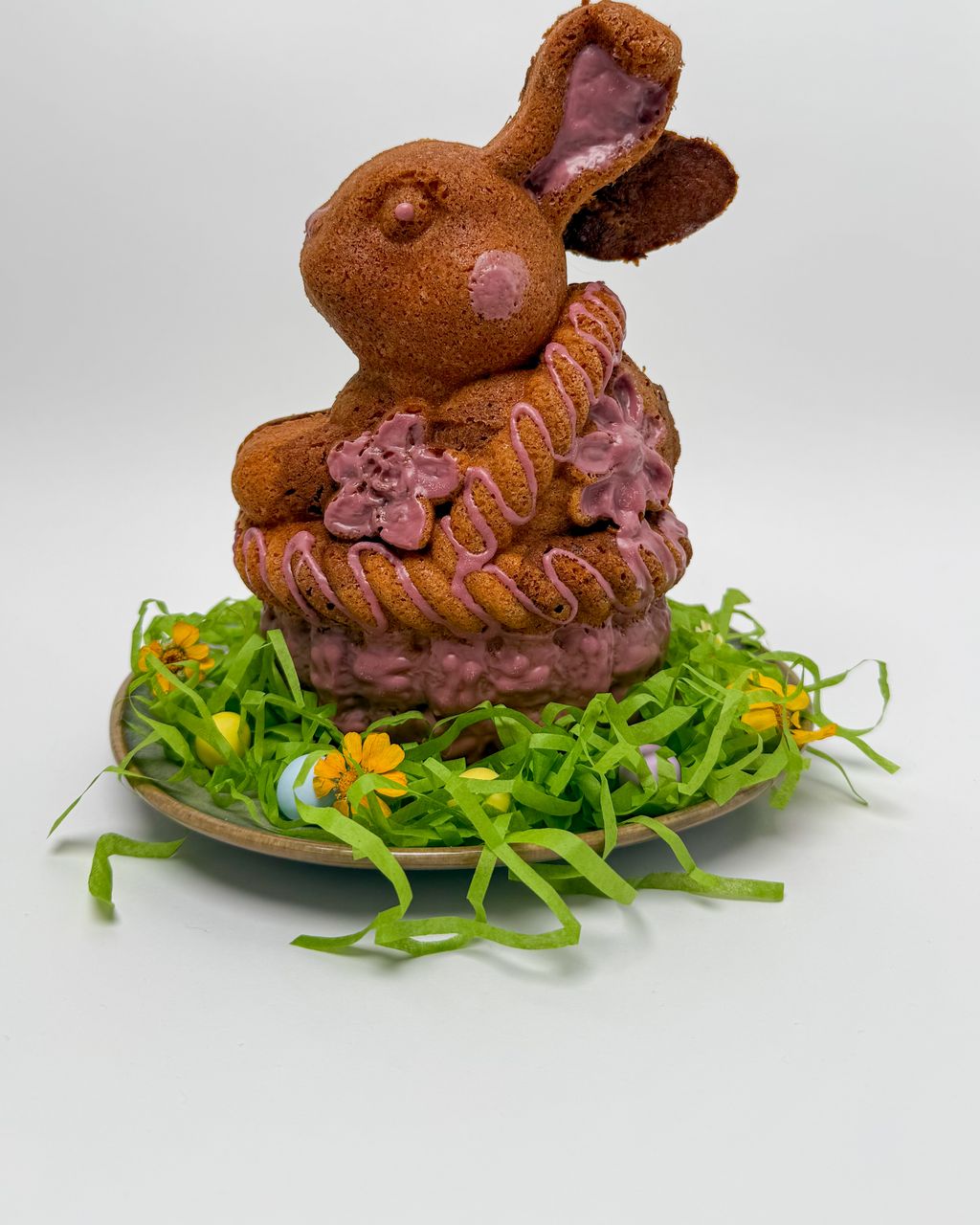
Easter marble bunny cake with brown butter and strawberries
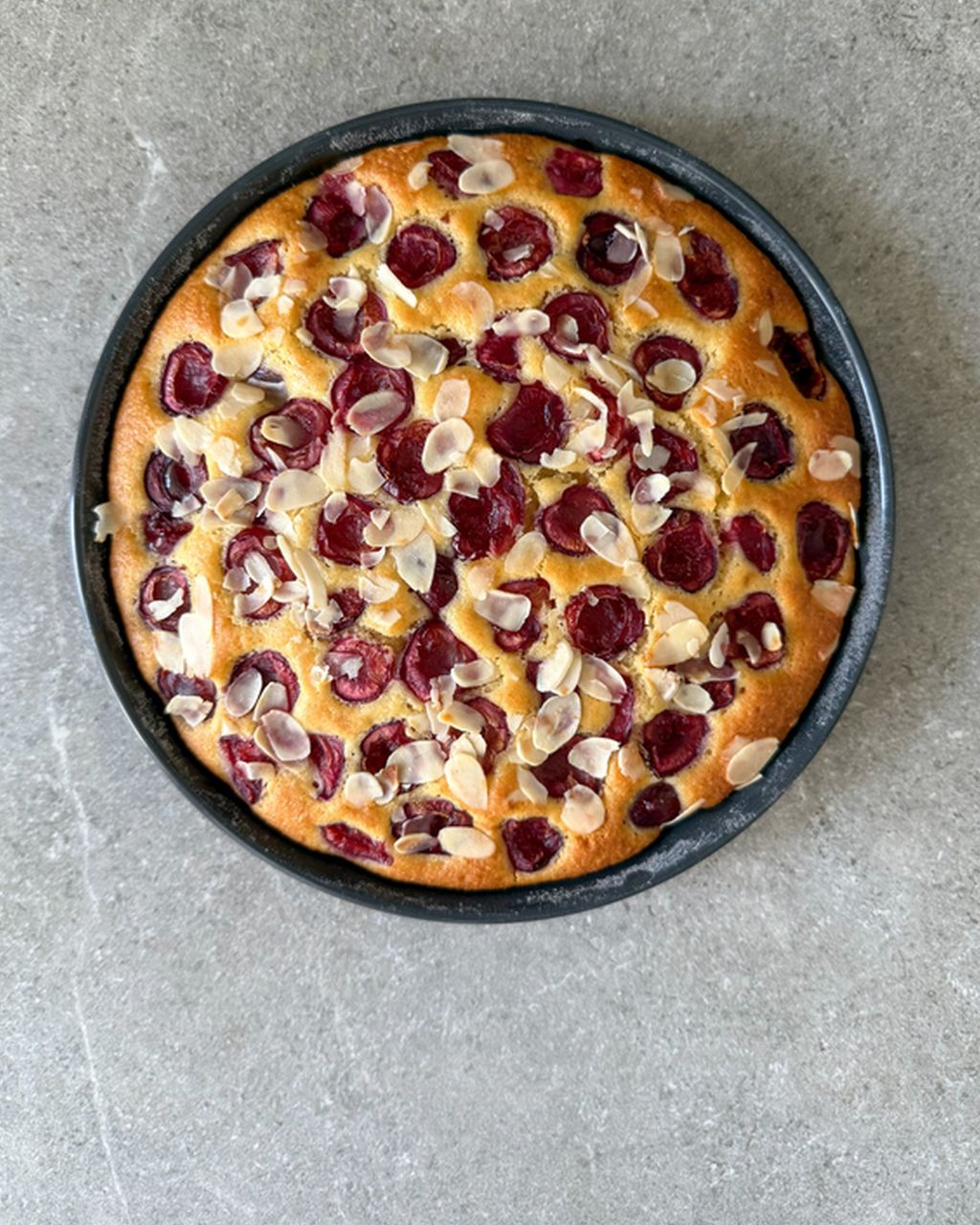
Soft & fluffy yogurt bublanina with fruit
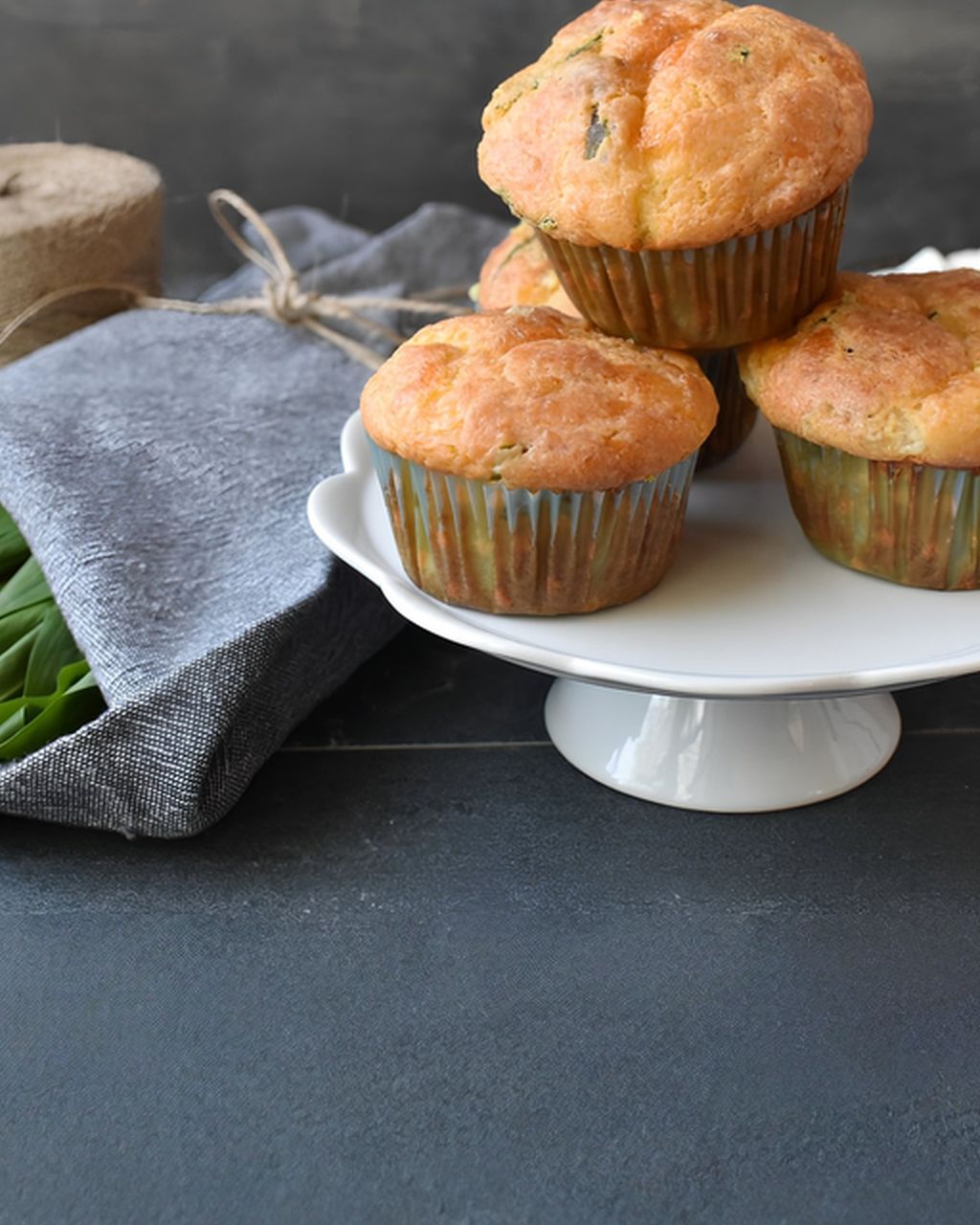
Wild garlic muffins with three cheeses
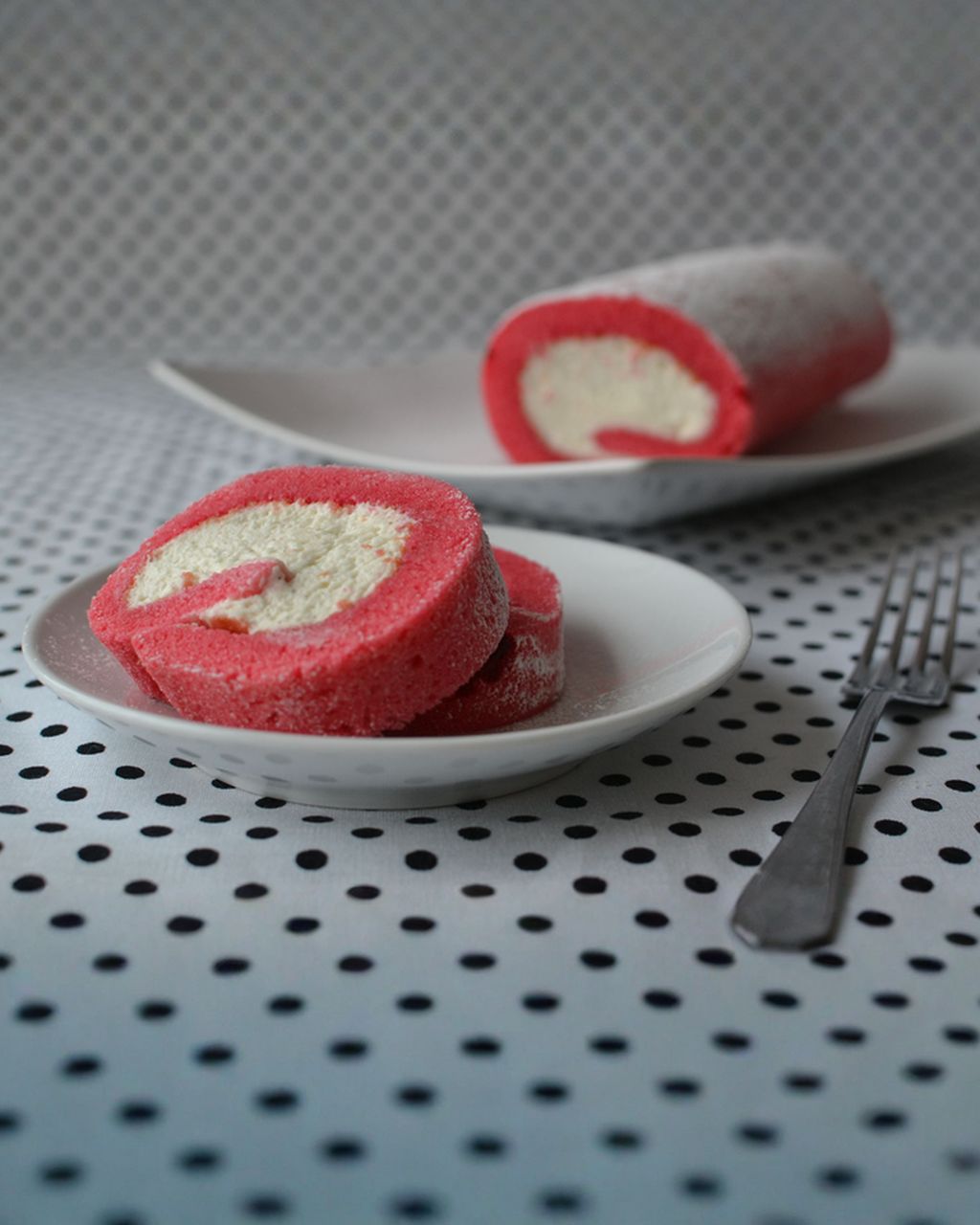
Fluffy pink swiss roll with quark cream filling
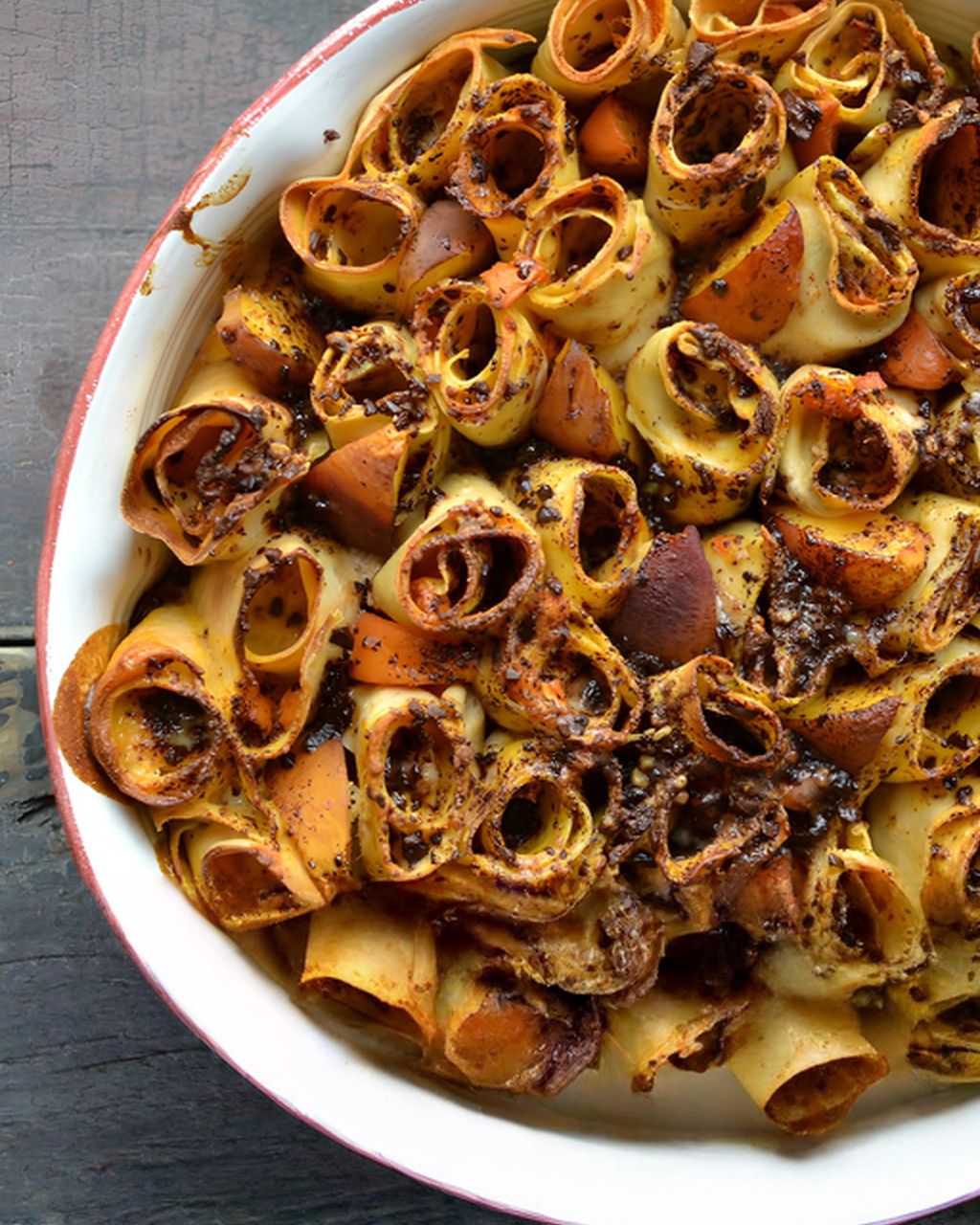
Baked pancakes with fruit and lučina cream cheese
Polohrubá mouka is a white wheat flour ground coarser than hladká (fine) and finer than hrubá (coarse). Czech Ministry of Agriculture Decree No. 18/2020 Coll. requires at least 96 % of it to pass a 366 µm sieve and at most 75 % to pass a 162 µm sieve. So at least a quarter is made up of particles larger than 162 µm, whereas at least 75 % of hladká flour passes that sieve. It is not wholemeal: the decree allows it at most 0.50 % ash in dry matter, the same as hrubá, and sets its colour as white with a yellowish tinge. All flours may contain at most 15 % water and may not be chemically bleached. The pack usually says "pšeničná mouka polohrubá", with wheat flour as the only ingredient.
It tastes clean and neutral, lightly of grain. Between your fingers it rustles slightly: grittier than velvety hladká flour but finer than sandy hrubá. Dough made with it is less sticky, and yeast baking holds its shape.
Seasonal baking plans, tested recipes and kitchen tricks that save you time. Unsubscribe in one click.
3 min read
Czech flour types are set by Ministry of Agriculture Decree No. 18/2020 Coll. Hladká, polohrubá and hrubá flour differ mainly in particle size. For polohrubá, at least 96 % must pass a 366 µm sieve and at most 75 % may pass a 162 µm sieve. For hladká, at least 96 % must pass a 257 µm sieve and at least 75 % passes 162 µm; for hrubá, at least 96 % must pass a 485 µm sieve and at most 15 % passes 162 µm.
Its ash content, meaning the minerals from the outer layers of the grain, is capped at 0.50 % in dry matter, so it is a white flour. An overview of all Czech types is in our article on types of flour and what they are for.
You can tell them apart without the pack by rubbing a pinch between your fingers: hladká is velvety and holds a print, polohrubá rustles slightly, and hrubá is noticeably sandy.
Hladká is the finest and combines with liquid quickly, so it belongs in sauces, roux and sponges. In most buchty, koláče and yeast doughs you can swap polohrubá and hladká 1 : 1 with little difference; with hladká, just add the liquid gradually.
Hrubá flour is one step coarser and belongs mainly in potato and tvaroh doughs, halušky and noky. For bread dumplings and crumble, both hrubá and polohrubá are used.
Krupice (semolina) is a different milling product with even coarser particles. It is cooked into porridge and small semolina dumplings for soup. You cannot replace polohrubá flour with semolina; the dough would not hold together.
Polohrubá is the most versatile flour in Czech cooking. It absorbs liquid more slowly than hladká, so yeast dough is less sticky and holds its shape after baking. Use it for example for a classic yeasted plum sheet cake with crumble, but it also works in a bublanina batter, for example yogurt bublanina with fruit.
For vánočka, both polohrubá and hladká white flour work, even half and half: polohrubá gives a firmer braid, hladká a softer crumb. More in our article on which flour and sugar for vánočka.
There is no exact English equivalent. Polohrubá is translated as semi-coarse wheat flour, hladká as fine or plain flour and hrubá as coarse wheat flour. Abroad, flour is graded mainly by ash or protein content, and ordinary flours are finely milled, like our hladká. The closest to polohrubá is Austrian griffig flour or German Dunst.
If you follow a Czech recipe abroad, use plain flour (Italian 00 or German 405) and add the liquid gradually, as the dough will be thicker straight away. What the foreign numbers on flour packs mean is explained in our article on flour numbers.
Polohrubá flour is made from wheat and contains gluten, which EU Regulation 1169/2011 requires to be declared as an allergen on the pack. It is not suitable for people with coeliac disease or a wheat allergy. Flour is a raw ingredient: the grain grows in a field, and milling does not kill bacteria such as Salmonella or E. coli, so do not taste raw dough or batter, and wash your hands and work surface after handling flour.