- Season
- Year-round
- Price
- Low
Calories and nutrition per 100 g
- 131 kcal
- 3.1 g protein
- 11.5 g fat
- 4.3 g carbs
12% Cooking Cream
12% cooking cream is liquid cow's-milk cream with 12% milk fat, the most common cream for finishing soups and sauces. Because it is low in fat it curdles easily with heat, acid and salt, so add it at the end off the heat or protect it with flour or starch; it will not whip.
Store unopened long-life cream outside the fridge as the pack says, for example below 24 °C, and use it by the best-before date. Fresh cream belongs in the fridge, and opened cream should not stand on the counter.
Keep fresh cream at 2–8 °C at the back of the fridge, not in the door, and use it by the use-by date. Close opened fresh or long-life cream well and use it within 2–3 days, or within the time on the pack if that is shorter. Throw out cream that smells sour or has curdled.
It can be frozen, but after thawing the fat and water separate and the cream tends to be grainy. Whisk thawed cream and use it only in a hot sauce or soup.
Check the fat, the word fresh or long-life and the ingredients on the pack. For sauces with wine, lemon or tomatoes, whipping cream with 30% fat or more is the safer choice. The pack should be undamaged and not puffed up.
Cooking cream 10%, 15% or 19% in the same amount. The more fat, the better it copes with heat.
Whole milk thickened with starch, which can take longer cooking, or crème fraîche, which can boil but is sour. You can also get 12% fat from 2 parts 33% whipping cream and 5 parts whole milk.
Without starch, add it only at the end, off the heat, to a sauce you will not cook further. If the sauce still needs to bubble, mix a teaspoon of cornflour into two tablespoons of cold cream, stir it in and bring briefly almost to the boil. Reduce any acid first and add salt last.
Stir leftover opened cream into soup, mashed potatoes, scrambled eggs or a pasta bake. If you know you will not use it within 2–3 days, freeze it in small portions for cooking.
Roughly what one measure weighs, scooped the way you normally would in the kitchen.
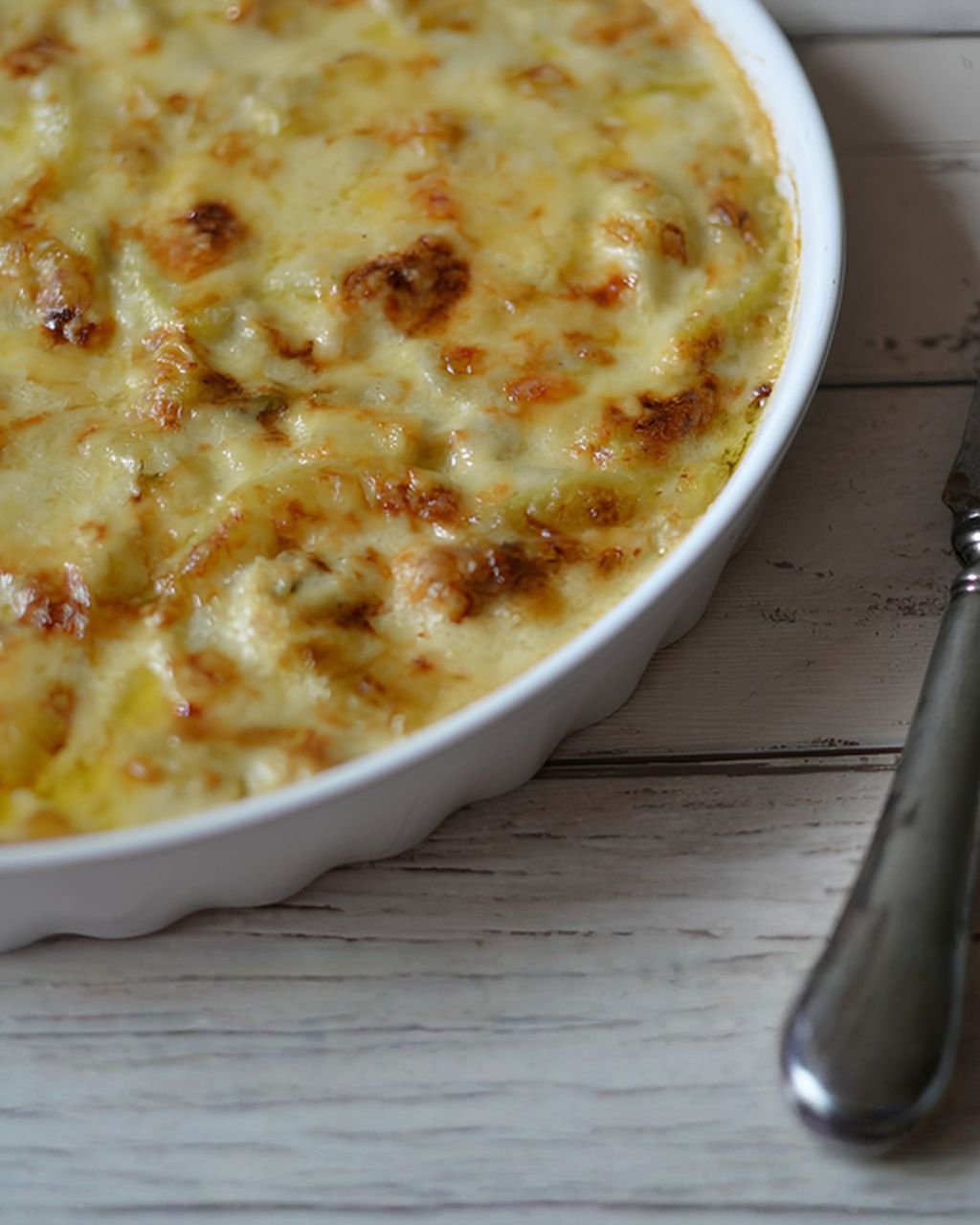
In cream soups held by a roux or thickening, in starch-thickened sauces, in potato, pasta and vegetable bakes, and to finish a ready soup. It is less suited to sauces with wine, lemon or tomatoes. It will not whip.
The Czech decree 397/2016 Coll. distinguishes only cream (at least 10% fat), whipping cream (at least 30%) and high-fat cream (at least 35%) among liquid creams. "Cooking" (na vaření) is a trade name, and the fat content must be on the pack. It is sold fresh and long-life. Only cream heated to no more than 125 °C may be labelled fresh; long-life cream has been UHT-treated or sterilised. Ordinary products list only cream; "sauce" creams with added starch and carrageenan are a different product.
Gently milky, slightly sweet and mild. It softens a dish without masking it, but it is thinner and less rich than whipping cream.
Seasonal baking plans, tested recipes and kitchen tricks that save you time. Unsubscribe in one click.
2 min read
Cooking cream is most often sold with 10–12% fat, and shops also carry 15%, 19% and 20%. Whipping cream must have at least 30% fat under the decree and high-fat cream at least 35%. The more fat, the better cream copes with heat, salt and acid: the fat physically keeps the milk proteins from clumping.
Kunín, Miil and Bohemilk labels give 12% cooking cream 136 kcal, 12 g fat, 4.1–4.2 g carbohydrate and 2.8 g protein per 100 ml. The richer version is covered on our page on 19% cooking cream; for whipping you need 33% whipping cream. Cream contains milk, an allergen that must be emphasised on the label.
Cream curdles in a sauce for four reasons: acid, too much heat, salt and too little fat. With only 12% fat it needs one of two things: either add it to the finished sauce off the heat and do not cook it again, or protect it with starch.
Starch: mix a teaspoon of cornflour into two tablespoons of cold cream, stir it in off the heat and bring briefly almost to the boil, stirring. It only thickens fully at around 95 °C, and the swollen starch then protects the proteins. Reduce wine, lemon or tomatoes before you add the cream. If the sauce curdles anyway, the fix is in curdled cream sauce.
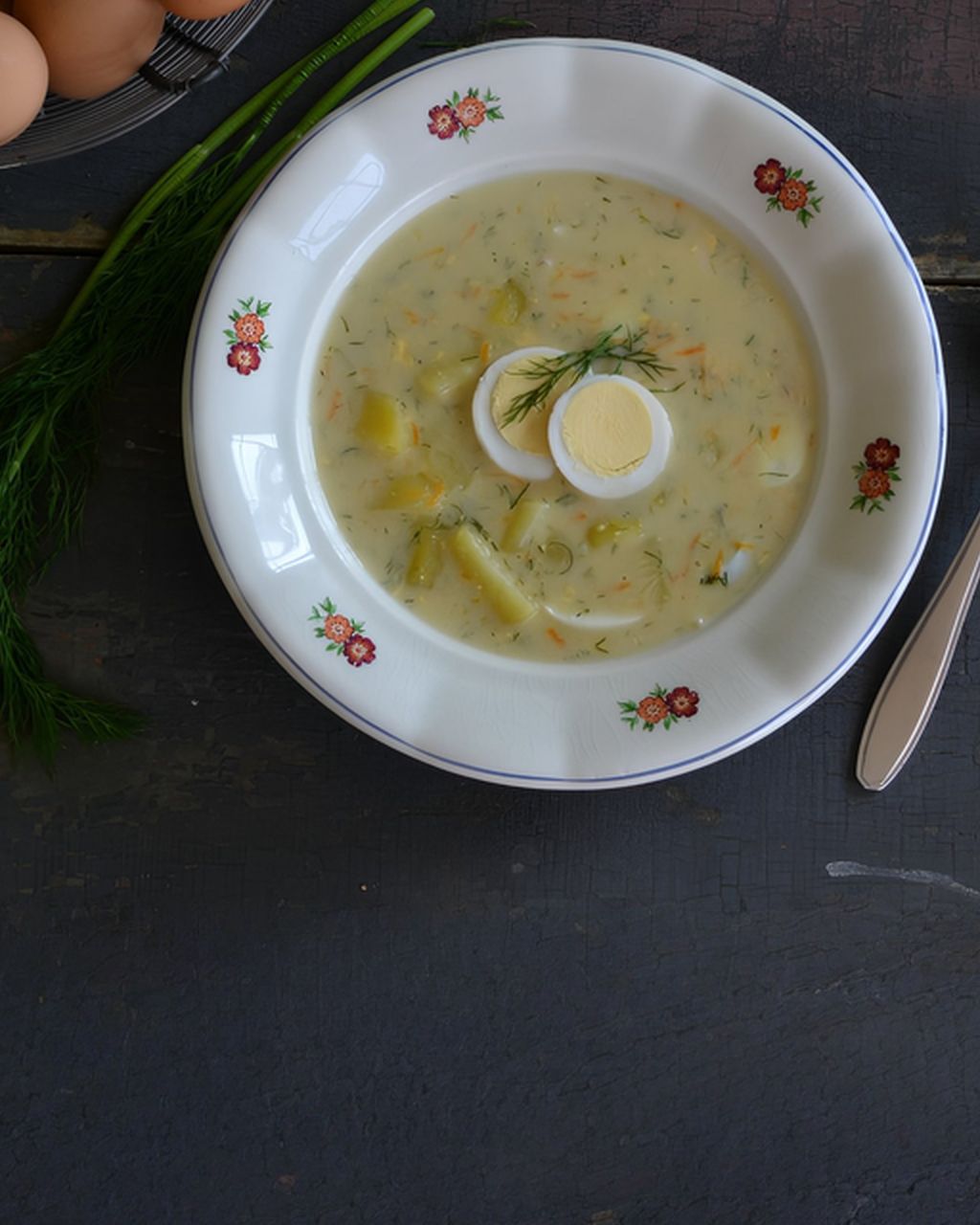
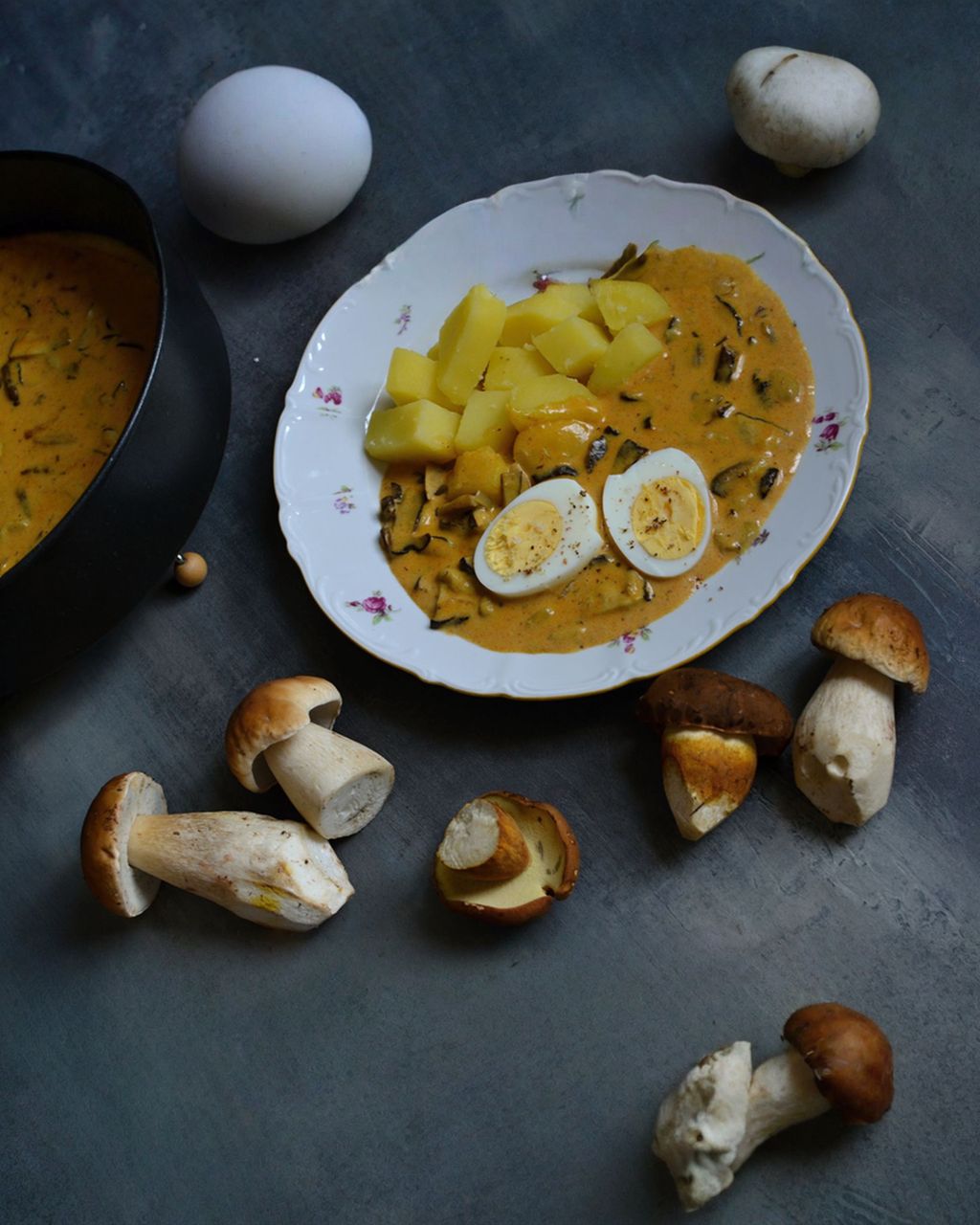
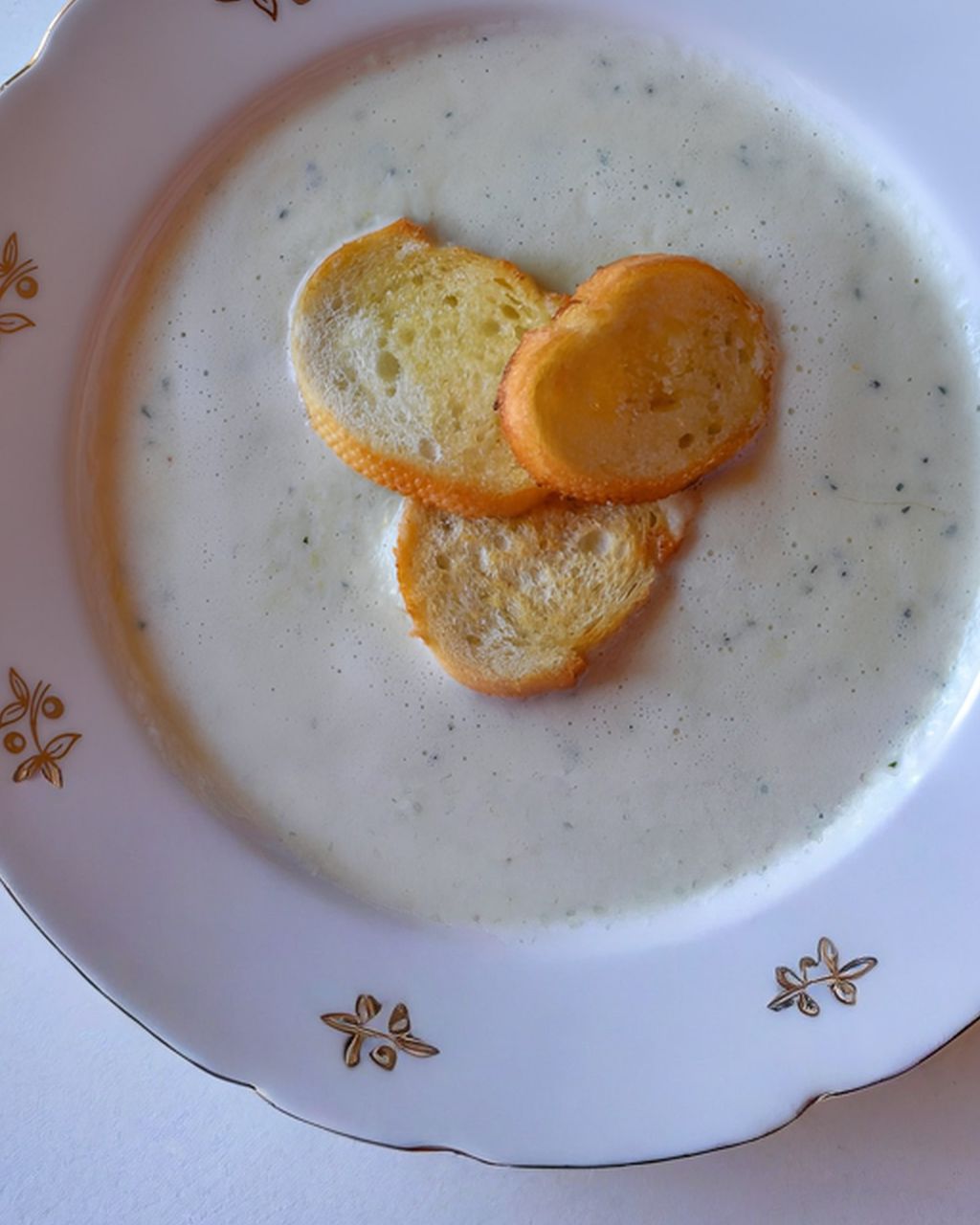
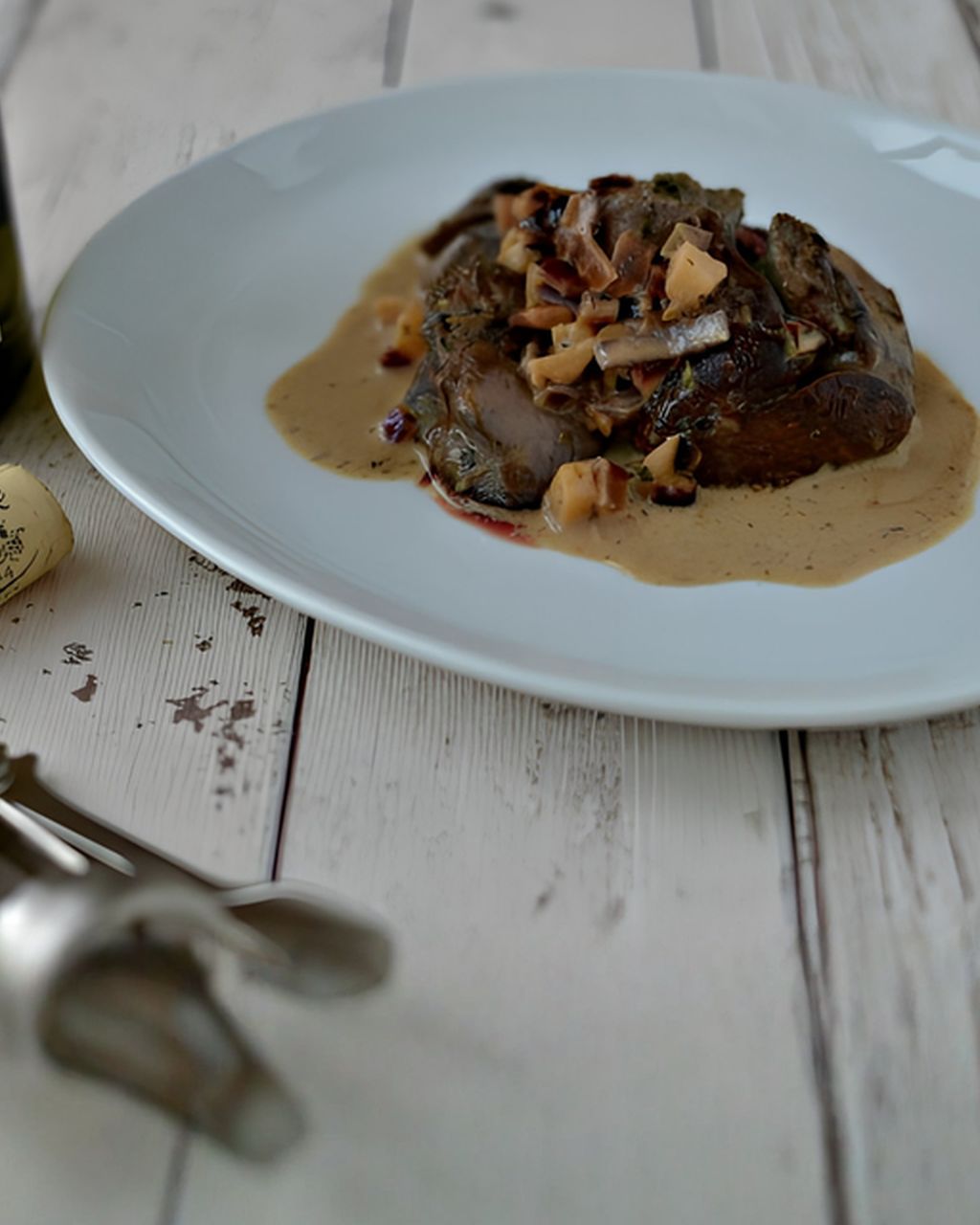
In dill soup the cream goes onto a butter-and-flour roux and the soup then simmers for about half an hour, with the flour holding the cream together. In the mushroom sauce cooking cream is combined with whipping cream, simmered briefly and thickened with starch.
If you have no cream at home, substitutes and their fat content are covered in what to use instead of cream in a sauce.
Unopened long-life cream keeps outside the fridge until its best-before date, fresh cream in the fridge at 2–8 °C until its use-by date. Use opened cream within 2–3 days, or sooner if the pack says so: makers print "within three days of opening" and, on some fresh cream, "immediately".
Freezing breaks the cream's emulsion, and after thawing it tends to be grainy and separated. Use thawed cream only in hot dishes; more in can you freeze milk, cream and yogurt.
The UK's NHS says pasteurised cream is fine in pregnancy and advises avoiding unpasteurised milk and cream, which may contain listeria. Shop cream must state its heat treatment on the pack.