- Season
- All year.
- Price
- Low
Calories and nutrition per 100 g
- 30 kcal
- 0.7 g protein
- 0.2 g fat
- 10.5 g carbs
Lime
A lime is a small green citrus fruit, 3–6 cm across, with very sour, aromatic juice and fragrant zest. The lime sold in most shops is the seedless Persian lime, used in cocktails such as the mojito, in guacamole, ceviche, marinades and desserts.
At room temperature limes keep about 10 days; if you will use them within a week, leave them in a bowl on the counter.
For longer storage put them in the fruit drawer of the fridge, where they keep 10–21 days. Wrap a cut lime, set it cut side down and use it within 3–4 days.
Do not freeze whole limes; freeze the squeezed juice, for example in an ice cube tray, or the grated zest. Citrus juice and zest keep 4–6 months in the freezer.
Choose limes that feel heavy for their size, with taut, glossy skin and no wrinkles or soft spots. Brazilian Tahiti limes are often paler, light green to yellow, which is fine. Minor skin blemishes do not affect the taste. If you want to grate the zest, look for untreated or organic limes; ordinary limes are often labelled as having chemically treated peel.
Lemon juice with a little grated lemon zest. The acidity will be similar, the aroma softer and less “green”.
Bottled lime juice for marinades and drinks. It will not replace the scent of the zest.
Wash and dry a lime well before grating the zest. Grate the zest before you squeeze it, and only the green layer, as the white pith is bitter. Roll it firmly on the board under your palm before cutting so it releases its juice more easily. Wash your hands after handling limes before you go out in the sun. The juice and especially the peel contain furanocoumarins, and skin splashed with lime can redden and blister in sunlight like a burn.
Always grate the zest before squeezing and freeze it in a small tub; it keeps 4–6 months. Freeze juice you will not use straight away in an ice cube tray.
Roughly what one measure weighs, scooped the way you normally would in the kitchen.
Lime is used mostly raw: the juice in cocktails such as the mojito, margarita, daiquiri or Cuba libre, in lemonades, guacamole, ceviche, dressings and marinades, the zest in desserts and sorbets. It tolerates brief heating in syrups, creams and pies such as the American Key lime pie.
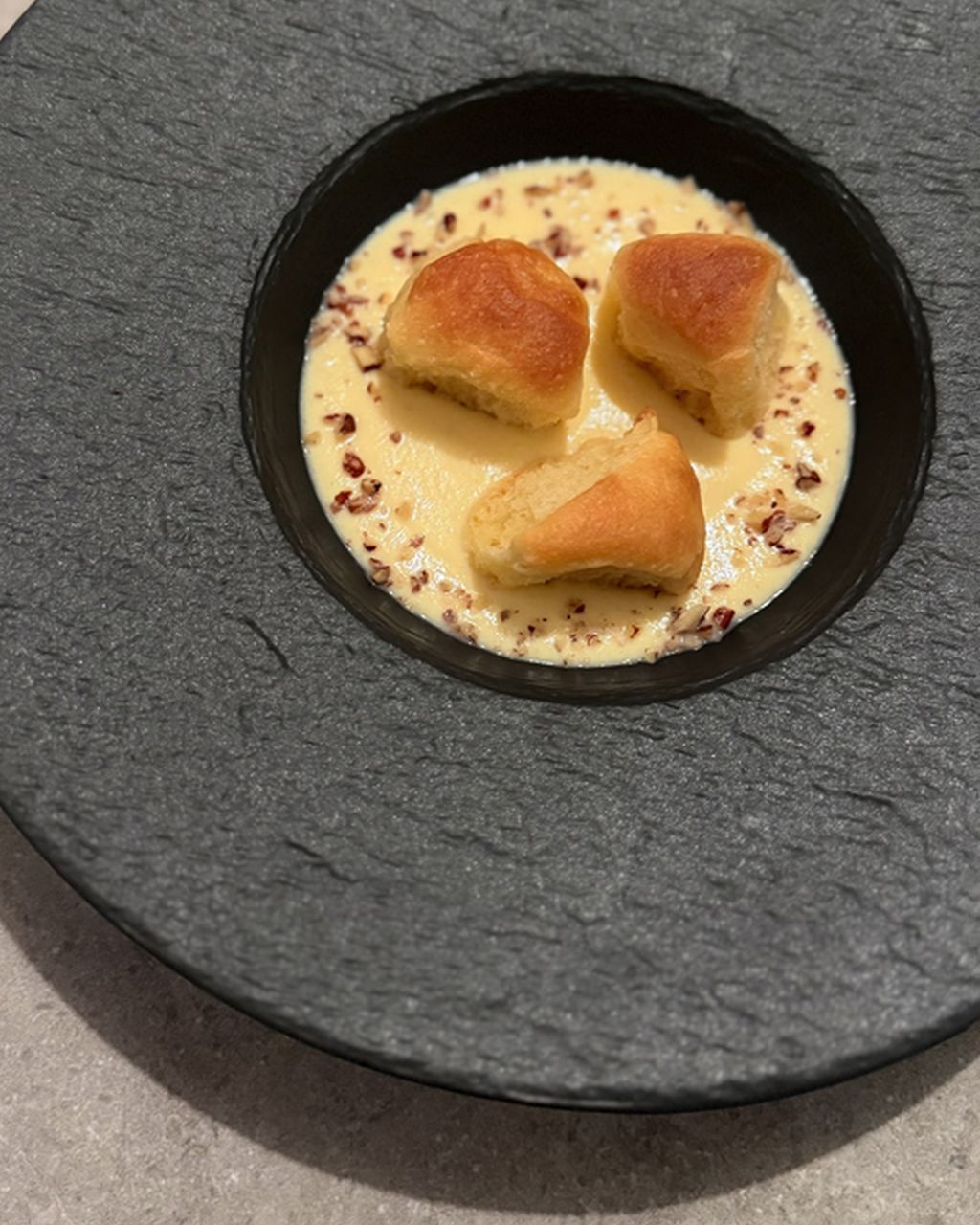
Fluffy sweet buns with chaudeau (egg custard) sauce
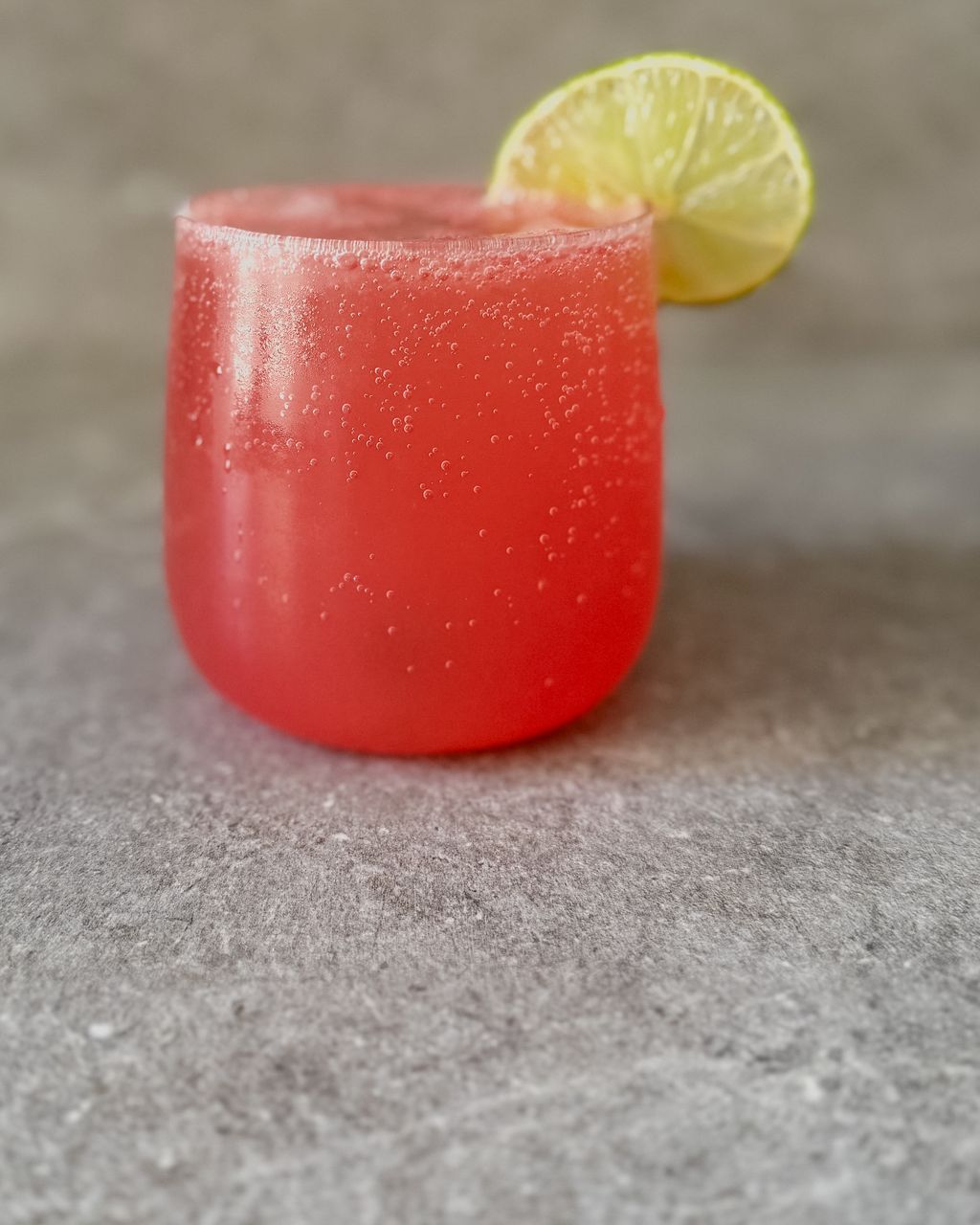
Cold-pressed watermelon syrup
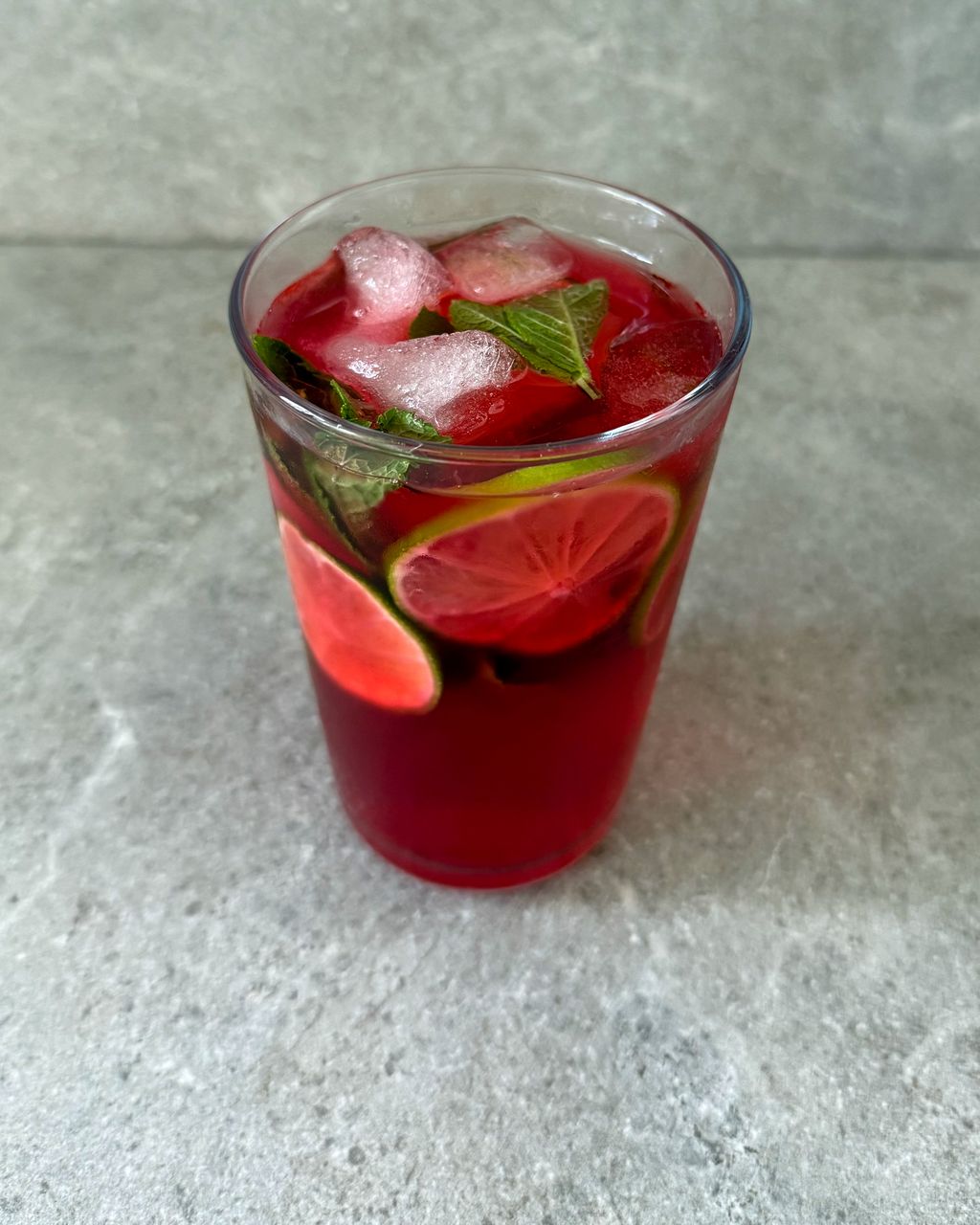
Refreshing hibiscus iced tea with lime
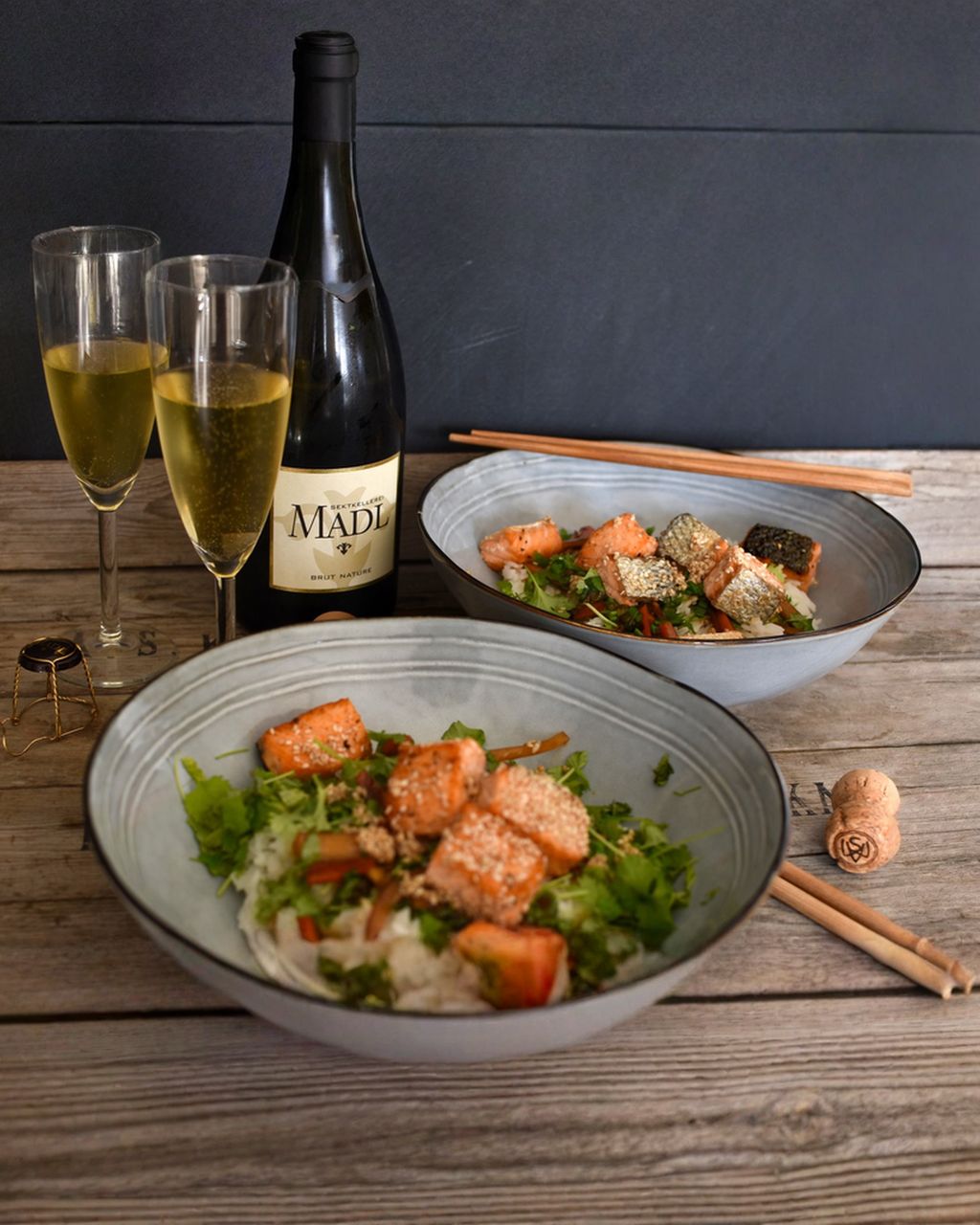
Sesame-crusted salmon with fragrant coriander
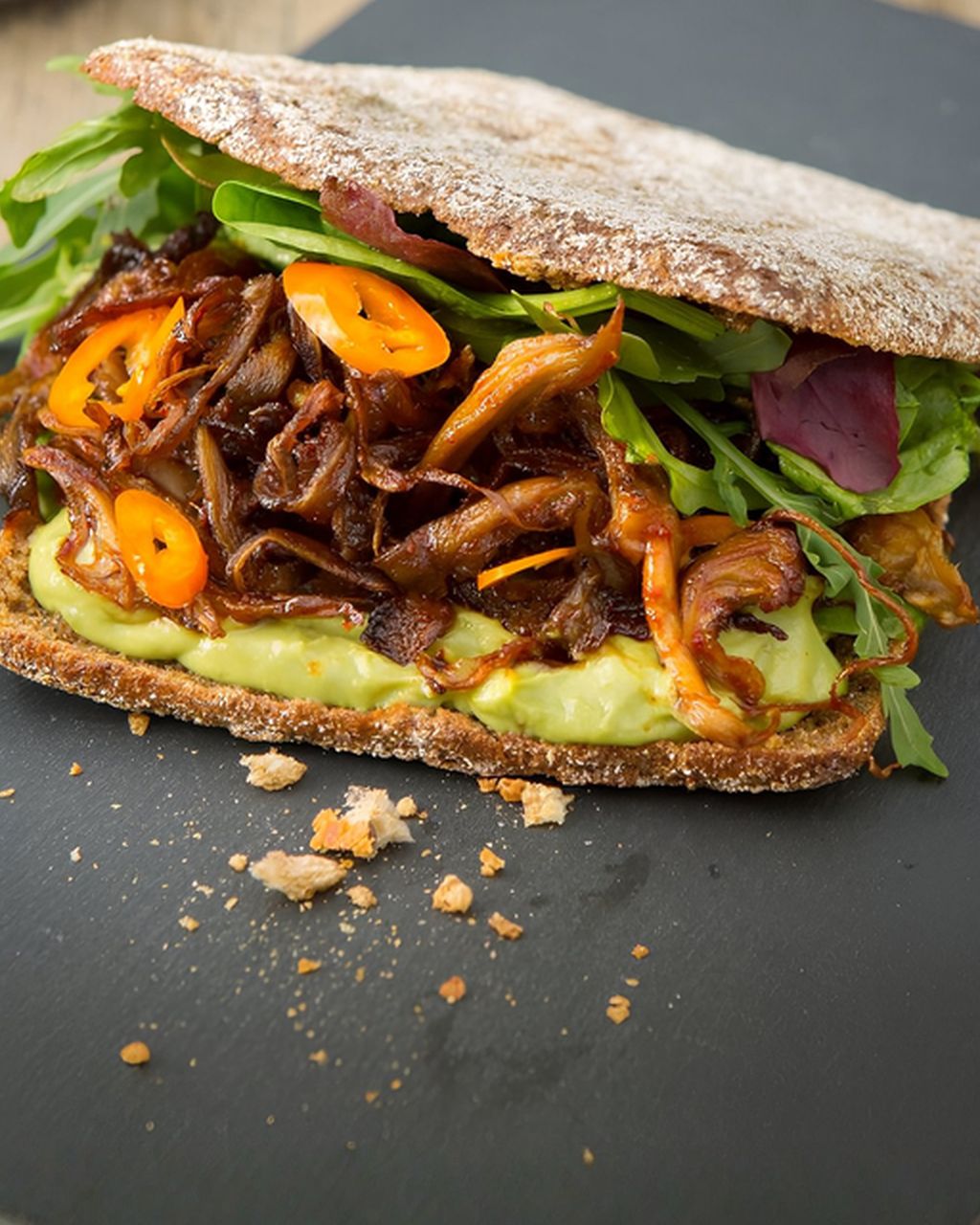
Oyster mushroom sandwich with bbq sauce, avocado and wasabi
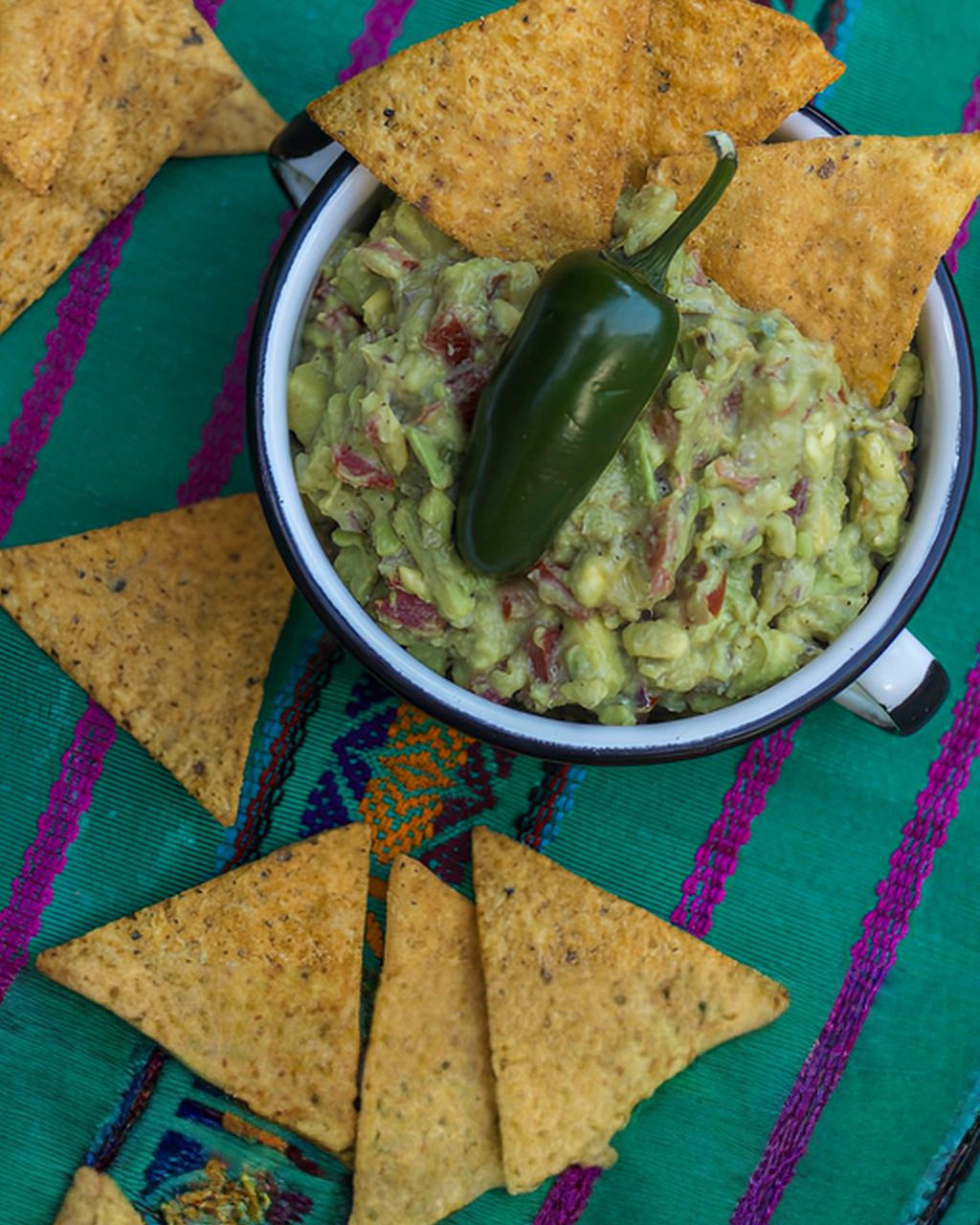
Guacamole
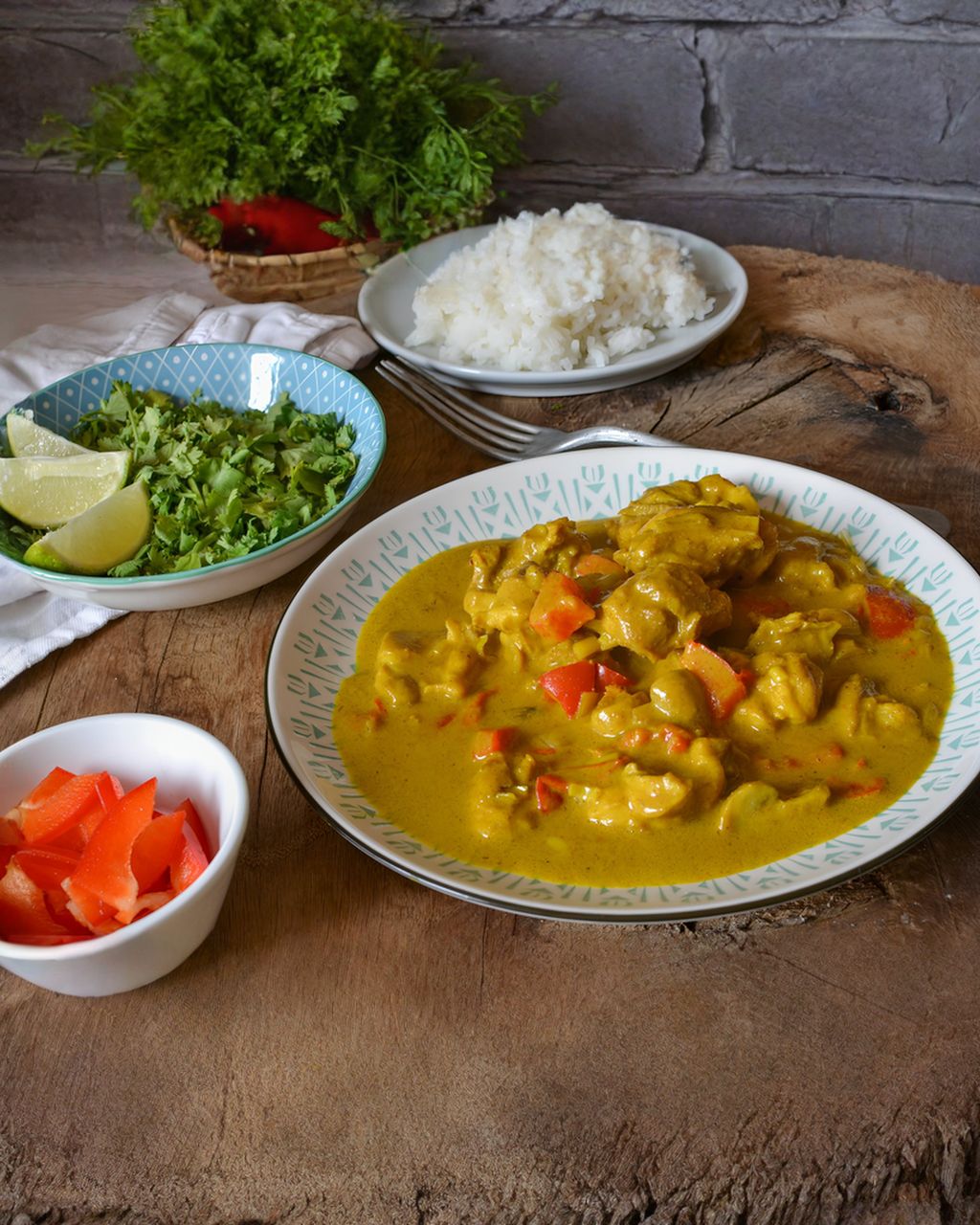
Chicken curry with coconut milk
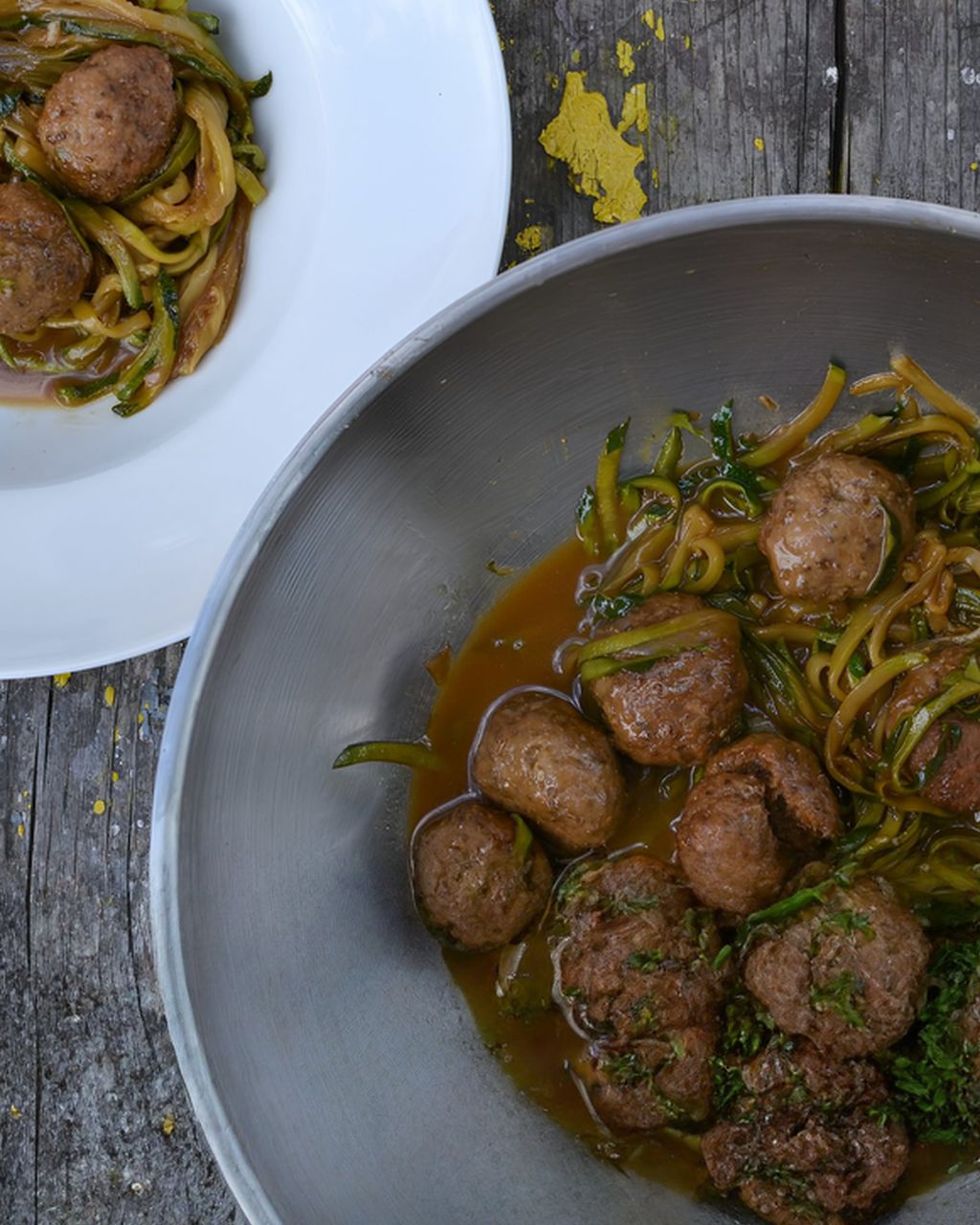
Lightly spicy meatballs with zucchini noodles
Limes are the fruit of several citrus species and hybrids. They are small, round to oval, with green skin and flesh. Most are harvested green, when their flavour and acidity are strongest; fully ripe limes can turn yellow. Czech uses two names, limeta and limetka, and shops label them both ways. The most widely grown kind is the Persian lime (Citrus × latifolia), also sold as Tahiti lime: about 6 cm and nearly seedless. The smaller Key or Mexican lime (Citrus × aurantiifolia) has more seeds.
Lime is sharply sour and fresh, with a strong floral-green zest aroma and a slightly bitter note from the white pith. Next to lemon it tastes more aromatic and “greener”.
Seasonal baking plans, tested recipes and kitchen tricks that save you time. Unsubscribe in one click.
2 min read
Lime and lemon are both sour citrus fruits but different ones; a lime is not an unripe lemon. Limes are smaller, green and harvested unripe. The Persian lime, the best-selling kind, is a cross between the Key lime and the lemon. Lime juice contains about 47 g of citric acid per litre.
Recipes often swap lime and lemon, but the flavour changes. Lemons have their own page, lemon, and so does lemon juice.
Persian lime (Citrus × latifolia), also Tahiti lime: larger, about 6 cm, nearly seedless. It is the most widely grown kind. Key or Mexican lime (Citrus × aurantiifolia): smaller, rounder and seedy. It gives its name to the Florida Key lime pie.
The makrut lime (Citrus hystrix) has a bumpy fruit and fragrant leaves used mainly in Southeast Asian cooking. The Australian finger lime (Citrus australasica) is also called a lime.
Lime juice seasons guacamole, marinades and dressings and belongs in cocktails and soft drinks. A virgin mojito and other summer drinks are in what to drink at a picnic, and a hibiscus iced tea with lime is refreshing too.
In ceviche, lime juice acidifies the fish and changes its texture, but it does not cook it and does not kill parasites. For a salmon ceviche, buy fish explicitly sold as suitable for eating raw. EU Regulation 853/2004 requires such fish to be frozen at −20 °C in all parts for at least 24 hours (or −35 °C for 15 hours), which an ordinary home freezer cannot reach; more in salmon and sushi in the fridge.
Limes keep about 10 days at room temperature and 10–21 days in the fridge, cut ones 3–4 days. Do not freeze whole limes; freeze the juice or zest, which keep 4–6 months. An overview for every kind of fruit is in how to store fruit.
A raw lime has 30 kcal per 100 g according to the USDA, with 10.5 g carbohydrate and 2.8 g fibre; lime juice has 25 kcal per 100 g. Lime contains 29 mg of vitamin C per 100 g. A lime 5 cm across weighs 67 g according to the USDA, so it has around 20 kcal.