- Season
- Year-round
- Price
- Low
Calories and nutrition per 100 g
- 105 kcal
- 11.6 g protein
- 4.2 g fat
- 4.6 g carbs
Cottage Cheese
Cottage cheese is a fresh, unripened cheese made of small, soft curds mixed with cream and salt. It tastes mild and slightly tangy and has about 11 g of protein per 100 g.
Do not leave it on the counter. It can sit on the table for 2 hours at most, less in a warm room, then back in the fridge or in the bin.
Keep it in the fridge at 2–8 °C, at the back of a shelf rather than in the door. Unopened, it keeps until the use-by date; do not eat it after that. Makers usually print "consume immediately after opening". Close any leftover tightly, scoop with a clean spoon and finish it the next day at the latest.
You can freeze it, but once thawed it releases a lot of whey and the curds turn rubbery. Freeze it in the tub or a container and use within 2–3 months. Thaw in the fridge and use it only in bakes, batters or savoury pastries, not on bread.
Cottage cheese comes in tubs, most often 150–200 g. Check the fat on the label: regular versions have about 4–7 %, light ones less. For eating on its own and in salads, pick a richer, creamier one; for baking and batters light is fine. The ingredients should be milk, cream, culture and salt, nothing more is needed. Choose the tub with the latest use-by date and an intact lid. Flavoured versions (chive, fruit) carry extra salt or sugar.
Tvaroh or quark loosened with a little cream or milk and a pinch of salt. The taste is close; only the curd texture is missing. In lasagne and stuffed pasta, ricotta works in the same amount.
Thick plain or Greek yogurt for bowls and dips. It is tangier and has no curds, but takes flavours just as well.
Eat it straight from the tub. For a smooth dip or spread, blend it with a stick blender. For batters and fillings where moisture is a problem, drain it in a fine sieve for 15–30 minutes. Add it to hot dishes at the end or bake it in; boiling makes the curds seize and weep.
Stir the whey that collects on top back in, or add it to pancake batter or bread dough. Bake cottage cheese close to its date into pancakes, muffins or baked potatoes.
Roughly what one measure weighs, scooped the way you normally would in the kitchen.
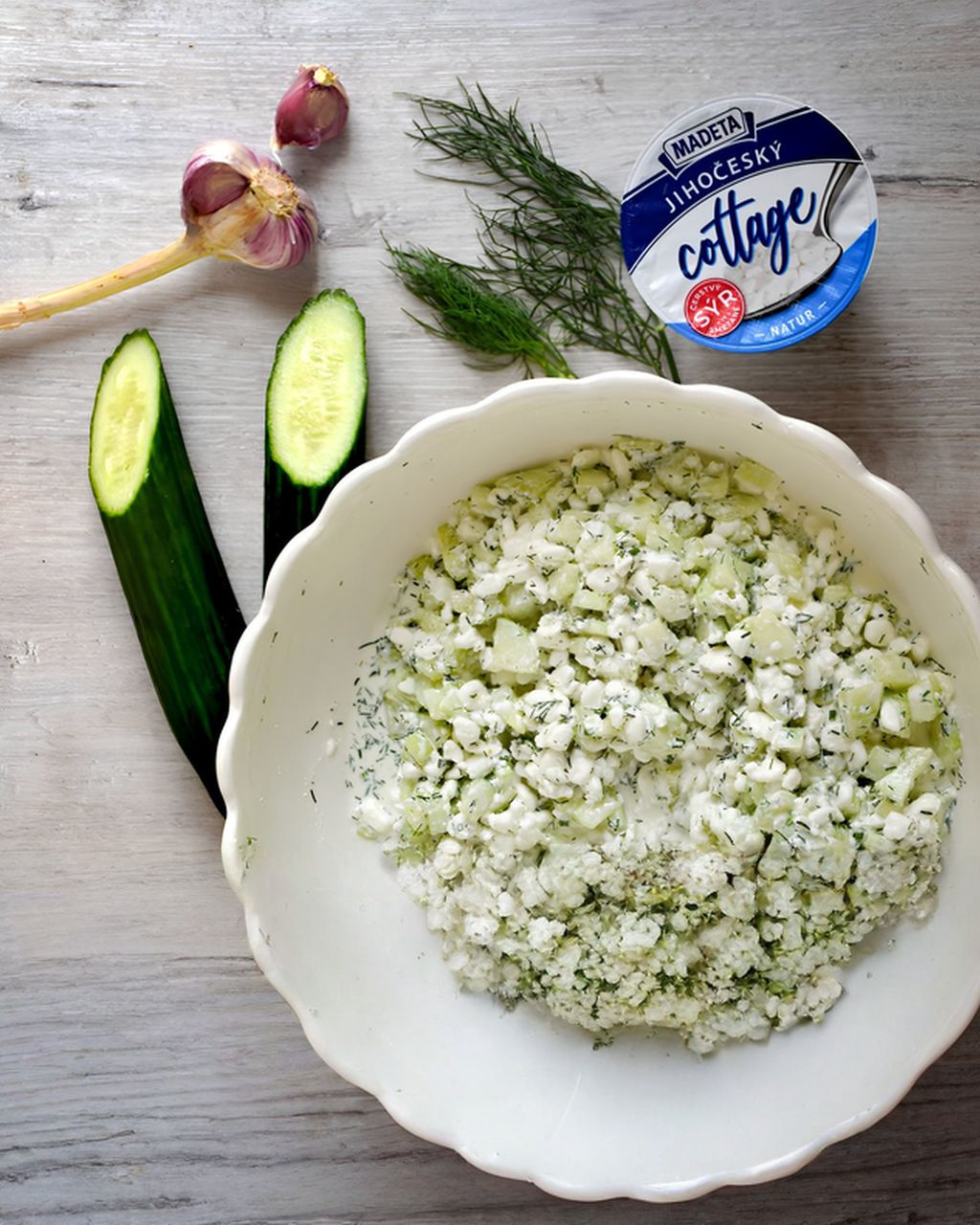
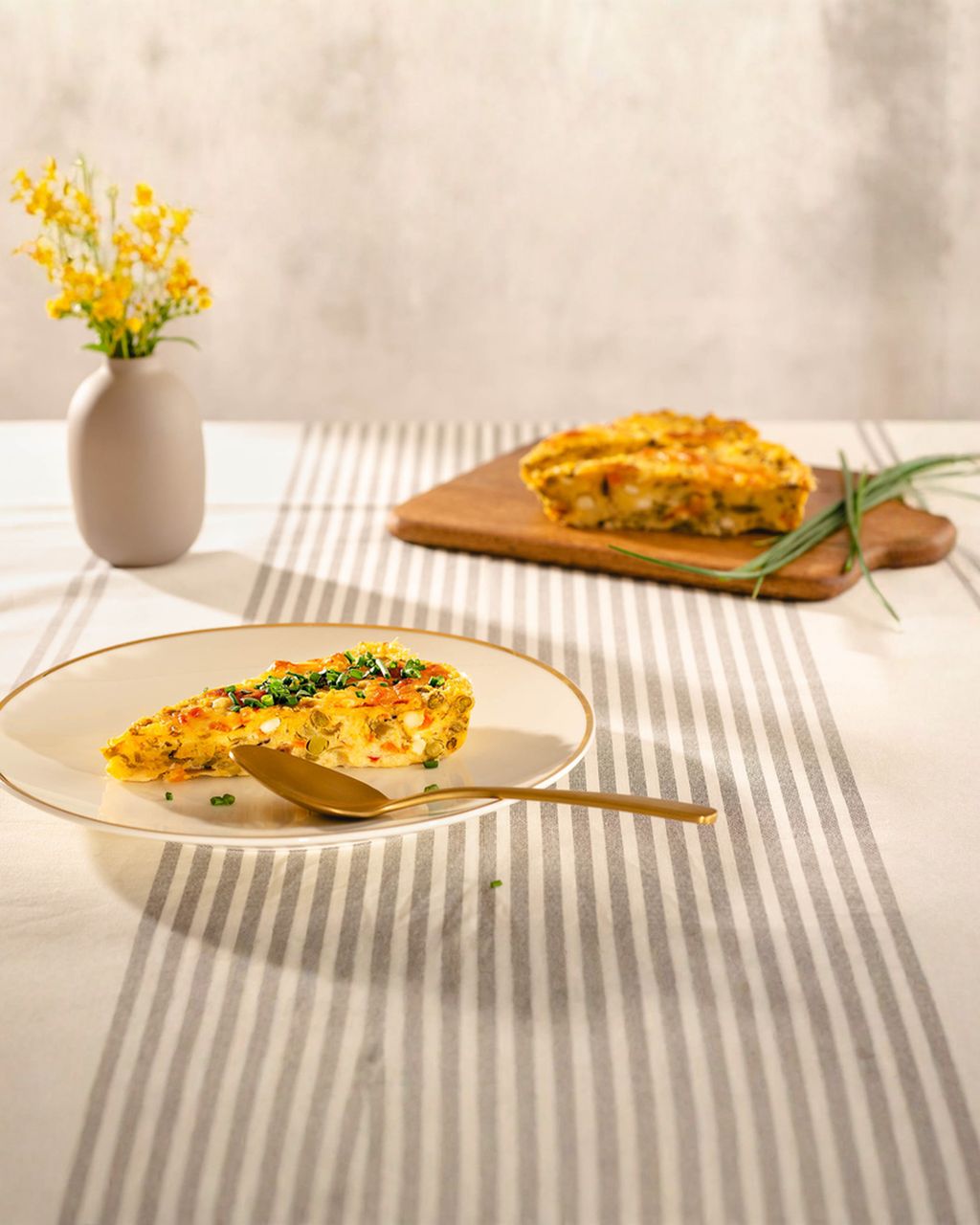
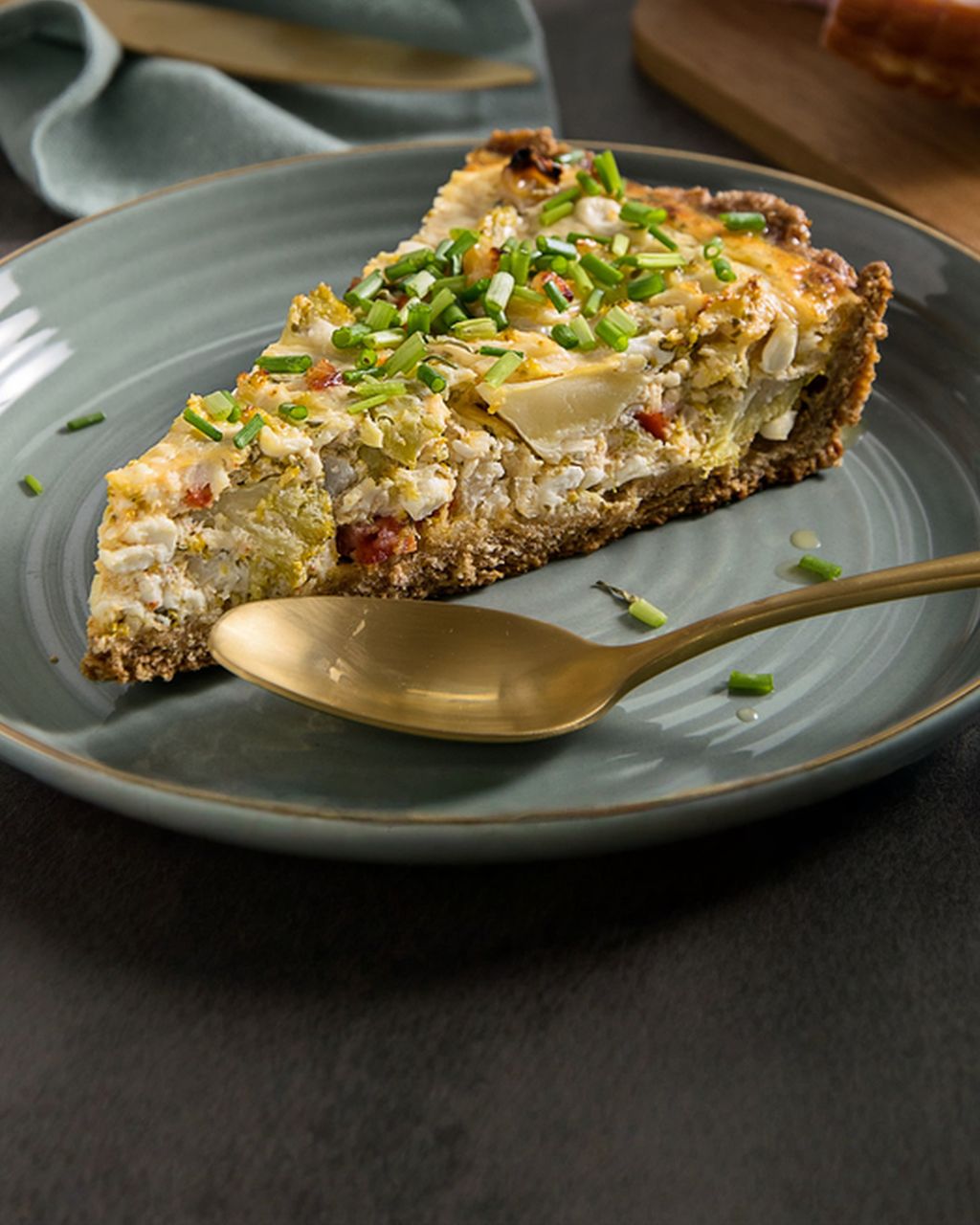
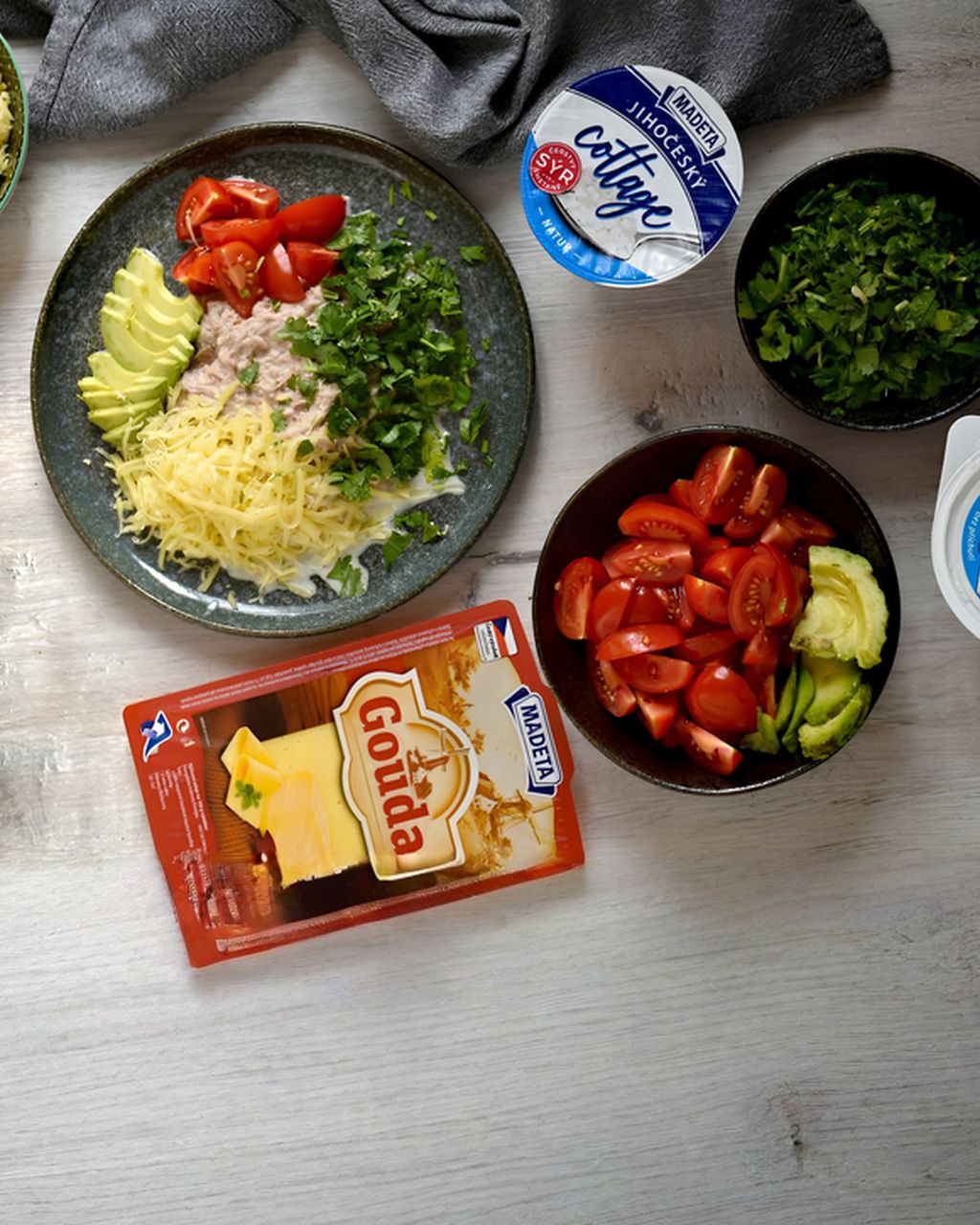
Most often eaten cold: with fruit and honey for breakfast, with chives, tomatoes and bread for supper, or in a salad. Blended, it makes a light dip or spread. It works in pancake and muffin batters, in quiche, in baked potatoes and instead of ricotta in lasagne. In omelettes or scrambled eggs, add it at the end.
Cottage cheese is a fresh, unripened cheese made of small, soft curds mixed with cream and salt. It tastes mild and slightly tangy and has about 11 g of protein per 100 g. It is made from skimmed milk set with a dairy culture, and some makers add a little rennet. The set milk is cut into cubes, warmed slowly so the curds release whey and firm up, then washed in cold water and drained. Finally the curds are mixed with cream and salt. Czech labels therefore usually list only milk, cream, dairy culture and salt.
Mild and milky with a light tang and a touch of salt. The curds are soft and springy in a creamy, slightly runny dressing. Higher-fat cottage cheese is creamier, light versions are drier and sharper. It takes sweet or savoury flavours easily: fruit, honey, herbs or black pepper.
Seasonal baking plans, tested recipes and kitchen tricks that save you time. Unsubscribe in one click.
3 min read
All three are fresh, unripened cow's milk cheeses, but they differ in texture and use.
Cottage cheese is separate, washed curds in cream, lightly salted, and mostly eaten as it is.
Tvaroh is a fine, crumbly mass with no cream dressing and no salt. Czech Decree 397/2016 defines it as an unripened cheese set mainly by acid. It goes into baking, dumplings and spreads.
Quark is the German relative of tvaroh. It is usually smoother and spoonable. Both can be swapped for cottage cheese where curds do not matter, for example in bakes.
Cottage cheese with about 4 % fat has, per USDA data, around 98 kcal, 11 g protein, 4.3 g fat and 3.4 g carbohydrate per 100 g. A richer Czech cottage cheese with 7 % fat has, per its label, about 118 kcal, 11 g protein and 3 g carbohydrate.
Salt varies by brand, commonly around 0.7 g per 100 g. Cottage cheese contains milk, one of the 14 allergens that must be declared in the EU, and lactose, though lactose-free versions are sold. How it compares with other foods is covered in Protein sources: how much each food has.
Cottage cheese is a fresh cheese without preservatives, so it carries a use-by date, not a best-before date.
In the fridge at 2–8 °C it keeps until the date on the lid. Do not eat it after that date, even if it looks fine. A domed lid is a sign of fermentation.
Makers advise eating opened cottage cheese straight away. Close the rest, scoop with a clean spoon and finish it the next day at the latest. A sour, yeasty or bitter smell, a yellowish tinge or mould mean it goes in the bin.
You can freeze it, but after thawing the curds turn rubbery and release a lot of water. Why that happens and how to thaw fresh cheeses is explained in Can you freeze cheese?.
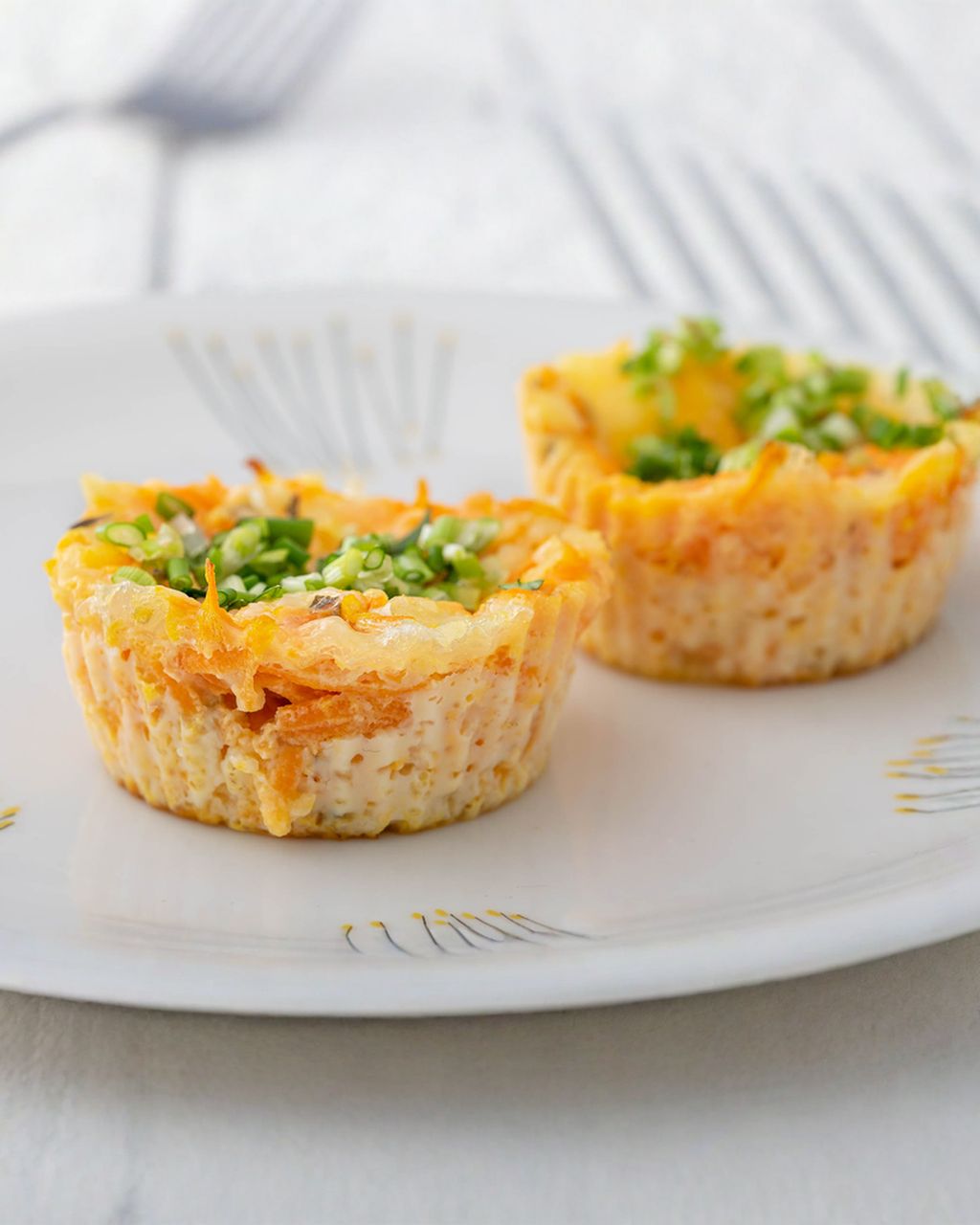
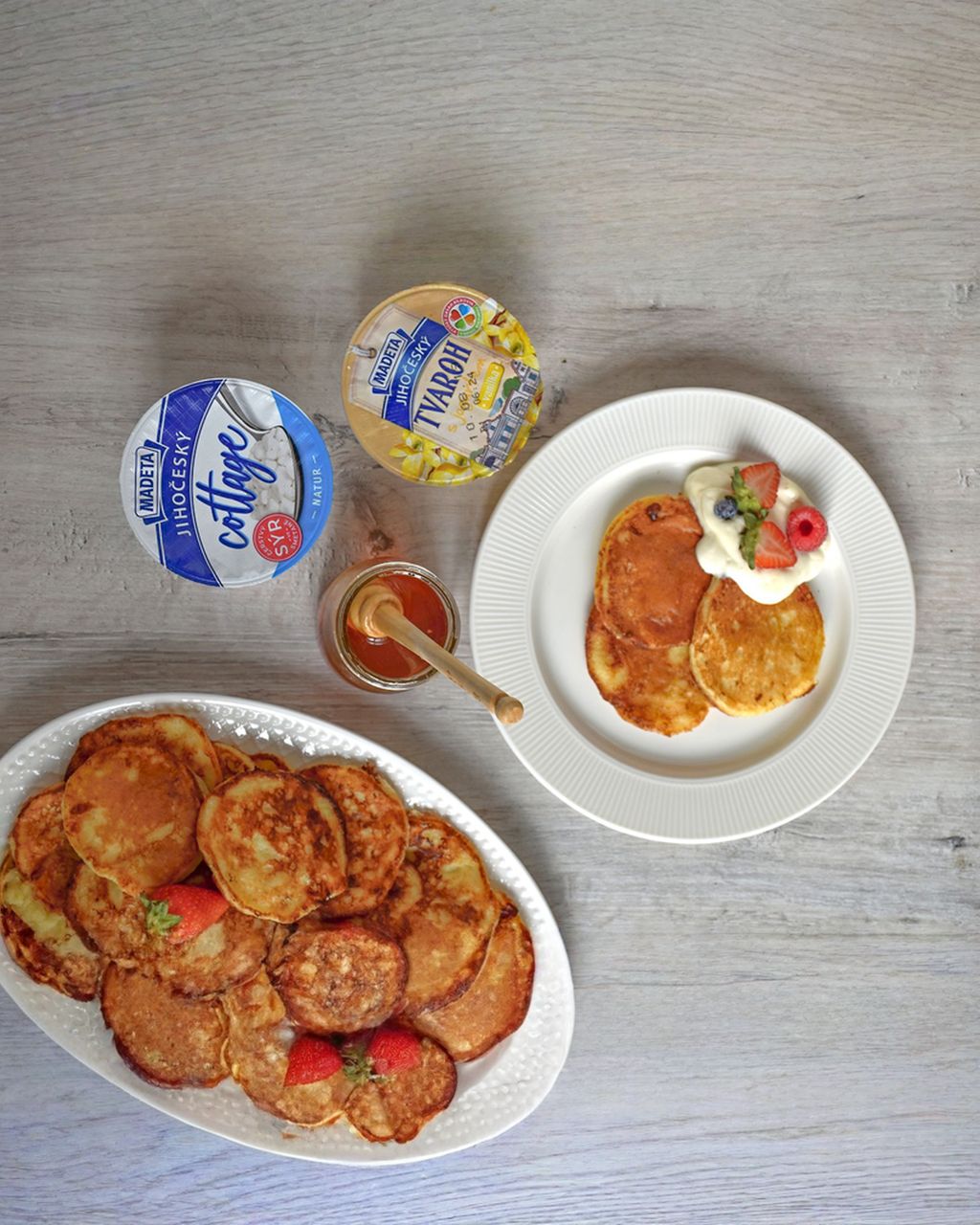
Cold, it suits breakfast with fruit, salads and bread with herbs. In batters it adds moisture and protein, as in cottage cheese pancakes with fruit. Baked, it melts into a creamy layer, as in baked potatoes with cottage cheese and vegetables.
In lasagne and stuffed pasta use it instead of ricotta in the same amount. For a smoother filling, drain it and blend briefly.
By curd size there is small-curd and large-curd cottage cheese. Small curds blend better into dips, large curds stand out in salads. Shops sell regular, light (lower fat), flavoured (chive, fruit), lactose-free and high-protein versions.
Fresh cheeses from soured milk have been made on farms for a very long time. The name cottage cheese comes from 19th-century English and refers to the rural cottages where it was made from leftover milk. Large-scale production began in the 20th century in the US, and it reached Czech shops only in recent decades.