Storing Food in the Freezer: How to Pack It and How Long It Lasts
Can You Freeze Cheese? Edam, Parmesan, Hermelín, Blue Cheese, Quark and Mascarpone
Updated Nov 17, 2026
You can freeze cheese, but not every kind comes out of the freezer the same. The flavor stays; the structure changes: ice crystals tear up the cheese's inner structure, and water leaks out once it thaws. Hard and semi-hard cheeses handle it best, especially grated and for cooking. Mold-ripened and soft cheeses turn crumbly after thawing, so they work in sauces, spreads and bakes, not on a cheese board. Fresh cheeses (quark, lučina, cottage cheese, mascarpone) survive the freezer too, but then they belong in the oven or the pot, not on bread.
There's a simple rule: the less water a cheese contains, the better it handles freezing. In short:
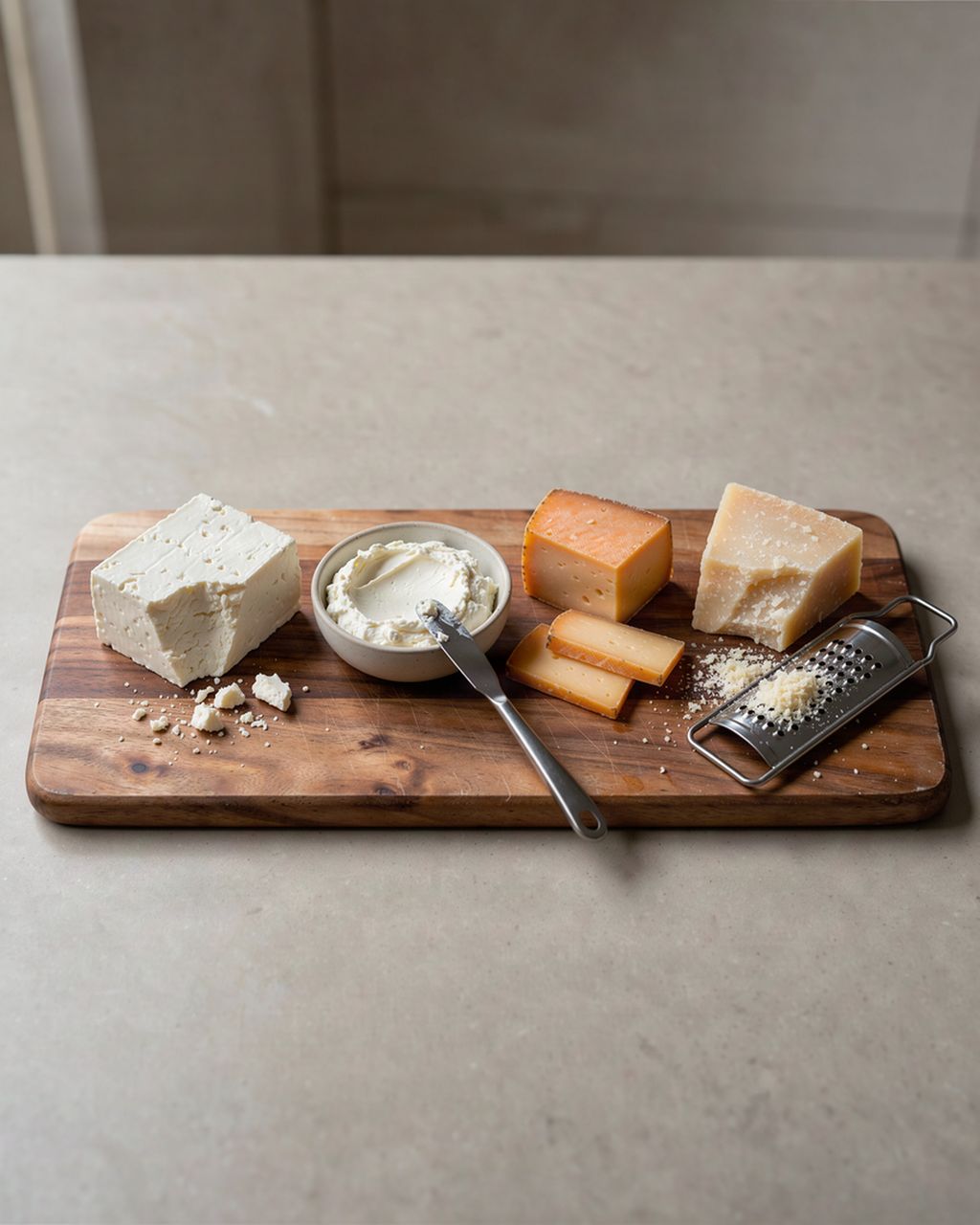
Freeze well: hard and semi-hard cheeses such as Edam, Gouda, Emmental or cheddar, ideally grated.
Freeze with compromises: mold-ripened and soft ripened cheeses (blue cheese, hermelín, a Czech camembert-style cheese), Balkan-style cheese, mozzarella and, in a pinch, grated Parmesan, even though its producers advise against freezing it. They fall apart and crumble, so they work best for cooking, in sauces and in spreads, not on a cheese board.
Texture changes dramatically: fresh cheeses, meaning quark (tvaroh, a Czech fresh curd cheese), lučina (a Czech soft cream cheese), cottage cheese, mascarpone and ricotta. They release water and turn grainy. After thawing they're only good for baking and cooking.
The US National Center for Home Food Preservation (NCHFP) states plainly that hard and semi-hard cheeses may become crumbly and mealy after freezing but keep their flavor. It also says cream cheese, cottage cheese and ricotta "do not freeze well." If you don't have to freeze it, don't: according to the NCHFP, cheese keeps best in the fridge.
Seasonal baking plans, tested recipes and kitchen tricks that save you time. Unsubscribe in one click.
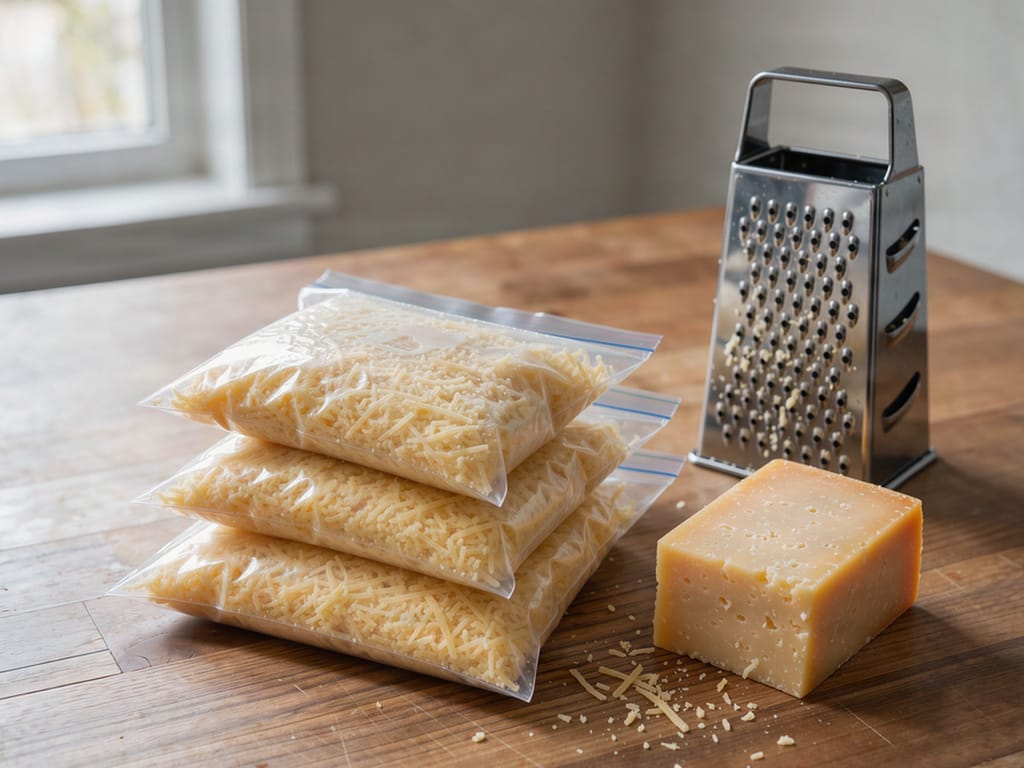
Edam and Gouda freeze without trouble, ideally grated. Grated cheese doesn't crumble as noticeably after thawing, and above all you don't have to thaw a whole block: you just sprinkle out what you need. Shake the bag a few minutes after freezing so the grated cheese doesn't clump into one lump.
You can also freeze Edam in one piece. The NCHFP recommends pieces of roughly 225–450 g (8–16 oz) wrapped in packaging that's moisture- and vapor-proof. After thawing, though, it will break and crumble, so it won't be quite right for slices on bread.
It's better not to freeze Parmesan. The Parmigiano Reggiano Consortium doesn't recommend freezing the cheese at all. Freezing changes its structure and the cheese loses its typical delicate graininess. If you have to freeze it, grated Parmesan copes better, and you sprinkle it straight into hot food. And since a piece of Parmesan keeps for weeks in the fridge, you rarely need to freeze it anyway.
How long: USDA FSIS gives about 6 months in the freezer for hard cheeses. That's how long the cheese keeps its quality. At a constant −18°C (0°F) it stays safe for longer, it just slowly loses flavor and dries out.
You can sprinkle grated cheese straight from the freezer onto classic baked potatoes, onto yogurt dough pizza or into broccoli and smoked ham quiche. In the oven it melts just as well as fresh.
You can freeze blue cheese and hermelín, but they come back different from how they went in. Freezing halts ripening, so the flavor stays at the same level. The structure suffers, though: blue cheese crumbles, and hermelín turns watery and loses its creamy center.
Blue cheese after thawing works in sauces, dressings, bakes or a spread, such as red blue cheese spread. Crumbled, it mixes in even more easily.
Hermelín is good for baking or grilling. Heat evens out the texture and you'll barely notice the difference. Freeze it in its original packaging, wrapped further in plastic wrap or a bag.
USDA FSIS gives about 6 months in the freezer for brie-type soft cheeses, which includes hermelín. In practice, though, the sooner you use it, the better.
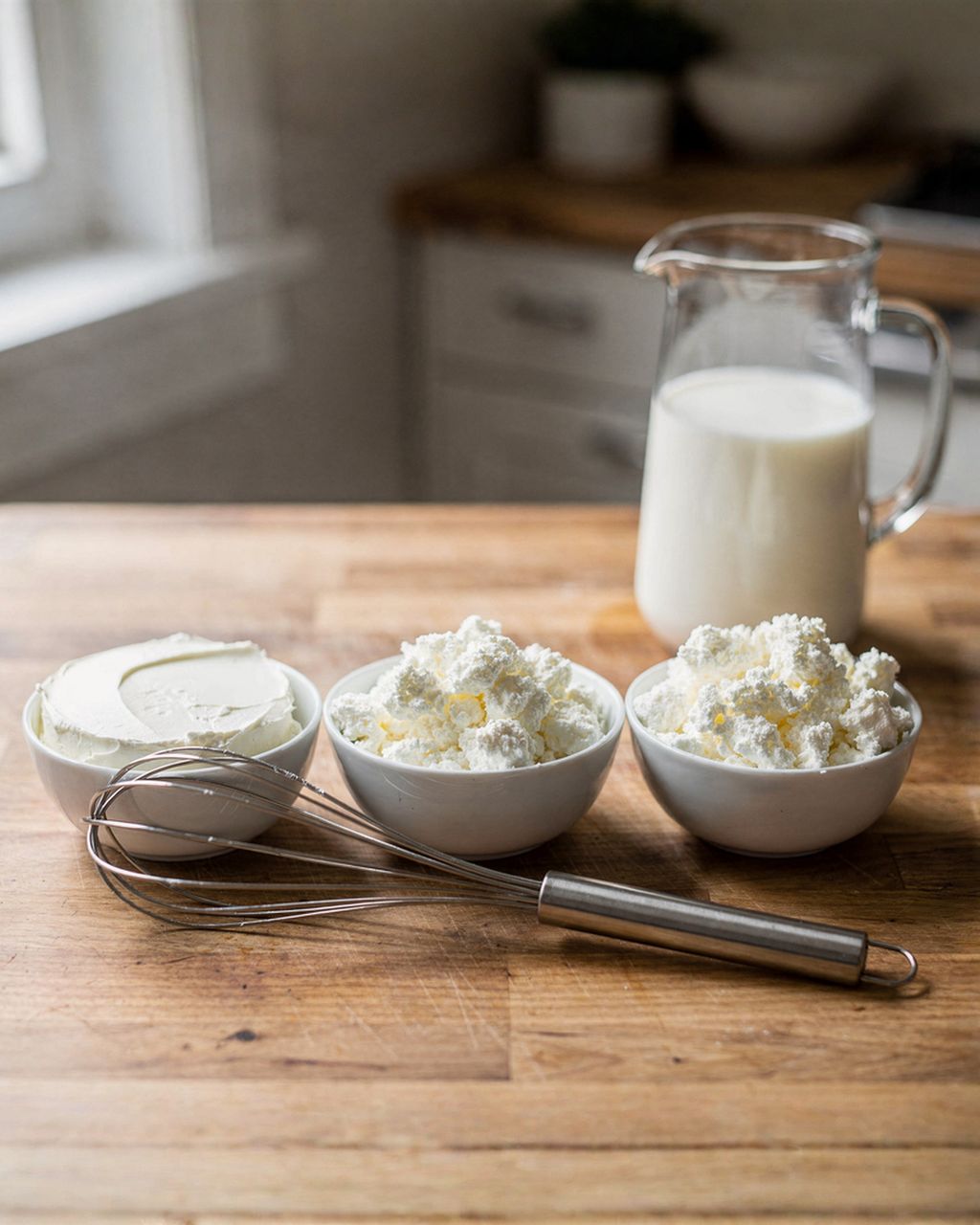
You can freeze quark, cottage cheese, lučina and mascarpone, but after thawing they only suit baking and cooking. Fresh cheeses contain a lot of water. In the freezer it forms crystals that break up the delicate protein network. After thawing, whey separates out and the cheese is grainy, not creamy.
Quark (full-fat or semi-skimmed) handles freezing best of all the fresh cheeses. After thawing, drain off the water, stir the quark or blend it briefly, and bake with it, for example grated quark cake or quick quark cake with raspberries. It's not suitable for no-bake cheesecake or cake cream.
Cottage cheese releases a lot of whey and the curds turn rubbery. It's only good for baked dishes and savory bakes.
Lučina and other cream cheeses crumble after thawing. They won't work on bread or in a cream, but they will in a savory filling or sauce.
Mascarpone turns grainy and separates out fat. It won't work for tiramisu with raspberries or whipped cream, but it will in a warm sauce or in dough. If you've run out of mascarpone for a cream, see our article what to substitute for mascarpone in cakes.
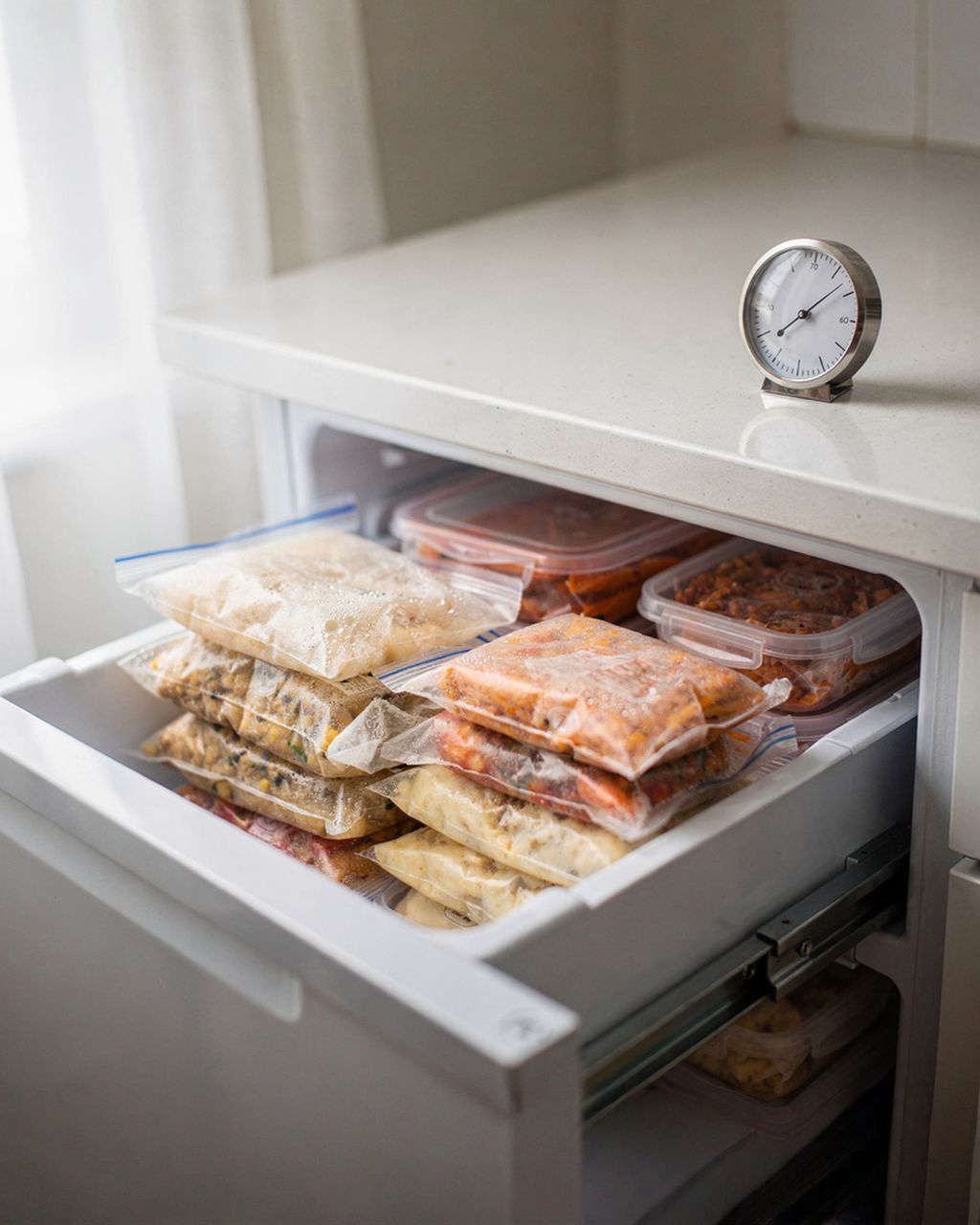
Wrap cheese for the freezer in portions, tightly and with no air: in a freezer bag, vacuum bag or container. Air dries cheese out in the freezer and lets odors reach it. Here's how:
Divide it into portions you'll use at once. Don't refreeze thawed cheese.
Grate hard cheeses or cut them into pieces. Layer slices with parchment paper so you can separate them one by one later.
Wrap tightly: in a freezer bag with the air pressed out, in a vacuum bag or in a container. The NCHFP wants packaging that's moisture- and vapor-proof.
Freeze quark and mascarpone in their original unopened packaging, or in a container with a little room at the top.
Write the date and type of cheese. In three months, telling frozen quark from frozen lučina is a lottery.
Keep the freezer at −18°C (0°F), as the UK Food Standards Agency (FSA) recommends. For general times and packing of other foods, see our article storing food in the freezer.
Thaw cheese in the fridge, not on the counter. The FSA calls thawing in the fridge overnight the safest, because the food never enters the danger zone of 8–63°C (46–145°F). Freezing doesn't kill bacteria, it only halts them. They wake up again as the food thaws.
Grated hard cheese doesn't need thawing. Sprinkle it frozen straight onto the food before baking.
Pieces of cheese, blue cheese and hermelín should thaw in the fridge overnight, or up to 24 hours depending on size.
Quark, cottage cheese and mascarpone: thaw in the fridge, drain off the whey and stir. Always cook thawed fresh cheeses: bake them, boil them, put them in a casserole.
Use it within 24 hours of fully thawing, as the FSA advises.
If thawed cheese doesn't smell right or has new mold on the surface, throw it away.
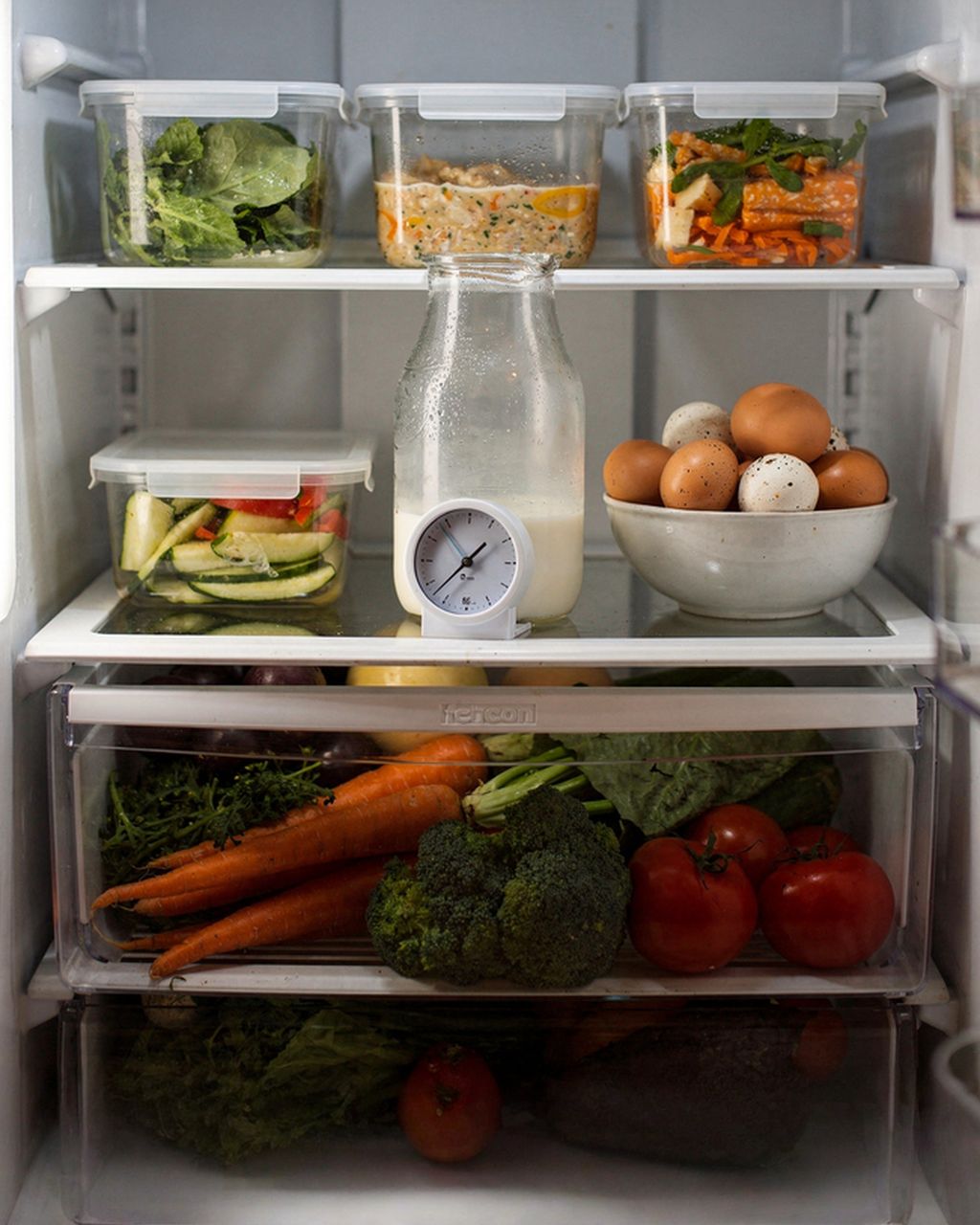
Store Edam and Parmesan in the fridge (the FSA recommends 0–5°C / 32–41°F; for Parmesan the Parmigiano Reggiano Consortium gives 4–8°C / 39–46°F), wrapped in parchment paper or in a closed container. They keep like this for roughly two weeks to a month, depending on the type and age of the cheese. For hard cheeses, this is a better route than the freezer.
Parmesan: the Parmigiano Reggiano Consortium recommends a fridge at 4–8°C and a glass or plastic container, because the fat in the cheese absorbs odors from the fridge. Once opened, according to the Consortium, Parmesan aged 12–18 months keeps for about 15 days, and Parmesan aged 24 months or more for about a month. Younger Parmesan has more water, so it keeps for a shorter time.
Edam and other hard cheeses in a piece: USDA FSIS gives 3–4 weeks after opening in the fridge for hard cheeses. Wrap them in parchment or wax paper and then loosely in a bag or container. Cheese under paper breathes and doesn't sweat as it does under plastic wrap.
For sliced Edam from a bag, follow the manufacturer's use-after-opening time on the packaging. Slices spoil faster than a block because they have much more surface area.
Mold on hard cheese: according to USDA FSIS, cut it off with a margin of at least 2.5 cm (1 inch) around and below the spot. Throw away soft cheese, quark or grated cheese with mold entirely.
In the fridge, the vegetable drawer or the bottom shelf works best, where the temperature is steady. The fridge door is opened constantly, so don't put cheese there.
Yes, you can freeze sliced cheese, but it breaks apart once thawed, so it's best for toasties, bakes and pizza. Layer the slices with parchment paper, pack them in a bag with the air pressed out, and thaw in the fridge. For cold sandwiches, fresh cheese is better.
Yes, you can freeze Balkan-style cheese (brined white cheese). After thawing it crumbles more and tastes saltier, so it suits salads with dressing, spreads and bakes. Take it out of the brine before freezing, pat it dry and wrap it tightly. Thaw it in the fridge and use it within 24 hours, as the FSA recommends.
Freezing Olomouc tvarůžky (Czech ripened cheese) isn't worth it: they stop ripening, turn watery after thawing and lose their typical texture. The producer, A.W., recommends storing them in the fridge at 4–8°C (39–46°F), in a closed container away from other foods, and using them up quickly once opened. If you can't finish them, bake or fry them right away.
Yes, you can freeze ricotta, but after thawing it's grainy and releases whey, so it only suits baking and cooking: lasagna, stuffed pasta or savory pies. The NCHFP lists it among cheeses that don't freeze well. Freeze it in its unopened packaging, thaw in the fridge, drain off the liquid and stir.
Yes, you can freeze mozzarella, but after thawing it's wetter and more rubbery, so it only suits pizza, lasagna and bakes. Take fresh mozzarella out of the brine, pat it dry, slice or tear it into pieces and wrap tightly in a bag. After thawing it won't work in caprese or salads.
One recipe worth heating the oven for, one tip, and one deal from the shop. Nothing else.