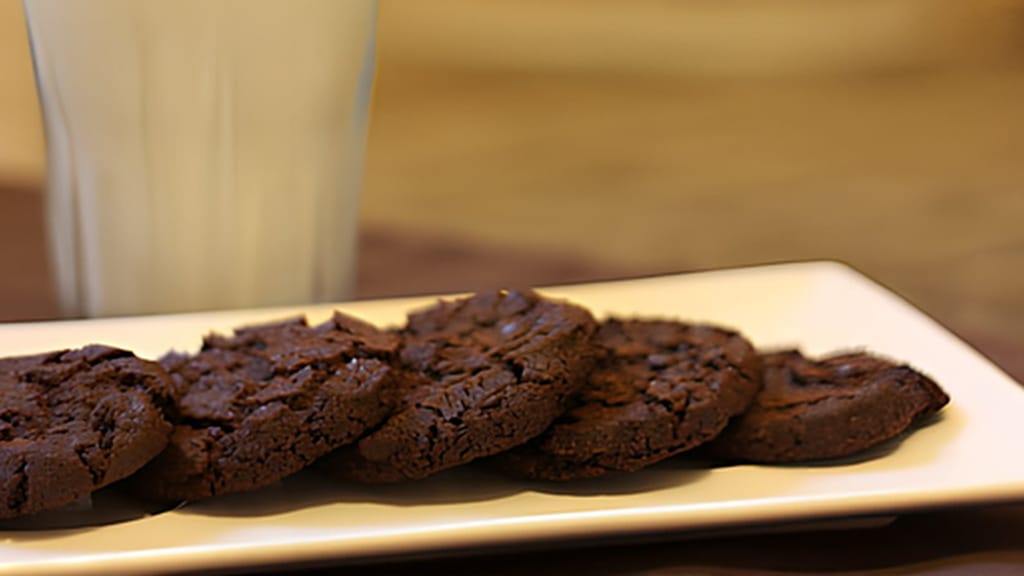
Chocolate chip cookies with fleur de sel
What Temperature to Bake Cookies: American Cookies, Oatmeal Cookies and Crinkles
Updated Nov 17, 2026
What temperature should you bake cookies at? Bake American-style cookies at 175–190°C (350–375°F) for 9–12 minutes, oatmeal cookies at 175°C (350°F) for 8–10 minutes and crinkles at 165–175°C (325–350°F) for 10–12 minutes, always in a preheated oven on conventional (top and bottom) heat. A lower temperature and shorter time give a soft center; a higher temperature and an extra minute give a crisp edge. What matters most, though, is when you pull them out: cookies keep baking and set on the tray, so take them out while the center still looks a little underbaked.
Bake cookies at 165–190°C (325–375°F) for 8–12 minutes, depending on the type: American cookies at 175–190°C, oatmeal cookies at 175°C, crinkles at 165–175°C.
This applies to a preheated oven on conventional (top and bottom) heat, one tray on the middle rack, and balls of dough about the size of a walnut:
American cookies, soft: 175°C (350°F), 9–11 minutes. Edges golden, center pale and shiny.
American cookies, crisp: 190°C (375°F), 11–12 minutes, until the edges are chestnut brown (King Arthur Baking).
Oatmeal cookies: 175°C (350°F), 8–10 minutes, until light golden brown (Quaker Oats).
Crinkles: 165–175°C (325–350°F), 10–12 minutes. King Arthur Baking bakes at 163°C (325°F) and rotates the tray halfway through.
Convection oven: reduce the temperature by about 15°C (25°F) and check a few minutes earlier (King Arthur Baking).
Times are a guide only, because every oven bakes differently. The visual cues described below and a temperature measured inside the oven will tell you for sure.
Seasonal baking plans, tested recipes and kitchen tricks that save you time. Unsubscribe in one click.
Bake soft cookies at 175°C (350°F) for 9–11 minutes and crisp ones at 190°C (375°F) for 11–12 minutes. The difference is speed. At a higher temperature the edge sets and caramelizes quickly, so the cookies are done before the center has a chance to dry out. At a lower temperature the dough bakes more slowly and evenly, and if you pull it out in time, the inside stays pliable.
For its classic chocolate chip cookies, King Arthur Baking gives 190°C (375°F) and 11–12 minutes, "until the edges are chestnut brown and the tops are light golden, almost blond." The result has a crisp edge and a pliable center, a compromise most people want.
Want them softer? Lower the temperature to 175°C (350°F) and take them out a minute earlier, before the center turns matte.
Want them crisper? Stay at 190°C (375°F) and add a minute, until the whole surface turns golden, not just the edge.
Big bakery-style cookies (about 100 g each) need longer. Watch the edge and don't raise the temperature, or the bottom will burn before the center bakes through.
If your cookies spread into flat discs on the tray, temperature is usually not the culprit. More often it's warm butter or the flour ratio. We cover this in our article on why cookies spread on the baking sheet.
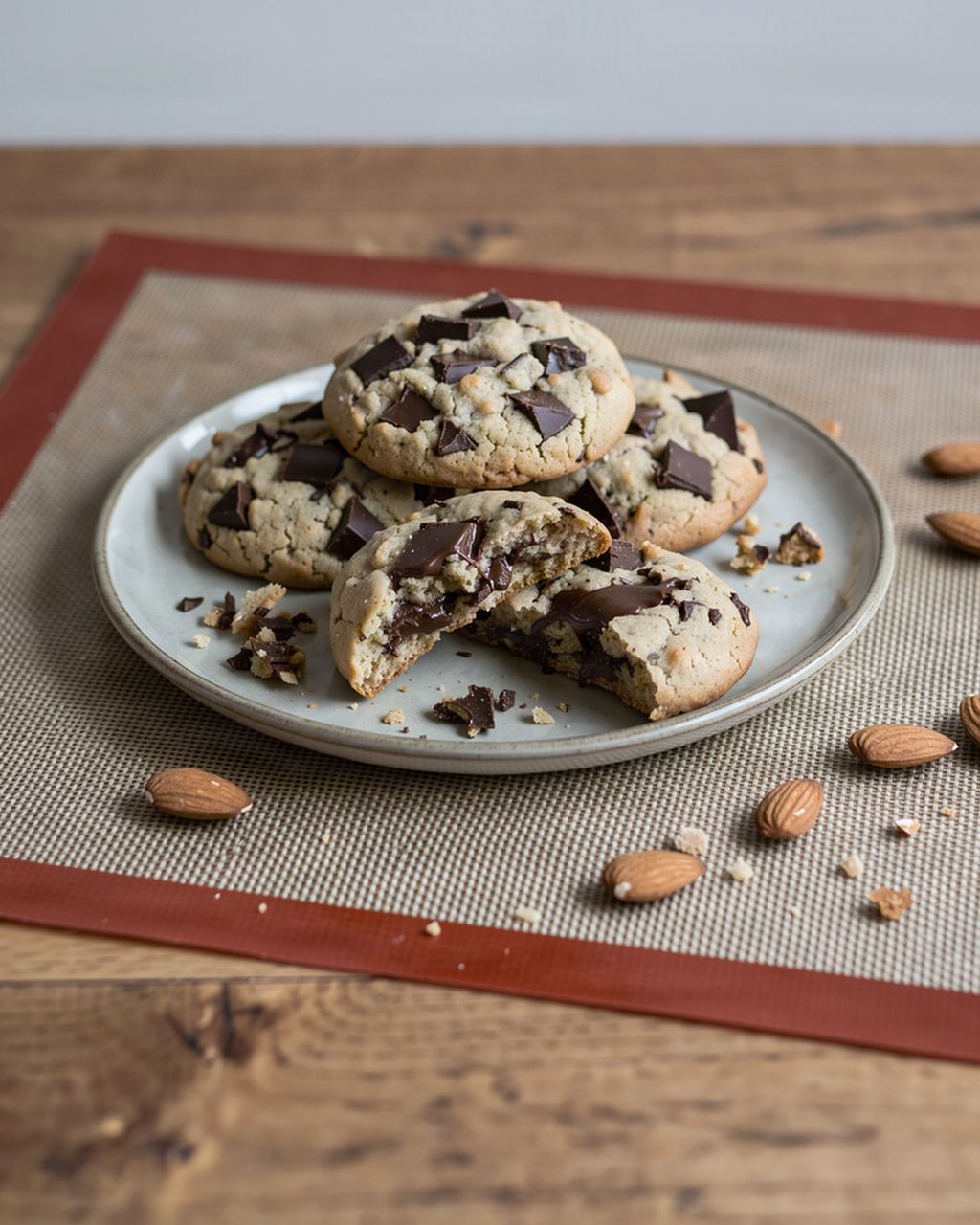
Try it with the chocolate cookies below. With dark cocoa dough you can't judge a golden edge, so go by whether the edge has set and the center has stopped looking shiny.
Chocolate chip cookies with fleur de sel
Chocolate Cookies with Fleur de Sel
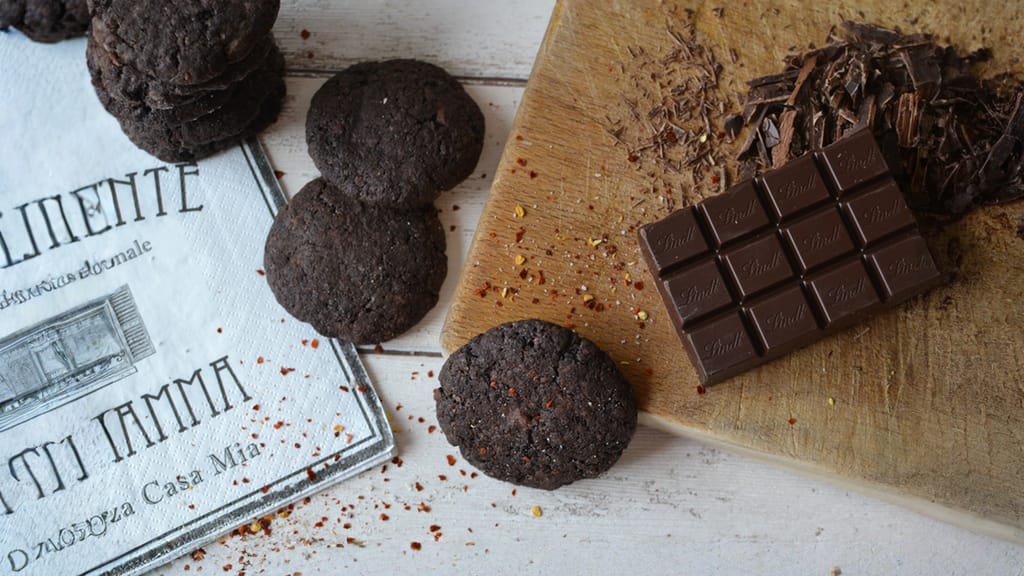
Extra chocolate chilli cookies
Extra Chocolate Chili Cookies
Bake oatmeal cookies at 175°C (350°F) for 8–10 minutes, until light golden brown. That's what Quaker Oats gives for its classic oatmeal raisin cookies (350°F), and it leaves them 1 minute on the tray after baking before moving them to a rack.
Oats keep absorbing moisture from the dough as it bakes, which is why oatmeal cookies dry out easily. The rule applies doubly here: take them out while the center still looks soft. One minute too long in the oven and a soft cookie becomes a hard rusk.
Quick (instant) oats give a more compact, smoother cookie, while old-fashioned rolled oats give a more pronounced, chewy texture. Quaker says the recipe works with both.
Raisins and dried fruit on the surface scorch at higher temperatures. Press them into the dough so they don't poke out. If you'd rather skip raisins, you'll find ideas in our article on what to substitute for raisins in baking.
For crisp oatmeal cookies, flatten the balls into thinner discs and bake at the same temperature for 1–2 minutes longer. Don't raise the temperature, or the sugar and oats will turn bitter.
Bake crinkles at 165–175°C (325–350°F) for 10–12 minutes. For its chocolate crinkles, King Arthur Baking gives 163°C (325°F), 10–12 minutes and rotating the tray halfway through. During baking the balls spread and form the typical cracks in the powdered sugar coating.
The cracks come from contrast. The sugar-coated surface dries and sets quickly while the inside keeps rising and splits the crust. That's why two things decide the result with crinkles:
Cold dough. King Arthur Baking chills the dough 2–3 hours or overnight in the fridge before shaping. A cold ball spreads more slowly and cracks more deeply.
A moderate temperature, not a high one. At 190°C (375°F) the surface sets too fast and the cookie puffs up into a mound instead of a flat disc with cracks. Around 165–175°C (325–350°F) it has time to spread and crack.
Inside, crinkles should stay soft and slightly sticky, almost like a brownie. Take them out when the cracks on the surface are dry but the center still gives a little when lightly touched.
Crinkles often turn up on Christmas cookie trays too. You'll find temperatures for tender linecké (Czech Linzer-style jam cookies), vanilla crescents and other classics in our guide to what temperature to bake Christmas cookies.
Cookies are done when the edges are set and the center still looks slightly underbaked. They keep baking and firming up on the tray, so if you wait until the middle looks done, you'll pull them out overbaked.
Here's what to look for:
Edge: firm, and golden on light dough. When you press it lightly, it doesn't dent.
Center: paler and turning matte, and still slightly shiny on soft cookies. It shouldn't be liquid, but it can be soft.
Aroma: once the smell of baked butter and caramel fills the kitchen, you're close. Check them right away.
Dark (cocoa) dough: don't judge by color. What counts is that the edge has set and the surface has stopped looking shiny and has cracked.
After taking them out, leave them on the tray. King Arthur Baking recommends waiting "until they're firm enough to move without breaking," and Quaker Oats gives 1 minute for oatmeal cookies. Then move them to a rack so the hot tray doesn't overbake the bottoms. Softness only shows once they've cooled: a warm cookie is always soft, so don't taste one right away, and don't bake the next tray longer just because the first seemed too soft.
With cookies, only a few minutes separate a soft batch from an overbaked one, so an oven that runs tens of degrees off from what the dial says can push your result from one category into another. That's why it pays to measure the real temperature with a thermometer inside the oven.
What to do about it:
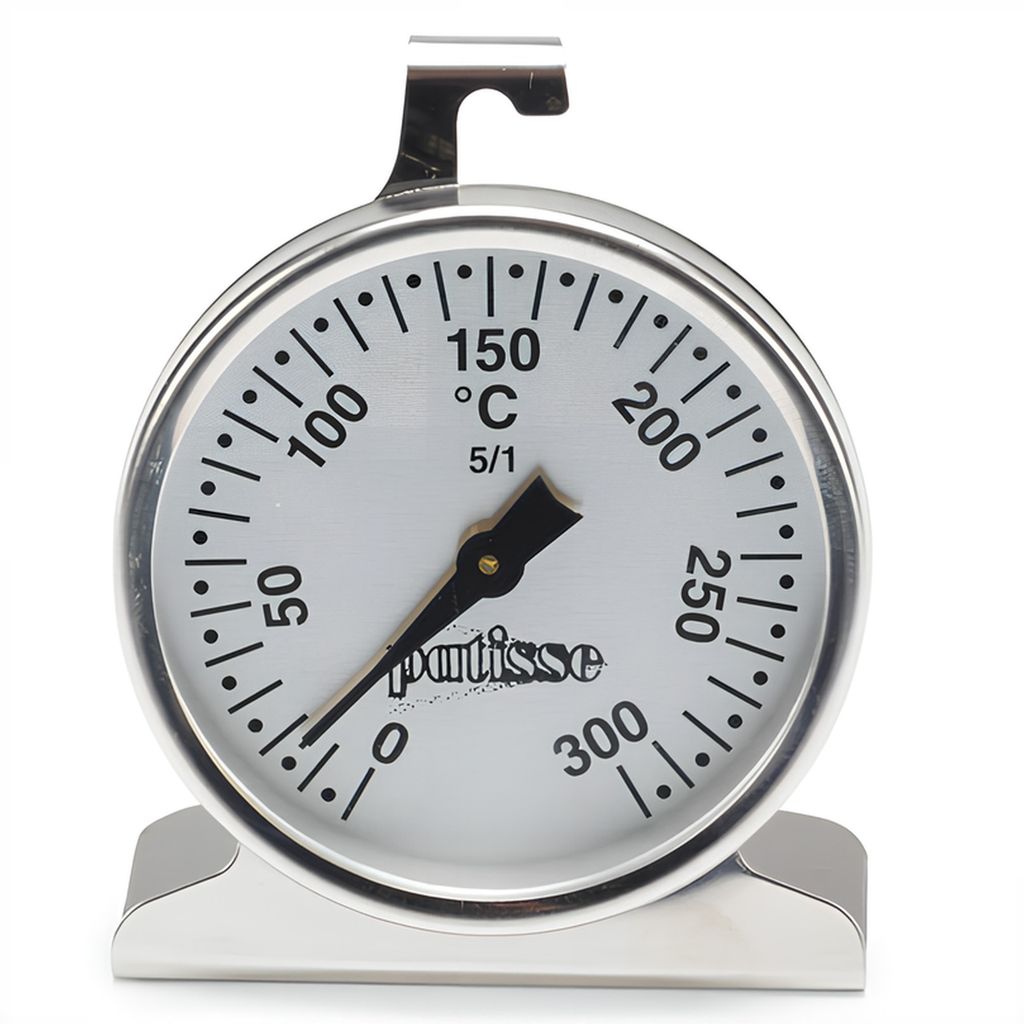
Measure your oven. Put a thermometer on the middle rack and compare it with the setting after 15–20 minutes of preheating. How to do it, and why ovens get it wrong, is covered in our article on oven thermometers and the real temperature.
Convection: King Arthur Baking advises reducing by about 15°C (25°F) and checking sooner. The fan bakes faster and dries out the surface, which you don't want with soft cookies.
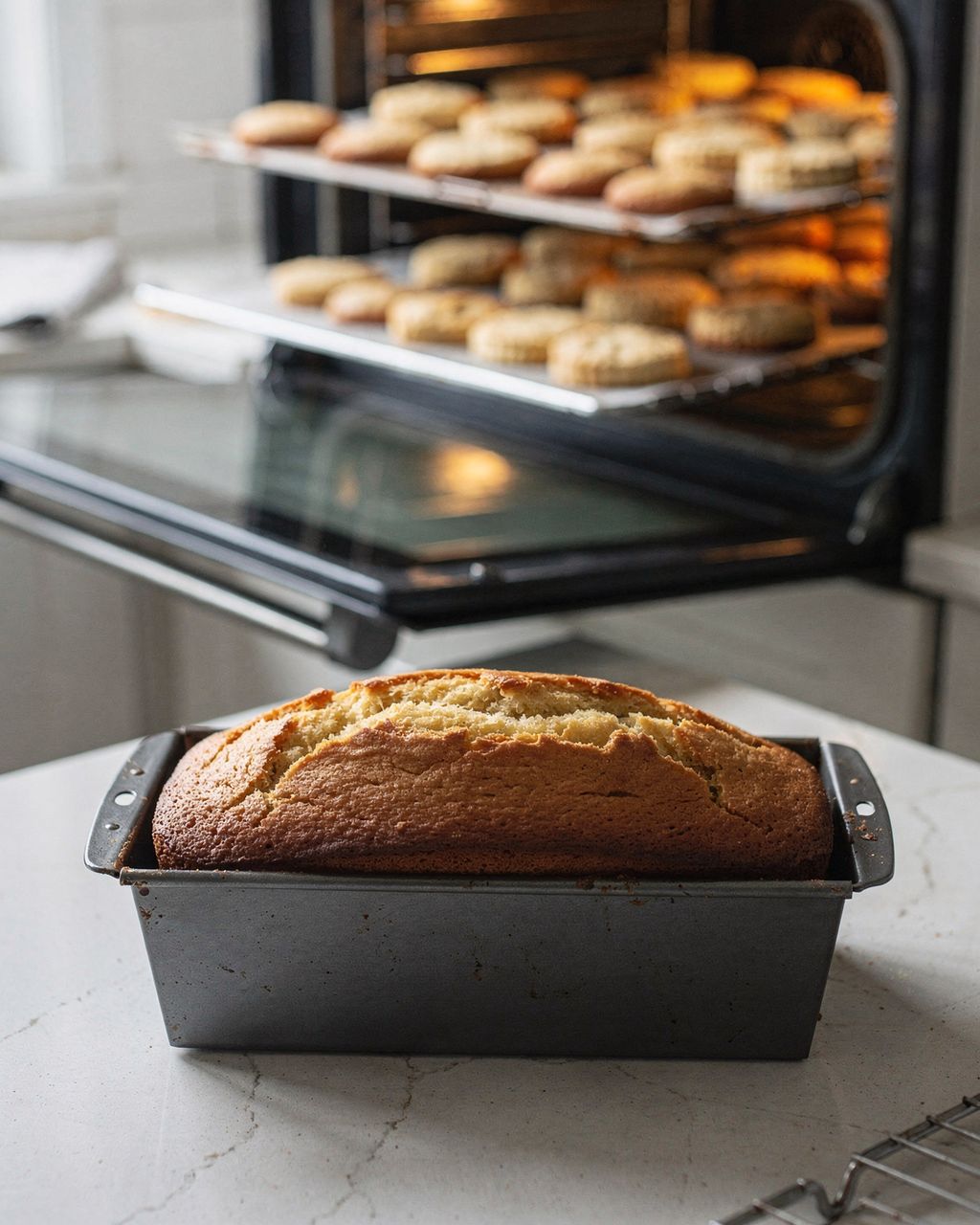
One tray at a time. Two trays stacked bake unevenly. If you're baking several batches, let the tray cool between them. Dough on a hot tray starts to spread before it even reaches the oven.
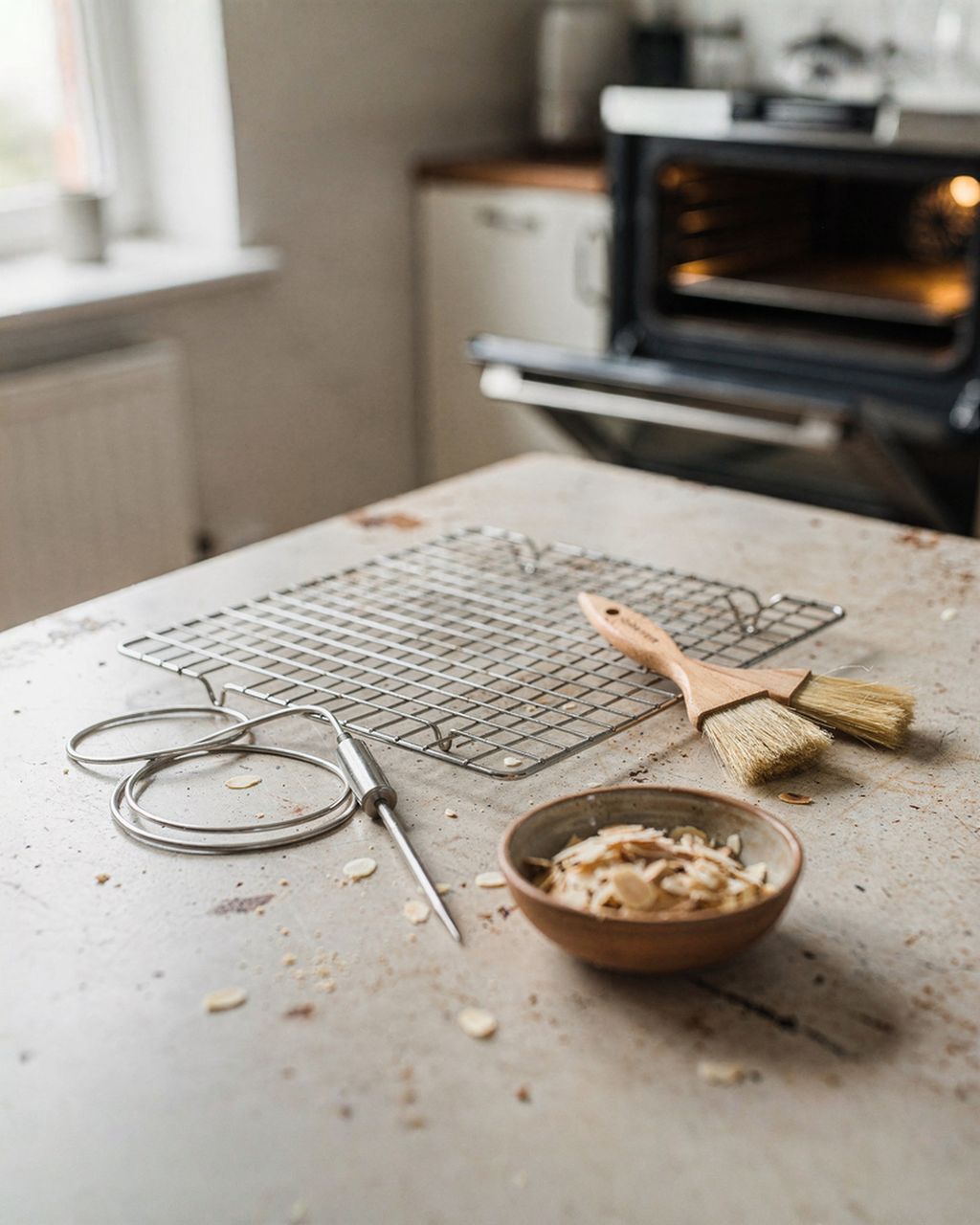
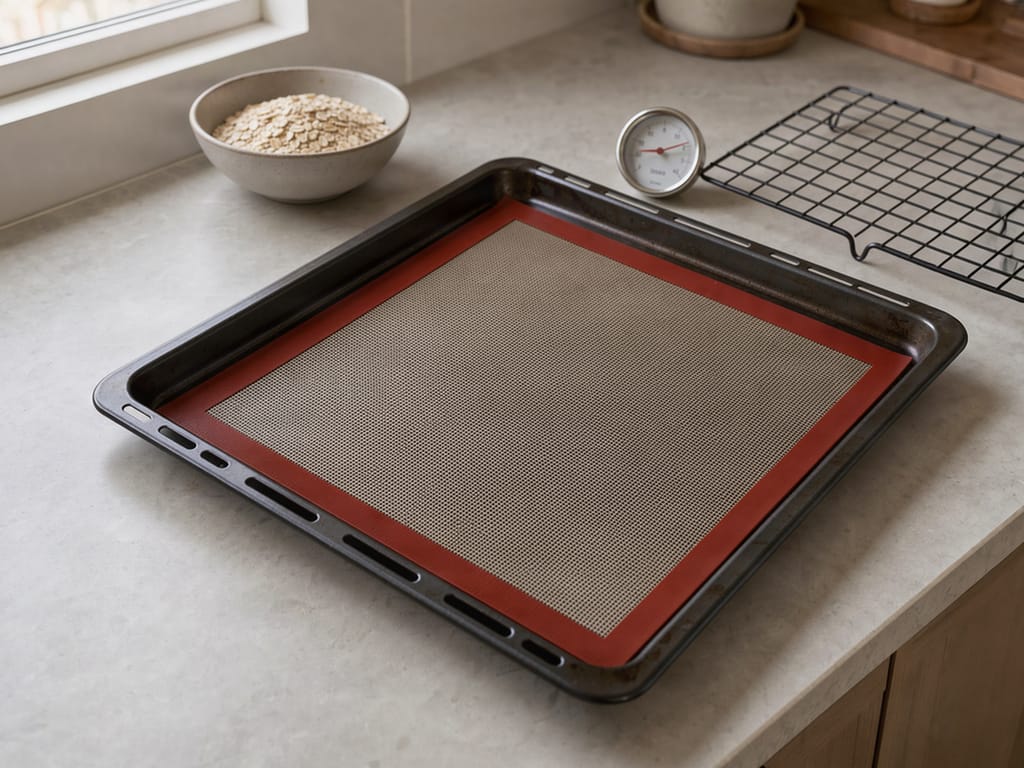
Tray and liner. A dark tray bakes the bottoms faster than a light one. A perforated silicone mat lets the bottoms breathe, so they bake evenly and don't stay gummy. You'll find baking sheets, mats and other tools in the baking pans and tools category.
Baked cookies keep about 4–5 days at room temperature if well wrapped, and raw dough up to 5 days in the fridge, according to King Arthur Baking. For longer, freeze the dough.
Baked cookies: for longer than 5 days, put them in the freezer. Store crisp and soft cookies separately, or the crisp ones will draw moisture from the soft ones and turn soft.
Dough in the fridge: wrapped tightly in plastic wrap or in a sealed container. According to King Arthur Baking, after 5 days it picks up fridge odors and can oxidize, turning gray.
Dough in the freezer: shape the balls, wrap them well and freeze. Bake them straight from frozen, 1–2 minutes longer (even longer for large cookies).
Crinkle dough goes in the fridge for 2–3 hours or overnight before baking. Here the chilling isn't about keeping quality but about shape and cracks.
Patisse
Patisse Oven ThermometerIn a convection (fan) oven, bake American cookies about 15°C (25°F) lower, around 160–175°C (320–350°F), and start checking a few minutes earlier than the recipe says. That's the advice from King Arthur Baking. If your oven allows it, choose a lower fan speed and bake just one tray at a time so the edges don't dry out before the center is done.
Even with several trays, bake oatmeal cookies at 175°C (350°F), ideally one tray at a time on the middle rack. If you put two trays on separate racks, the top one bakes faster, so swap and rotate them halfway through. Let the tray cool between batches.
You can bake crinkles without chilling, but they come out flatter with shallower cracks. Crinkle dough is soft and sticky, so it's hard to roll into balls when warm, and it spreads quickly in the oven before the surface has time to crack. If you're in a hurry, put the dough in the freezer just until it's firm enough to shape, and bake at the lower end, around 165°C (325°F).
One recipe worth heating the oven for, one tip, and one deal from the shop. Nothing else.