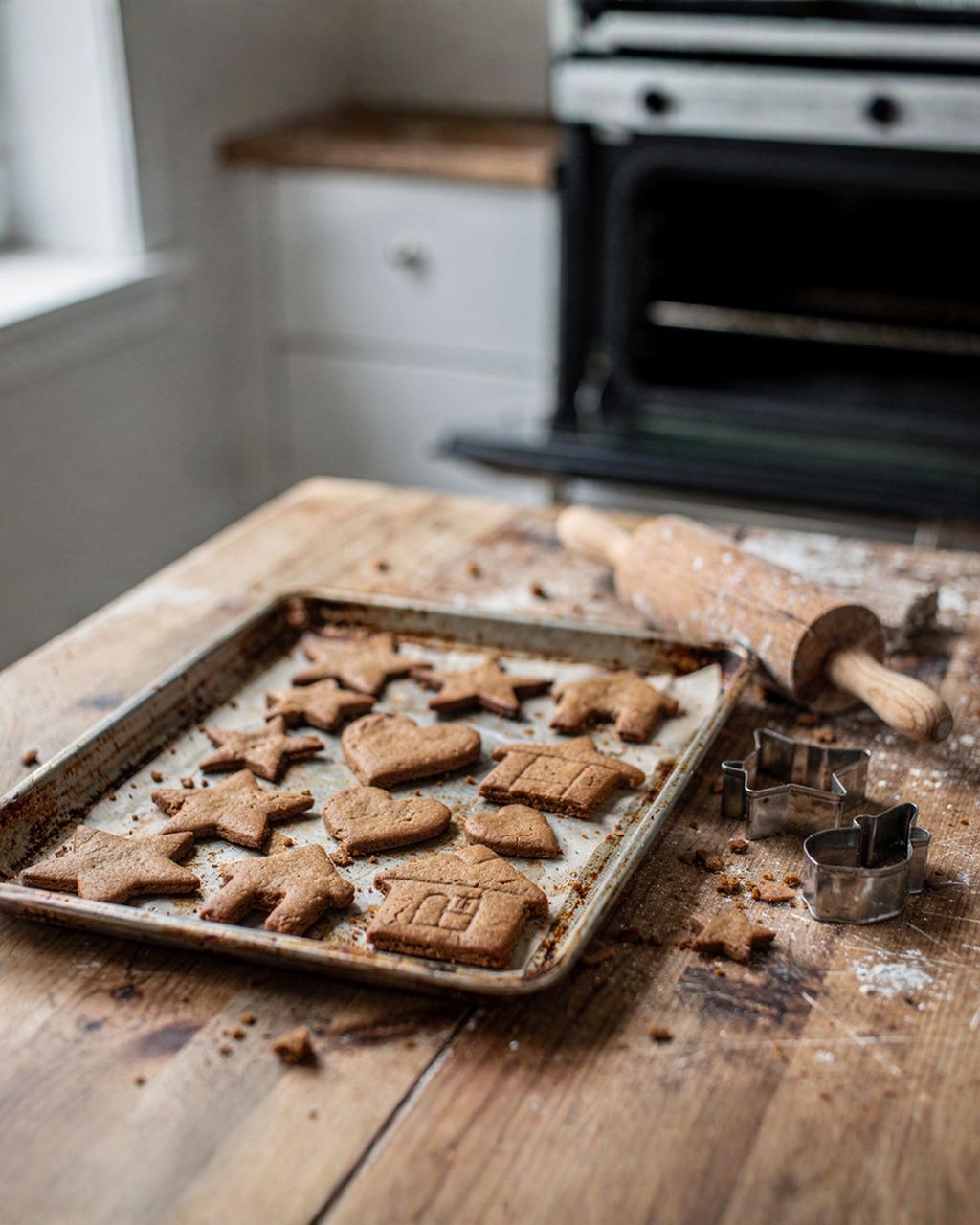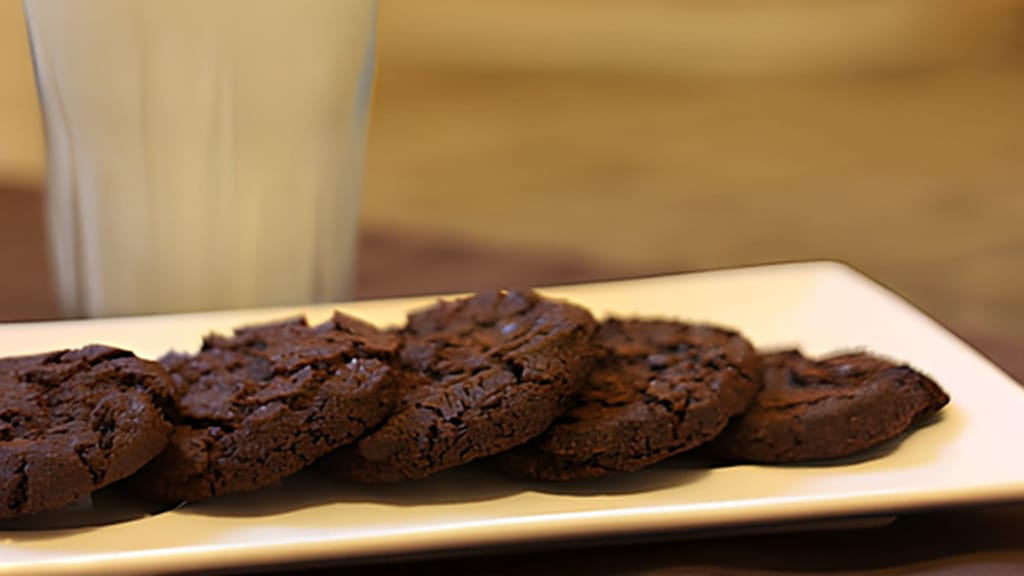
Chocolate chip cookies with fleur de sel
Why Cookies Spread on the Baking Sheet (and How to Stop It)
Updated Oct 8, 2026
Cookies spread on the baking sheet when the butter melts before the flour and eggs have a chance to set and hold their shape in the oven. The usual culprits are butter that's too warm, dough that hasn't been chilled, an oven running cooler than it says, or a greased or still-warm baking sheet. The good news is that each of these causes shows up differently in the finished cookie, so you can spot it and fix it in your very next batch.
Cookies spread for these eight reasons: butter that's too warm (or a lower-fat spread used in its place), dough that hasn't been chilled, an oven that's too cool, a warm baking sheet, the wrong baking surface, too little flour, too much sugar, and the wrong leavening. Usually it's not just one mistake but two stacking on top of each other.
The butter is too soft or melted, or you've swapped it for a reduced-fat or low-fat margarine or spread – the fat turns liquid before the dough has a chance to set, and the extra water in lower-fat spreads thins the dough further.
The dough goes into the oven still warm – it hasn't had time to cool, and the flour hasn't had a chance to absorb the liquid.
The oven is cooler than it reads – the butter melts slowly over a long stretch while the edges never quite set.
The baking sheet is still warm from the last batch – the butter starts melting before you even close the oven door.
The surface isn't right for the job – a greased sheet adds extra fat, while smooth silicone slows down how fast the bottom of the cookie heats through.
Not enough flour – most often happens when you scoop it with a cup instead of weighing it.
Too much sugar – sugar turns syrupy as it heats up, thinning the dough.
Leavening issues – too much baking soda spreads the dough sideways, while expired baking powder won't lift it upward.
Below you'll find how to spot each cause and what to do about it.
Butter for cookies should be around 18–20°C (64–68°F): pliable but still cool to the touch. Press your finger into it and it should leave a dent while still offering some resistance. If it's shiny and smears like a soft spread, it's already too warm.
Take it out of the fridge 30–60 minutes beforehand, not for the whole morning. In a warm kitchen (above 24°C/75°F), even less time is needed.
Don't soften it in the microwave. It melts unevenly from the inside and the fat separates, even if it still looks fine on the outside.
Don't cream butter and sugar for too long. The friction warms the mixture and beats in extra air, which collapses in the oven. For cookies, 1–2 minutes is enough — just until the mixture comes together.
Watch out for recipes that call for melted butter — those are designed to spread more, and the dough needs extra chilling time to compensate. If a recipe calls for melted butter and you bake it right away, spreading is almost guaranteed.
Yes, chilled dough holds its shape much better: at least 30 minutes in the fridge, ideally 12–24 hours. During that time, the butter firms back up and the flour absorbs liquid from the eggs, thickening the dough. In the oven, the fat then melts more slowly, giving the edges time to set before the cookie has a chance to spread.
Long chilling has another bonus — the cookies develop deeper, more caramel-like flavour, since the sugar has time to dissolve and the flour to hydrate fully.
Shape first, then chill. Portion the dough into balls right away (around 40–50 g each), then chill them already shaped. A chilled block of dough is much harder to portion.
Make the dough balls taller rather than wider. A short, cylinder-like shape keeps more mass in the centre, giving you a thicker cookie.
Put the dough on the tray straight from the fridge, not after it's been sitting on the counter for half an hour.
Try it for yourself with these chocolate fleur de sel cookies. Bake two batches from the same dough — one right away and one after a night in the fridge — and you'll see the difference immediately.
Cookies need a properly hot oven, usually 175–190°C (350–375°F), so the edges can set before the butter has time to melt and spread. If your oven is running 15–20°C (27–36°F) cooler than it says, the butter keeps melting the whole time while the structure never firms up — and the cookies spread into a flat disc.
The trouble is that a lot of home ovens don't display their actual temperature accurately. The gap can vary depending on where in the oven you're baking and how long you preheated. The indicator light often switches off well before the oven has actually finished heating through.
Preheat for at least 15–20 minutes, not just until the indicator light goes off.
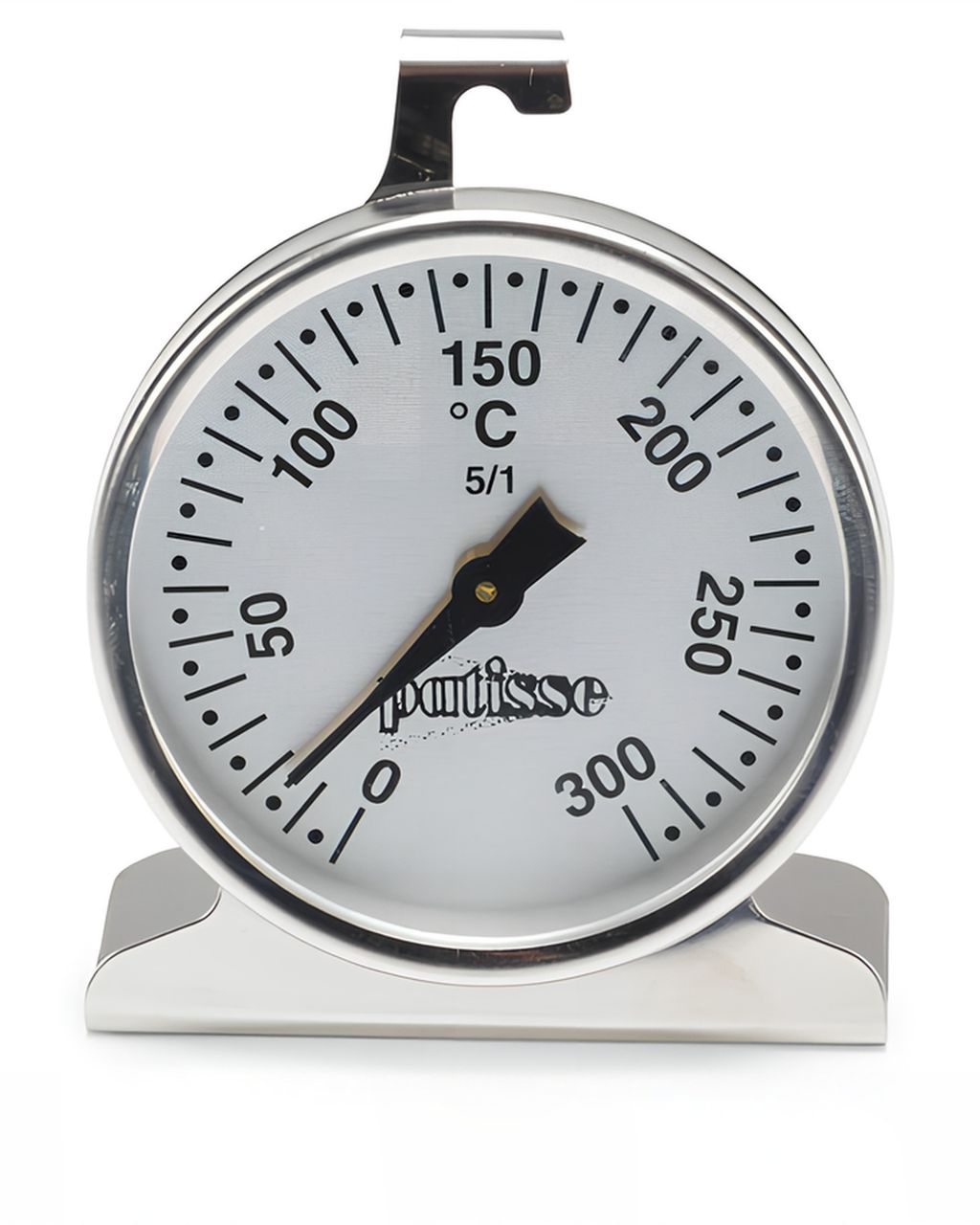
Check the real temperature with an oven thermometer. Place it in the centre of the rack you'll be baking on and compare it to the setting. Do this once, and you'll know how many degrees to adjust for next time.
If you're baking with fan/convection, lower the temperature by about 10–20°C (18–36°F) compared to a recipe written for conventional top-and-bottom heat. We cover when to use which setting in our article on fan versus conventional oven baking.
According to bakers at King Arthur Baking, an oven running cooler than it reads is a common cause of spreading — which is exactly why they recommend checking it with a thermometer.
Flour holds the dough together, while sugar and baking soda pull it wider — so if your cookies are spreading even with cold butter and a properly heated oven, the dough most likely has too little flour, or too much sugar or baking soda.
Weigh it, don't scoop it. A cup of flour can weigh anywhere from 120 g to 150 g depending on how you scoop it. A kitchen scale is far more reliable than any scooping trick for cookies.
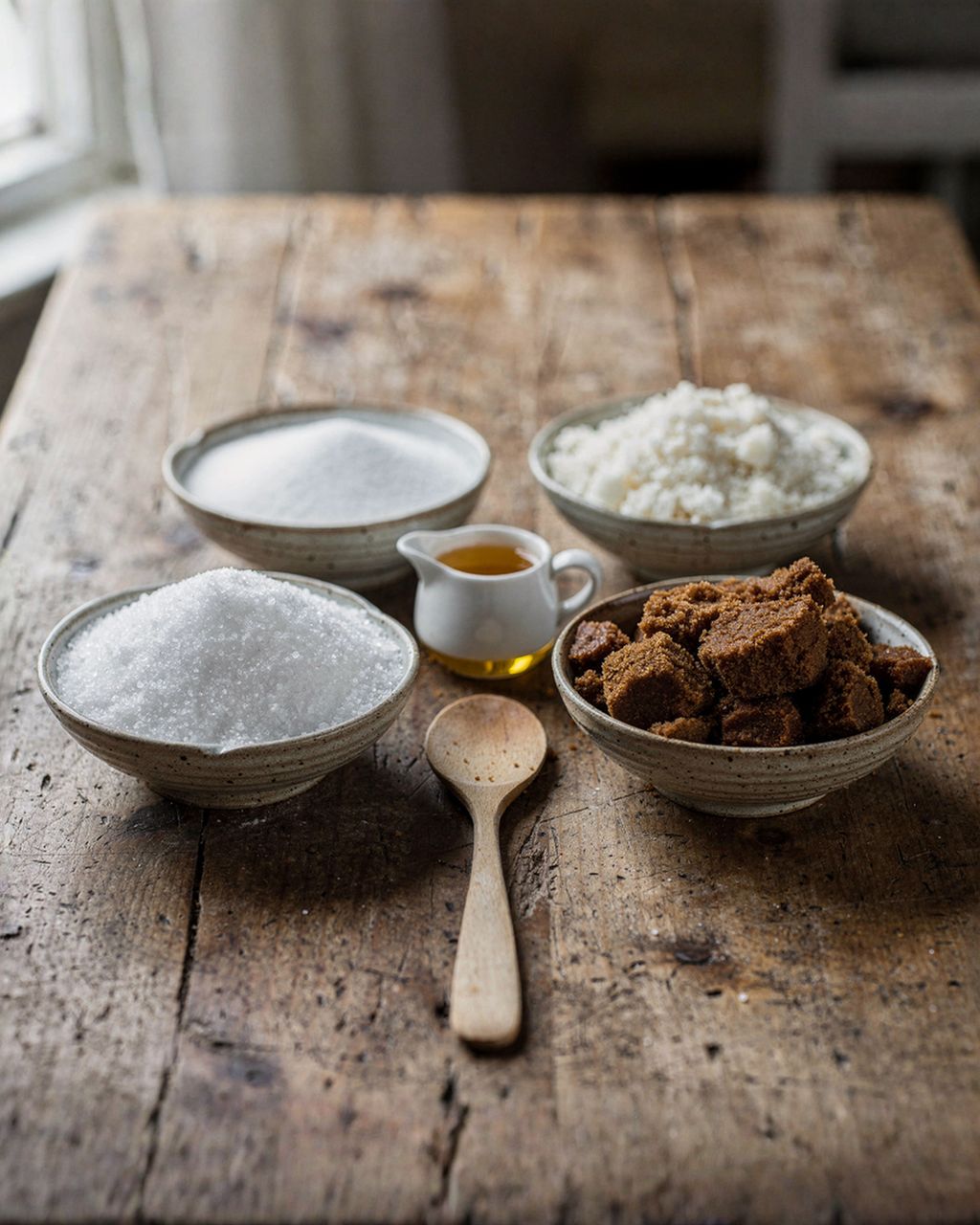
Sugar thins the dough. Sugar attracts water and turns syrupy as it heats. More sugar — especially white sugar — means a thinner, crispier cookie. If you "improve" a recipe by adding extra sugar, expect wider cookies.
Baking soda spreads dough sideways. A more alkaline dough stays liquid longer and browns more. Stick to the recipe's measurements — even half a teaspoon makes a noticeable difference.
Expired baking powder won't lift the dough upward, so it only spreads outward. If an opened tub has been sitting in your cupboard for over a year, test it: a spoonful in hot water should fizz up vigorously right away.
Lower-fat margarine or spreads instead of butter. Butter contains 80–90% fat. Reduced-fat (60–62%) and low-fat (39–41%) margarines or spreads contain less fat and more water — and more water in the dough means more spreading.
A little extra flour can help too, but go easy: 10–20 g per batch is plenty. Any more and the cookies turn out dry and floury. For more on how different sugars behave in baking, see our article on types of sugar in baking.
Cookies spread the least on parchment paper or a perforated baking mat, and the most on a greased baking sheet. The surface determines how quickly the bottom of the cookie heats through and whether the dough picks up any extra fat.
Greased baking sheet – the extra fat on the tray adds to the butter already in the dough. Skip greasing for cookies.
Bare, untreated baking sheet – conducts heat most directly, so the bottom browns quickly. However, cookies can stick, and thin trays can scorch the base.
Parchment paper – cookies spread less on parchment than on silicone. Reliable and cheap, but single-use, and it tends to curl up on a hot tray.
Smooth silicone baking mat – reusable and non-stick, but it insulates the bottom of the cookie, so heat reaches the dough more slowly. In tests by America's Test Kitchen, cookies baked on silicone came out about half a centimetre wider than those baked on parchment.
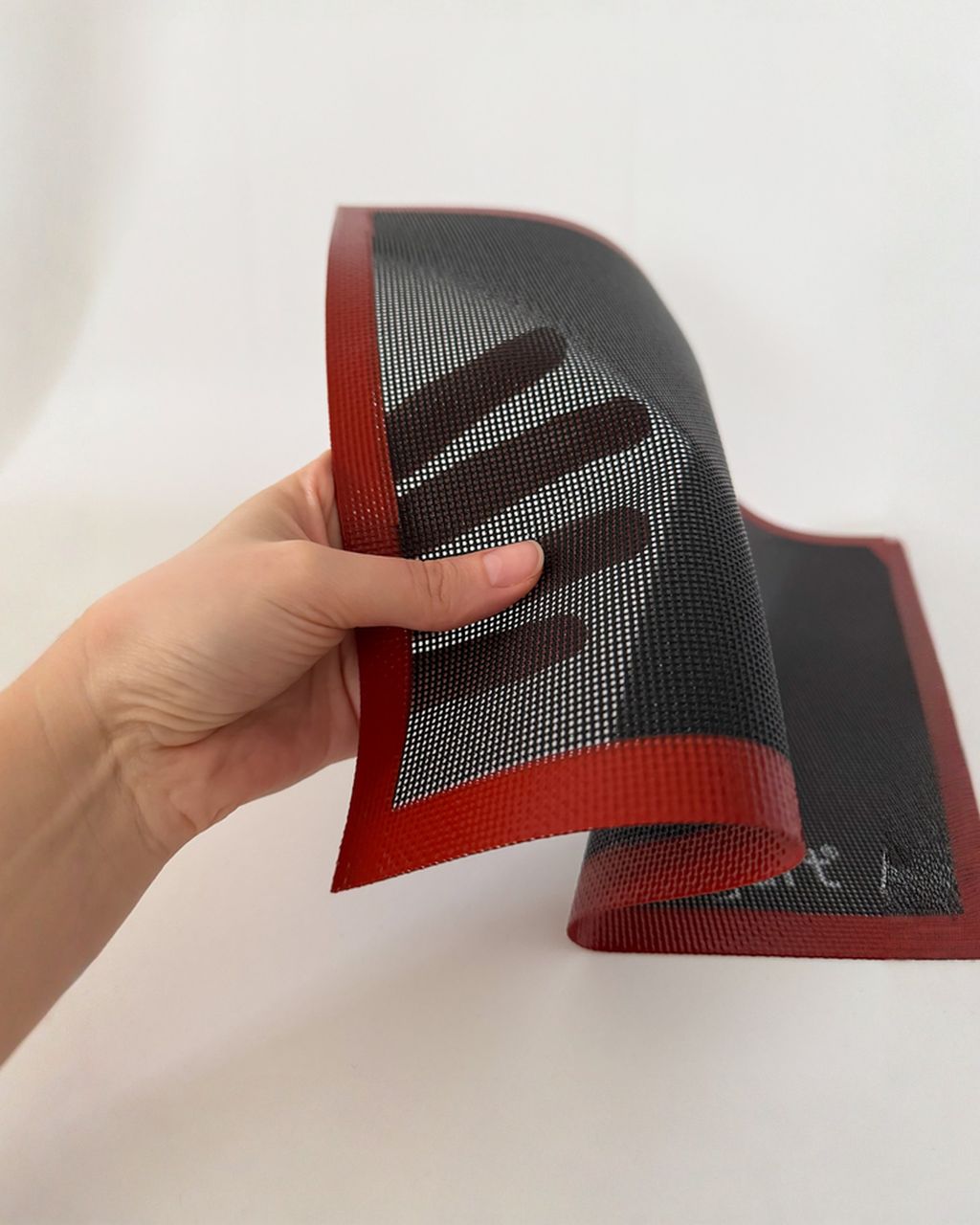
Perforated baking mat – a silicone-coated mesh with small holes. The bottom of the cookie doesn't sit on a solid surface but on a grid, so heat and air reach the dough from below and the base bakes evenly. Take a look at our baking rims and mats if you'd like to try one.
To be fair, no mat or liner will rescue dough made with melted butter or save you from a cold oven. The surface simply determines whether spreading gets worse on top of that. If you only bake cookies once a year, parchment paper will do just fine; if you bake often, a reusable mat will pay for itself in all the paper you save.
The second batch spreads more because it goes onto a baking sheet that's still warm from the first round. The butter in the dough balls starts melting on the counter, even before the tray goes into the oven.
Rotate between two baking sheets, or let the tray cool fully to room temperature.
Cool the tray quickly under cold running water (flip it upside down so the water hits the underside), then dry it off.
Keep the dough in the fridge between batches rather than leaving it sitting out next to the oven.
You can tell what caused your cookies to spread by looking at the edges, centre, and base: lacy edges point to warm butter, a pale flat cookie points to a cold oven, and a greasy base points to a greased baking sheet.
Thin, with lacy well-browned edges and a pale centre → butter was too warm or the dough wasn't chilled.
A shiny pool of fat around the cookie → the butter had melted or separated (typically from microwaving), or you used a lower-fat spread (reduced-fat or low-fat margarine) instead of butter.
Flat and pale, taking a long time to bake → oven running too cold. Check it with a thermometer.
Wide, flat, and not risen on top → too much baking soda or expired baking powder.
First batch fine, second batch spread → warm baking sheet.
Spread out and greasy on the bottom → greased baking sheet.
Chocolate chip cookies with fleur de sel
Chocolate fleur de sel cookies – the perfect cookie for testing how chilling the dough makes a difference
Yes, as long as they're still hot: right out of the oven, place a round cutter or a cup slightly bigger than the cookie around it and gently nudge the edges inward in a circular motion. This narrows the cookie, makes it thicker, and gives it a nice round shape. You only have a few seconds to do this before the edges set.
Yes, cookies baked from frozen dough balls actually spread even less than from chilled dough. Bake at the same temperature and add 1–3 minutes. Frozen dough balls keep well in a sealed bag for about 2–3 months.
Leave about 5 cm (2 in) between dough balls, or 7–8 cm (3 in) for larger cookies (over 60 g/2 oz). That works out to roughly 6–9 cookies per standard sheet. Too little spacing won't make cookies spread more, but it will cause them to bake into each other and leave the edges underbaked.
Yes, a little spreading is normal — cookies should spread to roughly one and a half to two times the diameter of the raw dough ball in the oven. The real problem is when they spread into a thin, lacy-edged disc. Recipes for thin, crisp cookies made with melted butter are actually designed for more spread.
Yes, gluten-free cookies tend to spread more because they lack the gluten that normally holds the structure together. It helps to chill the dough longer (at least 1 hour) and use a flour blend with added xanthan gum or psyllium if the recipe doesn't already include one.
One recipe worth heating the oven for, one tip, and one deal from the shop. Nothing else.