Classic christmas cookies: delicate linzer cookies
Wedding Cookies: How Many to Bake Per Guest and When to Start
Updated Oct 8, 2026
Plan on 8–10 pieces of wedding cookies per guest for the tables, plus 4–6 kolache, and figure favors separately: 8–12 pieces per box. You can start baking as early as 6 weeks ahead — dough and long-keeping varieties freeze well, and only the last two days are reserved for creams and decorating. Below you'll find how to work out the numbers for your own wedding, plus a week-by-week baking schedule.
Plan on 8–10 pieces of wedding cookies per adult guest for the dessert tables. If you're also serving wedding kolache, add 4–6 kolache per person; if there won't be any kolache, bump the cookies up to 10–12 pieces.
Dessert tables: 8–10 cookies per adult (roughly 100–170 g / 3.5–6 oz, as a small piece weighs about 12–17 g)
Kolache: 4–6 pieces per person
Favors: 8–12 pieces of cookies per box, planned per household or couple, not per person
Kids: roughly half an adult portion
These numbers work for a classic wedding where cookies are just one of several sweet courses alongside the cake. If you're building a whole sweet bar and the cake is more of a symbolic gesture, wedding vendors suggest planning on 8–12 sweet bites per guest from the bar alone.
For an all-night wedding, add 20–30% more cookies; for a short celebration with a buffet, 6–8 pieces per guest is enough. What matters most is how long guests will actually be sitting at the tables:
All-night wedding (10+ hours): add 20–30%. Everyone comes back for something sweet around midnight.
Lots of guests from the countryside or an older crowd: add more. These guests expect cookies and plenty of them.
Big sweet bar, cupcakes, fruit: cut back by 2–3 pieces per guest.
Ceremony with a buffet and a short reception: 6–8 pieces is plenty.
The most common mistake isn't running out — it's ending up with two leftover boxes. A 10% buffer is enough; anything more is hard to give away.
For a wedding with 60 guests and 30 favor boxes, bake about 890 pieces (11–15 kg / 24–33 lb) of wedding cookies plus 300 kolache. Here's the breakdown for 52 adults and 8 children, kolache included:
Tables: 52 × 9 pieces + 8 × 5 pieces = 508 pieces
Favor boxes: 30 boxes × 10 pieces = 300 pieces
10% buffer: about 80 pieces
Total: roughly 890 pieces, which at 12–17 g per piece comes to about 11–15 kg (24–33 lb) of cookies
Kolache, separately: 60 × 5 = 300 kolache (6–7 kg / 13–15 lb)
If piece counts don't mean much to you, think in weight instead: roughly 1 kg (2.2 lb) of cookies per 7–8 adult guests for the tables alone.
For a wedding of up to 80 guests, 5–8 varieties are plenty. More varieties just means more work — the table doesn't look any more impressive for it. Guests notice variety in flavor and texture far more than the sheer number of types.
A good mix covers:
Crumbly and buttery: classic Linzer cookies, vanilla crescents. These form the backbone — they keep the longest and everyone likes them.
Nutty: something like hollow nut crescents
Filled and sandwiched: Linzer cookies filled with salted caramel or the classic version with redcurrant jam
Cream-filled: one or two kinds, like mini tartlets or French macaron-style meringues. These are the showstoppers on the table but keep the shortest amount of time.
Meringue and coconut: coconut macaroons or meringue kisses — light and airy, and they help break up richer bites
It helps to plan your varieties around egg usage. Linzer cookies and tartlets use up yolks, while coconut macaroons and meringues use up whites. If something still doesn't pair up evenly, check out what to do with leftover egg yolks.
A good ratio for the table: roughly half long-keeping cookies (Linzer, crescents), a quarter filled, and a quarter cream-filled or meringue-based. You'll find recipes for four tried-and-tested wedding table staples right here:
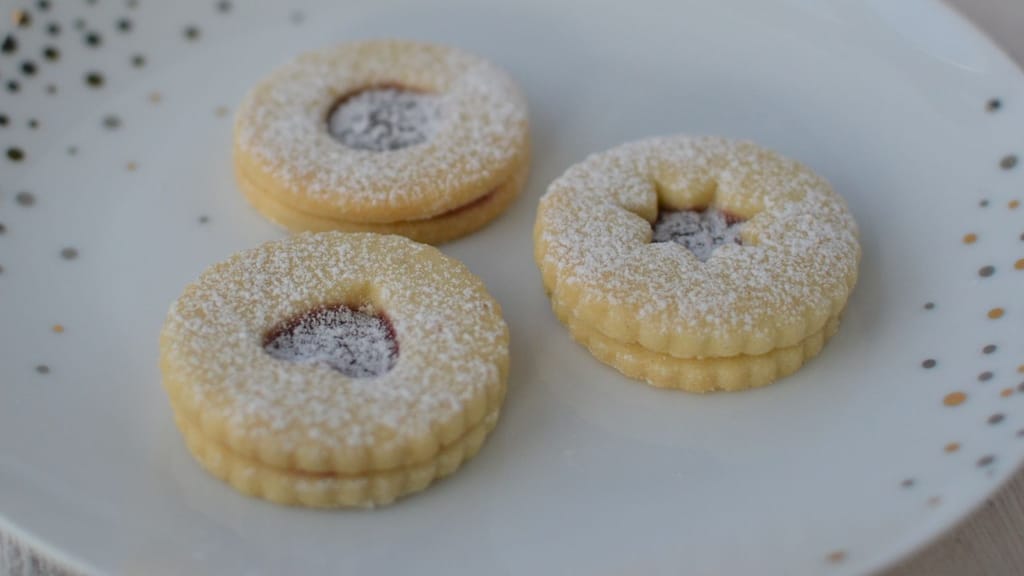
Classic christmas cookies: delicate linzer cookies
Classic crumbly Linzer cookies for your wedding cookie table
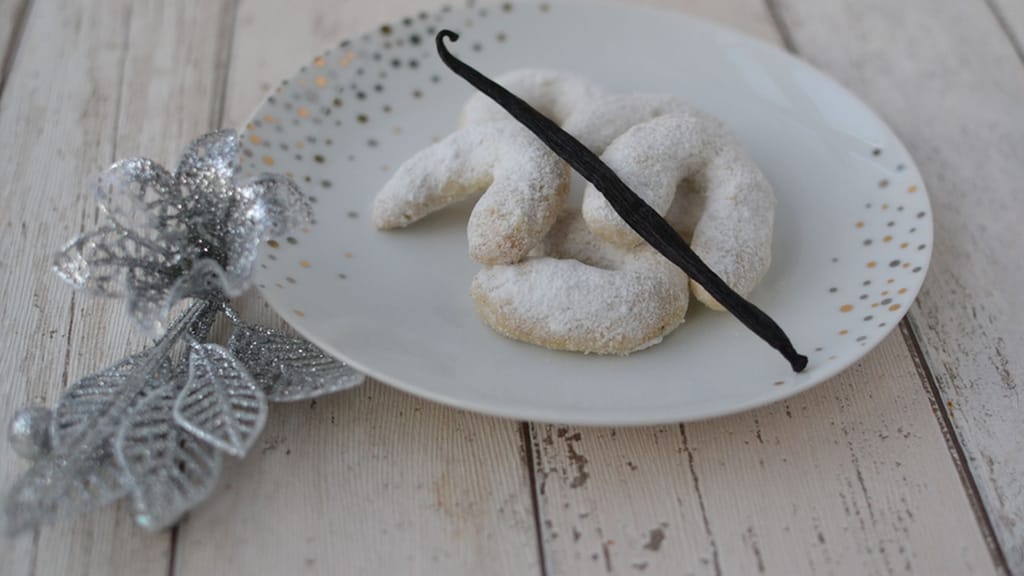
The best christmas cookies? vanilla crescents, of course!
Vanilla crescents, a long-keeping staple for your wedding table
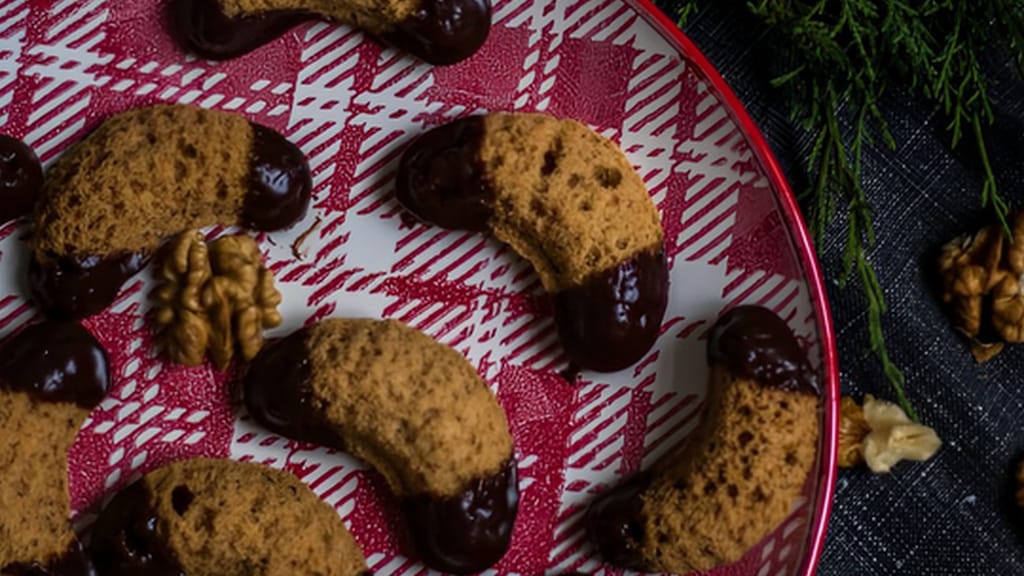
Hollow walnut crescents
Hollow nut crescents for wedding cookies
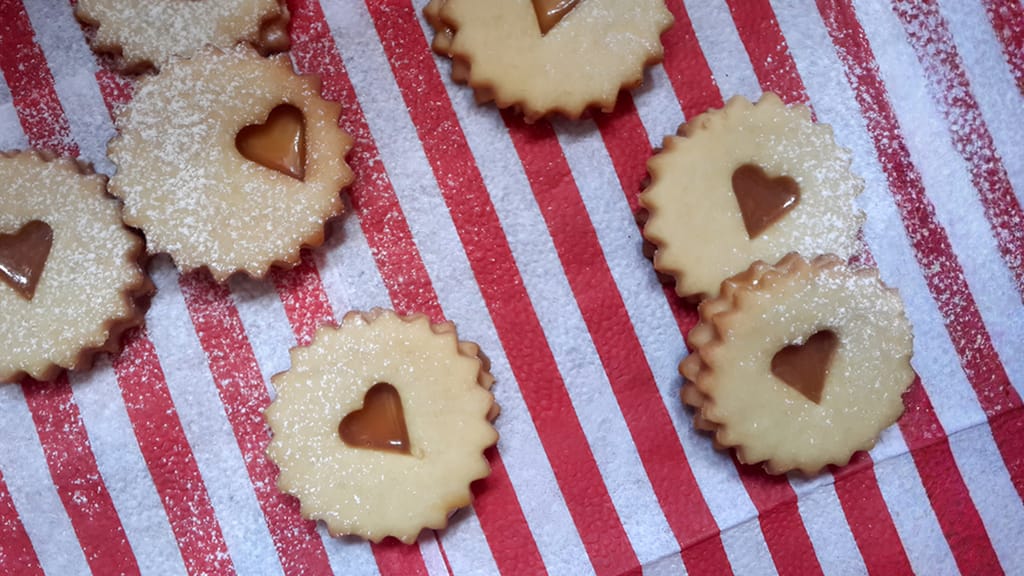
Linzer cookies filled with salted caramel
Linzer cookies filled with salted caramel, a sandwiched favorite for weddings
Bake long-keeping butter cookies 2–3 weeks before the wedding, freeze the dough up to 2 months ahead, and make cream-filled varieties just 1–2 days before. The rule of thumb: the more moist filling, the closer to the wedding you bake it.
Linzer cookies, crescents, unfilled nut cookies: 2–3 weeks in a tin, or baked and frozen for 4–6 weeks
Gingerbread cookies: 3–4 weeks — they need time to soften, like these soft honey gingerbread cookies that stay chewy
Jam-sandwiched cookies: assemble 3–5 days ahead; after 2 days they'll meld together and soften
Meringue and coconut: 5–7 days, after which they start turning sticky or going hard
With buttercream or custard filling: 1–2 days, kept in the fridge
Yeasted kolache: bake the day before, or bake 2–4 weeks ahead and freeze, then thaw the day before the wedding
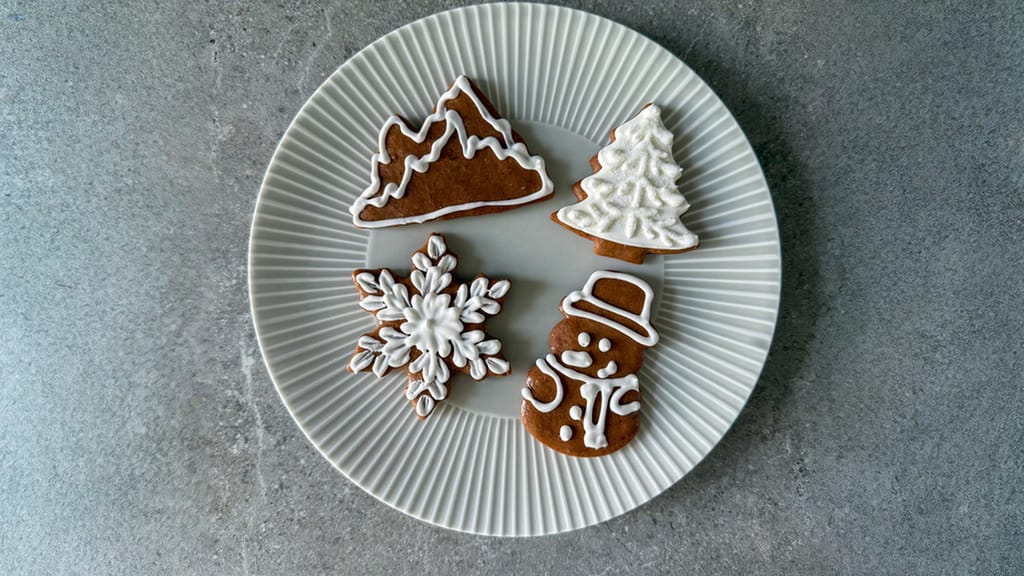
Soft honey gingerbread cookies that never go hard
Soft honey gingerbread cookies for wedding tables that stay chewy
Spread your wedding cookie baking over 8 phases: planning (8–6 weeks out), freezing dough (6–4 weeks), gingerbread and bases (4–3 weeks), long-keeping varieties (3–2 weeks), meringue types (1 week), sandwiching (5–3 days), creams and decorating (2–1 day), and finally serving.
8–6 weeks ahead: finalize your list of varieties and quantities, do a test bake of one tray of each, order tins, favor boxes, and decorating supplies. This way you won't be scrambling at the last minute.
6–4 weeks ahead: mix and freeze butter doughs (Linzer, crescents, nut cookies). Wrapped in plastic wrap and then a bag, they'll keep in the freezer for up to 2 months. Clear out some freezer space first — this guide on how to organize your freezer will help.
4–3 weeks ahead: bake gingerbread and any plain bases you want to freeze (Linzer rounds, crescents you'll coat in sugar only after thawing).
3–2 weeks ahead: bake the rest of your long-keeping varieties into tins. This is the busiest baking stretch, so spread it over two or three weekends.
1 week ahead: meringue and coconut cookies; move any frozen pieces to the fridge to thaw slowly.
5–3 days ahead: sandwich with jam, dip in chocolate, coat crescents in sugar.
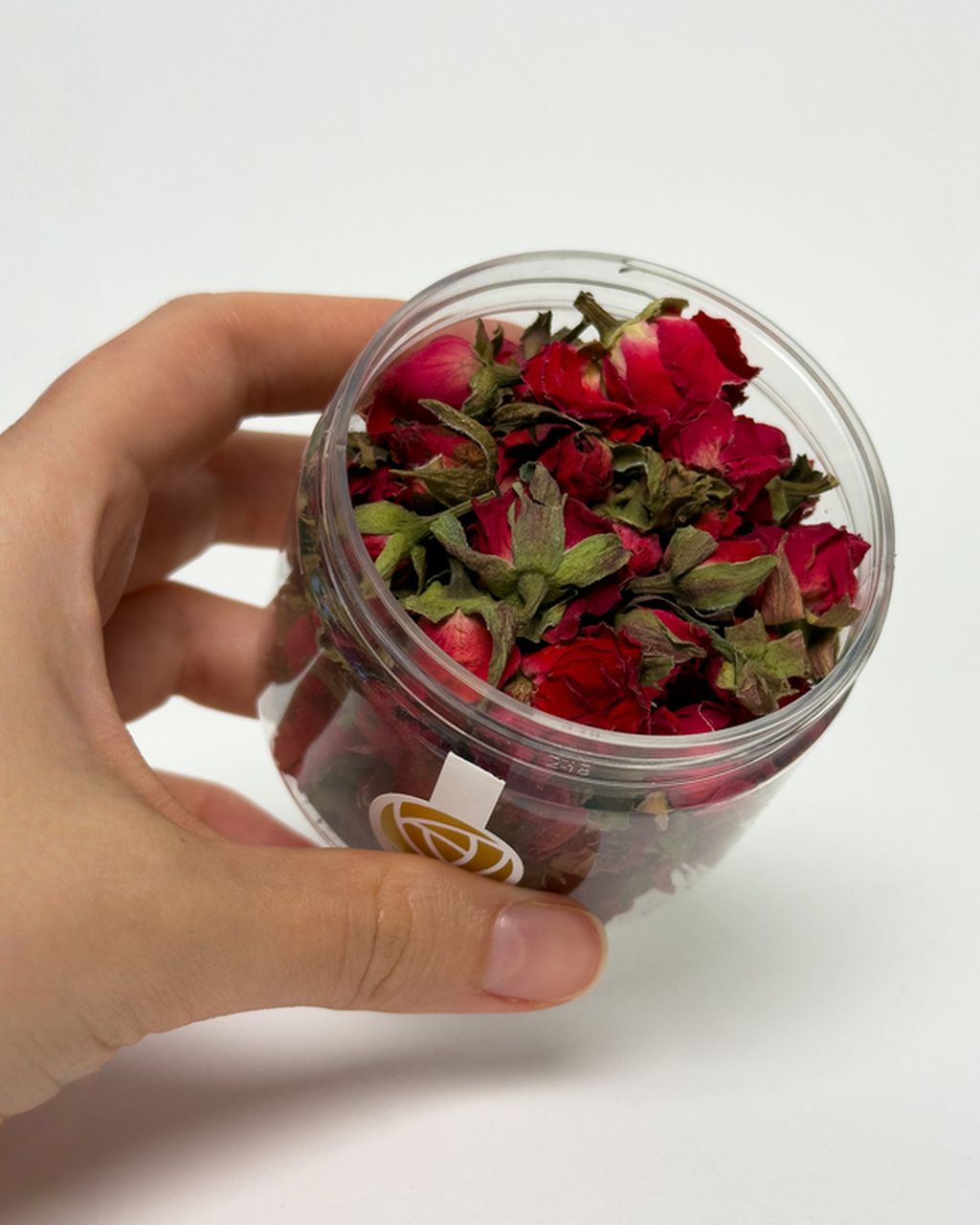
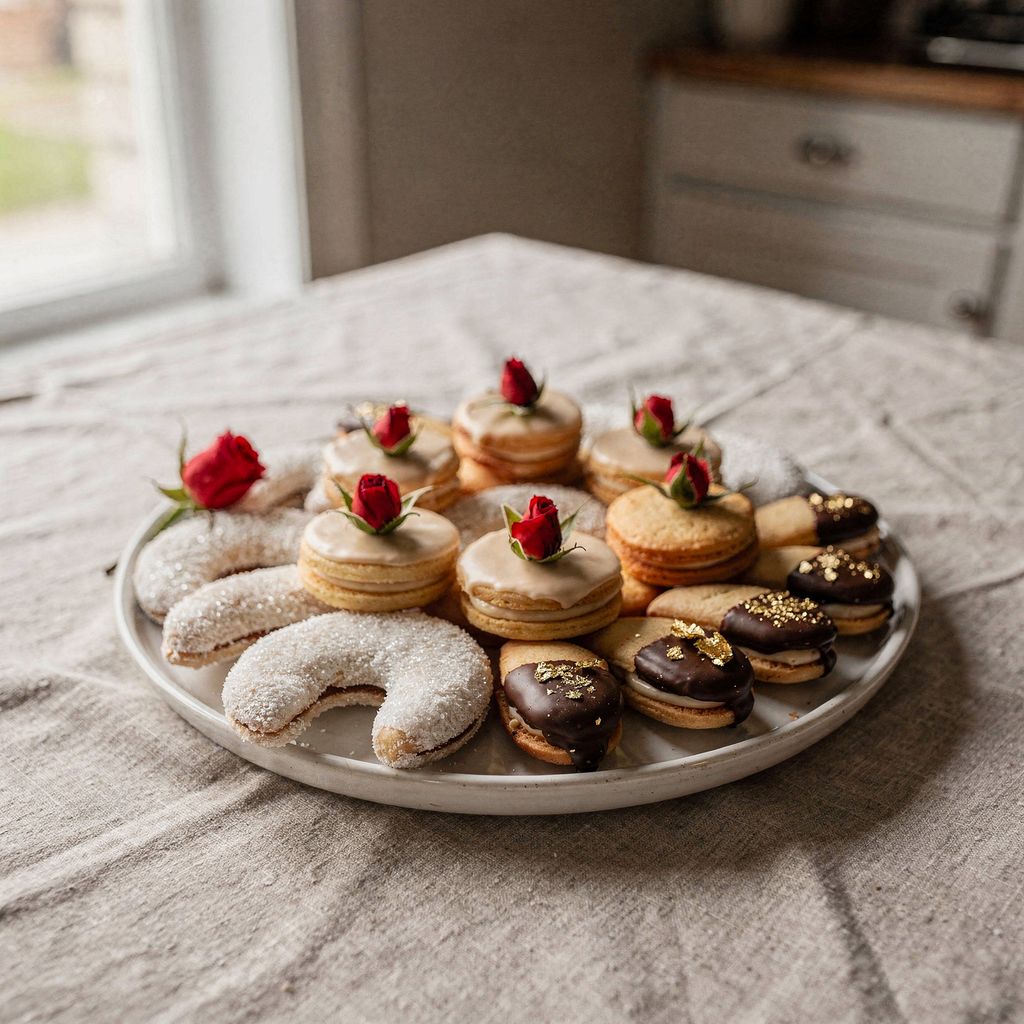
2–1 day ahead: cream-filled varieties, decorate with icing and rosebuds (gold only on chocolate pralines), yeasted kolache. Pack everything into favor boxes.
Wedding day: just arrange everything on trays. Pull cream-filled cookies from the fridge only right before serving.
Budget roughly 2–3 hours of work per kilogram (2.2 lb) of simple cookies, including rolling and baking — double that for decorated ones. For 11–15 kg (24–33 lb), that adds up to several full weekends, not just one evening.
Store wedding cookies in tins somewhere cool, around 10–15°C (50–59°F), keeping each variety separate and layering with parchment paper between them. Cream-filled cookies belong in the fridge (2–6°C / 36–43°F).
Don't mix varieties. Moist cookies (filled, meringue-based) will soften crisp ones, and flavors like vanilla or rum will seep into everything nearby.
Plastic and glass only short-term. Tins let through the least moisture and light, so cookies stored in them stay crisp the longest.
Thaw while covered. Let frozen cookies thaw in the fridge or in a closed container, never out in the open air, or moisture will condense on them and they'll turn sticky.
Decorate only after thawing. Icing and chocolate don't handle freezing well — moisture condenses on them.
Label your tins with the variety and baking date. Three weeks from now, you won't remember.
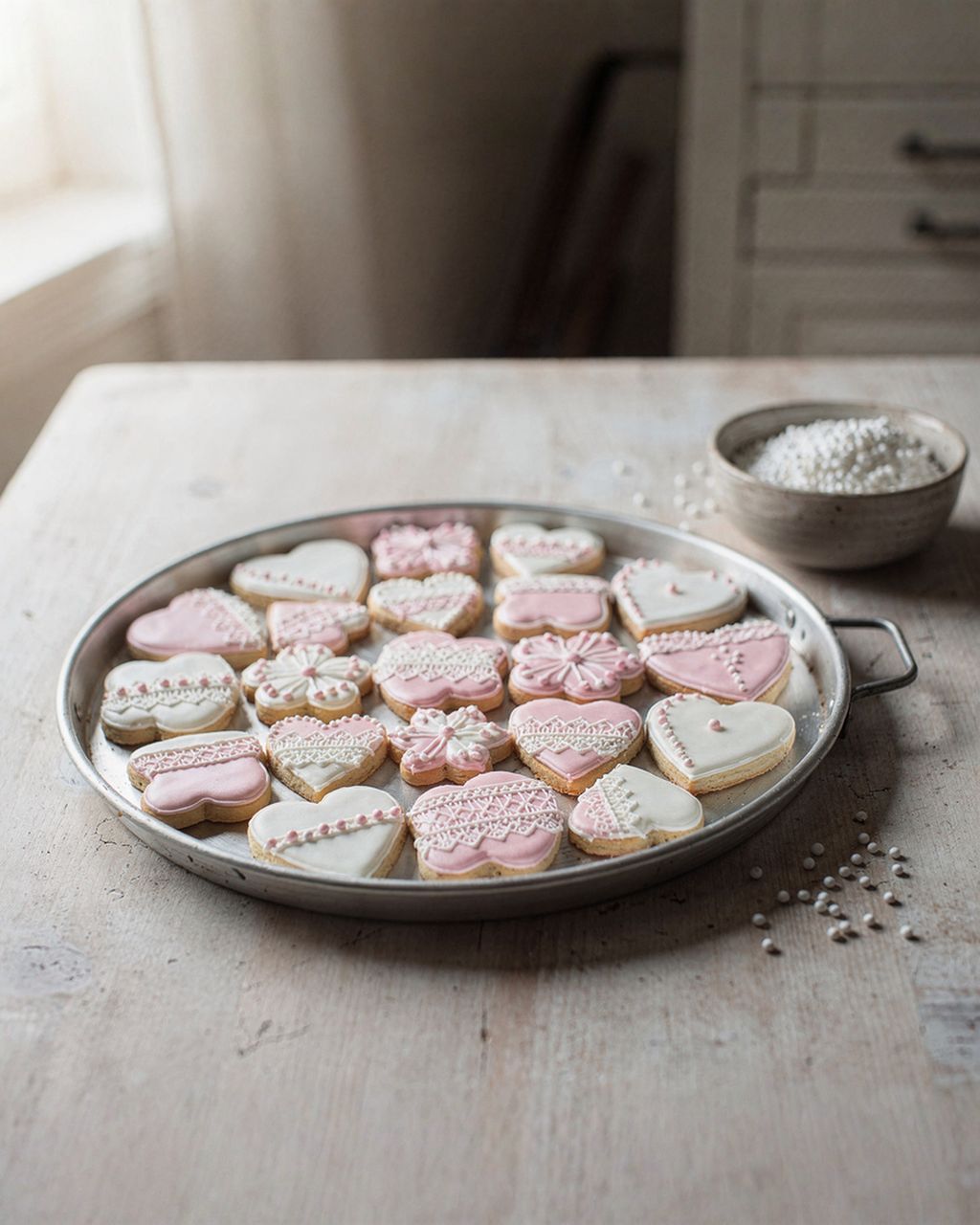
Wedding cookies look polished thanks to a cohesive color scheme: two or three colors that match your decor, plus one luxe accent. You don't need to decorate every single piece.
Rosebuds sit nicely on a dab of icing or white chocolate on Linzer cookies or tartlets. One per piece is enough.
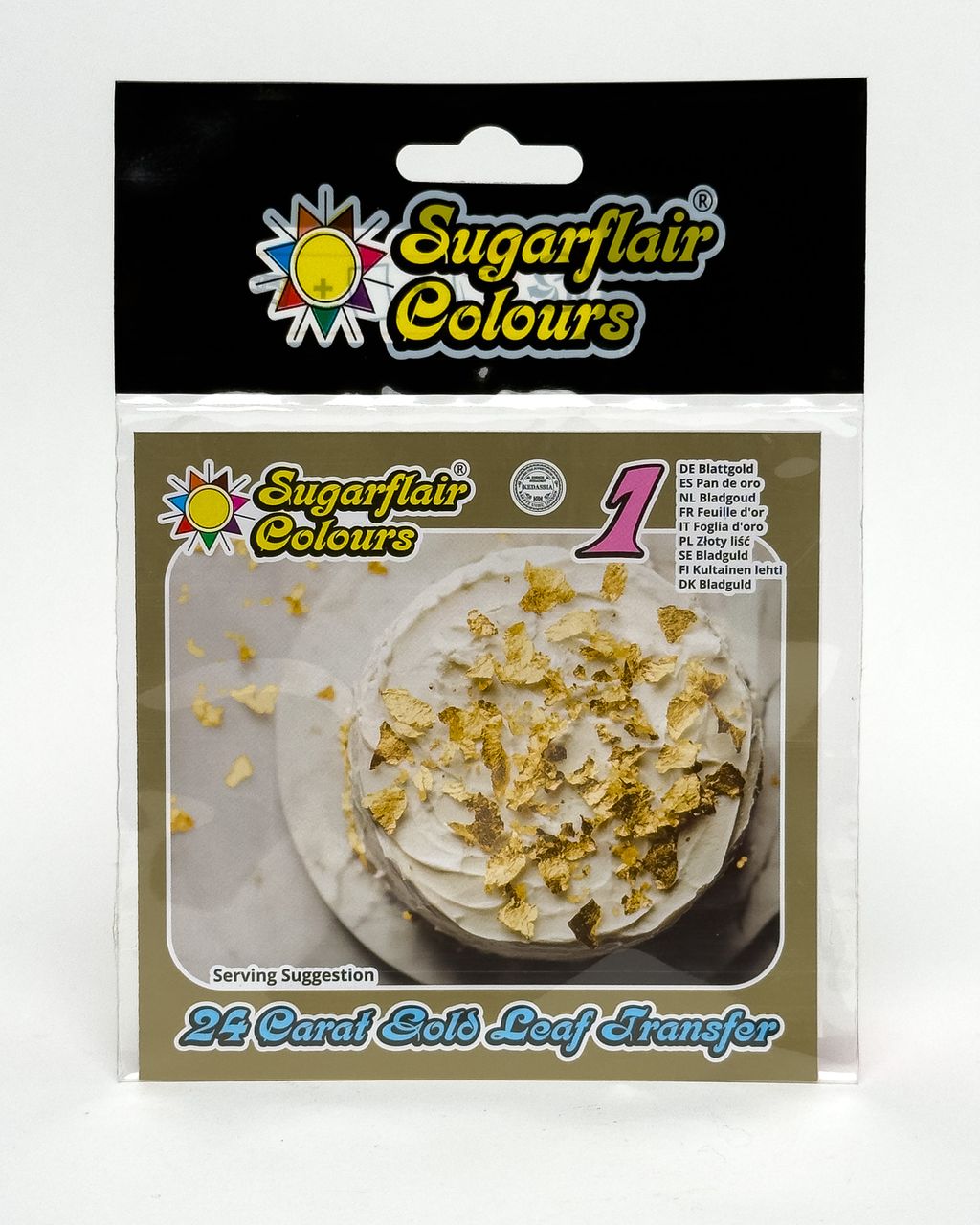
Edible gold leaf should be placed with a dry brush or tweezers onto chocolate pralines or candies on the table, not on baked cookies. It crumples on anything moist and flies off if you so much as breathe on it. A small torn piece makes more of an impact than covering a whole surface.
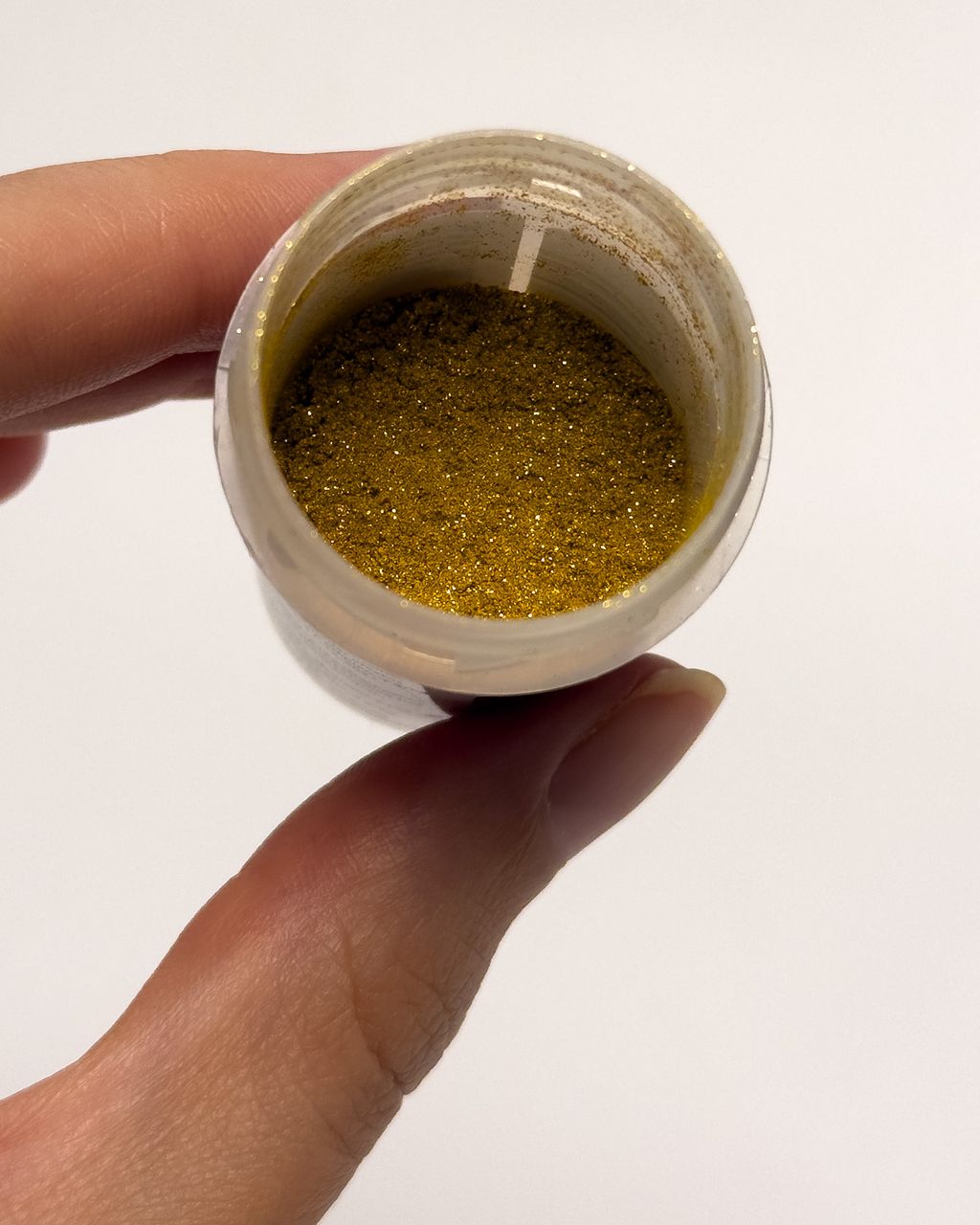
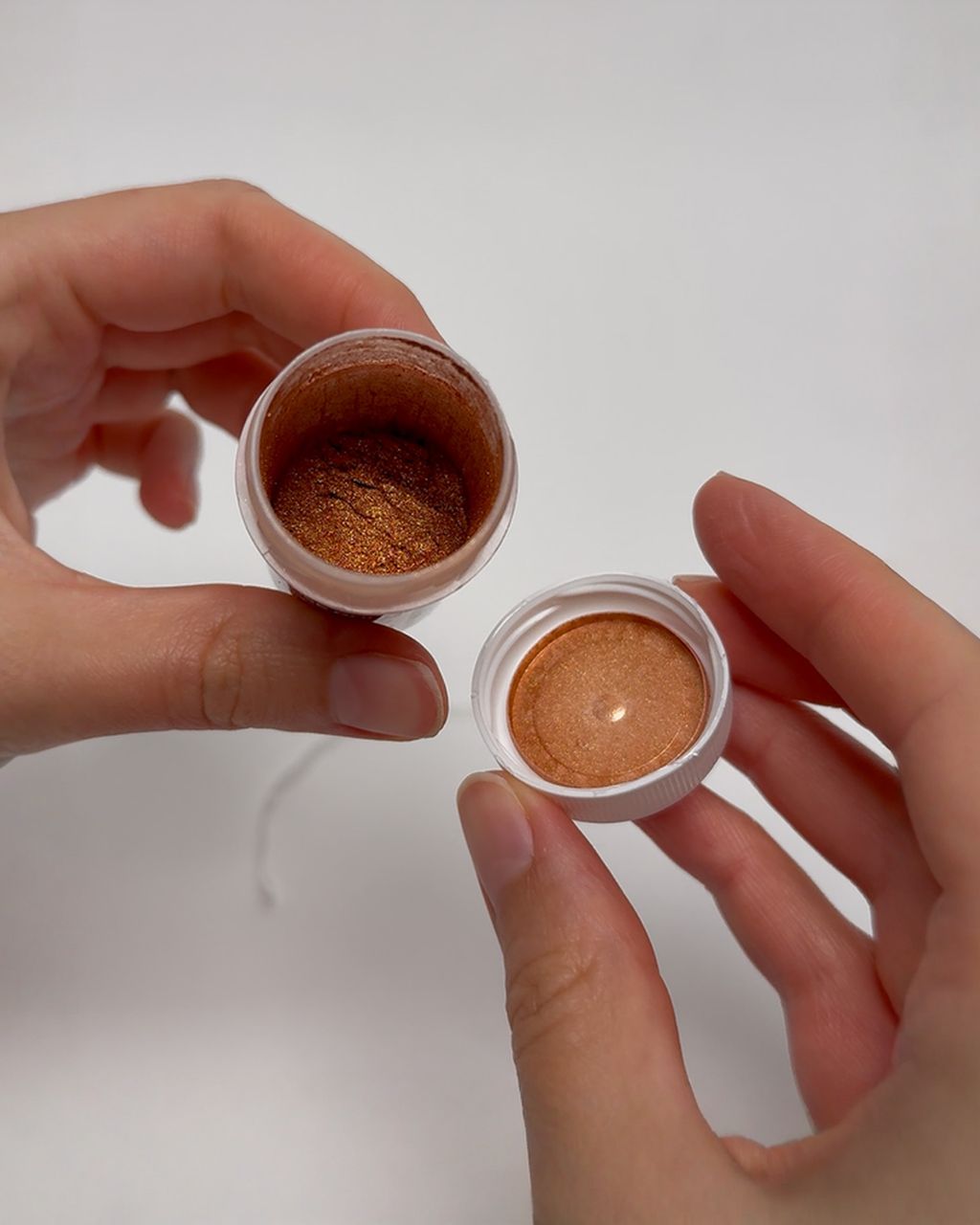
Edible gold luster dust (only products listing approved E-numbers and labeled "edible") can be dusted with a brush onto chocolate pralines or candies. Many glitter dusts are decorative only and not meant for eating, and any dust containing E171 (titanium dioxide) has been banned in the EU since 2022.
Find everything you need for gold decorating in our edible gold and glitter category. For step-by-step icing, techniques, and coloring, check out our guide to decorating wedding cookies.
Ordering wedding cookies from a bakery typically runs about 600–1,200 CZK per kilogram, depending on the varieties and how many are cream-filled. Baking them at home works out much cheaper on ingredients alone, but it'll cost you several weekends of work.
Transport wedding cookies in tins or sturdy boxes, keeping each variety separate with layers of parchment paper between them, and only arrange them on trays once you're at the venue. Carry cream-filled varieties in a cooler bag with ice packs, and refrigerate them as soon as you arrive. In the car, keep the boxes flat on the floor or in the trunk, not on a seat, where they can slide around and the cookies can break.
Under EU rules, edible gold (E175) isn't actually meant for baked wedding cookies — it's only approved for the surface of confectionery, decorating chocolate products, and in liqueurs. Only buy gold explicitly labeled as edible, not decorative metallic powders, which aren't meant for eating.
Hand out any leftover wedding cookies to guests in boxes right at the end of the night. Long-keeping varieties will then last another 1–2 weeks in a tin, while cream-filled ones should be eaten within 2 days. Buttery cookies that have gone soft can be crushed up for a dessert base or layered into a dessert in a glass.
Wedding cookies are usually baked by grandmothers, aunts, and friends, who each take on one or two varieties so it doesn't all fall on the bride. It works best when everyone bakes to the same schedule and the same piece counts per guest.
One recipe worth heating the oven for, one tip, and one deal from the shop. Nothing else.