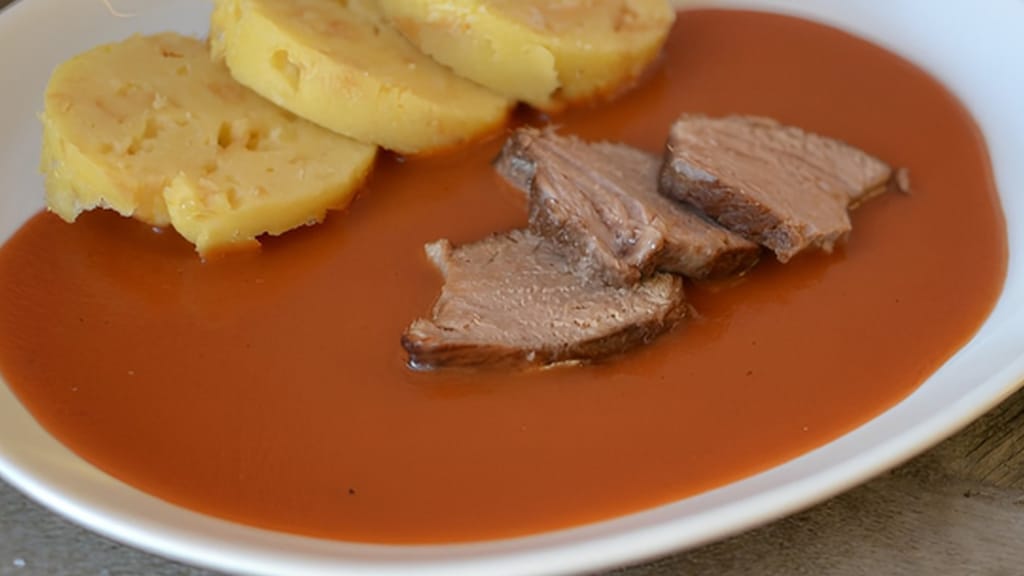
Czech tomato sauce with beef
Meatballs: in Tomato Sauce, Baked, Cheese-Stuffed, Chicken and for Pita
Updated Nov 23, 2026
Meatballs are ground meat bound with an egg and bread soaked in milk, seasoned with salt, shaped into evenly sized balls and finished in a sauce, baked in the oven or browned in a pan. They stay juicy when you don't overwork the mixture and cook them to exactly 71°C (160°F) inside (74°C/165°F for chicken), not ten minutes longer "just to be safe". Below you'll find a ratio that holds its shape, Czech meatballs in rajská (sweet-and-sour tomato sauce), meatballs in a simple tomato sauce, oven-baked meatballs, cheese-stuffed ones, chicken versions, meatballs for pita, and the most common mistakes that make them fall apart or turn tough.
For 500 g ground meat, use 1 egg, 30–40 g bread soaked in 60–80 ml milk, 8–10 g salt and seasoning to taste. This mixture (about 600 g with the egg and bread) makes 20–24 walnut-sized meatballs (25–30 g), or 15–20 balls of 30–40 g for sauce. It's the starting point for most of the recipes below, and each ingredient has a job:
Meat gives flavor and fat. The most forgiving choice is mixed ground meat of pork and beef: pork adds fat and tenderness, beef adds flavor and a firmer structure.
The egg binds the meatballs. It sets as they cook and holds the pieces of meat together.
Soaked bread holds on to juices. The softened crumb spreads between the meat fibers and traps the liquid the meat releases as it heats, so the meatballs aren't dry or rubbery. A bread roll or day-old baguette does the same job as breadcrumbs, just more gently.
Salt binds the meat from the inside. It dissolves proteins on the surface of the meat pieces and makes the mixture sticky. That's why well-salted meatballs fall apart far less.
Mix with your hands only until the mixture is cohesive and slightly tacky. Keep working it and the soft mixture turns dense and tough, much like overworked dough. Let the finished mixture rest in the fridge for 20–30 minutes: cold, it shapes more easily, sticks less to your hands, and the bread has time to soak up moisture. Shape with damp hands and keep all the balls the same size, otherwise the small ones will be done before the large ones.
Recipe of the week, one tip that saves you time and one deal from the shop. Unsubscribe in one click.
The next issue goes out on Thursday, November 26.
The best ground meat for meatballs has 15–20% fat, so a pork-and-beef blend, or beef alone from a less lean cut. Completely lean meat makes dry, crumbly meatballs, because fat is what melts during cooking and turns a ball into a juicy bite.
A pork-and-beef blend is the all-round choice for rajská, the oven or pita. It also stands up to longer simmering in sauce.
Ground beef has a stronger, more "meaty" flavor and a firmer bite. It suits long-cooked sauces, but give it a generous amount of soaked bread so it doesn't dry out.
Pork on its own is mild and tender, but without seasoning and onion it can taste flat.
Ground chicken and turkey are very lean. Meatballs made from them need more moisture (vegetables, soaked bread, a little oil) and closer temperature control; see the chicken section below.
If you grind the meat yourself, use the coarser plate and keep both the meat and the grinder cold: warm fat smears during grinding, and the meatballs then release more fat and hold less juice. Meatballs are just one of many things you can do with ground meat; you'll find more ideas in what to cook with ground meat: with potatoes, pasta and rice.
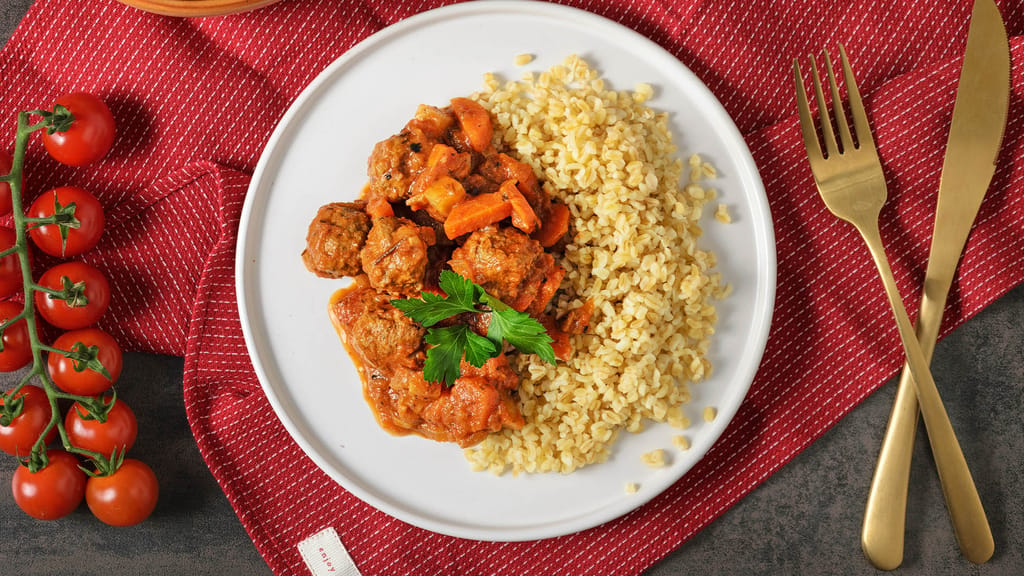
To make meatballs in rajská, first brown the meatballs until golden in a pan or in the oven, stir the pan drippings into the finished sweet-and-sour tomato sauce, and warm the meatballs through in it over low heat so the sauce gets right into them. Browning isn't just cosmetic: the brown crust gives the sauce a depth that meatballs cooked straight in the tomato sauce wouldn't have.
The base is Czech rajská omáčka, and it's worth making properly. Our recipe for rajská sauce with beef builds on beef chuck braised with allspice berries, a bay leaf, cinnamon and star anise. From reduced stock, onion caramelized in butter with cane sugar, an all-purpose (plain) flour roux and tomato paste comes a sauce that simmers for 20 minutes, is blended, strained and finally softened with a piece of cold butter. It takes about three hours, mostly because of braising the meat. The recipe even allows for a meatball variation: stir in the drippings from the pan or roasting tin where the meatballs were browned.
The method for meatballs in rajská goes like this:
Make the sauce as in the recipe, up to finishing with butter.
Meanwhile, shape the meat mixture into balls of 30–40 g and brown them on all sides in a little oil, or bake them on a baking sheet.
Deglaze the pan drippings with a spoonful of sauce or water and stir them into the rajská.
Add the meatballs to the sauce and warm them gently below a simmer for 10–15 minutes, until they reach 71°C (160°F) inside.
Rajská shouldn't bubble hard, or the meatballs start to crumble and the butter separates from the sauce. It's classically served with houskový knedlík (Czech bread dumplings), but it's also great with pasta or rice.
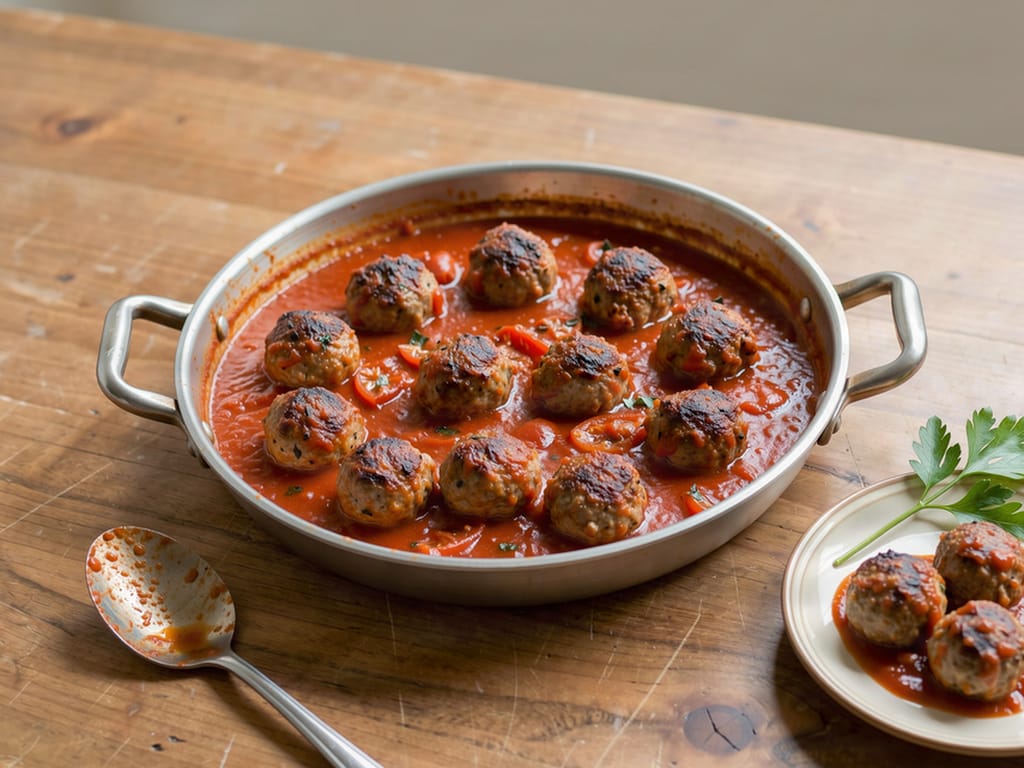
Meatballs in tomato sauce cook right in the sauce, with no browning: you drop raw meatballs into a bubbling tomato base and simmer them slowly with the lid on, so they release juices into the sauce and the sauce soaks back into them. Unlike Czech rajská, there's no roux or sugar here; the flavor rests on vegetables and tomatoes.
That's exactly how our meatballs in vegetable sauce work: balls of beef and a whole-grain bread roll soaked in milk simmer for 45–60 minutes under a lid in a sauce of celery, carrot, onion, stock and tomatoes with herbs.
Two tips from the recipe apply to any meatballs in sauce:
Don't stir them for the first few minutes. Until the surface firms up, a spoon would tear them. Just gently shake the pot instead.
The size of the vegetables controls how thick the sauce is. Finely chopped ones cook down and thicken the sauce on their own, while larger pieces stay noticeable.
If you want a quicker tomato base, build it on tomato passata: it's smooth, you don't need to blend it, and after 15–20 minutes of bubbling with onion and garlic you have a sauce to finish the meatballs in. At the end, try a few drops of lemon juice, which brings back the tomatoes' freshness. Serve with rice, bulgur or mashed potatoes.
Bake meatballs on a baking sheet lined with parchment paper at 170–200°C (340–390°F) for about 20–25 minutes, turning them halfway. The oven has three advantages over the pan: the meatballs brown on all sides at once, you need almost no fat, and you can cook a whole sheet in one batch instead of six at a time.
A few rules for baking:
Leave at least 2 cm between the meatballs. Crowded, they steam in their own juices and won't brown.
Put the sheet into a preheated oven so the surface sets quickly.
At the end, check them with a thermometer in the thickest meatball rather than going by time. Ovens differ, and so do meatballs.
Two of our recipes show how differently you can use the oven.
Lightly spicy meatballs with zucchini noodles are made from ground boneless chicken thigh with ginger, garlic, coriander and soy sauce. A clever detail: chia seeds firm up the mixture during half an hour of chilling, so the meatballs hold their shape in the oven even without breadcrumbs. Once baked, they're coated in a sauce of lime, honey and sriracha.
Baked kofta on root vegetables with pumpkin purée are elongated rolls of mixed meat with sun-dried tomatoes in oil, which adds juiciness and aroma. They bake right on carrots, parsley root and spring onions, so you get dinner from one oven without standing at the stove.
In a roasting pan with vegetables, meatballs become a one-pan meal: fat and juices from the meat drip into the vegetables, which soak them up.
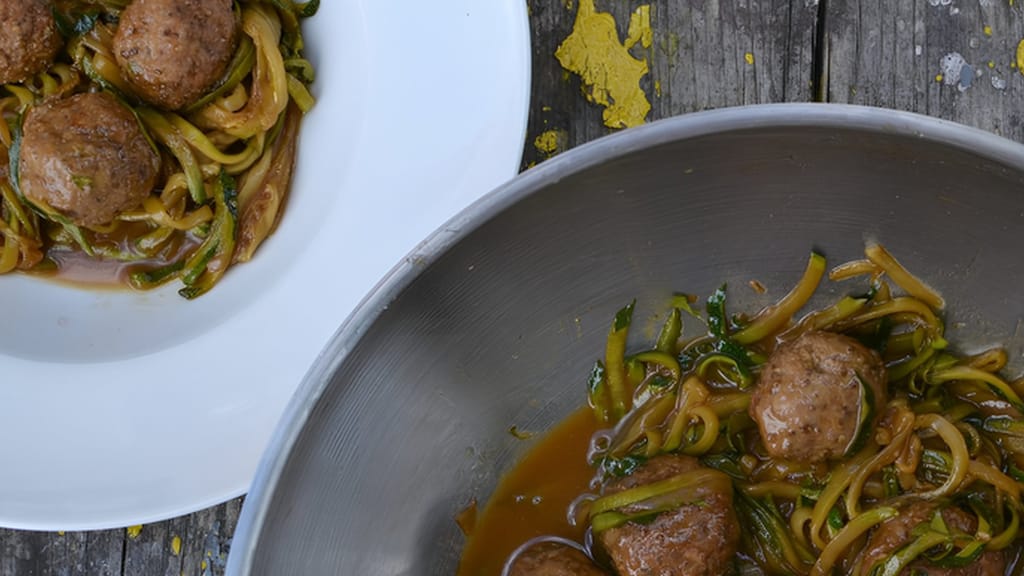
Lightly spicy meatballs with zucchini noodles
Lightly spicy oven-baked chicken meatballs with zucchini noodles
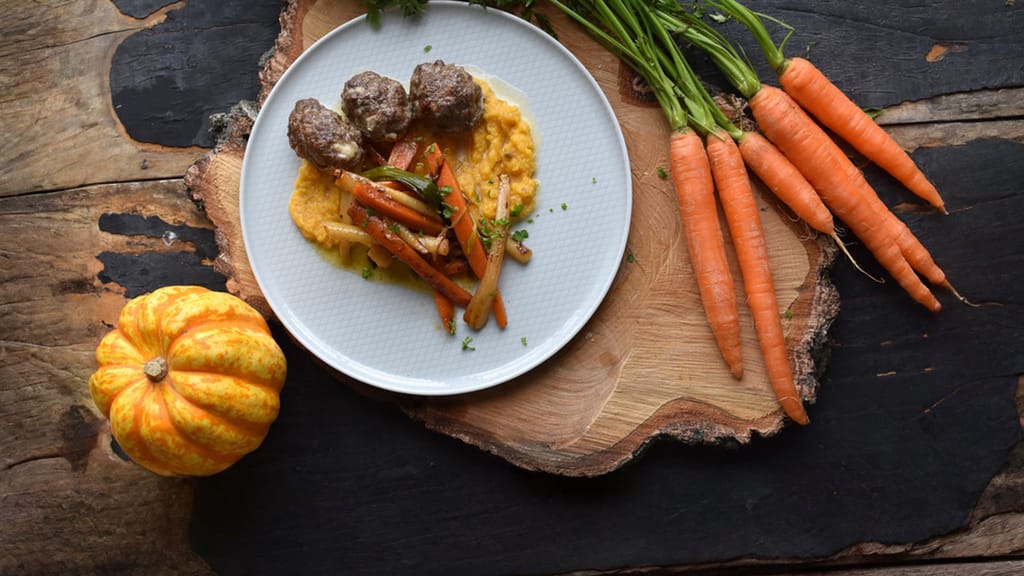
Baked koftas on root vegetables with pumpkin purée
Baked ground meat kofta on root vegetables with pumpkin purée
To make meatballs with cheese inside, press a dimple into each portion of meat, put a cube of cheese in it and seal the meat carefully around it. In the oven the cheese melts and runs out when you cut the meatball open, so a well-sealed ball is the whole trick.
Our recipe for cheese-stuffed meatballs with mushroom ragù hides a cube of Gouda in each meatball and serves them with mushroom ragù and mashed potatoes. One rule for the ragù: leave the mushrooms in the pan until their water evaporates and they start to brown, otherwise they'll be more boiled than seared.
To keep the cheese inside:
Choose a cheese that melts but doesn't run like water. Gouda, Edam or pizza mozzarella work; fresh mozzarella releases too much water.
Keep the cube small, about 1 cm. A large piece can't be wrapped in a thick enough layer of meat.
Pinch the seams together with damp fingers and roll the ball once more between your palms so no crack is left on the surface.
Don't bake them longer than necessary. When cheese starts leaking out at the sides, the meatballs are usually done.
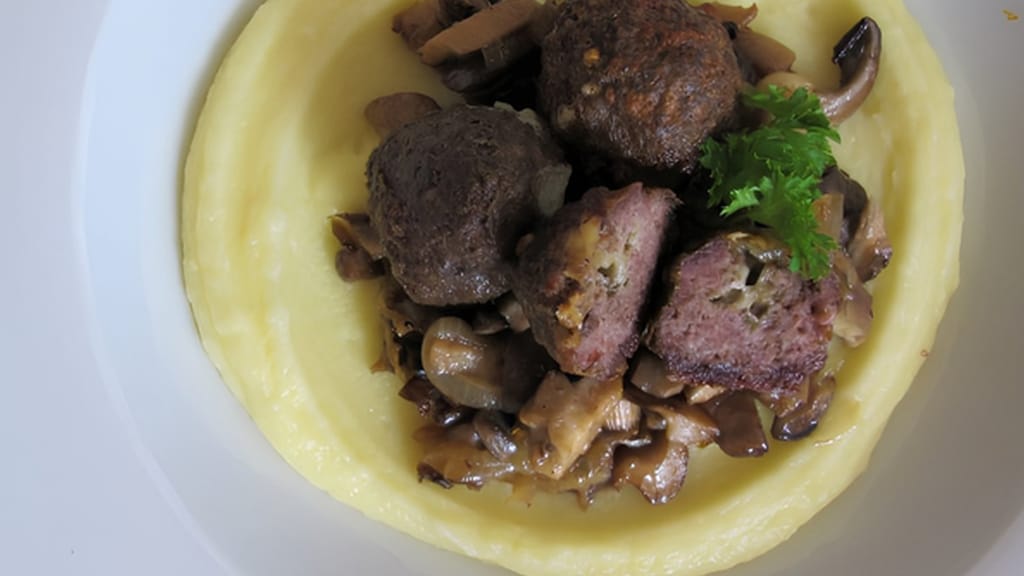
Cheese-stuffed meatballs with mushroom ragout
Oven-baked cheese-stuffed meatballs with mushroom ragù
Meatballs in an air fryer cook in less time than in the oven, because circulating hot air surrounds them in the small basket from all sides. As a guide, use 180°C (355°F) and 10–12 minutes for 30 g meatballs, shaking the basket halfway. The exact time depends on your air fryer model and the size of the meatballs, so the thermometer decides: 71°C (160°F) inside, 74°C (165°F) for chicken.
What works:
Arrange the meatballs in the basket in a single layer with gaps. Piled up, they won't brown and will stay underdone inside.
Brush them lightly with oil or give them a spritz, and the surface browns evenly.
For meatballs destined for sauce, the air fryer is an ideal first step: brown them until golden, then just simmer them in rajská or tomato sauce.
Use the same mixture as for the oven. Especially tender chicken meatballs tend to stick to the rack; perforated parchment paper or oiling the basket prevents that.
Chicken meatballs are milder and lighter, but lean meat dries out easily, so they need more moisture in the mixture and precise cooking to 74°C (165°F) inside. That's the temperature the US food safety agency USDA FSIS recommends for ground poultry; for ground pork and beef it's 71°C (160°F).
The juiciest chicken mixture is made from thighs, not breasts. Thigh meat has more fat and natural gelatin and stays tender in the meatball. Besides the lightly spicy meatballs from chicken thigh mentioned above, we have another chicken recipe where you shape the meat into patties.
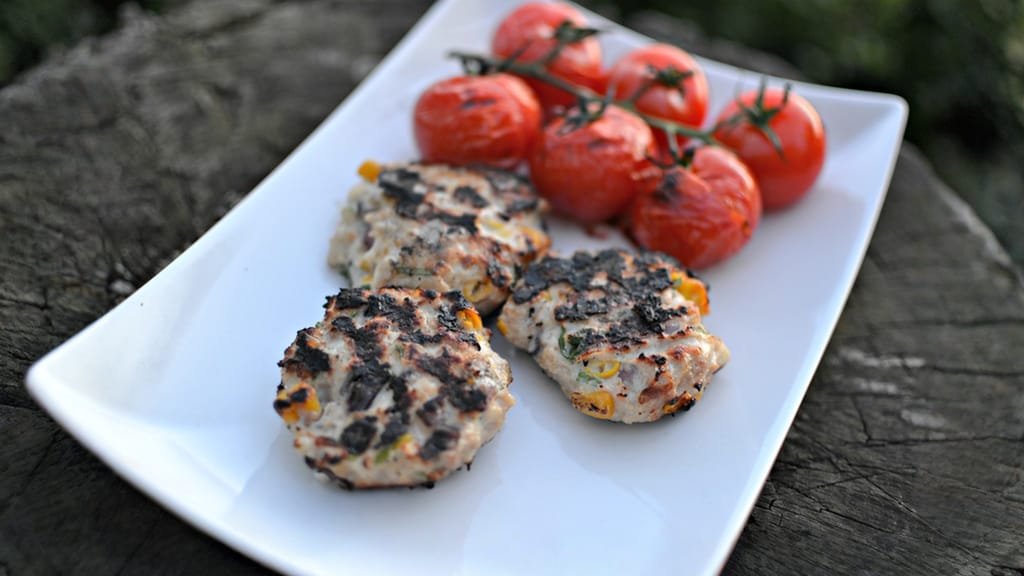
Grilled chicken patties with coriander and corn are made from coarsely chopped chicken with the skin, which gives the mixture extra fat, plus grilled corn and fresh coriander. The binder is a baguette soaked in water and squeezed out thoroughly: it's the squeezing that decides whether the patties hold their shape on the grill.
One universal takeaway from the recipe: if a chicken mixture is too loose and won't hold its shape, thicken it with a little breadcrumbs, not more flour. And work with wet hands, because ground chicken is stickier than mixed meat.
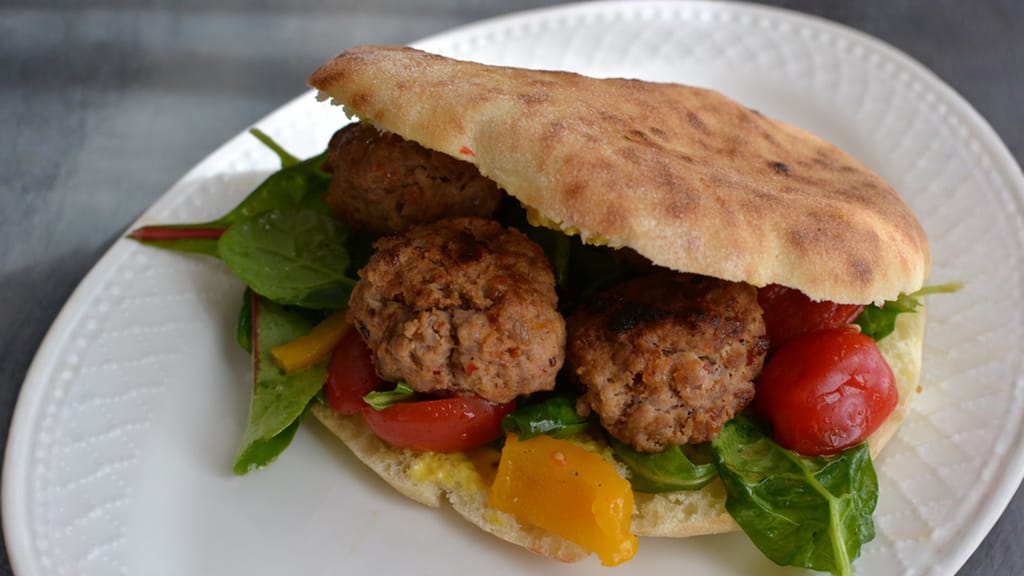
Meatballs for pita are smaller, more boldly spiced balls, eaten warm in a pita pocket with salad and sauce. They work best browned or baked dry, without sauce, otherwise the pita turns soggy and tears.
Our pita bread with meatballs and vegetables puts onion fried in butter until golden, sriracha and honey mustard into the mixed meat. The golden onion adds sweetness to the meatball and helps it hold on to its juices.
A tip for assembling: put the salad at the bottom and the meatballs on top. The leaves form a barrier that stops the meat juices from soaking through the bread. And warm the pita briefly before filling it, because cold pita cracks.
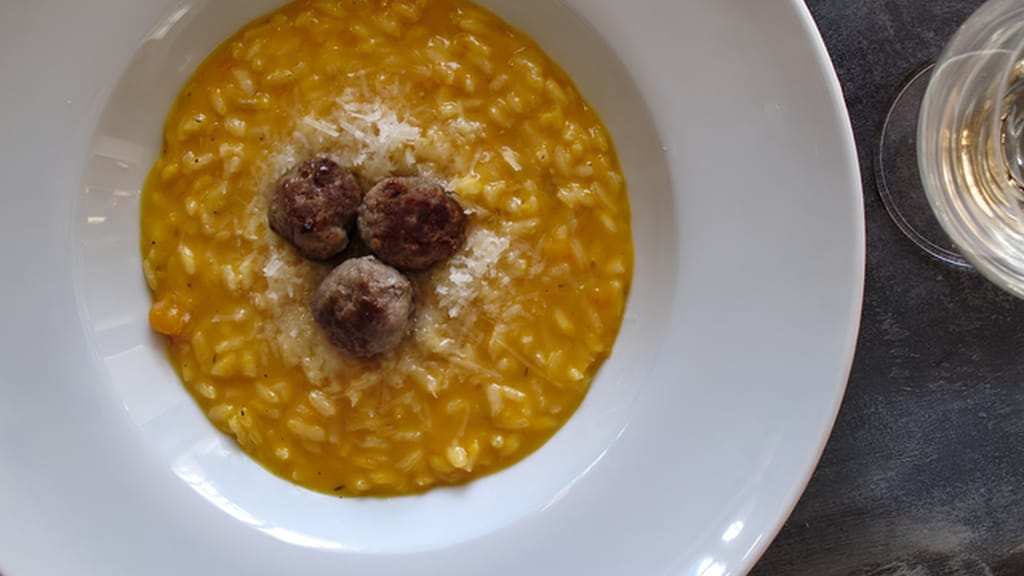
Small meatballs browned in a pan are a great addition to dishes that don't need a sauce, such as risotto. Just make them smaller, about the size of a cherry, and brown them all around in a little oil.
Italian pumpkin risotto with meatballs pairs creamy Arborio rice with roasted butternut squash purée, topped with balls of mixed ground meat with egg and grated Parmesan, browned in a little oil.
Parmesan in the mixture is a smart move: it adds saltiness and umami, so the meatballs don't need as much other seasoning, and it forms a tasty crust on the surface as they brown.
To make meatballs without bread, bind them with flour, which traps juices much like a soaked bread roll. In our lentil-flour meatballs braised in vegetables, lentil flour plays that role and also thickens the sauce at the end, so the whole dish comes together in one pot in about an hour.
Gentle simmering is key here. In boiling liquid the surface of the meatball splits before the proteins inside have set, and the meatball falls apart.
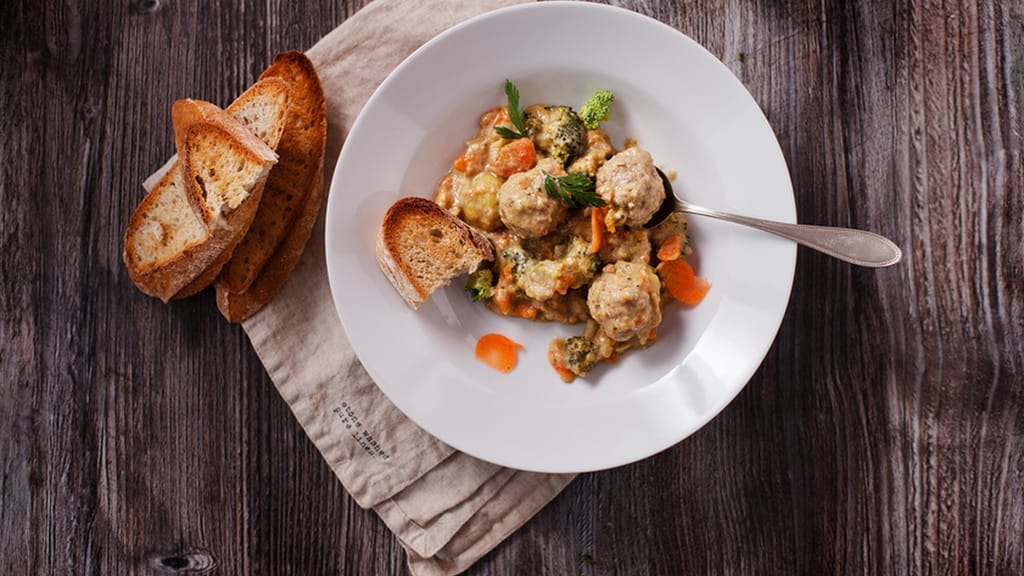
Meatballs with lentil flour braised in vegetables
Bread-free meatballs with lentil flour braised in vegetables
Meatballs made from pork, beef or mixed meat are done at 71°C (160°F) in the center, chicken and turkey ones at 74°C (165°F). These figures are recommended by the US food safety agency USDA FSIS and are based on the fact that grinding moves bacteria from the surface of the meat to the inside, so unlike a steak, browning the outside isn't enough.
The most reliable tool is an instant-read thermometer pushed into the center of the largest meatball. If you don't have one, cut a meatball open: it mustn't be pink inside and the juices should run clear. Color can be misleading, though: meat with ingredients like sun-dried tomatoes or paprika can stay pinkish even when cooked through, and the reverse can happen too, so a thermometer is the sure way.
The other half of the truth is that every degree above the target temperature dries the meatballs out. Take them out of the oven or pan as soon as they reach it, and in the sauce just keep them warm; don't keep cooking them.
Meatballs most often fall apart because the mixture is too loose or under-salted and the sauce boils too hard. They turn tough from an overworked mixture, lean meat or overcooking. Both are easy to fix:
They fall apart in the sauce: the mixture is too wet (bread not squeezed enough, too many vegetables) or the sauce is bubbling hard. Add a spoonful of breadcrumbs, chill the mixture and turn the sauce down to a gentle simmer.
They fall apart while browning: you're turning them too soon. Leave them until they set and release from the pan on their own.
They're tough and rubbery: you worked the mixture too long, or it lacks soaked bread. Mix only until combined.
They're dry: the meat is too lean, or the meatballs are overcooked. Add some fattier meat to lean meat and watch the temperature.
They're unevenly cooked in the center: the meatballs are different sizes. Weigh them, or scoop with the same spoon or an ice cream scoop.
They taste flat: the mixture is under-seasoned. Before you shape the whole batch, fry one small test patty and taste it.
That last trick always pays off: you can't taste the raw mixture, but you can taste a fried ball.
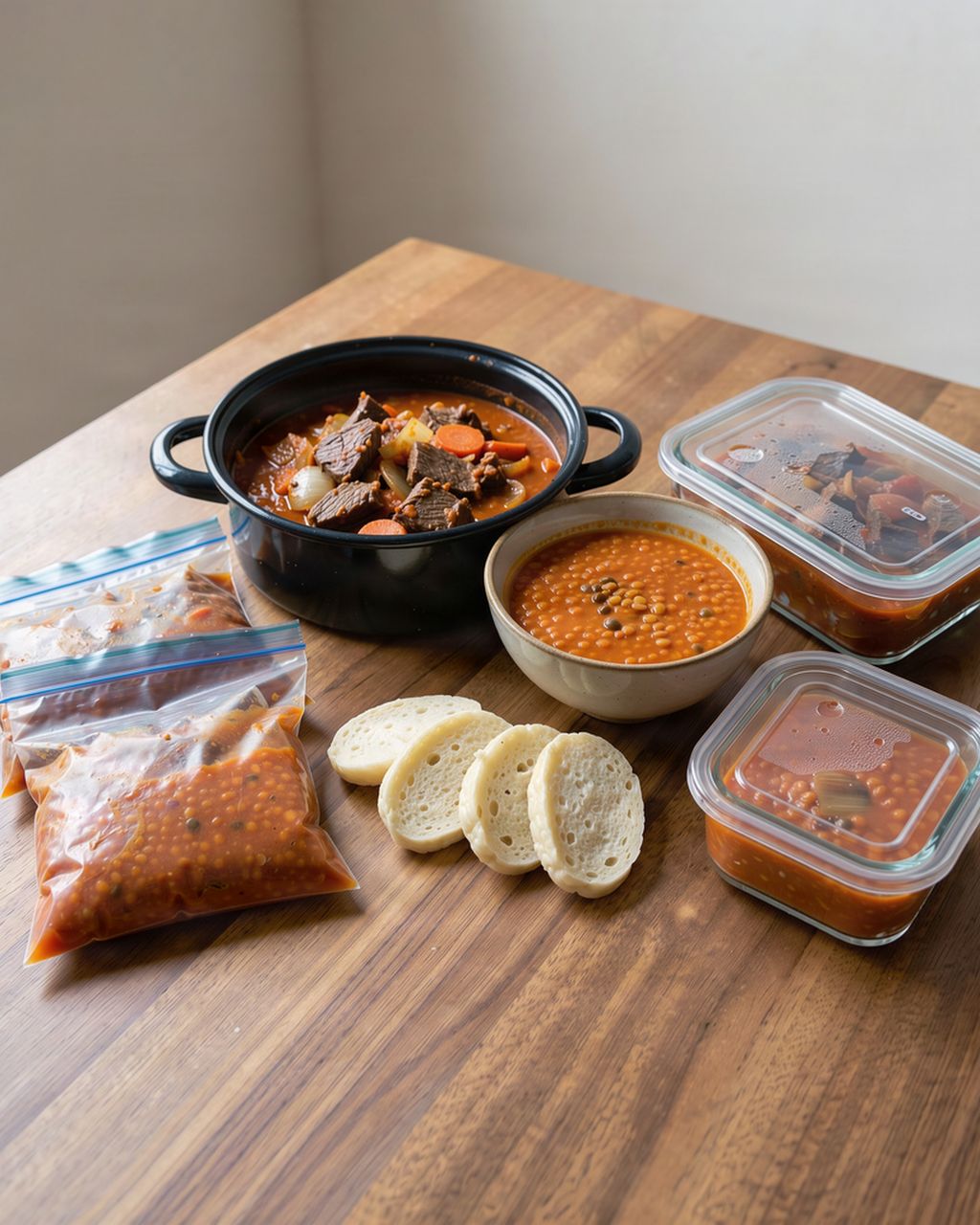
Cooked meatballs keep 3–4 days in the fridge and 3–4 months in the freezer, according to USDA FSIS guidance for cooked leftovers. After longer than that, FSIS says they're still safe, but they lose juiciness and flavor.
Refrigerate them as soon as they've cooled, in a closed container, even right in the sauce.
Meatballs freeze well both in sauce and on their own. Freeze plain ones first side by side on a baking sheet, then transfer the frozen balls to a bag so they don't freeze into one lump.
You can also freeze raw shaped meatballs. Thaw them in the fridge, then bake or simmer as if fresh.
Reheat them all the way to the center before eating, in sauce over low heat, or plain in the oven under aluminum foil so they don't dry out.
Meatballs in tomato sauce are among the dishes that taste almost the same after thawing as fresh.
Meatballs and karbanátky (Czech meat patties) are made from a very similar ground meat mixture. They differ mainly in shape and cooking method. Meatballs are round and often finished in a sauce, while karbanátky are patties that are fried, baked or grilled and eaten without sauce, for example with potatoes or in a bun.
For sauce, meatballs of 30–40 g work best. For pita or to serve with risotto, smaller ones of 15–25 g are better. What matters most is that they're all the same size so they cook in the same time.
You can replace the egg with more soaked bread, or with a spoonful of breadcrumbs or flour mixed with a little water or milk. Salting the mixture well and chilling it also helps, because salt and cold firm it up so it holds its shape even without egg.
For classic meatballs, salt, pepper, garlic and finely chopped onion are enough. For a Czech flavor, add marjoram or sweet paprika. Italian-style meatballs take oregano, parsley and Parmesan, and Middle Eastern-style ones cumin, coriander and ginger. Check the seasoning on a small fried test patty before you shape the whole batch.
Yes. Turkey meatballs are made just like chicken ones, but the meat is very lean, so the mixture needs more moisture, such as vegetables, soaked bread or a little oil. Cook them to 74°C (165°F) inside and don't keep them warm longer than necessary, or they'll dry out.
Meatballs in rajská sauce are most often served with houskový knedlík (Czech bread dumplings), but pasta, rice or mashed potatoes are popular too. Choose a side that soaks up the sauce well.
One recipe worth heating the oven for, one tip, and one deal from the shop. Nothing else.