- Season
- Available all year. Demand rises around Easter, when sekaná-style dishes such as velikonoční nádivka are made more often.
- Price
- Medium
Calories and nutrition per 100 g
- 242 kcal
- 19.5 g protein
- 16.5 g fat
- 0 g carbs
Mixed Ground Meat
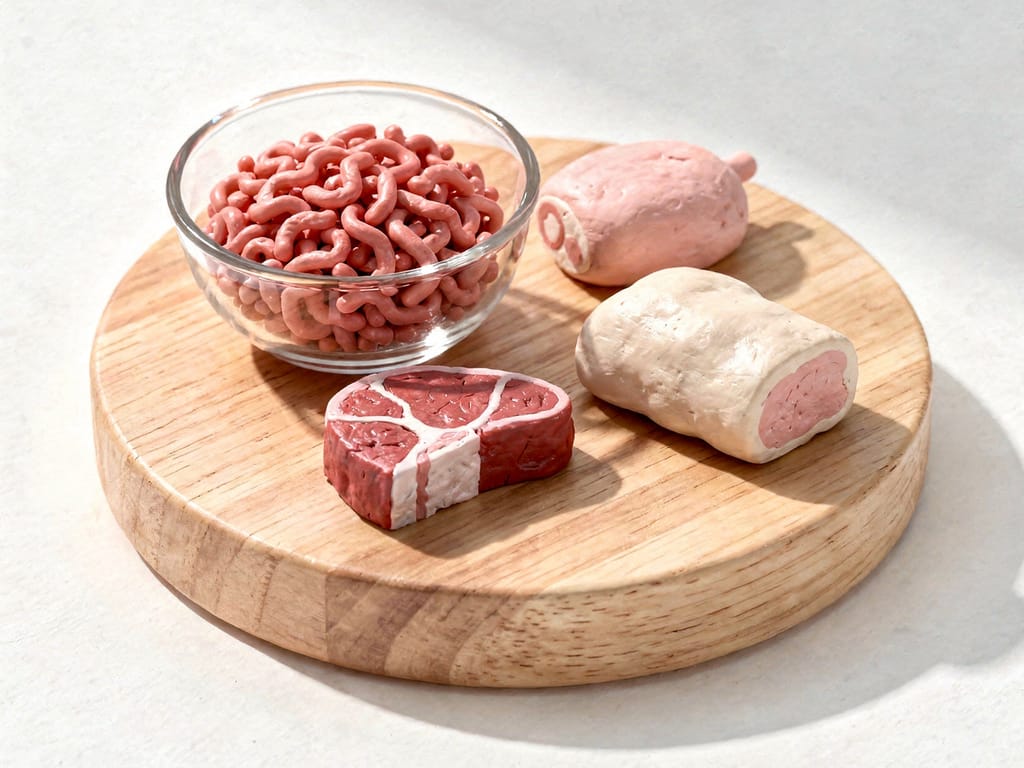
Mleté maso míchané is the standard Czech minced meat made from pork and beef together. Butchers and supermarkets in Czechia sell it as the default mince for karbanátky (fried meat patties), sekaná (Czech meatloaf), stuffed peppers and meatballs in tomato sauce.
Do not keep minced meat at room temperature. Take it home in a cool bag and put it in the fridge straight away. Never leave raw or cooked mince out for more than about two hours.
Keep at 0–4 °C in the coldest part of the fridge, on the bottom shelf so juices cannot drip onto other food. Mince bought from a counter is best cooked the same day, or the next day at the latest. For packed mince, follow the use-by date (spotřebujte do) and use it soon after opening.
Freeze it on the day of purchase, flattened in a freezer bag so it freezes and thaws evenly. Use within about three months for best quality. Thaw in the fridge, not on the counter, and do not refreeze raw mince once it has thawed.
Check the product name first. "Mleté maso" means only minced meat, with salt under 1 % if any. "Mletý masný polotovar" or "mělněné maso" means salt, water or other ingredients may have been added. Look at the stated share of pork and beef, and whether skin (kůže) is listed with the pork. Good fresh mince is pink to red, with visible pale specks of fat evenly spread through it. It should smell clean and neutral. Avoid packs with grey or brown patches all the way through, a sour smell, or a lot of liquid. If you buy at a butcher's counter, you can ask for meat to be minced while you wait, or choose the cuts yourself, such as pork shoulder (plec) with beef shin or chuck (kližka, plec).
Mince your own pork shoulder and beef chuck in roughly equal parts, or mix packs of pure minced pork (mleté vepřové) and minced beef (mleté hovězí) at home.
Pure minced pork gives a softer, juicier result. Pure minced beef gives a leaner, firmer one, so for patties you may want to add a little extra fat or soaked bread roll.
Handle the mince cold and with clean hands or utensils. Wash boards, knives and hands after contact with raw meat. For karbanátky and sekaná, the usual Czech mixture adds egg, soaked and squeezed white bread roll or breadcrumbs, finely chopped onion, crushed garlic, salt, pepper and often marjoram. Mix only until it holds together. Overworking makes the texture dense. Leave the mixture to rest in the fridge for a while before shaping. Always cook minced meat right through: the centre should reach at least 70 °C, with no pink meat and clear juices. Raw mince of any kind must not be tasted.
Use leftover cooked sekaná or karbanátky cold in bread the next day, as is common in Czechia, or crumble them into a tomato sauce for pasta. Small amounts of leftover raw mince can be browned and frozen as a ready base for stuffed vegetables or sauce.
Roughly what one measure weighs, scooped the way you normally would in the kitchen.
Pan-frying is the classic method for karbanátky. Coat the patties in breadcrumbs, or leave them plain, and fry in oil or lard until cooked through. Oven-baking is used for sekaná, often with hard-boiled eggs, gherkins or sausage pressed into the centre. Simmering is used for meatballs in tomato sauce (masové kuličky v rajské omáčce), for stuffed peppers (plněné papriky) and for cabbage rolls. Browning in a pan is the start of pasta sauces, lasagne and moussaka-style bakes. The mix is also used for stuffed kohlrabi, courgettes and squash.
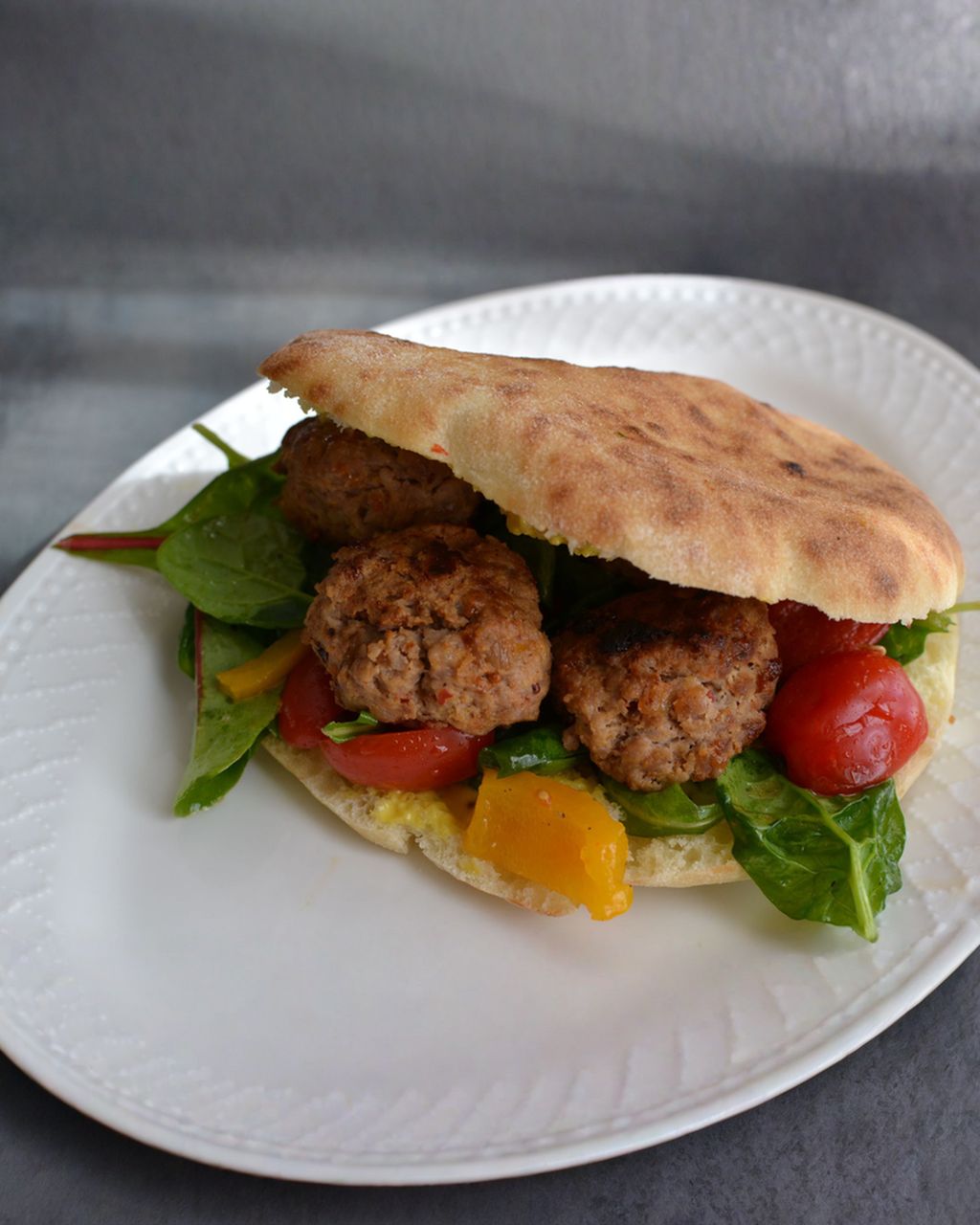
Pita bread with meatballs and vegetables
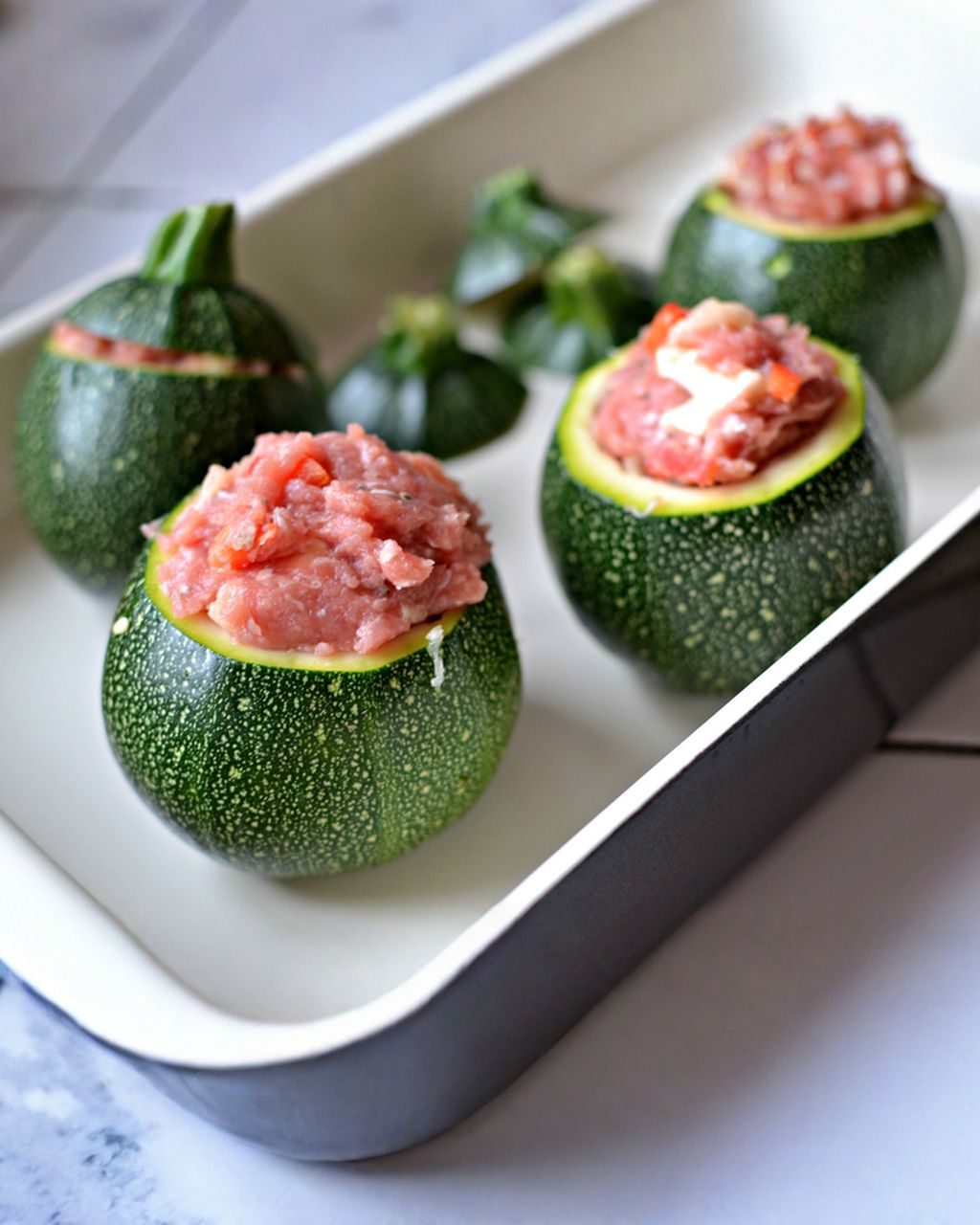
Zucchini stuffed with ground meat
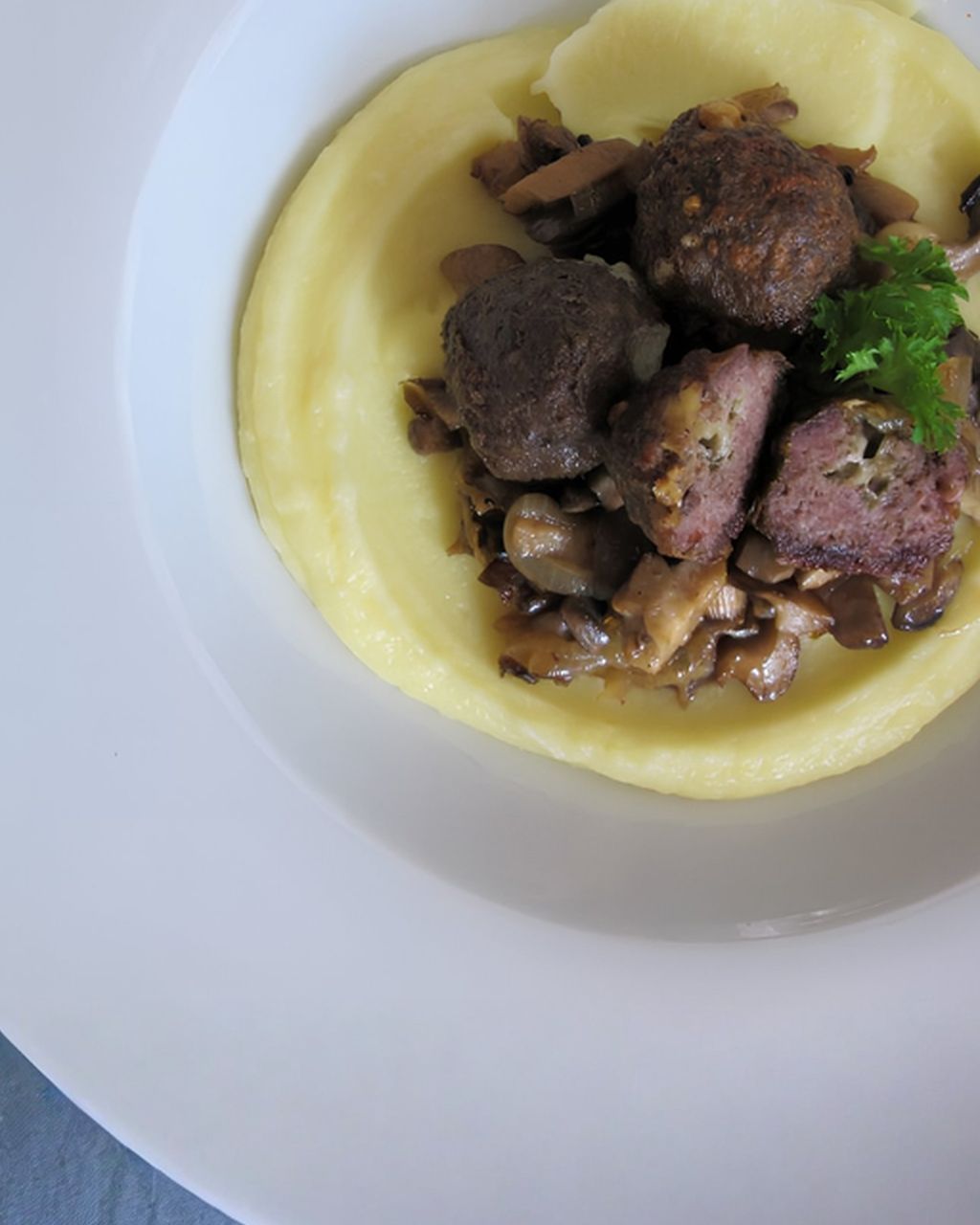
Cheese-stuffed meatballs with mushroom ragout
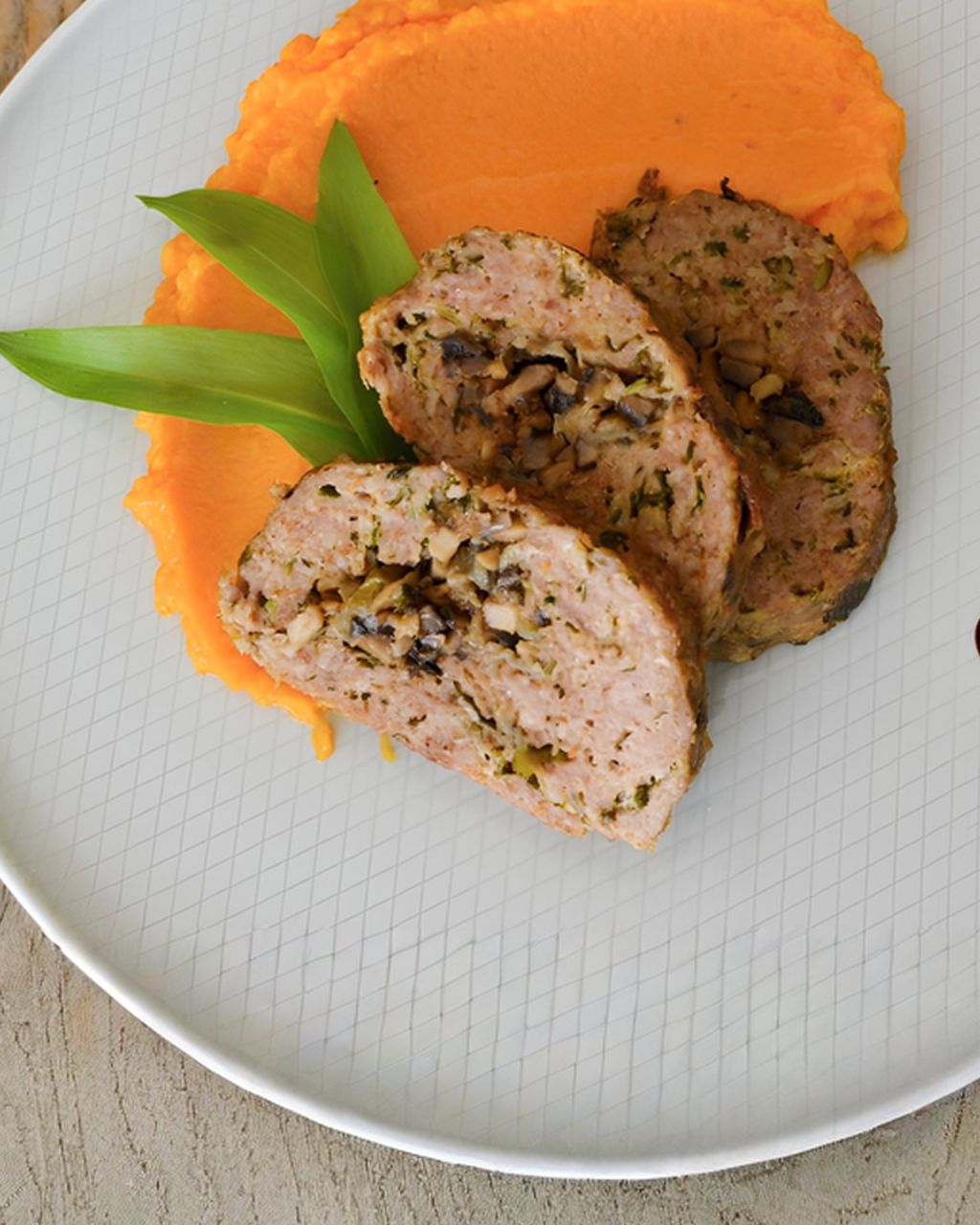
Spring meatloaf with wild garlic and sweet potato mash
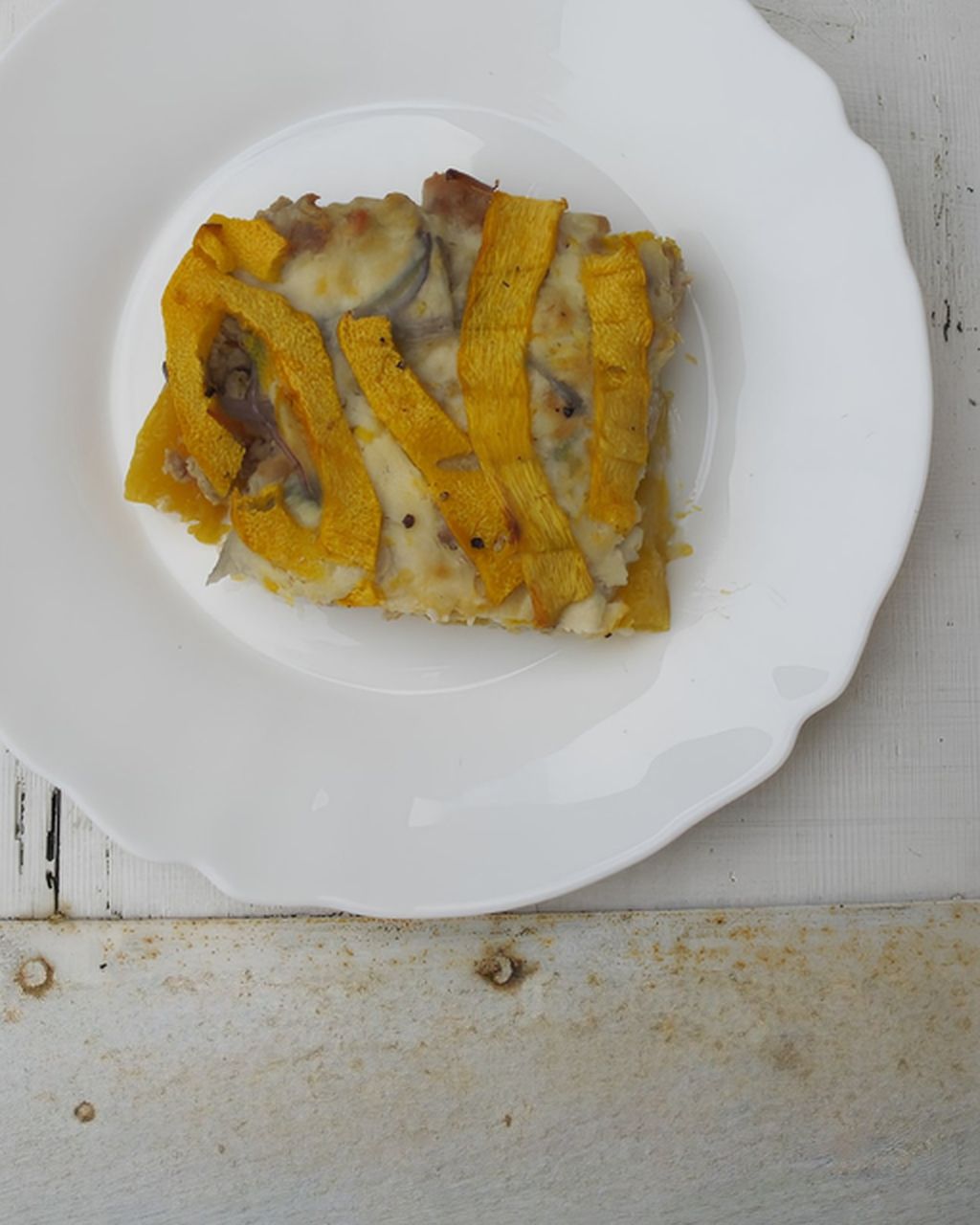
Baked pumpkin with ground meat
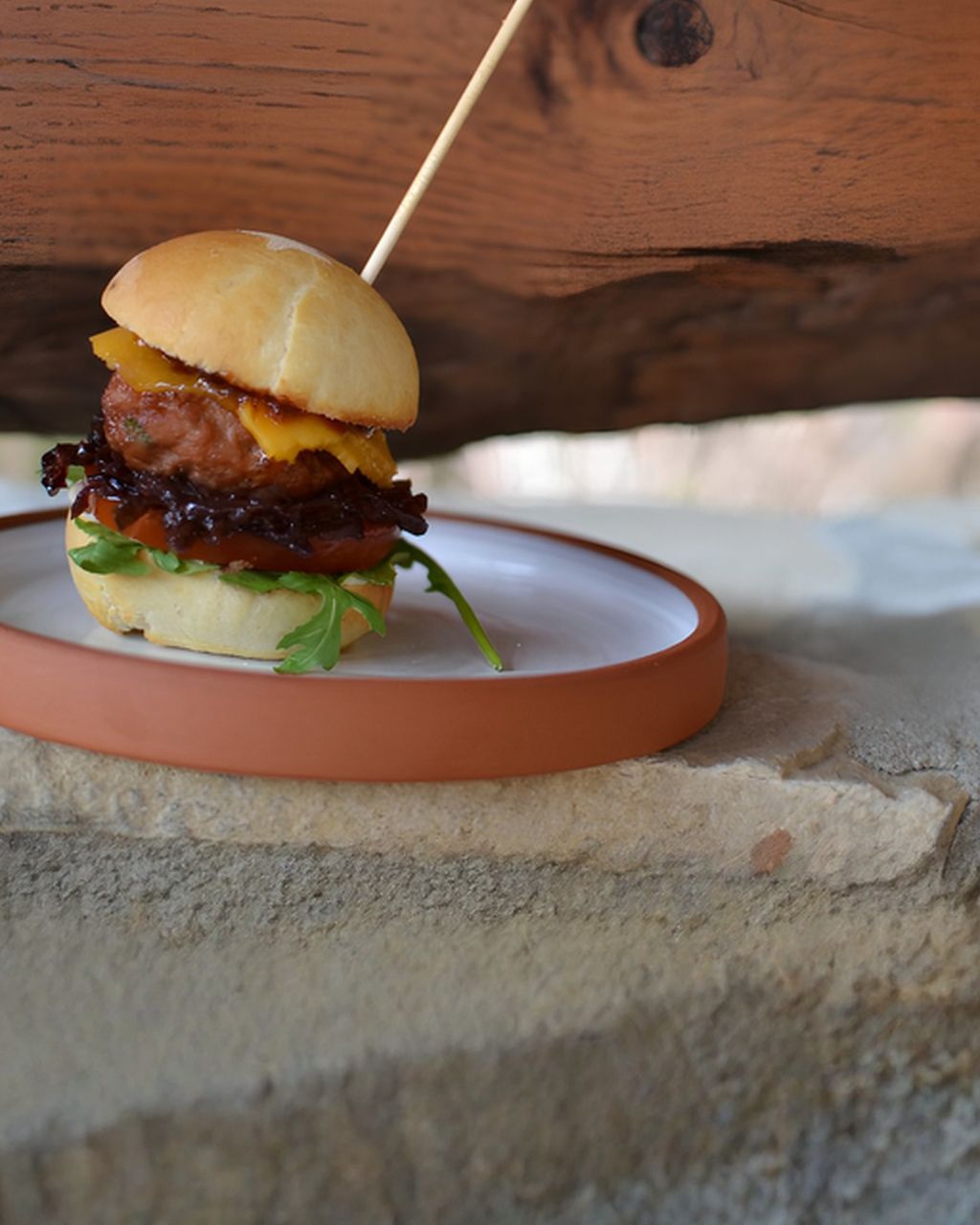
Amazing homemade cheddar and onion burgers
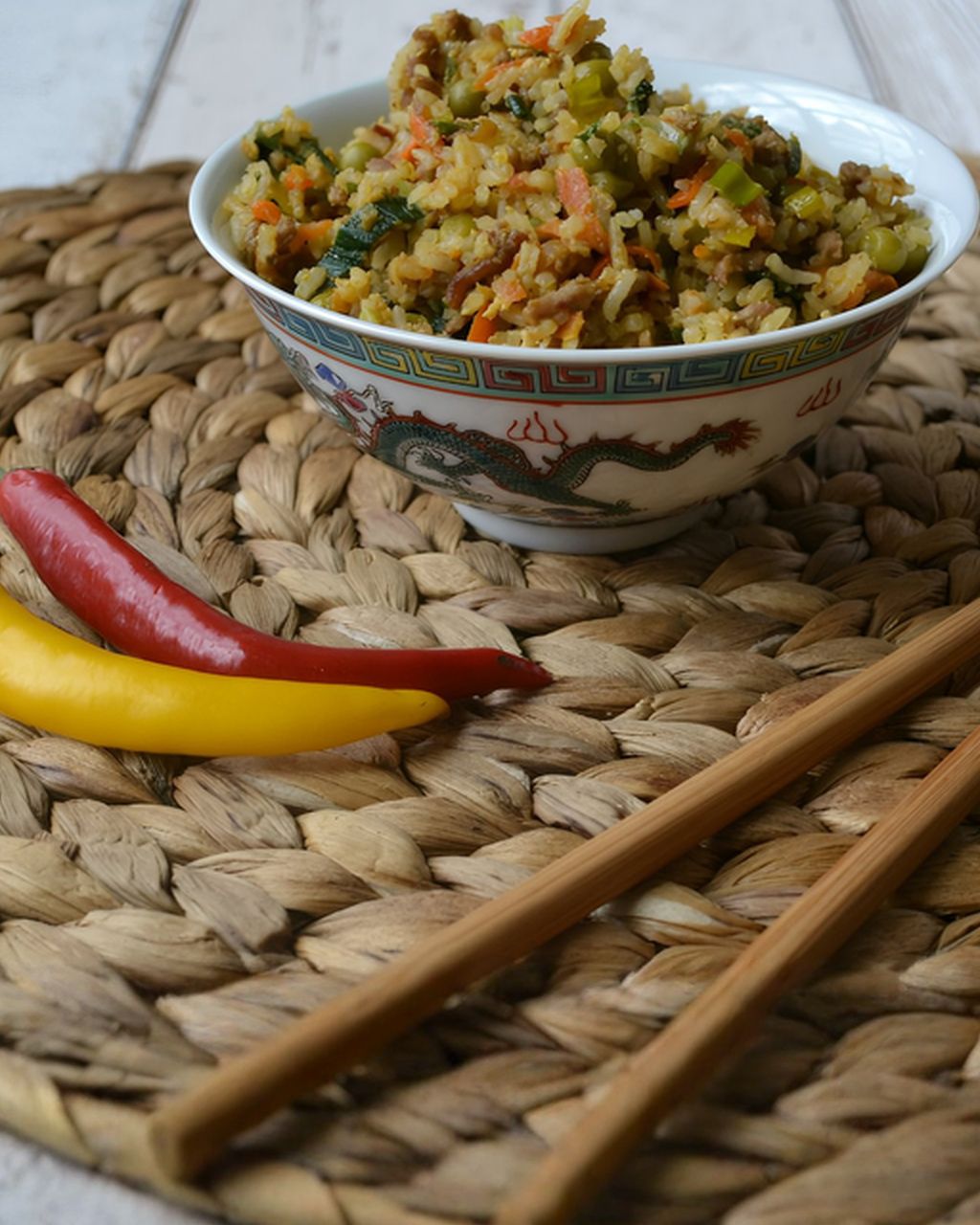
Spicy fried rice with meat and vegetables
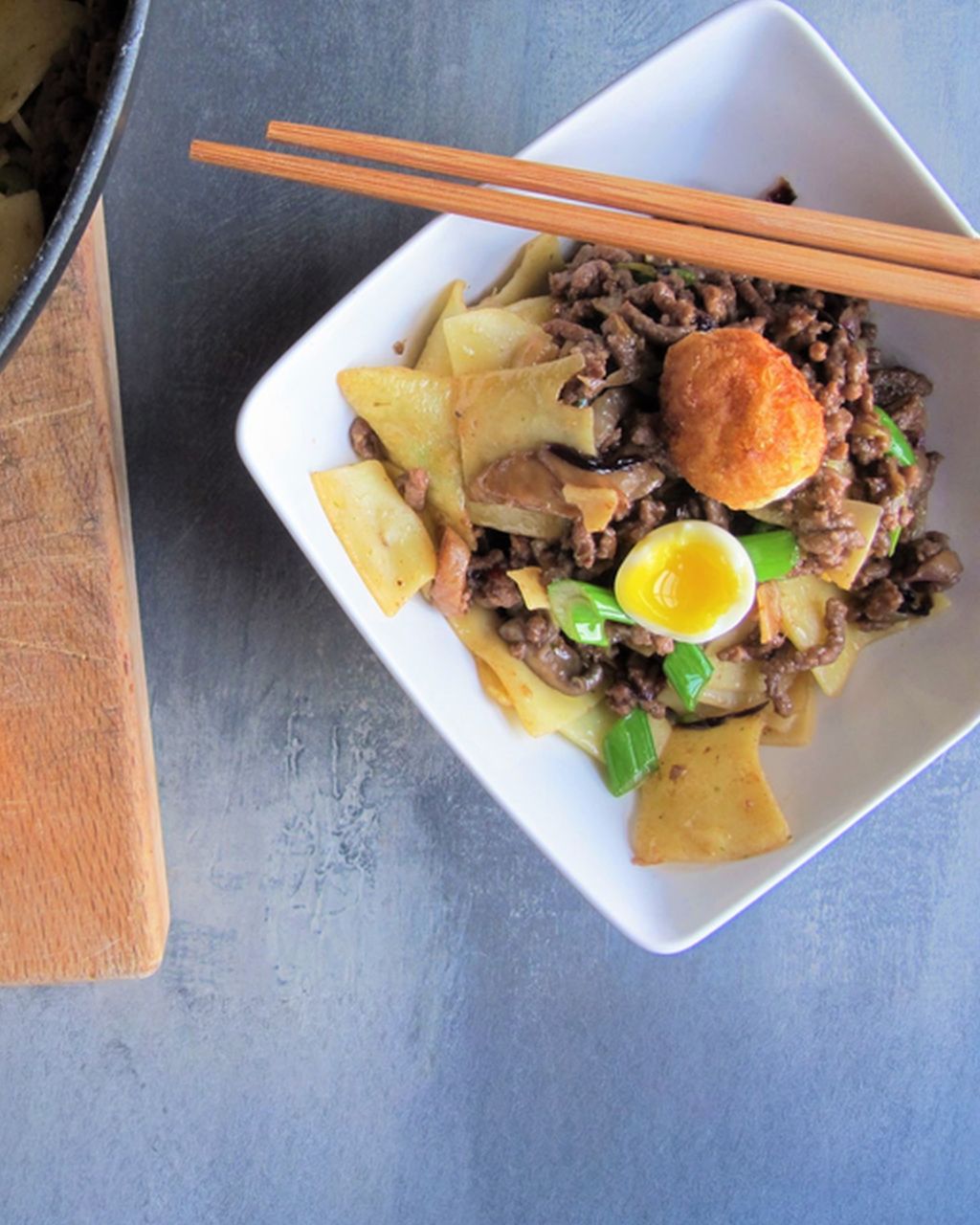
Asian noodle stir-fry with meat and crispy quail eggs
Mleté maso míchané is the standard Czech minced meat made from pork and beef together. Butchers and supermarkets in Czechia sell it as the default mince for karbanátky (fried meat patties), sekaná (Czech meatloaf), stuffed peppers and meatballs in tomato sauce. The two meats are usually in equal parts, or there is more pork than beef. Two retail examples: one pack is 49.5 % pork and 49.5 % beef, another is 67 % pork and 28 % beef. Czech labels use two names for this kind of product, and they mean different things. Under Czech and EU rules, true mleté maso (minced meat) is boned meat that has only been minced, with salt under 1 % allowed. Loose minced meat sold over a counter should be minced in front of the customer. A pre-packed or pre-minced product with added salt (about 1 % or more), water or additives is sold as "mletý masný polotovar" (minced meat preparation). Many retail "mixed mince" packs are actually this second category, so read the name and ingredient list on the label.
Mild, rounded and meaty. Pork gives sweetness, juiciness and soft fat. Beef gives a deeper, slightly mineral flavour and a firmer bite. The mix tastes milder than pure beef and holds together better than pure pork, which is why it is the usual base for seasoned Czech mince dishes with onion, garlic, marjoram and caraway.
Seasonal baking plans, tested recipes and kitchen tricks that save you time. Unsubscribe in one click.
3 min read
– Only pork and beef, minced, with salt under 1 % if any. Ideally minced in front of the customer at a butcher's counter.
– Pre-packed mixed mince with added salt (often about 1–2 %) and sometimes water or additives. It is often sold with a longer shelf life than mince sold as mleté maso. Typical retail mixes run from 50:50 to about two-thirds pork.
– A finer, often cheaper product with more salt and sometimes added water, starch or antioxidants. It tends to lose more volume in the pan.
– Pure minced pork (mleté vepřové) and pure minced beef (mleté hovězí) are sold alongside the mixed version. They can be combined at home.
– German and Austrian "gemischtes Hackfleisch" (halb und halb) is very similar. The American "meatloaf mix" usually also contains veal, which is not part of the Czech standard mix.
Mixed pork and beef mince belongs to the Central European home-cooking tradition, in which pork has long been the main meat. Dishes such as karbanátky, sekaná (called fašírka in some regions) and stuffed peppers in tomato sauce became fixtures of Czech home and canteen cooking. These meat dishes were often stretched with bread roll and egg. The hand-cranked meat grinder (masomlýnek) was a common household tool, and many cooks still prefer to mince their own meat or have it minced at the butcher's.
Pork fat is softer and melts at a lower temperature than beef fat. It keeps a mixed mince juicier and more tender after cooking, while beef proteins give firmness and structure. Mincing greatly increases the meat's surface area, and bacteria from the surface get spread through the whole mass. This is why minced meat spoils faster than whole cuts, must be kept cold and must be cooked right through. Salt added to a meat preparation dissolves some muscle proteins, which makes the mince sticky and better at binding. Added water is not fully bound, however, and much of it is released in the pan, which is one reason water-added preparations can shrink noticeably when fried.
Czech and EU food law sets out what may be sold as minced meat. EU Regulation 853/2004 sets limits on fat and connective tissue, with up to 30 % fat for minced meat containing pork. Czech Decree 69/2016 Sb. governs how mince is named and sold. Pre-packed fresh pork and beef must show their origin. For the pork share, Regulation (EU) 1337/2013 allows the simplified wording "EU", "non-EU" or "EU and non-EU", although a specific country may still be given. For minced beef, Regulation (EC) 1760/2000 requires "Prepared in (country)", plus the country of origin where it differs from the country of preparation. Look for an explicit Czech origin if that matters to you. Labels such as Klasa or Regionální potravina, or buying from a local butcher who minces on site, give more transparency about where the meat comes from and what cuts are used.