Classic czech beef goulash with chilli and bread dumplings
Freezer Meals: Make-Ahead Dinners, Goulash, Ragù, Curry, Soups and Bread Dumplings That Freeze Well
Updated Nov 23, 2026
Freezer meals are cooked dishes that taste almost as good after freezing and reheating as they did the day you made them: braised meats in sauce, goulash, ragù, curry, bean and lentil soups, and bread dumplings. What they share is plenty of liquid, slow cooking and nothing crisp that the freezer could spoil. Cook one big pot, divide it into portions and you have dinners lined up for weeks. Below you'll find what to freeze and what to skip, how to cool, pack, thaw and reheat food quickly, and specific recipes that hold up.
The freezer suits dishes with sauce or broth that cook long and slow. In short:
goulash and braised meats, beef or pork
ragù and meat sauces for pasta, such as Bolognese
meatballs in sauce
curry and red lentil dhal
thick soups, especially bean, lentil and vegetable soups
bread dumplings, sliced
Why these? When water freezes it forms crystals that tear cells. Delicate vegetables or a crisp crust show the damage right away, but meat that has braised for three hours is already tender, and the sauce protects it from drying out. Many braised dishes even taste rounder after thawing, because the spices have had time to settle in.
What to leave out of the freezer, or freeze only with care:
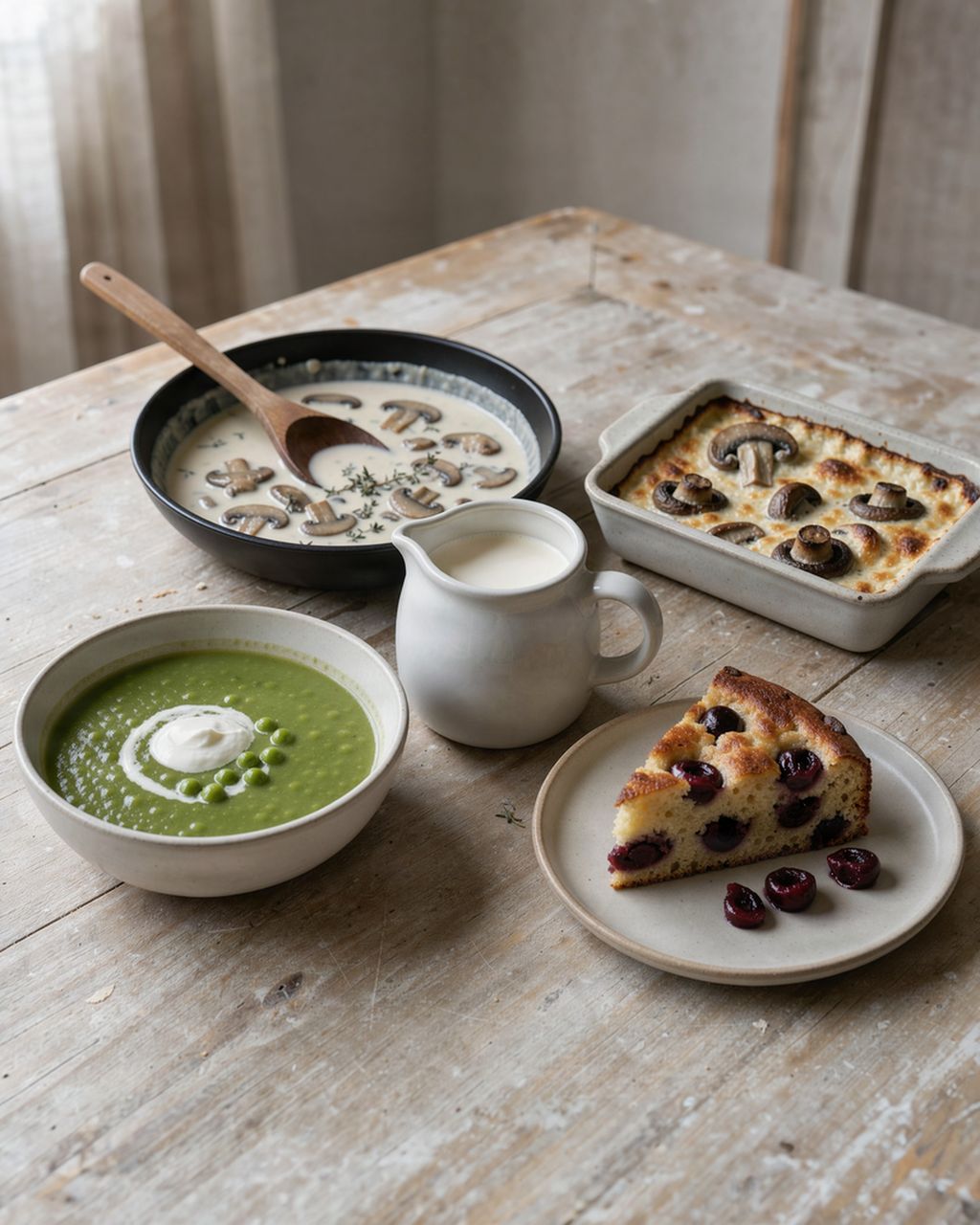
sauces with cream or milk: they often curdle and turn grainy after thawing. Make the base without cream, freeze it and add the cream when you reheat.
potatoes in soup: freezing makes them soft and mealy. Freeze the soup without them and cook fresh potatoes into it later.
cooked pasta in sauce: it goes soft. Freeze the sauce separately and cook the pasta fresh.
fried and breaded foods: the crust turns soggy when reheated.
salad greens, cucumbers, hard-boiled eggs: they release water after thawing and the texture is gone.
There's a simple rule: the more sauce and the longer the braise, the better a dish handles the freezer. The crunchier it is, the worse.
Cool cooked food as fast as you can, divide it into portions and get it into the freezer within 2 hours of finishing cooking; then keep it at −18°C (0°F). The UK Food Standards Agency advises letting cooked food cool at room temperature, putting it in the fridge within one to two hours, freezing leftovers as soon as possible and keeping the freezer at around −18°C. The two-hour limit for the freezer is our own practical cutoff based on that.
How to do it in practice:
Cool it quickly. A big pot of goulash cools slowly, because the center holds heat for hours. Transfer the food to several shallow containers, or set the pot in a sink of cold water and stir. The smaller the volume, the faster it cools.
Divide into portions. A portion for one or two thaws faster, and you never have to thaw more than you'll eat.
Pack it without air. Air in the bag means freezer burn: dry, grayish patches with an off flavor. Press the air out of bags, and in containers leave just a small gap under the lid, since liquid expands as it freezes.
Freeze it flat. Pour soup or sauce into a bag, lay it flat on a baking sheet and freeze. A flat slab freezes quickly, then stacks like a book in the freezer and thaws faster too.
Label it. Write what it is, how many portions and the date. In two months you won't be able to tell ragù from goulash.
Leave room around it. Don't stack new packages straight on top of each other in one block. Cold air flowing around them freezes them faster.
How long does it keep? According to the Ohio State University Extension chart, soups and braised dishes keep their best quality for 2 to 3 months at −18°C (0°F). That's a recommendation for flavor and texture, not a safety limit: according to the same chart, food kept constantly frozen at −18°C won't spoil, but it gradually loses aroma and dries out. So go through your freezer every so often and move older packages to the front.
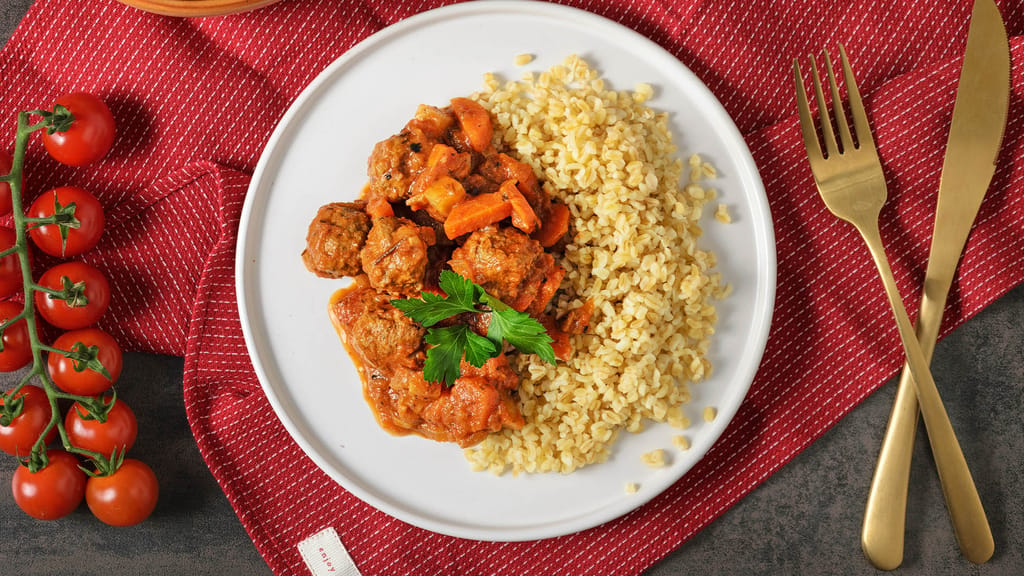
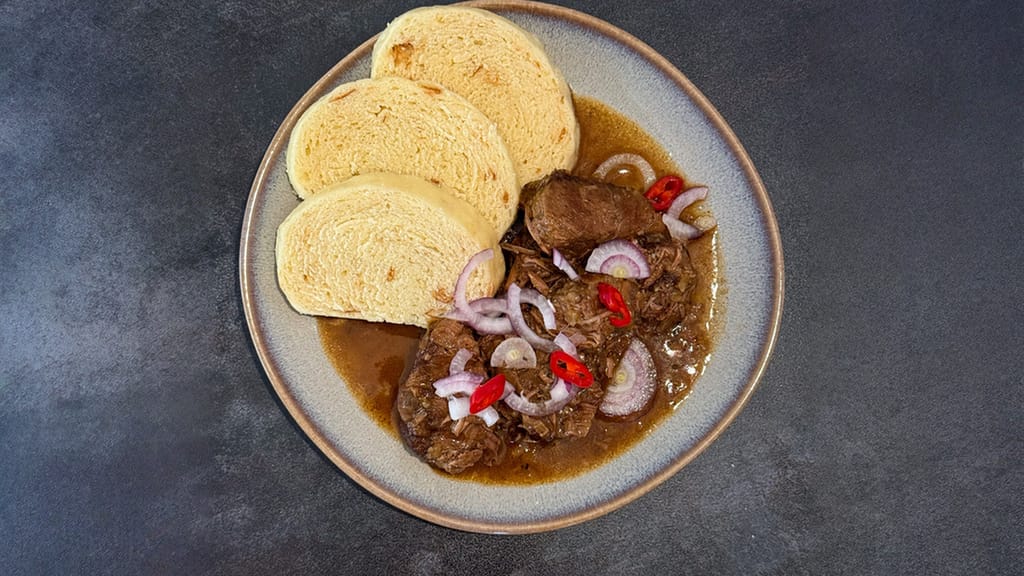
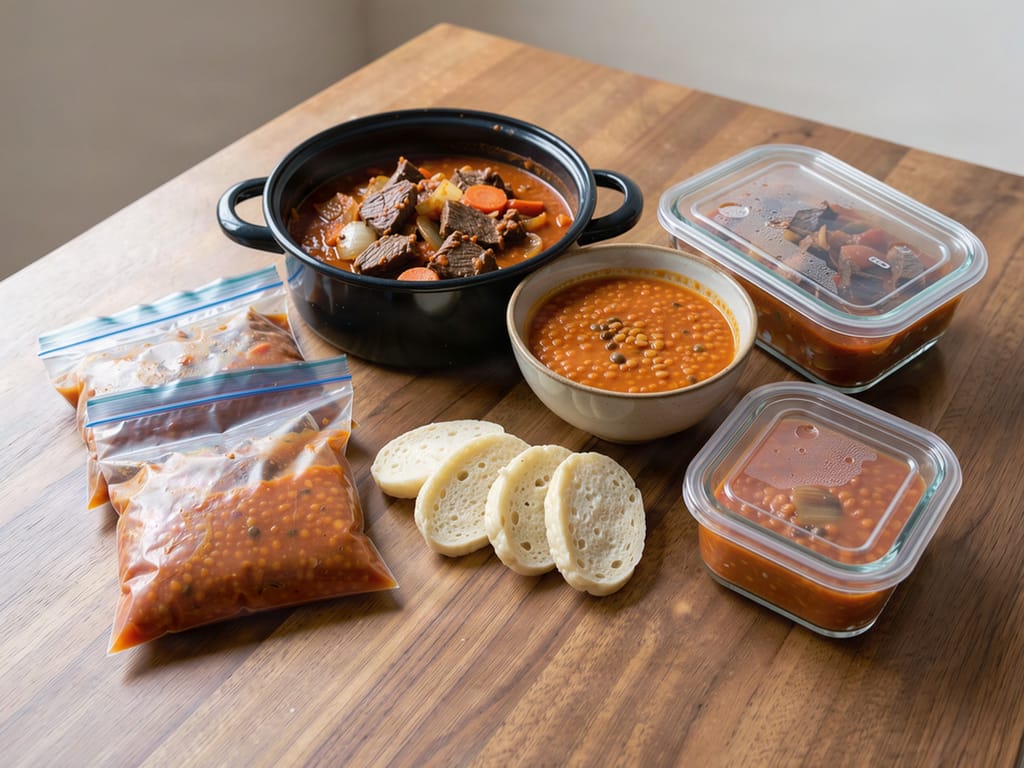
Classic goulash is the king of the freezer: in the classic beef goulash with chili and bread dumplings, the beef shin braises for about three hours in a sauce made from a kilo of onions, so it's tender and freezing won't hurt it. Instead of shin, other beef from the front quarter works too, such as shoulder or neck, which also need a long braise.
For freezing: leave the fresh red onion and chili that the recipe sprinkles over the goulash for the plate. A starch-thickened sauce can separate a little after thawing, so stir it and simmer briefly as you reheat. Goulash freezes well in portions for two, with a few slices of dumpling in a bag alongside.
Classic czech beef goulash with chilli and bread dumplings
Beef goulash with chili and bread dumplings, an ideal freezer meal
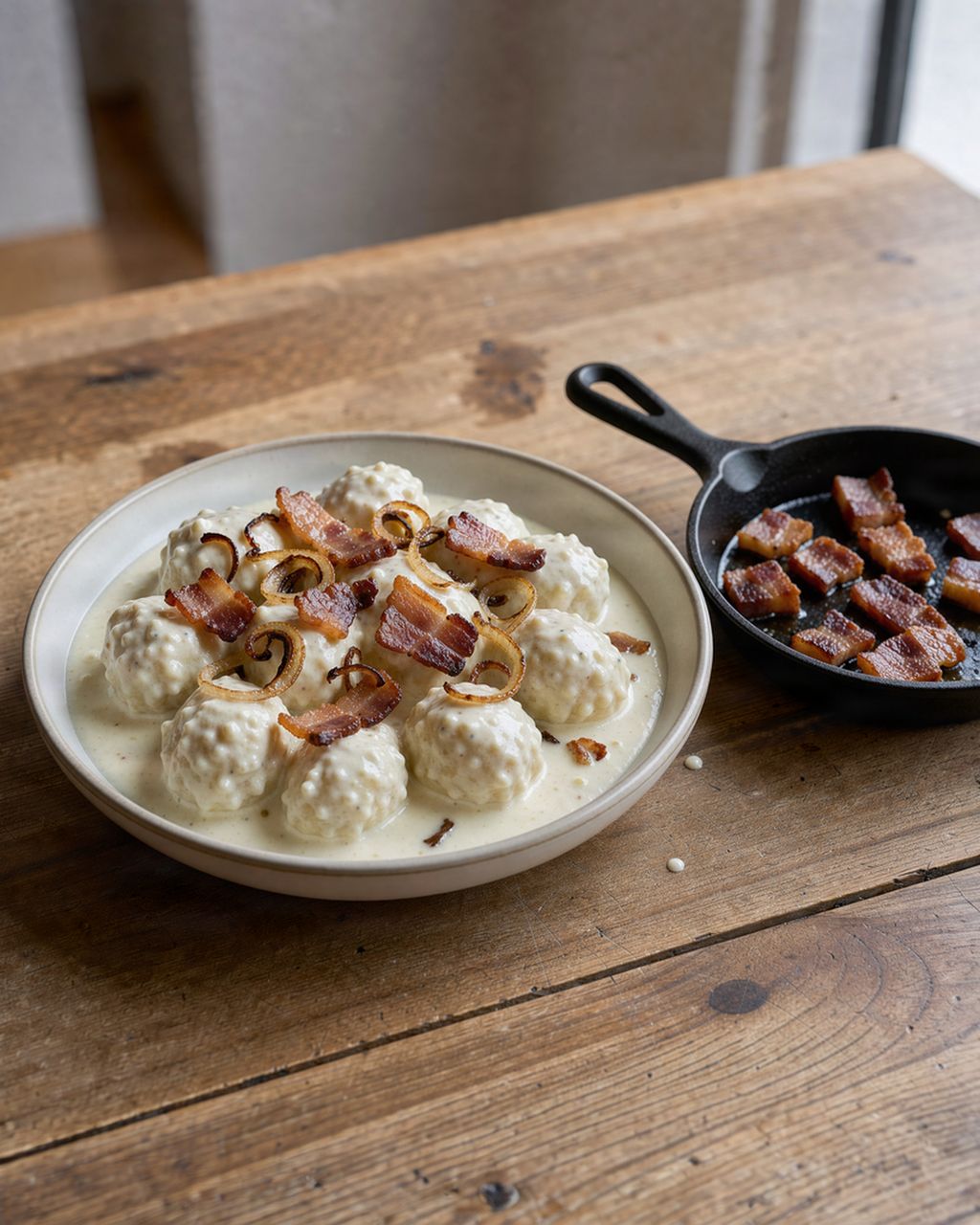
Bolognese takes hours to cook anyway, so it pays to make a big batch: sugo bolognese, a slow-cooked Bolognese sauce, simmers for at least two and ideally four hours, and a thick meat sauce goes into the freezer with no loss of flavor.
For freezing: freeze only the sauce. Cook the spaghetti on the day you eat, and grate fresh Parmesan on top. The sauce thickens after thawing, so reheat it with a spoonful of water and stir.
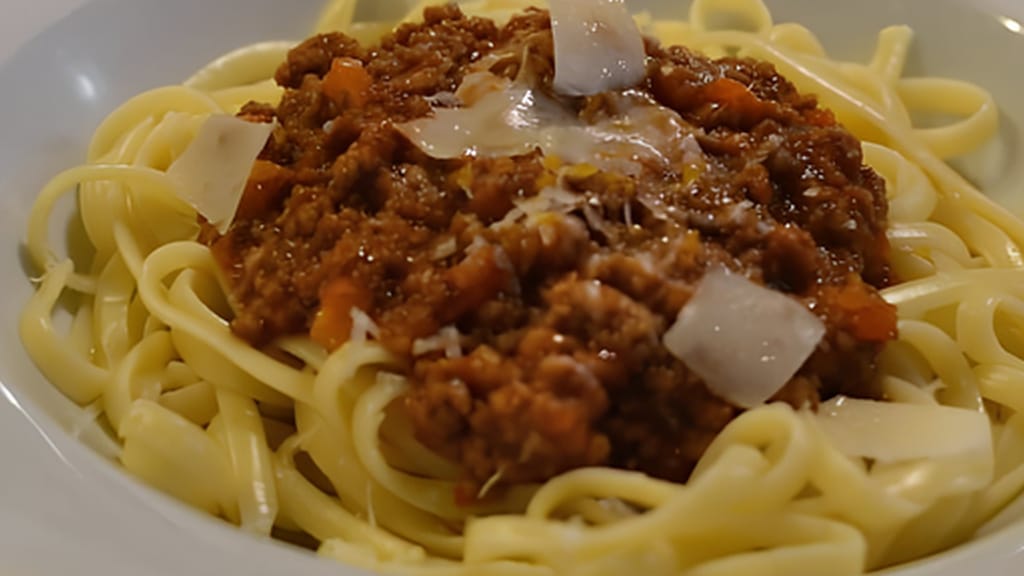
Sugo bolognese: slow-cooked bolognese sauce
Sugo bolognese, a slow-cooked Bolognese sauce that suits the freezer
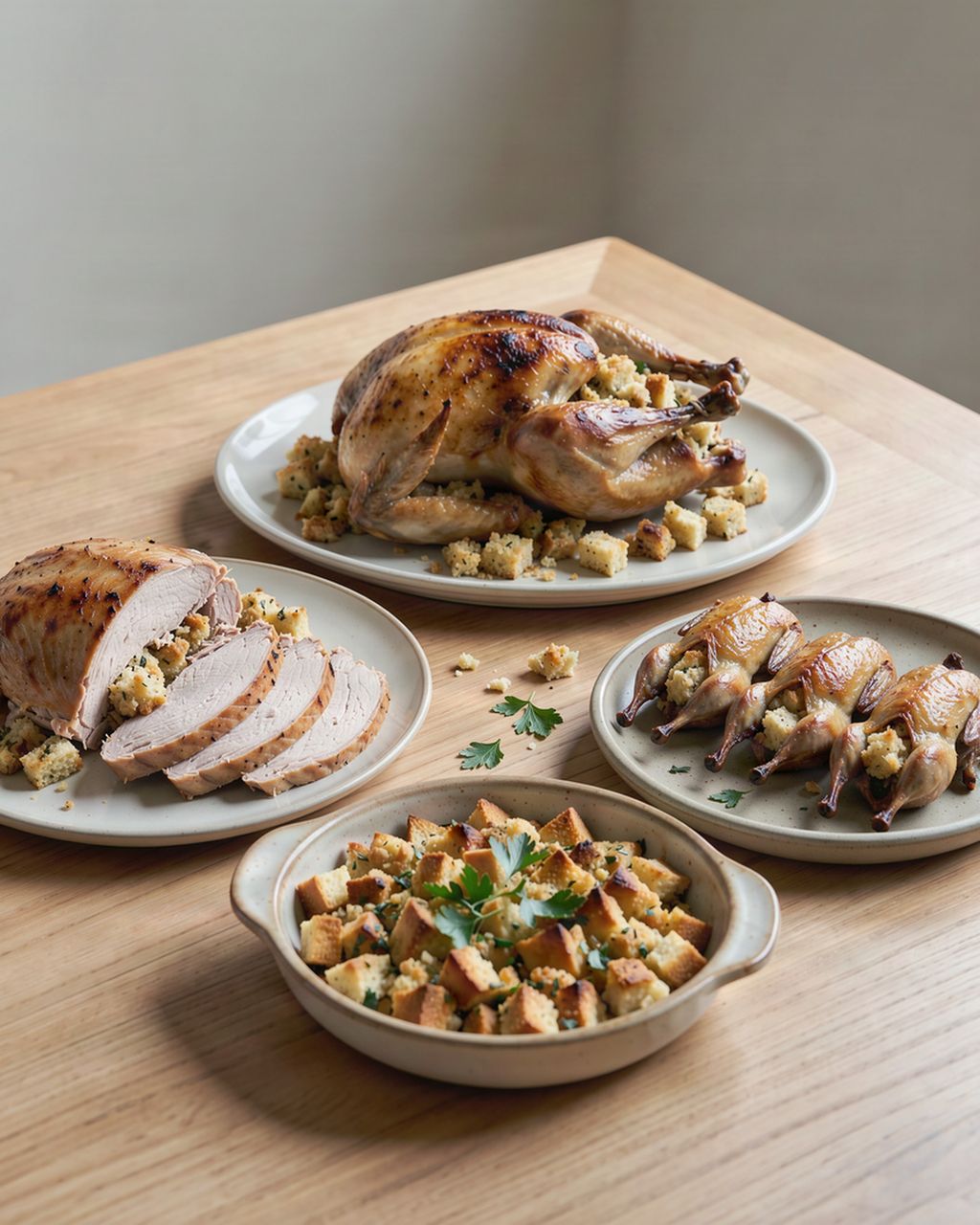
Ragù made from pork shoulder freezes beautifully, because in the pork ragù slowly braised in red wine the meat falls into shreds after two and a half to three hours and doesn't dry out in the sauce of wine, stock and canned diced tomatoes.
For freezing: leave the Parmesan and the side dish, such as gnocchi pan-fried until golden, for the day you serve it. You can add fresh herbs again when you reheat, since their aroma fades fastest in the freezer.
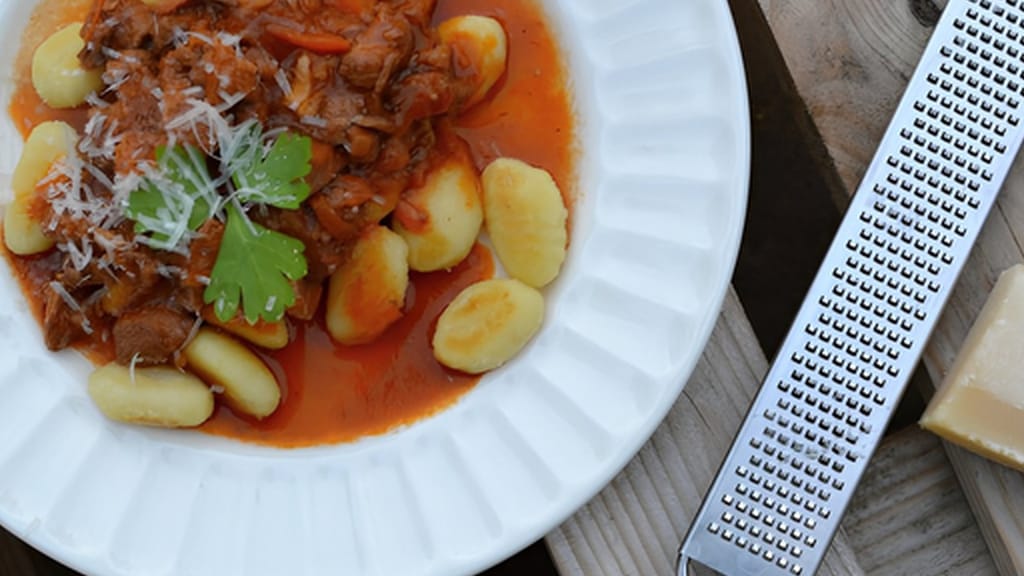
Slow-braised pork ragù with red wine
Pork ragù slowly braised in red wine, a freezer meal for winter evenings
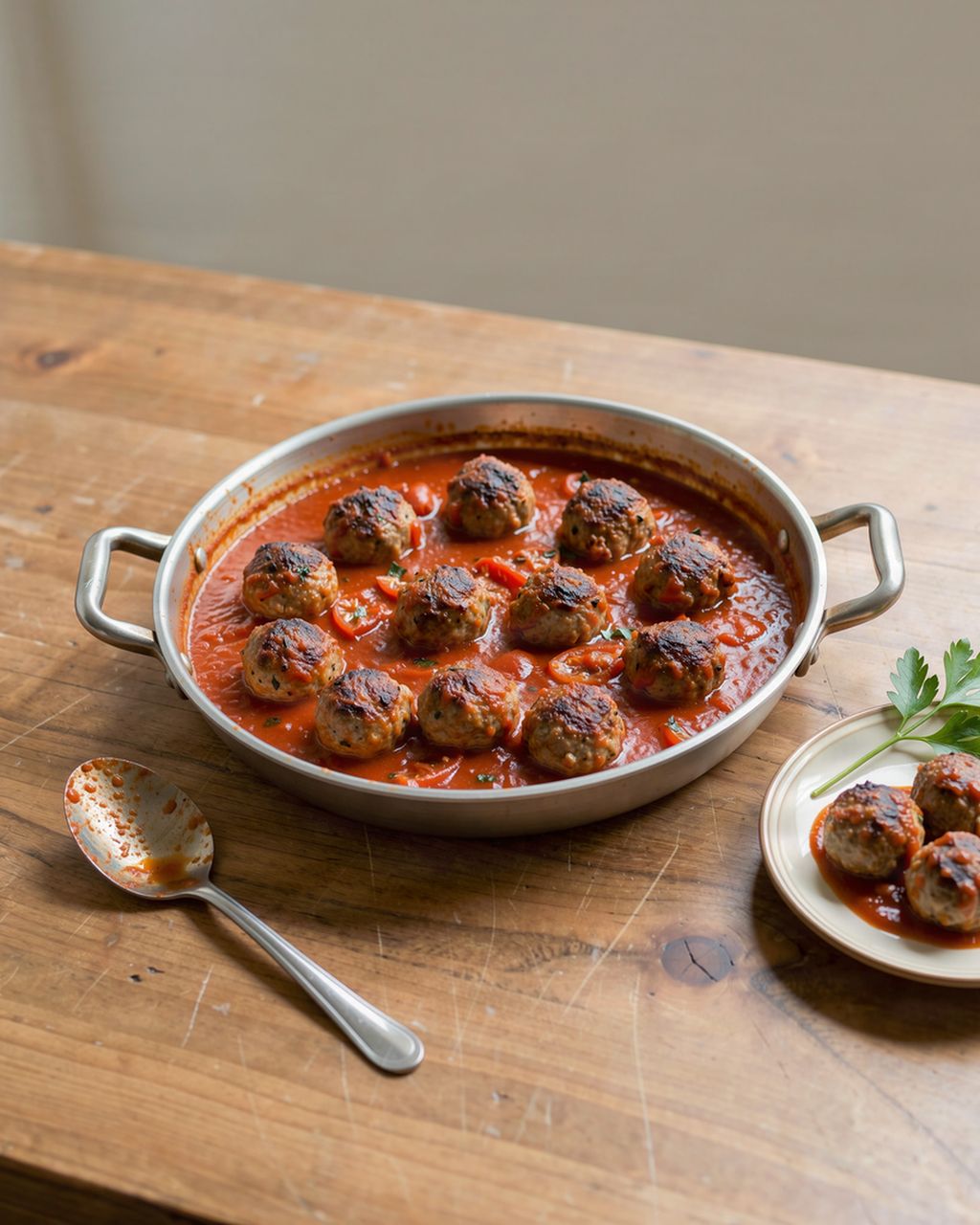
Meatballs freeze best right in their sauce, which protects them and keeps them from drying out; the meatballs in vegetable sauce simmer for 45 to 60 minutes in a sauce of stock, tomato purée and root vegetables, so they're made for it. Before freezing, the meatballs must reach at least 71°C (160°F) inside, and after thawing, reheat them until the center reaches 74°C (165°F).
For freezing: add the parsley after reheating. Reheat the meatballs slowly under a lid so the sauce heats through to the center of the portion. You'll find more variations, from tomato sauce to oven-baked, in the article meatballs and meat balls in tomato sauce, in the oven and with cheese.
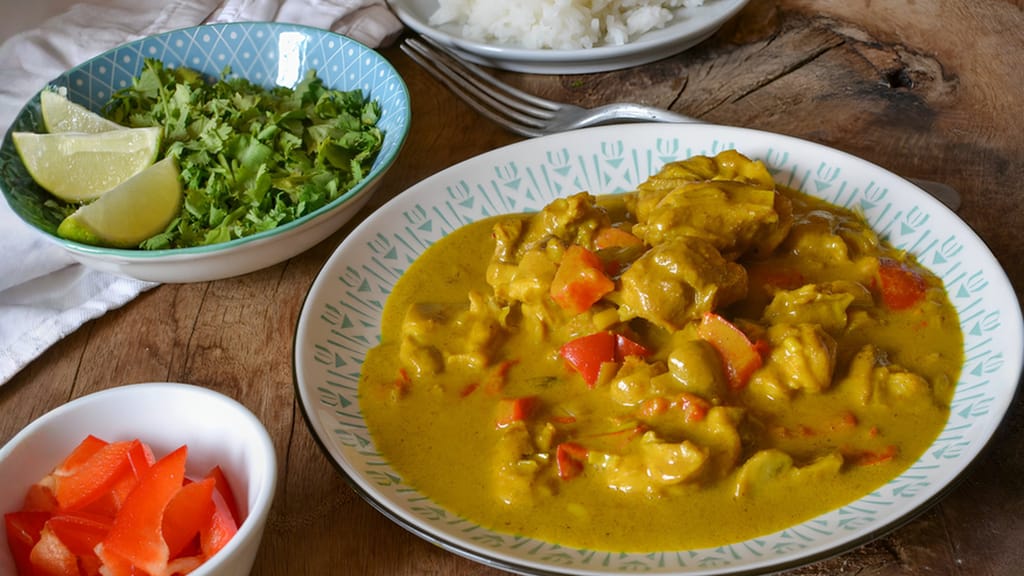
Curry suits the freezer as well as long-braised meats do, but cool it right after cooking: the chicken curry with coconut milk is done in under half an hour, and the coconut sauce protects the chicken from drying out in the freezer.
For freezing: mushrooms and bell pepper turn soft after thawing, so the curry ends up more like a stew, but the flavor stays. Coconut milk may separate a little in the freezer; stir it as you reheat and it comes back together. Cook the rice fresh and chop the cilantro on top at the table.
Dhal is one of the most rewarding freezer meals: red lentils cook down into a thick cream in the lentil dhal with coconut milk, and freezing doesn't hurt it at all.
For freezing: freeze just the dhal itself. Prepare the pan-seared carrot, shrimp and everything fresh on top, as the recipe serves it, on the day you eat. Dhal thickens a lot once cooled, so add a little water as you reheat and stir until it's creamy again.
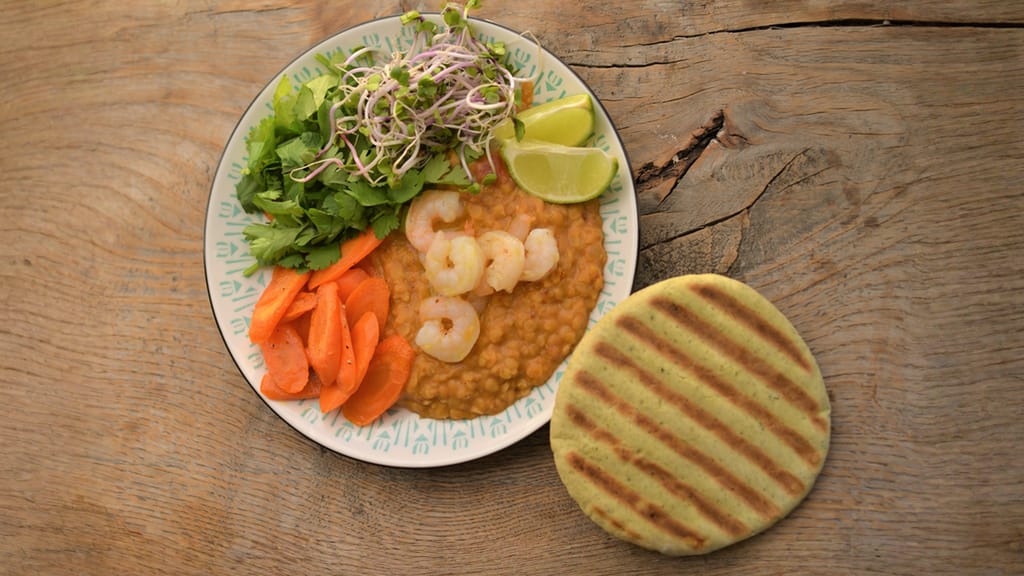
Lentil dhal with coconut milk
Lentil dhal with coconut milk, a thick red lentil cream for the freezer
Soup is the easiest freezer meal: pour it into a bag, freeze it flat and dinner is ready in ten minutes. Thick soups made from legumes and vegetables, without potatoes or cream, work best.
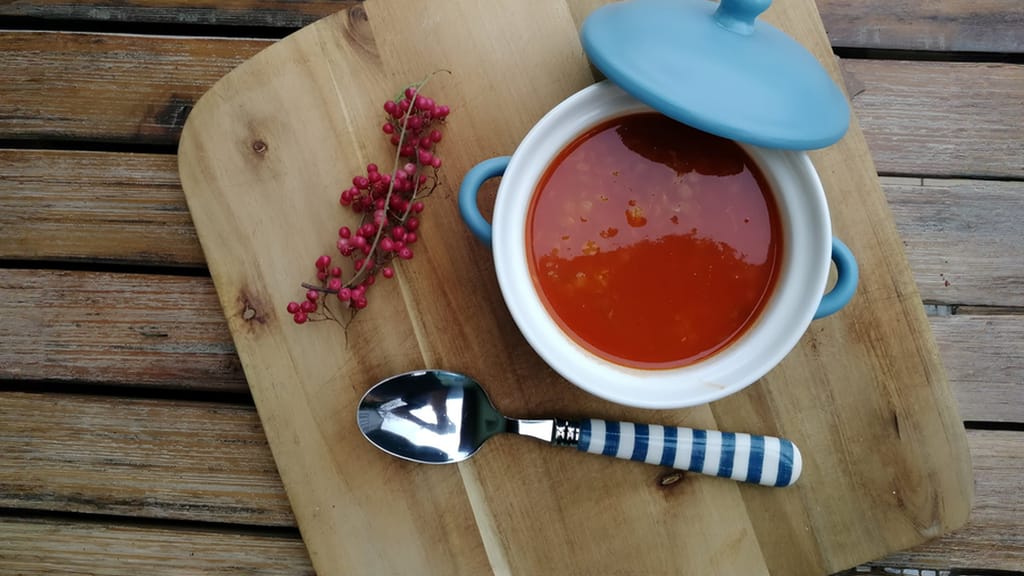
Easy tomato soup with red lentils is ready in 35 minutes and is vegan, and the lentils thicken it themselves, so there's nothing in it that could curdle in the freezer.
Red lentil soup with coconut milk and chili is also vegan and stays creamy after thawing thanks to the lentils cooked down to a purée.
Hrstková soup, a Czech classic made from a mix of legumes and pearl barley, belongs in the freezer too.
An extra tip: freeze strong stock in small amounts, for example in ice cube trays. Then you can add cubes to sauces and soups exactly as needed.
All lentil soups thicken after thawing, because the lentils keep absorbing liquid. When reheating, add water or stock and season with salt only at the end. You'll find more thick soups for winter in the article thick winter soups: garlic, caraway, tomato and potato soup; with potato soup (bramboračka), just remember that potatoes don't like the freezer.
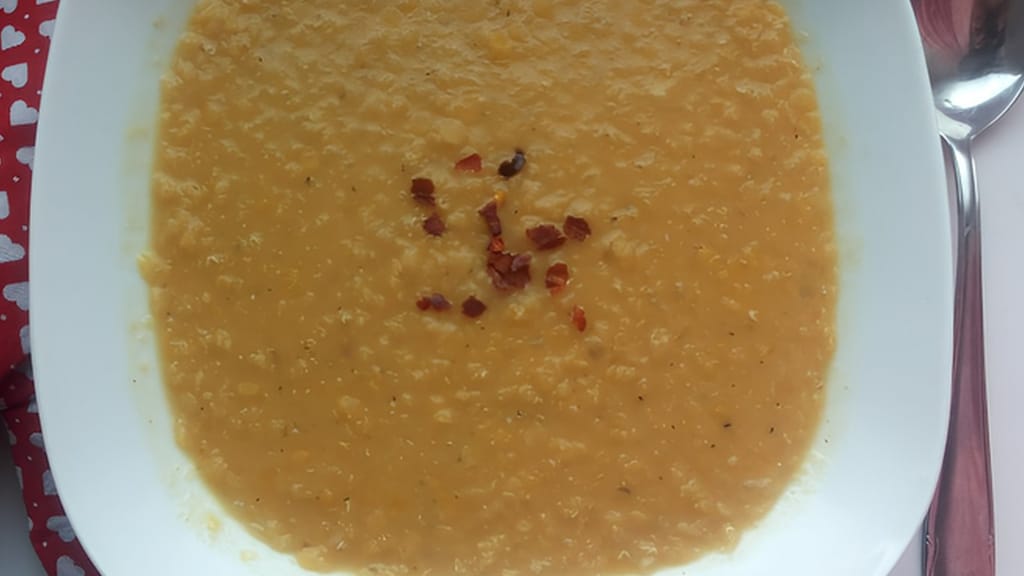
Red lentil soup with coconut milk and chilli
Red lentil soup with coconut milk and chili that handles freezing
Bread dumplings are frozen sliced, and after reheating in steam they're almost as fluffy as fresh; the steamed bread dumpling with cubes of bread roll is ideal for stocking up, because one batch makes two loaves.
For freezing: let the dumpling cool completely, slice it with thread or a sharp serrated knife and lay the slices side by side on a tray. Freeze them like this first, and only once frozen tip them into a bag; they won't stick together and you can take out exactly as many as you need. Reheat them straight from frozen in a steamer until they're hot all the way through. You'll find more sides for sauces, from sauerkraut to mashes, in the article sides for meat: dumplings, sauerkraut, lokše and mashes.
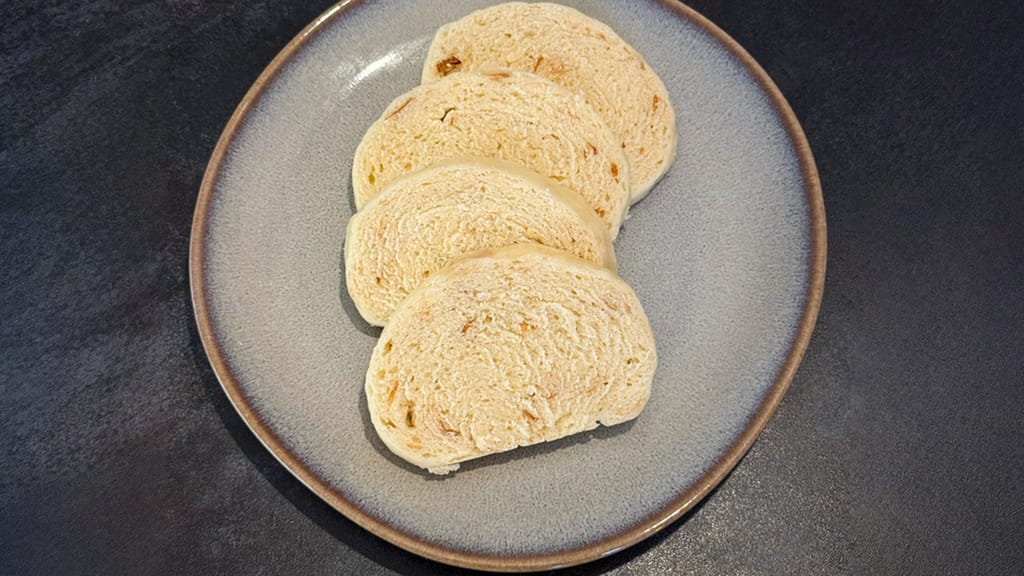
Steamed czech bread dumplings (houskové knedlíky)
Steamed bread dumpling, a side for sauces that you can freeze in slices
For the first weeks after birth, cook freezer meals that reheat in one pot, can be eaten one-handed and need nothing finished by whoever serves them. In practice that means:
soups in mug-sized portions, such as tomato soup with red lentils or lentil soup with coconut milk
goulash, ragù and meatballs in sauce in portions for two
dhal and curry, which only need rice cooked alongside
slices of bread dumpling in a bag, so there's a side for the sauce with no work
Start cooking a few weeks before the due date, even just one meal a weekend. When you make goulash, make a double batch right away; the work is almost the same and half goes into the freezer. In four weekends you have twenty or more portions without spending a whole day in the kitchen.
A few things everyone appreciates in those weeks:
labels that make sense even to someone who didn't cook the food: what it is, how many portions and how to reheat it. A grandparent or partner then doesn't have to figure anything out.
portions that go straight into the microwave or one pot, with no extra dishes.
meals you can eat with a spoon. Soup in a mug or dhal in a bowl is easier to eat when you have a baby in your other arm.
sides separately. Rice takes a few minutes, but a dumpling from the freezer saves a whole morning.
a list on the freezer door. Whoever comes to help sees right away what's available.
Thaw the day before in the fridge. In the morning you move the bag from the freezer to the fridge, and in the evening dinner is ten minutes away. And when visitors ask how they can help, you can ask for another pot of soup for the freezer.
The difference between a good and a sad freezer meal comes down to a few small things when you cook, not when you reheat.
Cook vegetables until tender, but not to mush. They'll finish cooking as you reheat.
Go easier on the salt. The sauce reduces as it reheats and the saltiness stands out more. You can always add salt later.
Add fresh herbs, lemon and fresh chili after reheating. The freezer takes away their aroma fastest, and a few leaves on top make a reheated dish taste fresh.
Leave cream, cheese and yogurt for the end. Freeze the base without them and add them to the hot dish.
Freeze sides separately, or cook them fresh. Sauce and side in one package means a soggy side.
Plan around the size of your freezer. Flat bags take a fraction of the space of containers, but containers reheat more evenly and can be reused.
Keep a list. A note on the door of what's inside saves rummaging and food lost at the bottom.
Vary the flavors. A freezer full of nothing but goulash gets old in a week; a mix of beef, pork, chicken and legumes stays interesting for a whole month.
If you're planning your freezer mainly for the holidays, when you want food ready and time to bake, you'll find a detailed plan in the article freezer plan before Christmas.
Recipe of the week, one tip that saves you time and one deal from the shop. Unsubscribe in one click.
The next issue goes out on Thursday, November 26.
Freezer meal prep means cooking two or three dishes at once, dividing them into containers and freezing them; unlike fridge containers, they keep for weeks, not a few days. The best mix is one meat dish, one legume dish and one soup, for example pork ragù, lentil dhal and tomato soup with red lentils. In one afternoon you have ten to fifteen portions.
How to do freezer meal prep:
Choose dishes that cook at the same time. The ragù braises on its own for three hours, and meanwhile you cook the dhal and the soup.
Fill containers to three quarters and leave a gap under the lid, because liquid expands in the freezer.
Put one portion in each container, so you never have to thaw more than you'll eat.
Cook sides fresh, or freeze them in separate bags. Rice and pasta cook quickly, and a dumpling from the freezer keeps well.
The evening before a workday, move a container from the freezer to the fridge.
Here's what one Sunday might look like: in the morning you put the ragù on the stove and leave it to braise. Meanwhile you cook the dhal and the tomato soup, both done within an hour. In the afternoon you cool everything in shallow containers, divide it into containers and bags, label it and put it away. By evening you have lunches for two weeks in the freezer and the dishes done.
If you'd rather have containers for a few days in the fridge, such as salads or bowls that don't survive the freezer, you'll find them in the article packed lunches for the week: practical tips and recipes.
Thaw freezer meals in the fridge, not on the counter, and reheat them until they're hot and steaming all the way through. The UK Food Standards Agency advises thawing in the fridge so the food doesn't warm up, and using thawed food within 24 hours. In its guidance on reheating leftovers, it stresses that food should be piping hot and steaming all the way through.
In the fridge, a portion of sauce or soup usually thaws overnight. A flat bag thaws faster than a container.
If you're in a hurry, reheat soup or sauce straight from frozen in a pot under a lid over low heat and stir often, so the bottom doesn't scorch before the center softens.
In the microwave, heat in shorter bursts and stir in between so there are no cold spots in the food.
Reheat only as much as you'll eat. According to the FSA, you can refreeze food cooked from thawed ingredients, but then you reheat it only once.
Don't refreeze a cooked meal that you've thawed and reheated; reheat it only once. The UK Food Standards Agency allows one exception: you can cook raw ingredients after thawing them from the freezer and freeze the finished meal again, but then you reheat it only once. That's why small portions are worth it.
Flat zip-top freezer bags are best for soups and sauces, and containers with tight lids suit portions with a side dish. Bags take up little space and freeze and thaw quickly, while containers reheat more evenly and can be reused. Either way, press out as much air as you can and leave a small gap for the liquid to expand.
According to the Ohio State University Extension chart, goulash and other braised dishes keep their best quality for 2 to 3 months at −18°C (0°F). They stay safe for longer if kept constantly frozen, but gradually lose flavor and dry out. Always write the date on the package.
You can, but a cream sauce often curdles and turns grainy after thawing. It's better to freeze the base without cream and stir the cream in when you reheat. If you do freeze a creamy dish, reheat it slowly and stir a lot.
Gray, dry patches are freezer burn: air inside the packaging draws moisture out of the food and the surface dries out. Wateriness comes from large ice crystals, which form when food freezes slowly and tear the cells. Airtight packing, small flat portions and quick cooling before freezing all help.
You can freeze rice if you cool it, ideally within an hour of cooking, and freeze it right away; pasta turns soft after thawing, so it's better to cook it fresh. The one-hour limit for cooling rice is given by Food Standards Scotland and the UK NHS. Freeze rice in its own bag, not mixed with the sauce, and reheat it only once, until it's steaming hot all the way through.