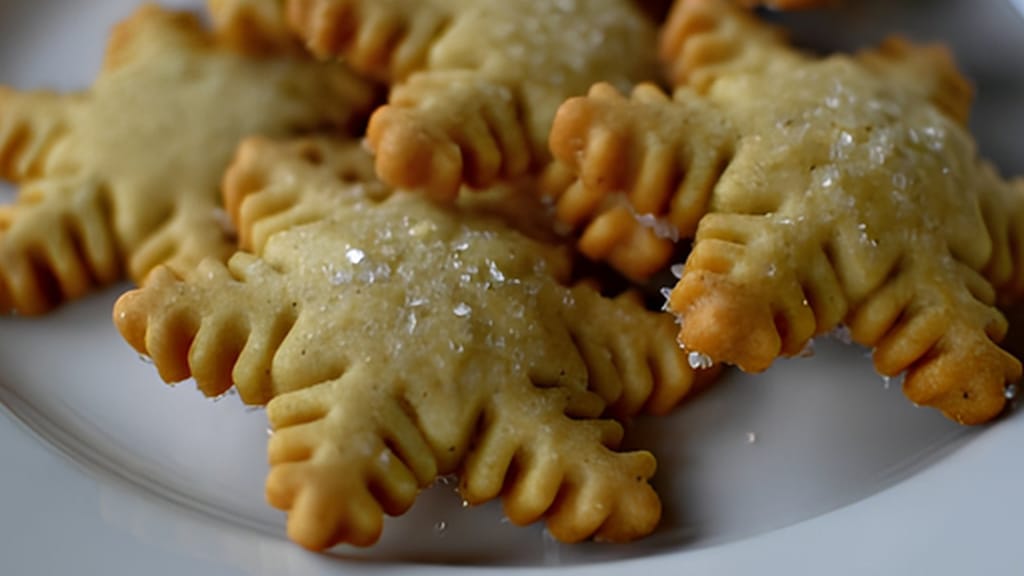
Sugar christmas cookies - delicate and crisp
How to Decorate Christmas Cookies: From Sprinkles to Golden Shimmer
Updated Nov 2, 2026
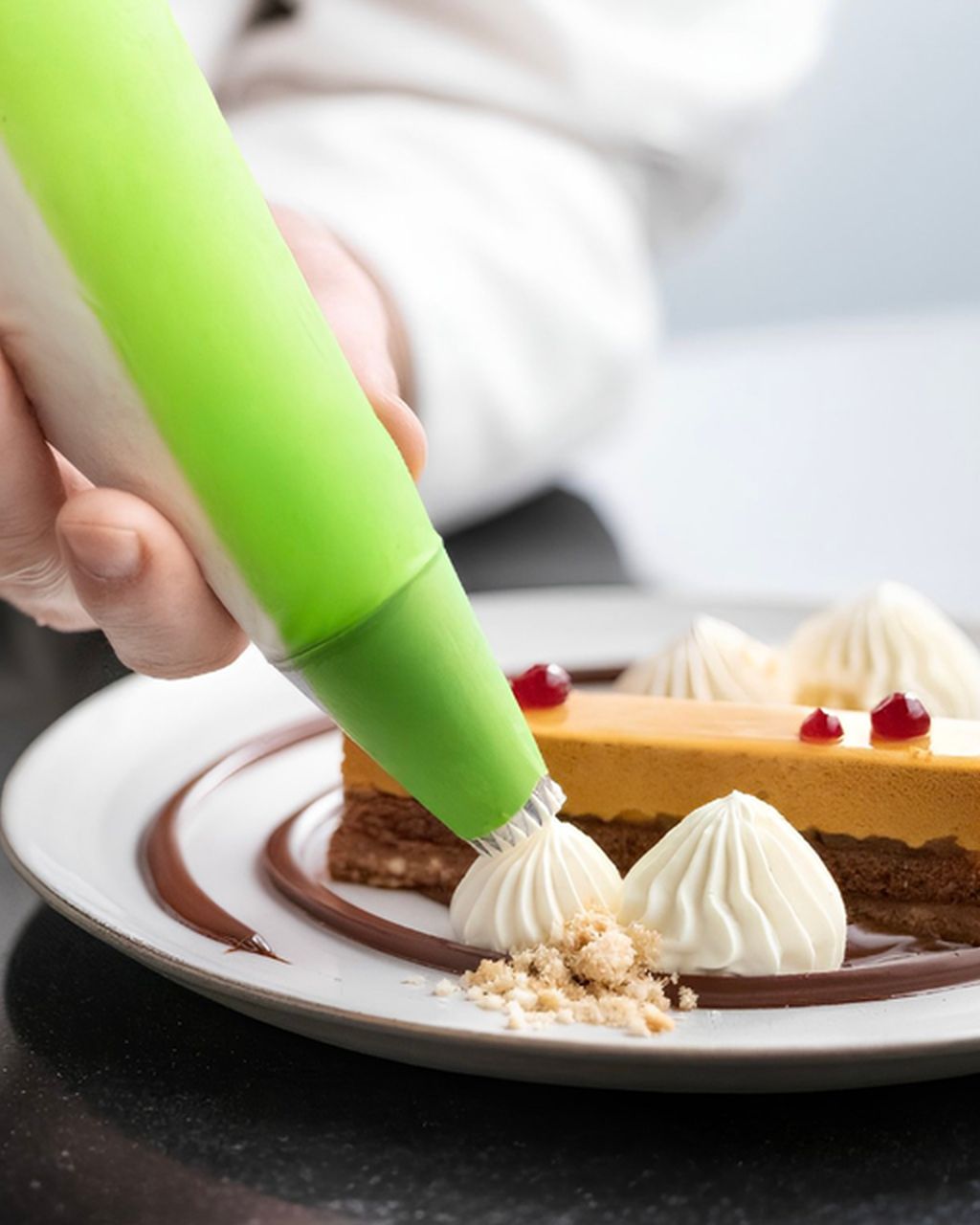
What can you decorate Christmas cookies with? Most often it's sprinkles, edible gold and shimmer powder, crunchy pearls, royal icing, chocolate and nuts. Whether a decoration lasts until Christmas Eve depends mainly on what you stick it to and when. Here you'll find what goes on which cookie, how to work with each decoration, how much shimmer powder you can use, and why sprinkles sometimes bleed into colorful smears.
Decorated cookies come down to six basic approaches: sprinkles, gold and shimmer powder, crunchy pearls, royal icing, chocolate, and nuts or candied fruit. Each decoration suits something different:
Sprinkles: color and fun, for icing or chocolate. The fastest effect.
Gold and shimmer powder: a festive accent for dark chocolate and smooth icing. Just a little is enough.
Crunchy pearls: extra texture, and they hold best in chocolate.
Royal icing: for piping lines, dots and snowflakes on sugar cookies.
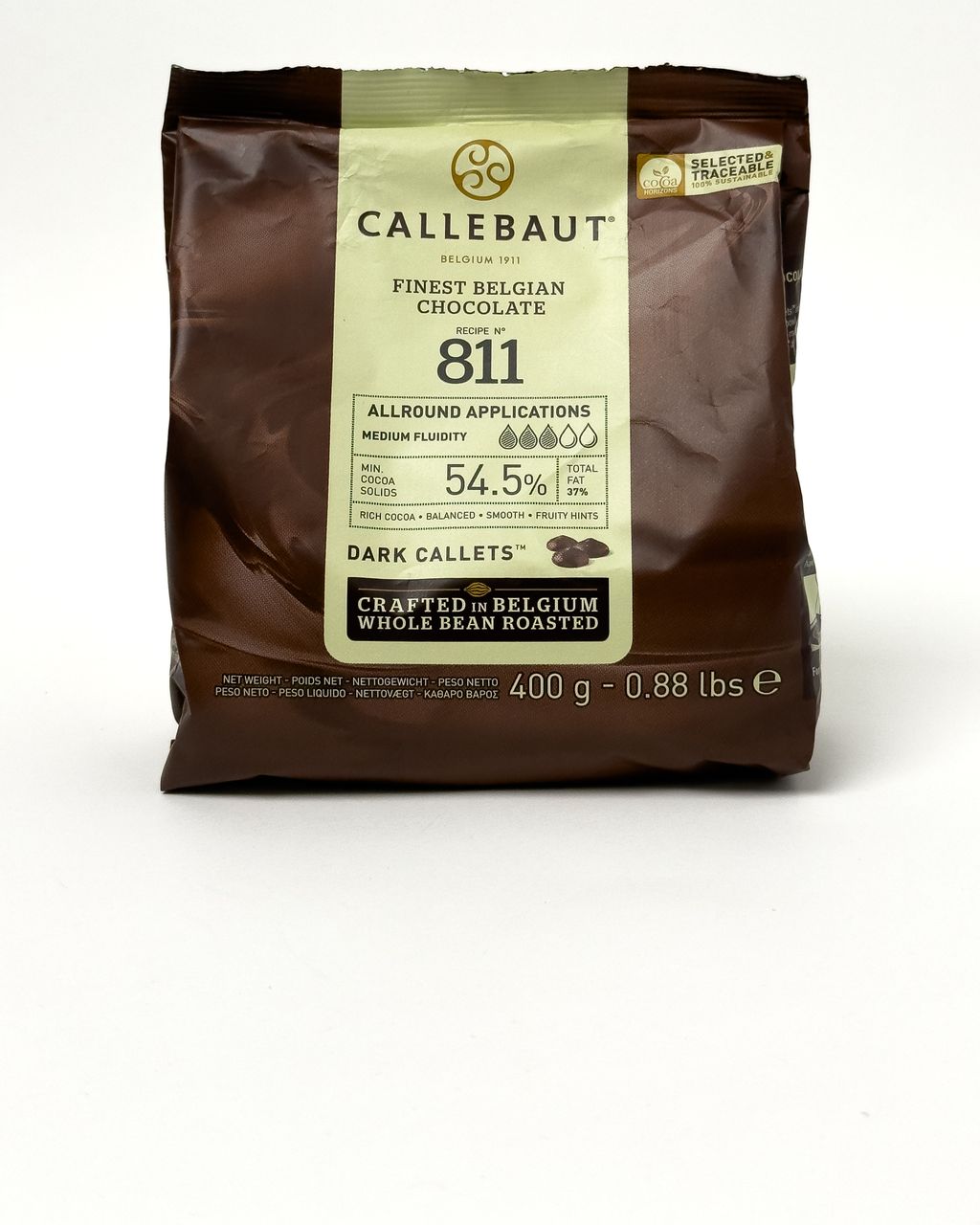
Chocolate: for dipping, for coating, and as the "glue" for everything else.
Nuts, candied fruit, cocoa, powdered sugar: classics with no coloring that suit traditional cookies.
One rule will save you disappointment: a decoration is only as good as what it's stuck to. So start with the glue, not the sprinkles. Gingerbread has its own techniques, which you'll find in the guide to decorating gingerbread cookies.
Seasonal baking plans, tested recipes and kitchen tricks that save you time. Unsubscribe in one click.
Sprinkles only hold on a tacky surface that hasn't set yet: fresh icing, melted chocolate, brushed-on egg white or a thin layer of syrup. On a dry baked cookie they simply roll off.
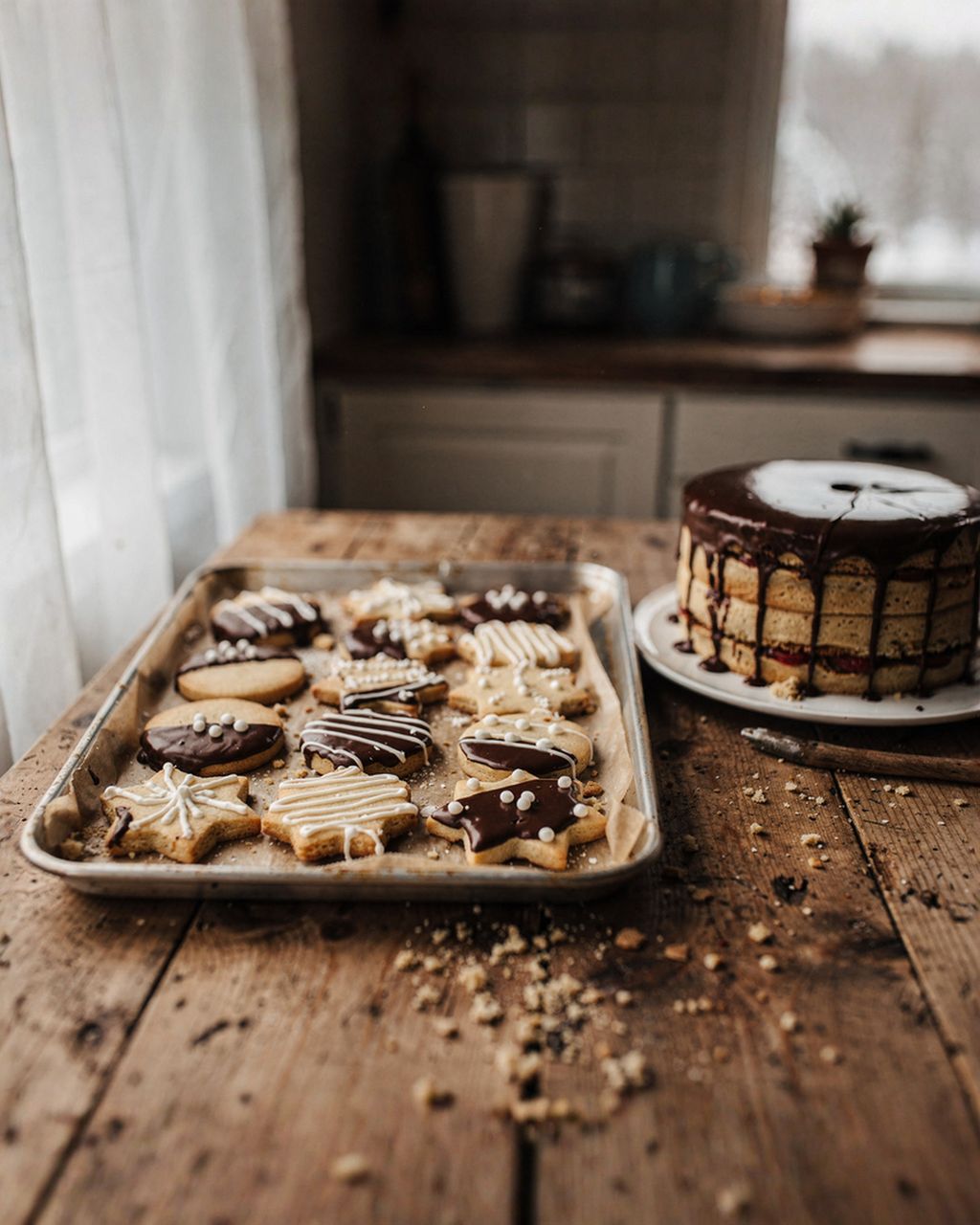
Melted chocolate is the most reliable glue. Dip the cookie, let it drip, and sprinkle right away while the chocolate is still glossy. Once it turns matte it's already setting, and decorations will just sit on top.
Royal icing: sprinkle within 1–2 minutes of applying it. The surface quickly dries into a crust, and nothing sticks to that.
Egg white: brush lightly beaten egg white onto the cookies before baking and top with coarse sugar or chopped nuts.
Sugar glaze, or honey thinned with water: a thin layer on baked cookies when you don't want a full icing.
If you're decorating a big batch, work in small rounds: dip and sprinkle 5 to 6 cookies, then move on to the next. Otherwise the icing will set before you get to the sprinkles. You'll find icings with ratios in the article on types of icing for cookies and cakes, and the basics of piping are in royal icing for cookies.
Before baking, add only what can handle the heat: granulated or cane sugar, chopped nuts, poppy seeds, coarse sugar. Colored sprinkles, pearls and gold belong on baked, completely cooled cookies.
Here's why: tiny colored sprinkles (nonpareils, sugar strands) are dyed sugar and are often glossy. In an oven at 160–180 °C (320–355 °F) they melt, the color bleeds into the dough, and you're left with marbled blotches. Chocolate and crunchy pearls melt away completely. Some larger sugar shapes survive the heat but lose their shine, so unless the package expressly says they're oven-safe, sprinkle after baking.
After baking, always let the cookies cool completely. On warm cookies the icing and chocolate melt, and the sprinkles sink right in.
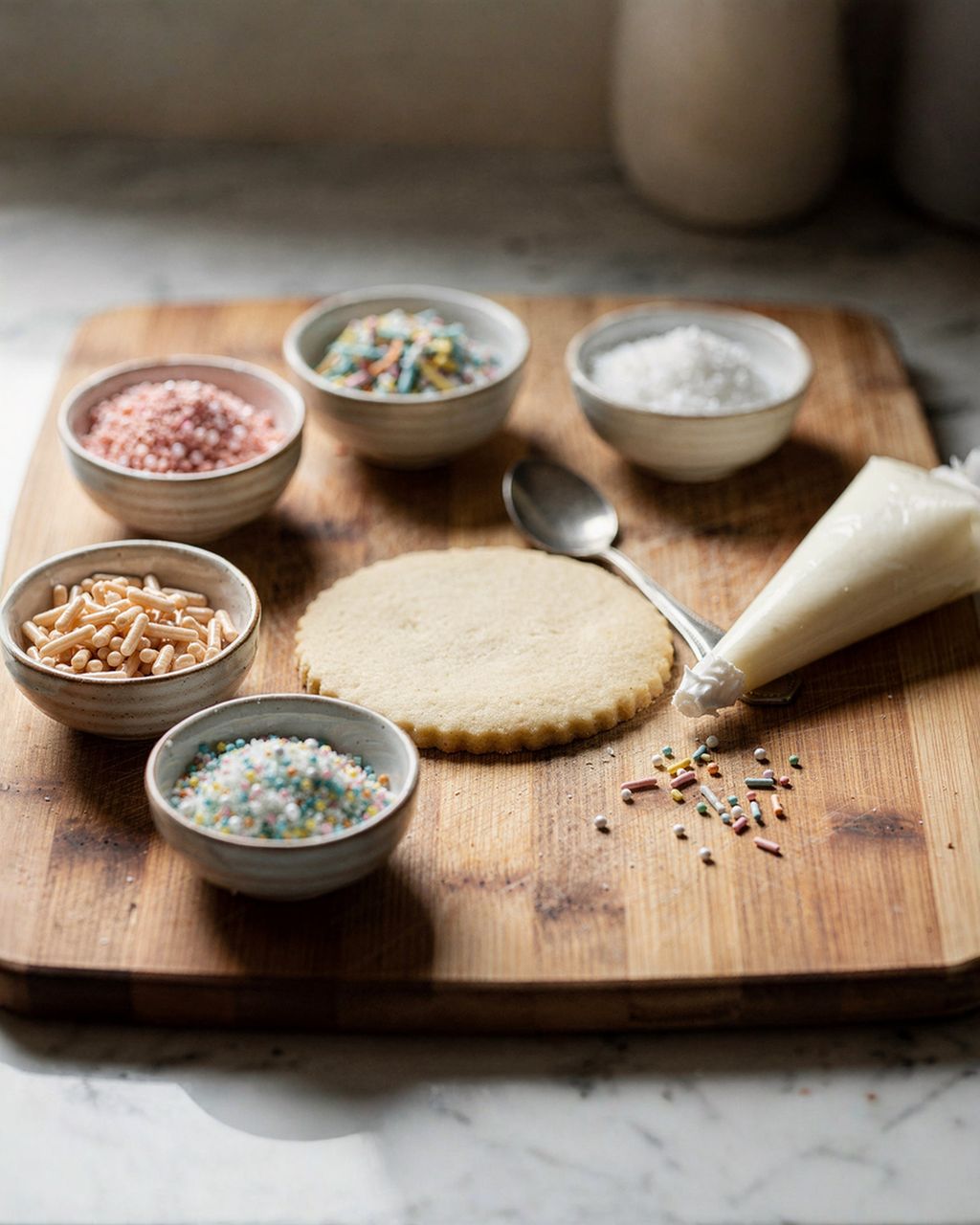
Four kinds of sprinkles are used on cookies: nonpareils and sugar strands, shapes, mixes and large XXL pearls. Nonpareils and strands give full coverage, shapes and pearls work as single accents, and mixes are a ready-made combination of both.
Nonpareils and sugar strands: for small cookies, chocolate-dipped edges and full coverage. They create a solid field of color.
Shapes (stars, hearts, snowflakes): one to three pieces on smooth icing. They're a decoration in their own right, so don't scatter them all over.
Mixes: a blend of sizes and colors where everything is coordinated. The easiest route to cookies that look "finished" without any thinking.
Large XXL pearls: bold focal points on bigger cookies and gingerbread. They're hard, so use fewer.
For Christmas cookies, a limited palette works better than a rainbow: two or three colors (red, white, gold; or white and silver) give the whole tray a unified look. You'll find the full range of mixes and colors among our sprinkles for decorating cookies.
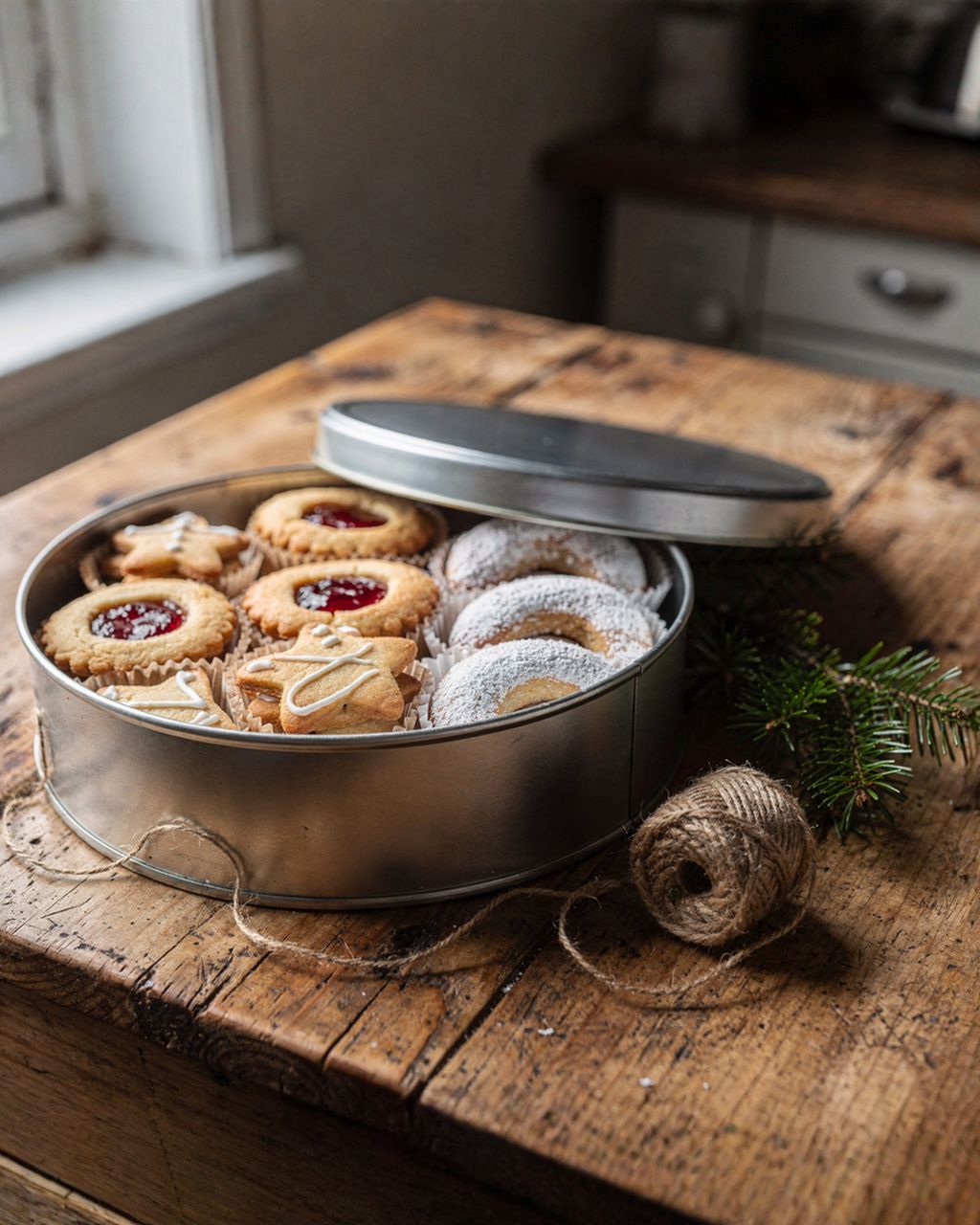
Tip: don't sprinkle onto tender linzer cookies that are dusted with powdered sugar, as sprinkles won't stick to it. Decorate them only with an edge dipped in chocolate and stick the sprinkles into that.
Sugar christmas cookies - delicate and crisp
Sugar cookies for Christmas, the perfect canvas for sprinkles and icing
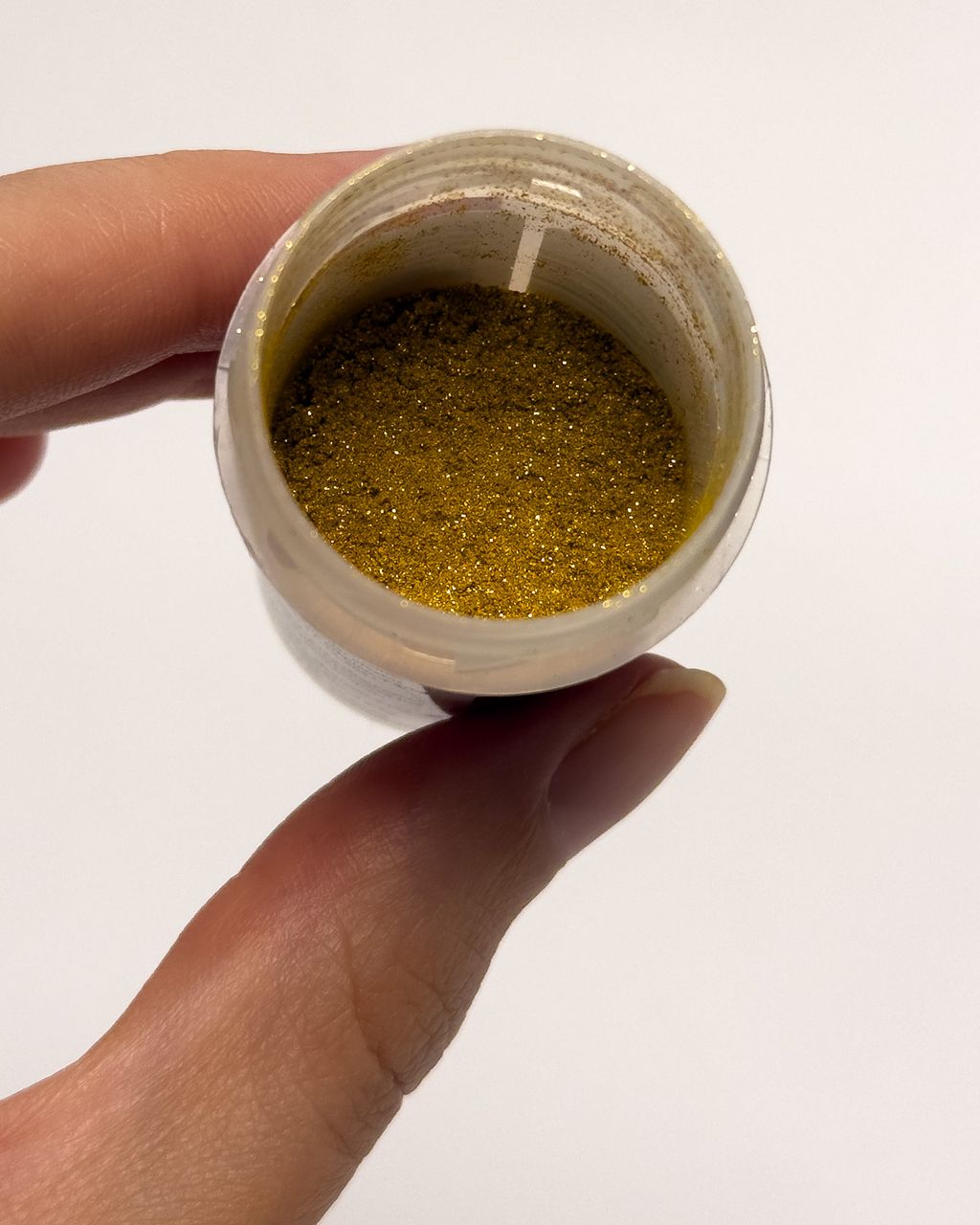
Decorated cookies use either real edible gold (E175) in sheets and flakes, or shimmer powder, whose gold or red shine comes from iron oxides (E172). Neither has any flavor, and both go on the surface only, never into the dough or filling.
Gold leaf and flakes: real metal. EU rules allow it mainly on the surface of confectionery and for decorating chocolate, so on cookies put it on chocolate coating or a chocolate-dipped part.
Shimmer powder: a fine powder for shine or painting. It isn't gold, it's a pigment, and that's perfectly fine. The label lists E172, some shades also contain azo dyes, and it gives a maximum dose in grams per kilogram.
Both gold and powder stand out on dark chocolate, smooth white icing and glossy caramel. On bumpy cookies dusted with powdered sugar they disappear. The differences between gold and powder are covered in detail in edible gold and edible glitter.
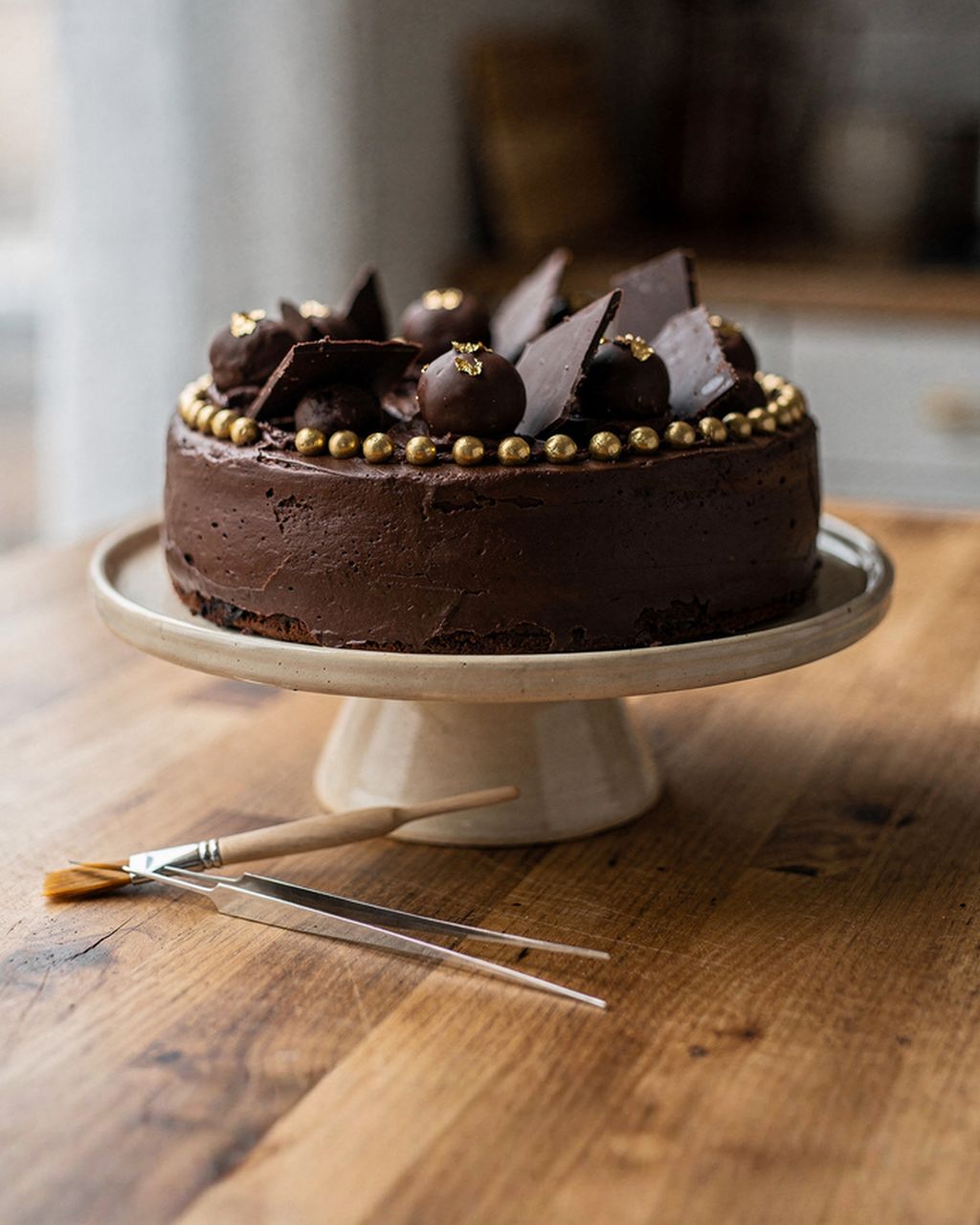
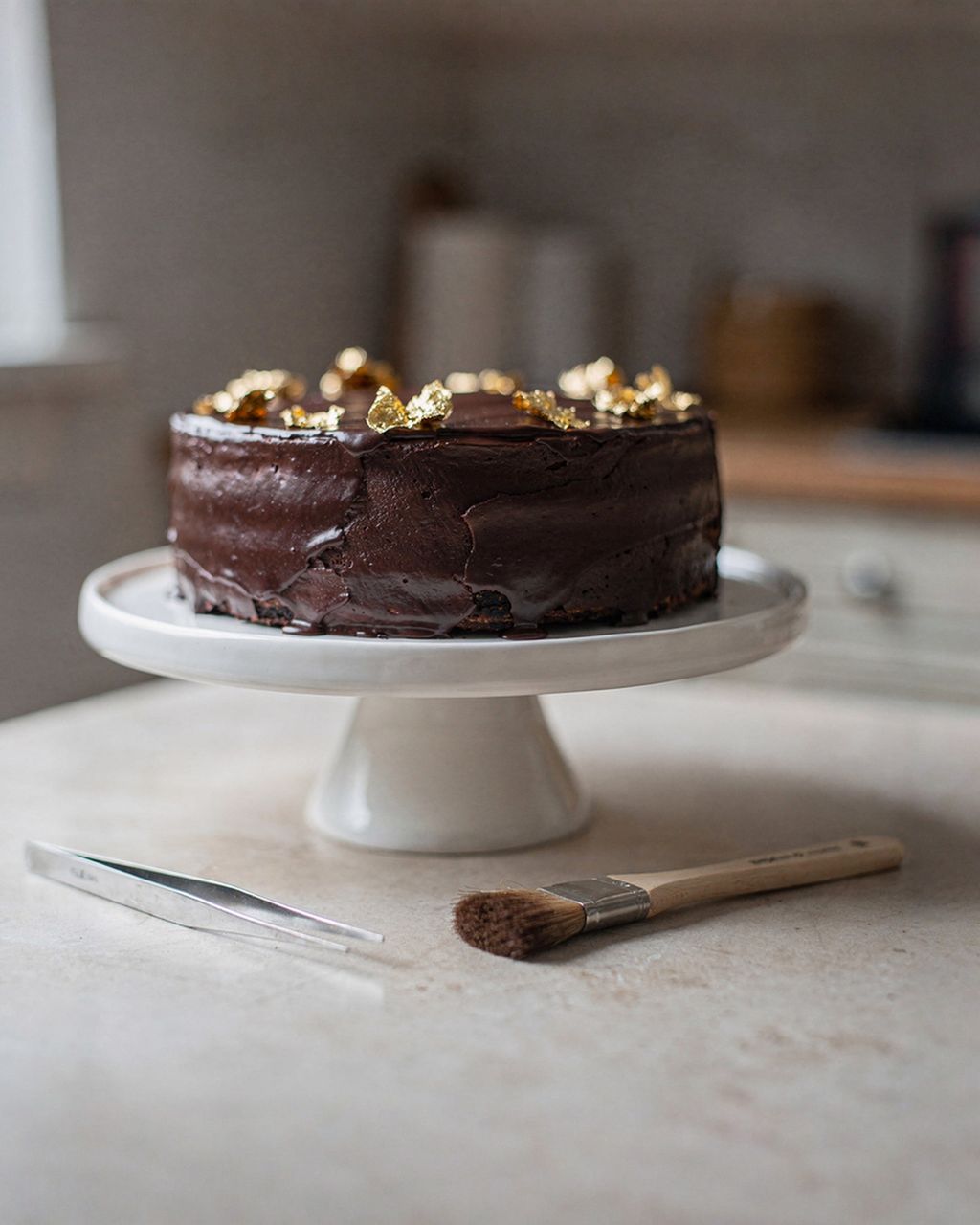
Apply gold leaf with a dry brush or tweezers onto slightly tacky chocolate, never with your fingers.
Keep your hands and tools dry. The leaf is so thin that it sticks to anything damp, fingertips included, and tears.
Work away from drafts. An open window or even a breath is enough to send the leaf flying.
Use a dry brush or tweezers to tear off a small piece and lay it on chocolate that hasn't quite set yet.
Press down gently with a dry brush. Don't squash it, or the gold will crumple and lose its shine.
Less is more: one scrap per cookie looks elegant, while fully gilded cookies tend to look heavy-handed.
You can use shimmer powder on cookies in two ways: dry for a soft shine, or mixed with a few drops of alcohol as paint.
Dry: rub it with a soft brush into dried icing or set chocolate. You get a delicate pearly shine, ideal for edges and raised details.
As paint: mix the powder with a few drops of clear spirit (vodka, rum) or lemon extract to the consistency of thin paint. Paint lines and dots with a small brush. The alcohol evaporates within a few minutes and leaves a richly metallic layer. Water doesn't work well: it dissolves the icing under the paint, which then comes out matte and blotchy.
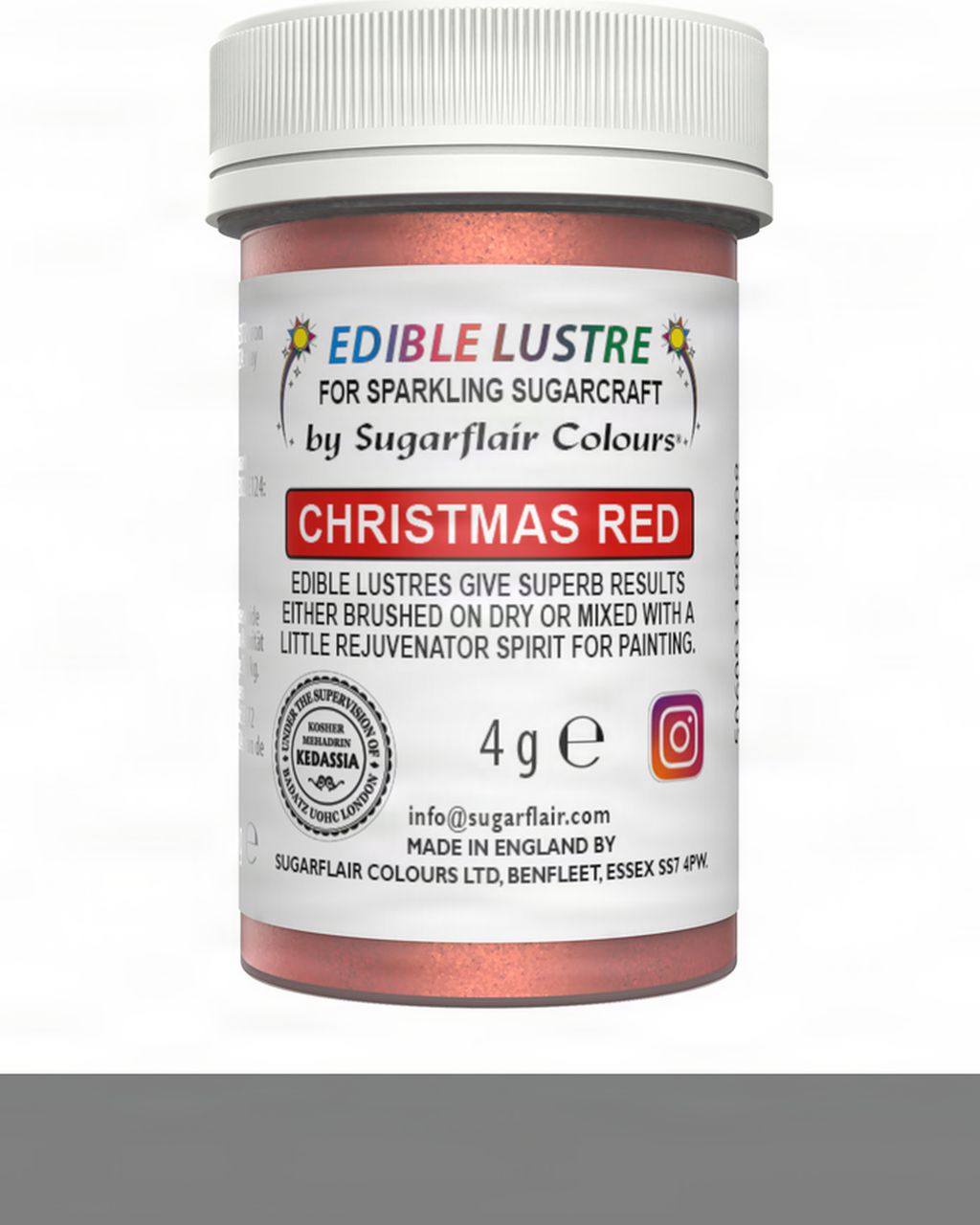
Stick to the dose on the label. You may use at most 2 g of edible shimmer powder in gold per 1 kg of cookies, and at most 1 g of Christmas red per 1 kg. Painting lines and dots takes a fraction of a gram, but if you want to color whole surfaces, weigh the powder out beforehand. Both shades contain azo dyes: E102 (gold) and E102 with E124 (Christmas red) may have an adverse effect on activity and attention in children.
On soft honey gingerbread that stays soft, paint with the powder only once the icing has dried. Directly on the gingerbread, the powder soaks in and darkens.
Christmas cookies turn out best with two or three colors: dark chocolate, white icing, and gold or Christmas red as an accent. A few combinations that work:
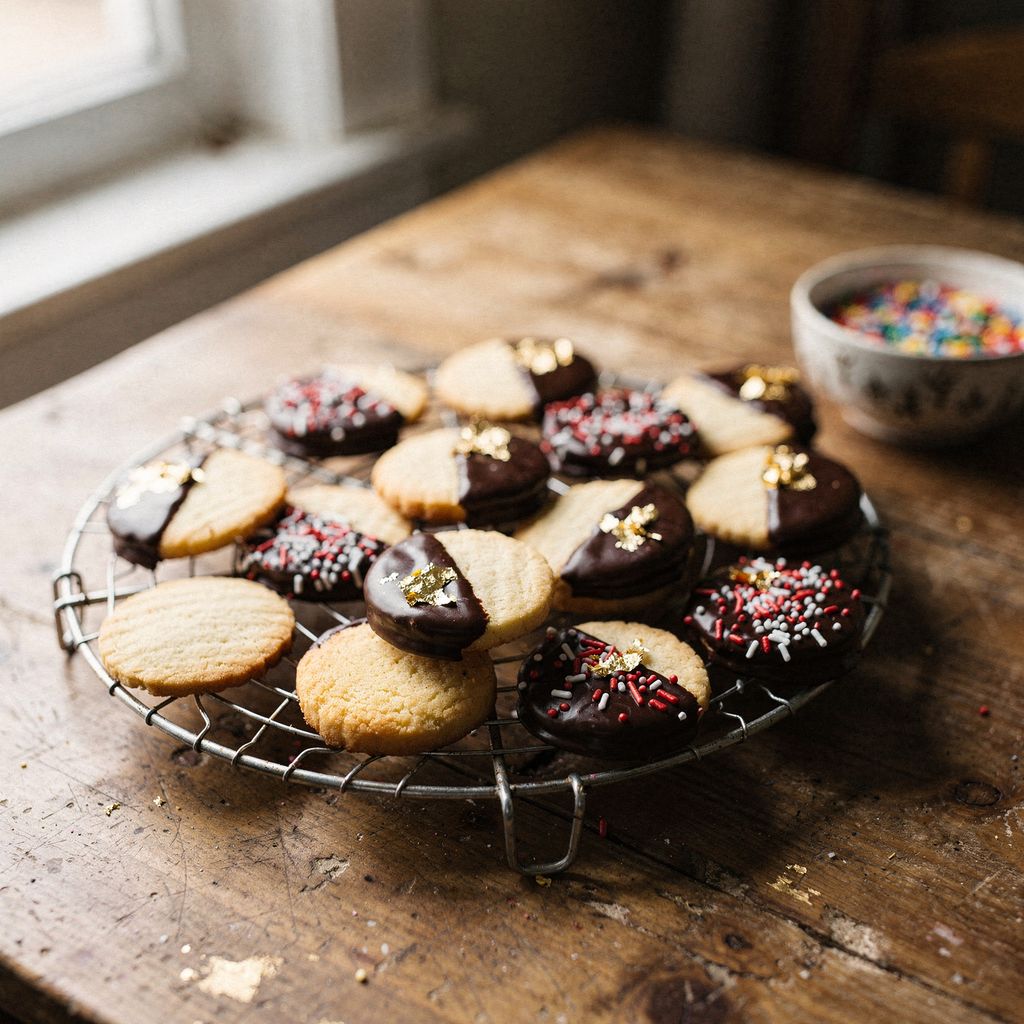
Linzer cookies with a chocolate half: dip half in dark chocolate and, once it's set, brush a little gold powder along the chocolate edge.
White icing with red dots: on dried white icing, paint tiny dots or stars with Christmas red mixed with alcohol.
Chocolate stripes: drizzle chocolate over dark cookies from a piping bag with the tip snipped off, and lay a few gold flakes into the wet chocolate.
Vanilla crescents with gold tips: dip the tips of vanilla crescents in chocolate and lightly dust with dry gold powder.
You'll find powders and gold in the edible gold and glitter category. A tray of decorated cookies uses only a fraction of a gram, so one jar (4 g) lasts for many trays.
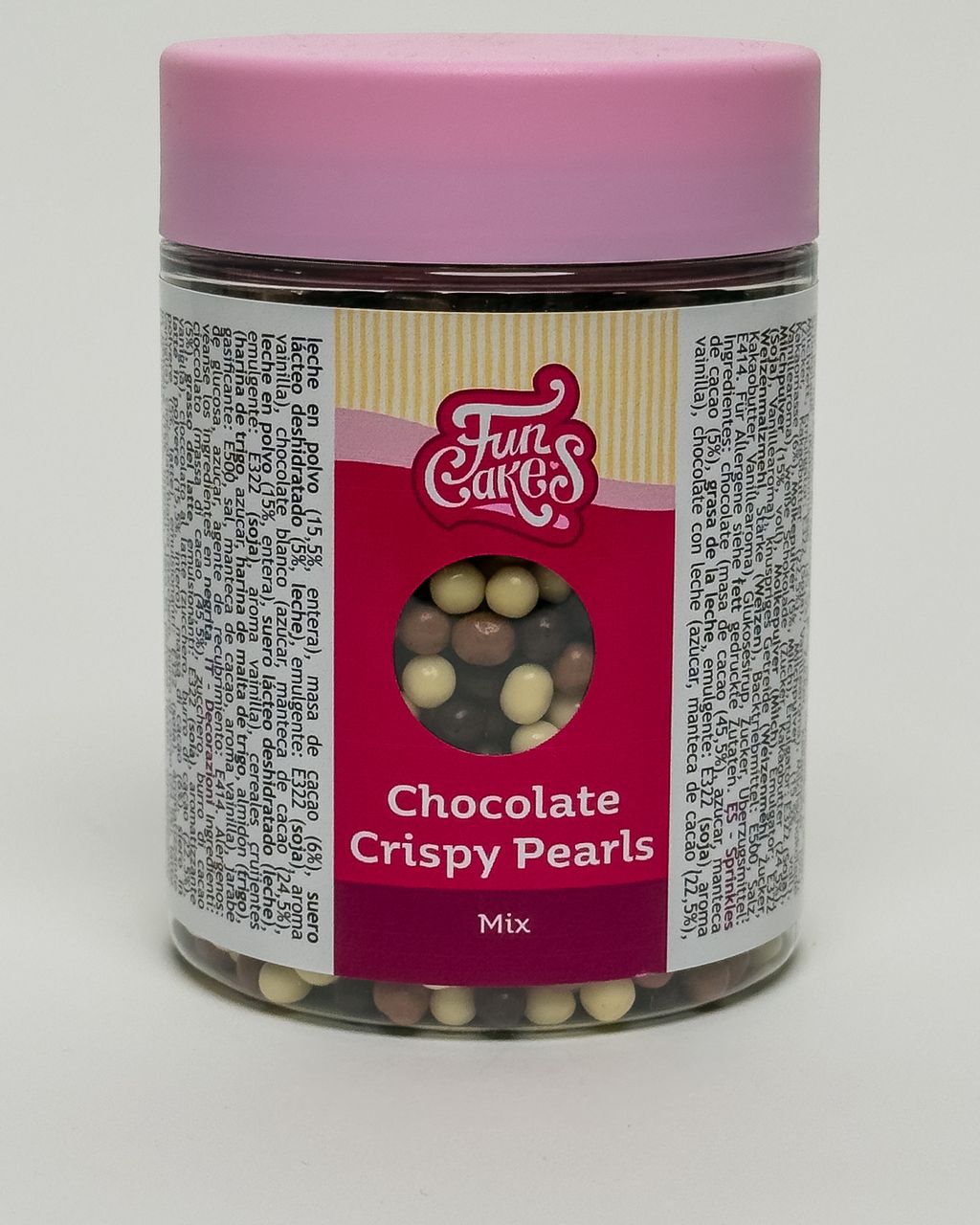
Put crunchy pearls on cookies into chocolate: that's where they hold best and stay crunchy longest. They're cereal cores coated in chocolate, and they add a crunch that sprinkles can't: dip the cookie, roll the edge in the pearls and let it set. For example, Crunchy Pearls – Chocolate Mix has white, milk and dark chocolate in one package (they contain gluten, milk and soy).
Don't put them on wet icings or cream fillings. The cereal core soaks up moisture and within days goes soft like soggy cereal flakes. For the same reason they don't suit cookies that "settle" and soften in the tin, such as gingerbread.
Another good partner for pearls is popping candy, which fizzes on the tongue. Add it just before serving or into chocolate, because moisture will set it off too early. More ideas for pearls are in the article on crunchy pearls for cakes and cookies.
Traditional cookies look best with powdered sugar, nuts, candied fruit, cocoa or chocolate, without a single colorant.
Vanilla powdered sugar: the classic for vanilla crescents. Roll them while they're still lukewarm so the sugar clings lightly; a second coating after they cool gives a snow-white layer.
Nut halves and almonds: press into the dough before baking, and they toast to a golden brown.
Chopped pistachios: green with no coloring; sprinkle onto fresh chocolate.
Candied orange peel, cranberries: for chocolate-dipped cookies, where they naturally go well.
Cocoa and cinnamon: dust through a stencil or paper pattern onto white icing.
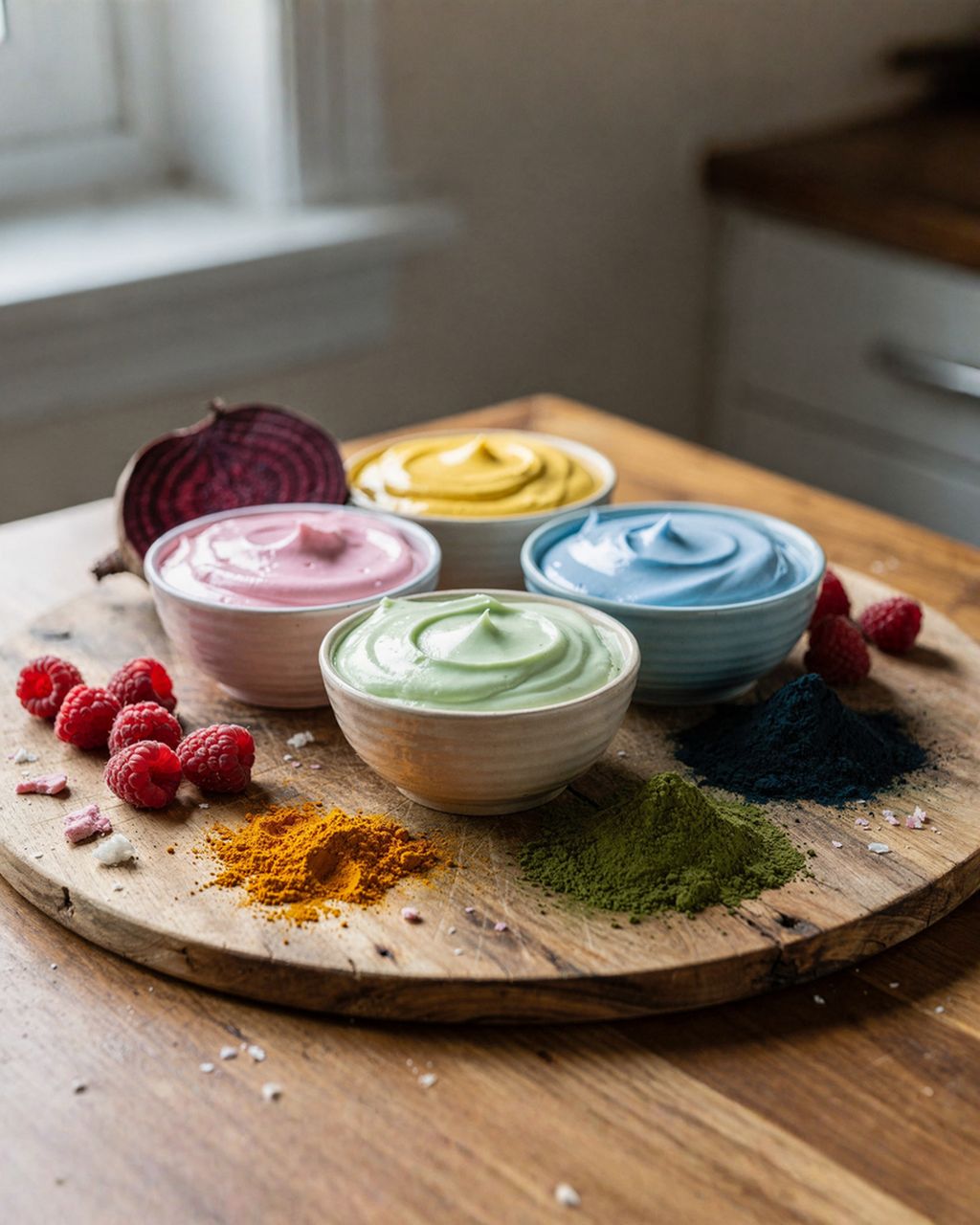
If you want colored icing without artificial colorings, tint it naturally: a teaspoon of beet juice for pink, turmeric for yellow, matcha for green or cocoa for brown. Add beet juice drop by drop, and turmeric, matcha and cocoa by the pinch, so you don't thin the icing.
Behind color smears and soggy decorations there's almost always moisture. The color in sprinkles dissolves in water, so as soon as it touches something damp, it starts to bleed.
Sprinkles on something wet: on jam, cream or a water-based glaze that hasn't set, they bleed color within hours. The fix: sprinkle onto chocolate or an icing with low water content.
Cookies in the fridge: after you take them out they get condensation and the decorations bleed. Store decorated cookies in a cool place (ideally 10–15 °C / 50–59 °F), not in the fridge.
Different kinds in one tin: soft cookies pass their moisture to dry ones. Keep decorated pieces separate, or divide them with parchment paper.
The gold disappeared: it was lying on a completely dry surface and fell off when handled. Next time, apply it to chocolate that's still tacky.
If you're preparing cookies as a gift, let the decorations dry at least overnight before you start packing them.
Use no more shimmer powder than the label allows: for Sugarflair gold powder that's 2 g per 1 kg of cookies, and for Christmas red it's 1 g per 1 kg. Dusting edges and painting dots takes only a fraction of a gram. You need to do the math when you color whole surfaces. Both powders contain azo dyes (gold E102, Christmas red E102 and E124), which may have an adverse effect on activity and attention in children.
One or two sheets of edible gold are usually enough for dozens of cookies, because each one only gets a small scrap. Store the sheets in their original packaging in a dry place; gold itself doesn't corrode or oxidize.
Dry cookies with no cream filling, decorated with chocolate and sprinkles, keep for two to three weeks in a cool place in a closed tin, with no loss of appearance. Crunchy pearls and popping candy are the most sensitive to moisture, so put them on cookies you'll eat within the first week.
Not always: some sprinkles get their shine from shellac (E904), which comes from insects and so isn't vegan. If you're baking for vegans, check the ingredients on the package, or reach for nuts and candied fruit instead.
Caution is wise with small children, because large hard sugar pearls can be a choking hazard. For the little ones, use tiny, softer sprinkles or powdered sugar.
Yes, you just need to dampen the surface slightly: brush on a thin layer of syrup or melted chocolate and lay the gold on top. Then gently press the sheet down with a dry brush.
One recipe worth heating the oven for, one tip, and one deal from the shop. Nothing else.