Marinated salmon – gravad lax
Updated Sep 5, 2026
Marinated meat lasts roughly as long in the fridge at 0–4°C (32–39°F) as unmarinated meat: ground and minced meat 1 day, fish 1 day, poultry 1–2 days, pork and beef cuts 3–5 days. Marinade doesn't preserve meat — it adds flavor and changes texture, but it rarely does much to stop bacteria. Here's a breakdown of times by type of meat, what oil, salt and acid actually do for shelf life, how to store marinated meat properly, and when it's better to just freeze it.
Marinated meat lasts 1 to 5 days in the fridge at 0–4°C (32–39°F), depending on the type: ground meat 1 day, fish 1 day, poultry 1–2 days, pork and beef cuts 3–5 days. What matters is the type of meat and how it's cut — not the marinade.
These times run from when you bought the meat, not from when you marinated it:
Ground and minced meat: 1 day
Fish and seafood: 1 day maximum
Poultry (chicken, turkey, duck): 1–2 days
Pork and beef cuts, steaks, shoulder, slices: 3–5 days
Large whole cuts (leg, roast, ribs): 3–5 days
Game meat: 2–3 days
With pork and beef, don't bank on the upper limit — use it within 3 days to be safe.
A thick oil-based marinade doesn't change these numbers at all: pork and beef in oil last just as long as they would without any marinade — oil prevents drying out, not bacterial growth.
Different rules apply to marinated meat that's already been cooked, i.e. leftovers from the grill or pan. Those keep for 3–4 days in the fridge, but the clock starts from when it was cooked, not from when it was bought.
Here's the detail people get wrong most often: marinating time counts toward the meat's total shelf life — it doesn't reset it. If you buy shoulder with a use-by date of Thursday and marinate it on Monday, it's still past its date on Thursday — marinating doesn't override what's printed on the packaging. Marinating is a preparation method, not a preservation method.
Plenty of home cooking sites will tell you meat in oil, salt and garlic keeps for a week, no problem. Official food safety guidance sets the bar lower: the USDA caps marinated poultry at 2 days and pork or beef at up to 5 days — but again, that's counting from when the meat was bought, not from when it was marinated. The difference comes down to what's actually being measured: an oily marinade genuinely slows drying and rancidity, so the meat looks good for longer — but that does nothing for the bacteria growing inside it. When in doubt, go by the date on the package and the times above.
What determines how long marinated meat lasts is fridge temperature, the type of meat, and the surface area bacteria can grow on — in that order. The colder it is, the slower bacteria multiply; even a few extra degrees noticeably shortens shelf life.
EU food hygiene rules (Regulation (EC) No 853/2004) set maximum storage temperatures by type of meat. These are legal limits for food businesses, not a home fridge standard — but they show the logic worth following at home too:
Minced meat: up to +2°C (36°F)
Offal: up to +3°C (37°F)
Poultry and rabbit meat: up to +4°C (39°F)
Other fresh meat: up to +7°C (45°F)
Minced meat has the strictest limit of all, because grinding spreads the surface of the meat — where bacteria live — throughout the whole batch. That's exactly why marinated ground meat is good for one day while a marinated steak gets three. The same logic applies to meat cut into strips or skewer cubes: more cut surface means a shorter window.
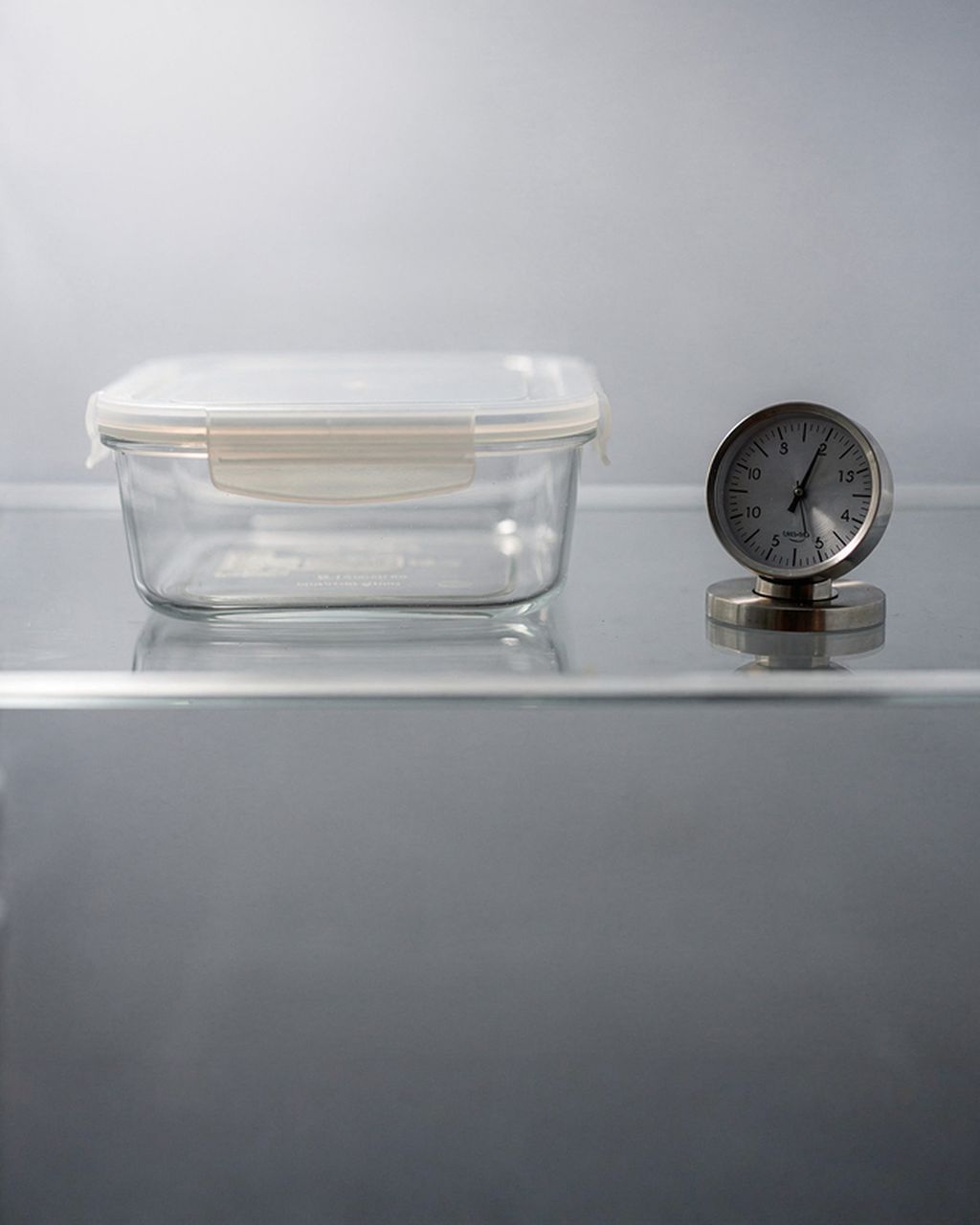
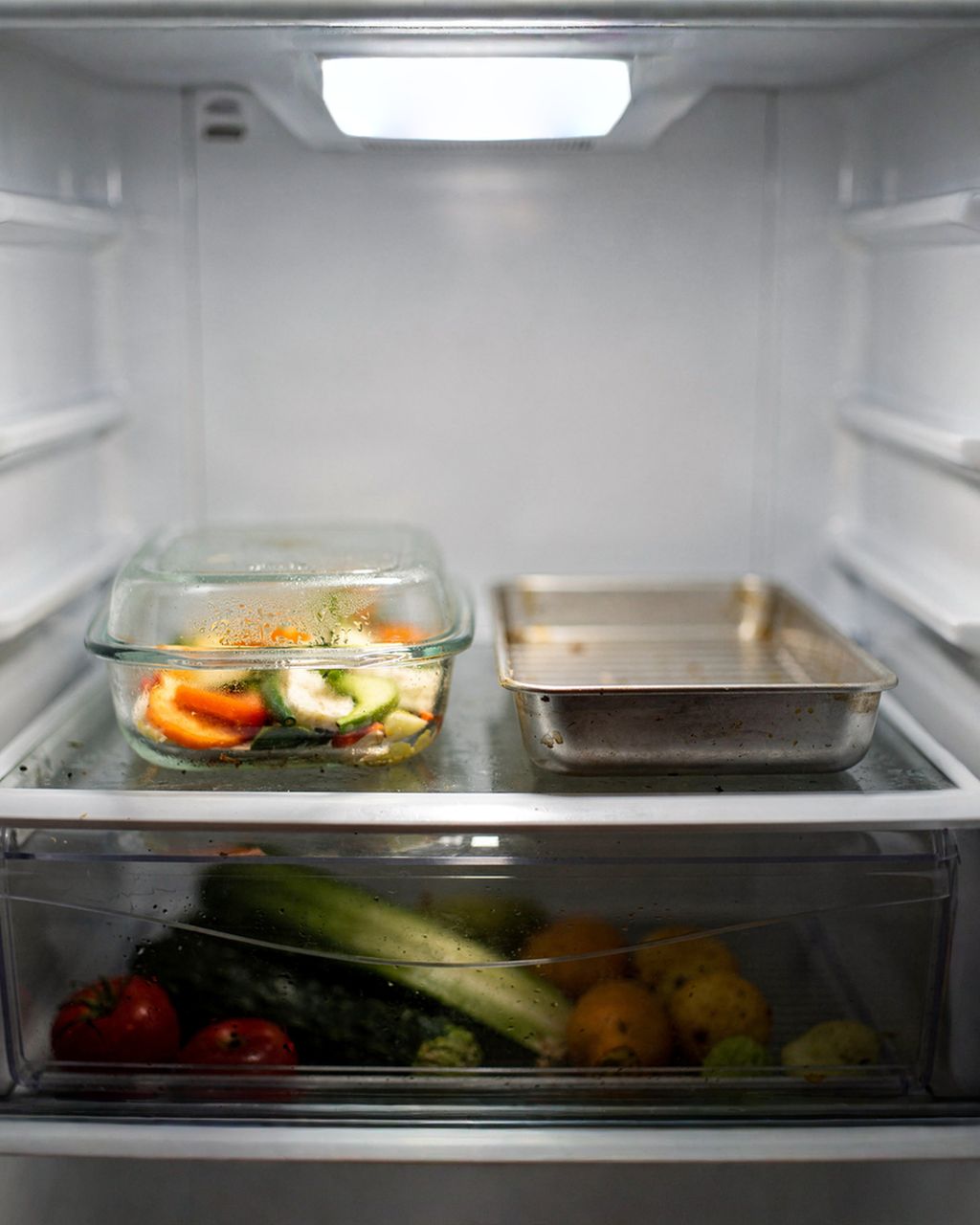
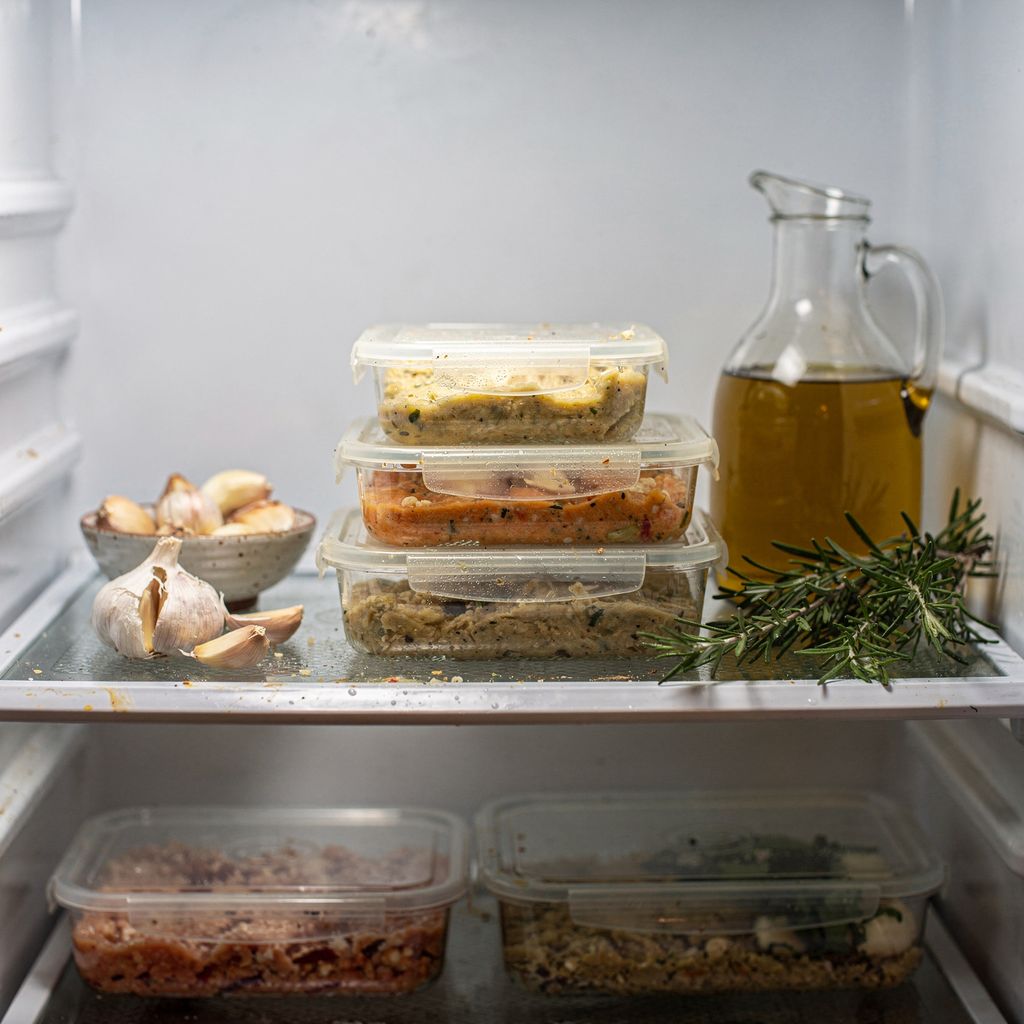
Not every part of a home fridge is equally cold. The coldest spot is the bottom shelf above the vegetable drawer (usually 2–4°C/36–39°F), while the door is the warmest, since the temperature spikes there every time you open it. A container of marinated meat belongs on the bottom shelf, never in the door and never on the top shelf next to bread.
Marinade adds flavor, softens the surface and helps meat brown on the grill — but it can't preserve it. No ordinary home marinade has a low enough pH or enough salt to actually preserve meat. That job belongs to smoking, curing with nitrite salt, or canning — completely different techniques.
Acid denatures proteins on the surface of the meat and slows down some bacteria, but it only penetrates 2–3 mm deep — the inside stays completely unaffected. So its main effect is on flavor and texture, not safety.
It's also easy to overdo it. A fish fillet or thin chicken cutlet in a lemon marinade starts breaking down texturally after just a few hours: the surface turns pale and stringy, and once cooked it's mealy instead of juicy. Yogurt marinade is gentler here — it's much less acidic than lemon or vinegar, so poultry can sit in yogurt overnight without a problem.
One practical tip: don't mix an acidic marinade in an aluminum or cast-iron bowl. The metal reacts with the acid and gives the meat a metallic aftertaste. Stick to glass, ceramic, or a sturdy plastic container.
Oil coats the meat and seals it off from air, so it doesn't dry out or turn rancid — that's why marinated pork shoulder still looks good after three days while the same shoulder left uncovered on a plate wouldn't. But looking good isn't the same as being safe.
Oil doesn't kill bacteria — it just cuts off their oxygen supply. For bacteria that don't need oxygen to grow, that actually clears out the competition. Always keep garlic-and-oil marinade in the fridge and never leave it at room temperature — garlic submerged in oil is a classic botulism risk. Garlic, rosemary, thyme and sage slow bacterial growth a little, but not by days — at the concentration you'd use in a marinade, the effect is measured in hours, not days.
So take an oil-based marinade for what it's genuinely good at: spreading flavor evenly through the meat and helping it brown evenly on the grill.
Salt is the only common marinade ingredient that actually affects shelf life — it draws some water out of the meat, leaving less of an environment for bacteria to grow in. But to make a real difference over days, the salt concentration would have to be so high the meat would be unpleasant to eat.
What salt is genuinely great at is juiciness. Dry brining — using roughly 1% salt by weight of the meat applied 12–24 hours ahead — works better on steaks and whole chickens than any wet marinade: salt penetrates deep, the meat holds onto its juices, and the surface stays dry enough to brown properly. A wet brine (5–8% salt solution, 2–12 hours depending on the size of the cut) works well for lean cuts like pork tenderloin or turkey breast.
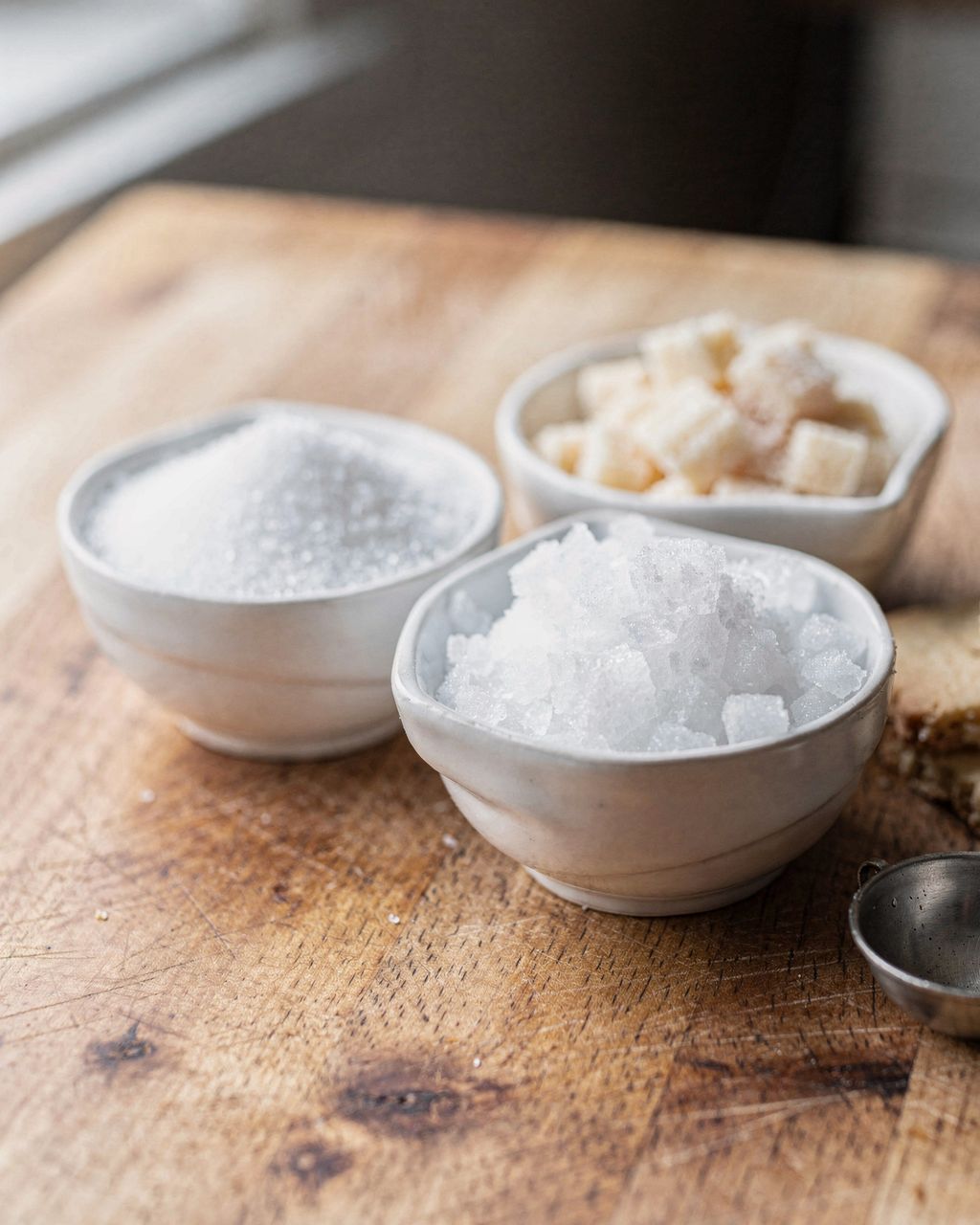
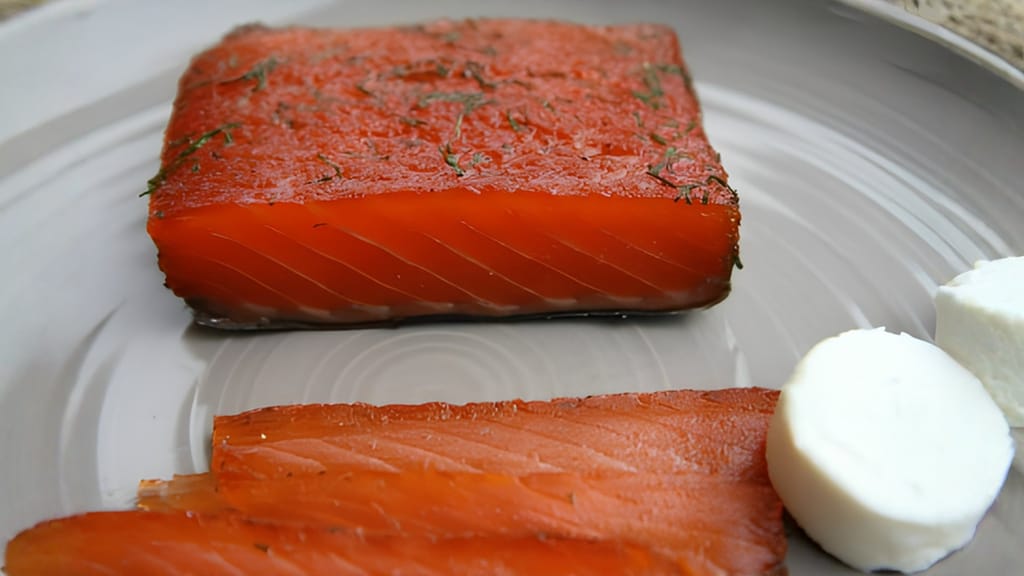
True salt curing — gravlax, ham, bacon — uses very different ratios, timing, and often nitrite salt. That's not a quick pre-dinner marinade anymore, it's making a shelf-stable product.
Marinated salmon – gravad lax
Gravlax-style cured salmon: an example of true salt-and-sugar curing, not a quick marinade
Marinating time depends on the thickness of the cut and how acidic the marinade is — anywhere from 15 minutes for fish to 24 hours for a large whole cut:
Fish and seafood: 15–30 minutes, 1 hour maximum
Chicken breast and strips: 30 minutes–2 hours in acidic marinade, up to 12 hours in oil-based or yogurt marinade
Whole chicken or turkey thighs: 2–12 hours
Pork steaks, shoulder, slices: 4–12 hours
Beef steaks: 2–8 hours (salt does most of the work anyway)
Large cuts, ribs, leg, whole chicken: 12–24 hours
Dry rub: 1–24 hours, overnight is fine
Marinating longer doesn't add more flavor — acid and salt only penetrate so deep, and the rest of the time they just keep breaking down the surface. You'll notice it easily: the surface of the meat turns pale, feels soft to the touch, and falls apart once cooked. The best approach is to marinate in the evening and cook the next day. If you know you won't get to it in time, freeze the meat in the marinade right away — it'll effectively marinate while it thaws.
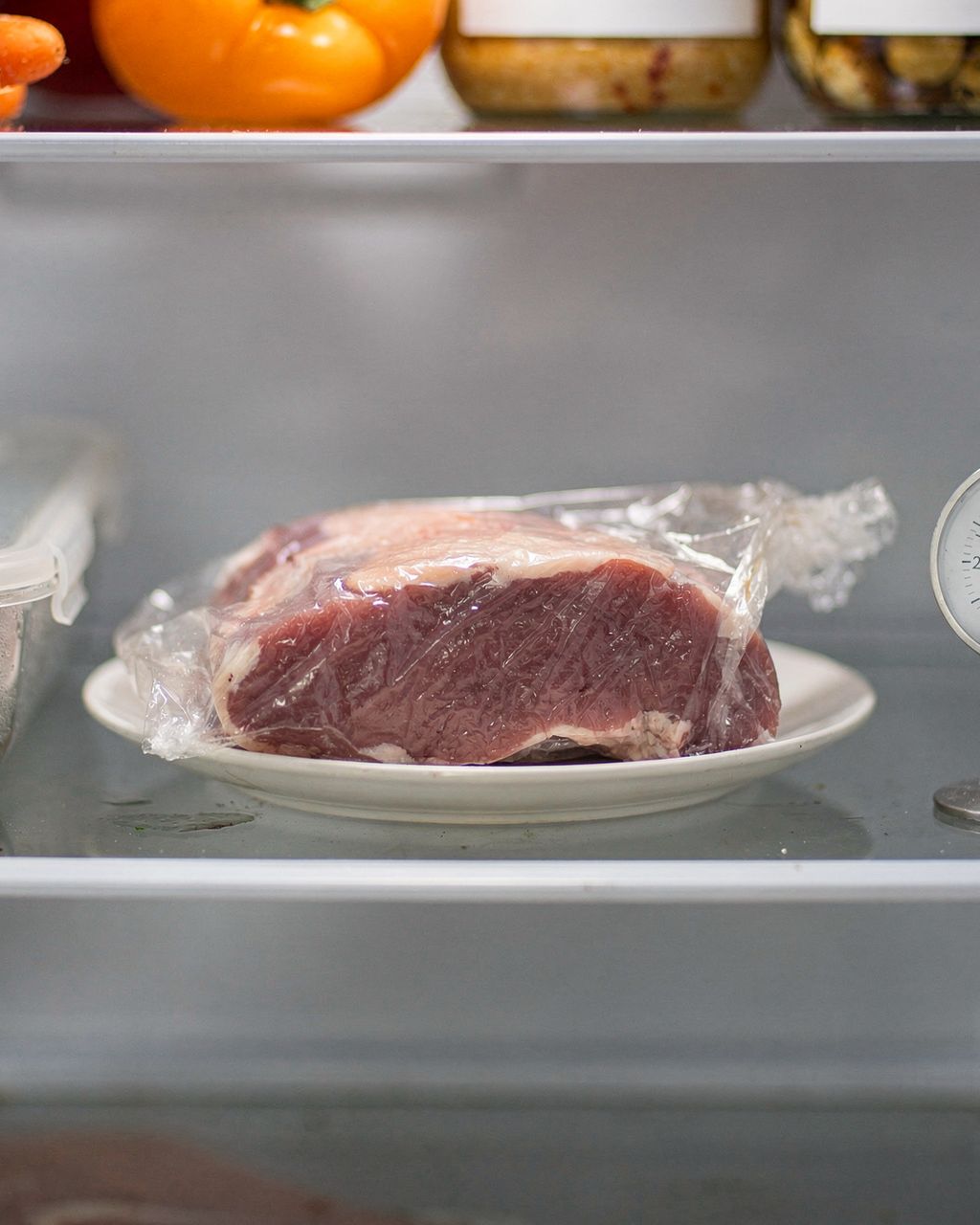
Marinated meat belongs in a sealed container on the bottom shelf of the fridge, in a shallow layer, labeled with the date. Specifically:
A sealed container, not a bowl covered with plastic wrap. Glass or sturdy plastic; avoid aluminum and cast iron with acidic marinades.
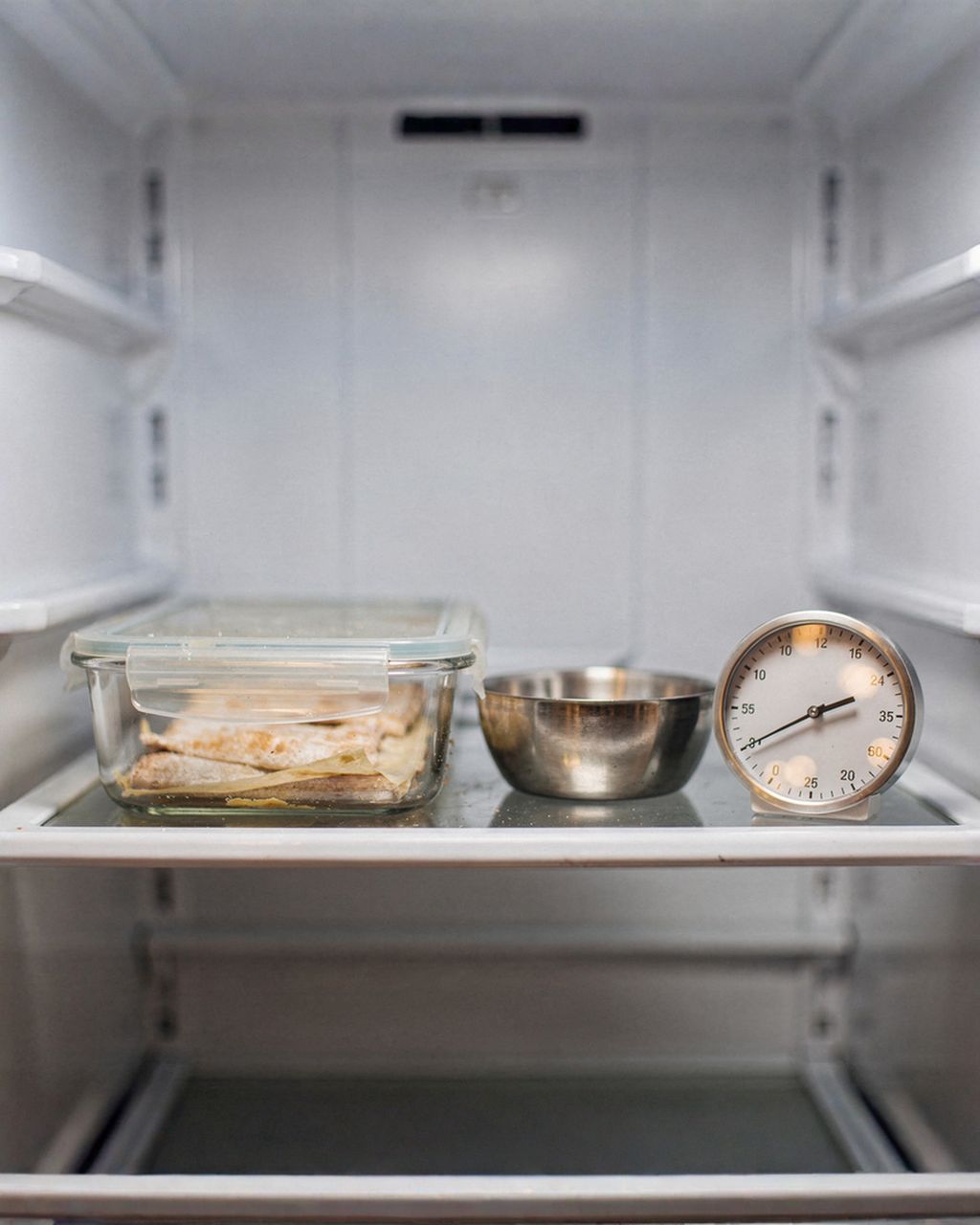
Bottom shelf above the vegetable drawer. The coldest spot in the fridge. Never the door.
Always store it below ready-to-eat food. A drop of raw juice landing on a salad below is a classic way to make yourself sick.
A shallow layer, meat fully submerged. A tall pile in the middle of the container cools slowly, and any meat sticking out will dry up.
Label it with the date. A sticker with the marinating date and the use-by date from the original packaging. You won't remember in three days.
Take it out of the fridge 20–30 minutes before cooking. This lets the surface come up to temperature slightly and helps it cook more evenly. Longer than that on the counter is pointless and just eats into the safe window.
You can freeze marinated meat, marinade and all — it's a better option than pushing your luck with it in the fridge. Freezing doesn't harm the marinade, and the meat will pick up flavor on its own as it slowly thaws in the fridge.
At −18°C (0°F), meat stays safe to eat essentially indefinitely — these times are about quality, since flavor and texture start to suffer after them:
Beef steaks: 6–12 months
Beef roasts: 4–12 months
Pork chops and slices: 4–6 months
Poultry pieces: 9 months (a whole chicken or turkey up to a year)
Ground meat: 3–4 months
Lean fish (cod, pike-perch, pike): 6–8 months
Fatty fish (salmon, mackerel, herring): 2–3 months
Freeze it flat in a zip-top bag — it freezes faster, thaws faster, and takes up less room in the freezer. Don't freeze meat that's already been sitting in the fridge for a day or two right at the edge of its window; freezing doesn't undo anything, it just pauses the clock wherever it happens to be.
Always thaw in the fridge, 12–24 hours depending on size, and cook thawed meat within 24 hours. Meat thawed in the fridge can be refrozen raw — it'll just lose some juiciness and texture. Anything thawed in water or the microwave should only be refrozen after it's been cooked.
Throw out marinated meat if it's past its use-by date, if it's been in the fridge longer than the times above, or if anything about it seems off. It's not worth guessing with meat — the cost of getting it wrong is way higher than the cost of that piece of pork shoulder.
Things to check as soon as you open the container:
Smell. Sour, ammonia-like, or oddly sweet. Marinade itself smells like garlic, vinegar and herbs — let the container air out for a moment and smell again so you can tell the seasoning apart from the meat.
The surface under the marinade. Sticky or slimy to the touch, even after rinsing your fingers.
Color. A greyish-green or iridescent sheen, or dull dark patches.
The packaging. A puffed-up bag or a lid that's bulging — gas building up in a sealed container is a sign of bacterial activity.
And what not to do in that situation: don't taste it, don't rinse it, and don't try to save it by cooking it extra thoroughly. Some toxins that bacteria produce survive boiling or grilling. Throw out the meat and the marinade together, wash the container with hot soapy water, and wash your hands.
The most reliable way to handle shelf life is to marinate in the evening and cook the next day. These recipes are built exactly for that — the marinade works overnight, and the next day you go straight to the pan or the grill.
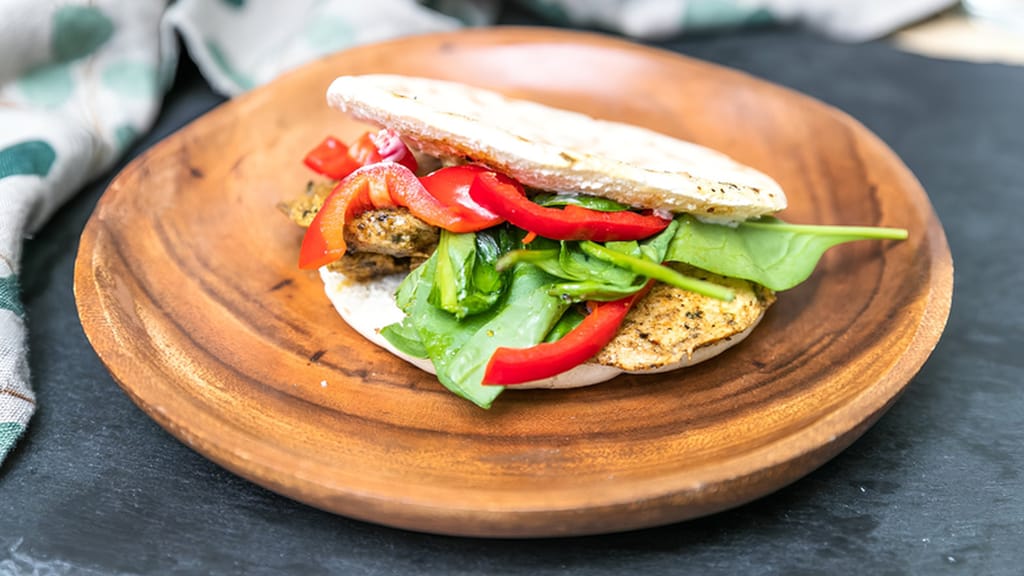
Chicken breast in herb marinade with pita bread
Chicken breast in herb marinade: an overnight oil-based marinade, then straight to the pan and into pita bread the next day
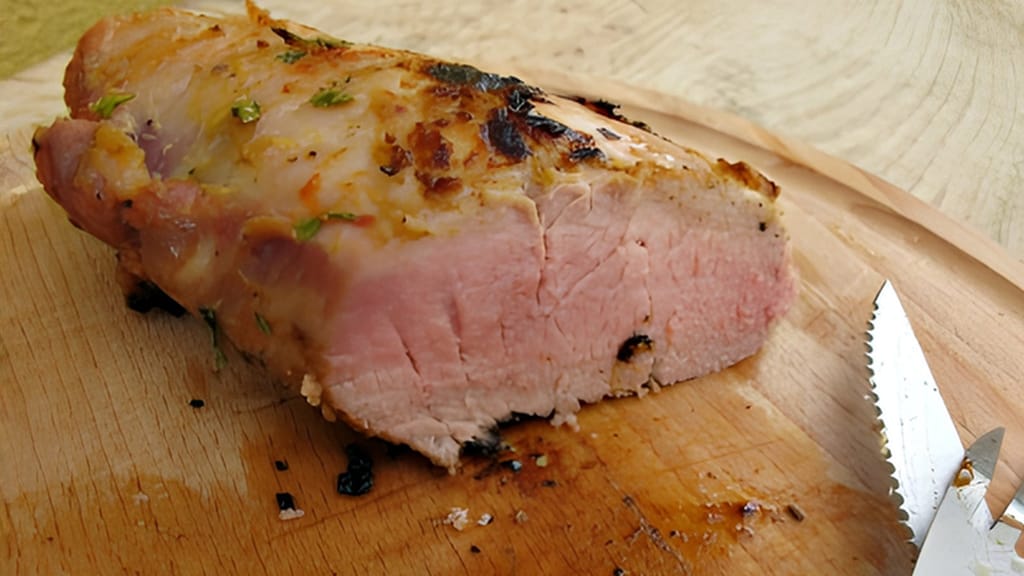
Grilled pork tenderloin in mustard marinade
Grilled pork tenderloin with mustard: a lean cut that a mustard marinade keeps juicy
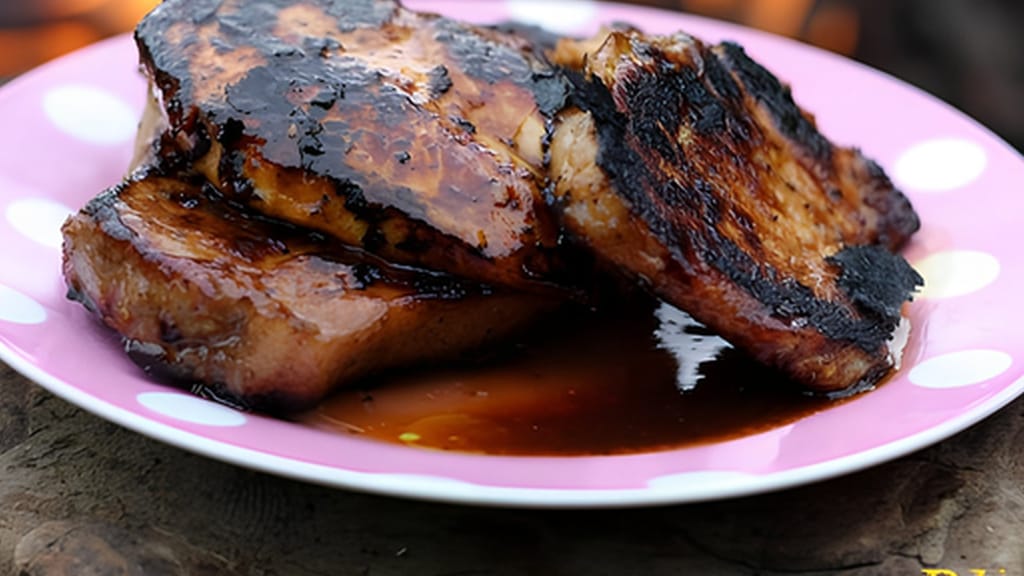
Grilled orange pork neck with a kick of fiery chilli
Grilled orange-chili pork shoulder: marinated pork that can handle a full day in the fridge
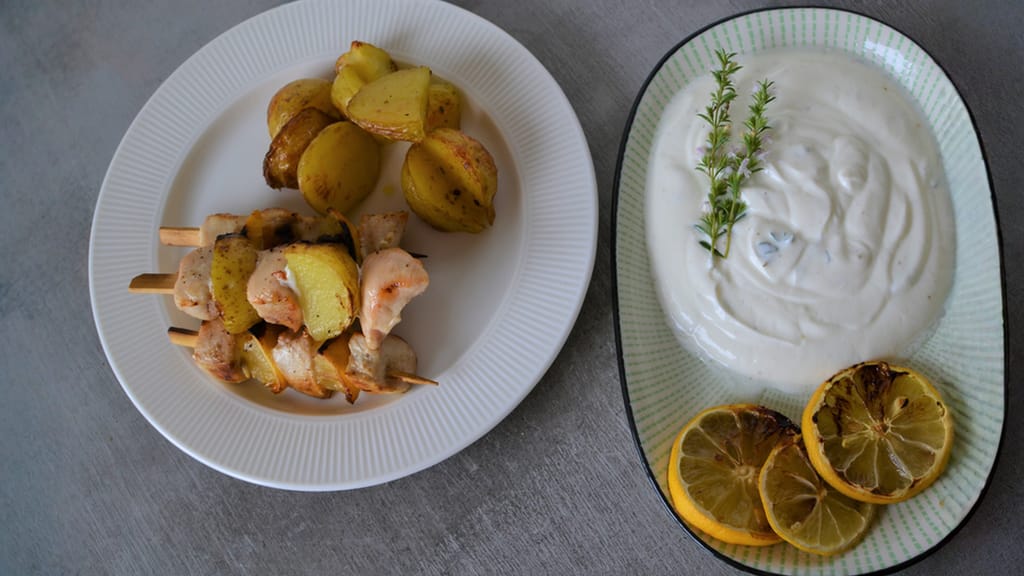
Grilled chicken and lemon skewers with lemon yogurt dip
Grilled lemon skewers: cut-up meat has more surface area, so marinate it briefly and cook it quickly
How long marinated meat lasts depends on how long the raw meat itself lasts, so look up the base numbers by type of meat. It's also worth checking out our guide to vacuum-sealed meat in the fridge — vacuum-sealing is the one common home method that genuinely extends shelf life. And if you're marinating meat for a barbecue, take a look at how to prep meat, vegetables, and meat-free options for the grill.
No, don't rinse marinated meat — running water sprays droplets of raw juice all over the sink, counter and tea towels, spreading bacteria exactly where you don't want it. Instead, blot off excess marinade with a paper towel or let the meat drain on a rack. A drier surface also browns better in a pan or on the grill, so you get a nicer crust as a bonus.
Yes, vacuum-sealed marinated meat lasts roughly twice as long as meat in a regular container, because most spoilage bacteria multiply more slowly without oxygen. That doesn't mean it's safe indefinitely, though — bacteria that don't mind low-oxygen conditions keep growing, and the use-by date on the original packaging still applies. Even vacuum-sealed, keep the meat at 0–4°C (32–39°F).
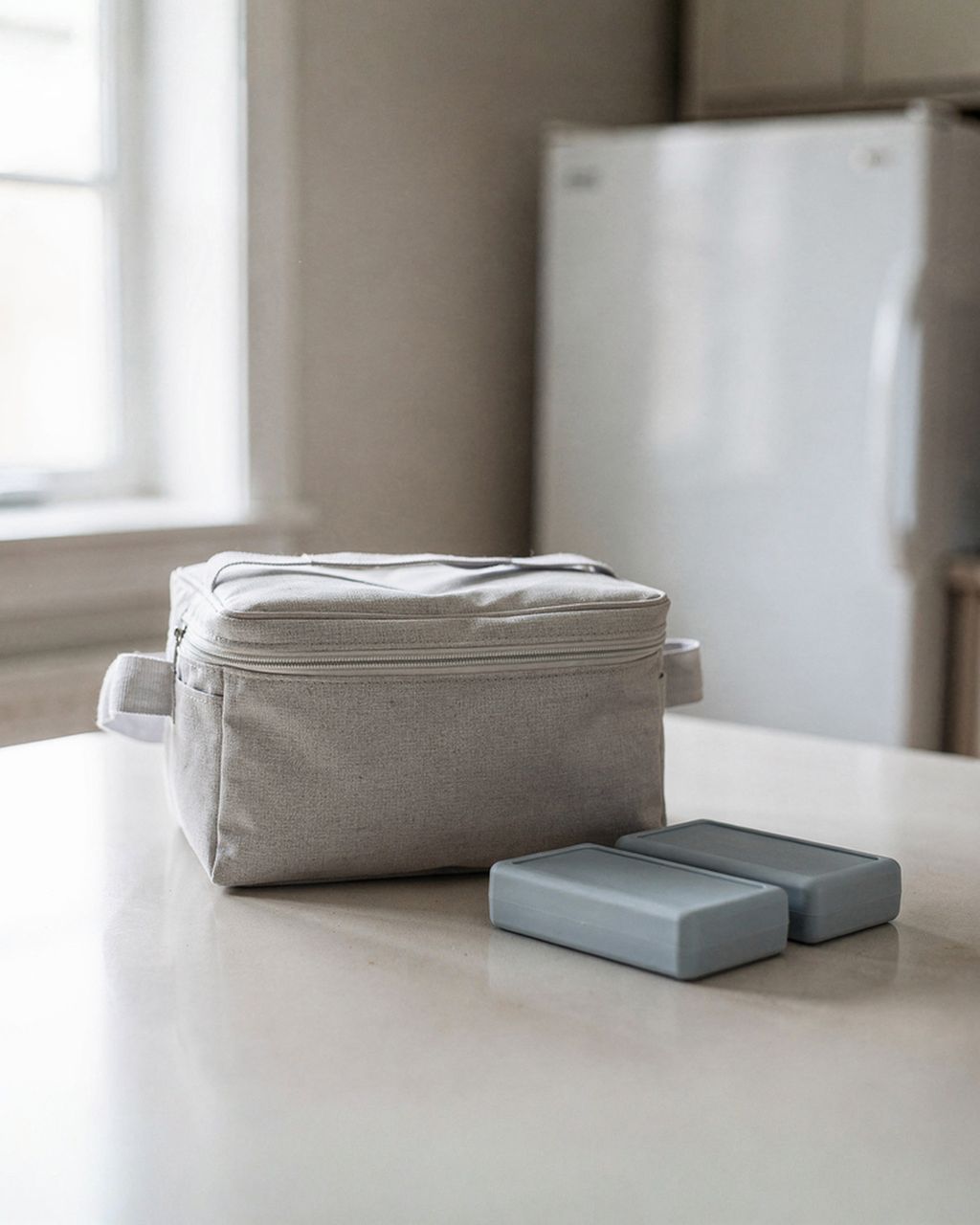
Marinated meat shouldn't sit out of the fridge for more than 2 hours, and only 1 hour if it's over 32°C (90°F) outside. Bacteria multiply fastest between 5°C and 60°C (41°F–140°F), and a hot patio falls right in that range. Bring the meat to the grill in batches and keep the rest in the fridge or a cooler with ice packs.
No, don't reuse marinade that raw meat has been sitting in for another batch — it contains bacteria from the first piece of meat, and you'd just be spreading them further. Marinade is cheap, so make a fresh batch. Also, pouring new marinade over the meat doesn't extend how long it keeps: the clock starts when you bought the meat, not when you last changed the marinade.
Yes, as long as it was thawed in the fridge and smells and looks fine — but marinate it right in the fridge and cook it within 24 hours of thawing. Freezing and thawing breaks down the meat's structure, so it soaks up marinade faster than fresh meat and needs less time. With an acidic marinade, plan on roughly half the usual time — otherwise the surface turns stringy and the meat gets mushy once cooked.
One recipe worth heating the oven for, one tip, and one deal from the shop. Nothing else.