Veal saltimbocca – roll-ups with prosciutto and sage
Herb Substitutes: Basil, Thyme, Marjoram, Oregano, Rosemary and Cilantro
Updated Nov 17, 2026
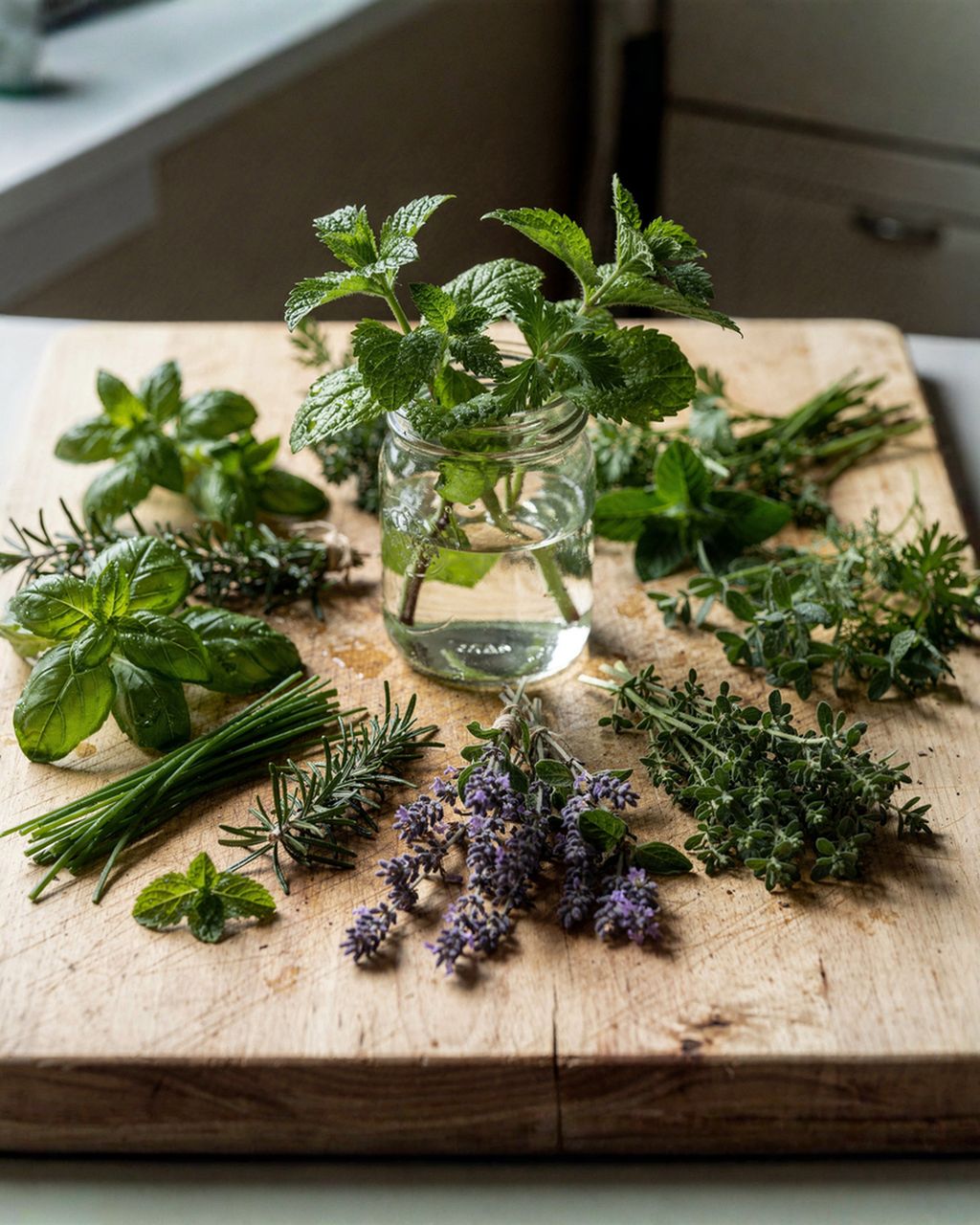
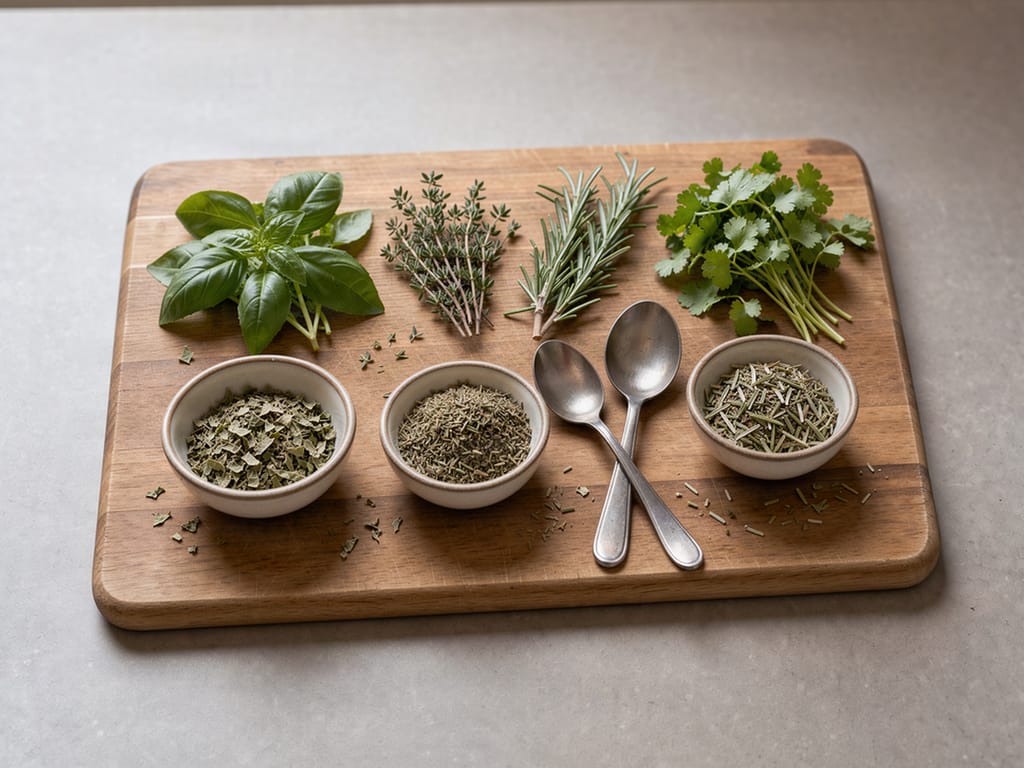
What can you use instead of a herb when you've just run out? The easiest fix is the dried version of the same herb, at 1 teaspoon dried for 1 tablespoon fresh. If you don't have that either, reach for a related herb with a similar flavor: oregano for marjoram, thyme for rosemary, parsley with lime zest for cilantro. Below you'll find a substitute for each herb, the ratio to use and the dishes it suits. You'll also find the three cases where dried simply won't work.
1 tablespoon chopped fresh herb = 1 teaspoon dried = ¼ teaspoon ground. Penn State Extension works with this ratio, and the University of Maine Cooperative Extension also gives a fresh-to-dried conversion. A dried herb has lost its water, so its flavor is more concentrated and you need only about a third as much.
The ratio doesn't hold equally for every herb, though:
Sturdier herbs (rosemary, thyme, sage, marjoram, oregano): they cope well with drying and lose only a little of their aroma. A teaspoon dried for a tablespoon fresh works, and the dried versions suit anything that's simmered or baked.
Delicate leafy herbs (basil): drying strips away much of the aroma. You can use dried basil in cooked dishes, but add a bit more, say 1½ teaspoons dried for a tablespoon fresh.
Cilantro, basil for pesto or caprese, and sage for saltimbocca: dried doesn't work here. Reach for a different fresh herb (see below).
Add dried herbs at the start of cooking so they have time to release their aroma into the fat or liquid. The exception is marjoram, which is traditionally added to soups near the end. Fresh delicate herbs go in last. For more on when to add each summer herb, see our article summer herbs: how they taste, when to add them and how to store them.
Seasonal baking plans, tested recipes and kitchen tricks that save you time. Unsubscribe in one click.
Most herbs can be replaced with the dried version (a teaspoon dried for a tablespoon fresh) or with a related herb: oregano for marjoram, thyme for rosemary, parsley with lime for cilantro. For each herb, the closest substitute comes first:
Basil: dried basil (1–1½ teaspoons per tablespoon fresh) for sauces; for pesto and salads, fresh parsley with spinach or arugula
Tarragon: chervil, or dill with a pinch of anise; dried tarragon (a teaspoon per tablespoon fresh) for sauces
Cilantro (leaves): parsley and lime zest; for Asian dishes, mint or Thai basil
Lovage: celery leaves or the leaves of celery stalks; dried lovage (a teaspoon per tablespoon fresh) for broth
Marjoram: oregano (a third less), thyme
Oregano: marjoram (a third more), thyme
Rosemary: thyme, sage, or dried rosemary, crushed (a teaspoon per tablespoon fresh)
Thyme: marjoram, oregano, savory
Sage: rosemary (half the amount), thyme with marjoram
Fennel: depends on which part the recipe wants: replace the fronds with dill, the seeds with anise, the bulb with celery stalks
For cooked tomato sauce, soup or pizza, use dried basil, and use a bit more: 1 to 1½ teaspoons per tablespoon of fresh. Dried basil smells more like hay than a summer herb bed, so add it at the start of cooking to give it time to release its aroma. It works well in, for example, an Italian tomato soup with beans and lentils.
Where basil is raw and the star (pesto, caprese, bruschetta), dried won't work. These are better:
fresh parsley with a handful of baby spinach or arugula: adds green color and freshness, but without the sweet anise note
a pinch of mint with the parsley: comes closer to basil's sweet, slightly minty aroma
Thai basil: more assertive, with a hint of licorice, excellent in Asian dishes
Pesto can also be made from entirely different greens, such as wild garlic pesto.
The closest substitute for tarragon is chervil, which has the same delicate anise flavor, only milder. Use half as much again. If you don't have chervil, mix fresh dill with a pinch of ground anise or fennel seeds. That gives you the sweet licorice note that tarragon is added for.
For sauces (béarnaise, mustard sauce, creamy chicken sauce): dried tarragon, a teaspoon per tablespoon of fresh. It releases its aroma well in hot cream or butter.
For salad dressings and with eggs: chervil, or dill with anise
As a last resort: fresh basil with a few fennel seeds. It works mainly with chicken and fish.
The best substitute for fresh cilantro leaves is chopped parsley with a little grated lime zest. The parsley brings green freshness, the lime a citrus note. Dried cilantro leaves have almost no aroma and don't work in place of fresh.
For guacamole, salsa and tacos: parsley with lime zest, and a little juice too if you like. Try it in guacamole.
For Asian dishes and curries: mint, Thai basil, or a mix of the two. It suits, for example, a chicken curry.
For sprinkling over soups: green scallion tops with parsley.
Careful not to mix them up: ground coriander from the seeds is not a substitute for the leaves. It tastes citrusy and floral, not green, and it's used as a spice, not as an herb.
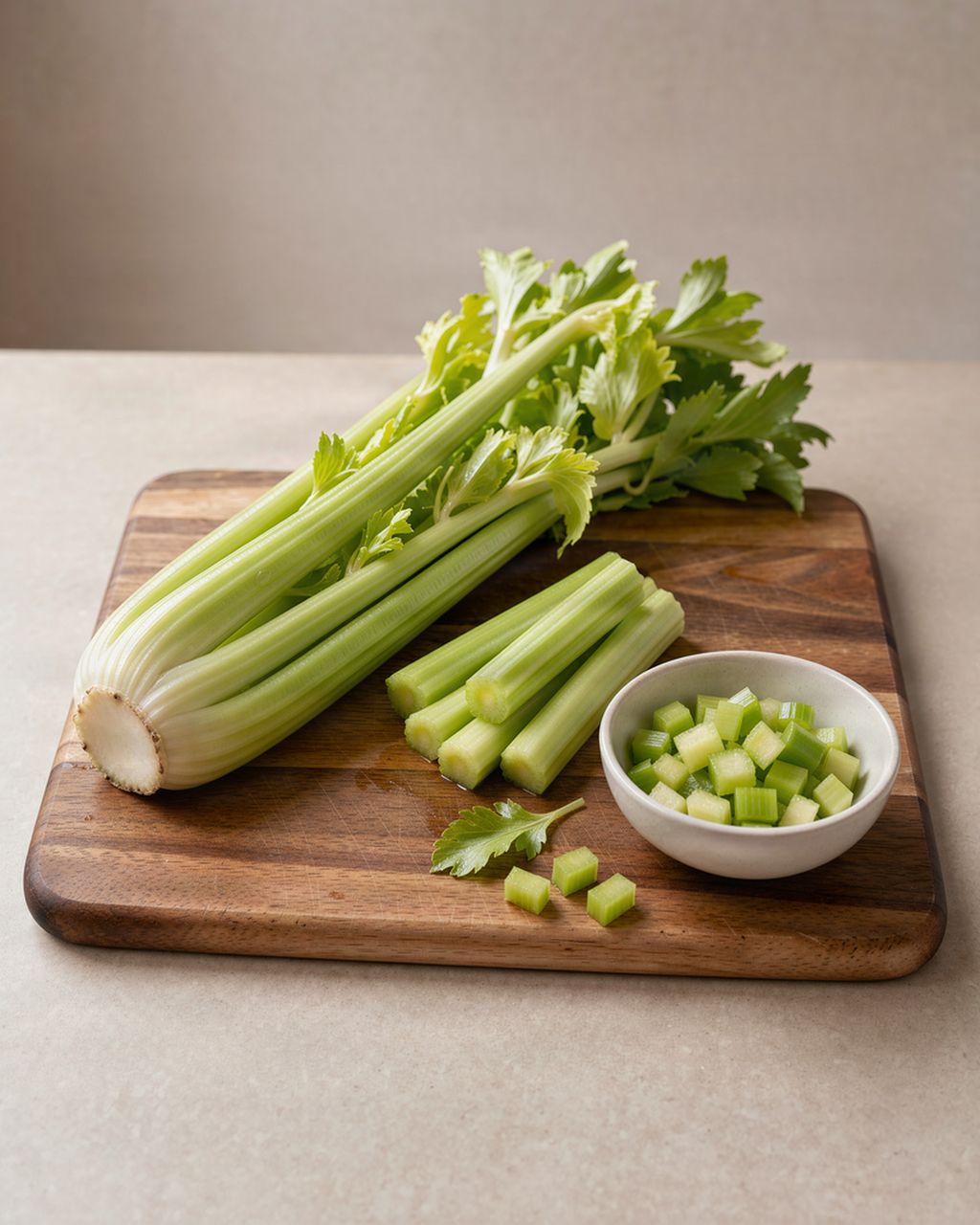
Celery leaves or the leaves of celery stalks can stand in for lovage. They have the same savory, Maggi-like flavor, only gentler, so use roughly half as much again. For broth and soups, feel free to use dried lovage, a teaspoon per tablespoon of fresh. It releases its aroma well in simmering liquid.
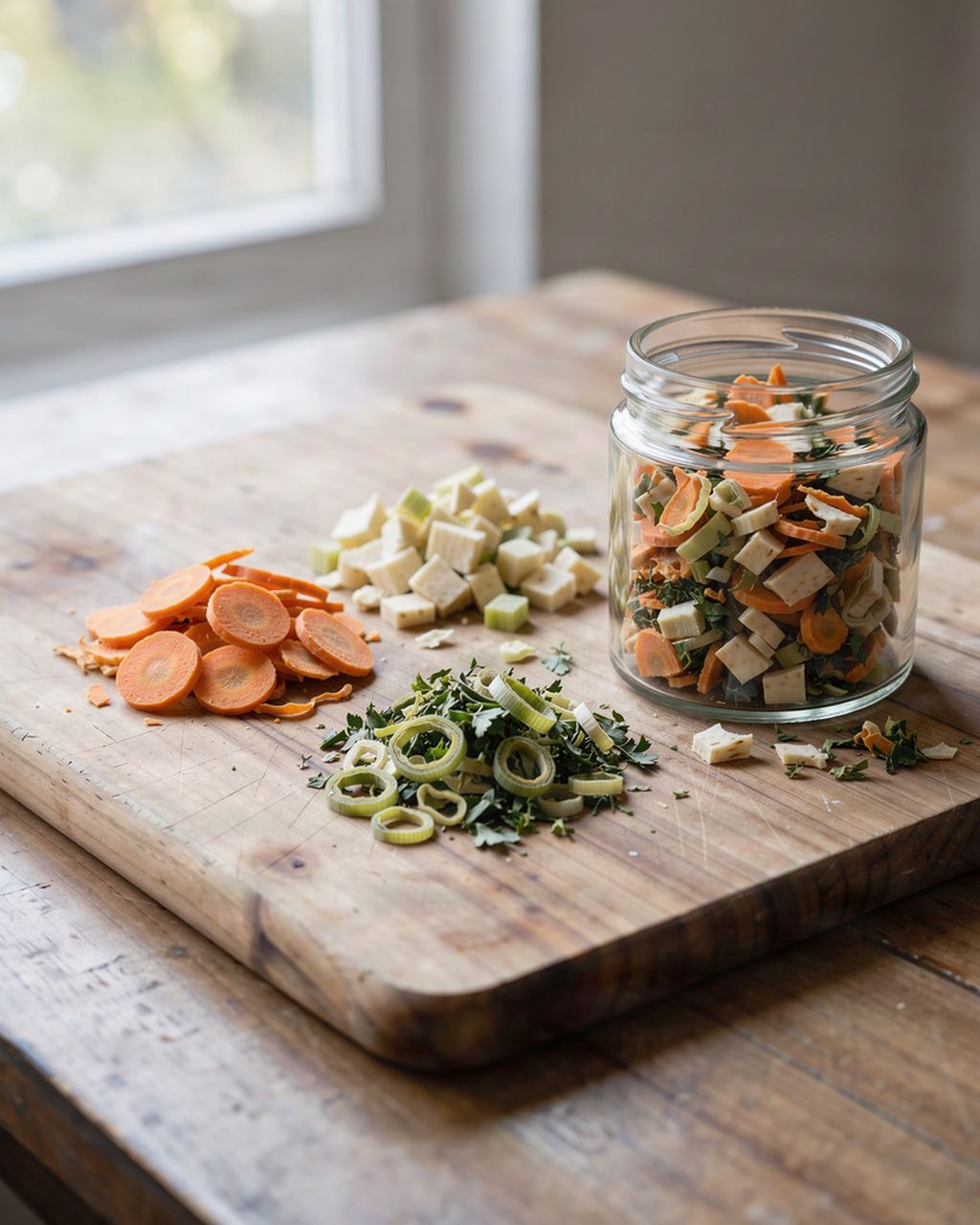
For broth, bramboračka (Czech potato soup) and bean or lentil soups: dried lovage, or a piece of celery root or stalk simmered in the soup
To season a finished soup: chopped celery leaves, or a pinch of celery salt, but then salt less
For meatloaf and stuffing: celery leaves with parsley
Marjoram is best replaced with oregano, since they're close relatives. Oregano is sharper, though, so use a third less. Thyme is the other good choice. It suits potatoes and legumes just as well, only it's more resinous.
In Czech cooking, marjoram is almost always used dried, and unlike other dried herbs it's added to soups near the end of cooking so its aroma doesn't fade. If you have fresh, use three times as much.
For bramboračka, kulajda (Czech dill and potato soup) and mushroom soups: oregano or thyme, dried and, like marjoram, added near the end of cooking
With liver and in jitrnice filling: thyme, or a mix of thyme and oregano. Try it with chicken livers with marjoram.
In potato pancakes: oregano. It holds up the traditional marjoram flavor well, as you'll see in traditional potato pancakes.
Replace oregano with marjoram: it's sweeter and milder, so use a third more. Other options are thyme or a ready-made Italian herb blend, which usually already contains oregano.
For pizza and tomato sauce: marjoram or thyme, preferably dried. It suits, for example, a yogurt dough pizza.
For Greek salad and grilling marinades: thyme with a little lemon zest
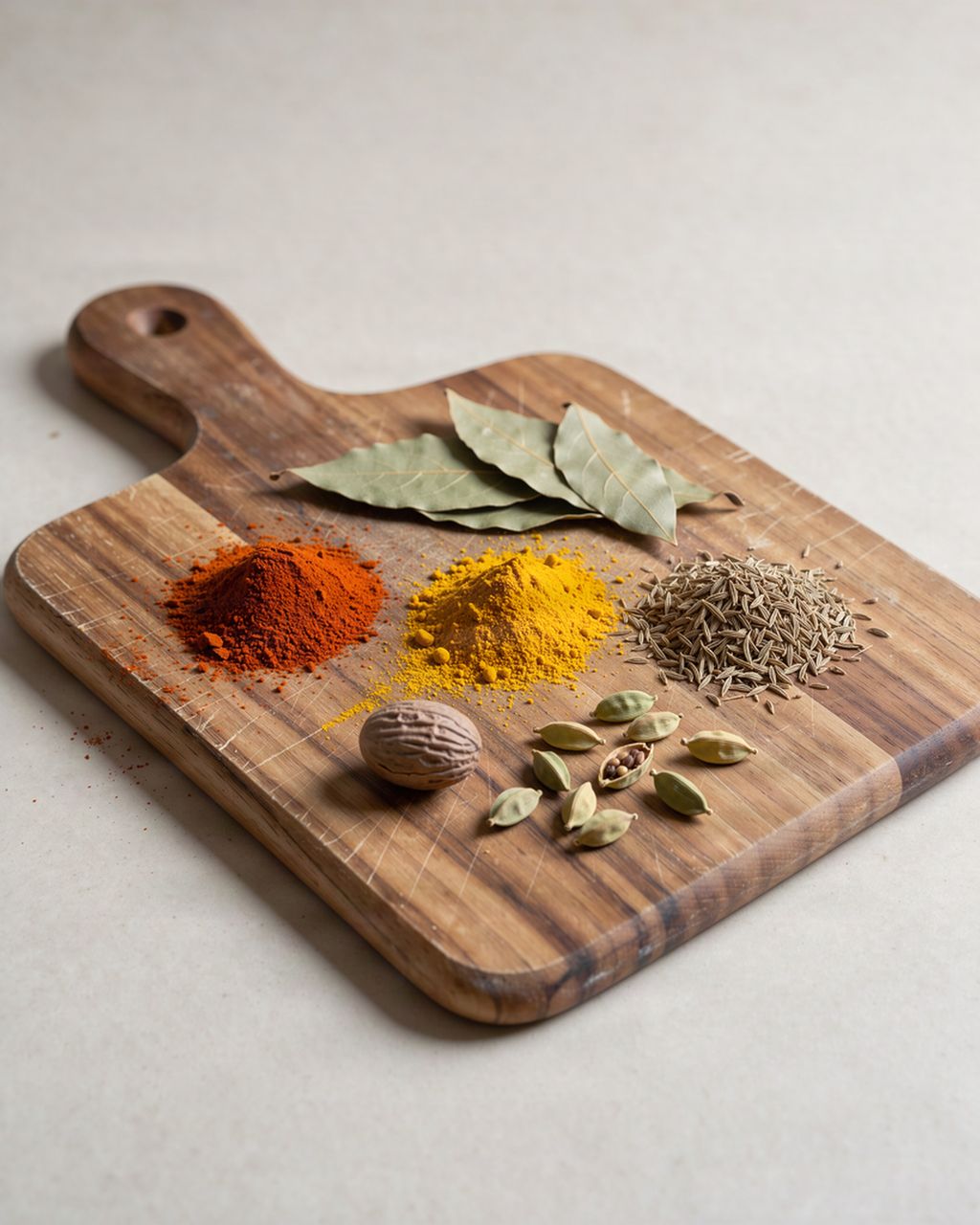
For Mexican dishes (chili, beans): marjoram with a very small pinch of ground cumin
Rosemary is best replaced with thyme, which is closest in flavor. Sage also suits meat, but it's stronger, so use half the amount. Dried rosemary works at a teaspoon per tablespoon of fresh, but its needles stay hard. Crush them in a mortar or between your fingers before using.
For roast meat, lamb and chicken: thyme, or a mix of thyme and sage
For roasted potatoes and vegetables: thyme, or dried rosemary crushed with coarse salt. Try it with sweet potato rosemary chips.
For focaccia and savory baking: dried rosemary, crushed, or thyme
Thyme can be replaced with marjoram or oregano in the same amount. Oregano is sharper, so start more cautiously. Savory is an excellent substitute if you have it: it tastes similar and is a bit more peppery. Dried thyme is one of the herbs that handles drying best, so here a teaspoon dried for a tablespoon fresh is exactly right.
For stews, goulash and sauces: dried thyme or marjoram. It suits, for example, a classic beef goulash.
With roasted vegetables and cheese: oregano or rosemary (half the amount). It suits, for example, roasted peppers with fresh cheese.
With legumes: savory or marjoram
Sage can be replaced with rosemary at half the amount, or with a mix of thyme and marjoram. Both have the resinous, slightly bitter flavor that sage brings to fatty meat. Dried sage is very intense, so go easy: for a tablespoon of fresh, a teaspoon is plenty, or even less.
For brown butter with gnocchi: fresh thyme or a few rosemary needles. They release their aroma in butter in a similar way. Try it with gnocchi with spaghetti squash, sage and salsiccia.
With pork, goose and in stuffing: dried sage, rosemary, or thyme with marjoram
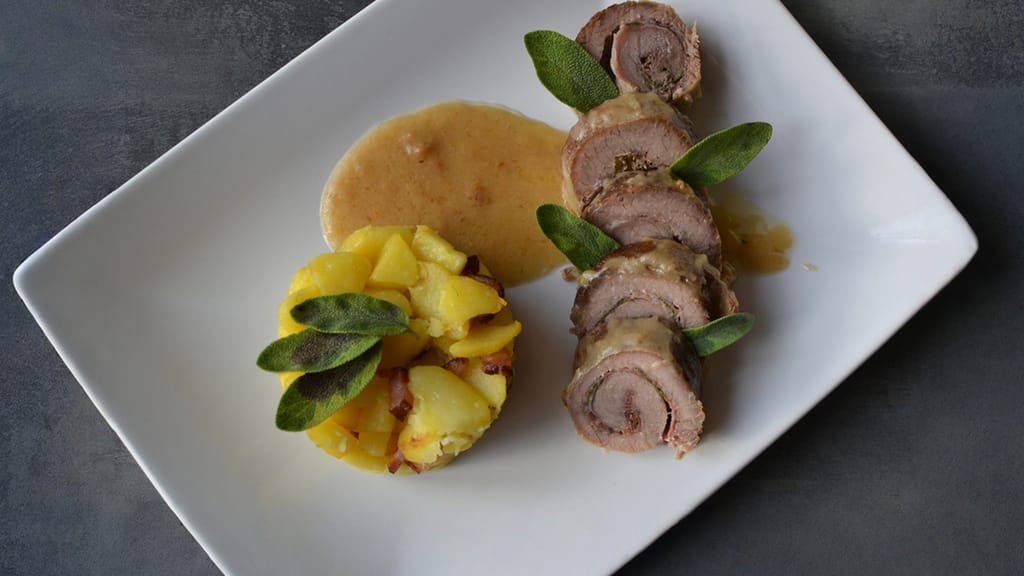
In saltimbocca: this is all about whole fresh leaves pinned to the meat, so neither dried nor ground sage works. The closest option is a few fresh basil leaves with a rosemary needle. The flavor will be different, but the dish will still make sense.
Veal saltimbocca – roll-ups with prosciutto and sage
Veal saltimbocca with sage: the dish where sage is hardest to replace
Fennel fronds can be replaced with dill, fennel seeds with anise and the fennel bulb with celery stalks. Each part of fennel tastes and behaves differently in a dish, which is why each needs its own substitute.
Fennel fronds: fresh dill in the same amount. It's similarly fresh, just without the sweet anise note. Add a pinch of anise for that.
Fennel seeds: anise, but only half the amount, since it's sweeter and stronger. In baking and sausages, caraway also works, though it's earthier.
Fennel bulb: celery stalks. They're just as crunchy and suit salads and roasting, only they lack the anise sweetness. Make up for it with a few crushed fennel or anise seeds.
You need the bulb for, say, a fennel salad with orange dressing or rabbit roasted with fennel. In the salad, celery with orange is a good substitute; with roast rabbit, use celery with anise seeds.
Fresh herbs keep in the fridge in a perforated bag for about 2–3 days, and in a glass of water for 5–7 days if you change the water daily. These figures come from the University of Maine Cooperative Extension. The exception is basil: according to the same source, don't refrigerate it, but keep it at room temperature in a glass of water.
According to Penn State Extension, dried herbs usually keep for about a year. Store them in a tightly closed container in a dry, cool, dark place, away from the stove and the window. If a herb has lost its aroma after a year, a teaspoon for a tablespoon of fresh is no longer enough and you'll need to use more. How to store spices and dried herbs so they keep their aroma as long as possible is covered in our article how to store spices so they keep their aroma.
Chopped green tops of scallions (spring onions) make the best stand-in for chives. They're a little sharper, so use slightly less and add them to the finished dish, just as you would chives.
A 2012 genetic study linked the soapy taste of cilantro to a variant near the olfactory receptor gene OR6A2, which responds to aldehydes in cilantro leaves. So the soapy taste is real. Genes explain only a small part of the differences, though, and habit plays a role too.
Use roughly ¼ teaspoon dried thyme in place of one sprig of fresh. A sprig gives you about ½ teaspoon of fresh leaves, and you use a third of that amount dried. If the recipe wants a whole sprig in a roast or sauce, add the dried thyme straight into the pan juices or liquid.
Dried oregano is better on pizza and in tomato sauce. Oregano is one of the herbs that barely suffers from drying, and fresh leaves burn easily in a hot oven. Add fresh oregano only once the pizza is done.
About 1 teaspoon of dried lovage per liter of broth is enough, added at the start of cooking. Lovage is strong and easily overpowers the other vegetables, so start with less and adjust the seasoning at the end. If using fresh lovage, use about 1 tablespoon of chopped leaves.
One recipe worth heating the oven for, one tip, and one deal from the shop. Nothing else.