Gingerbread Spice Substitutes: Ratios That Actually Work
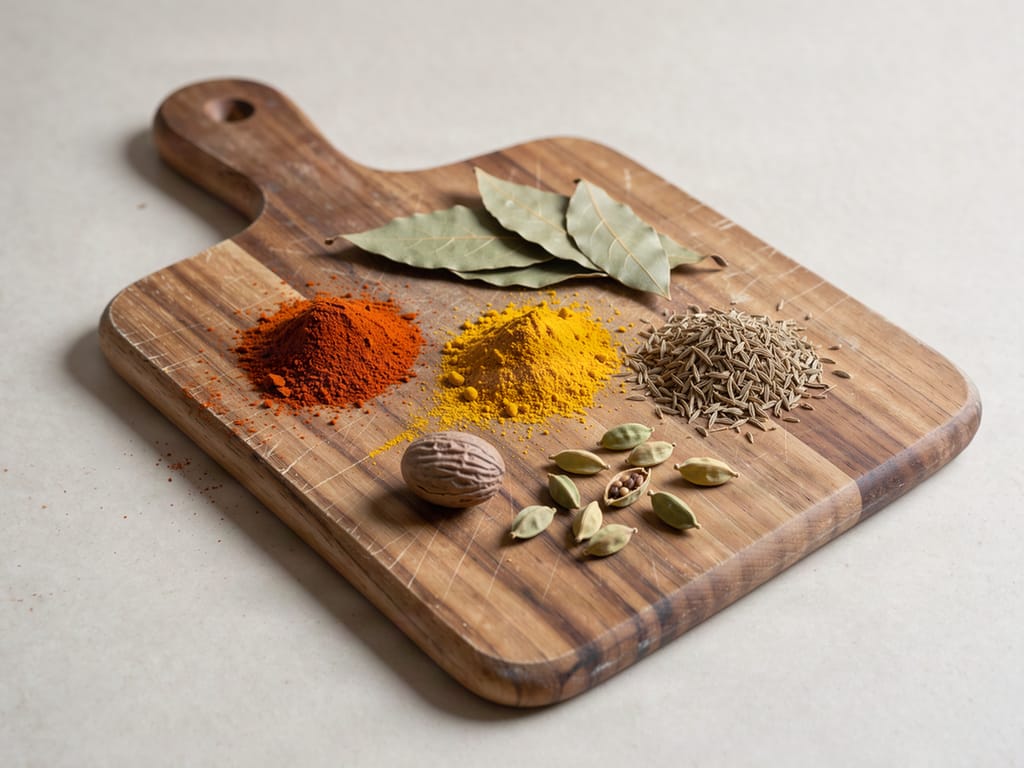
Spice Substitutes: Bay Leaf, Cumin, Cardamom, Nutmeg and Saffron
Updated Nov 17, 2026
What can you use when you've just run out of a spice? Your best bet is a spice with the same main aroma: a pinch of thyme stands in for bay leaf, ground coriander with a drop of smoked paprika for cumin, cinnamon with nutmeg for cardamom, mace for nutmeg, and a homemade blend of basic spices for garam masala. Saffron, though, can't be replaced by anything, only its color can. Below you'll find substitutes for thirteen spices and blends, the ratios, and the dishes where a swap fails.
The best way to replace a spice is with one that has the same main aroma. Here are substitutes for 13 spices, with ratios. Each ratio is per 1 part of the original spice unless stated otherwise:
Bay leaf → ¼ teaspoon dried thyme per leaf, or simply leave it out. Fails: nothing gives the same depth, so be aware of that.
Juniper → for 4–5 berries, a sprig of rosemary and 1 tablespoon of gin in the sauce. Fails: in game and sauerkraut, everyone will notice the missing juniper.
Cardamom → ½ part cinnamon + ½ part nutmeg. Fails: in Indian tea and Scandinavian baking.
Nutmeg → mace 1:1, or ½ part allspice. Fails: almost never, just use it sparingly.
Cumin → ½ part ground coriander + ¼ part smoked paprika. Fails: in hummus and Mexican cooking, where it's the star.
Saffron → a pinch of turmeric, but for color only. Fails: nothing replaces saffron's flavor.
Smoked paprika → sweet paprika 1:1 + a pinch of chipotle or a drop of liquid smoke. Fails: where smoke carries the whole dish.
Garam masala → the homemade blend (below), or in a pinch ½ part curry powder. Fails: curry powder is sharper and turns the dish yellow.
Gochugaru → 3 parts sweet paprika + 1 part chili flakes. Watch out: in kimchi the substitute works, but the color and flavor will be different.
Mustard seed → in a pickling brine, coriander seed 1:1; in a sauce, ½ part mustard powder. Fails: in Indian tadka, where the seeds pop in hot oil.
Dijon mustard → whole-grain mustard 1:1 + a few drops of white wine vinegar. Fails: sweet mustard and Kremžská (a sweet Czech mustard) change the flavor of a dressing.
Barbecue seasoning → sweet paprika, garlic, onion, pepper and salt (ratios below).
Goulash seasoning → sweet paprika, caraway, marjoram and garlic (ratios below).
Seasonal baking plans, tested recipes and kitchen tricks that save you time. Unsubscribe in one click.
The best substitute for bay leaf is dried thyme, ¼ teaspoon per leaf. Bay leaf doesn't add a strong flavor; it gives sauces and broths an herbal, slightly bitter depth. Thyme has a similar character. In a pinch you can simply leave the leaf out: svíčková (Czech beef in a root-vegetable cream sauce) will be a touch flatter without it, but it won't be ruined. Don't use oregano or basil, which are too assertive and pull the dish toward Italy.
Replace juniper with a sprig of rosemary and a tablespoon of gin. Gin is flavored with juniper, so it brings a resinous, piney note to a sauce. Add it at the start of braising so most of the alcohol cooks off. Rosemary contributes a needle-like, evergreen aroma. For every 4–5 berries, use one sprig and 1 tablespoon of gin. Where juniper is the main flavor, as in game, lamb or sauerkraut, any substitute is only a stopgap.
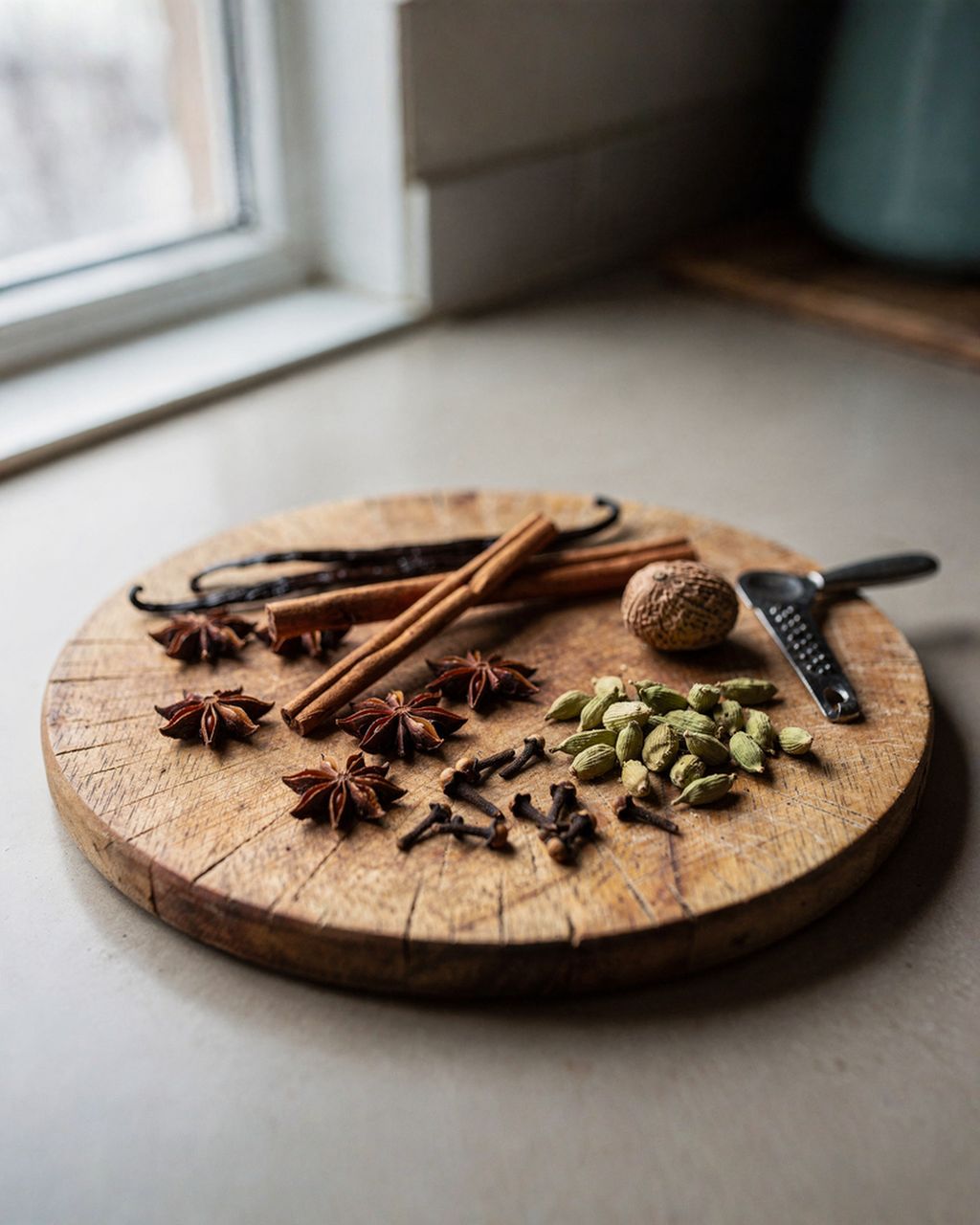
Replace cardamom with a 1:1 mix of cinnamon and nutmeg, using the same total amount as the cardamom. Cardamom (often also called "cardamon" in Czech) smells citrusy, camphorous and sweet, a combination no other single spice has. Cinnamon brings the sweetness and nutmeg the warm depth.
1 cardamom pod is roughly ⅙ teaspoon ground.
In baked goods and vánočka (Czech braided Christmas bread), cinnamon + nutmeg works, perhaps with a little grated lemon zest for freshness.
In curries and rice, use cinnamon with cloves, but add only a pinch of cloves, as they easily overpower everything else.
In Indian chai and Scandinavian cardamom buns, though, cardamom is the heart of the recipe. In those, it's better to wait until you've bought some.
The best substitute for nutmeg is mace at a 1:1 ratio. It's the red covering of the same seed and tastes the same, just milder. If you don't have that either, use ½ part allspice or cinnamon. Allspice suits béchamel, mashed potatoes and spinach, while cinnamon suits desserts.
Watch the amount. Nutmeg contains myristicin, which is toxic in large doses. According to the Vanderbilt University toxicology center, symptoms of poisoning are reported after roughly 15–20 g, or 2–3 tablespoons of ground nutmeg, and set in (nausea, heart palpitations, dizziness) only after 3–8 hours. Normal cooking amounts, meaning a pinch up to ½ teaspoon for a whole dish, are fine. But never add "a little extra to be safe," and keep ground nutmeg out of reach of children.
Replace cumin with ½ part ground coriander and ¼ part smoked paprika. Cumin is earthy, warm and slightly bitter. Coriander brings the warmth and smoked paprika the earthiness. Curry powder, which usually contains cumin, also works, but expect the color from the turmeric.
Our caraway is not a 1:1 substitute. Despite the similar name, it's a different plant with a sharper, anise-like flavor, the one you know from bread and roasts. If you use it anyway, use only half the amount and dry-toast it first. In a chickpea curry you won't notice the swap. In hummus or falafel, where cumin carries the whole dish, you will.
Nothing replaces saffron's flavor. Only its golden color can be replaced, best with a pinch of turmeric. Saffron has a honeyed, hay-like, slightly bitter aroma that no other spice has. Turmeric gives color but also its own earthy flavor, so use only a pinch, about ⅛ teaspoon per 4 servings of rice.
Color: turmeric, or sweet paprika if you don't mind a more orange tone.
Color and a little aroma: a pinch of turmeric + a few drops of vanilla, or a bit of lemon zest in sweet dishes.
Safflower, sometimes called "false saffron," colors similarly but has no aroma.
In paella, risotto alla milanese or bouillabaisse, a substitute changes the character of the dish. Cook it as a different dish and don't expect the original.
Replace smoked paprika with sweet paprika 1:1 plus a pinch of chipotle or a drop of liquid smoke. Chipotles are smoked jalapeños, so they bring smoke and a little heat. 2–3 drops of liquid smoke is enough for a whole pot; more tastes artificial. In goulash or beans, you can also add smokiness with a piece of smoked bacon.
Replace gochugaru with 3 parts sweet paprika and 1 part chili flakes. Korean gochugaru chili is medium-hot, fruity and slightly sweet, and sweet paprika supplies exactly that sweetness. Don't use hot ground chili or cayenne pepper in its place; they're much sharper and the dish would be unbearably hot. In kimchi the substitute works, but the color and flavor will be different.
Replace garam masala with a homemade blend: 2 parts cumin, 1 part coriander, ½ part cinnamon, ½ part cardamom, ¼ part black pepper and a pinch of cloves. Everything ground, then mixed. If you're using whole spices, it's better to dry-toast them first until fragrant, then grind.
Curry powder is not the same thing. Curry powder contains turmeric and often chili. Garam masala is a "warming" blend without turmeric, added at the end of cooking. If you must reach for curry powder, use half the amount and expect a yellower color. In a chicken curry it will pass, but in a delicate butter chicken you'll notice the difference.
Replace mustard seed in a pickling brine with coriander seed 1:1, and in a sauce or marinade with ½ part mustard powder. In pickles and pickled vegetables, coriander gives a similar round spiciness, though without mustard's pungency. The powder brings sharpness but not texture. In Indian tadka, where the seeds pop in hot oil, you can't replace them.
Replace Dijon mustard with whole-grain mustard 1:1 and a few drops of white wine vinegar. Dijon is smooth, sharp and winey, and the vinegar restores its acidity. This works in vinaigrette and mayonnaise. Sweet, Kremžská (sweet Czech) or barbecue mustards have too much sugar and will change the flavor of a dressing.
Mustard is one of the 14 allergens that must be declared on the label under EU Regulation No. 1169/2011. If you want to leave mustard out entirely, no mustard-based substitute is an option. Use coriander for the seed, and for Dijon a little vinegar with honey and garlic, and check the ingredients of ready-made blends, since barbecue seasoning or curry powder often contains mustard too.
Replace barbecue seasoning with a blend of 2 parts sweet paprika, 1 part garlic, 1 part dried onion, ½ part black pepper and 1 part salt. If you want smokiness, swap part of the paprika for smoked paprika; for a caramelized crust, add ½ part brown sugar. Use about 2 tablespoons of the blend per 1 kg of meat.
Replace goulash seasoning with 3 parts sweet paprika, 1 part ground caraway, 1 part marjoram and ½ part garlic. Don't let the paprika burn: stir it into the onions only after taking the pan off the heat, or it turns bitter. Try it in a classic beef goulash or a zucchini goulash.
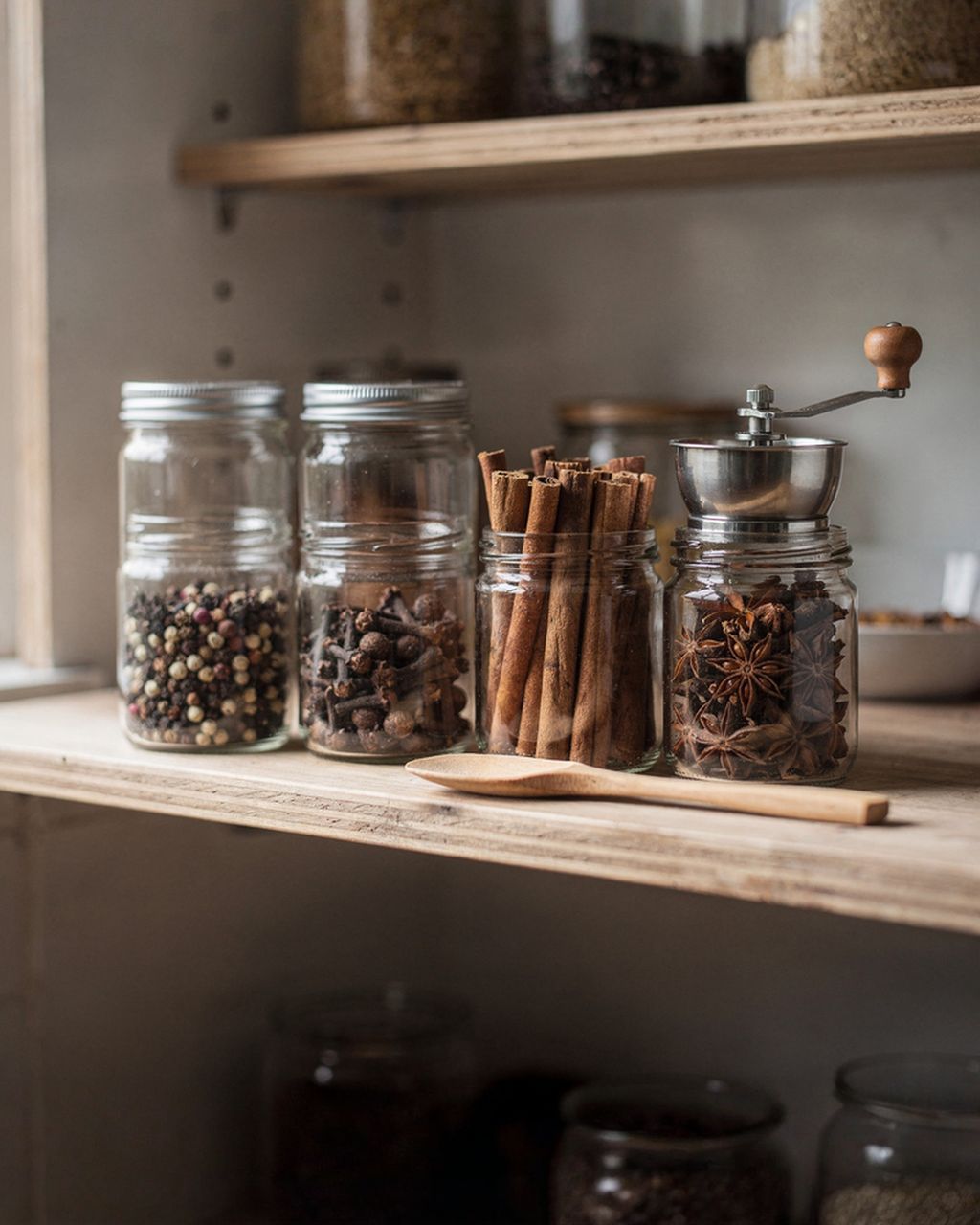
A homemade blend has one advantage: you know what's in it, and you control the salt yourself. For how to store spices so they keep their aroma, see our article how to store spices to keep their aroma.
A spice swap works when you start with less, remember that whole spices are stronger than ground, and replace the main flavor rather than the name.
Start with less. Add half the amount of the substitute, taste, and only then add more. You can't take spice back out of the pot.
Whole spices are stronger than ground. A pod, seed or bark releases its aroma slowly and for a long time. Add ground spices later and in a smaller amount.
Replace the main flavor, not the name. Ask what the spice does in the dish, whether it gives warmth, smoke, sharpness or color, and look for a substitute with the same function.
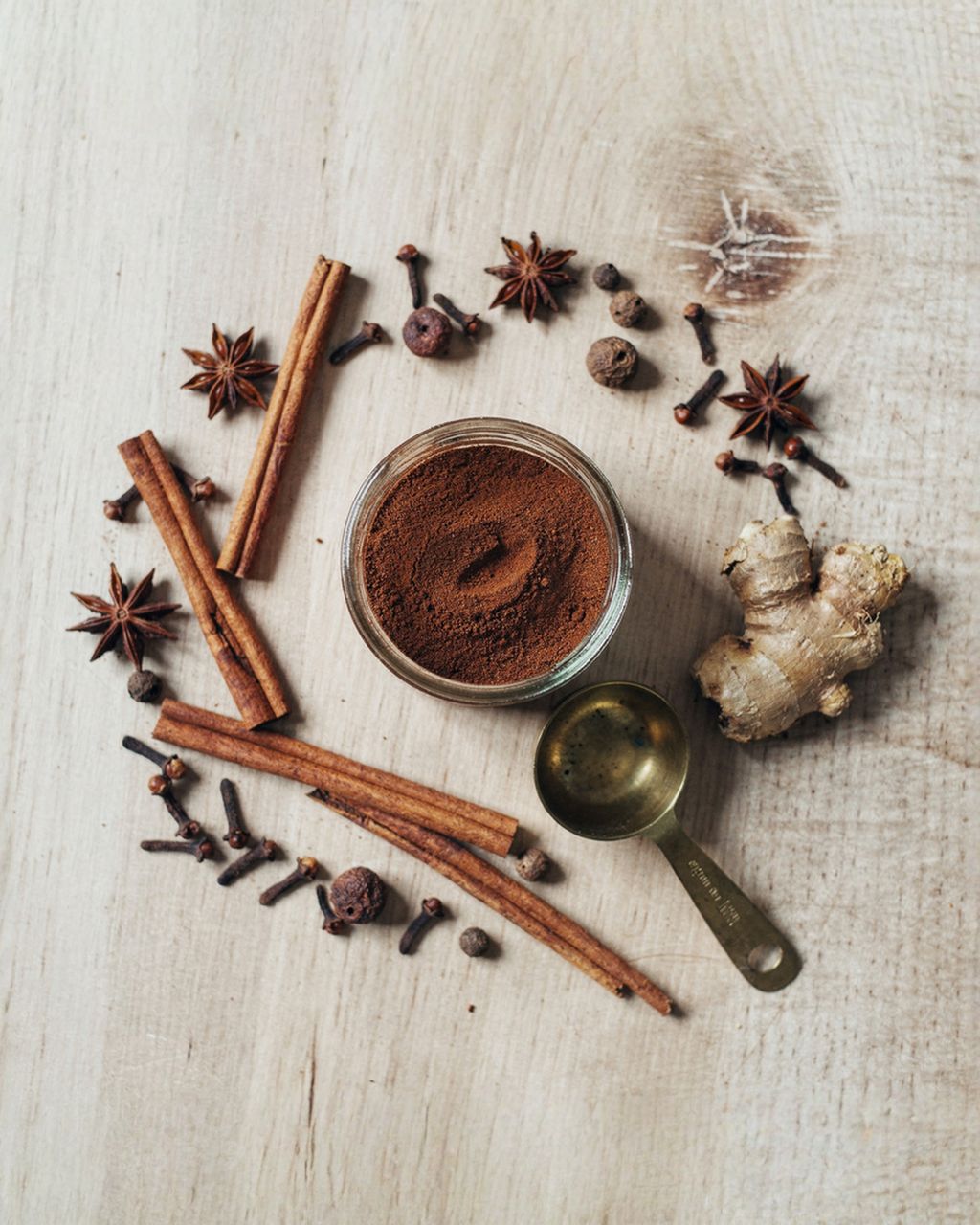
Substitutes for gingerbread spice are covered in a separate article, what to use instead of gingerbread spice.
You can use caraway in place of cumin only in a pinch, and at half the amount. Caraway tastes sharper and more like anise, while cumin is earthy and warm. A better substitute is ground coriander with a pinch of smoked paprika, or curry powder.
The best substitute for cloves is allspice at a 1:1 ratio, because it has a similarly warm, spicy aroma. In a pinch, a mix of cinnamon and nutmeg will do. Cloves are very strong, so add the substitute sparingly and taste as you go.
Ground spices don't spoil, but they gradually lose their aroma, so it's best to use them within about a year of opening. Whole spices keep their aroma longer. If a ground spice barely smells when you rub it between your fingers, use more of it or, better, replace it.
Nutmeg is safe in normal cooking amounts and only becomes dangerous in large doses. According to the Vanderbilt University toxicology center, symptoms of poisoning are reported after roughly 15–20 g, or 2–3 tablespoons of ground nutmeg. A pinch in béchamel or mashed potatoes is fine. Never increase the amount when substituting, and keep nutmeg out of reach of children.
To avoid mustard, replace mustard seed with coriander seed, and Dijon mustard in a dressing with a mix of vinegar, honey and pressed garlic. Mustard is one of the 14 allergens that must be declared on the label in the EU, so also check the ingredients of ready-made spice blends, curry mixes and barbecue marinades.
One recipe worth heating the oven for, one tip, and one deal from the shop. Nothing else.