Blueberry pudding
Homemade Pudding from Scratch: Vanilla and Chocolate Stovetop Pudding
Updated Oct 15, 2026
You can make homemade pudding without a packet from just five things: milk, cornstarch, sugar, a pinch of salt and a flavoring – a vanilla bean or real chocolate. For 500 ml (about 2 cups) of milk you need 40 g of cornstarch and 50 g of sugar, and it's done in ten minutes. A pudding packet is really just starch with flavoring and coloring, so when you mix your own, you're the one in charge of the taste.
Pudding is milk thickened with starch: when heated, the starch granules soak up the liquid and swell, then set as they cool into a thick cream you eat with a spoon. There's nothing more to it.
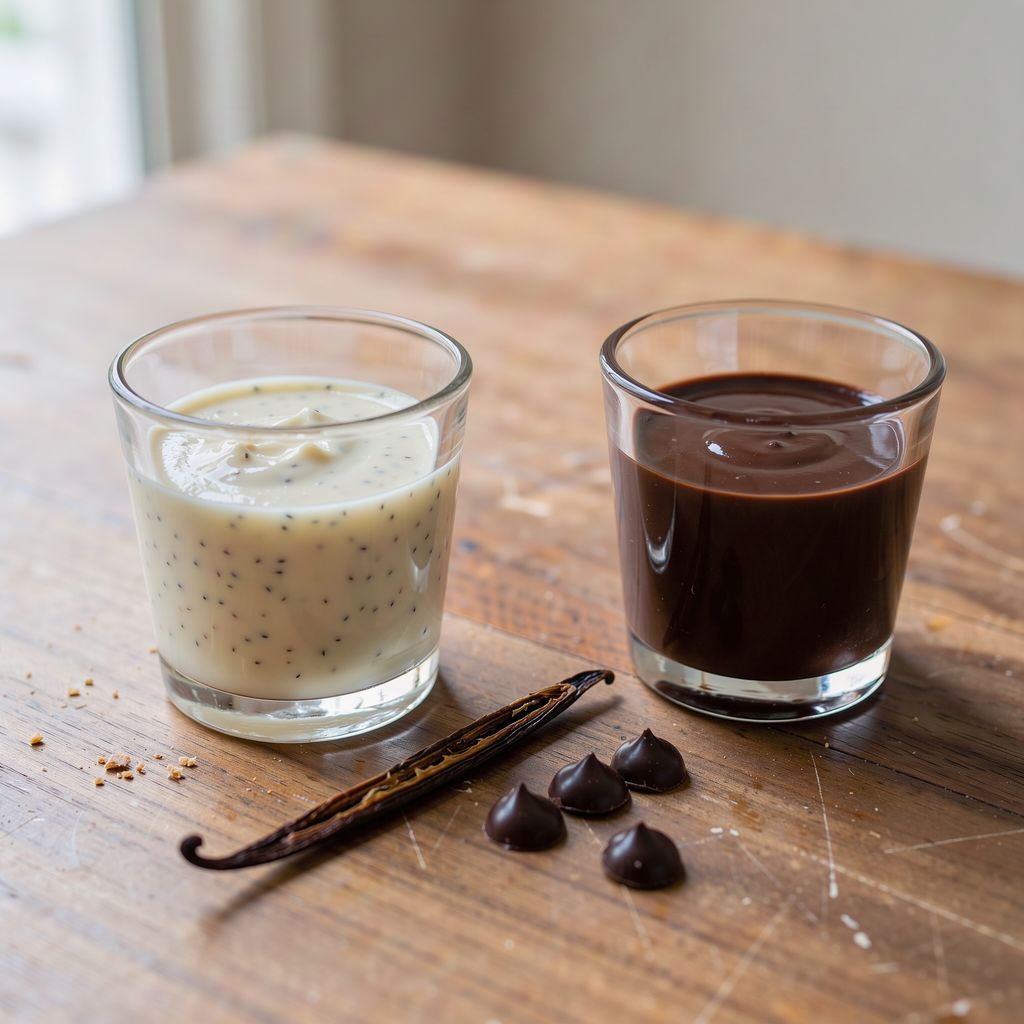
Store-bought pudding powder is largely cornstarch, plus flavoring, salt and coloring (usually carotenes and riboflavin) – which is why packet "vanilla" pudding is yellow. Homemade vanilla pudding made with plain starch is creamy white with black flecks of vanilla; the only way to get it yellow is to add egg yolks.
What you need:
milk – ideally whole milk (3.5%); with semi-skimmed it turns out thinner and less rich
cornstarch (Maizena, Gustin)
sugar – granulated or powdered
a pinch of salt – it won't make the pudding taste salty, just brings out the flavor
flavoring – a vanilla bean, or chocolate and cocoa
optionally 2 egg yolks and 20 g butter for a richer, creamier version
For 500 ml (about 2 cups) of milk, use 40 g of cornstarch – that's a classic thick pudding for serving in a bowl, just as thick as the packet kind. From there you adjust the thickness with the starch alone:
25–30 g – creamy, semi-liquid pudding for glasses or as a sauce for cake
40 g – classic bowl pudding that holds its shape on a spoon
50–60 g – firm pudding for layer cakes, sheet cakes or bars; it can be sliced
Use 40–60 g of sugar per 500 ml, to taste; with chocolate, use less, as it brings sweetness too. One level tablespoon of cornstarch weighs about 8 g, so 40 g is roughly 5 tablespoons. For pudding, though, it pays to weigh – 10 g more or less is the difference between cream and rubber.
For pudding, go for cornstarch. It sets into a firm, matte cream once cooled and tolerates longer cooking.
Potato starch (Solamyl) thickens sooner and at a lower temperature, but the pudding it makes is glassy and slightly stringy, and it thins out again with long stirring or boiling. If it's all you have at home, use a quarter less (about 30 g per 500 ml), cook it only until it thickens, and then stop stirring.
Wheat flour will thicken too, but you need about twice as much, and the pudding tastes floury and looks cloudy. Fine as a quick emergency fix, but not for a pudding you've been looking forward to.
To make pudding with real vanilla, first let the vanilla steep in hot milk and only then thicken it. For 4 servings:
500 ml whole milk
1 vanilla bean
50 g sugar
40 g cornstarch
a pinch of salt
optionally 2 egg yolks and 20 g butter
Dissolve the starch in cold milk. Pour off 100 ml of cold milk and whisk the starch (and the yolks, if using) into it until smooth. Starch clumps instantly in hot milk, but never in cold.
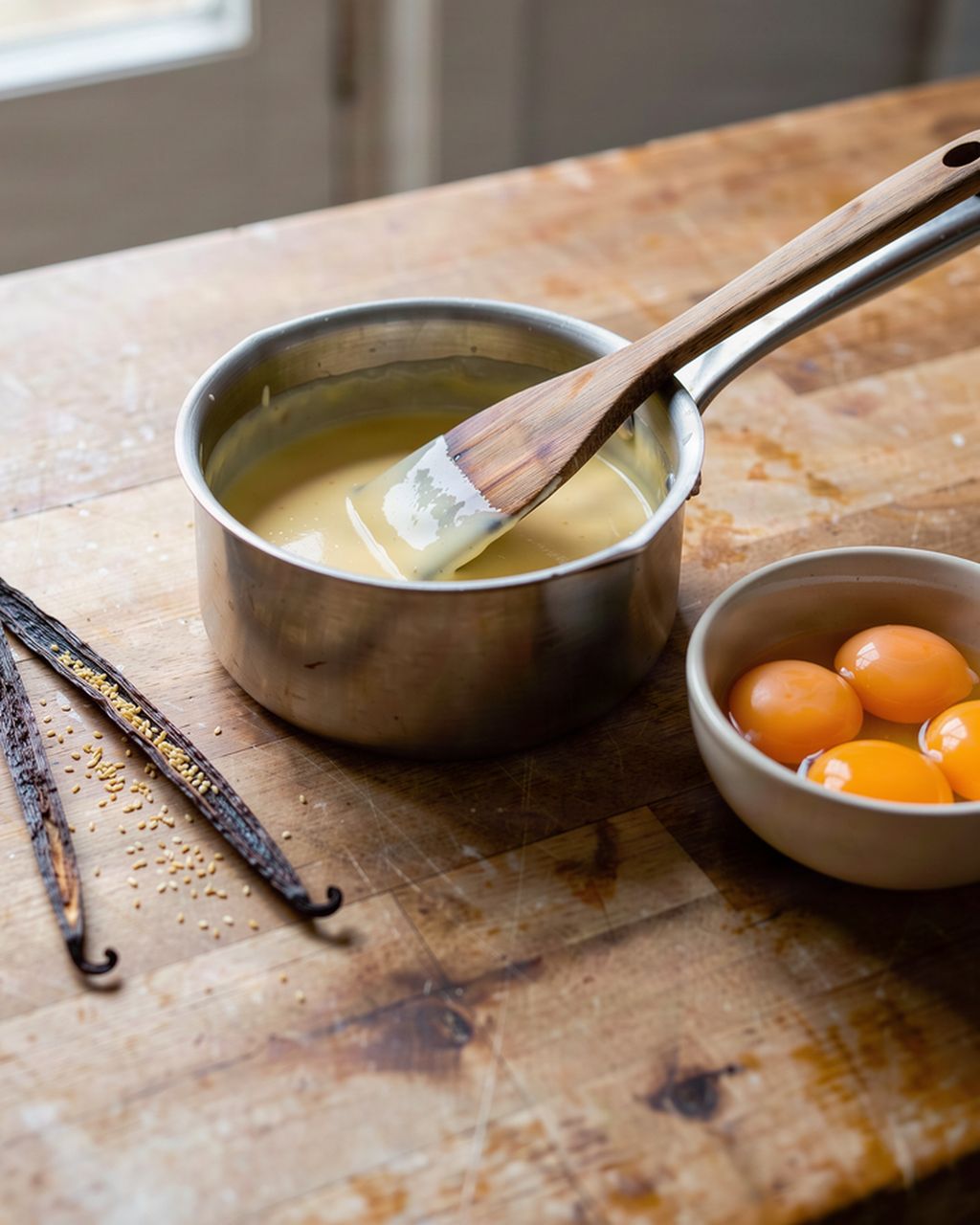
Infuse the vanilla. Split the bean lengthwise, scrape out the seeds with a knife and add them, along with the pod, to the remaining 400 ml of milk with the sugar and salt. Bring it to just below a boil, take it off the heat and let it stand covered for 15 minutes. Then remove the pod.
Thicken. Heat the milk again, pour in the starch mixture while whisking constantly, and keep stirring until it thickens.
Cook for a full minute. As soon as bubbles start to form on the surface, keep stirring over low heat for another 60 seconds. Only now is the starch fully cooked and the pudding free of any floury taste.
Finish and cover. Off the heat, stir in the butter, pour into bowls and press plastic wrap right onto the surface so no skin forms. Chill for 2–3 hours in the fridge until set.
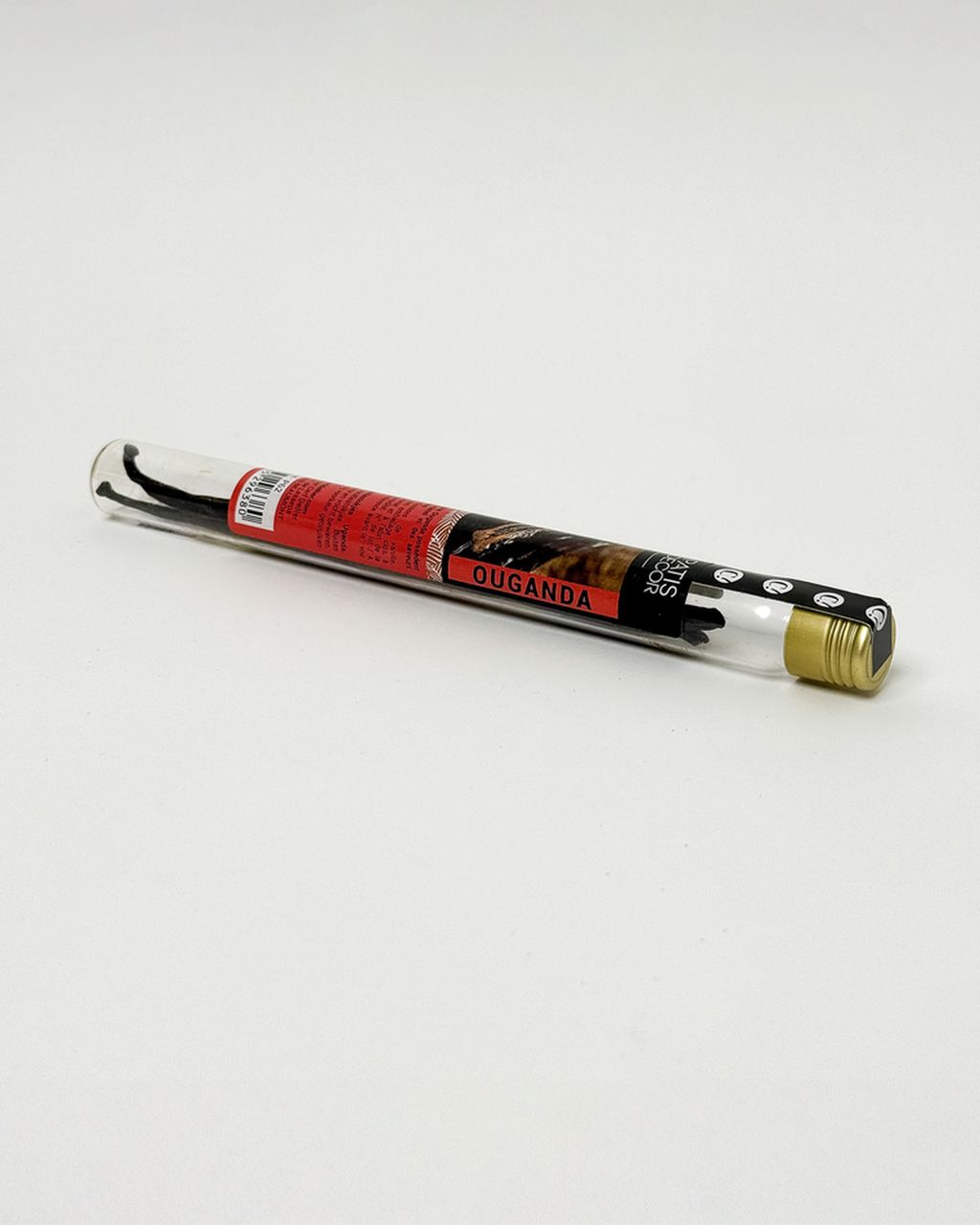
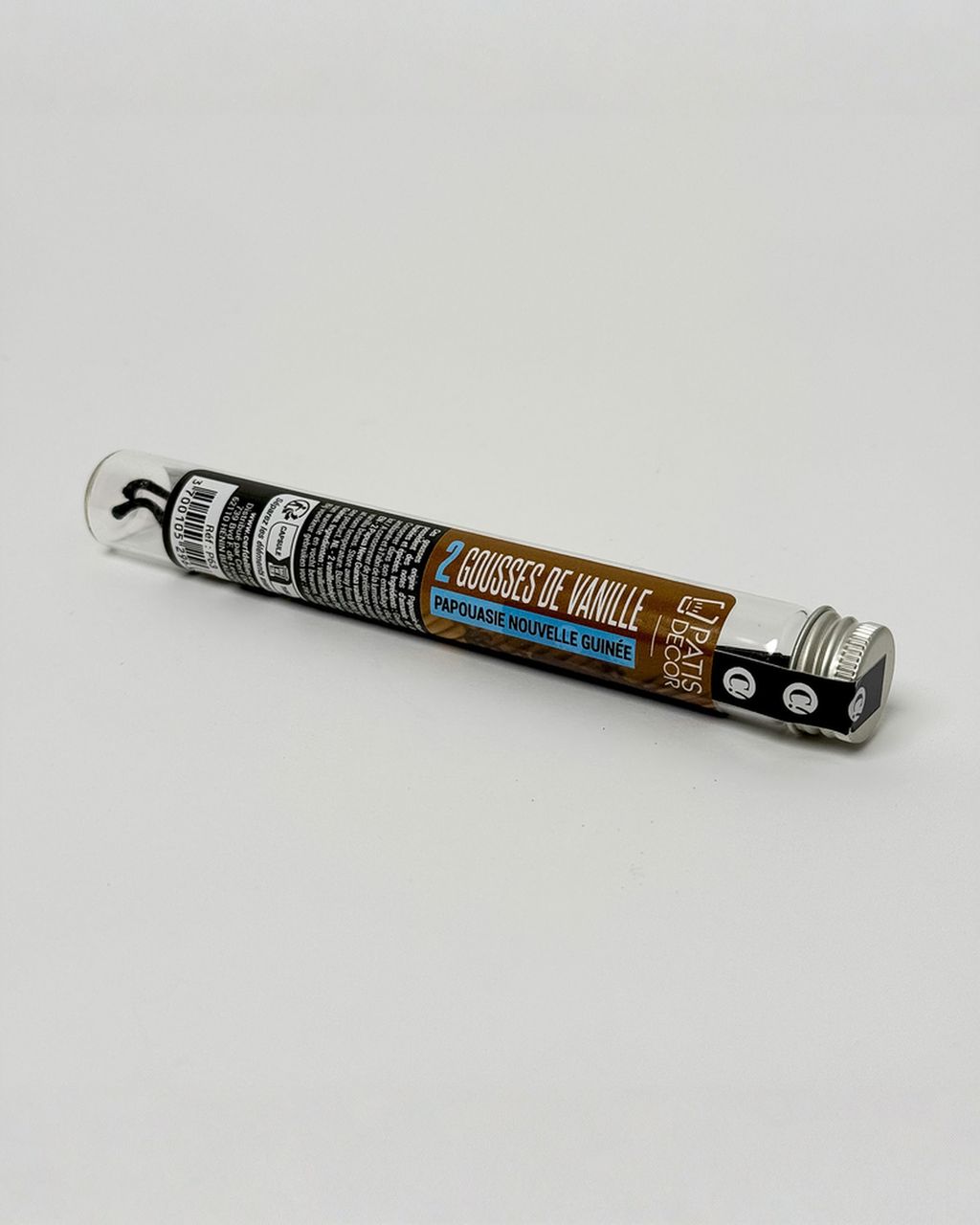
Which bean? Ugandan vanilla tends to be full and creamy, with notes of dried fruit and cocoa – in pudding it tastes the most like "vanilla". Vanilla from Papua New Guinea is usually fruitier and more floral, and suits recipes where you want the vanilla to shine on its own. You'll find both among the vanilla beans and vanilla on Yumsto.
Don't throw away the used bean. Rinse it, let it dry for a day and tuck it into a jar of sugar – in two weeks you have your own vanilla sugar. You can use vanilla extract or paste (1 teaspoon of extract per 500 ml, stirred in off the heat), but artificial vanillin from a sugar packet will only bring you that familiar packet taste.
The best chocolate pudding combines cocoa for depth and chocolate for creaminess. Cocoa alone gives a dry, bitter taste; chocolate alone gives a sweet but flat result. For 4 servings:
500 ml whole milk
35 g cornstarch
15 g plain unsweetened cocoa
40 g sugar
a pinch of salt
70 g dark chocolate
Whisk the starch and cocoa into 100 ml of cold milk until smooth – cocoa dissolves in cold liquid as reluctantly as starch does.
Bring the remaining milk to a boil with the sugar and salt, pour in the mixture and, stirring constantly, cook for a minute from the first bubbles.
Take it off the heat and stir in the chopped chocolate until it melts completely and the pudding turns glossy.
There is 5 g less starch here than in the vanilla version on purpose: chocolate sets by itself as it cools, so with 40 g of starch the pudding would turn out firmer than you want.
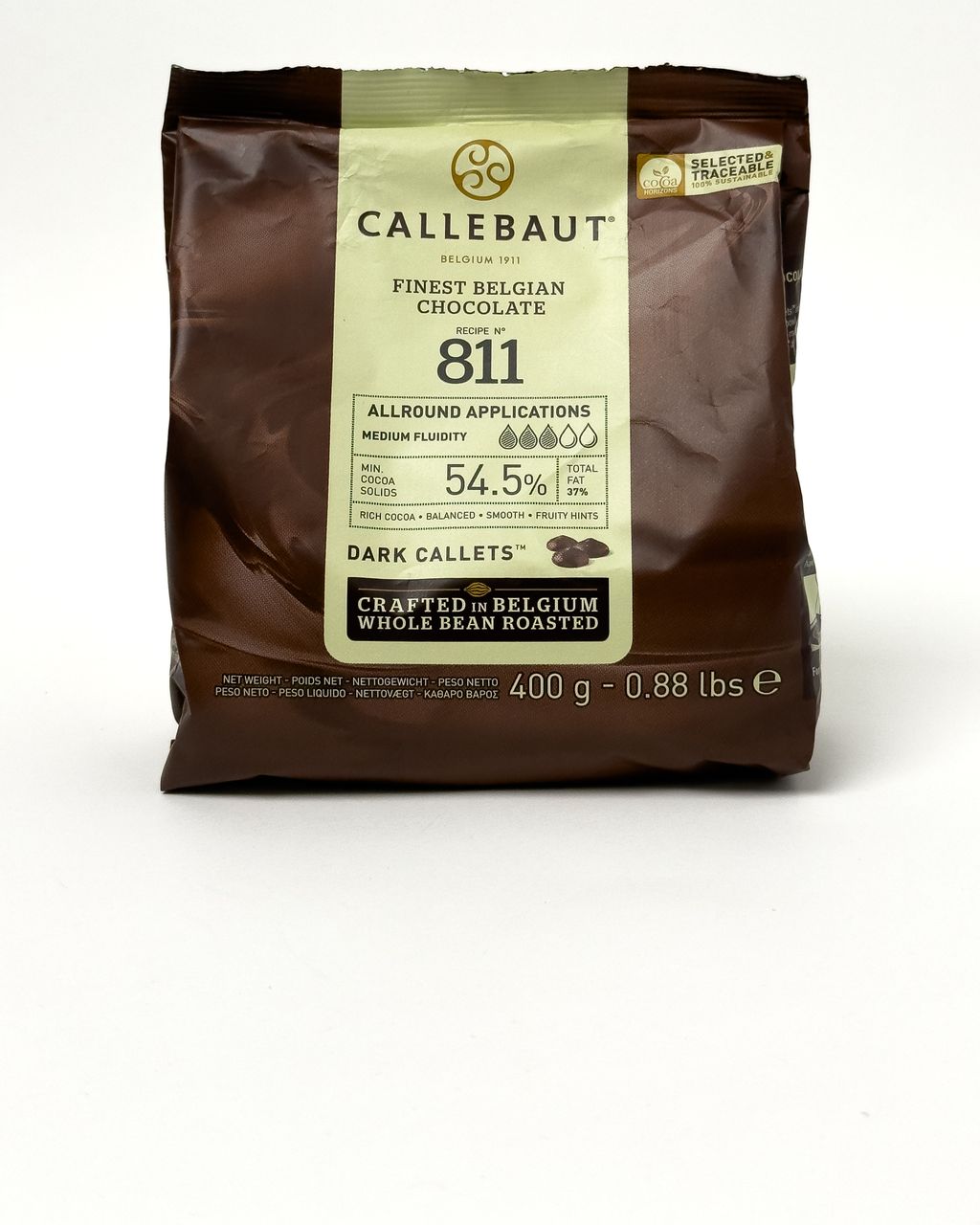
For the chocolate, reach for Callebaut 811 (54.5% cocoa) – it's a chocolate made for melting, in callets that don't need chopping, with a balanced flavor that neither overwhelms nor oversweetens the pudding. Any good dark cooking chocolate at around 50–70% works too; with 70%, reduce the sugar by 10 g. With milk chocolate, reduce the sugar to 20 g.
Runny pudding is almost always undercooked, and lumps form when the starch goes into hot milk without being dissolved first. Specifically:
Still runny after cooling – you didn't cook it for the full minute. Starch granules start swelling at around 70 °C (158 °F), but only reach full strength at a boil.
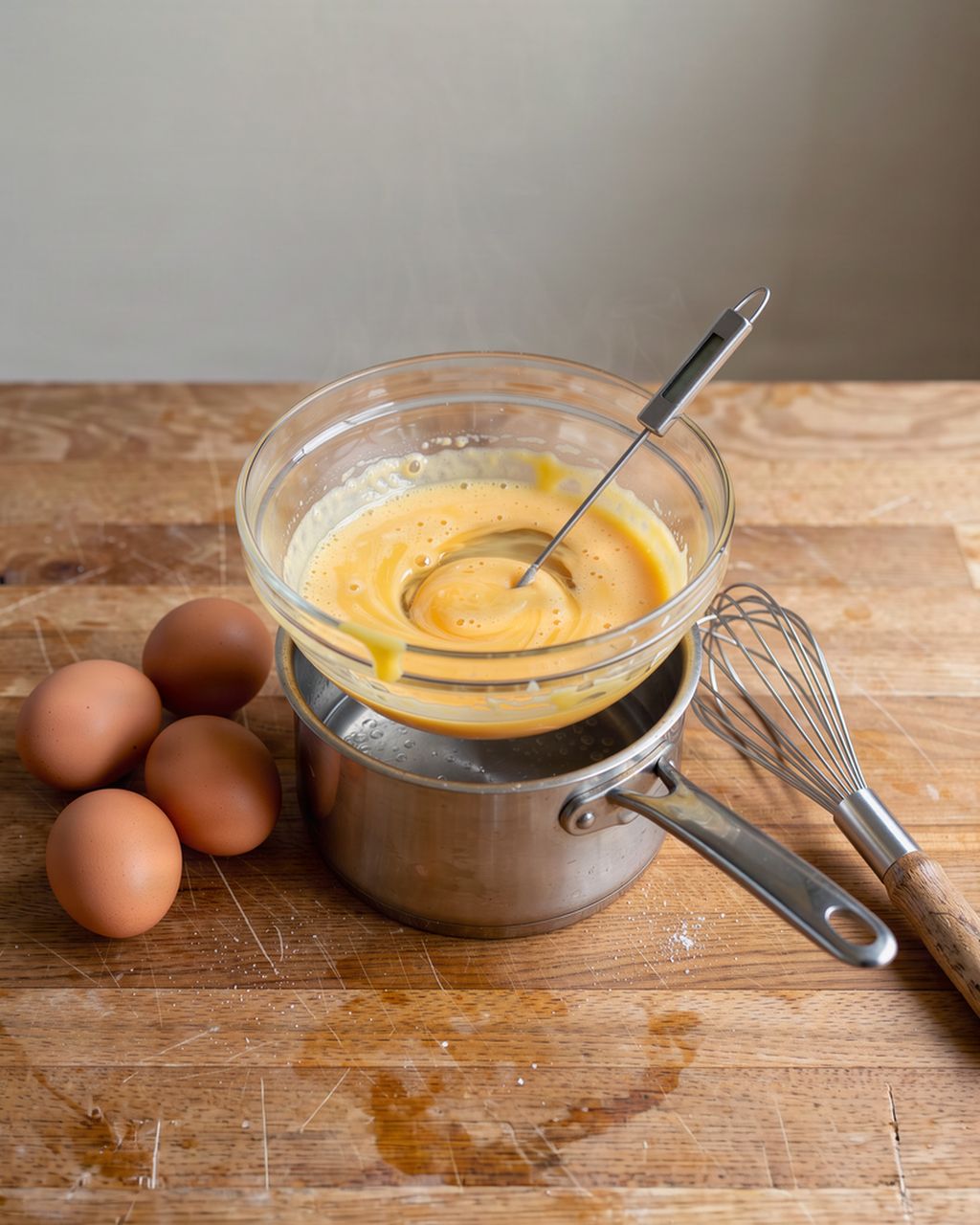
Set, then thinned out the next day – most often because of egg yolks. They contain the enzyme amylase, which breaks down starch; according to pastry sources, it is destroyed only close to boiling point. So always let pudding with yolks bubble for a minute – the eggs won't scramble in a starch mixture.
Lumps – the starch wasn't dissolved in cold milk, or you stopped stirring while it was thickening. Rescue it with an immersion blender or by pushing it through a sieve.
Scorched bottom – too much heat and too little stirring. Cook over medium heat in a heavy-bottomed pot and run the whisk around the edges too. Don't scrape the scorched layer into the pudding.
Tastes floury – again, undercooked starch, or you thickened it with flour.
Rubbery – too much starch. Next time use 10 g less.
You can use homemade pudding as a fruit pudding, as a pudding layer in pies and cakes, as a buttercream-style pudding filling, or in layered glass desserts:
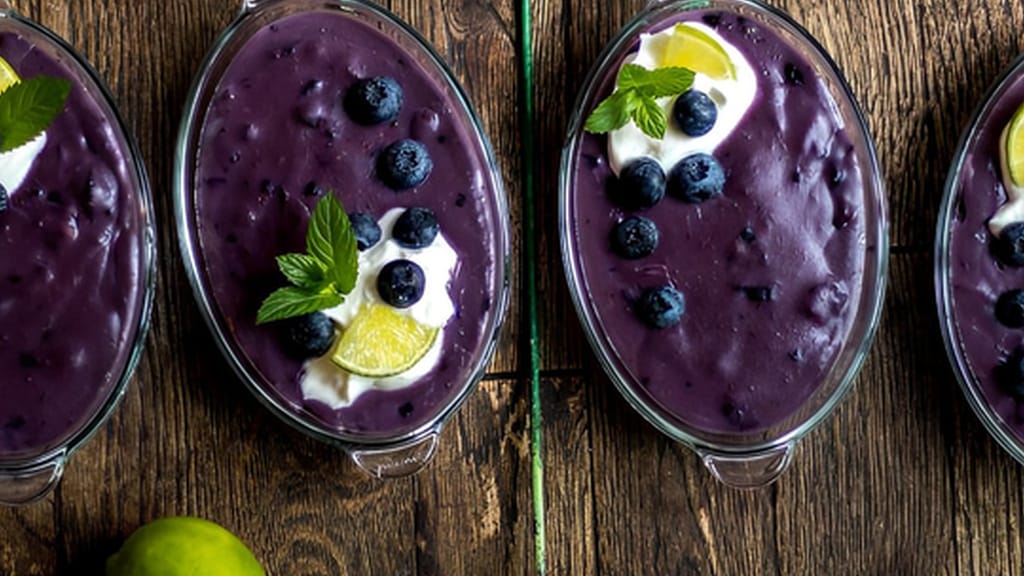
fruit pudding – replace part of the milk with fruit purée or stir fruit into the pudding; see an example in the recipe for blueberry pudding
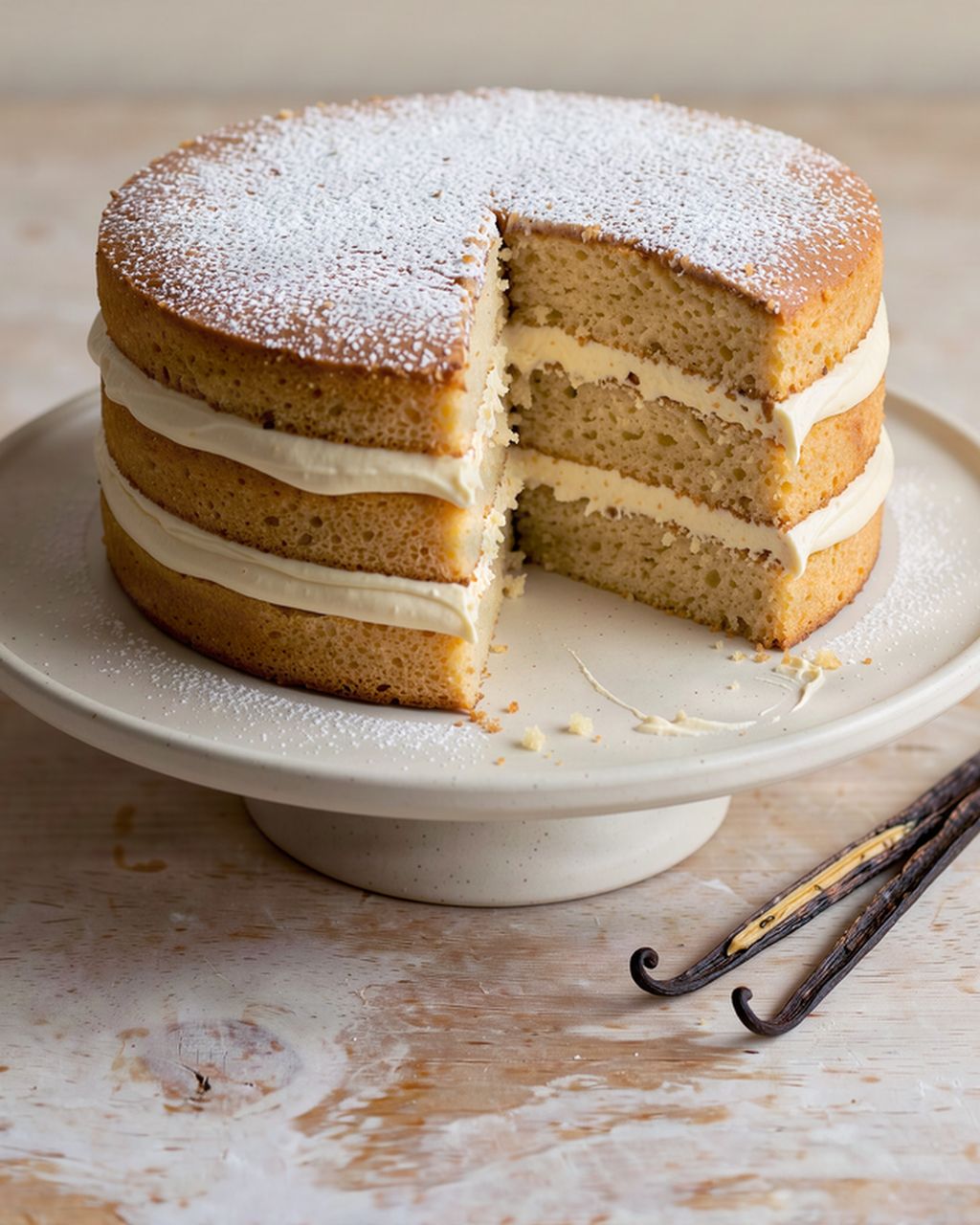
pudding layer in pies and cakes – make the firm version with 50–60 g of starch, as in the rhubarb cake with pudding and quark
pudding cream – whip cooled pudding with soft butter; if you want a French pastry cream instead of a starch pudding, see how to firm it up into crème diplomate or mousseline
layered glass desserts – layers of pudding, cookies and fruit can be made a day ahead; there are more ideas in desserts in a glass
If instead of pudding you want a pourable vanilla sauce thickened only with egg yolks, that's crème anglaise – a different technique, with no starch and no boiling.
Blueberry pudding
Blueberry pudding – homemade pudding with fruit instead of a packet
Homemade pudding keeps in the fridge for 2–3 days, covered with plastic wrap pressed onto the surface. Eat pudding made with egg yolks within two days. If it starts to weep liquid or smells sour, throw it out.
We don't recommend freezing it – cornstarch pudding weeps water once thawed and turns grainy and spongy. If you need to make it ahead, cook it the day before and keep it in the fridge.
Yes, ideally with oat or soy drink, which are full-bodied and thicken well. Almond and rice drinks come out thinner, so add an extra 5 g of cornstarch to them. Canned coconut milk diluted half and half with water makes a distinctly creamy chocolate pudding.
Add 2 egg yolks per 500 ml of milk – the pudding turns yellow and becomes creamier. Whisk the yolks with the cornstarch in cold milk, then let the pudding bubble for a full minute, otherwise it could thin out the next day. A pinch of turmeric will also color it, but you can taste it in a delicate vanilla pudding.
Yes, but you have to cook the honey with the milk, or the pudding may thin out by the next day. Honey contains the enzyme diastase (amylase), which breaks down starch – just like egg yolks do. So dissolve it in the milk right at the start, then cook the pudding for a full minute from the first bubbles; honey stirred in off the heat would thin the pudding. Maple syrup is cooked for a long time during production, so you can add it at the end. Use erythritol and similar sweeteners according to the instructions on the package.
One recipe worth heating the oven for, one tip, and one deal from the shop. Nothing else.