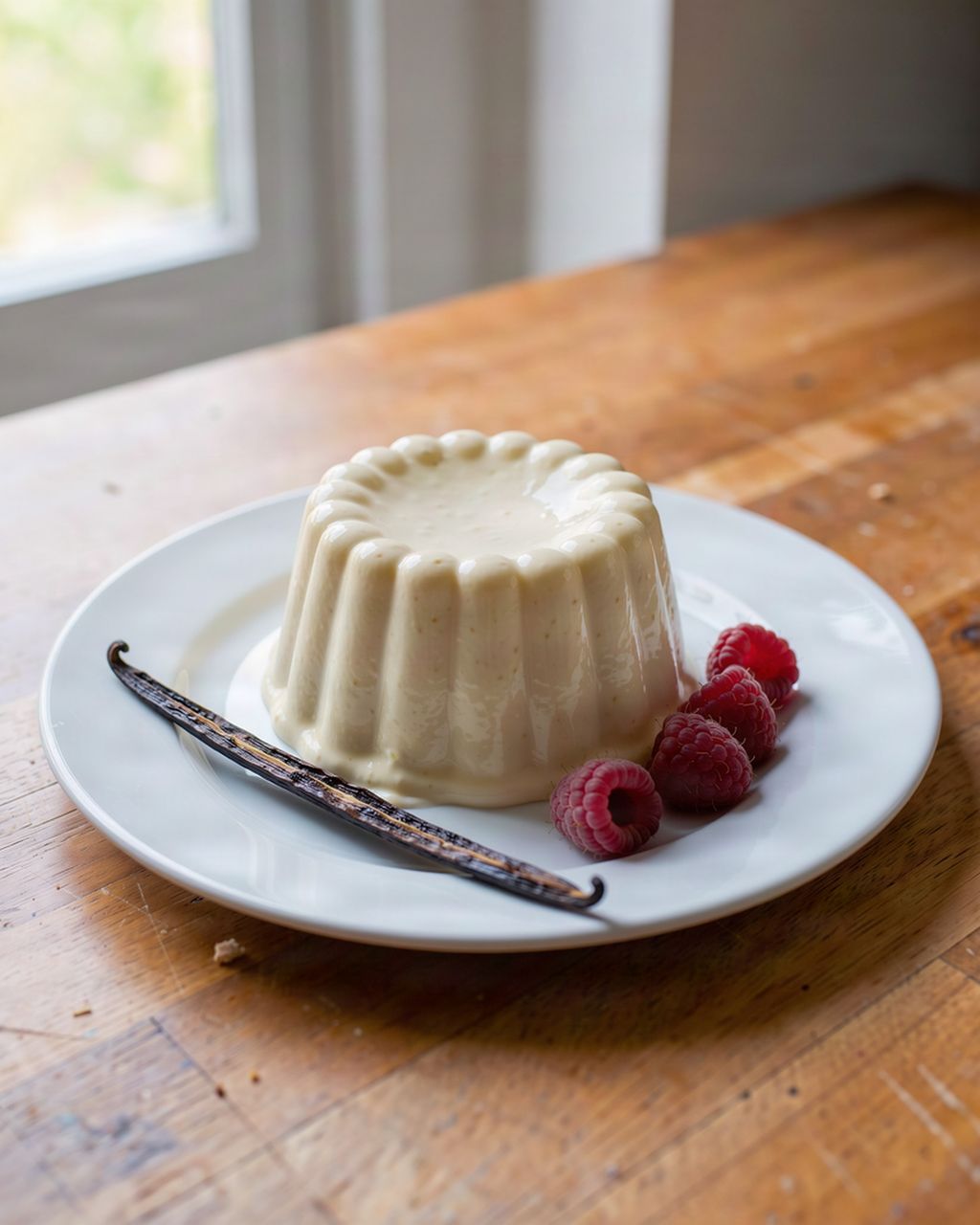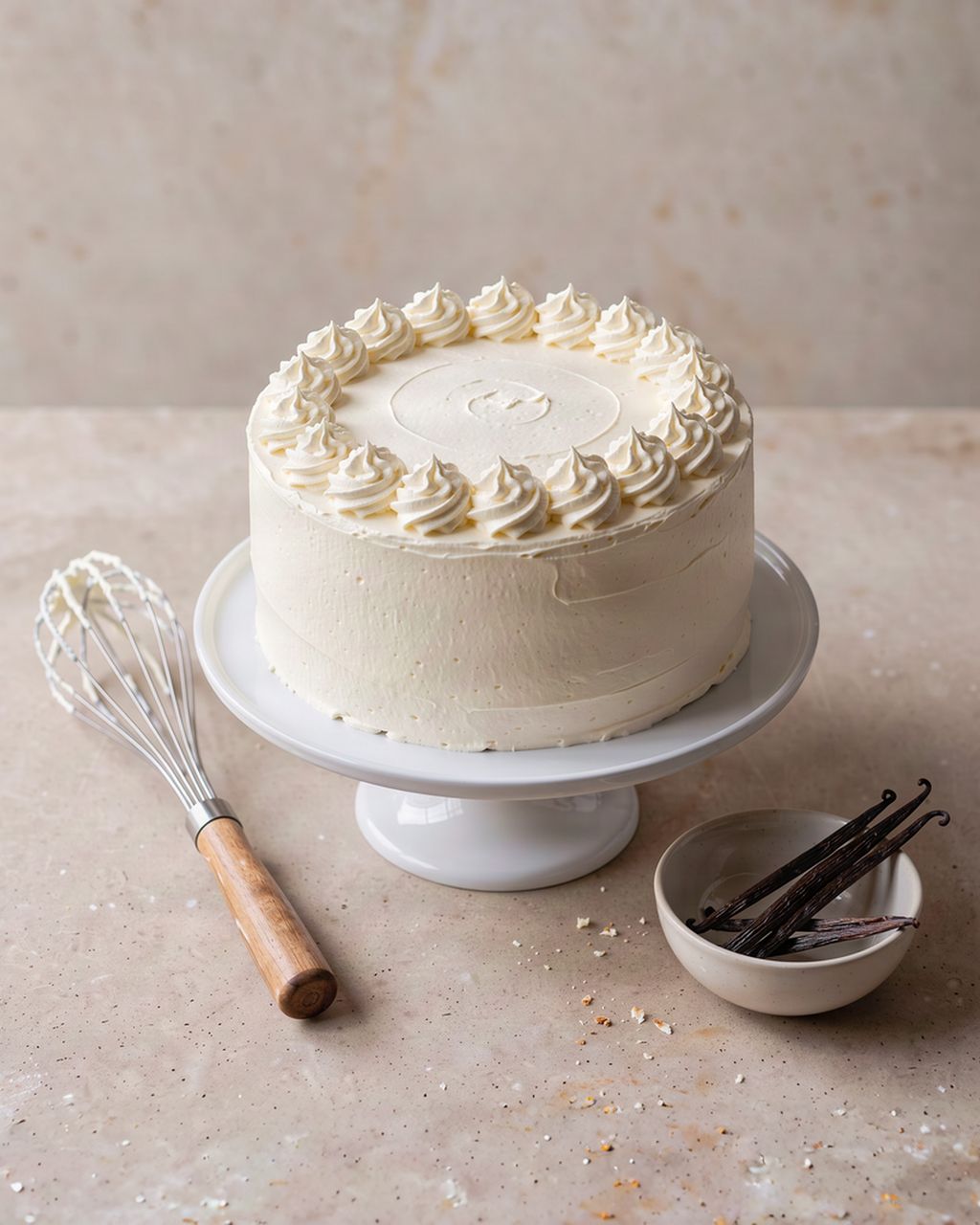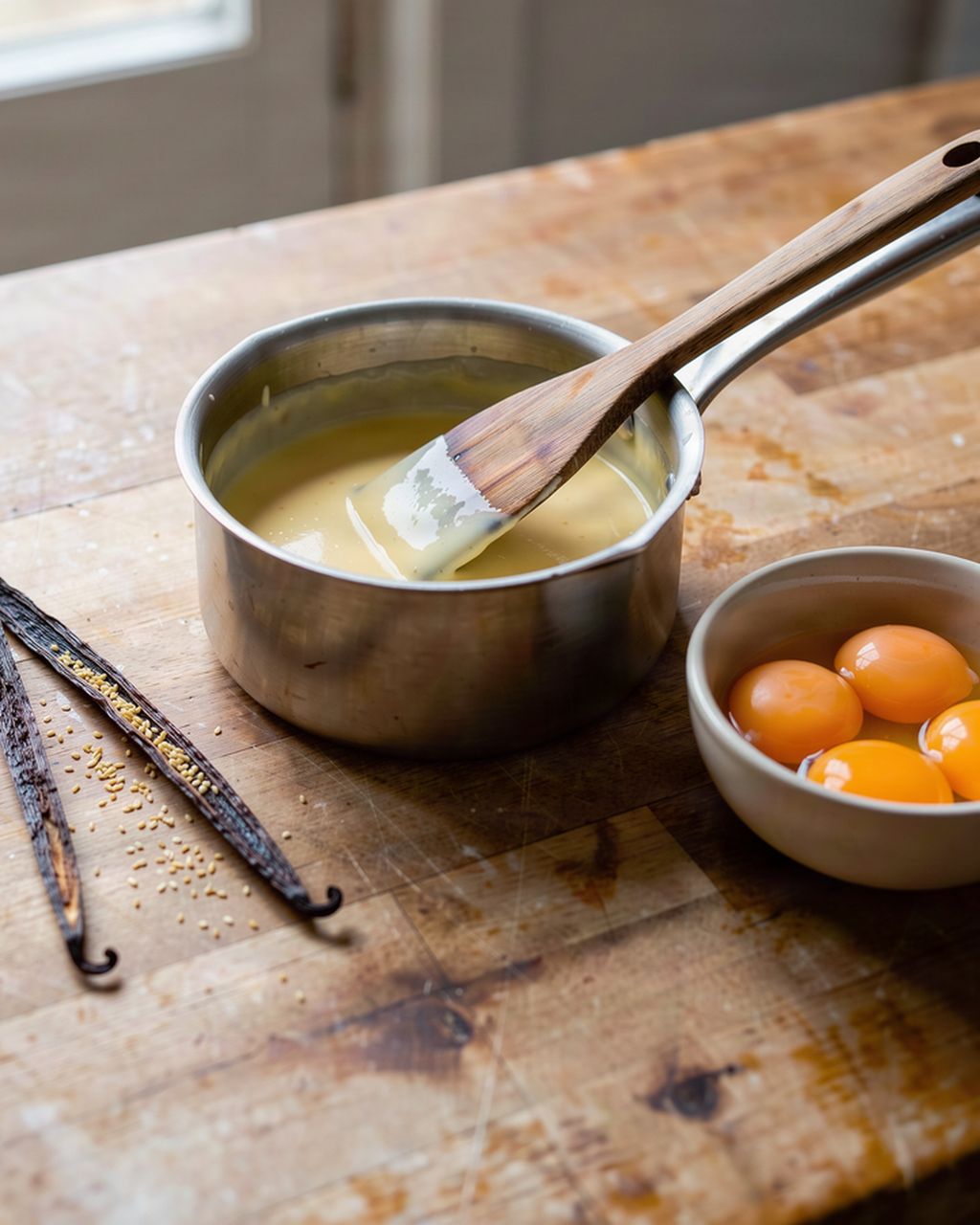
Strawberry fraisier cake
Crème Diplomate and Mousseline: How to Firm Up Pastry Cream for Cake Filling
Updated Oct 15, 2026
Crème diplomate is a pastry cream lightened with whipped cream and set with gelatin, while crème mousseline is the same base enriched with butter. Plain crème pâtissière is great in choux puffs and tartlets, but between cake layers it squishes out under the weight of the sponge. Diplomate stays light and airy; mousseline stays dense and sliceable, like buttercream. Here you'll find exact ratios in grams, the temperatures at which the cream holds, and what to do if it splits.
Choose diplomate for a light, whipped-cream-style cake with fruit, and mousseline for a cake that has to hold its shape and bear weight. Both start the same way – with finished, chilled pastry cream. You'll find how to cook it smooth and lump-free in our article on crème pâtissière step by step. The difference lies in how you firm it up:
Crème diplomate = pastry cream + whipped cream (roughly 2:1) + gelatin. Light and cooling, with a delicate, milky flavor. Gelatin gives it structure, so it holds a clean edge when cut but melts in your mouth.
Crème mousseline = pastry cream + butter (25–50% of the weight of the cream). Dense, velvety and noticeably richer. The butter gives it structure by setting in the fridge – which is why it holds up tall cake sides even without a ring.
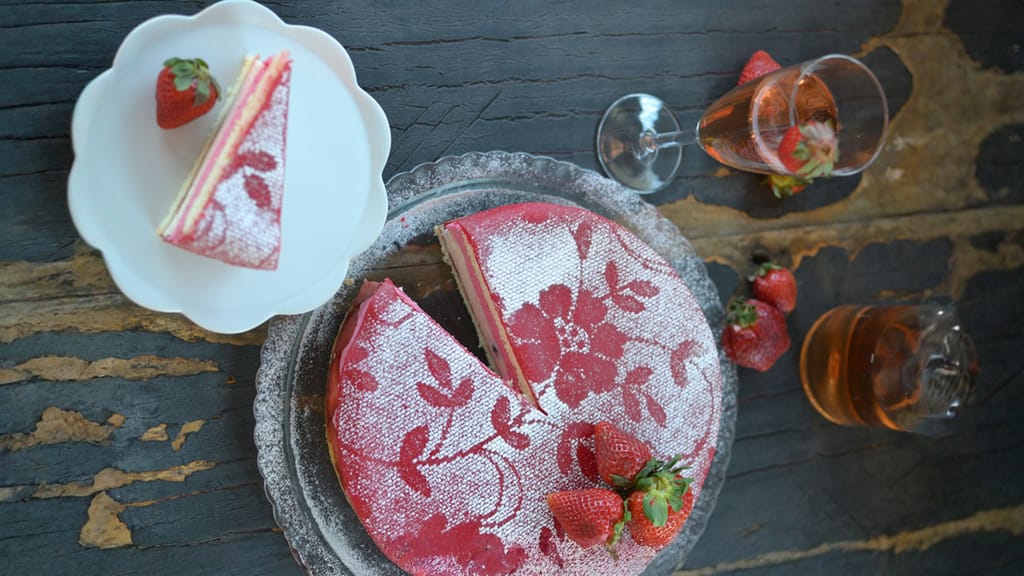
A handy rule of thumb: if you want the cream to taste like a light vanilla mousse, make diplomate. If you need the cake to survive transport and piped decoration, make mousseline. The classic strawberry fraisier cake is made with mousseline precisely because the cream between the strawberries around the sides has to stand straight.
Diplomate holds in a cake thanks to gelatin dissolved in the warm cream and whipped cream folded in only once the pastry cream has cooled. Without gelatin, diplomate is a wonderful filling for éclairs or tartlets that are eaten right away, but in a cake it would start to slump within a few hours.
Use 6 g of 200 Bloom powdered gelatin for 500 g of pastry cream and 250 g of cream; for a cake with exposed sides in a ring, use 8 g. That works out to roughly 0.8–1% of the total weight of the cream.
Filling for éclairs, tartlets and choux puffs: 0–3 g – the cream should be soft and creamy.
Filling between the layers of a cake you'll cover with cream: 6 g – it holds, but is still delicate.
Cake built in a ring with a visible layer of cream (fraisier style): 8 g – it holds a sharp edge when cut.
More than 10 g makes the cream rubbery and loses the airiness you're making diplomate for in the first place.
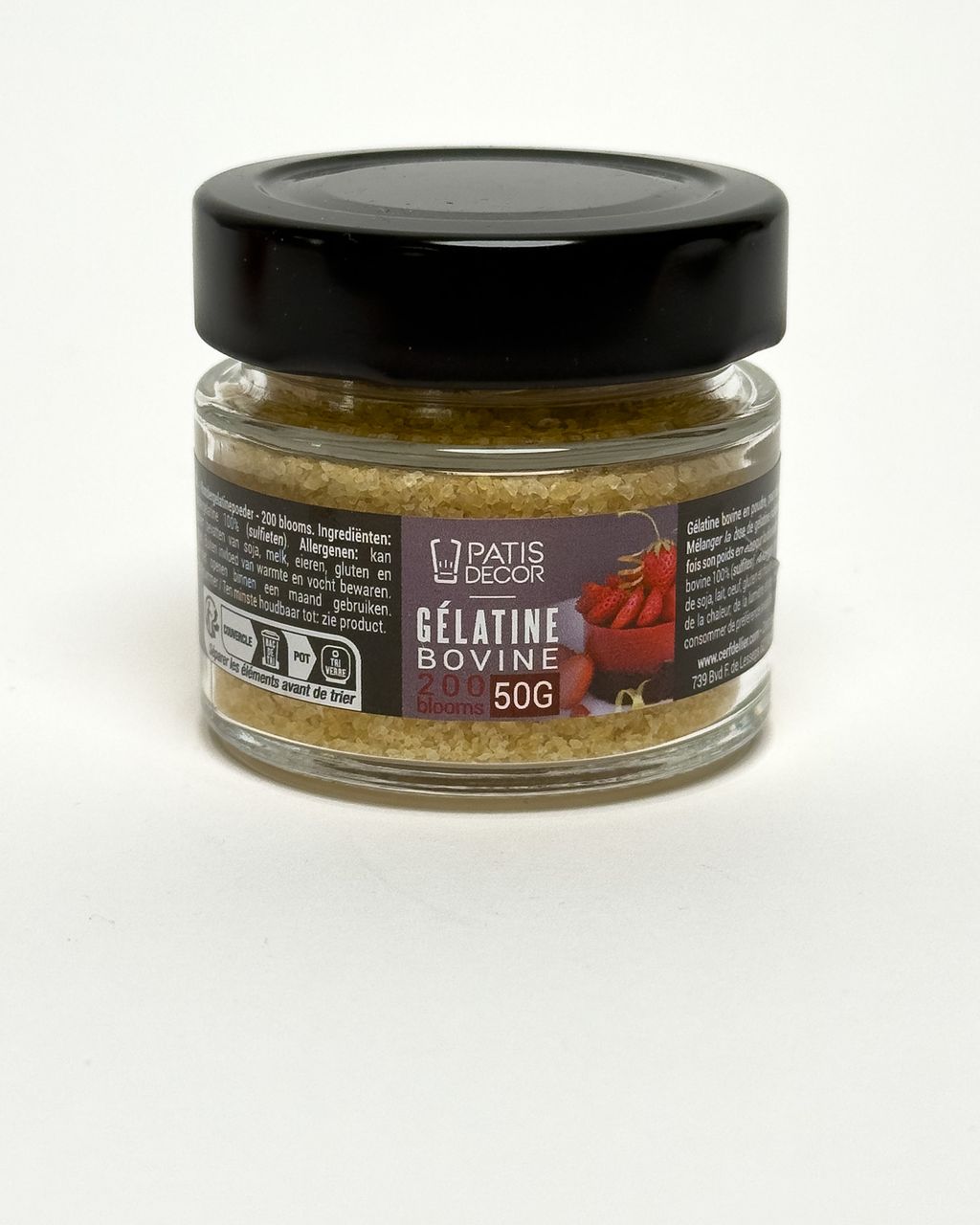
These figures apply to gelatin with a strength of 200 Bloom. Weaker gelatins need more and stronger ones less – which is why it pays to work with a gelatin whose strength you know. You'll find powdered gelatin with the Bloom strength stated among the gelling agents and binders: you can weigh it to the exact gram and don't have to convert numbers of sheets.
Dissolve the gelatin in the hot cream, cool the cream to 20–25 °C (68–77 °F), and only then fold in softly whipped cream.
Let the gelatin bloom. Sprinkle 6 g of powder over 36 g of cold water (a ratio of 1:6) and leave it for 10 minutes. Sprinkle the powder into the water, not the water onto the powder – otherwise you'll get lumps.
Dissolve it in the hot cream. Right after cooking the pastry cream (it's around 80 °C / 176 °F), whisk in the bloomed gelatin. The heat will dissolve it completely. Don't boil the gelatin – prolonged boiling weakens it.
Cool the cream under plastic wrap. Pour it into a shallow bowl, press plastic wrap directly onto the surface (to prevent a skin) and chill in the fridge to 20–25 °C (68–77 °F). It must not set completely.
Whisk the cream smooth. Chilled cream is jelly-like – whisk or stir it with a spatula until smooth, otherwise the whipped cream will form lumps in it.
Whip the cream to soft peaks. Whip 250 g of 33% whipping cream (ideally 35–36%) only until the peak on the whisk droops. Cream whipped stiff splits as you fold it in, and the cream turns grainy.
Fold in the whipped cream in three batches. Feel free to stir in the first third thoroughly to loosen the cream; fold in the rest gently, drawing the spatula up from the bottom.
Fill the cake right away. The gelatin starts to set within 15–20 minutes. Then chill the cake for at least 4 hours, ideally overnight.
Mousseline is made by beating butter into pastry cream – half into the warm cream (around 60 °C / 140 °F), and the rest of the softened butter whipped into the cream once it has cooled to 20–22 °C (68–72 °F). For 500 g of cream, use 125–250 g of butter with 82% fat:
125–165 g (25–33%) – a softer, creamy mousseline for slices and tartlets.
250 g (50%) – a firm mousseline for a cake that has to hold its sides, and for fraisier.
This is the method that works most reliably:
Whisk half the butter into the warm cream. After cooking, let the cream cool for a while to 60 °C (140 °F), then whisk in half of the butter. It melts, the cream softens and then combines more easily with the rest.
Cool to 20–22 °C (68–72 °F) under plastic wrap. Don't chill it until cold in the fridge – cold cream won't combine with butter.
Whip the remaining butter. Beat the softened butter (20 °C / 68 °F, a finger slides into it easily) for 3–5 minutes, until pale and fluffy.
Add the cream a spoonful at a time and keep whipping until smooth and glossy.
Mousseline hardens like butter in the fridge. Take the cake out 20–30 minutes before serving – otherwise the cream will be stiff and the flavor will be muted.
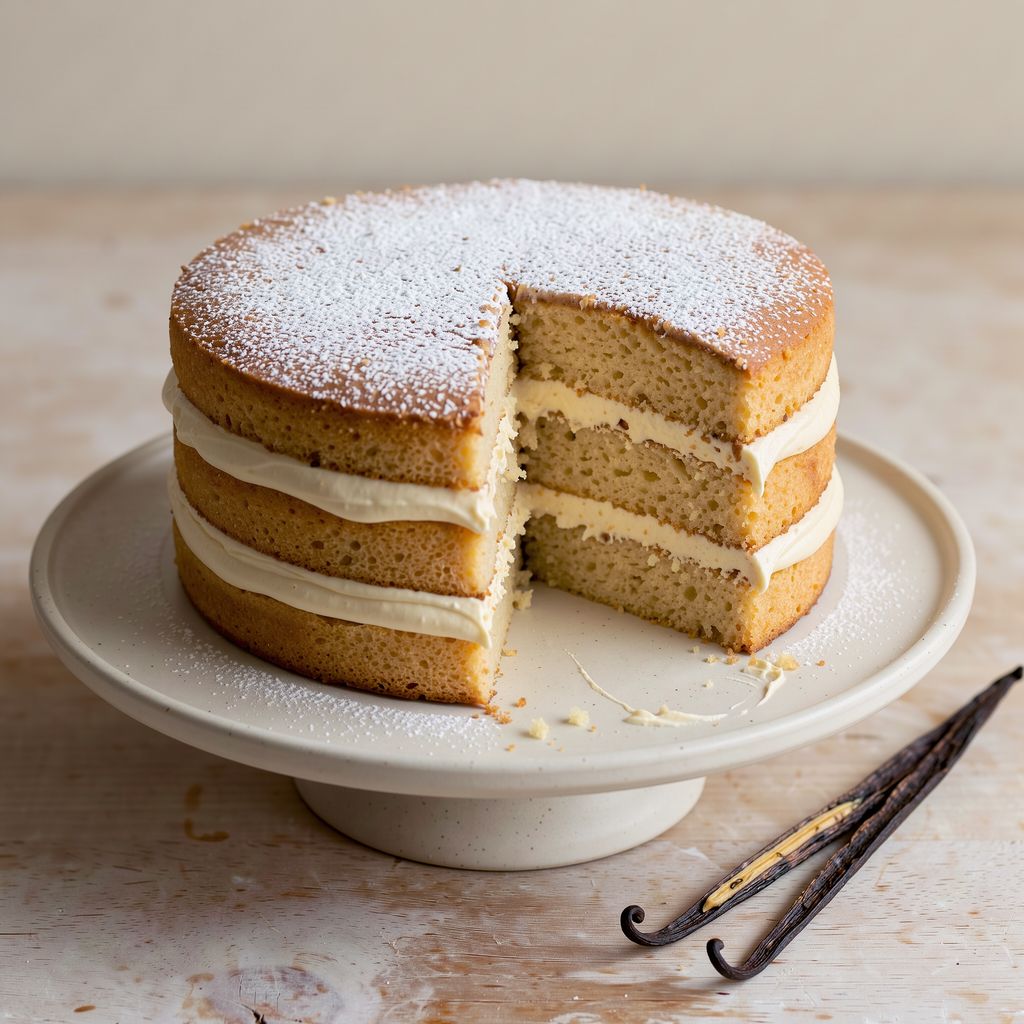
Strawberry fraisier cake
Strawberry fraisier cake with mousseline cream
Split mousseline is almost always a temperature problem, and it can be saved. The cream and butter must be at the same temperature – a difference of just a few degrees is enough to cause trouble.
The cream is grainy, like cottage cheese → the mixture is too cold and the butter has set in little bits. Warm the side of the bowl with a hair dryer or hold it over warm water for 5–10 seconds, and keep whipping. It usually comes together within a minute.
The cream is thin, glossy and runny → the mixture is too warm and the butter is melting. Put the bowl in the fridge for 10–15 minutes, then whip again.
The cream is greasy and the butter is separating → the butter was overheated or melted. Chill the cream and whip it with 1–2 tablespoons of cold pastry cream.
Never add more butter or sugar to "fix" the cream – you'll change the ratio and the problem will stay.
In diplomate, powdered and sheet gelatin work equally well as long as you know their Bloom strength; agar isn't suitable. The difference is mainly a practical one:
Powdered gelatin – you weigh it to the gram, so you can scale the recipe to any quantity. It blooms in water at a ratio of 1:5 to 1:6. Beef gelatin at 200 Bloom is neutral in taste and smell.
Sheet gelatin – convenient; it blooms in any amount of water and you just squeeze it out before use. Depending on the type, one sheet weighs roughly 1.7–2.5 g (platinum 1.7 g, gold 2 g, silver 2.5 g) and the strength varies. Always count in grams, not sheets. Gold sheets are around 200 Bloom, so you can swap them for 200 Bloom powder 1:1 by weight.
Agar – a plant-based alternative, but it behaves completely differently in cream: it has to be boiled, it sets at around 35–40 °C (95–104 °F) (that is, before you can fold in the whipped cream) and gives a brittle, snappy gel instead of a delicate one that melts in your mouth.
Vegetarian version without gelatin: for 500 g of chilled pastry cream, whip 150 g of mascarpone with 200 g of cream to soft peaks and fold it into the cream just like whipped cream. The fat in the mascarpone firms the cream up in the fridge, but it holds more softly than gelatin – it suits layers in a cake covered with cream, not open sides in a ring. Chill the cake overnight. When you need a truly firm cream without gelatin, choose mousseline.
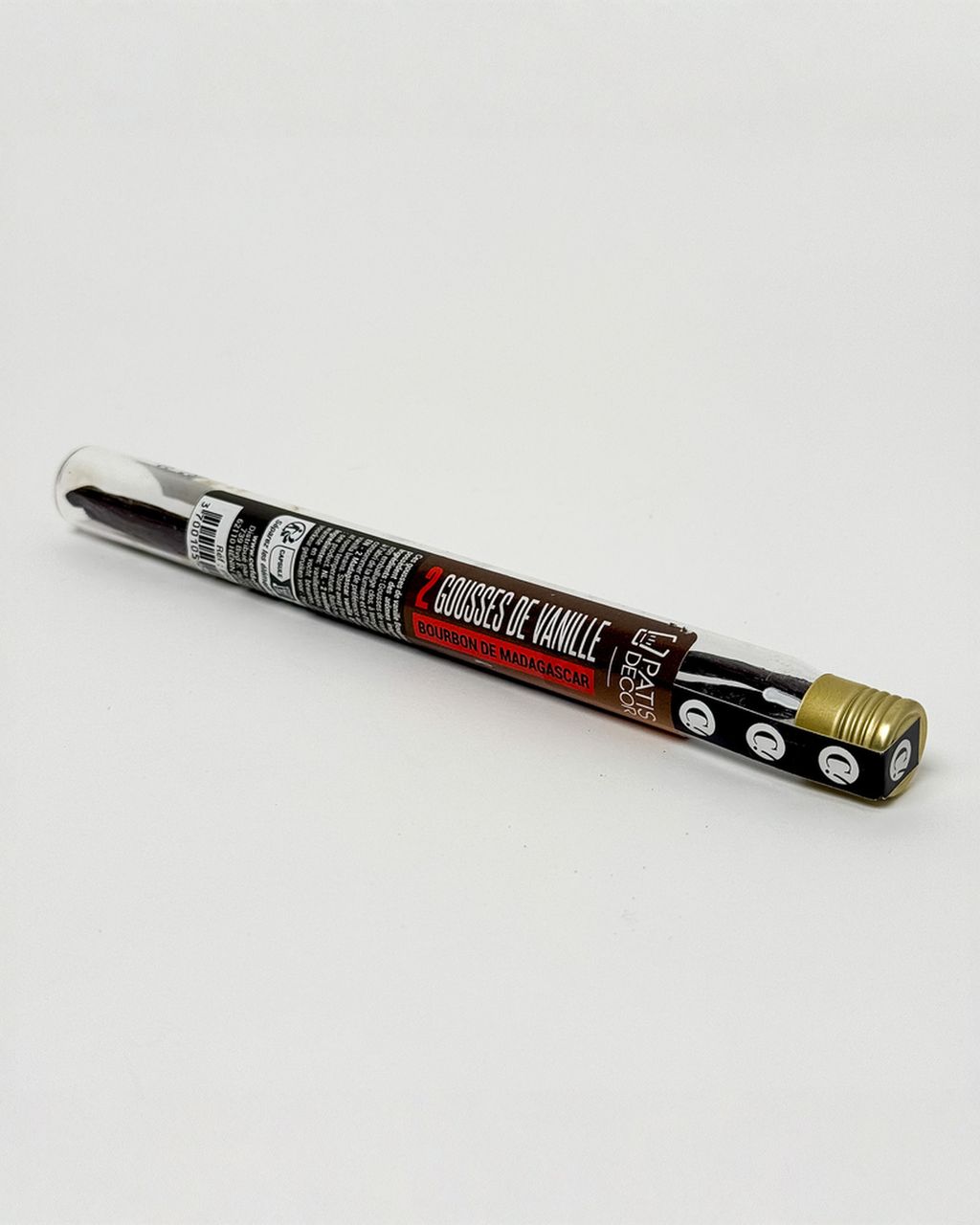
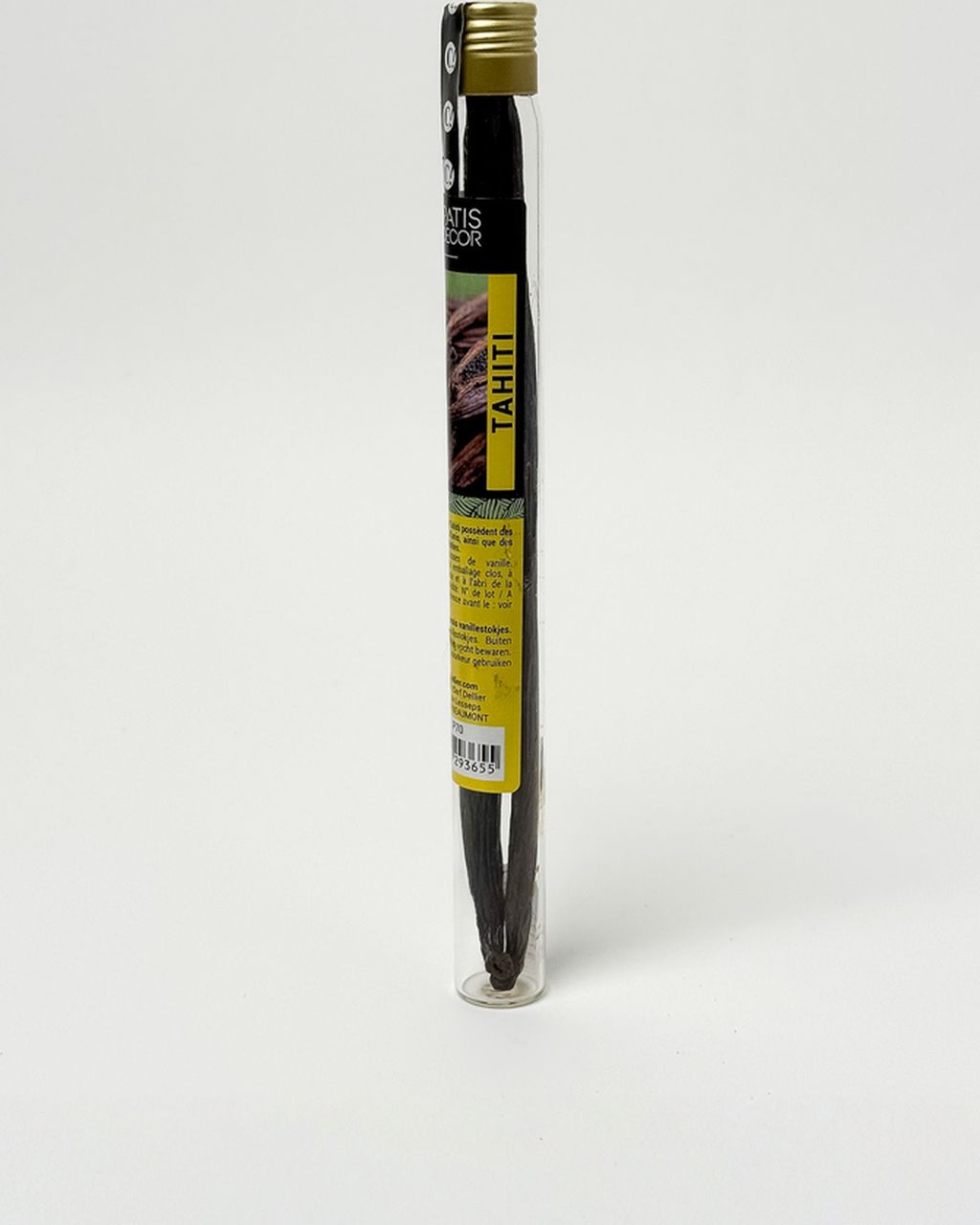
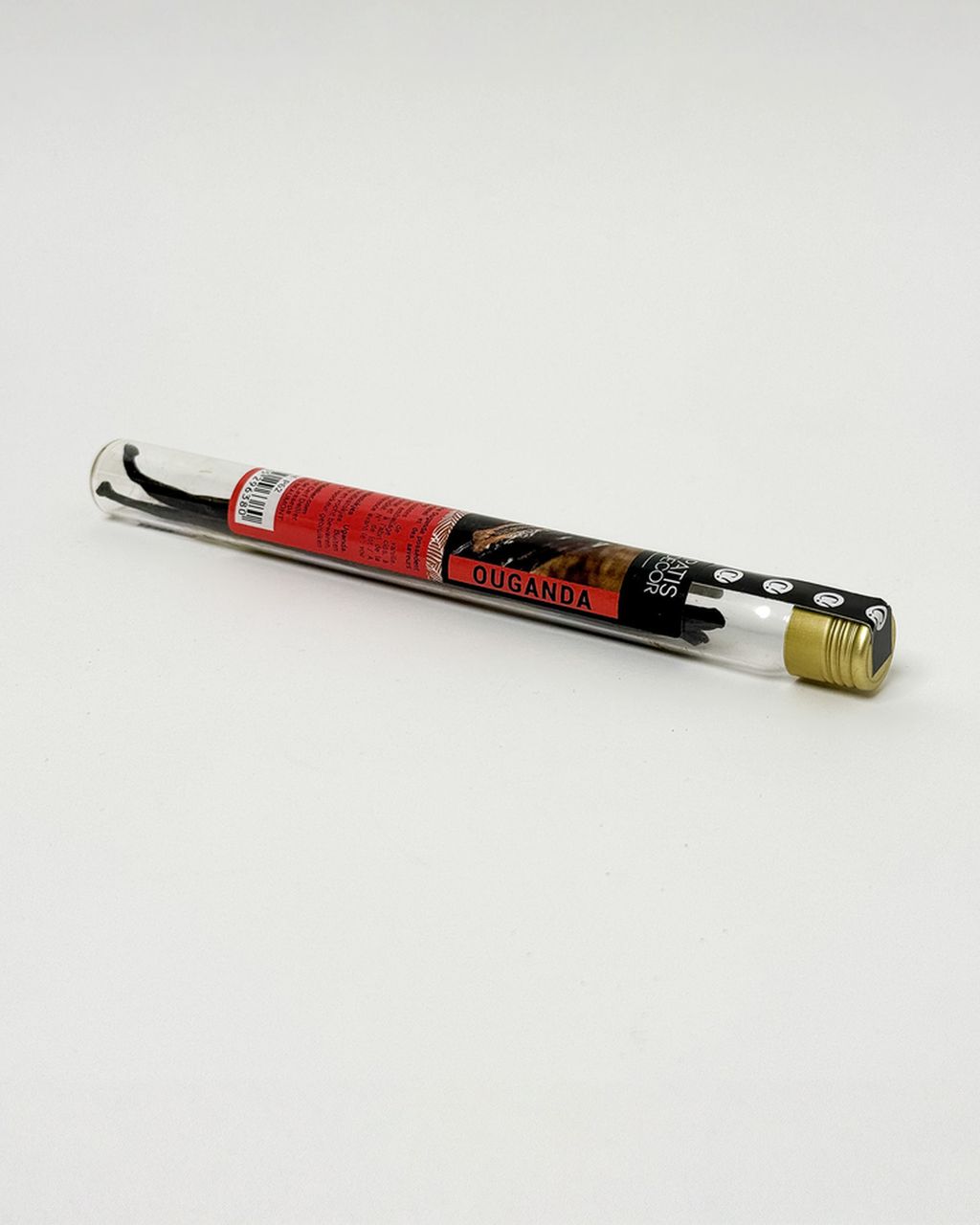
A vanilla bean gives pastry cream the fullest flavor and the classic black specks; use 1 bean per 500 ml of milk. Split it lengthwise, scrape the seeds into the milk and add the pod too – during heating and 15–30 minutes of infusing, it releases more aroma than the seeds alone. Then take the pod out, rinse it, dry it and put it in sugar to make vanilla sugar.
Bean – the best flavor, with the most aromatic compounds of all. It pays off most in diplomate and mousseline, where vanilla is the main flavor.
Vanilla paste – seeds in syrup; the specks stay in the cream, the flavor is good and it's easy to measure (about 1 teaspoon in place of a bean).
Vanilla extract – flavor without specks, but some of the aroma evaporates during cooking. Add it only once the cream has cooled.
Vanillin sugar – vanillin is just one aromatic compound from vanilla, and the flavor is flat. We don't recommend it in a cream where vanilla is meant to play the lead role.
The origin of the bean changes the character of the cream: Madagascar Bourbon is classic, creamy, sweet vanilla that you can't go wrong with. Tahiti is floral and fruity, and goes beautifully with strawberries and stone fruit. Uganda is bolder, with darker, almost cocoa-like notes – it suits a chocolate sponge.
Diplomate belongs in light fruit cakes and filled pastries; mousseline in cakes that have to bear weight and stand straight.
Crème diplomate: fruit cake with raspberries or apricots, filling between layers covered with whipped cream, choux puffs, éclairs (try Ladurée-style éclairs with diplomate instead of plain pâtissière), tartlets, millefeuille.
Crème mousseline: strawberry fraisier cake with strawberries around the edge, Paris-Brest, tall layer cakes, a filling that has to survive transport.
If you want a cream that's lighter still and purely gelatin-set, with no starch base, the next step is Bavarian cream – it's made from crème anglaise instead of pâtissière. And if plain whipped cream is enough for you, see how to stabilize whipped cream for cakes with gelatin.
Eclairs à la ladurée – irresistibly delicious pastries
Ladurée-style éclairs – try filling them with crème diplomate
A cake with crème diplomate or mousseline keeps for up to 2 days in the fridge at 4 °C (39 °F). The cream contains egg yolks and milk, so don't leave it at room temperature for more than 2 hours. The texture is best on the second day, once the gelatin or butter has set completely.
Crème mousseline freezes well, crème diplomate copes with freezing less well, and plain pastry cream separates after thawing. Thanks to the butter, mousseline keeps in the freezer for about a month. Thaw it slowly overnight in the fridge, then give it a short whisk. Diplomate releases a little water after thawing, so it's better to freeze the whole finished cake than the cream on its own.
Fresh pineapple, kiwi, papaya, figs and guava contain enzymes that break down gelatin, so the cream won't set near them. Either boil these fruits briefly (heat destroys the enzymes) or use canned or stewed fruit. Strawberries, raspberries, apricots and blueberries don't affect gelatin.
Stir the chocolate or pistachio paste into the hot pastry cream together with the gelatin, before you add the whipped cream. For 500 g of cream, use 80–100 g of chopped dark chocolate or 40–60 g of pistachio paste. Chocolate firms the cream up a little on its own, so you can reduce the gelatin by about 1 g.
For a 20 cm (8 in) cake with two 1.5 cm layers of cream, you need roughly 750 g of crème diplomate, meaning 500 g of pastry cream and 250 g of cream. For an 18 cm cake, plan on about 600 g; for 24 cm, roughly 1.1 kg. The amount grows with the area of the cake, which means with the square of the diameter – that's why a cake just a few centimeters bigger needs noticeably more cream.
One recipe worth heating the oven for, one tip, and one deal from the shop. Nothing else.