Simple chocolate cake
Custom Cake Pricing: How to Calculate It from Ingredients, Time and Energy
Updated Oct 15, 2026
A custom cake price has four parts: ingredients (including waste and packaging) + your hours worked × your hourly rate + energy + overhead, plus a small buffer. Most people who bake for friends only count the ingredients, and end up working for nothing. Below you'll find the full method, a worked chocolate cake for 12 people, and a comparison with bakery price lists.
Cake price = (ingredients + 10% for waste) + (hours × rate) + energy + overhead + 10% buffer. Use this formula for every order and just plug in your own numbers.
Ingredients: everything that goes into the cake and around it, including the cake board, box and bag.
Labour: every hour from the first message with the customer to handover, not just the time at the mixer.
Energy: oven, hob, mixer, dishwasher.
Overhead: wear and tear on equipment, cleaning products, phone, travel to the shops.
Buffer: for price rises on ingredients, a sponge that doesn't turn out, and orders that drag on.
Most mistakes happen in two places: underestimating hours, and leaving out packaging and waste. Energy is the item people worry about most, yet it's the smallest, as you'll see in the example.
Calculate ingredients using the unit price (Kč per gram or millilitre) and the amount you actually use, not the price of the whole pack. If you have 100 g left over from a 400 g bar of chocolate for next time, only 300 g belongs in this cake.
Take the receipt and divide the pack price by its weight: 400 g of chocolate for 260 Kč is 0.65 Kč/g.
Weigh how much you used for the sponge, filling, glaze and insert.
Add 10% for waste: scraps left in the bowl, trimmed cake tops, cream left in the piping bag.
Don't forget packaging: cake board, box, ribbon, topper. That can easily be 60–120 Kč per cake.
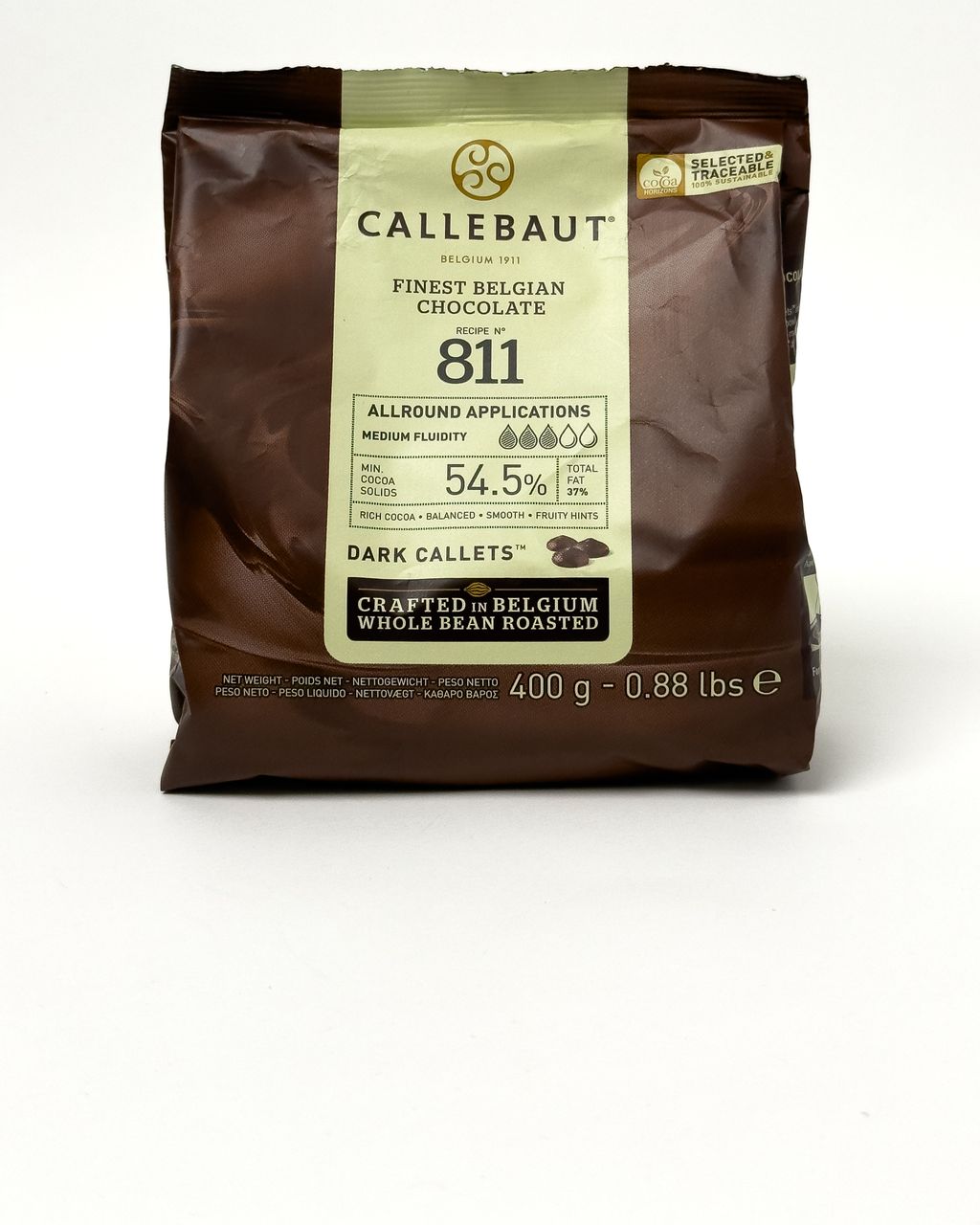
With expensive ingredients, an honest comparison pays off. Supermarket eating chocolate is often cheaper per gram, but the composition varies from brand to brand and not every bar melts well. Couverture has a guaranteed share of cocoa butter, at least 31% under the European chocolate directive (2000/36/EC). Couverture chocolate in drops, such as Callebaut 811 dark, is easy to measure and melts well, and the result is predictable, which matters doubly for custom orders. If a customer is paying for a chocolate cake, they'll taste the difference. For how to firm up a chocolate cream so the cake survives the journey, see firm ganache for cakes.
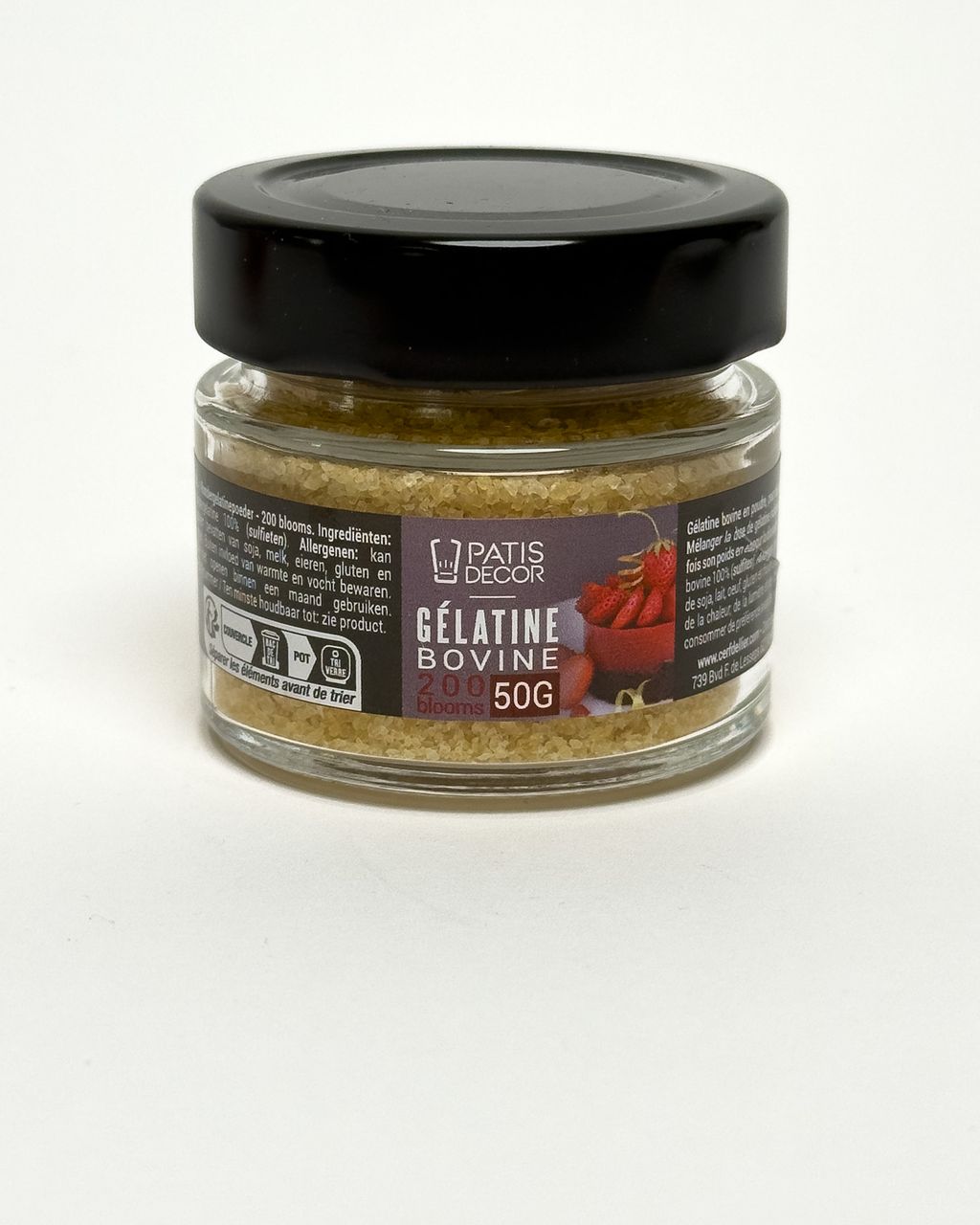
The same goes for gelatine: both sheet and powder work, and what matters is the Bloom strength. Powdered beef gelatine, 200 Bloom can be weighed to the gram, so a fruit insert or stabilised whipped cream sets equally firm every time, and you don't have to convert sheets from different brands.
Your hourly rate is what you want to earn for an hour of your work. Start with the amount you'd otherwise earn working for an employer; for home baking, a rough guide is 200–350 Kč/h. The rate covers only your time; ingredients and overhead are separate.
The number of hours matters more than the rate. Track your real time on a few cakes, and you'll find you usually underestimate these steps:
talking to the customer, planning the design, sending photos: 0.5–1 h
shopping for ingredients: 0.5 h
chilling and waiting between layers, when you can't leave: 0.5–1 h
covering the cake and sharpening the edges: 1–1.5 h, explained in detail in how to coat a cake with cream or ganache
cleaning and washing up: 0.5–1 h
handover or delivery: 0.25–1 h
For the first cake of a new type, add an extra hour. By the third time you'll be faster, and you can keep the price the same while your real hourly earnings go up.
Energy for one cake comes to roughly 15–40 Kč. According to comparison sites, an electric oven at 180 °C uses about 0.8–1.6 kWh per hour (older static ovens more, newer fan ovens less), and household electricity in 2026 costs roughly 4.50–7.50 Kč/kWh including distribution and VAT according to comparison services (average around 6 Kč), and over 8 Kč on some tariffs and with some suppliers. You'll find your exact figure on your bill.
Work it out like this:
oven: baking hours including preheating × 1.2 kWh
hob and mixer: usually 0.3–0.6 kWh for the cream and glaze
dishwasher: one cycle is around 1 kWh
multiply the result by your price per kWh from your bill
If you bake with gas, plug in the gas price; the order of magnitude is similar. So do count energy, but don't make it the main argument for your price. What separates a cheap cake from an honestly priced one is hours, not kilowatts.
Overhead is the cost that doesn't belong to any one cake, but without which you couldn't bake. For home production, it's counted as a flat 100–200 Kč per cake, or 5–10% of the price.
wear and tear on tins, cake rings, piping tips, turntable, mixer
cleaning products, baking paper, cling film
disposable tools: piping bags, paper cases, acetate sheets
phone, internet, photographing cakes for social media
trips to the shops
tax and insurance contributions, if you run a business (have an accountant work this part out)
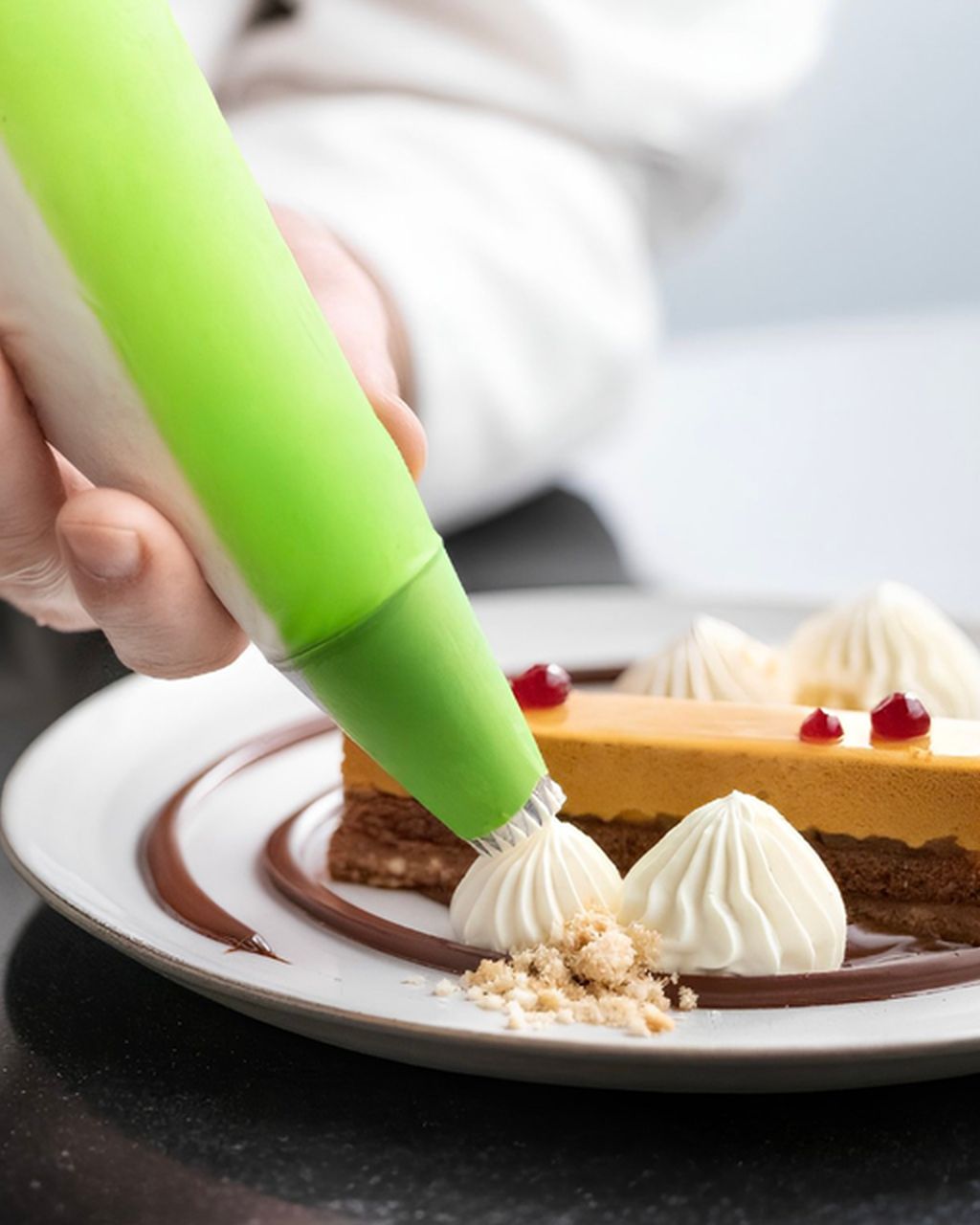
For disposables, it pays to buy larger packs. One Way piping bags in packs of 100 work out at a few crowns each and save you washing a reusable bag after cream. A reusable bag is cheaper in the long run, but for orders with several cream colours you'll reach for disposables anyway.
A 20 cm chocolate cake (about 2 kg, 12 servings) with ganache, a raspberry insert and a sliceable glaze comes to 2,900 Kč in this example, which is about 240 Kč per serving or 1,450 Kč per kilo. The ingredient prices are approximate, so plug in your own from your receipts. A simple chocolate cake works well as a base, and you can make the glaze following the guide to sliceable chocolate glaze.
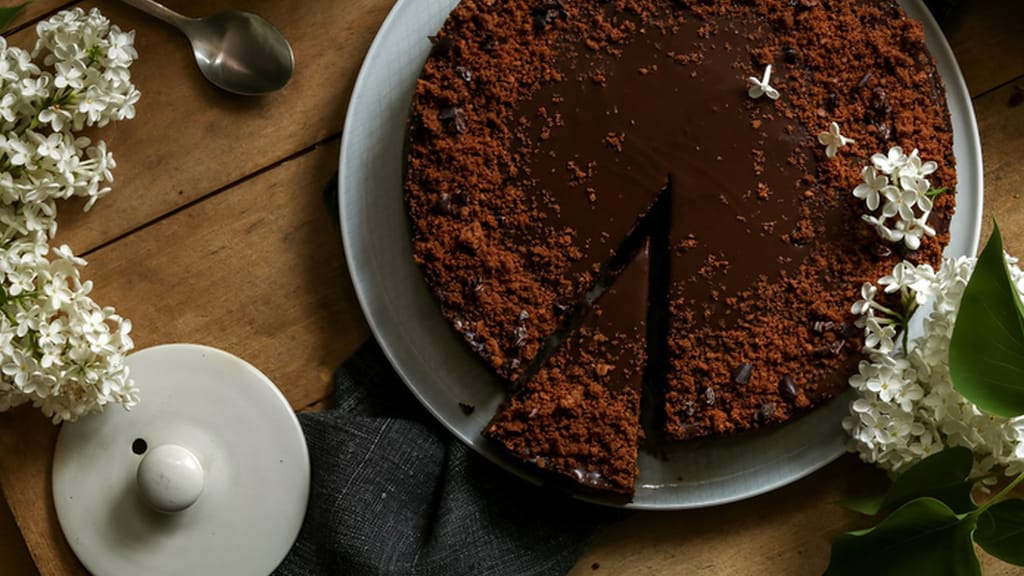
Simple chocolate cake
Simple chocolate cake: the base for the custom cake in the example
Ingredients including packaging and 10% waste come to 685 Kč for a 20 cm chocolate cake. The most expensive item is the chocolate; packaging makes up almost a tenth.
Callebaut 811 dark chocolate, 400 g × 0.65 Kč/g: 260 Kč
33% cream, 500 ml: 90 Kč
82% butter, 250 g: 60 Kč
eggs, size M, 6: 30 Kč
flour, sugar, cocoa: 50 Kč
frozen raspberries for the insert, 300 g: 60 Kč
powdered gelatine, 200 Bloom, 6 g: 5 Kč
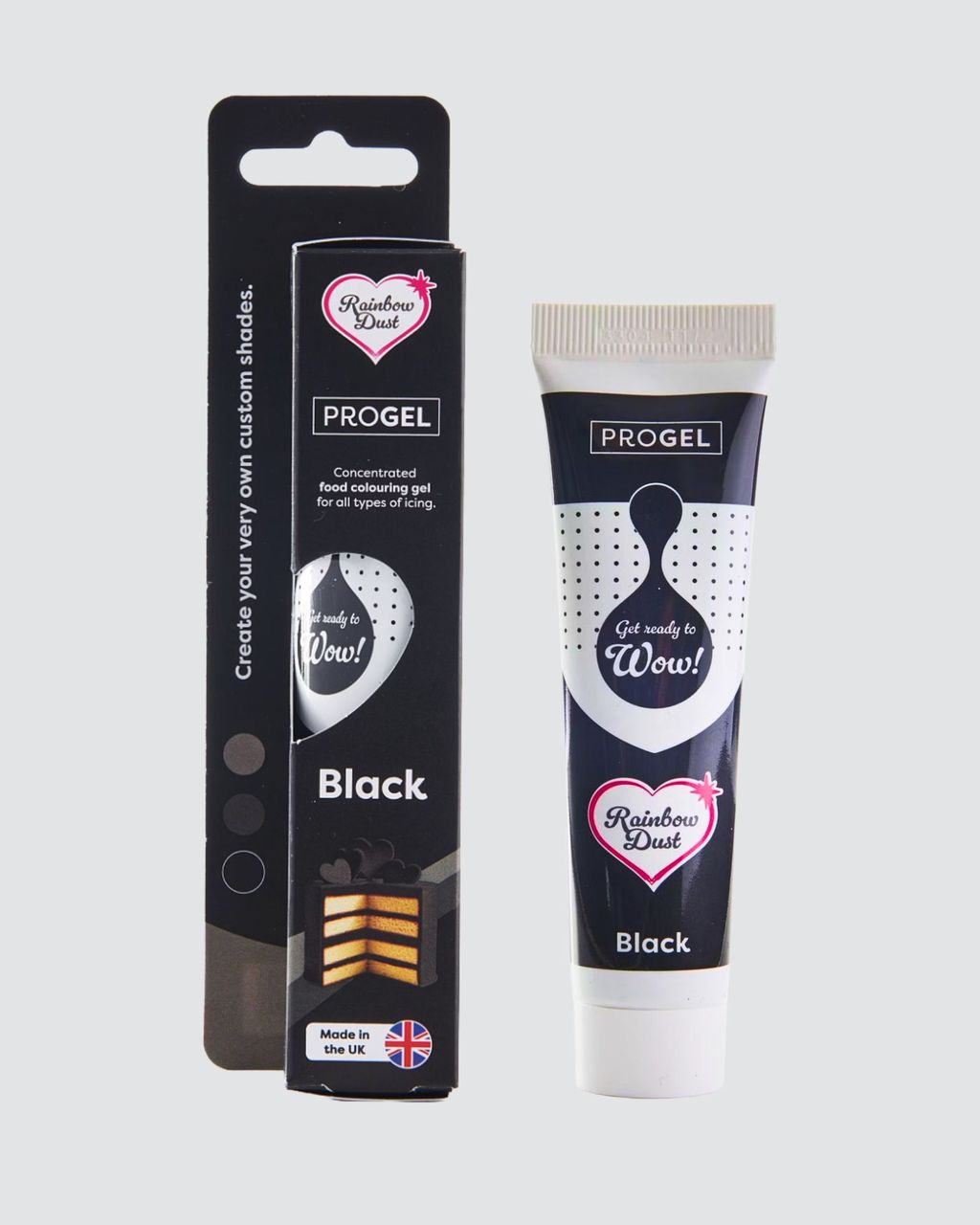
ProGel gel colour for lettering and details, a few drops: 5 Kč
piping bag, 1: 3 Kč
cake board and box: 60 Kč
subtotal: 623 Kč
10% waste: 62 Kč
ingredients total: 685 Kč
Seven hours of labour at 250 Kč/h comes to 1,750 Kč, with energy at 18 Kč and overhead at 150 Kč. Hours are by far the biggest item, so record them honestly.
talking to the customer: 0.5 h
shopping: 0.5 h
sponge: 1 h
cream, insert and glaze: 1 h
chilling between layers: 0.5 h
assembly and coating: 1.5 h
decorating: 1 h
cleaning: 0.75 h
handover: 0.25 h
labour total: 7 h × 250 Kč = 1,750 Kč
energy: 3 kWh (oven 1.5, hob and mixer 0.5, dishwasher 1) × 6 Kč/kWh = 18 Kč
overhead: flat rate of 150 Kč
The final price of the cake is 2,900 Kč, which is about 240 Kč per serving.
ingredients: 685 Kč
labour: 1,750 Kč
energy: 18 Kč
overhead: 150 Kč
subtotal: 2,603 Kč
10% buffer: 260 Kč
price after rounding: 2,900 Kč
Look at the proportions: labour makes up about 60% of the price, ingredients a quarter, and energy under 1%. If you had told the customer "just the ingredients", meaning 685 Kč, you'd have paid for 7 hours of work out of your own pocket.
Bakeries usually list cakes at roughly 450–1,000 Kč per kilo; simple cream cakes are at the bottom of that range, covered and 3D cakes at the top. Some also charge for decoration separately, for example 150 Kč per hour of modelling. Your 1,450 Kč per kilo from the example is higher, and the reason is simple: a bakery bakes sponges for ten cakes at once and spreads one hour of work across more cakes.
Here's what to do about it without baking for free:
Cut the hours, not the rate. Bake sponges ahead and freeze them, and whip the cream for two cakes at once.
Offer a simpler version. A cake without coating and with fresh fruit decoration saves 1–2 h.
Sell what a bakery can't. The exact design someone wants, your own flavour, good chocolate with no substitutes. People will pay more for that.
Don't pay for a family discount out of your own pocket. If you want to give loved ones a gift, give it knowingly, so you know exactly what it costs.
A surcharge belongs on anything that adds hours or risk: elaborate decoration, deeply coloured cream, an extra tier, a short deadline and delivery. Put your surcharges in your price list in advance, so you don't have to negotiate them every time.
Coloured cream: dark shades (black, red, navy blue) need more colour and time to develop. ProGel gel colours colour well even in small amounts, so you don't thin the cream; supermarket liquid colours are cheaper, but you'd need so much for a deep shade that the cream goes runny. You'll find the method in how to mix cream colours.
Decoration: piped cream flowers, pearls and chocolate decorations are charged by the hour. You'll find the tools for them in the cake decorating section.
Tiered cake: supports, thicker boards, more assembly time.
Short deadline: an order for tomorrow means reshuffling your plans, easily +20%.
Delivery: kilometres × rate per km, plus time behind the wheel.
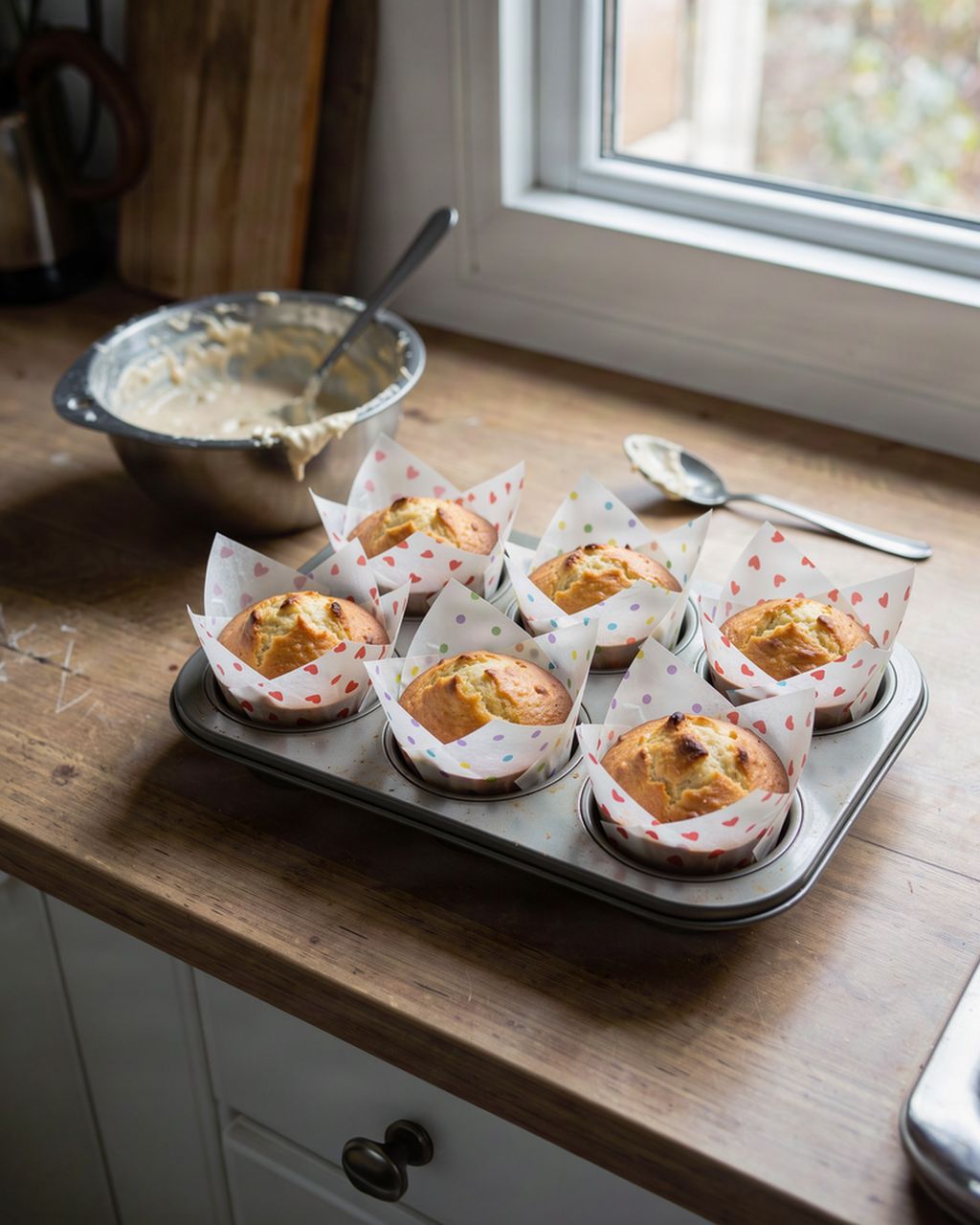
Price cupcakes with the same formula for the whole batch, including overhead and buffer, then divide by the number of pieces. 12 cupcakes with frosting come to roughly 45–55 Kč each.
ingredients for 12: 130 Kč
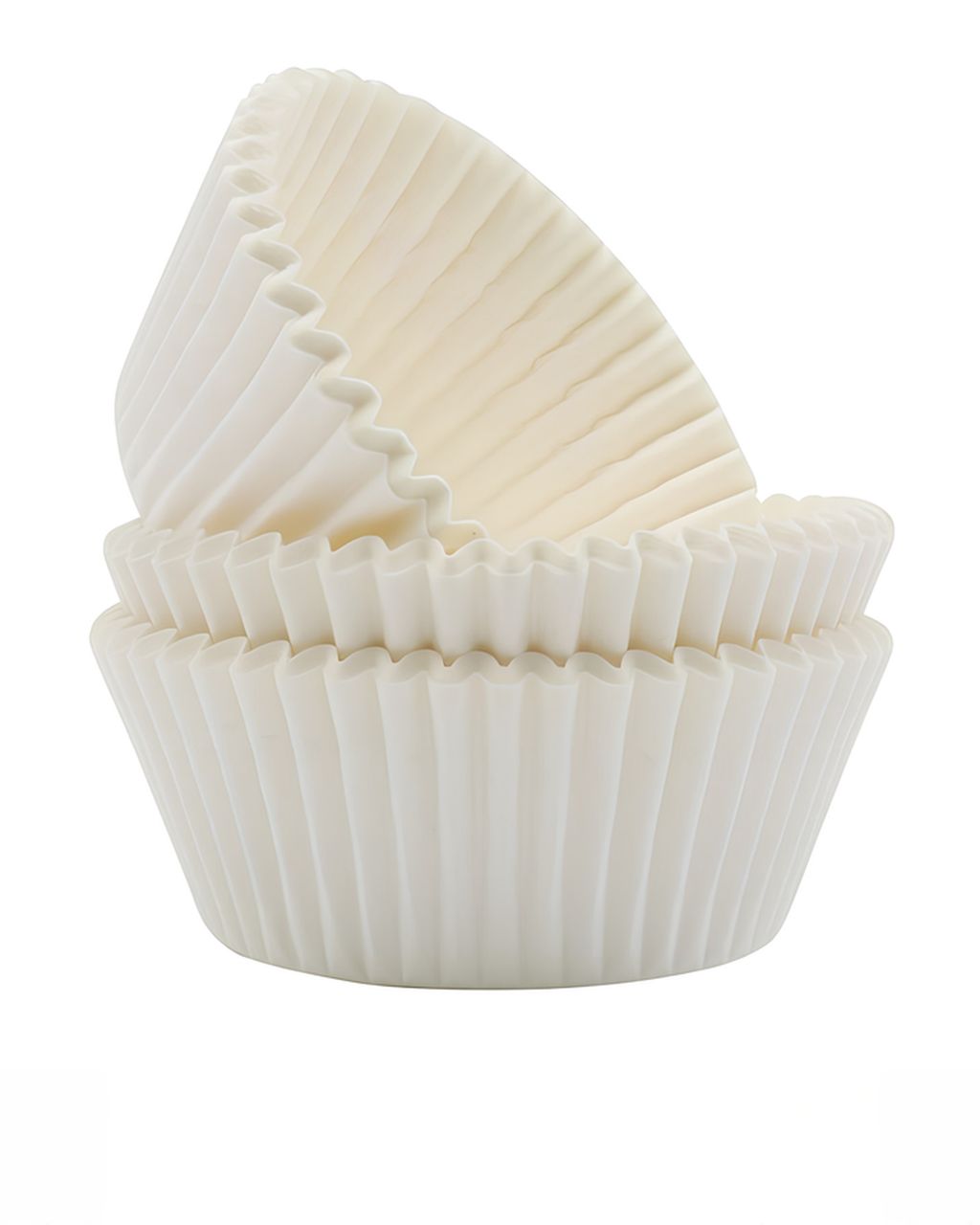
paper cases, 12 from a pack of PME white 300: 5 Kč (easily double that from small packs)
labour: 1.5 h × 250 Kč = 375 Kč
energy: 15 Kč
box: 40 Kč
overhead: 25 Kč
subtotal: 590 Kč
10% buffer: 59 Kč
total after rounding 650 Kč, which is about 54 Kč each
White cases are neutral, suit any frosting colour, and a large pack lasts dozens of orders. With cupcakes, the work is spread across many pieces, so as an add-on to a cake they tend to be easy on the price for both the customer and you. You'll find the same principle for cookies in pricing custom Christmas cookies.
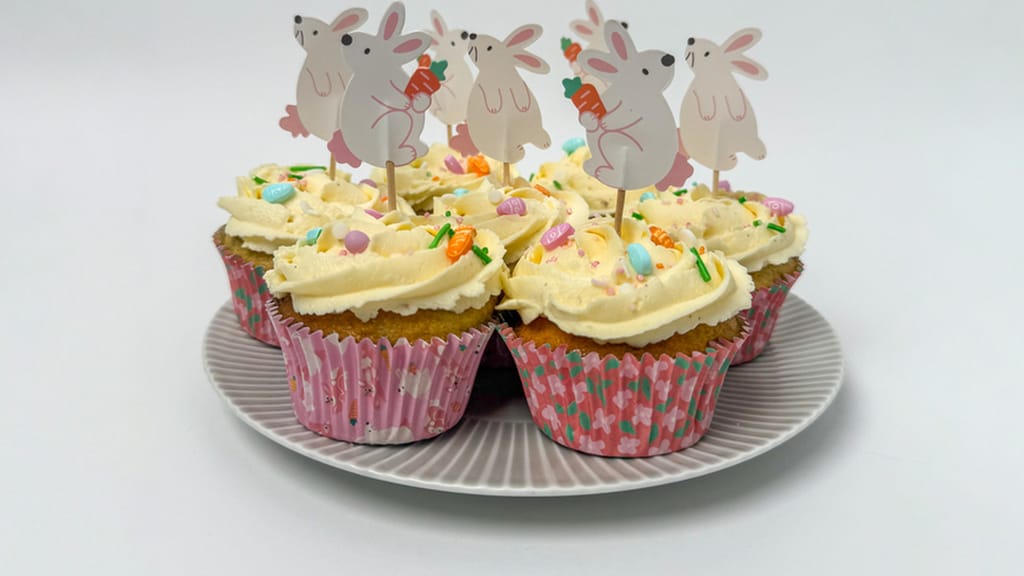
Pistachio cupcakes with lemon curd and mascarpone cream
Pistachio cupcakes with lemon curd and mascarpone frosting as an add-on to a custom cake
Work out the full price of the cake just as you would for a stranger, then decide how much of it you want to give as a gift. The most common compromise is to charge for ingredients and packaging and gift your labour. That way you know exactly how big a gift you're giving, and next time you won't be starting from zero.
Yes. A deposit equal to the cost of the ingredients, or 30–50% of the cake price, protects you if an order is cancelled after you've already shopped for it. Agree in advance on the date until which the order can be cancelled without losing the deposit, and send that to the customer in writing, for example in a message.
Give a price per kilo or per serving for a basic cake, and a separate list of surcharges for decoration, colours and extra tiers. The customer can then put together what they want, and you don't have to recalculate the quote after every change to the design.
Recalculate the unit price of the ingredient from the new receipt and update your price list at least once a quarter. The 10% buffer in your price covers small fluctuations. If an ingredient goes up by more, raise the price on new orders and keep confirmed orders at the agreed amount.
Plan on about 150–180 g of cake per person, so for 12 people a cake of around 2 kg is enough, typically 20 cm in diameter and 10–12 cm tall. For a celebration with a lot of other food, smaller portions of around 100–120 g are enough; for afternoon coffee, go a little larger.
One recipe worth heating the oven for, one tip, and one deal from the shop. Nothing else.