Classic christmas cookies: delicate linzer cookies
How Much Vanilla for Cookies, Cream and Vánočka: Pod Dosage Guide
Updated Oct 8, 2026
How much vanilla you need mainly depends on whether it's going to be baked: 1 vanilla pod is enough for 500 ml of milk in a cream, 1 pod per 500 g of flour for vánočka, and ½ pod per 300 g of flour for Christmas cookies. Here you'll find exact amounts for every type of dessert, how to get everything out of a pod, how much extract or paste can replace it, and which vanilla origin suits which recipe.
Use 1 vanilla pod per 500 ml of custard or cream, 1 pod per 500 g of flour for vánočka (Czech sweet braided bread), and ½ pod per 300 g of flour for delicate shortbread-style Christmas cookies.
These amounts are based on pods roughly 15 cm long, and cover both the seeds and the scraped-out pod itself:
Pastry cream, crème pâtissière, custard sauce: 1 pod per 500 ml of milk or cream
Ice cream base: 1 pod per 300–500 ml (cold mutes flavour, so lean toward the higher amount)
Whipped cream: ½ pod per 250 ml of 33% cream
Buttercream: ½ pod per 250 g of butter
Linzer and similar short pastry: ½ pod per 300 g of flour
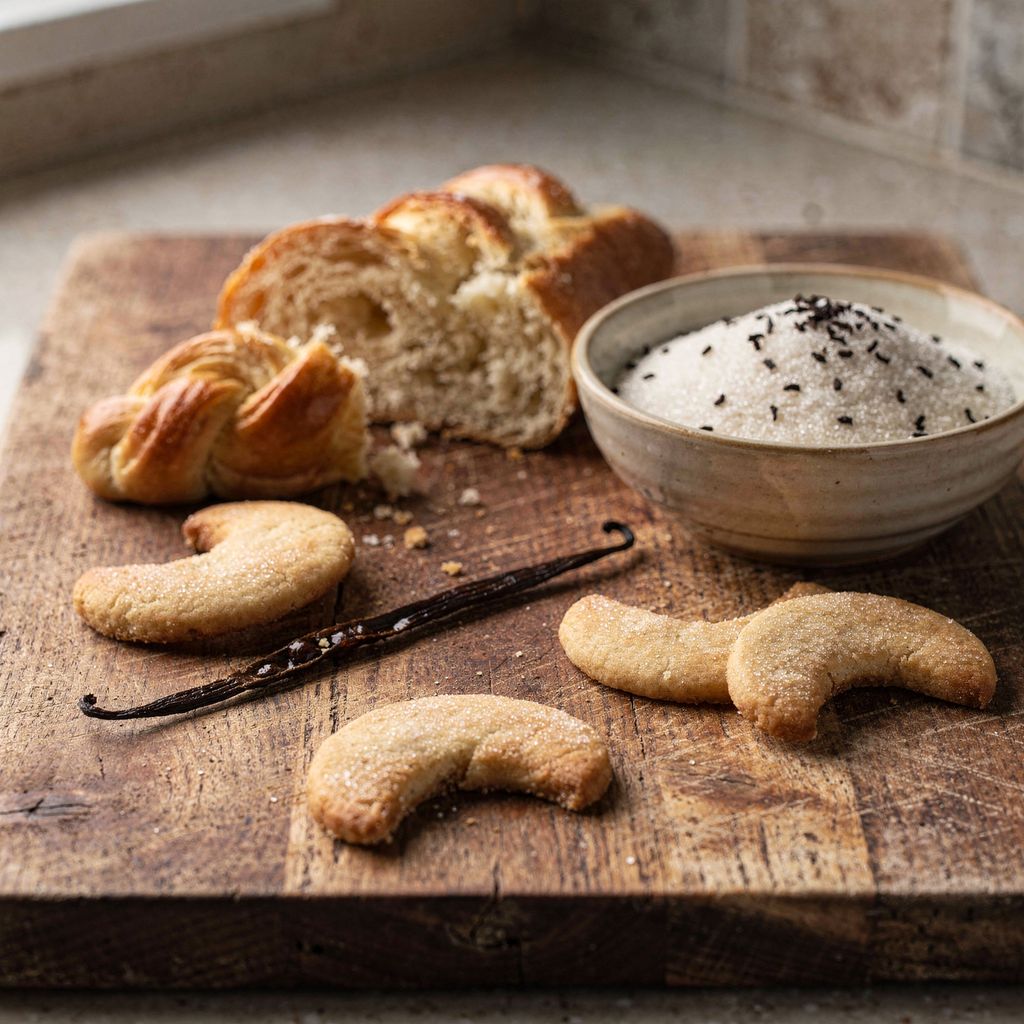
Vanilla crescent cookies: ½ pod in the dough + 1 pod in 150 g of icing sugar for coating
Vánočka: 1 pod per 500 g of flour, or 1½ pods if you want vanilla to be the dominant flavour
The rule behind all these numbers: the more heat and the more competing flavours, the more vanilla you need. A cold cream carries vanilla on its own, while vánočka with rum, raisins and lemon zest needs a stronger dose to come through.
Getting the most from a vanilla pod comes down to four steps: steep it in liquid, work the seeds into sugar, pair it with fat, and reuse the spent pod.
Slit the pod lengthways and scrape out the seeds with the back of a knife, then add both the seeds and the empty pod to your cream or milk — a lot of the aroma is actually locked in the skin. Adding the pod along with the seeds means the amounts above apply as given.
Steep it in liquids (creams, vánočka). Heat the milk with the seeds and pod to just below boiling, cover, and let it sit for 20–30 minutes. For whipped cream, leave the pod in cold cream overnight in the fridge.
Rub the seeds into sugar for doughs. The seeds are sticky and tend to clump into black specks in butter. Rubbing them into sugar with your fingers spreads them evenly, and the sugar also pulls out extra aroma.
Lean on fat. Vanilla's aroma binds well to fat, which is why it comes through more in whole milk, cream and butter than in water.
Reuse the spent pod. Rinse the steeped pod, let it dry, and tuck it into a jar of sugar — in two weeks you'll have vanilla sugar. It won't have enough left to flavour a second batch of cream on its own, though. For the full method, see homemade vanilla extract and vanilla sugar.
For cooked custard, use 1 vanilla pod per 500 ml of milk or cream — the classic amount for crème pâtissière, custard sauce and homemade pudding. Since the custard only cooks briefly, the vanilla doesn't lose much of its aroma, and this amount comes through clearly without overpowering the eggs and butter.
Subtle vanilla (cream for topping fruit, filling choux buns): ½ pod per 500 ml
Bold vanilla (where it's the star flavour): 1 pod per 330 ml
Ice cream: 1 pod per 300–500 ml of base. Cold dulls flavour, so what tastes just right in a warm custard will come across weaker once frozen. Try it in this homemade strawberry and basil ice cream with vanilla.
Remove the pod before thickening, but leave the seeds in. For a completely smooth cream, strain it through a fine sieve — you'll catch some of the seeds, but the flavour will stay. See vanilla cream in action in these macarons with vanilla and chocolate cream.
Cold creams only need ½ pod per 250 ml of cream or 250 g of butter. Nothing gets cooked here, so none of the aroma is lost, and this smaller amount comes through just as strongly as a whole pod would in custard.
Whipped cream: stir the seeds from ½ pod into the cream, or — even better — leave the pod and seeds in the cream overnight in the fridge, then whip. Steeped cream smells fuller.
Buttercream: rub the seeds into icing sugar before adding it to the butter. Use ½ pod per 250 g of butter, or a whole pod for a bolder flavour.
White ganache: ½ pod per 200 ml of cream, steeped in the warm cream before you pour it over the chocolate.
Keep in mind the seeds will speckle the cream, and extract will give it a slightly yellow tinge. If you need a pure white cream, check out this snow-white buttercream — and if your buttercream keeps turning out greasy, this guide on how to whip buttercream so it doesn't turn greasy can help.
For shortbread-style dough, use ½ pod per 300 g of flour; for cookies with "vanilla" in the name, use ½ pod in the dough plus 1 pod in 150 g of sugar for coating. The oven does rob some aroma, but these cookies bake quickly and the buttery dough holds onto the vanilla well.
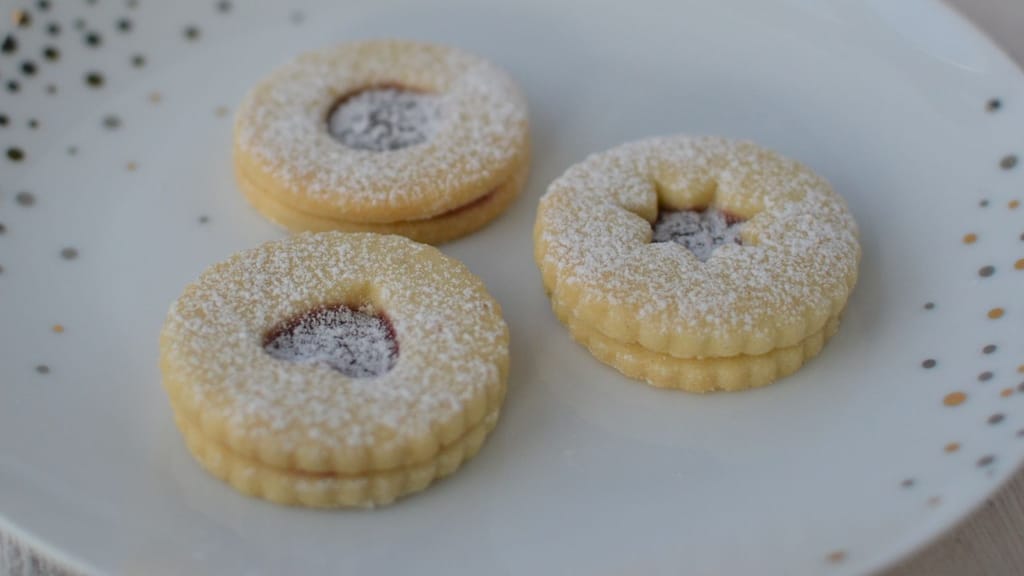
Linzer cookies (around 300 g flour, 200 g butter, 100 g sugar): rub the seeds from ½ pod into the sugar. You don't need more than that — linzer cookies should taste of butter first, with vanilla just as an accent. Tried-and-tested recipe: classic Linzer Christmas cookies.
Vanilla crescent cookies: ½ pod goes into the dough, but the main vanilla hit comes from the coating — seeds from 1 pod per 150 g of icing sugar. Ideally, mix the sugar a day ahead so it has time to take on the flavour. You'll find the recipe in our best vanilla crescent cookies, and if yours keep cracking, this article on why vanilla crescent cookies crack when coating them will help.
Filled cookies: put the vanilla in the filling rather than the dough — it comes through better there and won't scorch.
Classic christmas cookies: delicate linzer cookies
Classic Linzer Christmas cookies — ½ vanilla pod per 300 g of flour
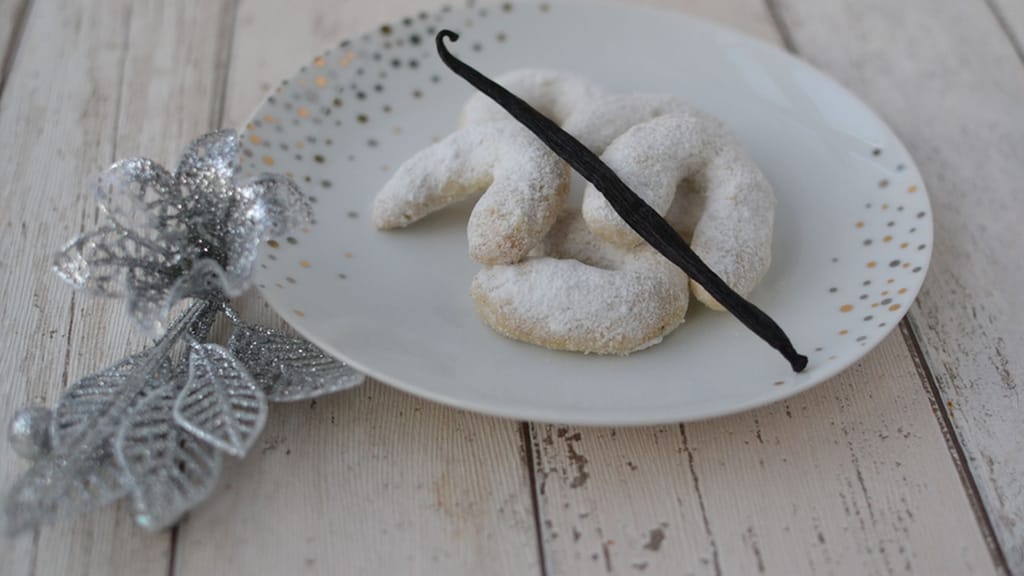
The best christmas cookies? vanilla crescents, of course!
Vanilla crescent cookies — 1 pod per 150 g of coating sugar
Use 1 vanilla pod per 500 g of flour for vánočka. Since it bakes for around 45 minutes and competes with rum, raisins, lemon zest and often mace, vanilla tends to play a supporting role here. If you want it to stand out, add 1½ pods instead.
Add the seeds and pod to the milk you're warming for the dough anyway, and let it steep for 20 minutes. Let the milk cool to lukewarm (around 30°C/86°F) so it doesn't scald the yeast, then remove the pod.
Alternatively, rub the seeds into the sugar and add it to the dough that way.
Don't add vanilla to the egg wash or topping — it will burn in the oven.
Try it in this mum's vánočka recipe.
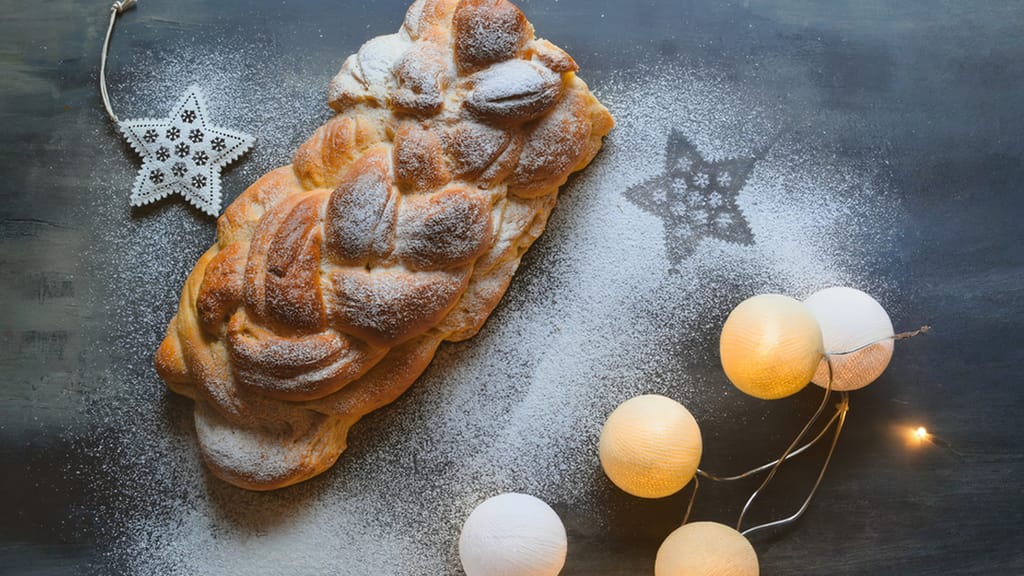
Mom's christmas braid
Mum's vánočka — add vanilla steeped in milk
1 vanilla pod is roughly equal to 1 tablespoon (3 teaspoons, 15 ml) of vanilla extract or vanilla paste, according to conversion charts from vanilla producers. Paste and extract can be swapped for each other at roughly a 1:1 ratio.
Each form has its place — and honestly, it doesn't always have to be a pod:
Pods are worth it where vanilla is the main flavour: custards, ice cream, whipped cream, coating sugar for crescent cookies.
Extract is handy for doughs and for creams where you don't want visible seeds. In cold creams, add it right at the end.
Paste gives you the same speckled look as a pod without any scraping, and works well in buttercream and cheesecake.
Vanilla-flavoured sugar contains flavouring (vanillin or ethylvanillin) rather than actual vanilla. It smells simple and sweet. In a rum- and zest-laden vánočka you'll barely notice the difference, but in a cream you will.
Real vanilla sugar (made with ground vanilla or vanilla extract — check the ingredients) is milder than a pod, and its strength varies a lot between brands.
For detailed substitution ratios for all of these, see what to use instead of a vanilla pod.
Reach for Madagascar Bourbon or Uganda vanilla for baking, and Tahitian for cold creams. Tahitian vanilla (Vanilla tahitensis) has a floral, fruity aroma with notes of cherry and anise, which comes through best in recipes that aren't baked, or only baked briefly. Classic Vanilla planifolia (from Madagascar, Uganda, Tanzania) is creamier and holds up better to heat.
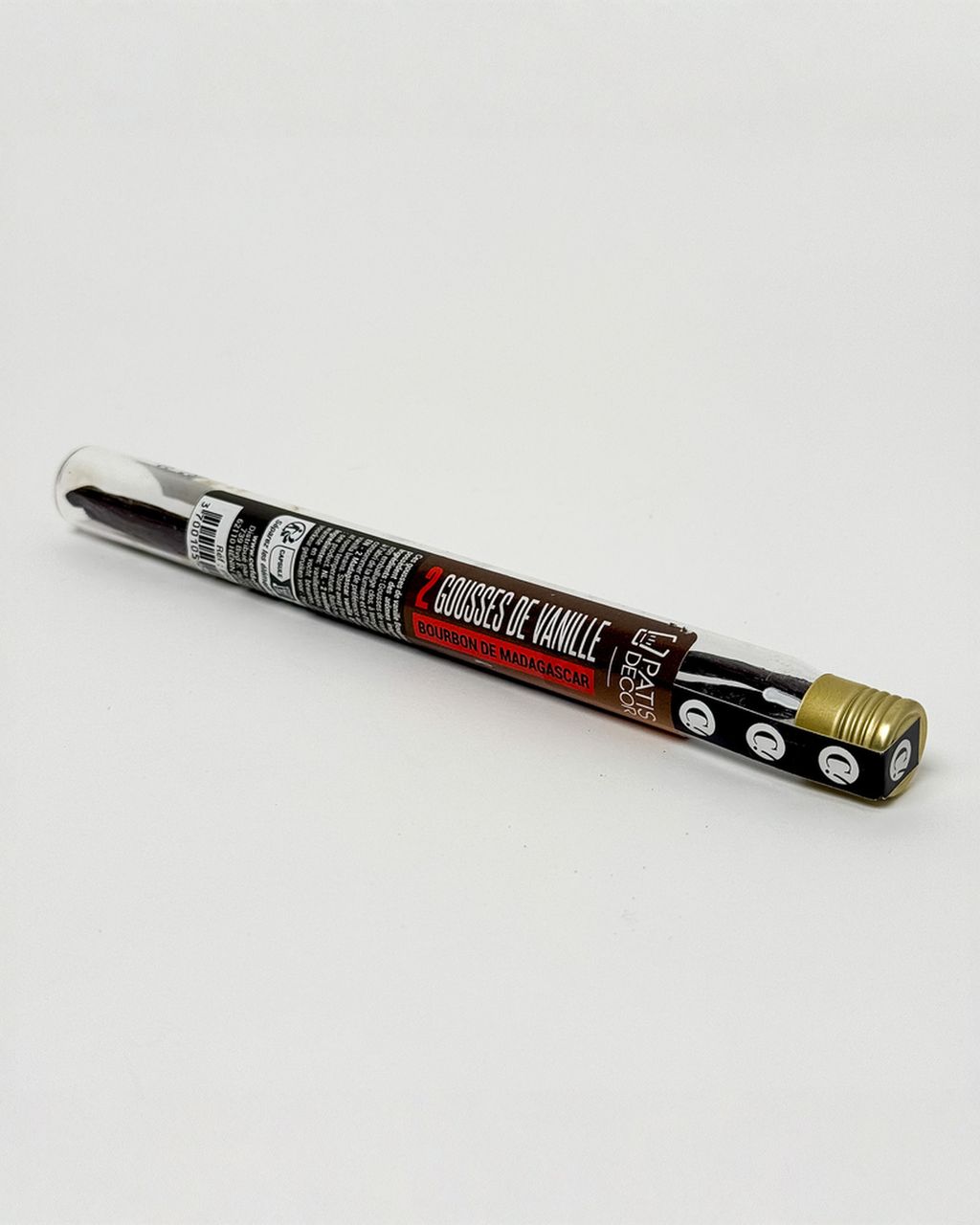
Madagascar Bourbon — the classic, sweet, creamy vanilla you know from pudding. An all-rounder for creams, cookies and vánočka. When in doubt, pick this one.
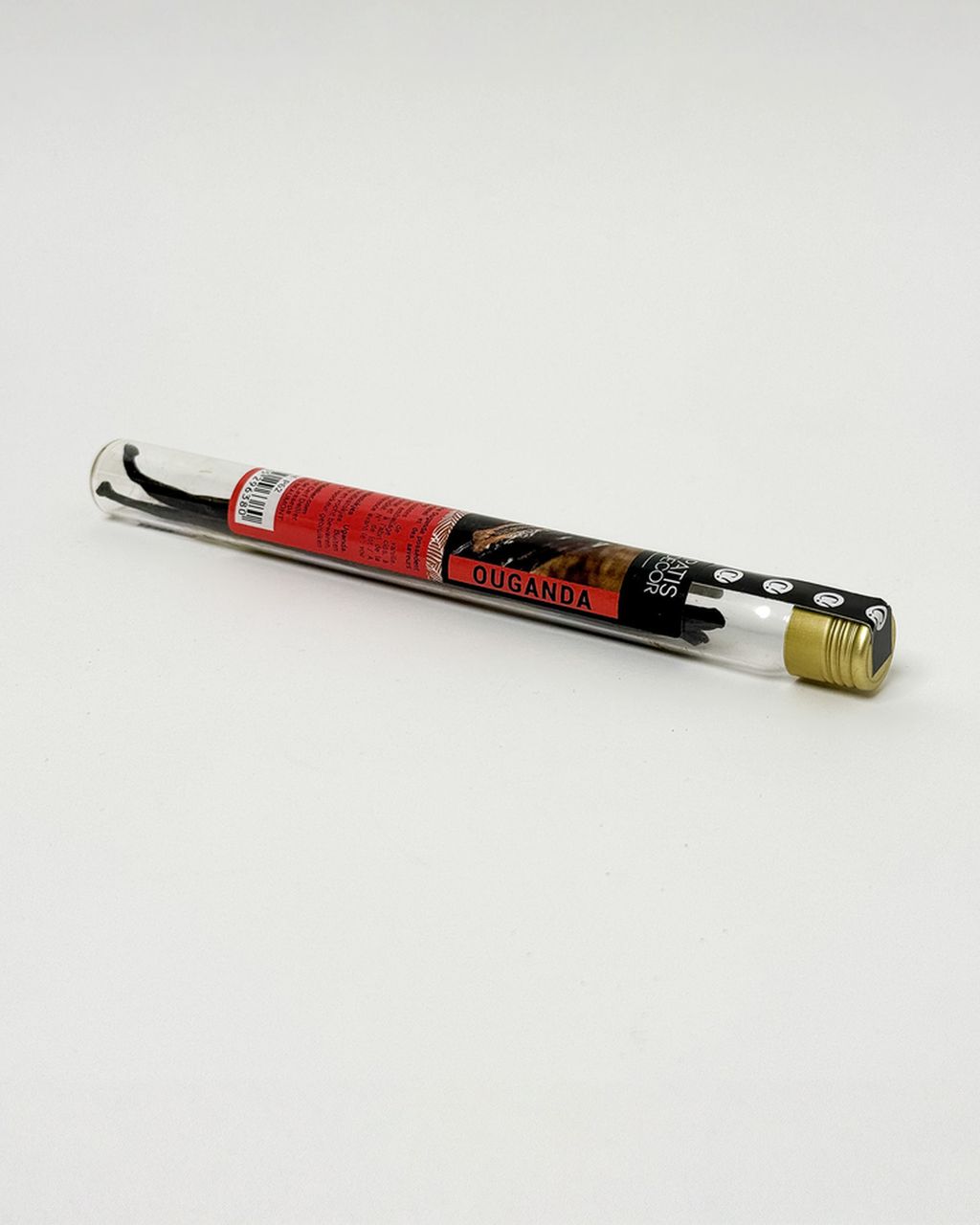
Uganda — bold and full-bodied. Stands up to long baking, making it ideal for vánočka and chocolate desserts.
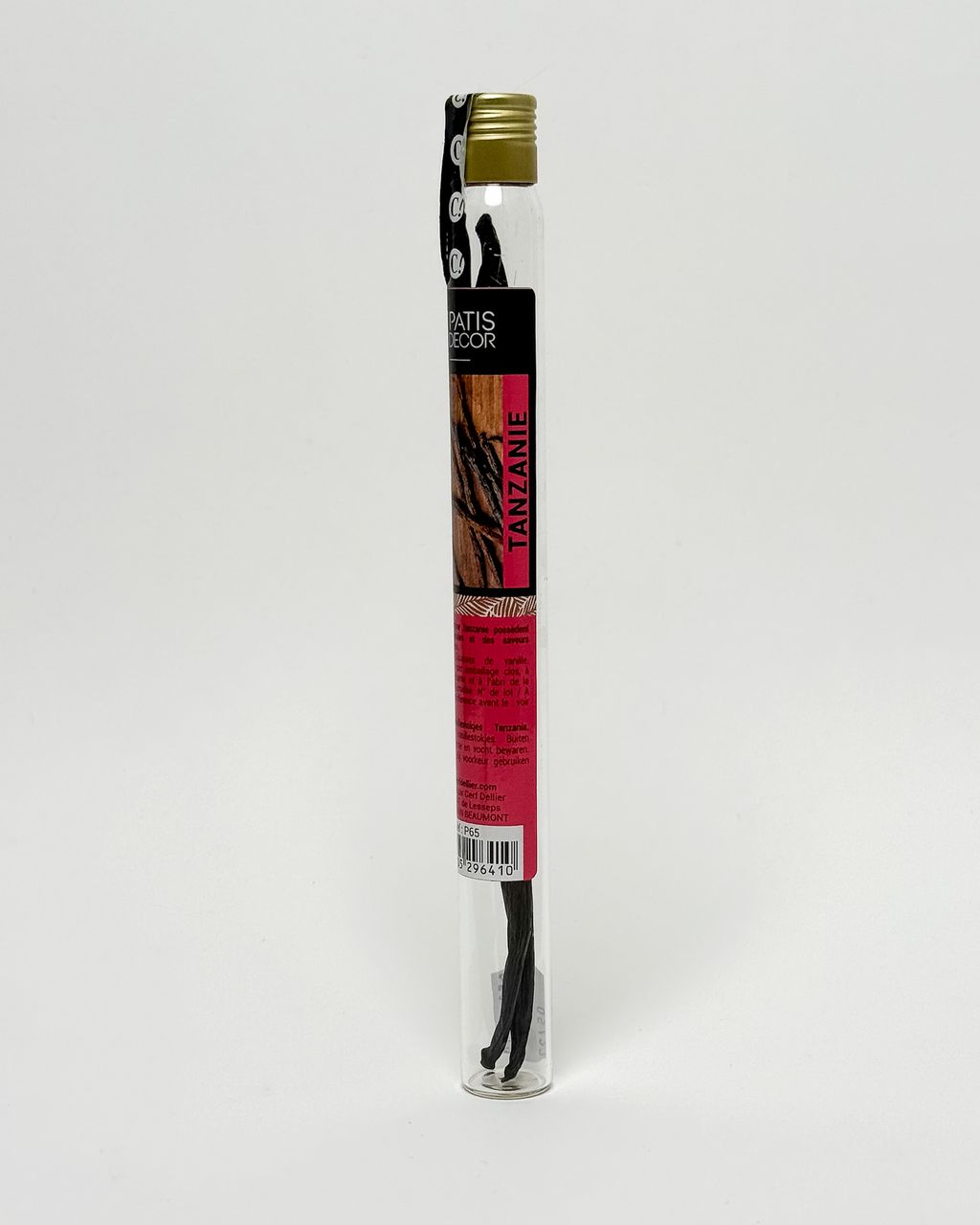
Tanzania — sweet and creamy. Excellent in pastry cream and Linzer cookies.
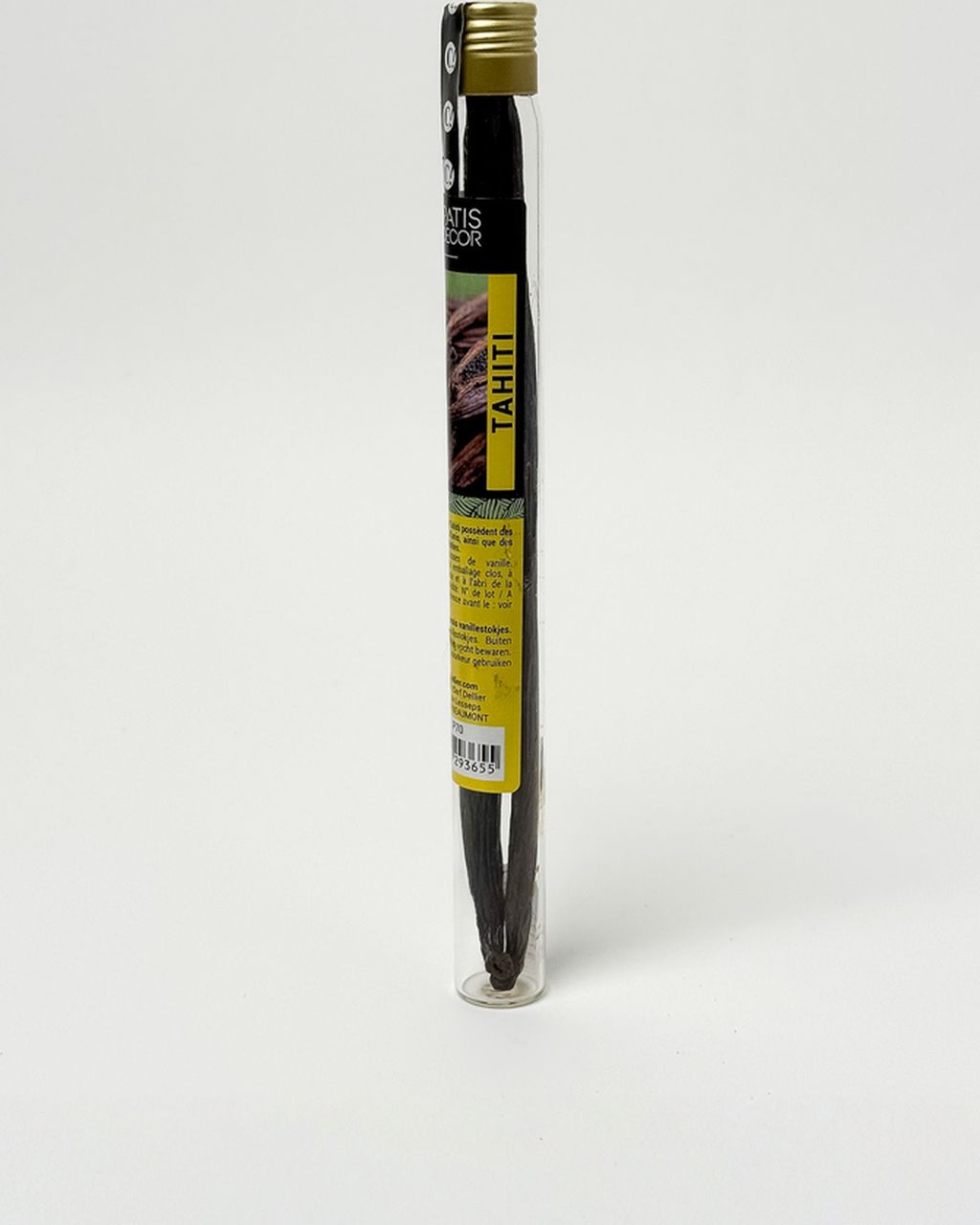
Tahiti — floral and fruity. Best suited to whipped cream, panna cotta, ice cream and buttercream — anything that isn't baked. It would be wasted in vánočka.
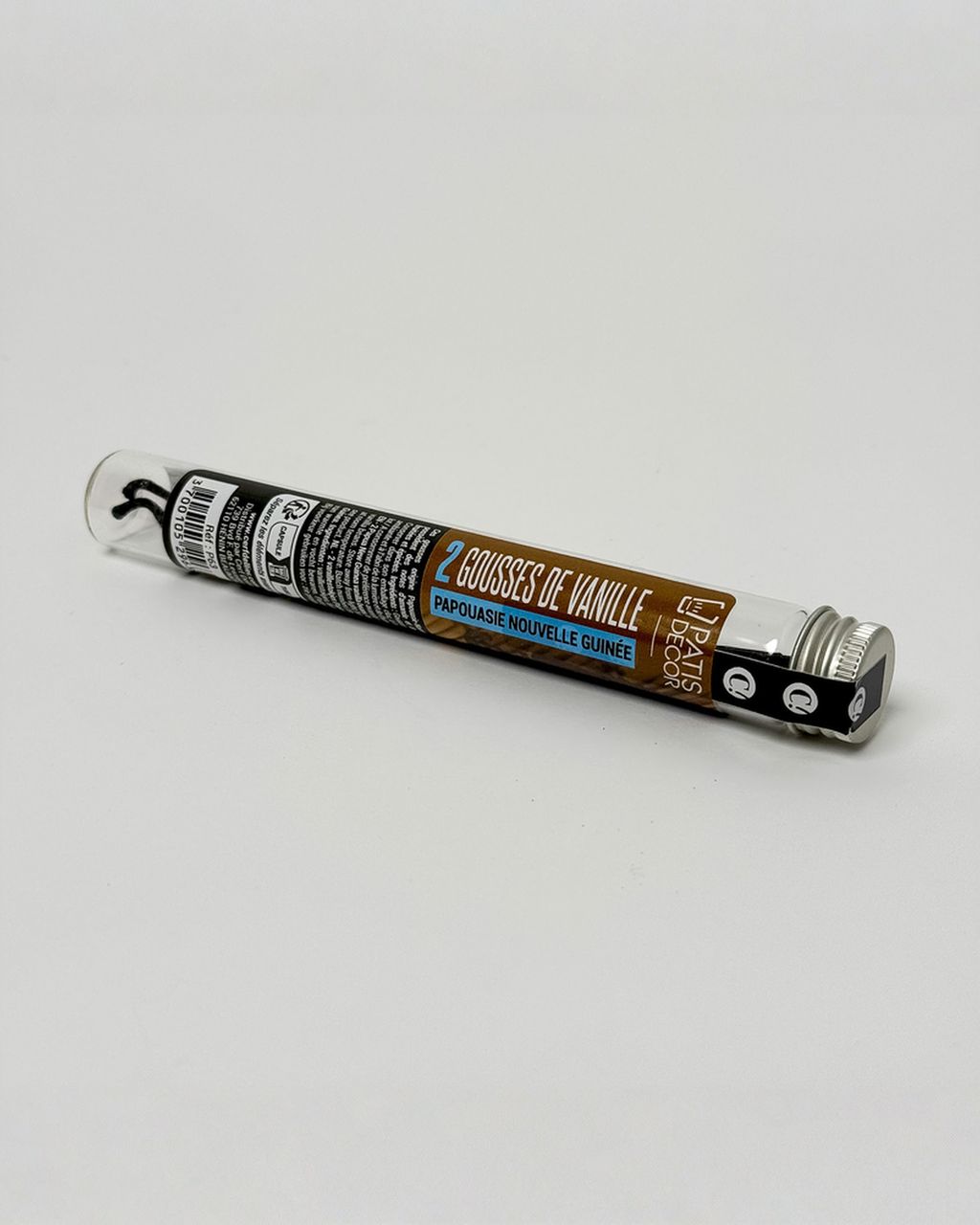
Papua New Guinea — grows both planifolia and tahitensis varieties; the local tahitensis tends to have more spicy notes with a hint of tobacco leaf. Good in creams as well as in vanilla sugar for crescent cookies.
You'll find every pod we stock on our vanilla pods and vanilla page. For more on how each origin is grown, how prices differ, and how to spot a good-quality pod, see vanilla pods: types, price and how to use them. And so your pods don't dry out before Christmas, read how to store vanilla pods.
Use 1 vanilla pod per 500 ml of cream for panna cotta, the same as for cooked custard. Steep the seeds and pod in warm cream before adding the gelatine, then remove the pod. Panna cotta isn't baked, so floral Tahitian vanilla works well here too.
Some of the vanilla aroma evaporates during baking, especially in long-baked doughs like vánočka. It helps to use a bit more (1–1½ pods per 500 g of flour), steep the seeds in milk or fat beforehand, and choose a pod with a sturdier aroma, such as one from Uganda or Madagascar.
Yes — too much vanilla tastes woody or even bitter, and with extract it can also taste boozy. This happens rarely with pods, where the ceiling is roughly 2 pods per 500 ml of cream. Be more careful with extract, since it's easy to overpour.
A cream made with a vanilla pod keeps for about 2–3 days in the fridge, since its shelf life is determined by the milk and eggs, not the vanilla. Store pastry cream and crème pâtissière with plastic wrap pressed directly onto the surface. If you leave the pod in, the vanilla flavour will keep intensifying.
Vanilla is measured in pods because the amount of seeds varies depending on how long and plump the pod is, whereas a whole pod with its skin gives a more reliable strength of aroma. A good deal of the fragrance also stays in the skin itself, so always add both the seeds and the emptied pod to your cream or milk.
One recipe worth heating the oven for, one tip, and one deal from the shop. Nothing else.