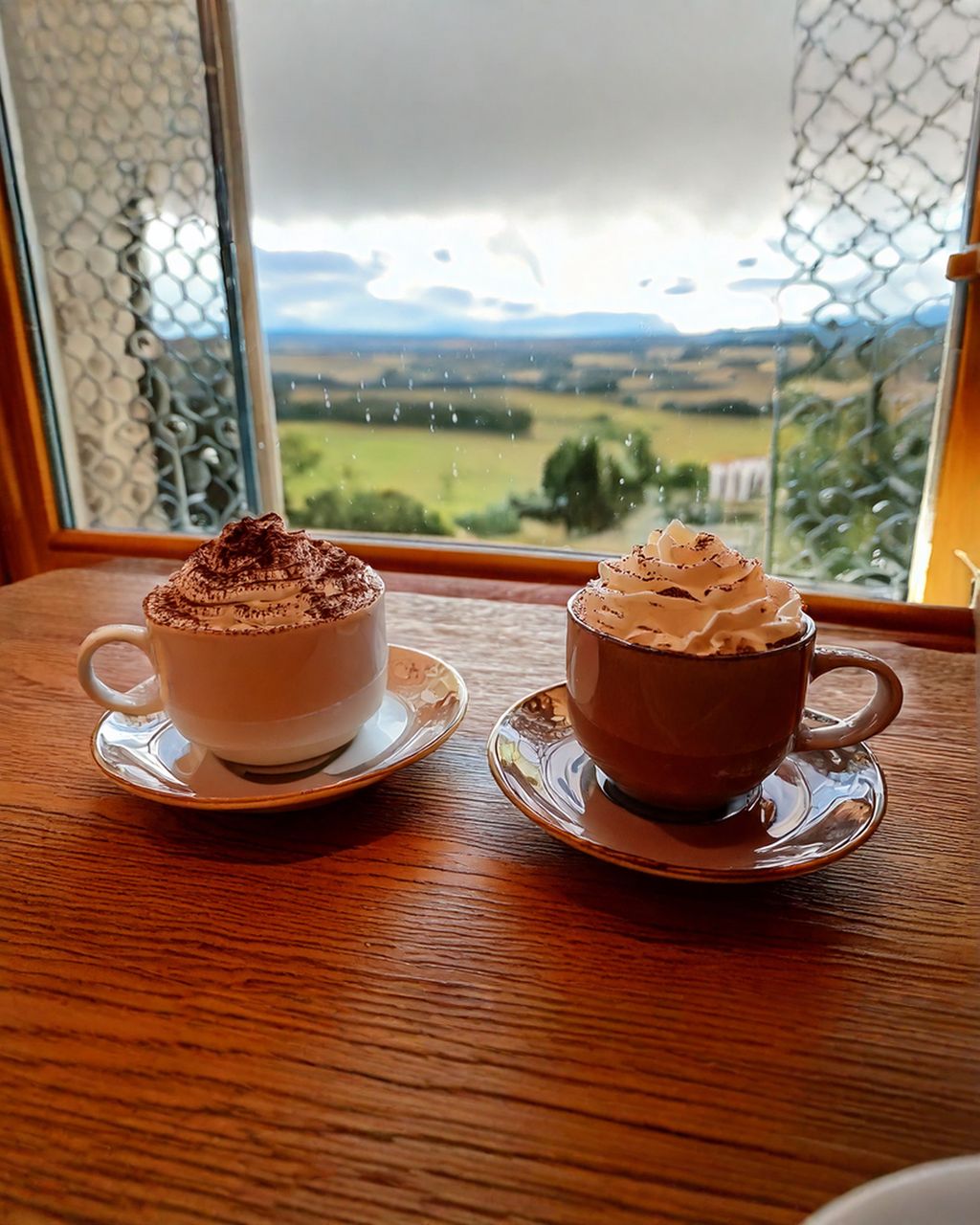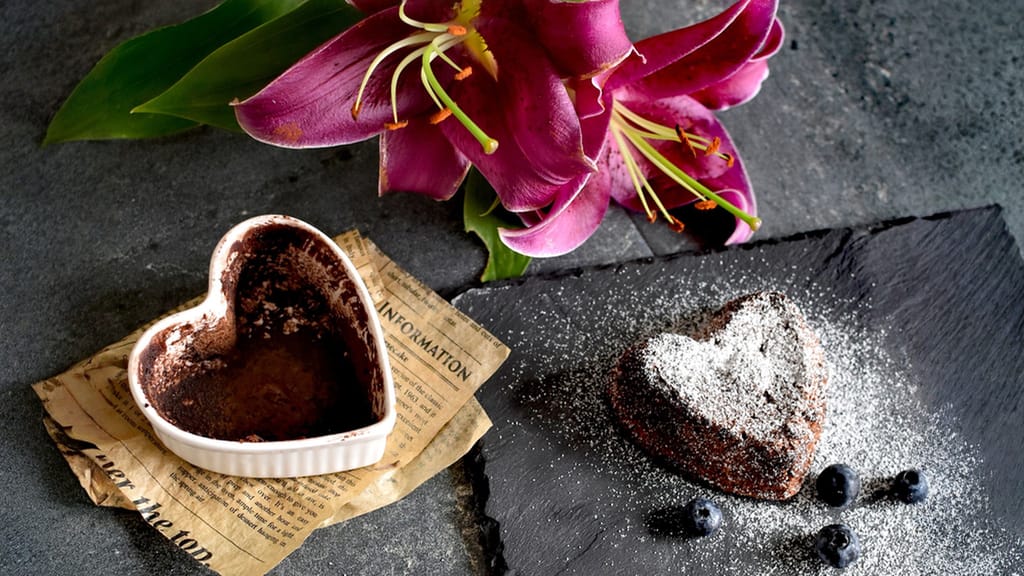
Chocolate fondant with fruit and whipped cream
Dark, Milk & White Chocolate: Differences in Composition, Melting and Use

Updated Aug 30, 2026
Dark, milk, and white chocolate really come down to one thing: the ratio of cocoa solids, cocoa butter, sugar, and milk. That single variable explains everything else — how sweet each one tastes, at what temperature it melts, how much cream it can take in a ganache, and how easily it scorches. This guide gives you the actual numbers, not vague impressions: the legal minimums, the right ganache ratios, tempering temperatures for each type, and what to do when your chocolate seizes.
The difference comes down to the ratio of three ingredients — cocoa solids, cocoa butter, and sugar — plus, in two of the three, milk powder:
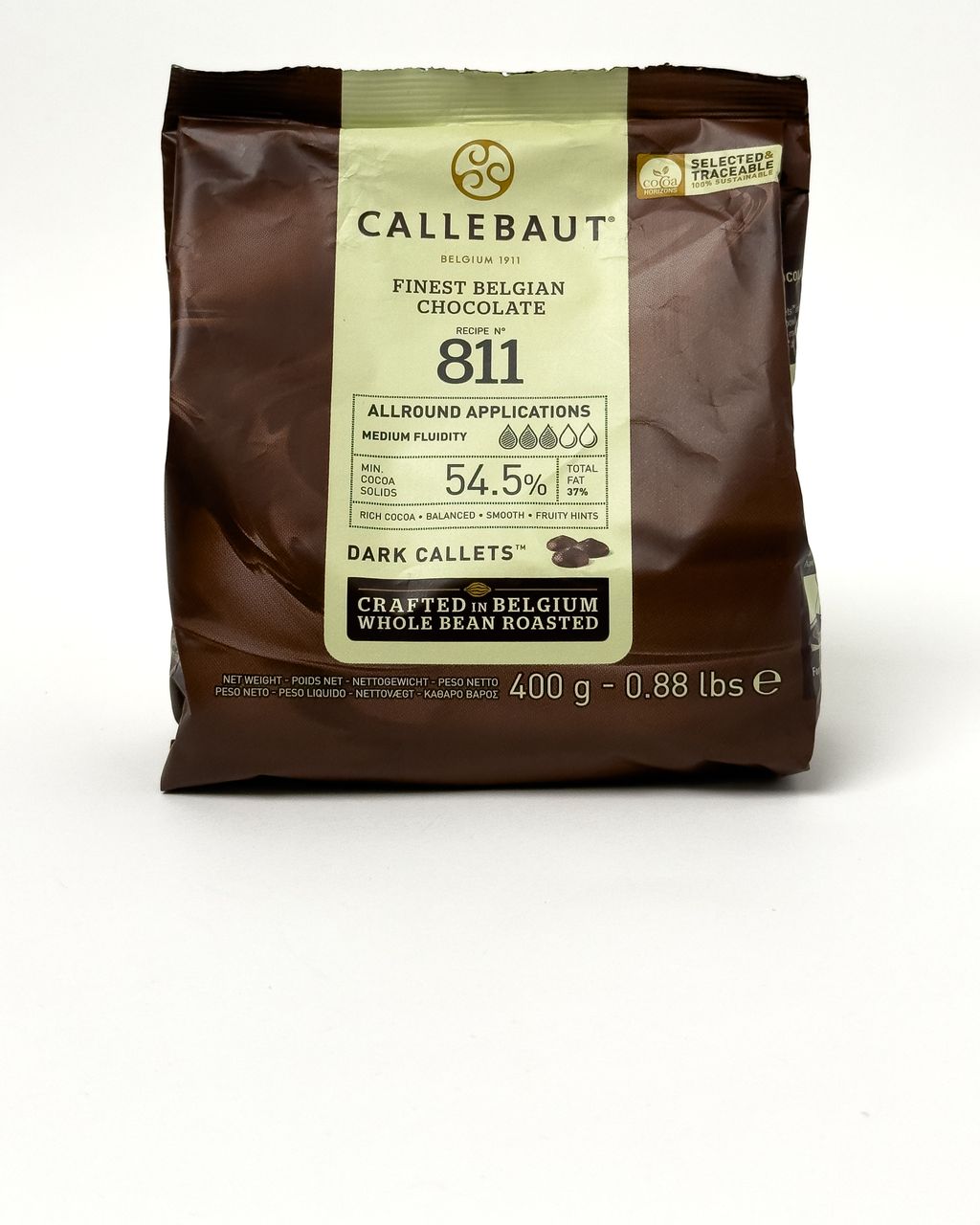
Dark chocolate — cocoa mass, cocoa butter, sugar. No milk. The boldest flavour and the easiest to work with.
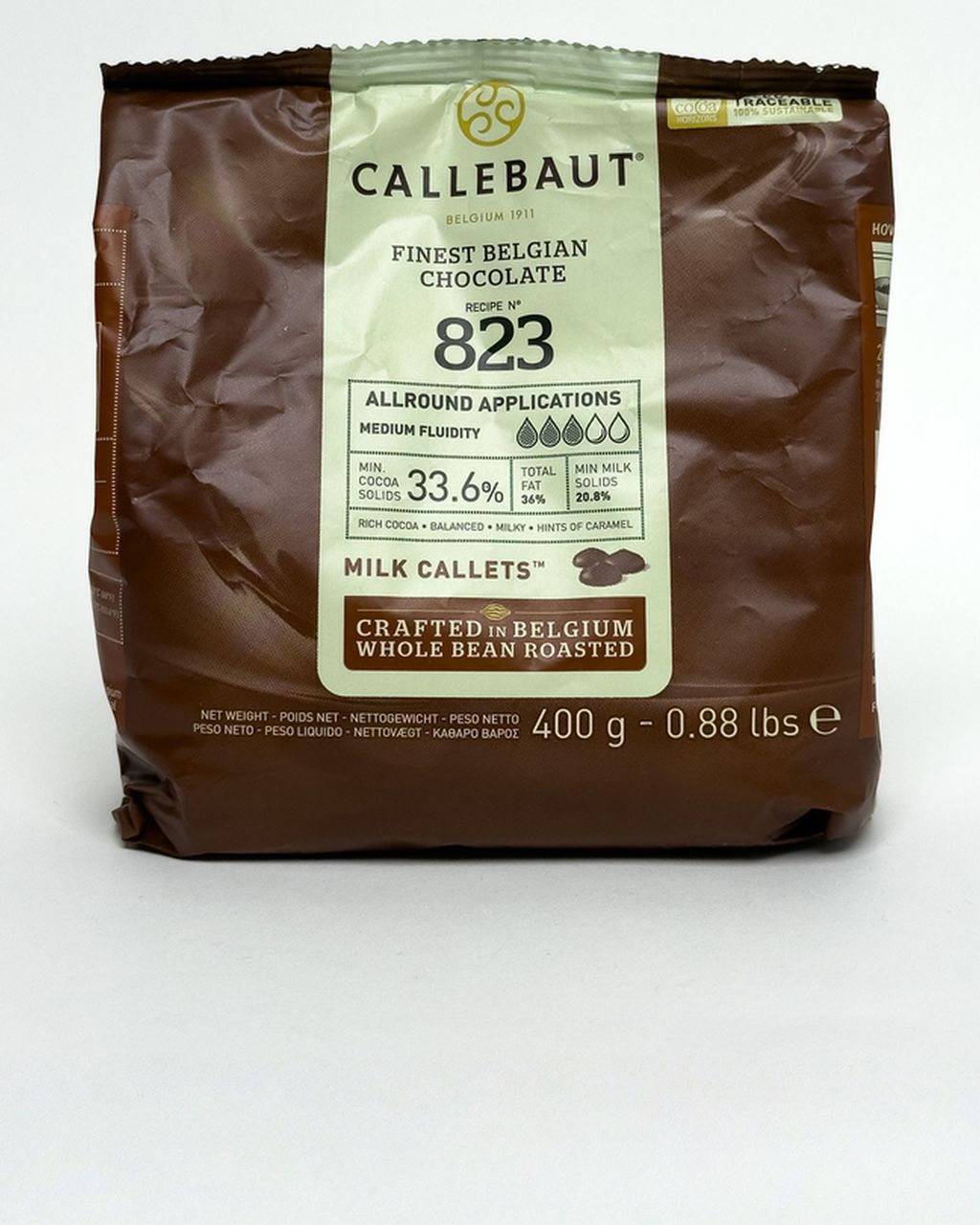
Milk chocolate — the same, plus milk powder and a lot more sugar. Softer, sweeter, and quicker to scorch.
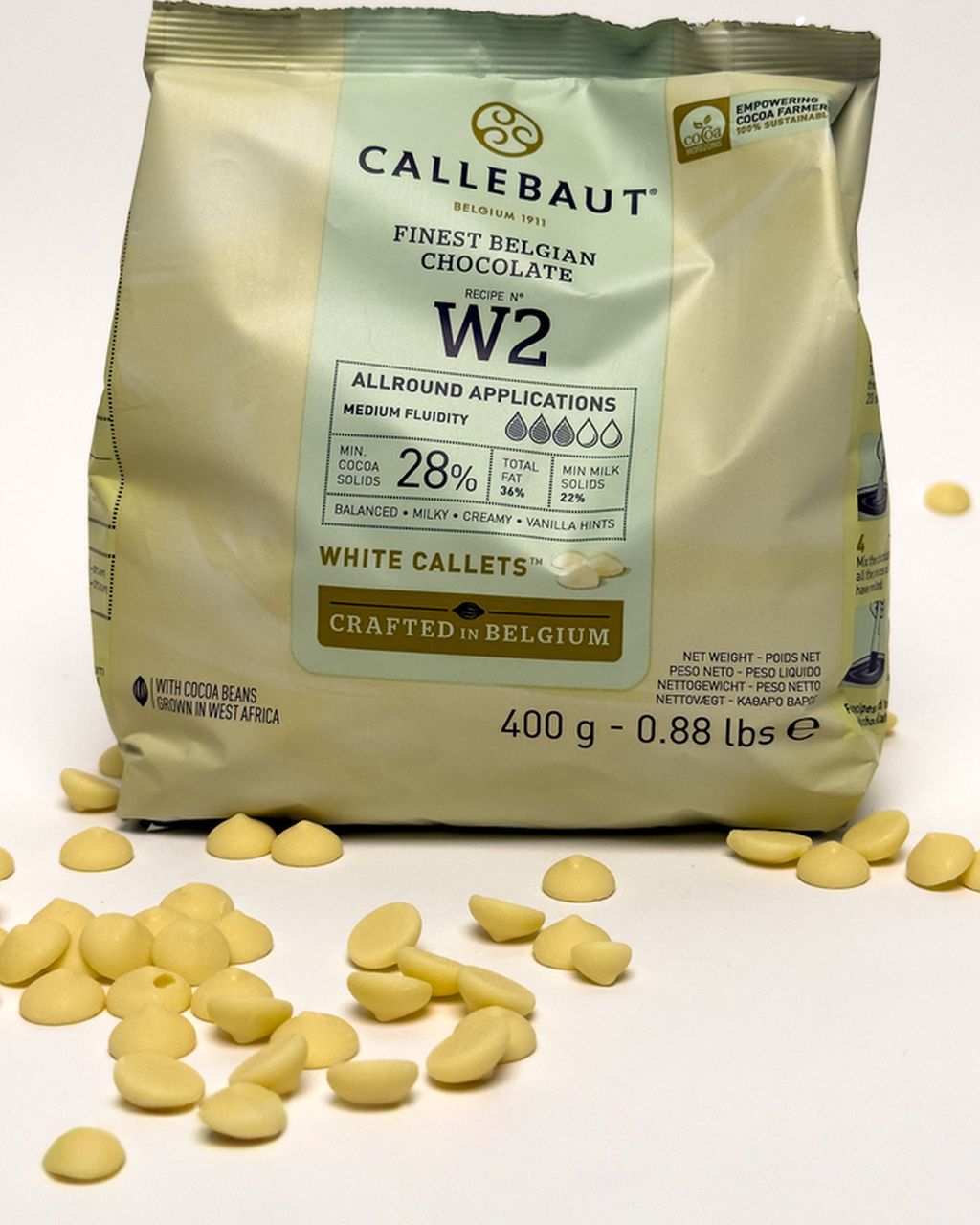
White chocolate — cocoa butter, sugar, milk powder. No cocoa solids at all, which is why it has no cocoa flavour or colour.
That last point is the key to this whole article. Cocoa solids aren't just about flavour — they're solid particles that act as a binder and stabiliser in both ganache and coatings. The fewer of them a chocolate has, the sweeter, softer, and more heat-sensitive it is, and the less liquid it can absorb. White chocolate sits at the very bottom of that scale: it's essentially flavoured cocoa butter.
Chocolate (sold mostly as dark or plain) must contain at least 35% cocoa solids, milk chocolate at least 25%, and white chocolate at least 20% cocoa butter. These minimums come from EU Directive 2000/36/EC (adopted into Czech law via a decree on cocoa and chocolate products), and broken down they look like this:
Chocolate — at least 35% total cocoa solids, of which at least 18% cocoa butter and 14% fat-free cocoa solids. "Dark" and "plain" are just marketing terms — the legal name is simply chocolate, and these descriptors carry no separate minimum of their own.
Milk chocolate — at least 25% total cocoa solids, at least 14% milk solids, 3.5% milk fat, and 25% total fat.
Milk baking chocolate — at least 20% total cocoa solids. Watch out for this one: it's often the bar people grab as "baking chocolate," not realising it falls below the standard milk chocolate minimum.
White chocolate — at least 20% cocoa butter, 14% milk solids, and 3.5% milk fat. Zero cocoa solids.
Why should you care? Because a discount "dark chocolate" bar at 45% and a 70% couverture are effectively two different ingredients as far as a recipe is concerned. And a product made with hardened vegetable fat instead of cocoa butter isn't legally allowed to be called chocolate at all — you'll find it labelled as fat-based coating, cocoa coating, or confectionery coating, never "chocolate coating," a term reserved for real chocolate. Up to 5% of six specified non-hydrogenated vegetable fats is allowed; hydrogenated fat isn't permitted at all. Even without reading the fine print, you can spot the real thing: check whether cocoa butter appears among the first three ingredients on the label.
The percentage on a bar is total cocoa solids — cocoa mass and cocoa butter combined. Almost everything else is sugar. So a 70% bar has roughly 30% sugar, while a 55% bar has around 45%.
Two things follow from this that regularly catch people out:
A higher percentage doesn't just mean less sweet — it also means more fat and less sugar at the same time. Swap a 55% chocolate for an 85% one in a recipe, and you're stripping out sugar that was keeping the bake moist. Your brownies will end up drier and crumblier, not just more bitter.
A higher percentage also drinks up more liquid. More cocoa particles means more surface area to bind the water in cream. That's why a ganache made with 85% chocolate needs more cream than one made with 55% — more on that below.
For everyday baking, 55–70% is the sweet spot. Above 80%, you're no longer just swapping bars — you need to rework the recipe.
Dark chocolate is the easiest of the three for a baker to handle — it has the most cocoa particles, so it holds an emulsion well, tolerates higher heat, and is the least prone to seizing. When in doubt, reach for this one.
It works anywhere cocoa needs to be the star flavour and where a dessert has to hold its shape once cool: molten fondants, ganache, dark tarts, brownies. Its bitterness also acts as a counterweight — in a very sweet dessert, it's often the one thing keeping the sugar in check.
Two things worth trying with it: a pinch of salt (it sharpens the cocoa flavour, the same way it does with caramel) and a spoonful of strong coffee or espresso in the batter. You won't actually taste the coffee in the finished dessert, but it will noticeably deepen the chocolate flavour.
Chocolate fondant with fruit and whipped cream
Molten chocolate fondant with a liquid centre — dark chocolate takes the lead
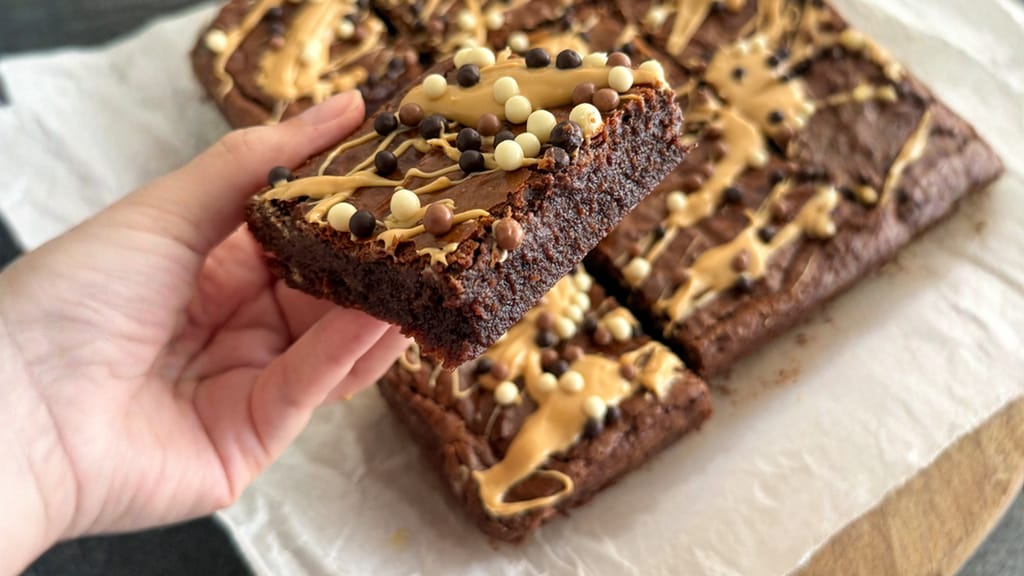
Yumsto signature fudgy brownies with toppings
Fudgy dark chocolate brownies, gooey right to the middle
Milk chocolate is the easiest to fall in love with, but harder to work with than dark — the milk powder in it contains proteins and lactose that scorch before the cocoa does. So melt it more gently and at a lower temperature.
The second trap is sweetness. Milk chocolate has roughly twice the sugar of a 70% dark bar. Swap it in 1:1 for dark in a recipe and the result comes out unpleasantly sweet — see the section on substitutions below for how to adjust for it.
It works best not as the star of the show but as a partner: with caramel, toasted nuts (hazelnuts, almonds, pecans), and salty elements. The pairing of milk chocolate and salt is exactly why salted caramel works so reliably.
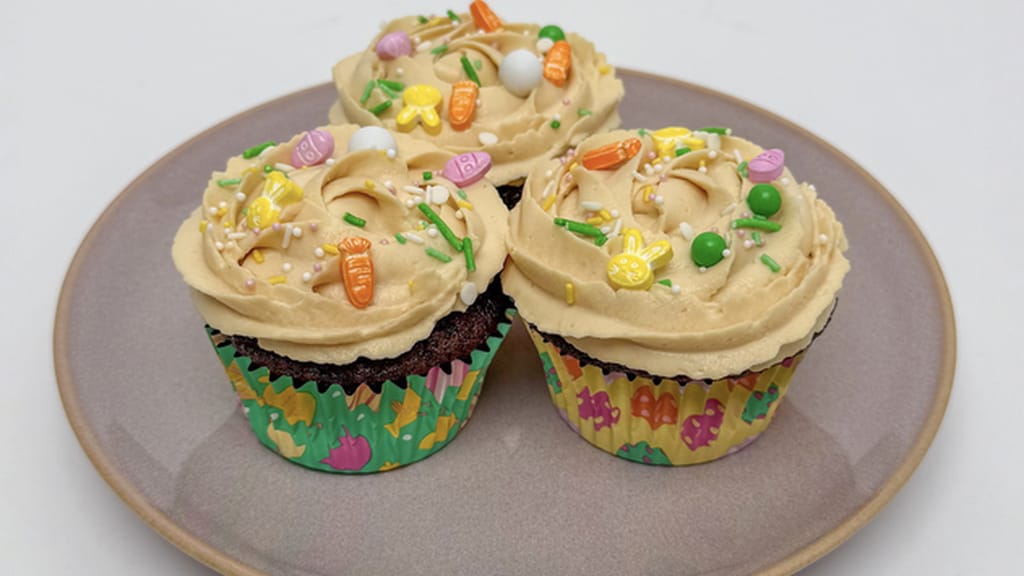
Chocolate cupcakes with salted caramel cream
Chocolate cupcakes with caramel frosting — caramel meets milk chocolate
White chocolate contains no cocoa solids at all — it's just cocoa butter, sugar, and milk powder, which is why it has neither the flavour nor the colour of cocoa. That doesn't make it useless, though — it just changes its role: it's not a chocolate substitute, it's a fatty, sweet ingredient with a vanilla-like undertone.
That tells you what to pair it with. On its own it's very sweet, so it needs acidity or a strong aromatic to keep it from tasting flat:
Tart fruit — raspberries, strawberries, redcurrants, passion fruit, citrus.
Spices and aromatics — vanilla, cardamom, tonka bean, matcha, lavender.
Dairy tang — sour cream, quark, yoghurt, crème fraîche.
And then there's the trick that turns white chocolate into an entirely different ingredient: caramelising it. Spread it on a baking sheet and bake at 120–130°C (250–265°F) for roughly 30–50 minutes, stirring with a spatula every 10 minutes. It will first turn grainy and look like it's spoiled — that's normal, just keep stirring. It will gradually turn golden brown and melt into a smooth, caramel-like mass somewhere between caramel and fudge in flavour. Use it in ganache, in a cream, or let it set and chop it up.
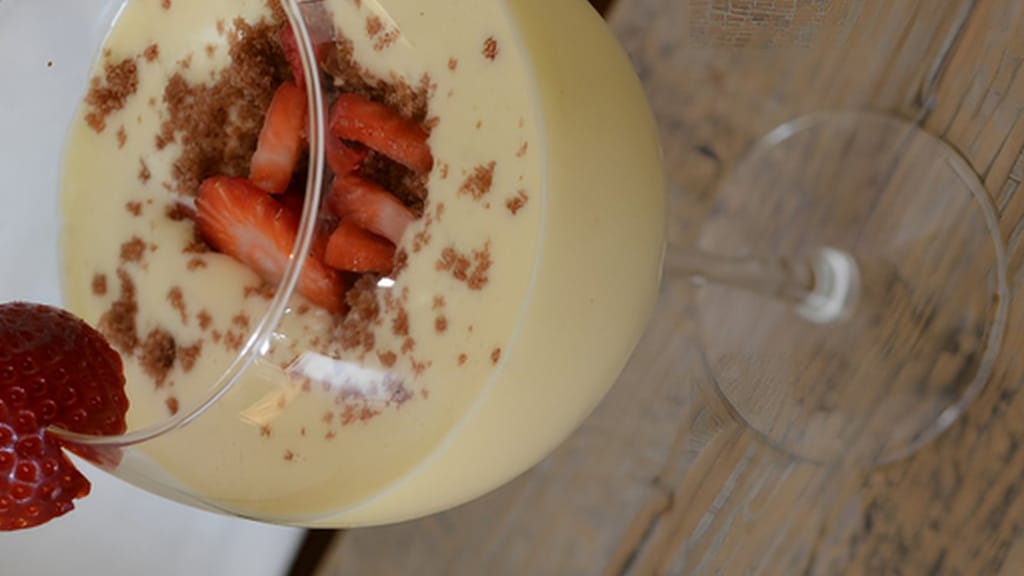
White chocolate mousse – light and fluffy
Whipped white chocolate mousse — light, airy, and no baking required
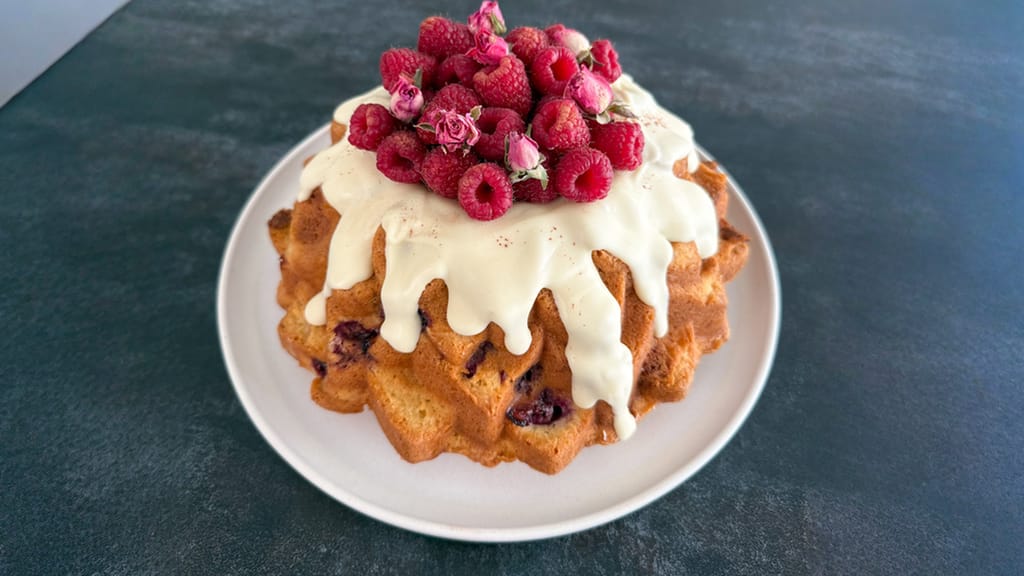
Raspberry bundt cake with white chocolate and sour cream
Raspberry bundt cake with white chocolate and sour cream — sweetness balanced by acidity
To reach the same firmness, dark chocolate needs the most cream and white the least — the ratios of chocolate to cream (by weight) look roughly like this:
Dark (60–70%) — 1:1 for a glaze or sauce, 2:1 for a filling or truffle centre.
Milk — 2:1 for a glaze, 2.5:1 to 3:1 for a filling.
White — 3:1 for a glaze, up to 3.5:1 for a filling.
This isn't arbitrary — it comes straight from composition. Cocoa solids and cocoa butter are what give ganache its firmness. White chocolate has zero cocoa solids and lots of sugar, which actually works against setting — so it can only take a small amount of liquid if it's going to set at all. Dark chocolate has the most particles, so it can absorb the most liquid.
How not to ruin it: heat the cream just below boiling, pour it over the chopped chocolate, and let it sit undisturbed for 2 minutes so the heat spreads evenly. Then stir with a spatula from the centre outward until the emulsion comes together into a smooth, glossy mass. Don't use a whisk — it beats in air and turns the ganache dull and grey.
Tempering is controlled cooling that coaxes the right type of crystal to form in the cocoa butter — and each type of chocolate has its own set of three temperatures. Couverture manufacturers recommend:
Dark — melt to 45–50°C (113–122°F), cool to 27–28°C (81–82°F), work at 31–32°C (88–90°F).
Milk — melt to 40–45°C (104–113°F), cool to 26–27°C (79–81°F), work at 29–30°C (84–86°F).
White — melt to no more than 45°C (113°F), cool to 26–27°C (79–81°F), work at 28–29°C (82–84°F).
Why go to all this trouble? Cocoa butter can set into six different crystal forms, and only one of them — Form V, which melts at around 34°C (93°F) — gives you that glossy finish, a clean snap, and stability. That temperature isn't arbitrary: it's above normal room temperature, so a chocolate in your hand won't soften, but it's below body temperature, so it melts on your tongue. Untempered chocolate sets into lower crystal forms instead — it's dull, soft, melts in your fingers, and turns grey within days.
The easiest home method is seeding: melt two-thirds of the chocolate, take it off the heat, add the remaining third finely chopped, and stir until it dissolves. Any unmelted chocolate is already tempered and provides the seed crystals you need. Test it with the tip of a knife: dip it in and leave it at room temperature. Within 3–5 minutes the coating should be dry and glossy; if it's still tacky after ten minutes, the tempering hasn't worked.
Nearly everything that goes wrong with chocolate at home boils down to three things: seizing from water, overheating, and bloom. Here's how to recognise and deal with each:
Grainy, stiff, dull mass while melting — seizing from water: moisture or steam has gotten into it. See the fix above.
Chocolate turning brownish and grainy, with a burnt-milk smell — overheating. This mainly affects milk and white chocolate, since the milk proteins in them scorch. Never take white chocolate above 45°C (113°F). There's no rescuing this one — you'll need to start again with fresh chocolate.
A white or greyish coating on set chocolate — known as bloom. Fat bloom comes from overheating or poor tempering, with cocoa butter rising to the surface; sugar bloom comes from moisture, typically when chocolate is pulled straight from the fridge and condensation forms on it. Both are harmless and safe to eat — the chocolate just looks off and has a softer texture. Skip it for a glaze, but it's fine to use in a batter.
One extra bit of prevention: chop chocolate into evenly sized pieces. Large chunks melt more slowly than small ones, so by the time the big pieces are melted, the small ones have already started to overheat.
You can substitute one for another, but never 1:1 — swapping the type of chocolate also changes the sugar and fat balance of the whole recipe.
Dark for milk — cut the sugar in the recipe by roughly 15–20% and expect a softer result. Milk chocolate has less cocoa solids, so the dessert won't hold its shape as well.
Milk for dark — add back a similar amount of sugar, or the dessert will taste unexpectedly bitter, especially at 70% and above.
Anything for white — this isn't a simple adjustment, it's a different recipe altogether. White chocolate has no cocoa solids, so it sets completely differently in ganache and creams; use the ratios from the table above rather than the original recipe.
Cocoa powder in place of chocolate only works in batters, never in glazes or ganache: replace 30 g chocolate with 15 g cocoa powder plus 15 g butter, and add a little extra sugar. Don't use this trick in any recipe where the chocolate needs to set.
Chocolate belongs somewhere dark, dry, and around 15–18°C (59–64°F) — not in the fridge. Taken out of the fridge, moisture condenses on it and causes sugar bloom; cocoa butter also readily absorbs odours, so chocolate stored next to cheese or onions will taste like them within a week.
Store it airtight. Shelf life then depends on the manufacturer, but roughly speaking:
Dark chocolate — keeps longest, typically around 1.5 to 2 years, depending on the brand. It has no milk fat to go rancid.
Milk and white chocolate — around a year, depending on the brand. Milk fat oxidises and gives the chocolate a tallowy taste over time.
The date on the package is always what counts. If you can't manage 18°C (64°F) — hardly anyone can indoors in summer — keep the chocolate airtight in the fridge and let it come back up to room temperature in its sealed wrapper for a few hours before using it. That way condensation forms on the wrapper, not on the chocolate itself.
Of the three, dark chocolate has the most cocoa solids and the least sugar; milk chocolate has roughly twice the sugar of a 70% dark bar, plus milk powder; and white chocolate has no cocoa solids at all and the most sugar of the three. All three are still high in fat, since cocoa butter is their main component. Dark chocolate has more cocoa solids than milk chocolate, and therefore more cocoa flavanols — the compounds behind cocoa's astringent, bitter edge.
Here's what's safe to say about their composition, and what's actually useful to know in the kitchen:
Caffeine and theobromine — dark chocolate contains significantly more than milk chocolate (roughly 80 mg caffeine per 100 g in 70–85% chocolate versus about 20 mg in milk chocolate), while white chocolate has virtually none.
Milk and white chocolate aren't suitable for vegans, or for anyone with a milk protein allergy. Dark chocolate often is — but always check the ingredients and any "may contain traces of milk" warning.
White chocolate is the sweetest of the three, since it has no cocoa bitterness to balance out the sugar.
If you're weighing up chocolate for a specific health condition, ask your doctor or a dietitian — not a recipe website.
Only a dark chocolate that has no milk powder in the ingredients list AND carries no "may contain traces of milk" warning is truly safe — you need to check both, since either one alone isn't enough. Plenty of dark chocolates deliberately include milk powder for a smoother taste, even though they're labelled as dark. And even when milk powder isn't in the ingredients, the chocolate is often made on shared equipment with milk chocolate, which is exactly what that warning is for. If you have an allergy, go by the warning label, not the cocoa percentage.
For a thin, glossy coating that snaps cleanly once set, you need tempered couverture — ideally a dark one at 60–70% cocoa. It has the most cocoa butter and cocoa particles, so it spreads thinly and holds its shape even at room temperature. If you'd rather skip tempering, use a ganache instead, at a 1:1 ratio for dark or 2:1 for milk — it stays softer and glossy without needing to crystallise. White chocolate is the trickiest of all for a glaze: it needs the lowest temperatures and scorches easily.
You can temper a standard chocolate bar too, as long as cocoa butter appears near the top of the ingredients list — it'll just be thicker and harder to work with. Couverture has a higher proportion of cocoa butter (typically above 31%), so it's more fluid when warm, coats moulds better, and sets into a thinner, crisper shell. For pralines and glazes the difference is obvious right away; for brownie batter, couverture is overkill.
Yes, but in short bursts at a low setting — 20–30 seconds on medium power, then take it out and stir, and repeat. Chocolate holds its shape even after melting, so you can't tell by looking whether it's overheated inside; stirring is your only real feedback. Take it out once it's about two-thirds melted and let the residual heat finish the job. Be especially careful with white and milk chocolate — they scorch fastest in the microwave.
Cream-based ganache keeps for 5–7 days in the fridge in an airtight container, or one day at room temperature. The more cream it contains, the shorter its shelf life — a runnier ganache is more prone to mould, while a firm praline-style ganache at a 2:1 ratio keeps longer. Let it come back to room temperature before using and stir it gently with a spatula; never reheat it quickly, or the emulsion will break.
Ruby is a fourth type of chocolate with a naturally pink colour and a slightly tart, fruity flavour, launched by manufacturer Barry Callebaut in 2017. It's made from specially processed cocoa beans, with no added colouring. In the kitchen it behaves much like white chocolate — heat-sensitive, sweet, and needing only a small proportion of cream in ganache. Its tartness pairs well with fruit and delicate creams.
One recipe worth heating the oven for, one tip, and one deal from the shop. Nothing else.