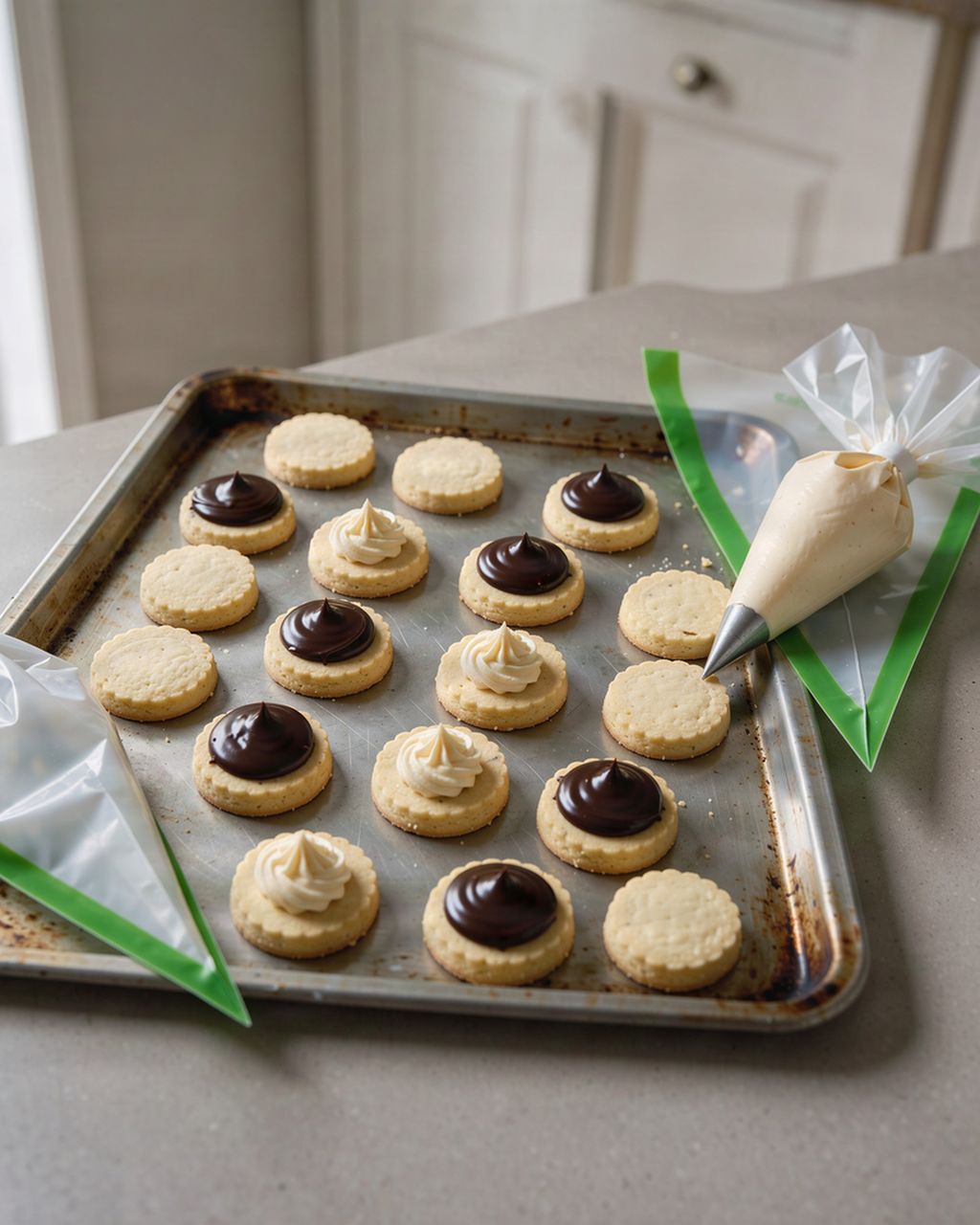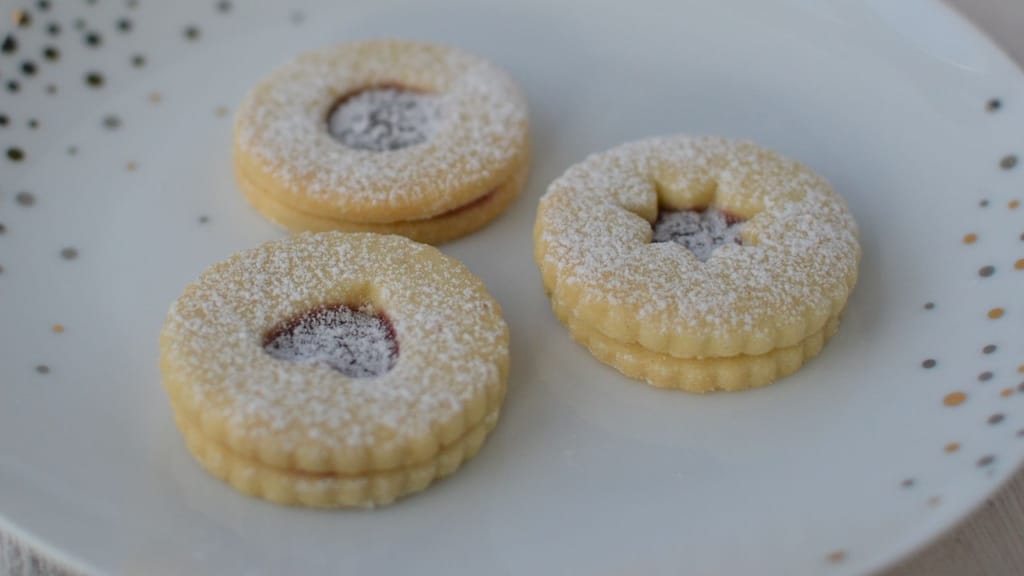
Classic christmas cookies: delicate linzer cookies
Christmas Cookies on One Tray: What to Bake Together and What to Keep Apart
Updated Oct 6, 2026
You can only bake different Christmas cookies on the same tray when three things line up: the same temperature (within about 10°C/18°F), a similar baking time, and the same thickness. Linzer cookies and vanilla crescents bake at the same temperature — but only share a tray if you shape the crescents smaller. Gingerbread is best on its own tray, and meringue kisses or coconut macaroons should always go in alone. Here's a rundown of what pairs with what, and how to plan your baking so the oven keeps running without a break.
You can only bake different cookies together on one tray if they share the same temperature, a similar baking time, and the same thickness. If even one of those three doesn't match, one batch will come out underdone while the other burns.
Temperature: a gap of up to about 10°C (18°F) is fine to split the difference on, but no more.
Baking time: don't pair cookies that need 8 minutes with ones that need 15. Pulling individual pieces off a hot tray early is a recipe for burnt fingers and broken cookies.
Thickness and size: a thin star cutout and a plump crescent bake at completely different rates even at the same temperature.
In practice this breaks down into three main groups: delicate butter cookies, gingerbread, and meringue-based treats. You can mix and match within a group, but never across groups.
Christmas cookies fall into three temperature groups: delicate butter cookies (320–345°F / 160–175°C), gingerbread (340–355°F / 170–180°C), and meringue-based treats, where meringue kisses are dried at 175–210°F (80–100°C) and coconut macaroons bake at 250–300°F (120–150°C).
Overall, Christmas cookies bake at a lower temperature than cakes do — the butter and sugar in such thin dough brown quickly, so you're balancing being cooked through against over-colouring. We dig into why in our article on why Christmas cookies bake at a lower temperature. These ranges are a guide based on typical recipes — always go with your own recipe's temperature, and get to know your own oven.
Linzer cookies, vanilla crescents, cut-out butter cookies and lard cookies can all go in the oven together at 320–345°F (160–175°C), usually for 8–15 minutes until lightly golden. This range comes from standard recipes, and the exact time depends mainly on the size of the pieces.
Linzer cookies and cut-out butter cookies are thin and bake quickly, in about 8–10 minutes. Put them on the same tray only if they're rolled to the same thickness (typically 3mm/⅛ inch).
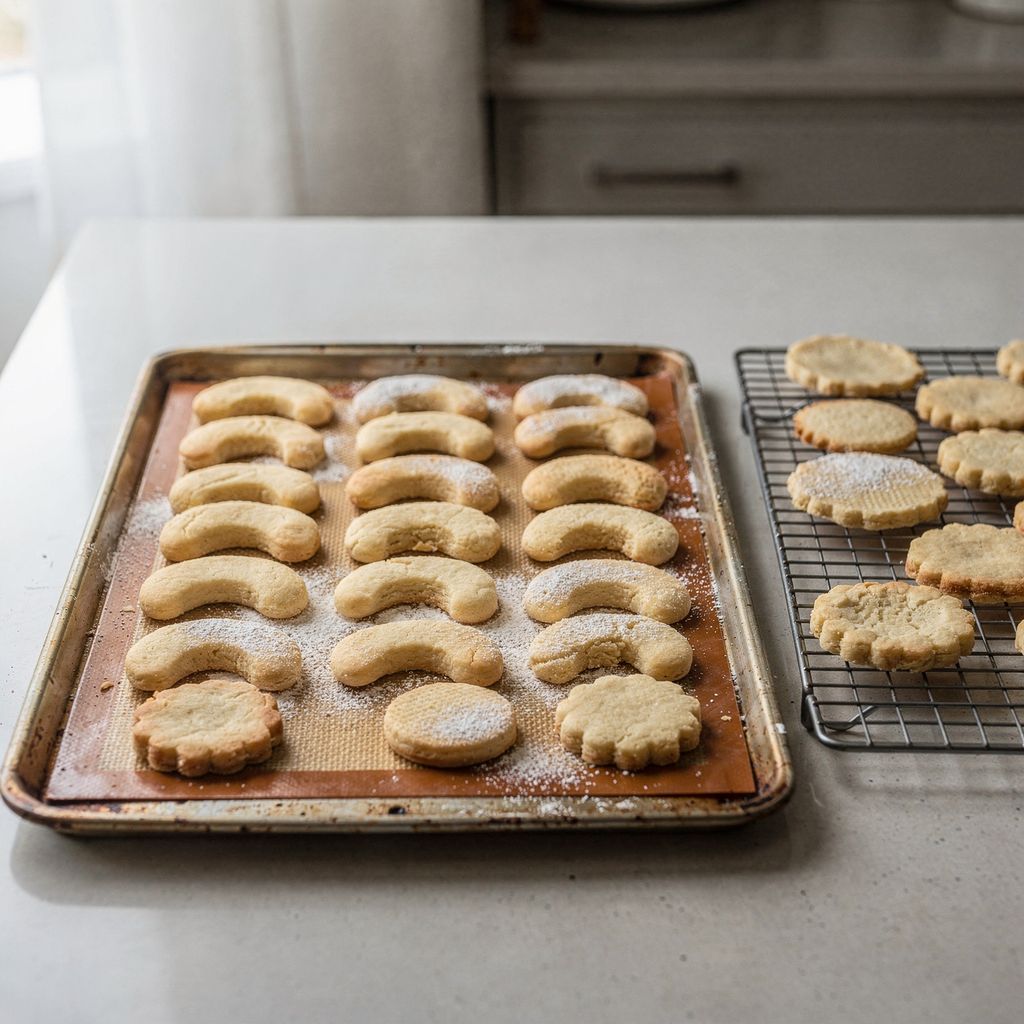
Vanilla crescents are thicker and need more like 12–15 minutes. Only share a tray with Linzer cookies if you shape the crescents smaller — otherwise give them their own tray at the same temperature, straight after the Linzer batch.
Judge doneness by the edges, not the centre: the edges should turn lightly golden while the middle stays pale and slightly soft. It firms up once out of the oven.
Gingerbread bakes quickly, usually 8–10 minutes at 340–355°F (170–180°C). The temperature overlaps somewhat with butter cookies, but give it its own tray anyway. Honey-based dough browns noticeably faster than butter dough (the fructose in honey caramelises at a lower temperature), so while your Linzer cookies are only just starting to colour, the gingerbread could already have a scorched bottom.
Gingerbread also spreads as it bakes — leave more space between pieces on the tray. If yours are spreading too wide, see our article on why gingerbread spreads during baking.
Meringue-based sweets follow two different methods: meringue kisses are dried rather than baked at 175–210°F (80–100°C), often for an hour or longer, while coconut macaroons bake for a shorter time, about 15–20 minutes at 250–300°F (120–150°C), just until lightly golden.
Macaroons and meringue kisses need a lower temperature and a different baking time than butter cookies, so give them their own tray. And don't combine meringue kisses with macaroons either — an hour of drying would dry the macaroons out too much.
Properly whipped egg whites are key for meringue-based treats — find out how to spot stiff peaks in our article on how to tell when egg whites are whipped enough.
Thin pieces cook through faster because heat doesn't have far to travel to their centre. If you put 3mm/⅛-inch stars and 1cm/⅜-inch crescents on the same tray, you're left with two options: take the tray out when the stars are done (leaving the crescents raw in the middle), or wait for the crescents (and end up with dark, bitter stars).
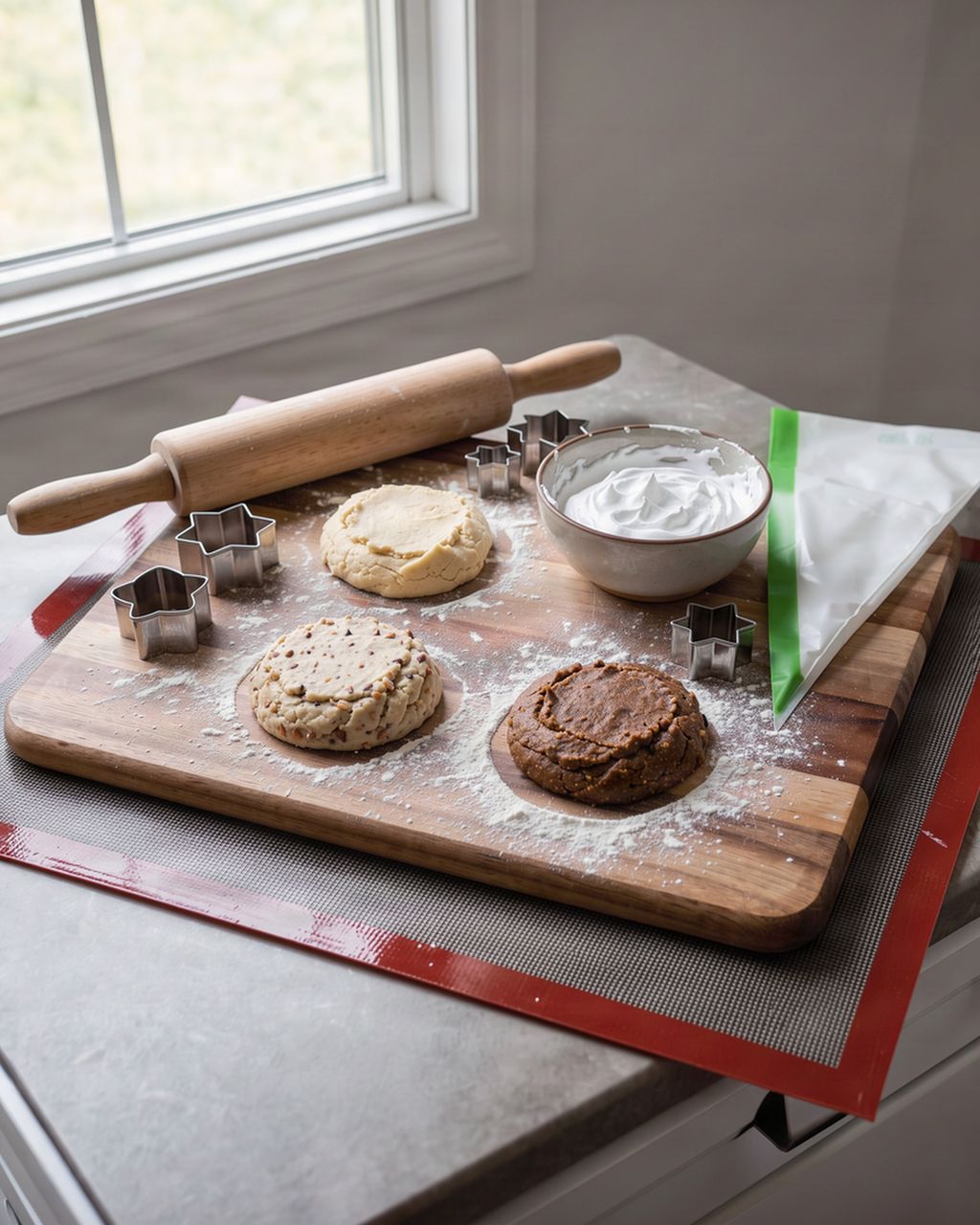
Roll dough to an even thickness. Guide rails, or two rolling pins of equal thickness placed either side of your dough, are the most reliable way to get this right.
One shape per tray — or at least one size. Mixing large and small cutters on the same tray gives uneven results.
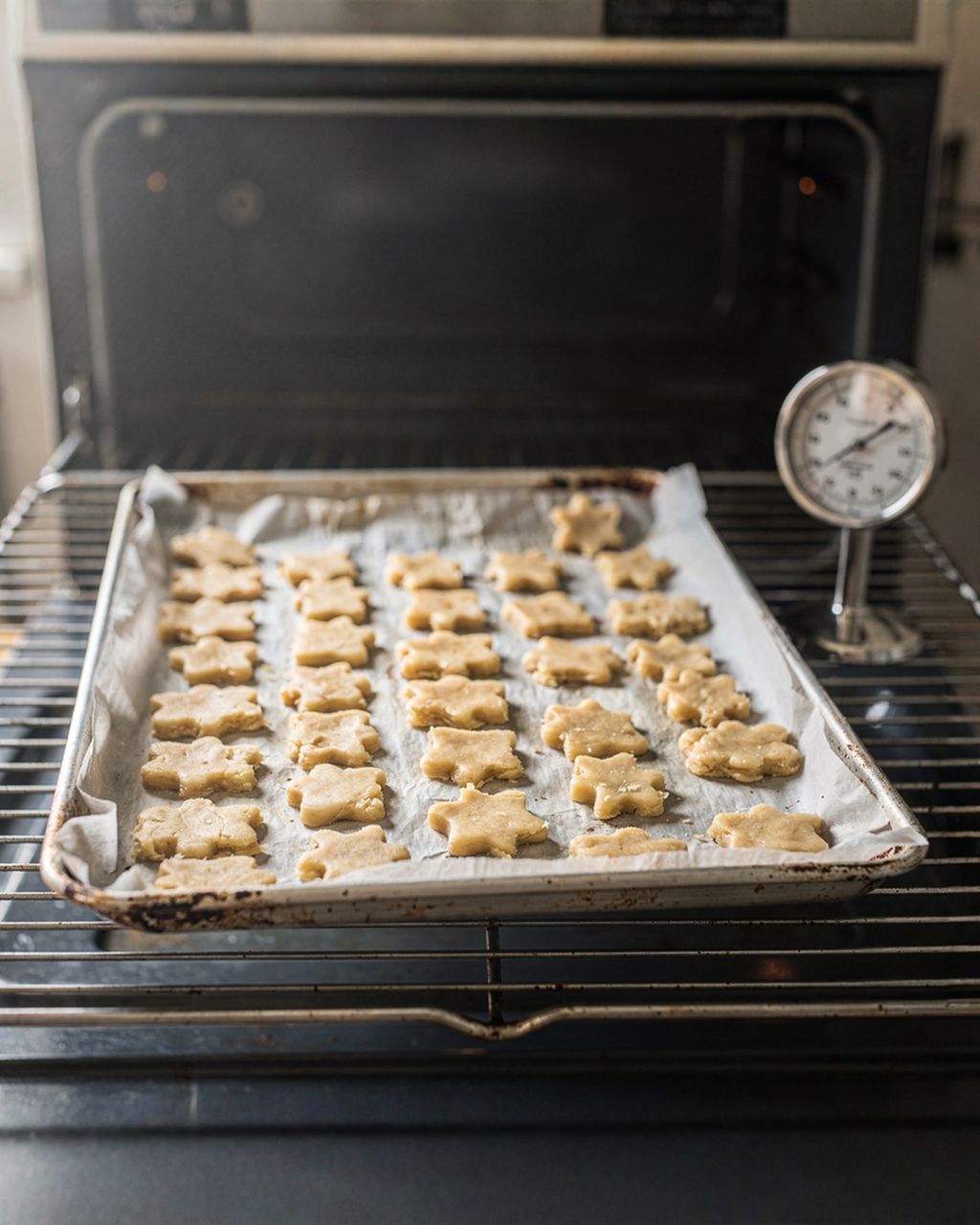
Keep spacing consistent. A piece squeezed up against its neighbour bakes more slowly than one with air circulating around it.
The back of the oven tends to run hotter. Turn the tray 180° halfway through baking.
Plan your cookie baking in five steps: work from the lowest temperature up to the highest, use two or three trays, always place dough on a cold tray, keep cut-out cookies chilled in the fridge, and pause after changing the temperature.
Work from the lowest temperature to the highest. Ovens heat up fast but cool down slowly. Start with meringue kisses, then macaroons, then raise the temperature for butter cookies, and leave gingerbread for last.
Keep at least two trays on hand, ideally three. One bakes, one cools, and you can be arranging the next batch on the third (or on a board alongside).
Dough always goes on a cold tray. On a warm tray, the butter in the dough starts melting before baking even begins, and the cookies spread — more on this in our article on why Linzer cookies spread while baking.
Let cut-out cookies wait in the fridge. While one tray bakes, the next batch chills — this helps it hold its shape and sharp edges better.
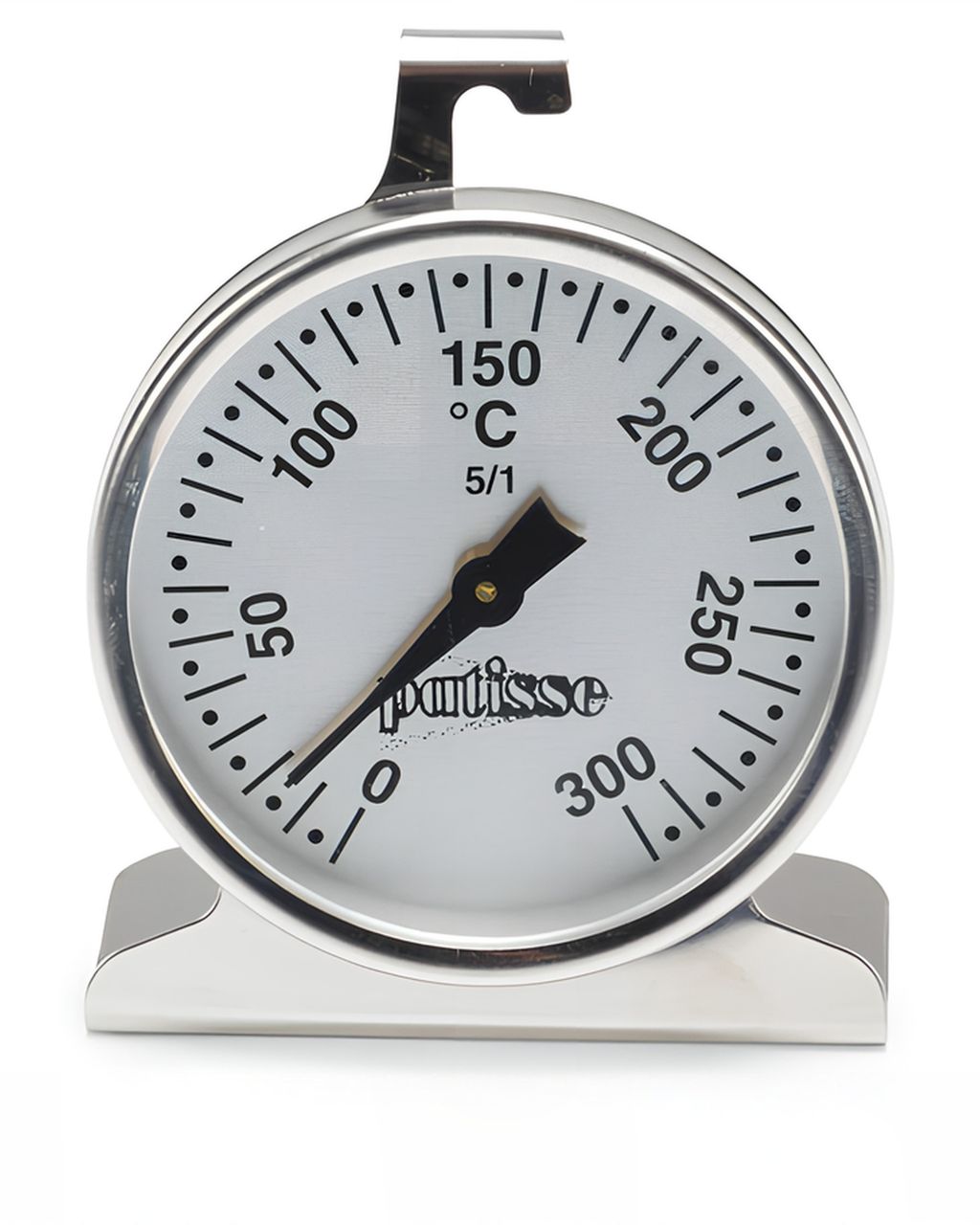
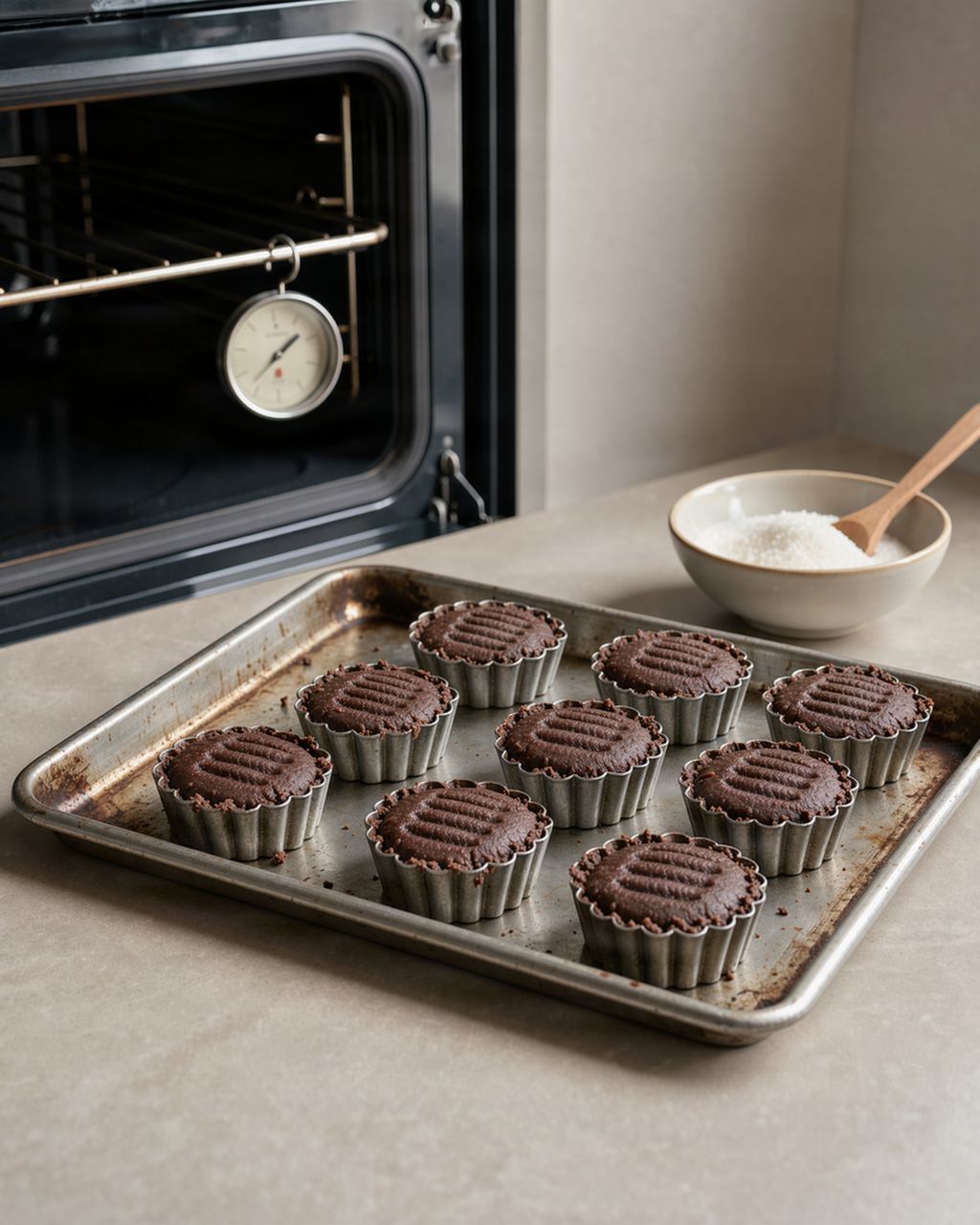
Wait after changing the temperature. Give the oven 10–15 minutes between groups so the temperature truly settles. The thermostat often reads the target faster than the oven actually reaches it.
We cover how many trays to put in the oven at once and how to rotate them separately in our article on how many trays of cookies to bake at once.
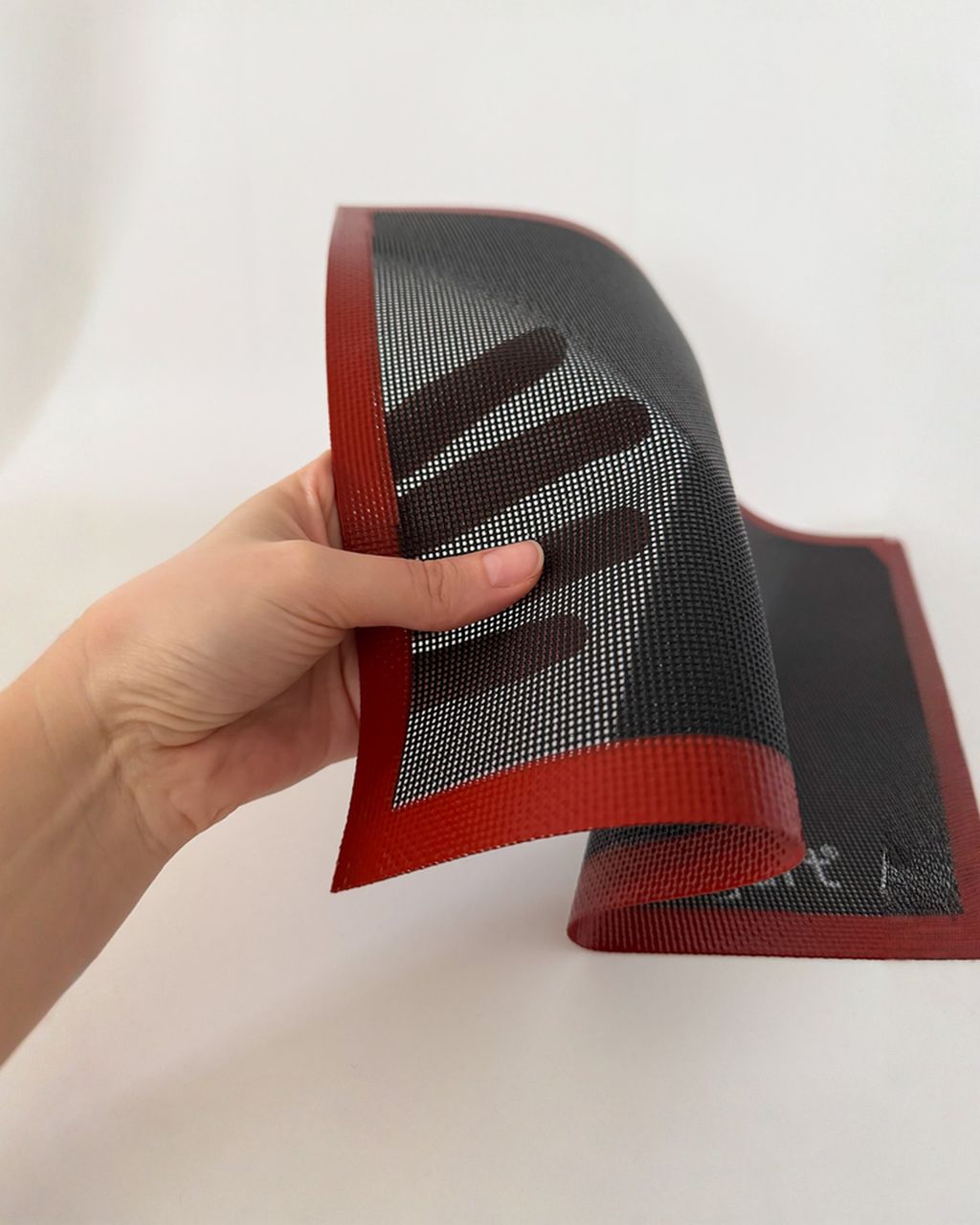
Baking paper always works, but for a big Christmas baking session a silicone mat is worth it — ideally a perforated one. The small holes let hot air reach right up to the base of the cookie, so the bottom cooks evenly and stays crisp instead of going soft from trapped steam underneath.
Baking paper: cheap and versatile, but it tends to shift around on the tray, and browns and gets brittle after repeated use.
Smooth silicone mat: nothing sticks and it lasts for years, but it insulates slightly — the base of the cookie browns a bit more slowly.
Perforated silicone mat: same non-stick benefits, but the base bakes almost as if it were on a wire rack. Especially good for thin butter cookies where you want even colour right across.
You'll find mats, thickness guide rails, and tray liners together in our baking mats and liners category. Whatever surface you use, keep an eye on your first tray — baking time can shift by a minute or two on a new surface.
Linzer cookies and vanilla crescents are the classic pairing for one temperature, and lard cookies can join them too. Save gingerbread for the end of the day.
Once your baking's done, check out how long vanilla crescents keep and how to wrap cookies as a gift so they don't fall apart.
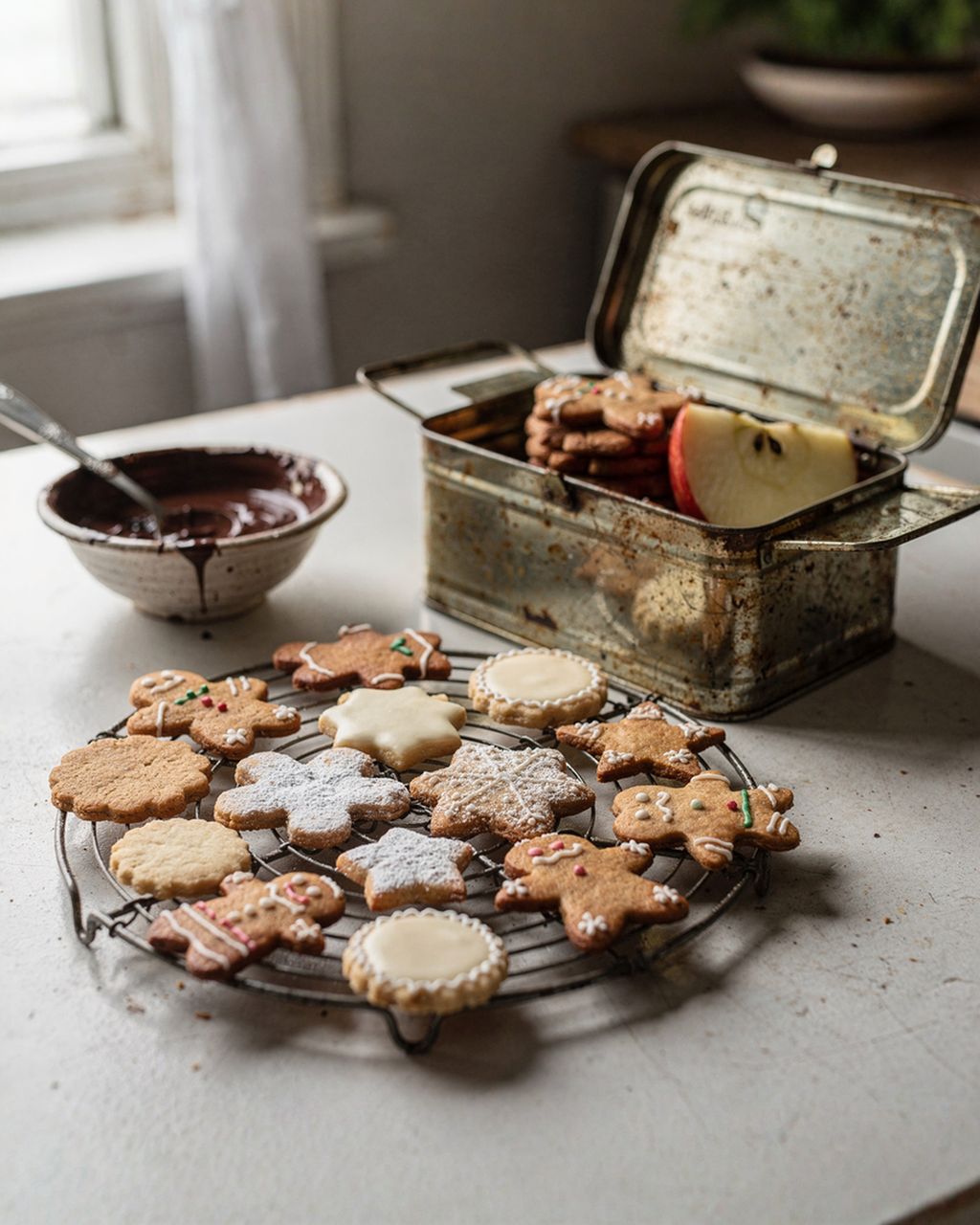
Classic christmas cookies: delicate linzer cookies
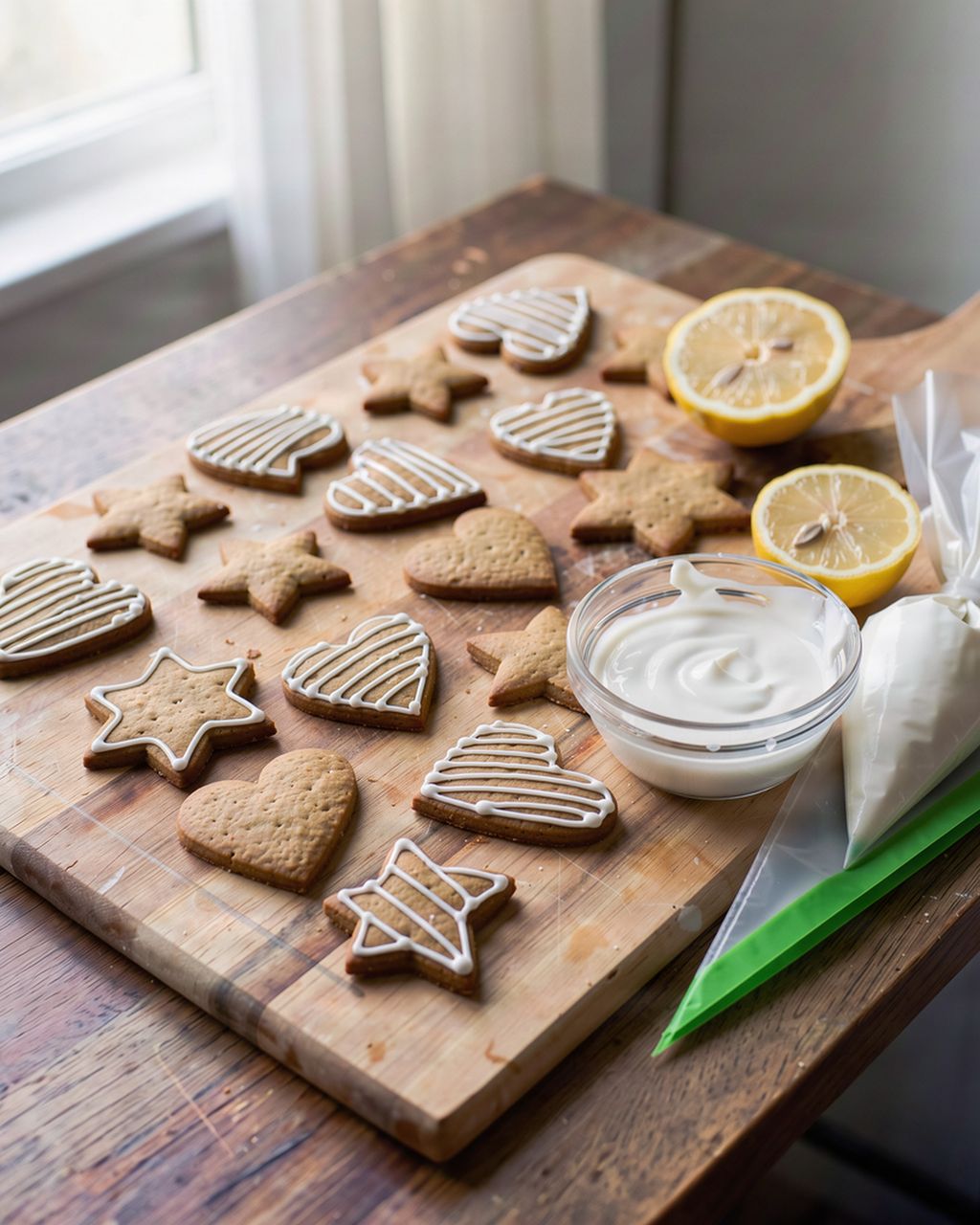
Delicate Linzer cookies — bake at the same temperature as vanilla crescents
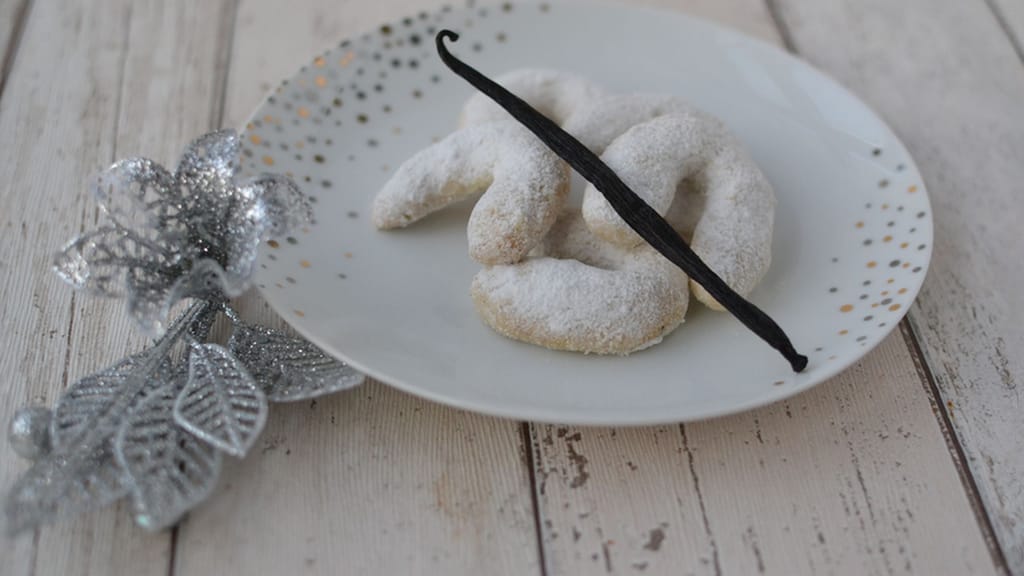
The best christmas cookies? vanilla crescents, of course!
Vanilla crescents — bake at the same temperature as Linzer cookies
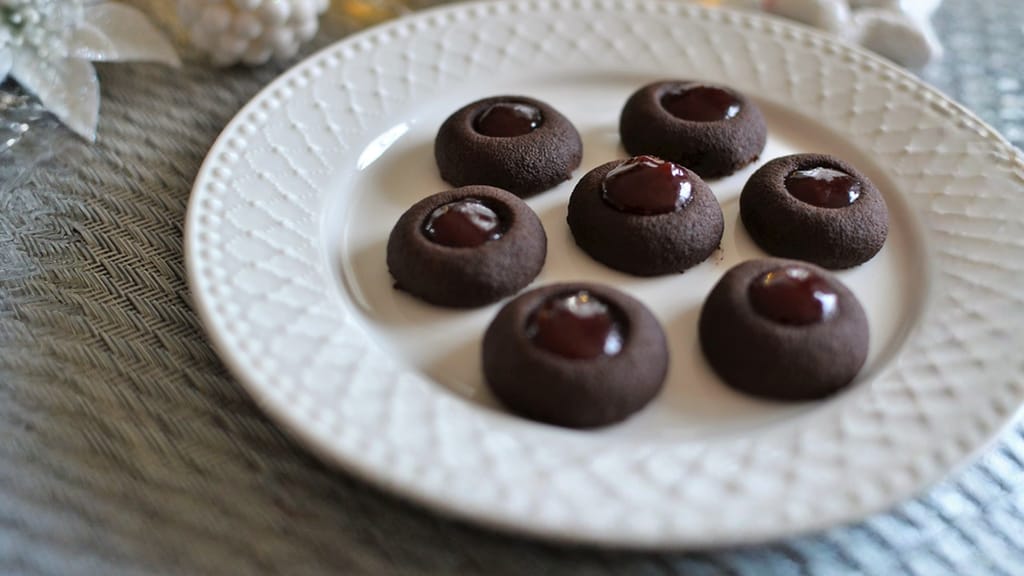
Sádláky – grandma's lard cookies
Lard cookies — part of the delicate butter cookie group
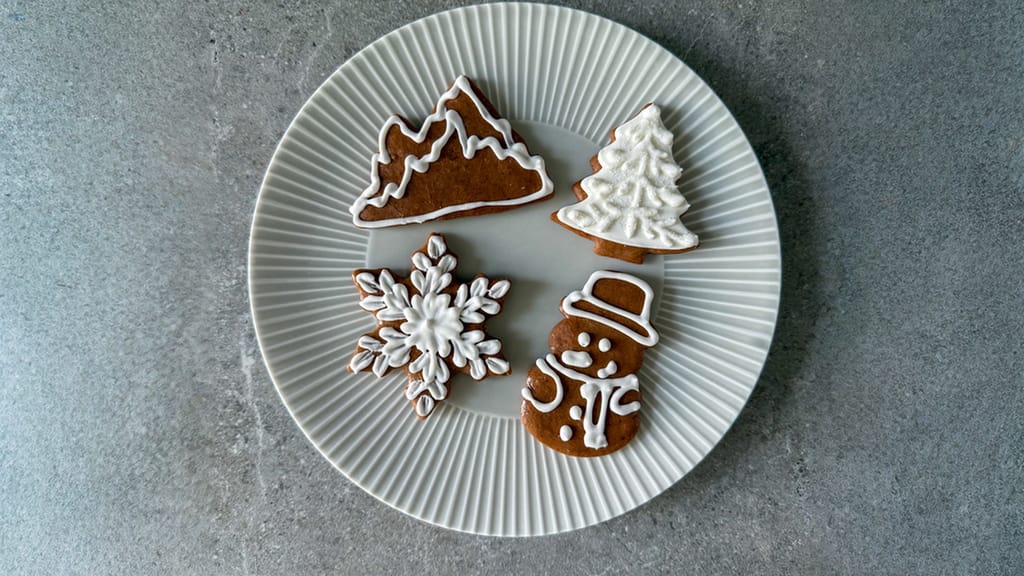
Soft honey gingerbread cookies that never go hard
Soft honey gingerbread — on its own tray, baked last
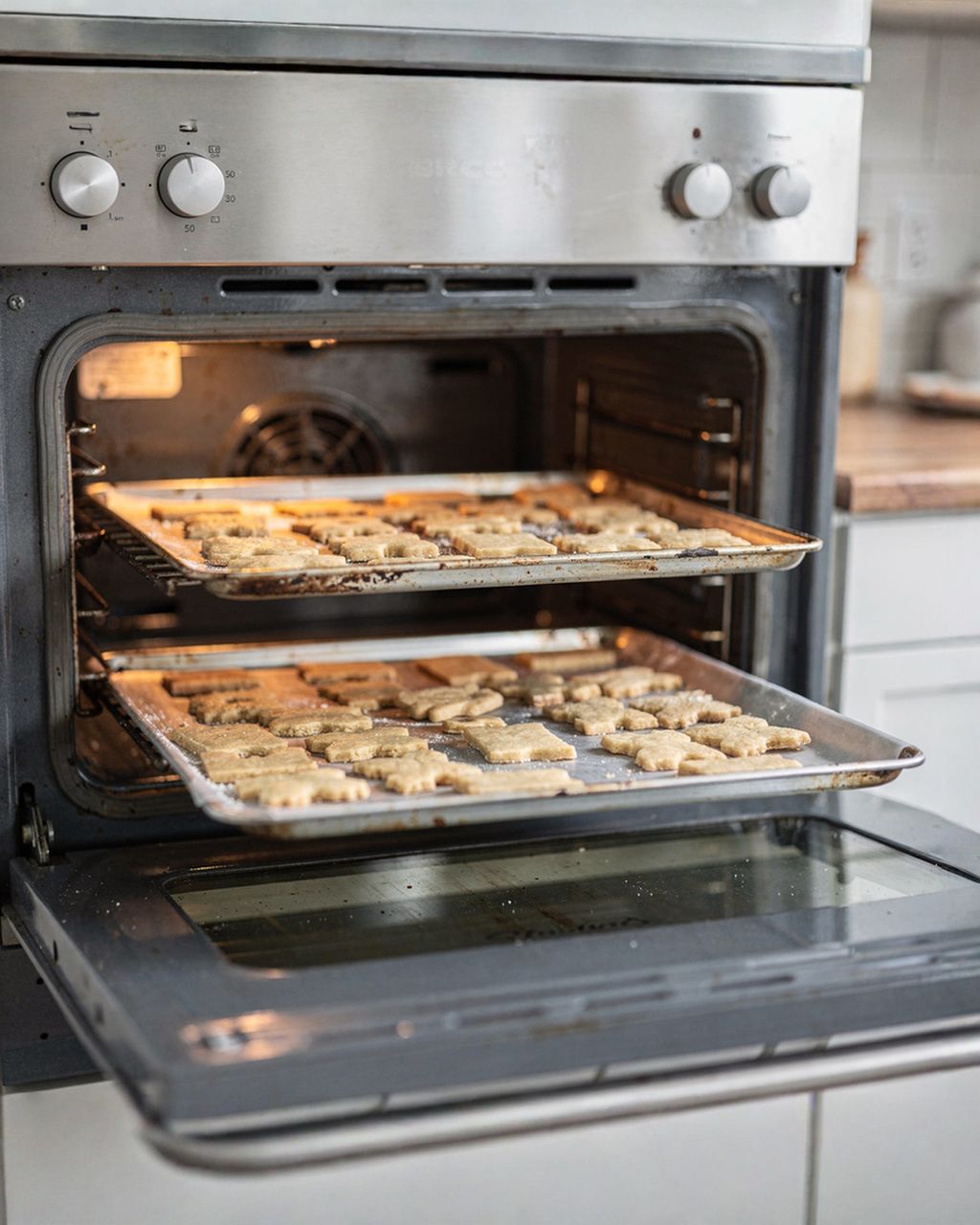
Yes — fan ovens circulate heat more evenly, so two trays of the same type of cookie can bake together. Just lower the temperature by about 15–20°C (27–36°F) compared with conventional baking, expect a slightly shorter time, and swap the trays halfway through, since the upper and lower shelves still bake a little differently.
For conventional baking, place a single tray in the middle of the oven, on the centre rack. On the top shelf, cookies would brown too quickly on top; on the bottom shelf, the base would scorch easily. Using multiple shelves at once really only works well with a fan oven.
Cut-out butter cookie dough happily waits in the fridge for several hours, covered, even overnight. The cold actually helps — the butter firms up, so the cookies hold their shape better during baking. In a warm kitchen, though, don't leave them out for more than a few dozen minutes.
Better not to — frozen pieces take a few minutes longer to bake than fresh ones, so one half of the tray would finish before the other. Bake frozen cookies on their own tray, either straight from the freezer with extra time added, or after a short thaw in the fridge.
One recipe worth heating the oven for, one tip, and one deal from the shop. Nothing else.