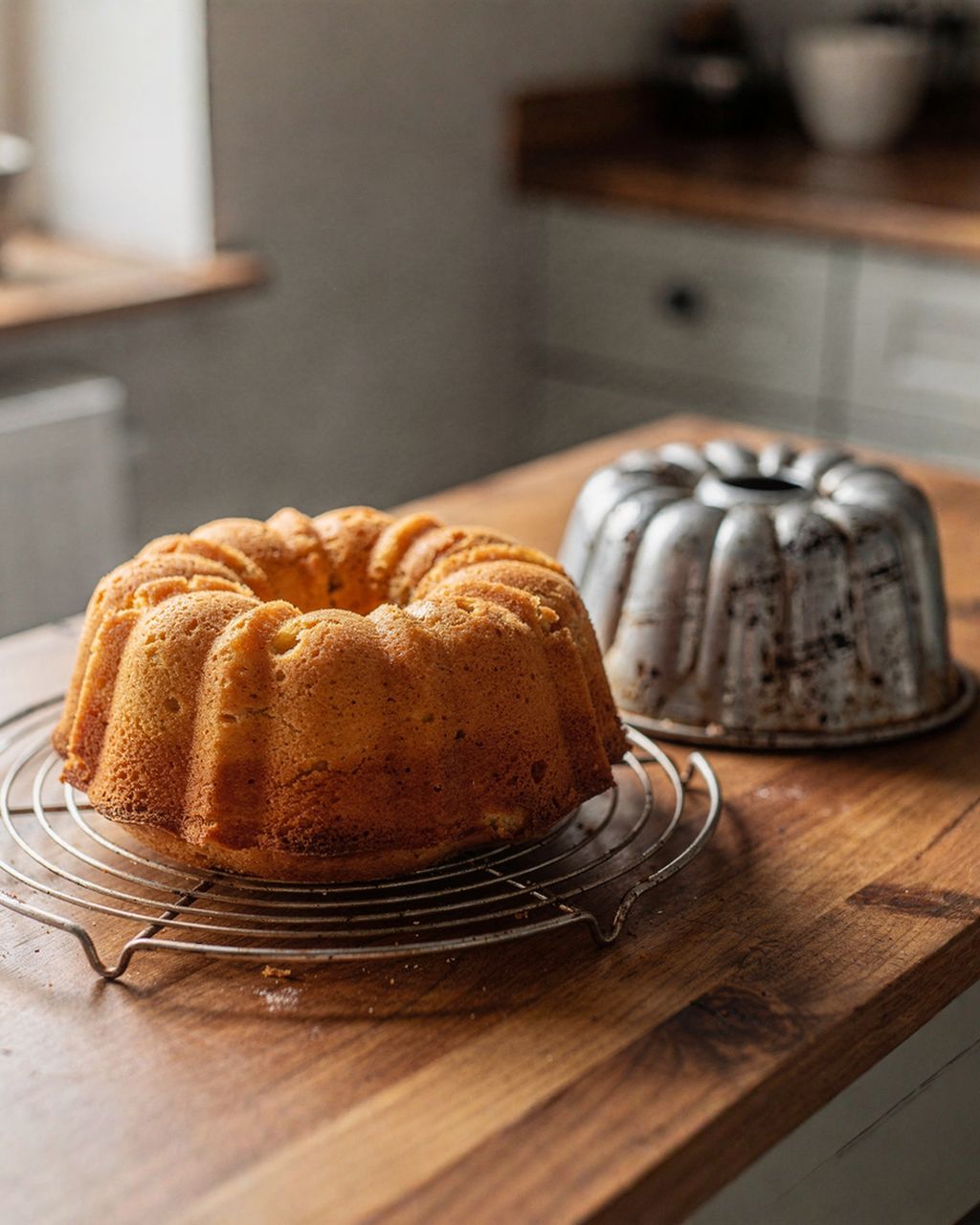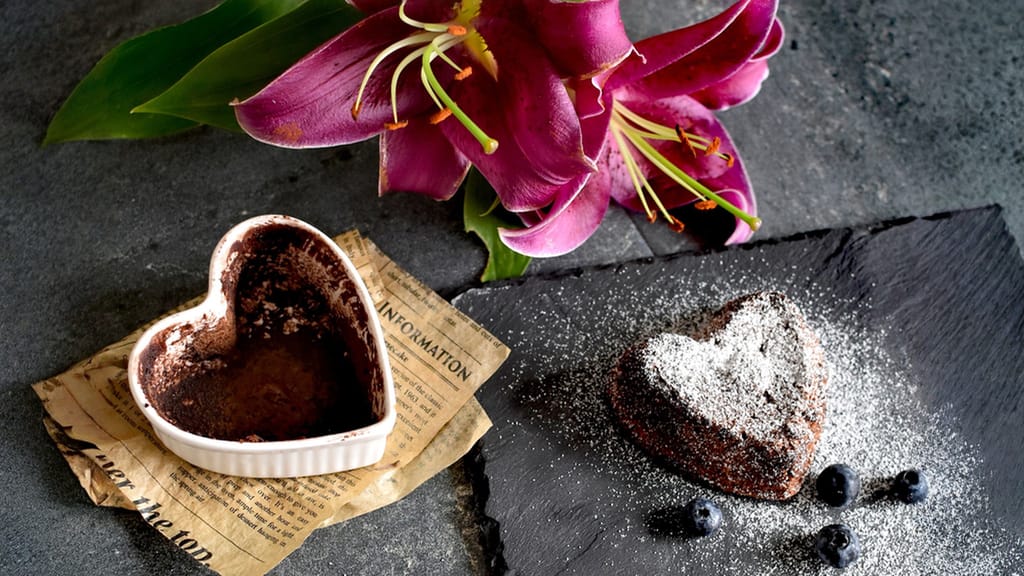
Chocolate fondant with fruit and whipped cream
Chocolate Fondant With a Molten Center: Method, Grams and Baking Times

Updated Nov 15, 2026
You can make 4 chocolate fondants with a molten center from 200 g dark chocolate, 100 g butter, 100 g sugar, 2 whole eggs + 2 egg yolks and 50 g all-purpose (plain) flour. Bake them 10–12 minutes at 200°C (400°F; convection 180°C/350°F) and pull them out while the center still wobbles. Another 30 seconds and the lava turns into plain cake. Fondant looks like a restaurant skill, but it rises or falls on one thing: timing. The molten center isn't magic. The edges simply set before the heat reaches the core. Below you'll find exact grams, which chocolate to use (and what percentage), baking times for batter straight from the fridge or freezer, how to unmold a fondant without tearing it, and a safer version with a ganache core for anyone who has to avoid undercooked eggs.
Chocolate fondant is a small chocolate dessert with a firm, lightly airy outer layer and a deliberately underbaked, molten center. What sets it apart from an ordinary little chocolate cake is that molten core, not the recipe itself.
The dessert has two fathers and two techniques. The French chef Michel Bras says he invented it in 1981. His version hides a frozen chocolate core inside the batter, which melts as it bakes. In 1987, Jean-Georges Vongerichten came up with a simpler variation in New York: ordinary chocolate batter baked briefly in a very hot oven, so the center simply doesn't have time to set. His method conquered restaurant menus in the 1990s and is still the one people use today.
The name varies. Fondant au chocolat, moelleux, lava cake and molten cake all mean the same thing in practice. We'll stick with fondant.
Seasonal baking plans, tested recipes and kitchen tricks that save you time. Unsubscribe in one click.
The molten center comes from the combination of high heat and short time: a hot oven quickly sets the edges while the core stays liquid. That's the whole secret, and there's no special ingredient behind it.
The edges hold their shape thanks to egg protein, sugar and flour, which firm up in the heat. Egg proteins start to set at roughly 62°C (144°F) for the white and 65–70°C (149–158°F) for the yolk. The edge against the wall of the mold passes that threshold within a few minutes. With the right timing, the center doesn't get there, so the cocoa butter stays melted and forms that liquid lava. It isn't raw batter. It's batter stopped halfway.
There are two ways to get there:
Underbaked batter (the Vongerichten method): a single batter that you pull from the oven at exactly the right second. Simpler, but sensitive to timing.
Frozen core (the Bras method): you bake a ball of frozen ganache into the batter and it melts. More work, but almost foolproof, and the only route to a molten center with no undercooked egg in it. We'll get to both below.
The center bakes through when more heat reaches the core than it needs, most often from baking 30–60 seconds too long or from an oven that runs hotter than it shows. The usual culprits:
Time. A fondant bakes for only 10–12 minutes, so every half minute is 5% of the total time. Hence the 30-second rule: better 30 seconds early than late.
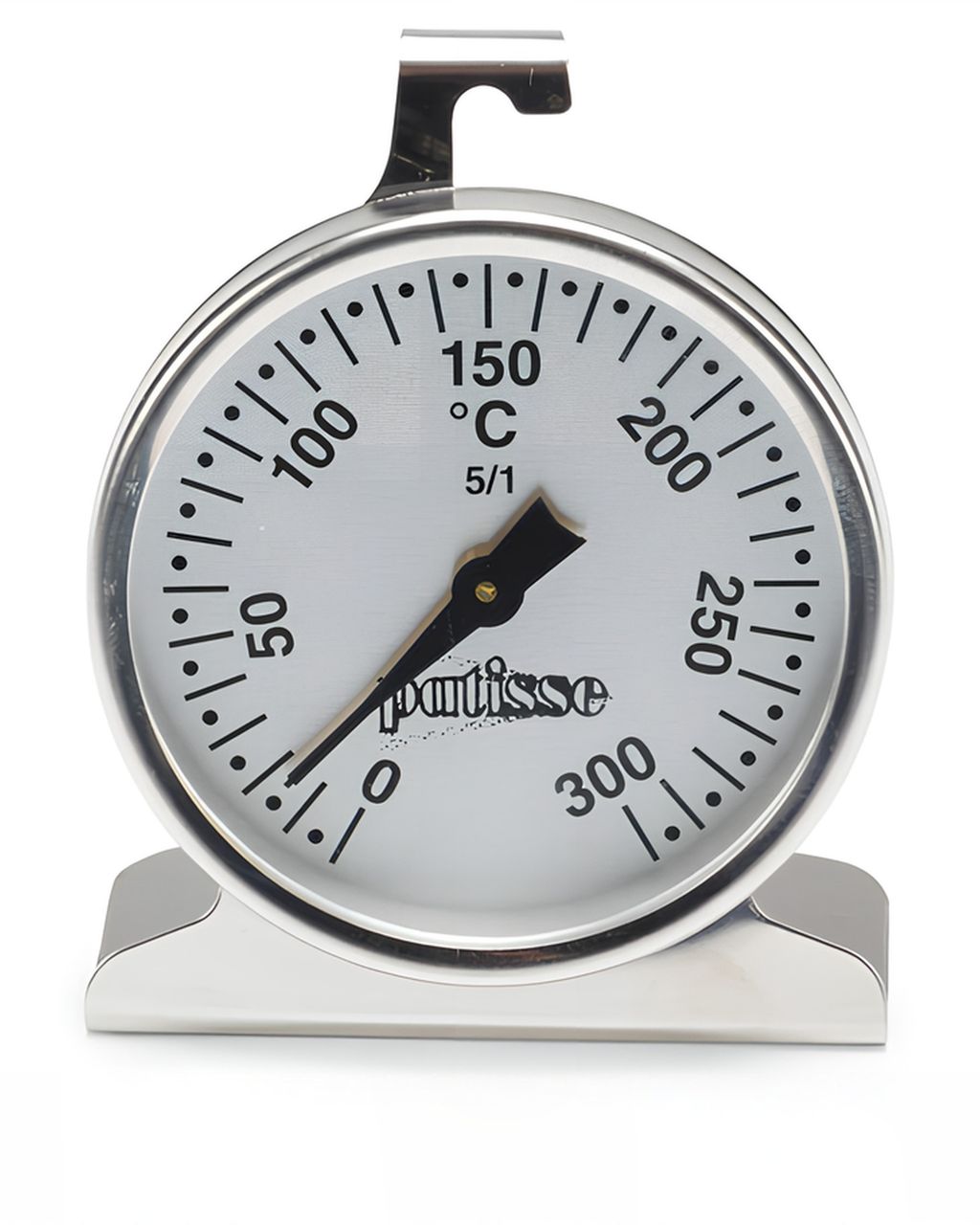
An oven that lies. Home ovens commonly differ from the set temperature by 10–20°C (18–36°F). At 220°C (425°F) instead of 200°C (400°F), the center bakes through before you notice. A cheap oven thermometer solves this once and for all.
A small or thin mold. A muffin cup (about 100 ml) holds less batter and the heat reaches the middle faster, so shorten the time to 7–9 minutes.
Too much flour. Flour binds liquid. Use 80 g instead of 50 g and the center will be soft rather than molten.
Residual heat. A fondant keeps cooking on the counter. Leave it in the mold for 3 minutes instead of 1 and the center starts to set.
The other way around, if the fondant is completely runny in the middle and falls apart when you unmold it, it was in the oven too briefly, or you baked chilled batter and didn't add 1–2 minutes.
For 4 fondants in 180–200 ml ramekins you need five basic ingredients: 200 g dark chocolate (55–72% cocoa), 100 g butter, 100 g sugar, 2 whole eggs + 2 egg yolks (size M–L) and 50 g all-purpose flour, plus a pinch of salt. To grease the molds, add about 15 g butter and 2 tablespoons cocoa. The quality of the chocolate decides the result more than anything else, so don't skimp on it.
Dark chocolate (200 g): the heart of the dessert. Good chocolate melts smoothly. For how to choose it and melt it without seizing, see the guide to tempering chocolate, though for fondant you only melt it and don't need to temper it.
Unsalted butter (100 g): it combines with the chocolate and gives the center its creaminess. Unsalted, so you control the salt yourself.
Sugar (100 g): granulated or powdered, both dissolve quickly and spread the sweetness evenly. With chocolate above 70%, keep it all; with chocolate around 55%, feel free to cut it to 80 g.
Eggs (2 whole + 2 yolks): the extra yolks make the center denser and more velvety. Let them come to room temperature so they combine better.
All-purpose flour (50 g): just enough for the edges to hold their shape. More flour means a firmer, less molten fondant.
A pinch of salt: it brings out the chocolate and tames oversweetness.
The batch makes roughly 580 g of batter, so around 145 g per ramekin. The molds should be about three-quarters full. For 6 smaller fondants (120–150 ml), use the same amount and shorten the time by 2 minutes.
Dark chocolate with 55–72% cocoa works for fondant. 70% gives an intense, more bitter lava, while around 55% gives a sweeter, runnier center. For what the percentages on the label actually mean and how to spot good chocolate from the ingredients, see our article on cocoa percentages in chocolate.
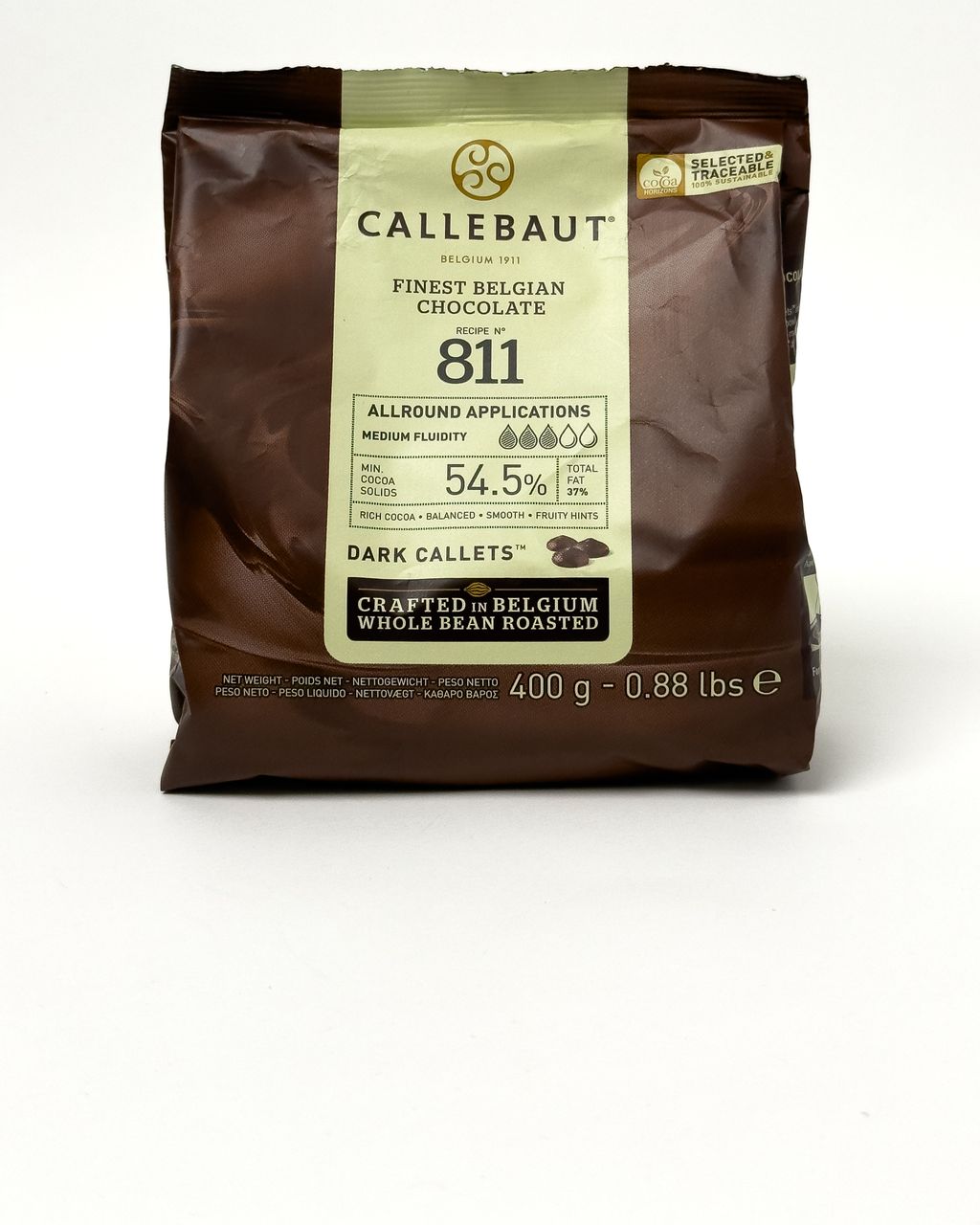
Around 55%: a sweeter, rounder flavor and a very runny center. This is where, for example, Belgian Callebaut 811 dark chocolate callets (54.5% cocoa) belong. The callets melt quickly and evenly, and there's nothing to chop. Cut the sugar to 80 g.
65–72%: the classic for restaurant fondants. More pronounced bitterness and a slightly denser center.
Above 75%: more cocoa solids and less sugar, so the center comes out thicker, drier and bitter. If that's what you want, mix it half and half with chocolate around 55%.
Milk and white: in this ratio they behave differently (more sugar and milk solids, and they brown quickly). Don't put them in the batter, but they work well as a ganache core.
Avoid cocoa-flavored compound coating (tuková poleva) and chocolates made with vegetable fat, since the center tends to turn gummy and flat in flavor. For more on choosing baking chocolate, see our article on which chocolate to use for brownies and chocolate cake.
Chocolate fondant with fruit and whipped cream
Chocolate fondant with fruit and whipped cream – a tested recipe with a molten center
You can easily adapt fondant to a gluten-free or vegan version, or swap the sugar for a sugar substitute, changing only one or two ingredients. For another take on the same dessert, baked right in little bowls, see the recipe for chocolate fondant in decadent chocolate cups.
Gluten-free: replace the all-purpose flour with the same amount (50 g) of almond flour. Rice flour or a gluten-free blend works too. Check that the chocolate and cocoa are gluten-free as well. For more on gluten-free cooking, see how to cope with a gluten allergy.
With a sugar substitute: swap the sugar for erythritol or another granulated sugar substitute. Erythritol is about a third less sweet than sugar and leaves a slight cooling feeling in the mouth, so dose it according to the package instructions.
Vegan: replace the butter with plant-based fat and the eggs with aquafaba (chickpea water) or a flax "egg" (1 tablespoon ground flaxseed + 3 tablespoons water per egg). The center will be densely creamy rather than classically runny. For a molten lava, bake a ganache core made with plant-based cream into it.
The basis of fondant is simple: you melt the chocolate with the butter, whisk the eggs with the sugar, combine the two and fold in the flour. The whole thing takes 15 minutes.
Prepare the molds and the oven. Preheat the oven to 200°C (400°F; convection 180°C/350°F) at least 15 minutes ahead. Butter the ramekins and dust them with cocoa, not flour, which would stay white on the dark batter. Details in the unmolding section below.
Melt the chocolate and butter. Melt the chocolate with the butter, in pieces, over a water bath or in the microwave in 20–30 second bursts on low power, stirring between rounds so it doesn't burn. Let it cool to 35–40°C (95–104°F), barely warm when you touch it to your lip. No tempering to 45/32°C is needed. That's a technique for glossy pralines and pointless for batter that's going in the oven.
Whisk the eggs with the sugar. Beat the whole eggs, yolks and sugar for 3–4 minutes, until the mixture lightens and thickens slightly. Eggs at room temperature combine better.
Combine. Stir the lukewarm (not hot) chocolate into the egg mixture. Hot chocolate would scramble the eggs.
Fold in the flour and salt. Gently fold in the sifted flour with a pinch of salt using a spatula, just until the lumps disappear. Don't mix any longer than necessary, so the batter doesn't thicken.
Fill the molds about three-quarters full (roughly 145 g batter per 180–200 ml ramekin) and set them on a baking sheet so they're easier to handle.
The consistency should be thick but still pourable, running off the spatula in a wide ribbon. Now you can bake right away, refrigerate the molds or freeze them for later.
Bake fondants in a preheated oven at 200°C (400°F; convection 180°C/350°F) for roughly 10–12 minutes, until the edges are firm and the center still wobbles slightly. The legendary "180°C" in many recipes is often too low for conventional top-and-bottom heat. A higher temperature sets the edge faster and better protects the molten center.
You'll recognize a finished fondant by its puffed, slightly cracked surface, which jiggles only in a circle 2–3 cm (about 1 inch) across in the middle when you gently tap the mold. Because it bakes for just a few minutes, the 30-second rule applies: even half a minute is the difference between a molten center and an overbaked cake, so stand by the oven for the last two minutes.
Approximate times for 180–200 ml ramekins at 200°C (400°F):
Fresh batter: 10–12 minutes
Batter from the fridge: 11–14 minutes
Batter from the freezer (without thawing): 15–17 minutes
Version with a ganache core, baked through: 14–16 minutes
Muffin cups (about 100 ml): 7–9 minutes
What else the baking time depends on:
Bake a test one. Every oven bakes differently, so sacrifice the first fondant as a tester and write down the exact time.
Type of oven. With convection, lower the temperature by 10–20°C (18–36°F) so the surface doesn't dry out before the center heats through. With a gas oven, turn the baking sheet halfway through for even baking.
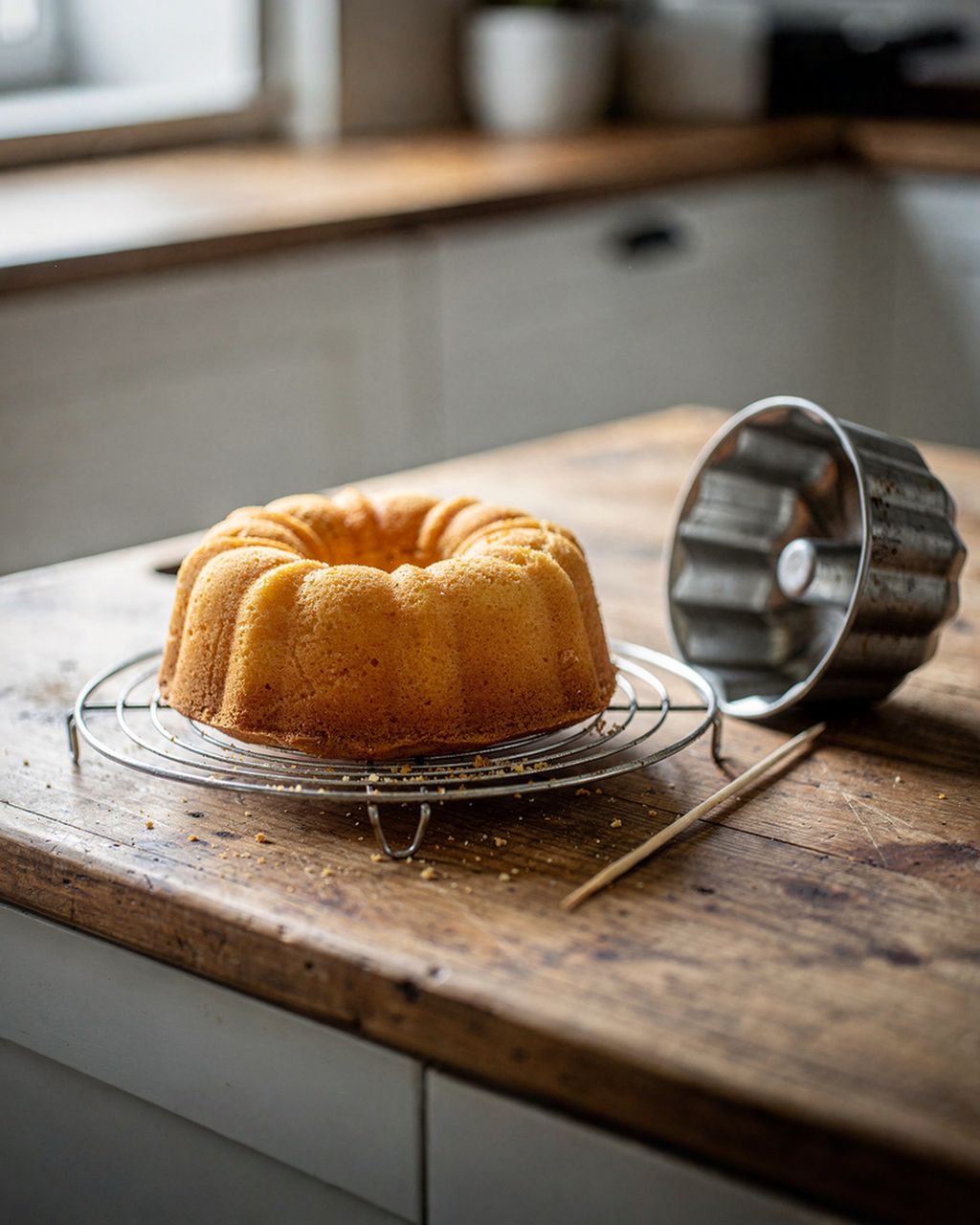
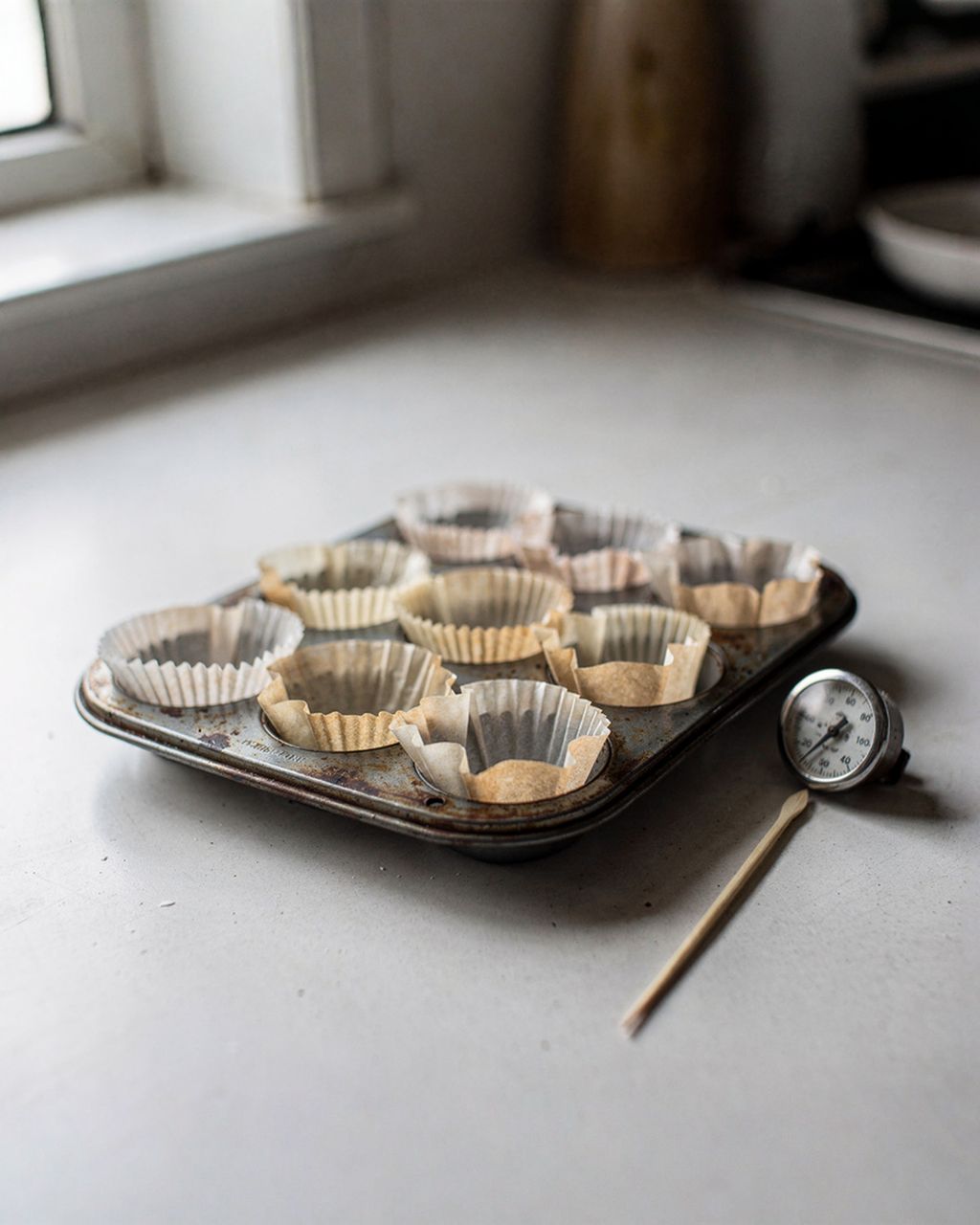
Ramekins. Ceramic and porcelain (cocotte dishes) hold heat and are the most predictable. Metal conducts heat quickly and bakes the edge sooner, so take off a minute. Silicone conducts heat less well and the edges bake more slowly, so add a minute. Whichever you choose, grease with butter and dust with cocoa.
A fondant unmolds cleanly when the mold is greased in two layers and you flip it in one firm motion after a 60-second rest. Here's how:
Grease twice. Brush softened butter on with upward strokes, chill the molds for 5 minutes, then grease them a second time. Dust with cocoa, turning the mold so it coats everywhere, and tap out the excess. For insurance, put a circle of parchment paper on the bottom.
Rest for 1 minute. Right out of the oven the edge is too fragile, and after 3 minutes the center starts to set. The ideal is 60 seconds.
Loosen the edge. Run a thin knife once around the wall of the mold, keeping the blade pressed against the mold and not against the fondant.
Flip. Place a plate upside down over the ramekin, hold both firmly (the molds are hot, so use a towel) and flip decisively. Leave it for 10 seconds, then lift the mold straight up.
If it won't release, tap the bottom of the mold, but don't force it out again. Serve a torn fondant right in the ramekin with a teaspoon. It tastes just the same.
Don't use paper liners or ungreased molds for fondant: the batter sticks to them and the thin edge tears when you peel it off.
You can prepare fondants ahead by keeping the filled ramekins raw, for up to 24 hours in the fridge or up to 1 month in the freezer, and baking them just before serving. A baked fondant can be reheated in the microwave, but the center won't be as runny as a fresh one.
Fridge (up to 24 hours): cover the filled ramekins with plastic wrap. Bake straight from the fridge and add 1–2 minutes (11–14 minutes in total).
Freezer (up to 1 month): freeze the filled molds uncovered, and once they're firm (after about 2 hours), wrap them in plastic wrap. Bake them without thawing at 200°C (400°F) for 15–17 minutes. Frozen batter heats from the outside in, so the center stays molten even more reliably than with a fresh one. For a dinner party, it's the calmest option.
Ceramic from the freezer: before you put frozen ceramic ramekins into a hot oven, check that they're rated to go from freezer straight to oven. Ordinary ceramic can crack from thermal shock. Metal ramekins are the safer choice for the freezer.
The test fondant applies here too: bake the first one from the freezer separately and use it to fine-tune the time for the rest.
Most failed fondants come down to six mistakes: overbaking, an unchecked oven temperature, scrambled eggs, a badly prepared mold, opening the oven door and too much flour.
Overbaking. The most common cause of a set center. Rely on a test fondant and err on the shorter time. You can't rescue an overbaked fondant, but an underbaked one goes back in the oven for 1 minute.
An unchecked oven. A 10–20°C (18–36°F) gap between the display and reality shifts the time by minutes. Measure your oven once with a thermometer and you'll know where you stand.
Scrambled eggs. Hot chocolate poured into the eggs will curdle them. Always let it cool to 35–40°C (95–104°F).
A stuck fondant. An insufficiently greased mold means a torn cake. Butter and cocoa, twice, into every crevice.
Opening the oven. Every time you crack the door, the temperature drops and the timing is thrown off. Watch the fondant through the glass and keep the oven closed.
Too much flour. Excess flour makes the center soft rather than molten. Stick to 50 g for 4 fondants.
The surest route to a molten center is to bake a frozen ganache core into the batter, which melts as it bakes. It works even if you overshoot the time by a few minutes.
Make a thick 2:1 ganache: heat 50 ml whipping cream (33%) to just below a boil and pour it over 100 g chopped dark chocolate. Let it stand for a minute, then stir with a spatula from the center outward until you have a glossy cream.
Chill and shape: let the ganache set in the fridge for 30–60 minutes, scoop 4 balls of about 35 g each with a spoon and freeze them for at least 2 hours.
Fill the mold: fill the ramekin halfway with batter, set a frozen core in the middle and cover it with the rest of the batter so the core isn't visible.
Bake: 10–12 minutes for an extra-molten center, or 14–16 minutes if you want the batter around the core baked through completely (see the safe version below).
While the edges bake, the core is only just melting, so you're practically guaranteed a molten center and the timing forgives mistakes. This is exactly the principle behind Michel Bras's original version. The thicker 2:1 ratio matters here, since a soft 1:1 ganache is hard to shape and doesn't hold up as well in the freezer. For how to flavor ganache with raspberries or pistachios, see flavored ganache: raspberry, pistachio and cherry.
A classic molten center contains undercooked eggs, because it doesn't heat to the temperature at which bacteria such as salmonella reliably die. According to USDA guidance, that's 71°C (160°F) throughout. For a healthy adult with fresh eggs the risk is low, but general food safety advice is to avoid undercooked eggs if:
you're pregnant,
you're making the fondant for small children (roughly up to 5 years old),
you're cooking for seniors,
you or a guest have a weakened immune system (treatment, chronic illness).
For them there's the safe version with a ganache core: prepare the batter and the core as in the previous section and bake 14–16 minutes, until the surface is firm and the center doesn't wobble when tapped. The batter right next to the frozen core heats the slowest, though, so looks alone aren't enough. To be sure, check with an instant-read thermometer that the batter around the core reaches at least 71°C (160°F). Insert the tip from the side into the batter between the wall of the mold and the core, not into the liquid ganache. If the temperature is too low, return the fondant to the oven for 1–2 minutes. The molten center is then just ganache made of chocolate and cream, with no egg in it. Store-bought cream is pasteurized.
If you want the classic version without a core, use the freshest refrigerated eggs you can find, keep them in the fridge and don't store the batter longer than 24 hours. Pasteurized eggs lower the risk further, but for at-risk groups the ganache version is the surest.
Serve the fondant right after unmolding, ideally with a contrast of something cold and tart, such as ice cream and a fruit sauce. The warm molten center stands out best next to a cold scoop.
Spread a raspberry or mango sauce around the fondant (blended fruit with a little sugar, strained), add a few fresh raspberries or sliced strawberries and a mint leaf for color and freshness. Just before serving, you can dust the top with powdered sugar through a sieve. A white plate makes the colors pop, and the fondant belongs in its center, so it's the star of the plate.
Salted caramel ice cream goes well with fondant (the recipe is below), or for something simpler, try no-churn vanilla peanut butter ice cream.
Salted caramel ice cream
Homemade salted caramel ice cream – a cold contrast to the warm fondant
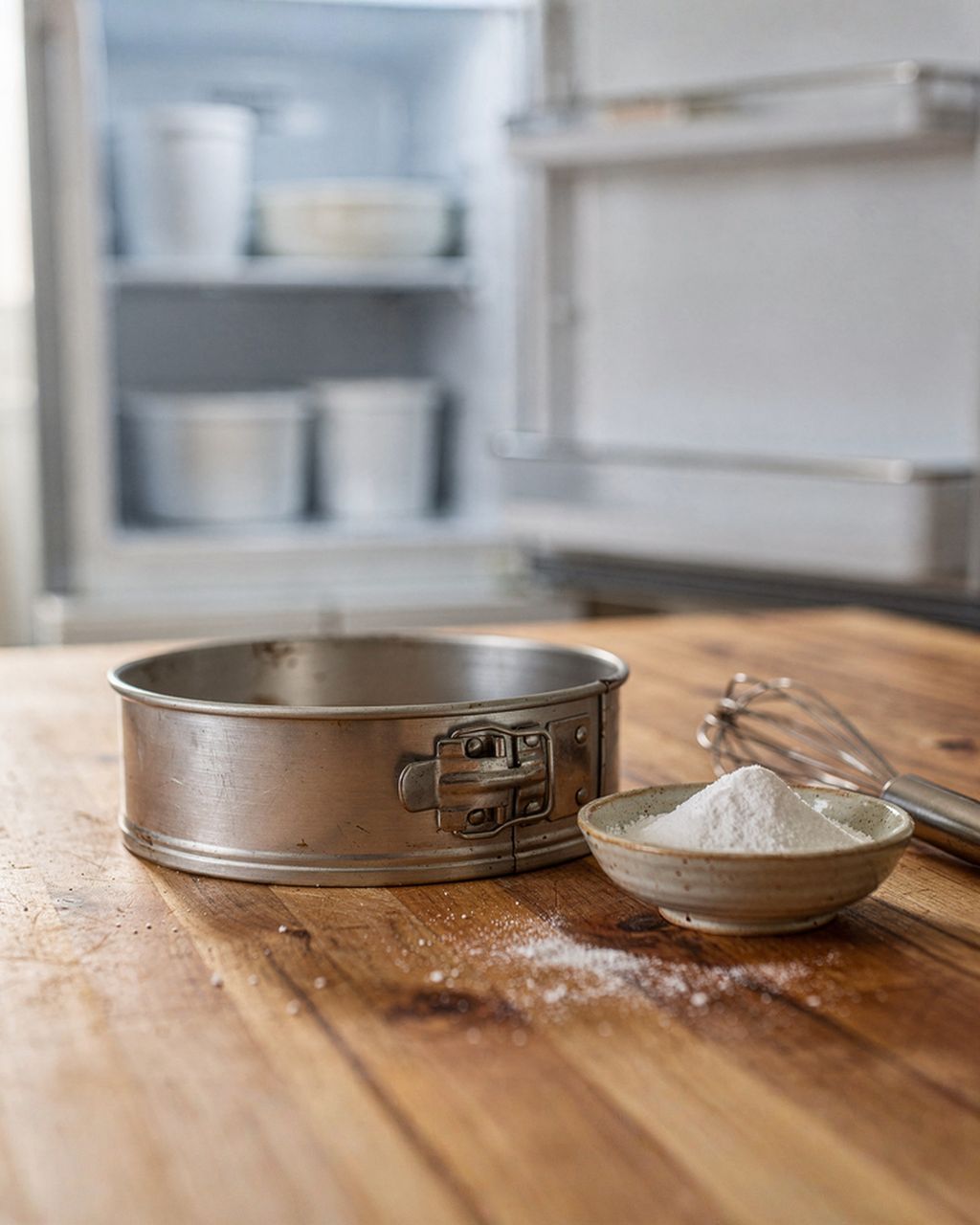
Yes, but a molten center is harder to hit in a large cake than in small ramekins, because the heat travels to the middle more slowly and the edges overbake in the meantime. Pour the whole batch into an 18 cm (7-inch) cake pan that you've buttered and dusted with cocoa, and bake at 200°C (400°F) for roughly 18–22 minutes, until the edges are firm and the middle, in a circle about 8 cm (3 inches) across, still wobbles. Don't unmold it. Spoon it straight from the pan, ideally while lukewarm.
Yes, a metal muffin pan or small oven-safe cocotte dishes will work. Butter them thoroughly and dust with cocoa, and keep in mind that a smaller or thinner mold (around 100 ml) bakes in less time, roughly 7–9 minutes, so it pays to bake a test one first.
Reheat a baked fondant in the microwave for 15–25 seconds on medium power. The center softens and turns creamy, but it won't be as runny as a fresh one. Store leftover fondants covered in the fridge for no more than 2 days. If you know you won't eat them right away, it's better to freeze the raw batter and bake them one at a time.
Yes, a fondant bakes in an air fryer, just faster than in the oven: start at 180°C (350°F) and check it after 7–8 minutes. Air fryers vary a lot in power, so bake the first fondant as a test, and use metal or ceramic ramekins that fit in the basket with a gap around them.
Sinking by a few millimeters is normal. The whipped eggs puff the batter up with air and steam in the oven, and these escape as it cools. If the fondant collapses a lot and the whole center runs out when you unmold it, it was underbaked. Add 1 minute next time.
One recipe worth heating the oven for, one tip, and one deal from the shop. Nothing else.