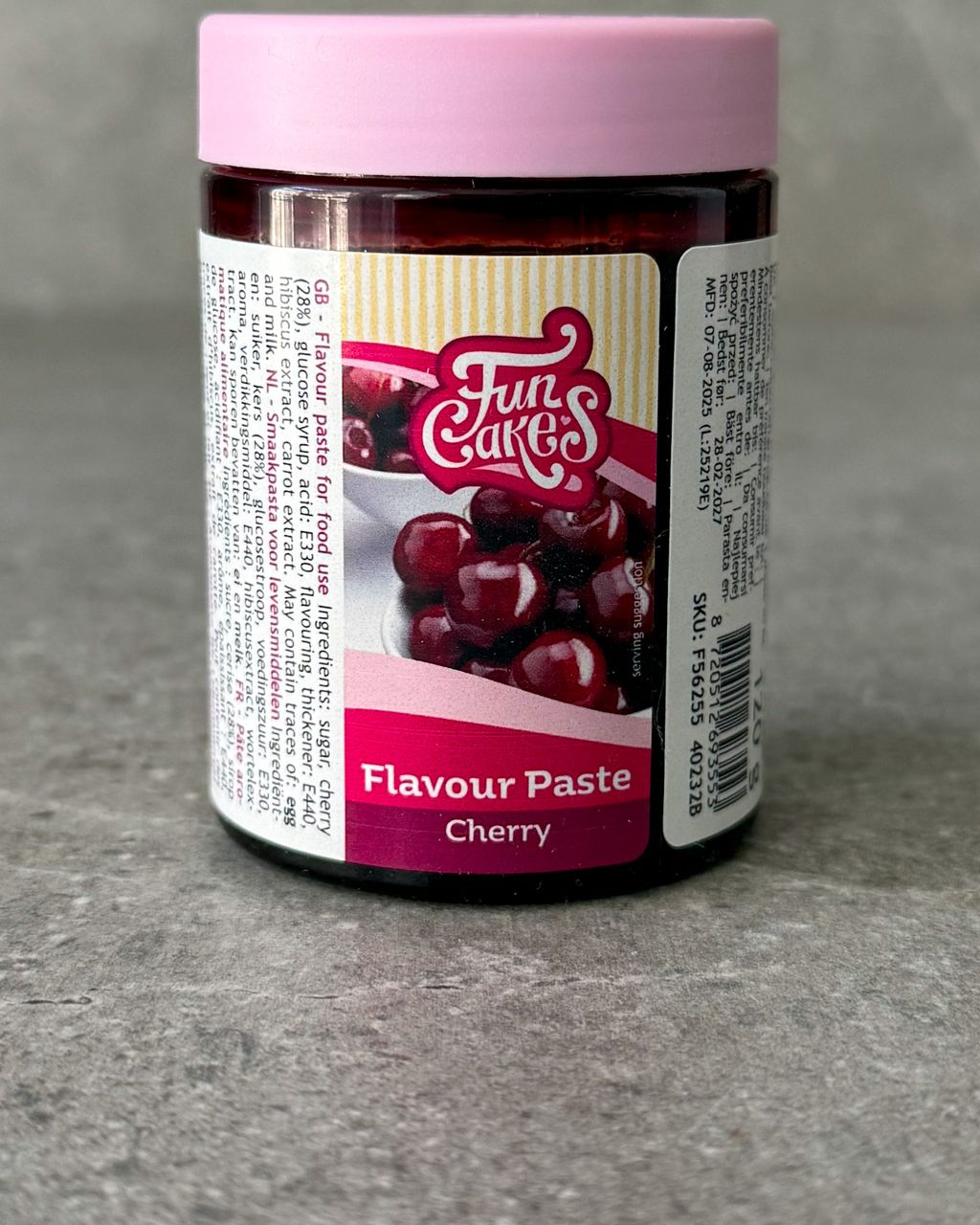
FunCakes Cherry Flavouring Paste for Creams & Batters (120 g)
Flavored Ganache: Raspberry, Pistachio and Cherry – How Much Purée or Paste per 100 g Chocolate
Updated Nov 3, 2026
To make raspberry ganache, replace 30–50% of the cream with raspberry purée. For pistachio ganache, add 15–25 g pistachio paste per 100 g white chocolate. FunCakes flavoring paste is the easiest option: the manufacturer recommends 30 g of paste per 500 g of cream or ganache, which works out to roughly 6 g per 100 g of finished ganache. Flavored ganache varies with what you add – purée is mostly water, pistachio paste is fat and flavoring paste is sugar – and you adjust the cream to match.
Each flavor changes the ganache ratio in a different way, because each brings a different ingredient. Before you start calculating, work out what you're actually adding:
Fruit purée (raspberry, cherry, mango) is mostly water with almost no fat. That's why it replaces part of the cream rather than being added on top.
Nut paste (pistachio, hazelnut) is fat and solids. It firms up the ganache, so you only reduce the cream a little.
FunCakes flavoring paste is mainly sugar and glucose syrup with fruit or flavoring. You use it in small amounts, and it softens the ganache slightly.
You'll find the starting ratios for unflavored ganache (how much cream per 100 g of dark, milk and white chocolate) in the article Chocolate Ganache: The Secrets to Great Desserts. Here we build on them.
Seasonal baking plans, tested recipes and kitchen tricks that save you time. Unsubscribe in one click.
For raspberry ganache, replace 30–50% of the cream with raspberry purée. As a guide for cake and macaron fillings:
White chocolate: 100 g chocolate, 20 g cream, 20 g raspberry purée
Milk chocolate: 100 g chocolate, 25 g cream, 15 g purée
Dark chocolate: 100 g chocolate, 30 g cream, 20 g purée
Method: heat the cream to just below boiling (185–195°F / 85–90 °C), pour it over the chocolate and blend into a glossy emulsion. Warm the purée separately to 60–70 °C (140–158°F) and stir it into the finished ganache. Acidic purée boiled directly with the cream can make it split.
Make the purée from frozen raspberries: blend them and press through a fine sieve so there are no seeds in the ganache. For a stronger flavor without extra water, simmer the purée down by half over low heat. Raspberry with dark chocolate is a classic, while white chocolate lets the fruit's tartness stand out – for inspiration, see the recipe for chocolate cake with raspberry pralines.
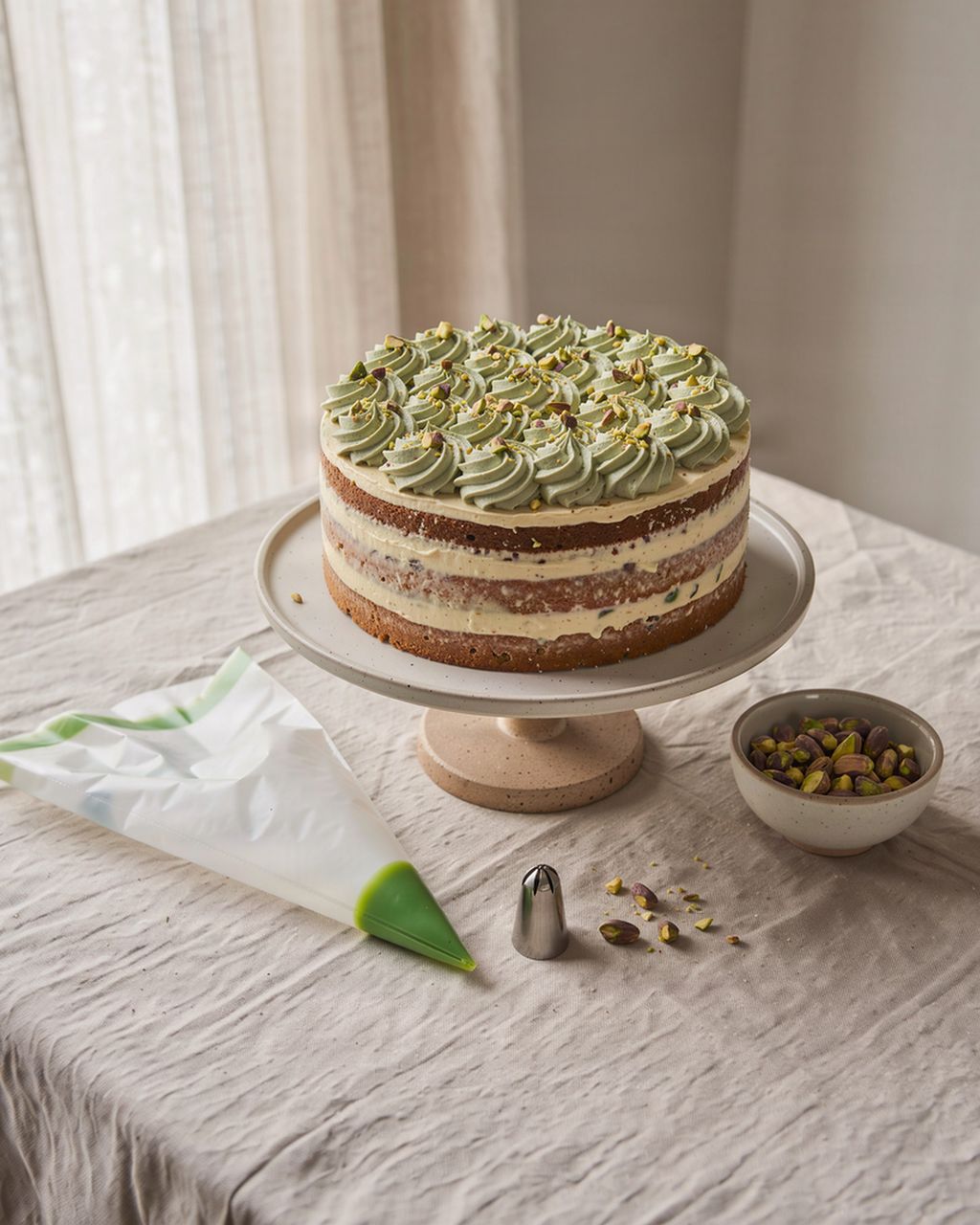
For pistachio ganache, add 15–25 g pistachio paste per 100 g white chocolate and reduce the cream by just 5–10 g. The paste is fat, not liquid, so it firms up the ganache – it doesn't replace the cream one for one.
When to add it: to warm ganache at around 35–40 °C (95–104°F), so the fat from the paste combines with the emulsion and the ganache doesn't split.
Which paste: 100% pistachios, with no sugar or flavoring. It gives the strongest flavor and a naturally greenish color.
Which chocolate: pistachio shines with white or milk chocolate. In dark chocolate, the delicate pistachio flavor gets lost.
A similar ratio works with milk chocolate: roughly 100 g chocolate, 30–35 g cream and 15–20 g pistachio paste. We don't carry pistachio paste. How to choose it or make it at home, and how to give the cream a green color, is covered in the article Pistachio Cream for Cakes.
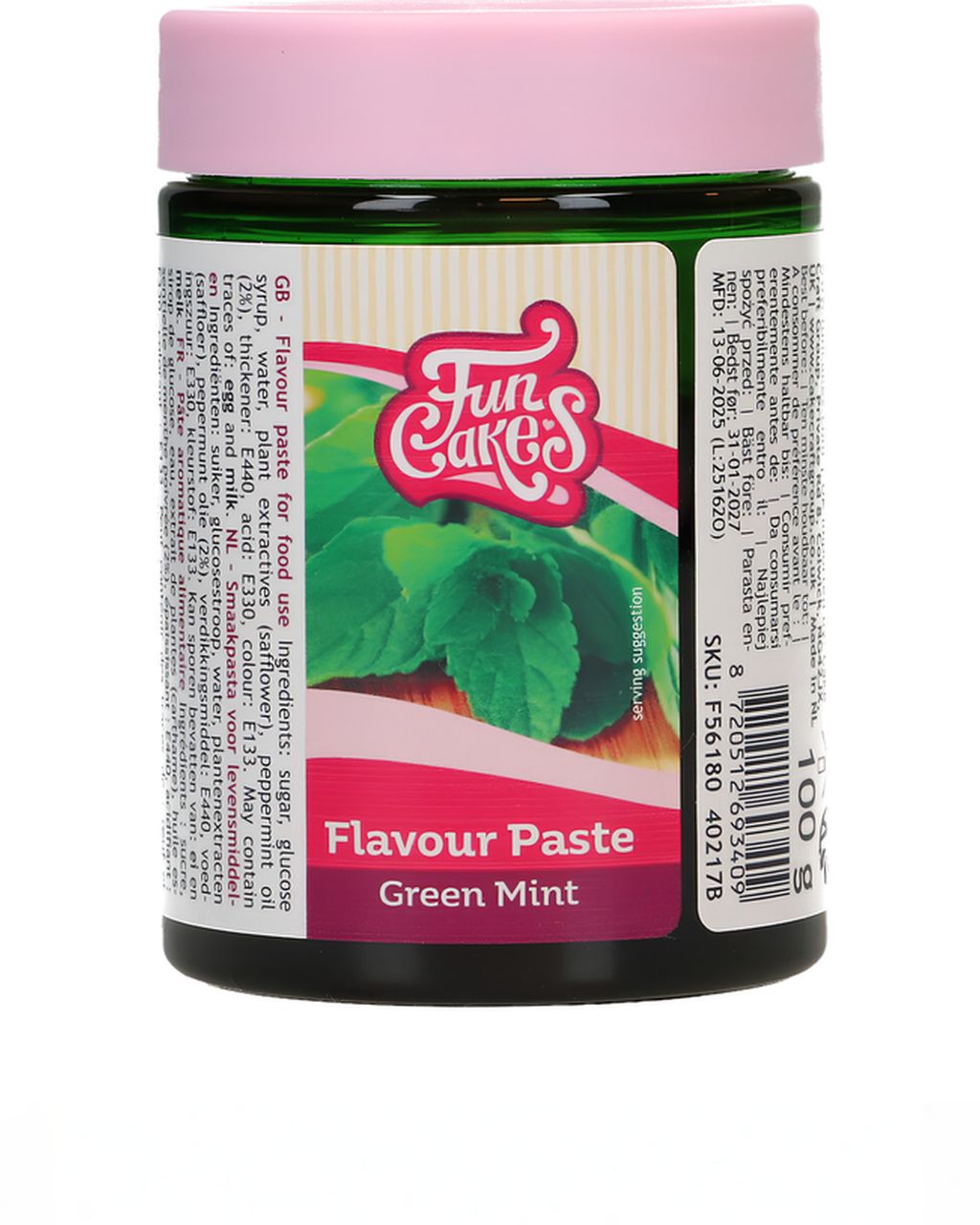
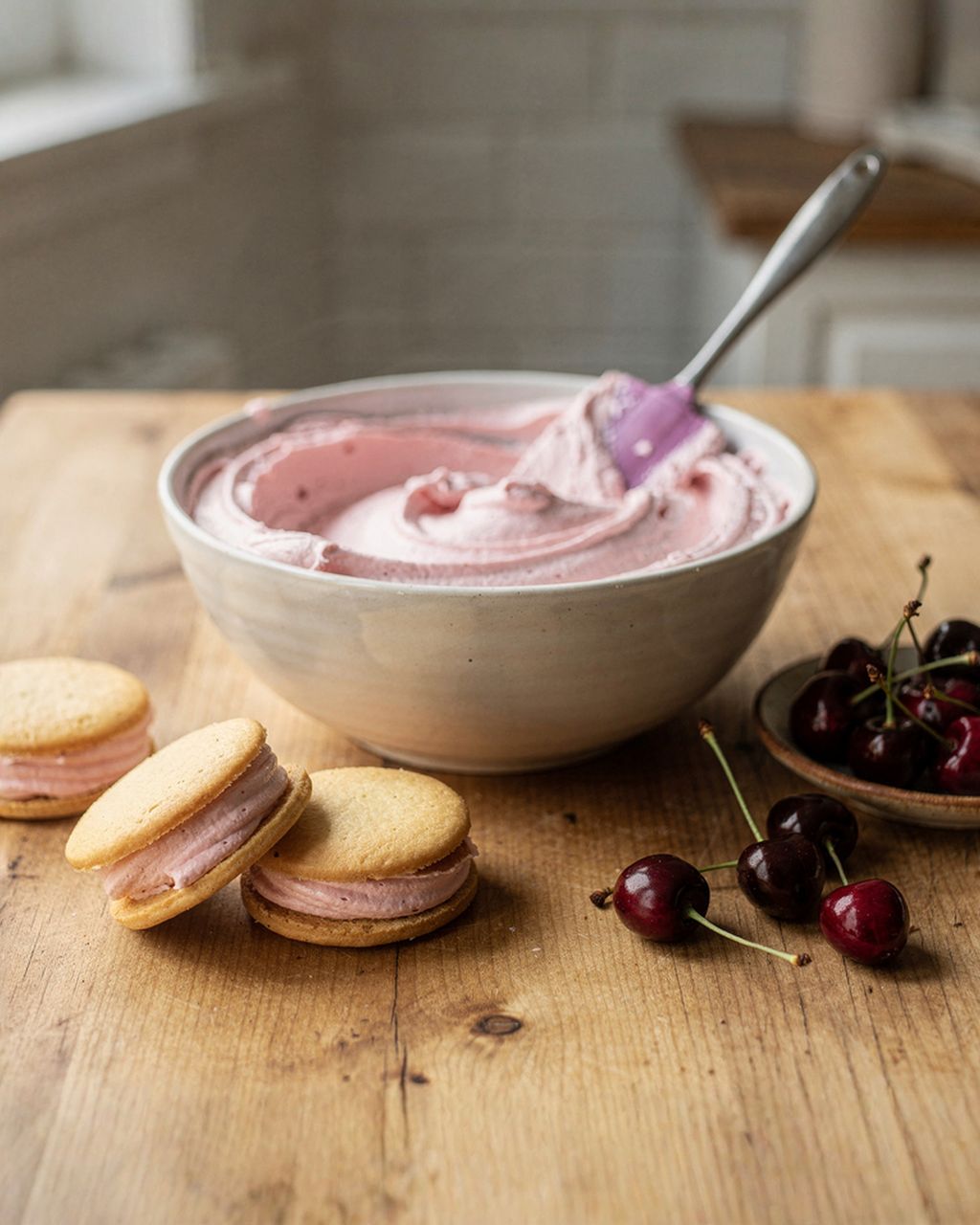
The easiest way to make cherry or mint ganache is with FunCakes flavoring paste: the manufacturer recommends 30 g of paste per 500 g of cream or ganache, which is roughly 6 g per 100 g of finished ganache. Add the paste gradually to lukewarm ganache (around 35 °C / 95°F) and taste as you go.
Cherry + dark chocolate: the flavor of Black Forest cake. The cherry flavoring paste contains 28% cherries.
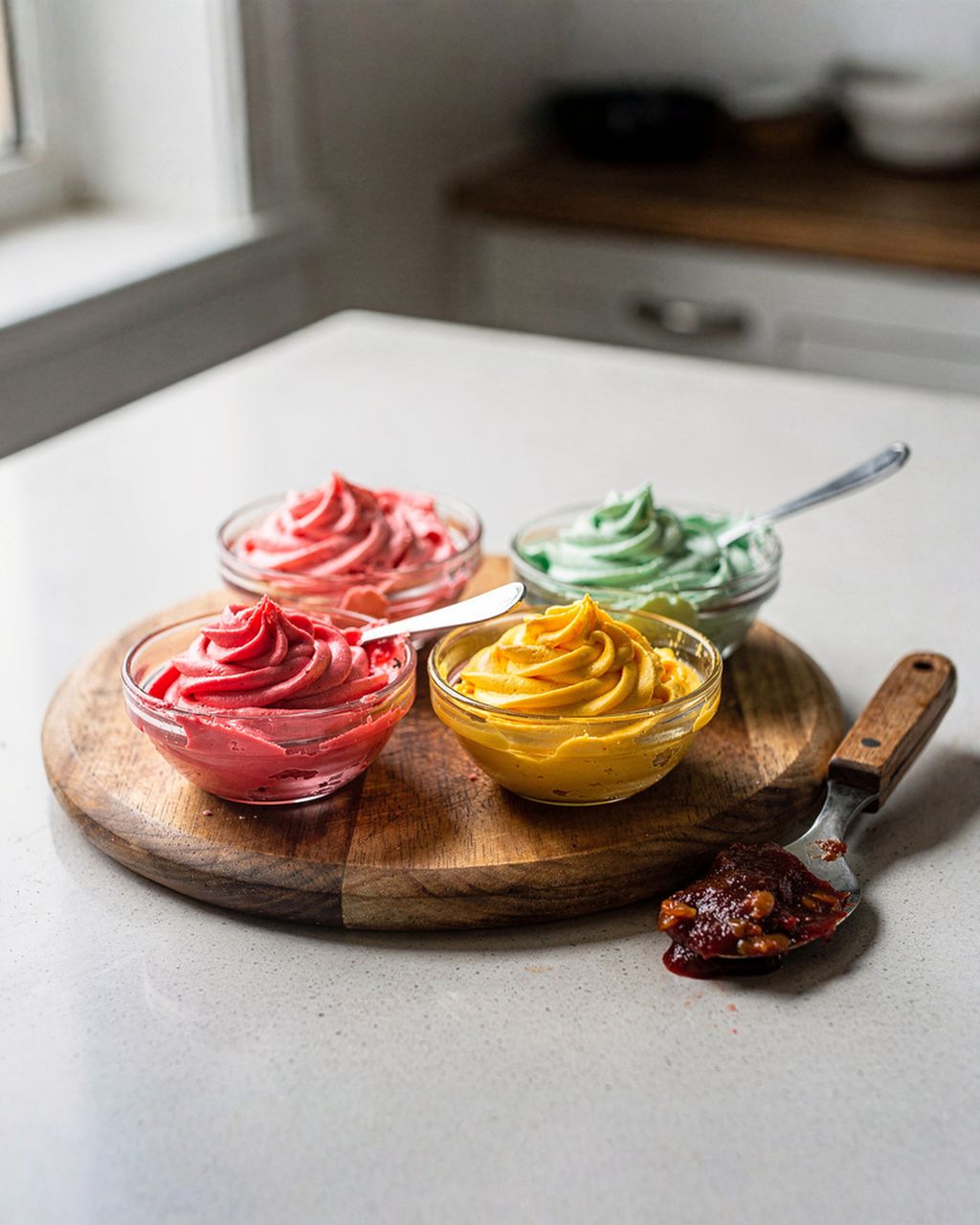
Mint + dark chocolate: the classic mint chocolate. The mint paste contains peppermint oil and coloring, so it turns light ganache green.
Mint or cherry + milk chocolate: milder and sweeter, good for pralines and cupcakes.
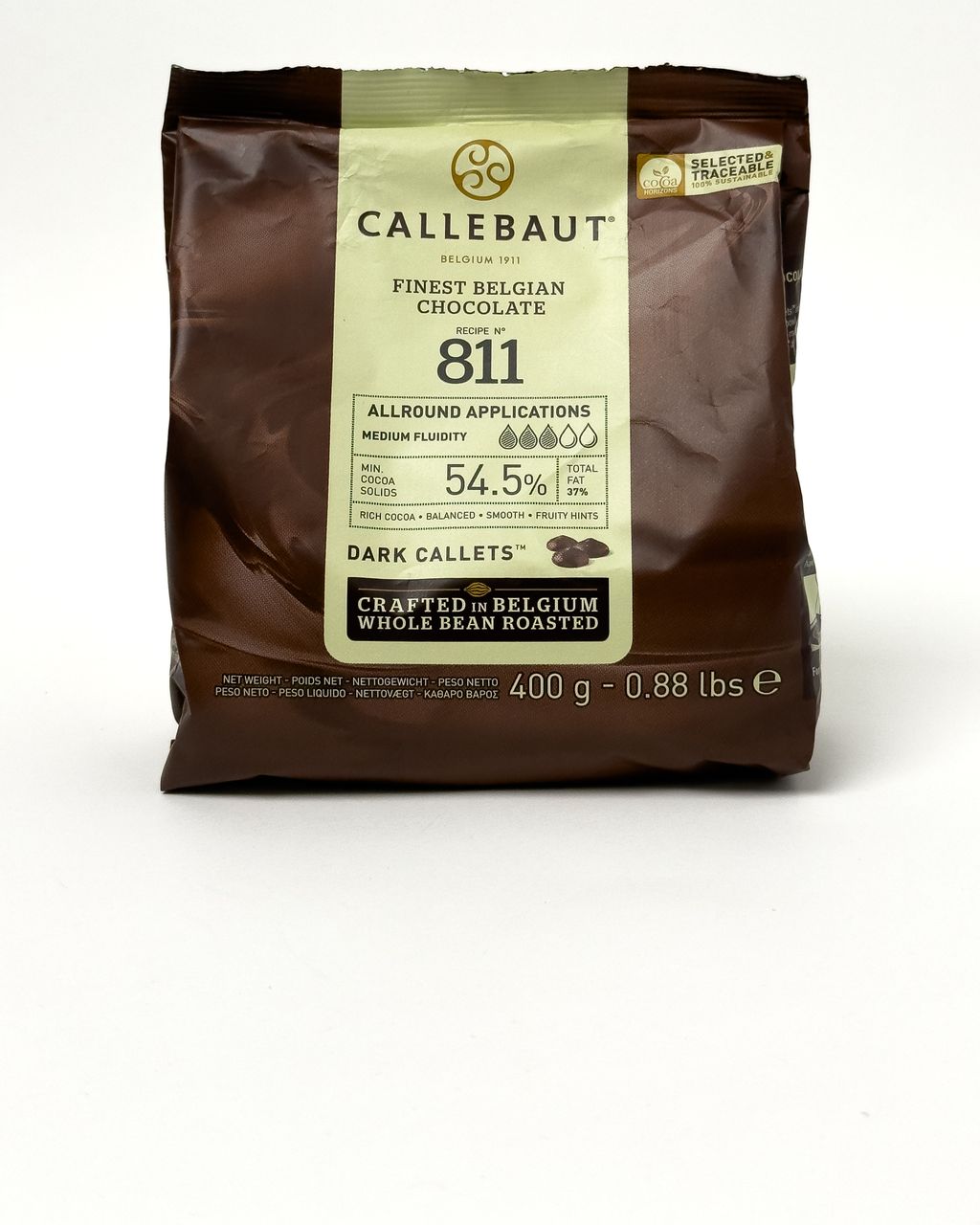
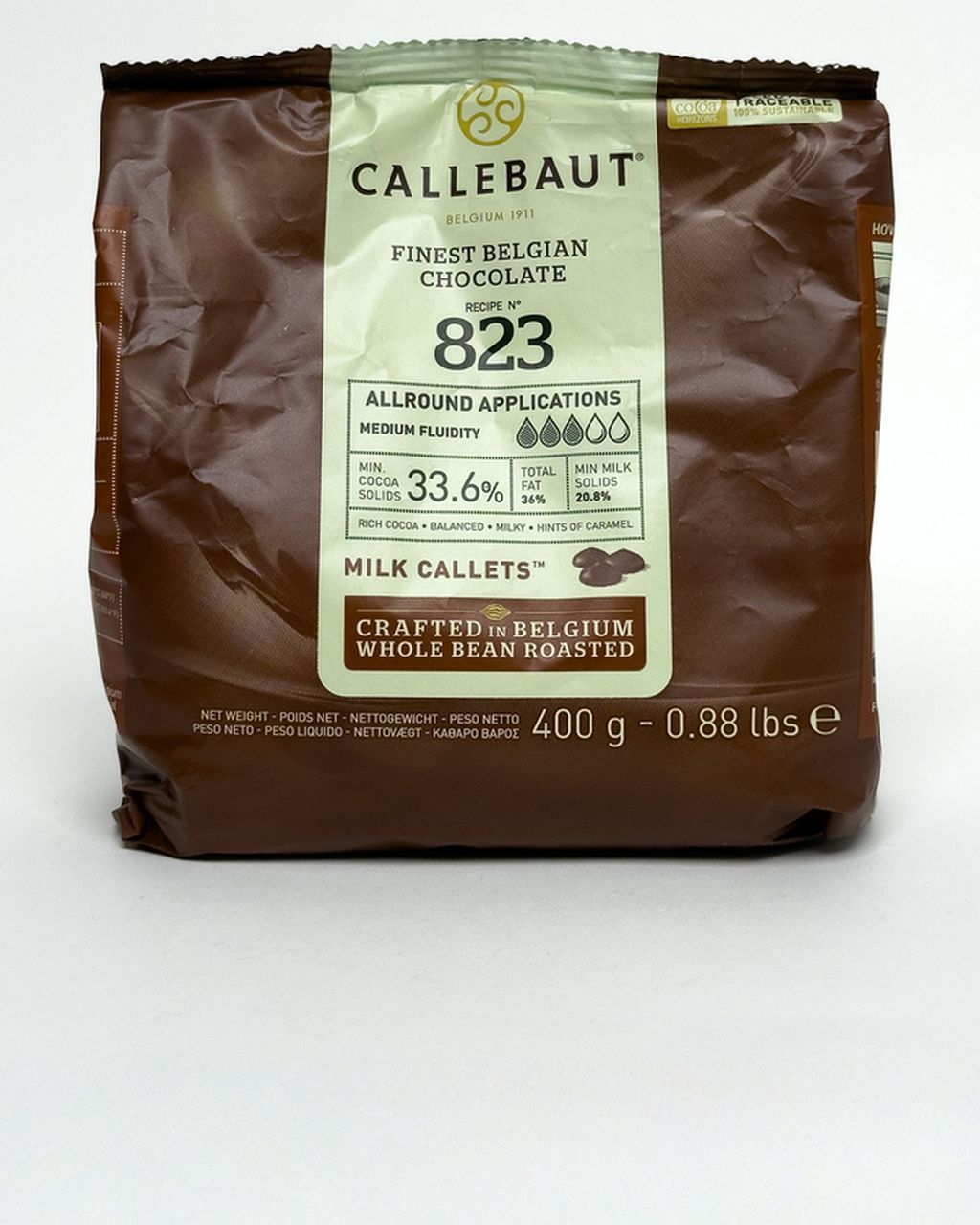
The paste adds sugar, so with white and milk ganache keep to a firmer chocolate ratio (3:1 for white) so it doesn't turn too soft. To get started with a cherry paste cream, follow the article Cherry Cream for Cookies and Cakes. You'll find Callebaut callets for these ganaches among our chocolates for ganache and baking.
You make flavored ganache just like plain ganache – you only add the flavor at the right moment:
Weigh the chocolate, cream and flavoring separately. With ganache, grams matter, not spoonfuls.
Heat the cream to just below boiling, 85–90 °C (185–195°F), and pour it over the chocolate callets or chopped chocolate.
Let it sit for a minute, then blend with an immersion blender, keeping the head below the surface, until you have a glossy emulsion.
Add the flavor: purée warmed to 60–70 °C (140–158°F), pistachio paste into ganache at 35–40 °C (95–104°F), flavoring paste into lukewarm ganache at around 35 °C (95°F).
Cover with plastic wrap pressed directly onto the surface and leave it to set for your intended use – for cakes and macarons, usually in the fridge until it reaches a toothpaste-like consistency.
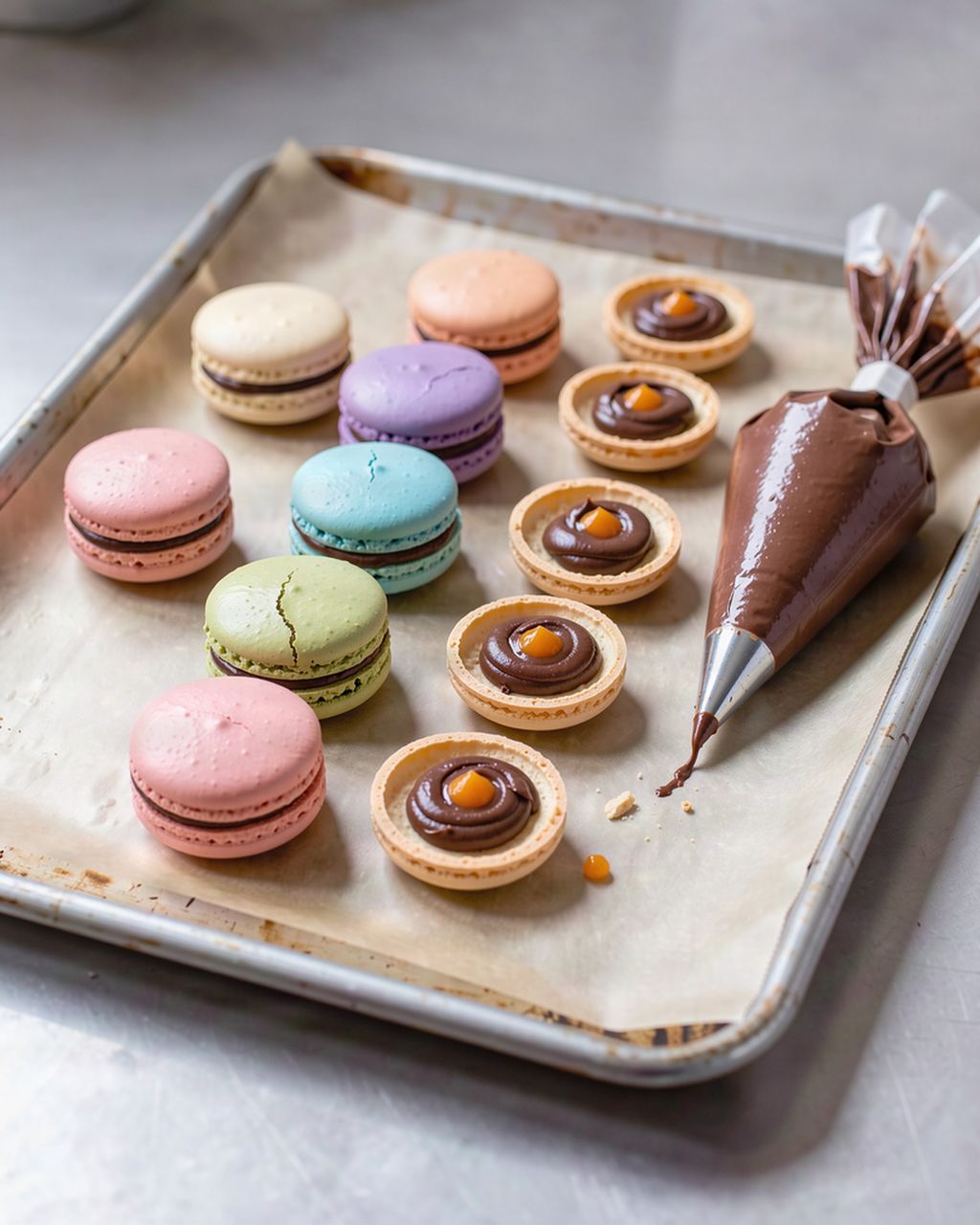
Macarons need a stiffer filling than a cake. The ratios for macarons and how to mature filled shells are covered in the article Macaron Fillings: Ganache, Buttercream and Fruit Pastes.
Flavored ganache most often splits because of a cold or acidic addition, and won't set because of too much liquid.
It split and the fat is separating: the purée was cold, or it was cooked with the cream. Add a spoonful of warm cream and blend again with the blender head below the surface.
It's thin and won't set: you added the purée on top of the cream instead of using it to replace part of the cream. Stir in a little melted chocolate.
It's grainy: the pistachio paste went into ganache that was too cold. Gently warm the ganache to 35–40 °C (95–104°F) and blend.
The flavor is weak: with purée, reducing it by half helps; with flavoring paste, a more flavorful chocolate works better than adding more paste.
For more detail on rescuing it, see the article Why Ganache Splits and How to Fix It.
You can use jam instead of raspberry purée, but the ganache will be sweeter and firmer, because jam has much more sugar and less water. Choose a seedless jam, ideally strained, and use it to replace about a quarter of the cream. Pick dark or milk chocolate so the result isn't too sweet.
Use ganache made with fresh fruit purée and cream within 3 days, and store it in a covered container in the fridge. The purée adds water, in which microorganisms multiply more easily than in plain ganache. Don't leave a cake or macarons filled with it out of the fridge for more than 2 hours.
You can make pistachio ganache with dark chocolate, but the delicate pistachio flavor almost disappears and the color turns brown. If you want to use dark chocolate, add paste at the upper end, around 25 g per 100 g chocolate. For a pronounced pistachio flavor and a green color, use white or milk chocolate.
FunCakes mint flavoring paste contains coloring, so it turns white or milk ganache green; in dark ganache you won't see the color. Cherry paste gets its color from cherries and plant extracts and won't visibly tint dark ganache. For a stronger color, tint the ganache with gel or oil-based food coloring.
One recipe worth heating the oven for, one tip, and one deal from the shop. Nothing else.