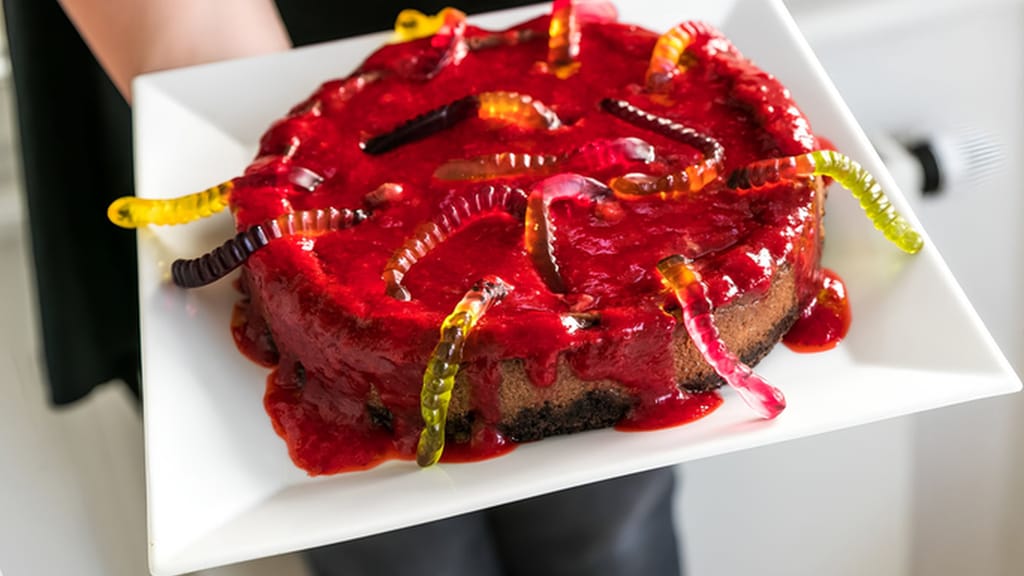
Halloween cheesecake
Why Your Cheesecake Won't Set (and How to Fix It)
Updated Oct 4, 2026
Cheesecake fails to set for two main reasons: the filling doesn't have enough of whatever's meant to hold it together (gelatine, fat, or set eggs), or it simply hasn't had enough time in the fridge or oven. For a no-bake cheesecake, the usual suspects are warm ingredients, watery cheese and poorly dissolved gelatine. For a baked one, it's an underbaked centre or slicing too soon. The good news: almost any runny filling can be rescued.
Cheesecake fails to set when the filling is missing structure or hasn't had enough time. The most common culprits are:
Warm ingredients – for no-bake cheesecake: cream cheese and cream warmed to room temperature have softened fat, so the filling can't hold its shape.
Watery or low-fat cheese – too little fat, too much water.
Too little gelatine, or gelatine that wasn't dissolved properly – in the no-bake version.
Fresh fruit with active enzymes – pineapple or kiwi will break gelatine down.
An underbaked centre – for the baked version, taken out of the oven too soon.
Not enough chilling time – you're slicing before the filling has fully set.
In a no-bake cheesecake, only cold fat and gelatine (or white chocolate) hold the shape. In a baked cheesecake, it's the eggs setting in the oven that do the job. Depending on which version you're making, look for the cause in one of the two sections below.
A no-bake cheesecake won't set when the gelatine has nothing to hold onto, or isn't working properly. The filling needs three things: cold fat (cream cheese, whipping cream), a functioning binder (gelatine or white chocolate), and enough time in the fridge. Skip just one of these, and you'll end up with a mousse instead of a cake.
For a no-bake cheesecake, use cream cheese and whipping cream straight from the fridge, ideally around 4–6°C (39–43°F). Warm fat stays soft, which means the filling ends up relying on gelatine alone — and that's usually not enough.
Whip the cream to soft peaks, not stiff ones. Over-whipped cream starts to separate into butter and water, thinning out the filling.
Mix the cheese just until smooth. Prolonged mixing warms the cheese and breaks down its structure, making it softer.
Fold the whipped cream in with a spatula rather than a mixer, so you don't knock out the air that gives the filling its volume.
For a cheesecake that sets properly, use full-fat cream cheese — the more water and less fat a cheese has, the harder it is for the filling to firm up. Full-fat cream cheese is your safest bet. Light versions and tub-style soft cheeses contain more water and thin out if mixed for too long.
Let curd cheese (tvaroh) drain overnight in cheesecloth or a muslin cloth over a bowl. You can expect 50–100 ml of whey to drain off per 500 g.
Mascarpone adds fat, but whip it only briefly, as it curdles easily.
Treat fruit purée and lemon juice as water. Add an extra 1–2 g of powdered gelatine for every 100 ml of purée or juice.
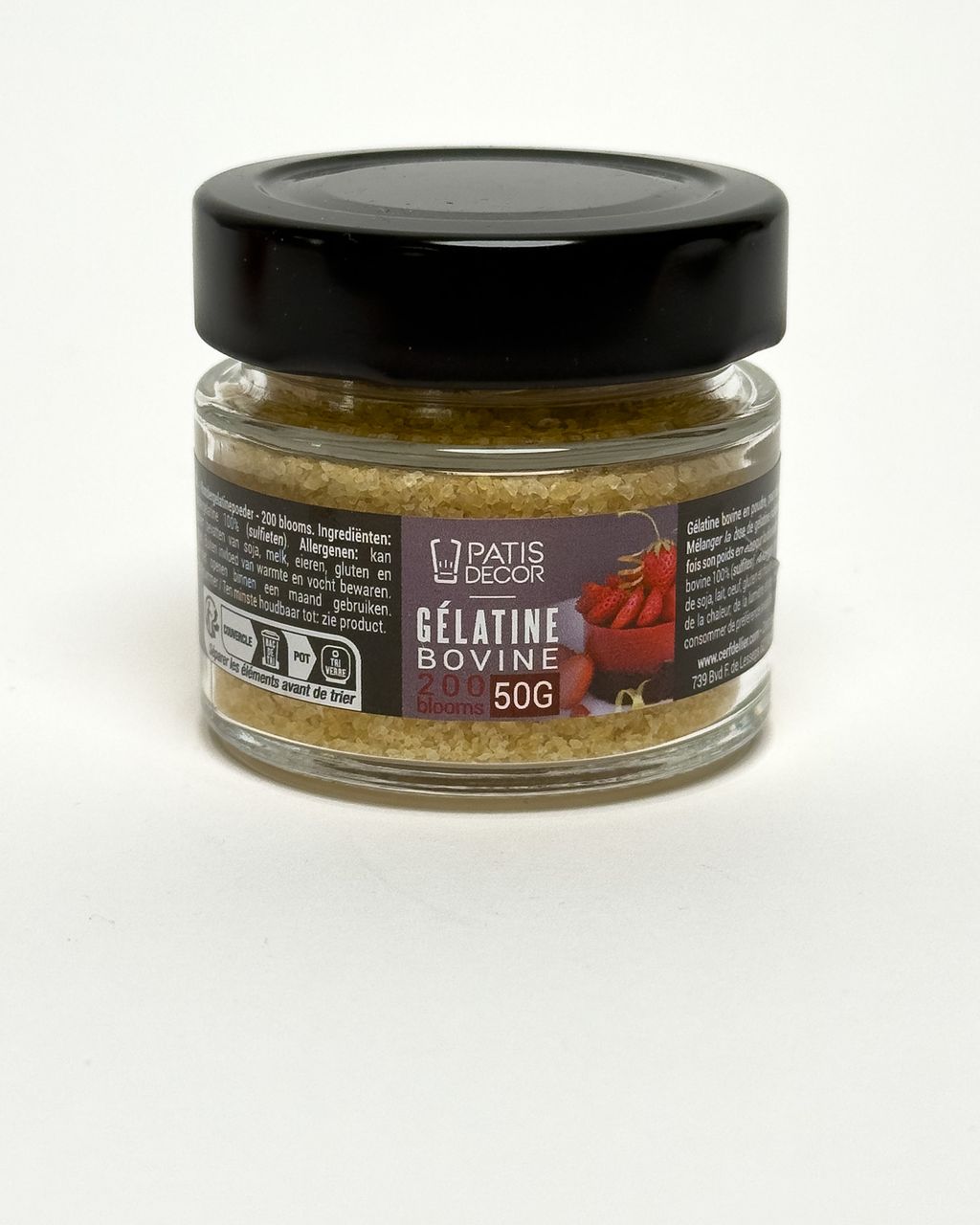
For a sliceable no-bake cheesecake, you'll need roughly 8–12 g of 200 Bloom powdered gelatine per 1 kg of filling. If your filling is heavy on fruit or acidity, stick to the higher end of that range. The Bloom number indicates gelatine strength: weaker gelatine (around 160 Bloom) needs to be used in larger amounts. You'll find gelling agents and binders in our gelling agents and binders category.
Gelatine most often fails at one of these steps:
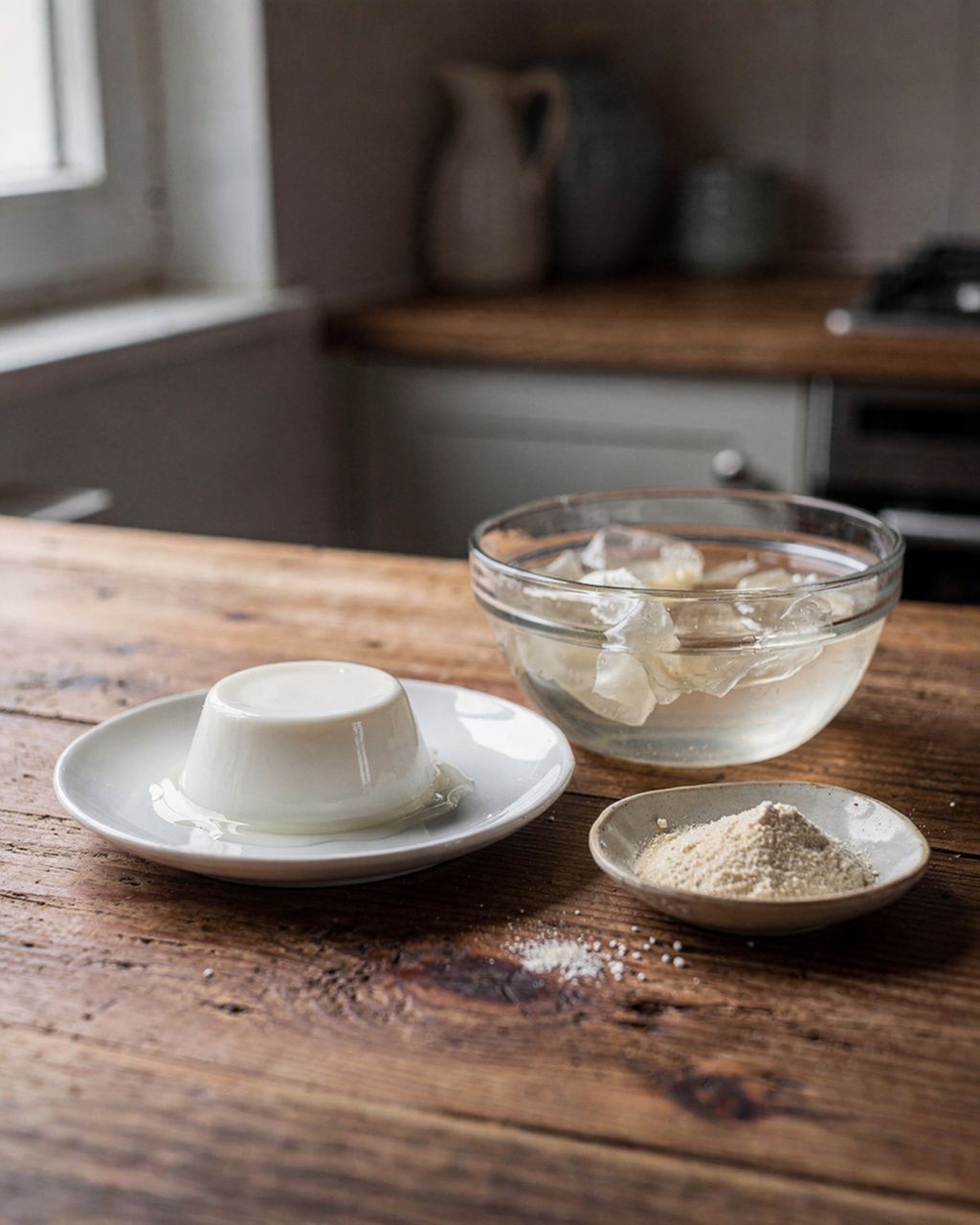
It didn't bloom. Sprinkle powdered gelatine into 5–6 times its weight in cold water (10 g into 50–60 ml) and let it sit for 10 minutes.
It was overheated. Dissolve it gently at 50–60°C (122–140°F). Never let it boil, as boiling weakens it.
It was poured straight into cold filling. Hot gelatine hitting a cold mixture sets instantly into rubbery strands that can't bind anything. Stir 2–3 tablespoons of the filling into the gelatine first, then pour that mixture into the rest.
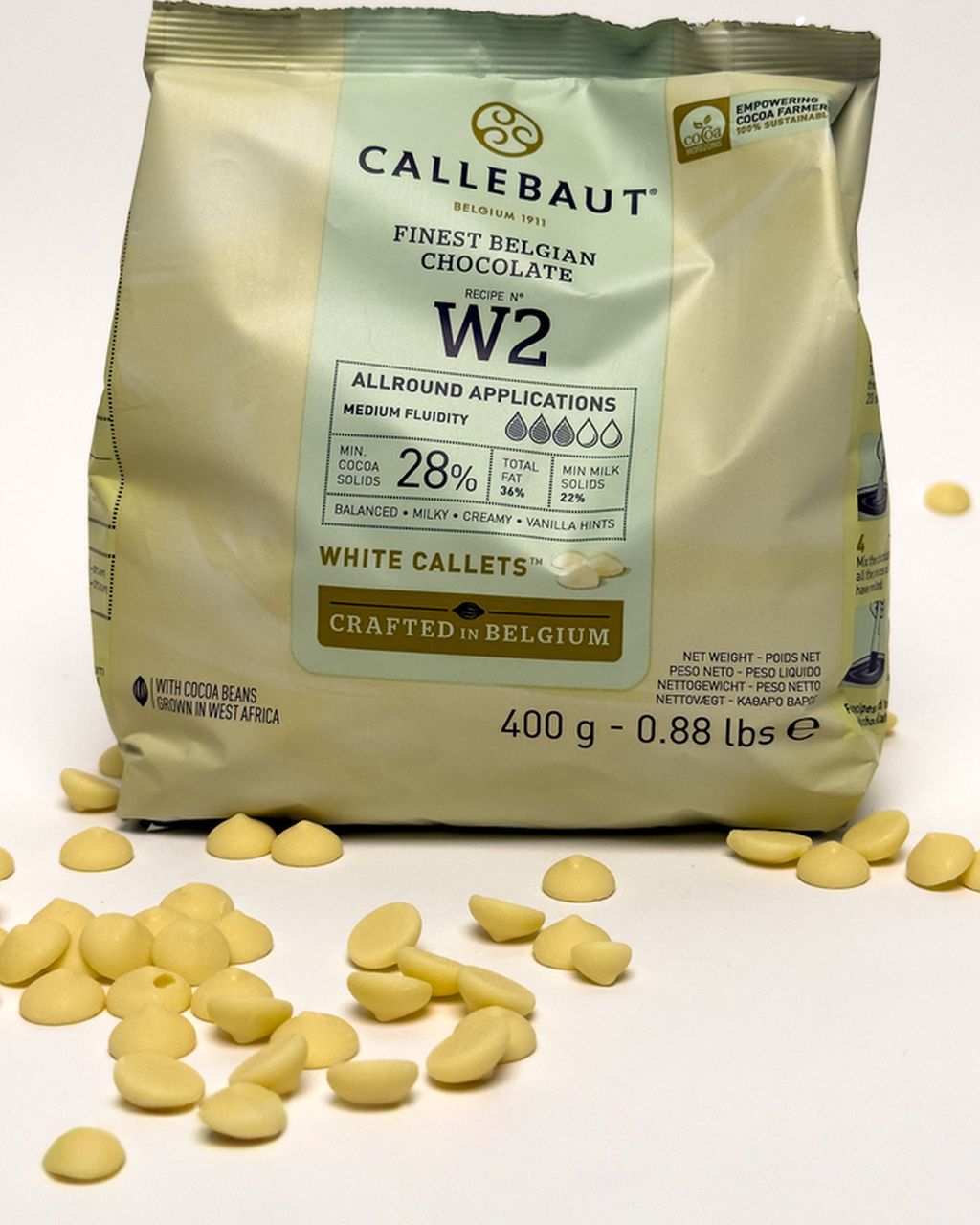
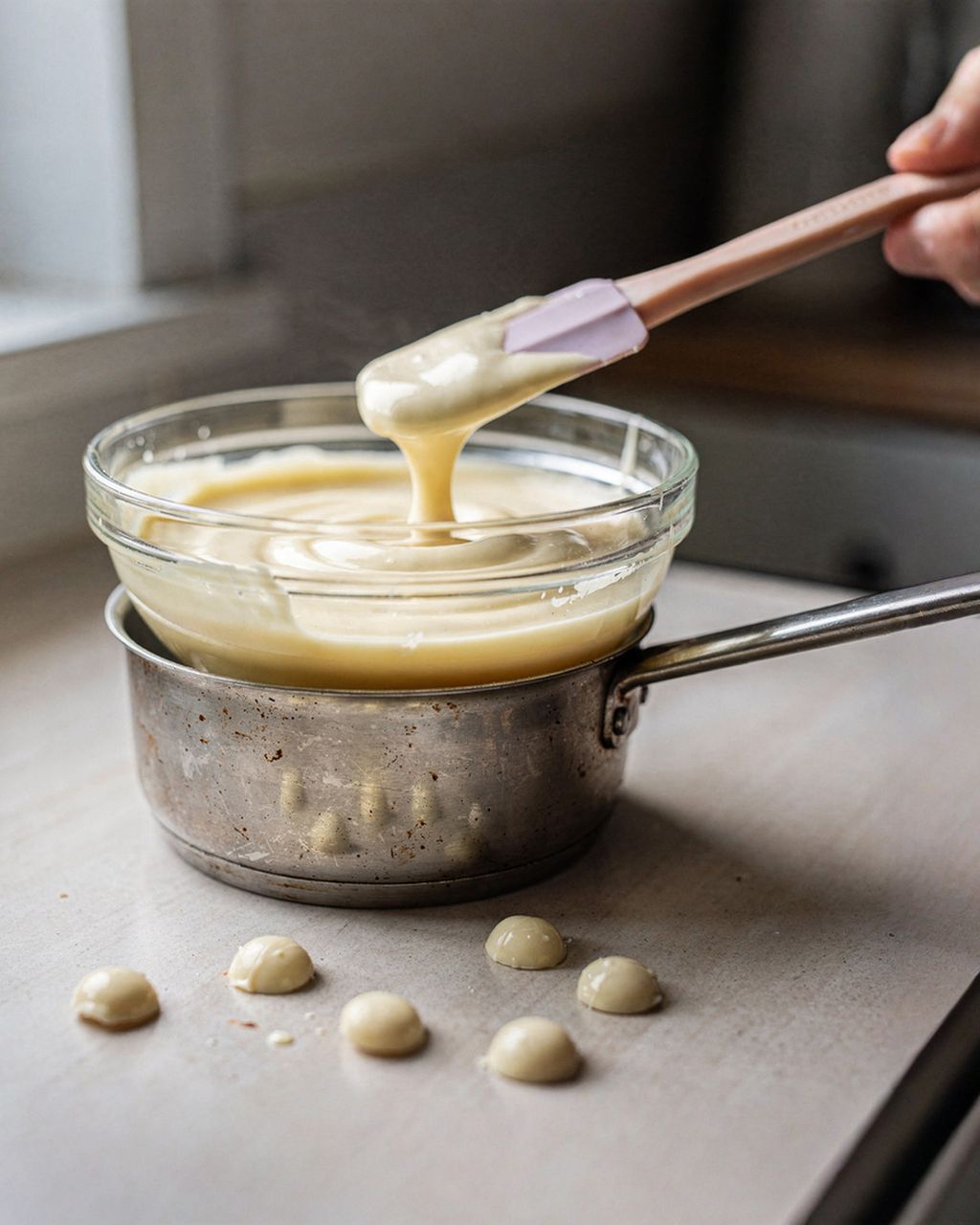
Melted white chocolate can also firm up the filling in place of gelatine. The cocoa butter hardens in the fridge and holds the filling together. Use roughly 150–200 g per 500 g of cheese, and add it lukewarm, not hot. For more options, see our article on gelatine substitutes: agar, pectin, and what works with what.
Fresh pineapple, kiwi, papaya, figs and ginger contain enzymes that break down proteins — and gelatine is a protein. With these fruits, a cheesecake won't set even with double the gelatine.
Briefly cook the fruit (1–2 minutes of boiling is enough). Heat destroys the enzymes.
Or use canned/stewed pineapple, which has already been heat-treated.
Strawberries, raspberries, blueberries and citrus fruits don't break down gelatine. Their acidity does weaken it slightly, though, so stick to the upper limit of 12 g gelatine per 1 kg of filling.
A baked cheesecake stays liquid in the centre when the eggs there haven't reached the temperature at which they set, or when the filling simply hasn't had time to finish firming up in the fridge. A baked cheesecake isn't actually done the moment it comes out of the oven — it's only done once it has cooled.
A baked cheesecake is done when the centre reaches around 63–66°C (145–151°F). Take it out at that point — it will keep setting as it cools. Leaving it in longer makes the filling turn rubbery and crack.
Use an instant-read thermometer to check the centre. This is the most reliable method.
Without a thermometer: the edges should look set and matte, while a gentle nudge of the tin makes only a 5–7 cm circle in the centre wobble like jelly — it shouldn't slosh like a liquid.
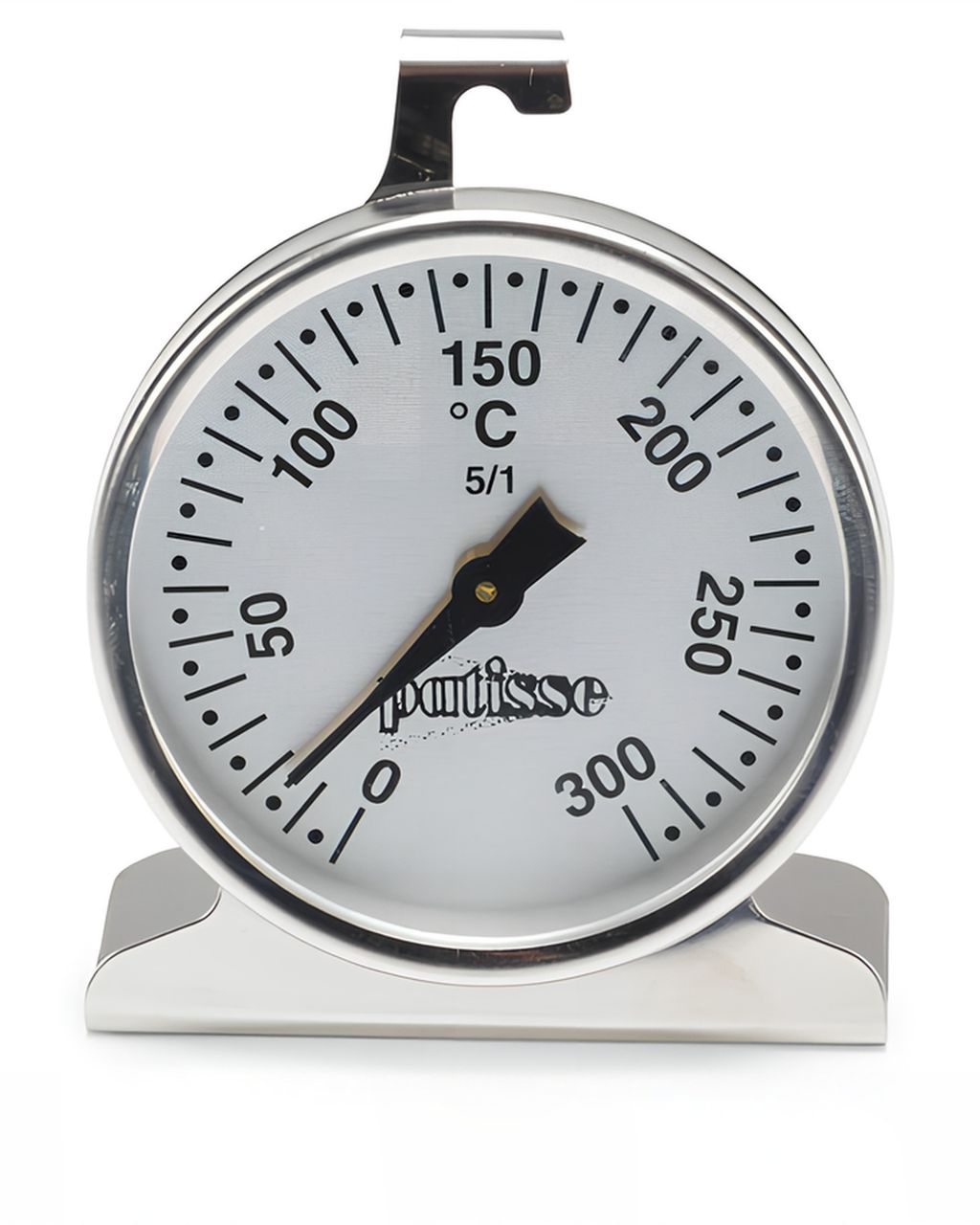
Don't trust your oven dial blindly. Many home ovens run 10–20°C (18–36°F) cooler than what the dial shows. An oven thermometer will tell you the truth.
If the centre still ripples like a wave, bake for another 5–10 minutes and check again.
For baked cheesecake, the rule is the opposite of no-bake: let the cream cheese and eggs come to room temperature before baking, and mix only briefly. The filling will come together smoothly without lumps, so there's no need to overmix.
Both baked and no-bake cheesecake need at least 6 hours in the fridge, ideally overnight. Gelatine reaches its full strength after roughly 16–18 hours of chilling.
Let a baked cheesecake sit for an hour in the switched-off oven with the door ajar, then let it finish cooling on the counter before transferring it to the fridge.
Don't cover it while it's still warm — condensation will drip onto the surface.
Slice it with a knife dipped in hot water and wiped dry, cleaning it between each cut.
For a runny no-bake cheesecake, give it another 6–12 hours in the fridge before adding more gelatine; for a baked cheesecake with a liquid centre, pop it straight back in the oven at 150°C (300°F). Find the full method for both below.
You can rescue a runny no-bake cheesecake by adding gelatine to the filling:
Carefully scoop the filling off the base into a bowl.
For every 500 g of filling, bloom 4–5 g of powdered gelatine, dissolve it, and temper it with a few spoonfuls of the filling.
Stir it back in, spread the filling back over the base, and chill overnight.
Note: if the filling contains fresh pineapple, kiwi, papaya or figs, this fix won't work. Their enzymes will break down the new gelatine too, so skip straight to freezing it or turning it into a jarred dessert instead (see What to do with a cheesecake you can't save below).
A runny baked cheesecake can only be rescued right after it comes out of the oven: put it back in at 150°C (300°F) and bake in 10-minute increments until the centre reaches 63–66°C (145–151°F). Once it's cooled and been cut into, it's too late to rebake, as the edges would overcook.
If a cheesecake still won't set even after rescue attempts, freeze it for 3–4 hours and serve it semi-frozen as an ice cream cake. Or layer the filling in glasses, alternating with crumbled base and fruit, for a jarred dessert nobody will ever guess started out as a mishap.
Cheesecake sets on the first try when you get the ingredient temperatures right, use full-fat cheese, dissolve the gelatine properly, and give it a night in the fridge. Quick checklist:
No-bake: cheese and cream straight from the fridge, 4–6°C (39–43°F). Baked: cheese and eggs at room temperature, mixed only briefly.
Full-fat cream cheese, with curd cheese (tvaroh) drained overnight.
Cream whipped to soft peaks, folded in with a spatula.
8–12 g of 200 Bloom powdered gelatine per 1 kg of filling, bloomed, dissolved below 60°C (140°F), and tempered.
Fresh pineapple and kiwi only used after a quick cook.
Baked: centre at 63–66°C (145–151°F), a gentle wobble in the middle, an hour resting in the oven with the door ajar.
At least 6 hours in the fridge, ideally overnight.
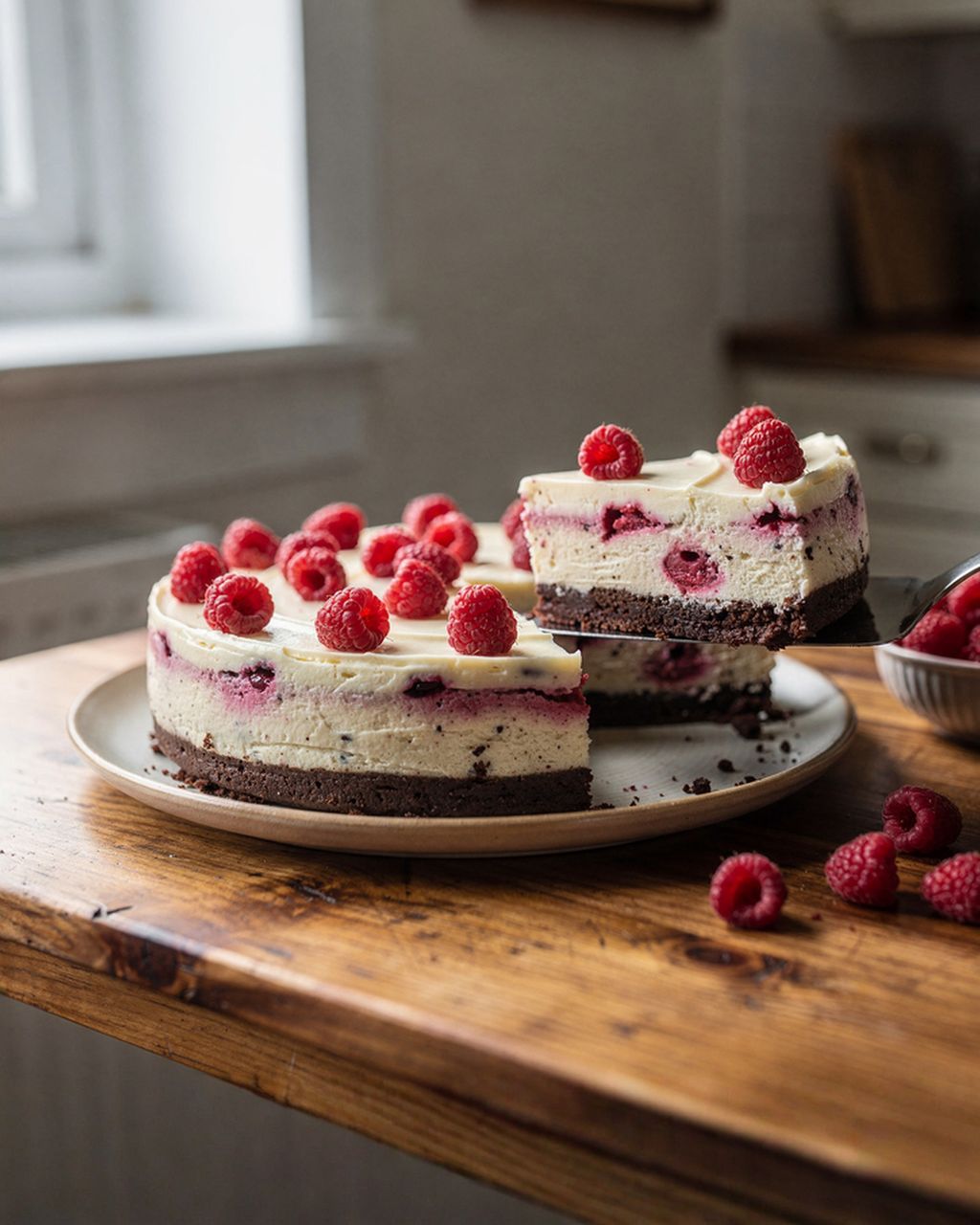
If you want to see both methods side by side, check out our raspberry and white chocolate cheesecake, both no-bake and baked.
Halloween cheesecake
Halloween cheesecake: a recipe for putting your new setting skills into practice
You can replace gelatine in a no-bake cheesecake with agar or white chocolate. 1 g of agar is roughly equivalent to 3 g of gelatine (start with less rather than more, as the gel sets quickly and turns brittle as you add more agar). Agar needs to be boiled for 1–2 minutes in water or milk, and it makes the filling slightly firmer and less creamy. White chocolate (150–200 g per 500 g of cheese) firms up the filling thanks to its cocoa butter and adds sweetness, so cut back on the sugar accordingly.
A cheesecake base turns soggy when water from a water bath or whey from a watery cheese seeps into it. Wrap the water-bath tin in two layers of foil, pre-bake the base for 10 minutes at 180°C (350°F), and let your curd cheese drain beforehand.
Cheesecake keeps in the fridge for 3–4 days, covered so it doesn't pick up other smells. Fruit toppings or fresh fruit release juice over time, so add them just before serving.
Yes, both baked and no-bake cheesecake can be frozen for up to 2 months. Freeze it once cooled and without any fruit topping, wrapped in cling film, and thaw it overnight in the fridge rather than on the counter, or water will condense on the surface.
Yes, leaf gelatine works just as well — just measure it by weight rather than by number of sheets, since sheets vary in both size and strength. Soak the leaves in cold water for 5–10 minutes, squeeze out the excess water, and dissolve at no more than 60°C (140°F).
One recipe worth heating the oven for, one tip, and one deal from the shop. Nothing else.