Chocolate peanut butter truffles
Chocolate Percentages Explained: What They Mean and How to Spot Quality from the Ingredients
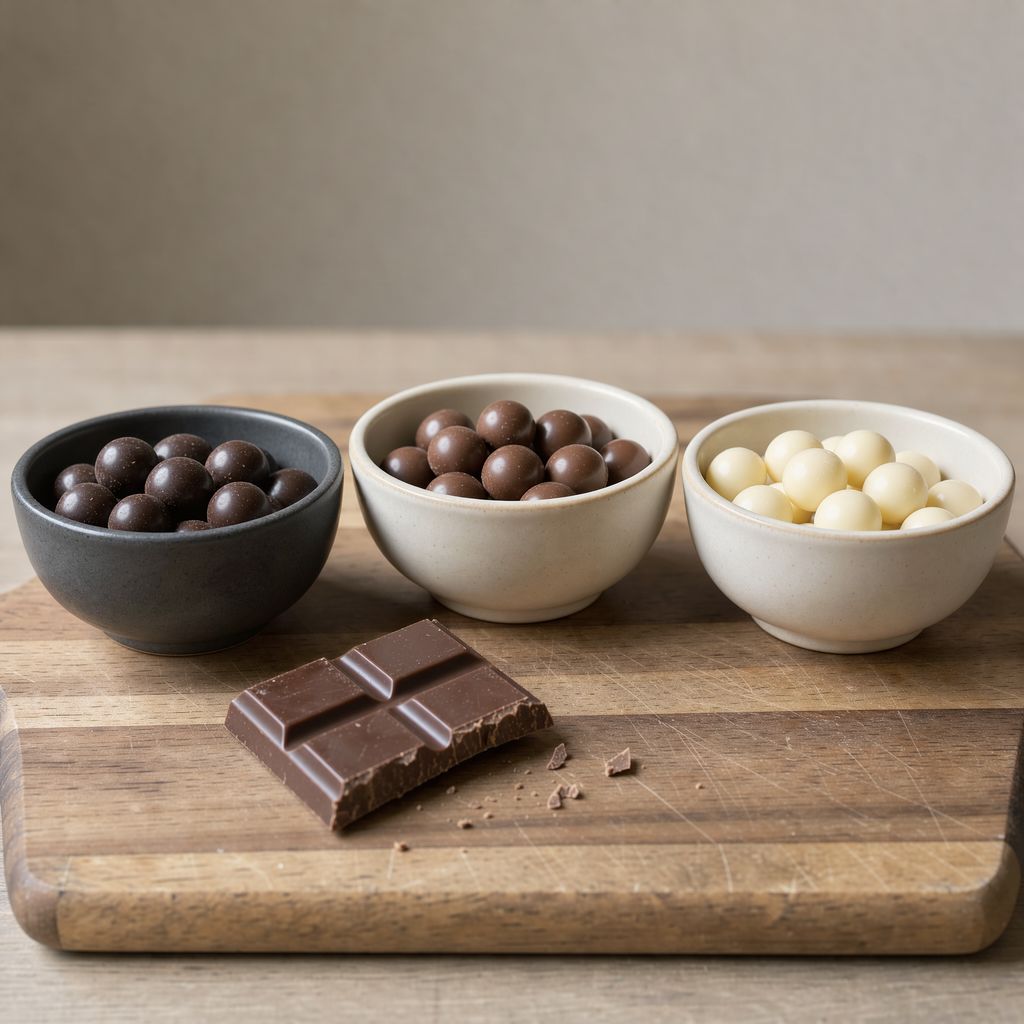
Updated Oct 17, 2026
The percentage on a chocolate bar tells you how much of the bar comes from the cocoa bean: cocoa mass plus any added cocoa butter. The rest is mostly sugar, plus milk powder in milk and white chocolate. The number tells you how much cocoa and how much sugar is in the bar, but not how bitter it will taste, how it will melt, or whether it's good quality. For that, you need to read the ingredients. We'll show you how using real Callebaut and Valrhona chocolates.
The percentage on a chocolate bar shows the share of total cocoa solids, meaning everything that comes from the cocoa bean: cocoa mass (ground roasted beans) and added cocoa butter. A 70% dark chocolate therefore contains 70% cocoa ingredients, and the remaining 30% or so is almost entirely sugar, plus less than 1% lecithin and vanilla.
Total cocoa solids are made up of two parts that behave very differently in your mouth:
Cocoa butter, the fat. It has almost no flavor, but it gives chocolate its shine, its snap and the way it melts on your tongue. It melts at around 34 °C (93 °F).
Fat-free cocoa solids (sometimes called non-fat), the "cocoa powder" in the chocolate. They carry the bitterness, the astringency and the whole chocolate flavor. On packaging you'll find them listed under this fat-free name.
Under European chocolate rules (Directive 2000/36/EC, transposed in the Czech Republic into the decree on cocoa and chocolate), chocolate must contain at least 35% total cocoa solids, including at least 18% cocoa butter and 14% fat-free cocoa solids. Milk chocolate needs at least 25% total cocoa solids and 14% milk solids. White chocolate needs at least 20% cocoa butter and 14% milk solids.
One nice thing about dark chocolate is that you can work out the sugar yourself: 100 minus the percentage ≈ sugar. 70% means roughly 30% sugar, 85% about 15%, and 100% chocolate is pure cocoa mass with no sugar.
Two 70% chocolates differ because the number 70 doesn't tell you how that percentage is split between cocoa butter and fat-free cocoa solids, and that ratio is what decides the flavor. On top of that come the origin of the beans and how the maker processed them.
Here's a simplified example. Cocoa mass itself is roughly half fat.
Bar A: 70% cocoa mass. That works out to roughly 35% cocoa butter and 35% fat-free solids, so it tastes intense, bitter and a little astringent.
Bar B: 60% cocoa mass and 10% added cocoa butter. That gives roughly 30 + 10 = 40% butter, but only about 30% fat-free solids. It tastes milder, melts more readily and is more fluid once melted.
Both say an honest 70% on the wrapper. The other differences come from:
Bean origin and variety. Beans from Ecuador, Madagascar or Ghana differ in acidity, fruitiness and bitterness.
Fermentation and roasting. A longer, darker roast brings out coffee and roasted notes, while a shorter one lets the fruit shine.
Conching, the long mixing of the hot chocolate mass. It smooths the texture and softens sharp acidic notes.
Alkalization. Some cocoa is treated with an alkali to make it darker and less acidic, like Dutch-process cocoa.
For baking, this has a practical consequence: if you swap one 70% chocolate for another in a recipe, the result can change. A ganache made with chocolate higher in cocoa butter will set firmer, while chocolate with more fat-free solids will bring more flavor and bitterness to a batter.
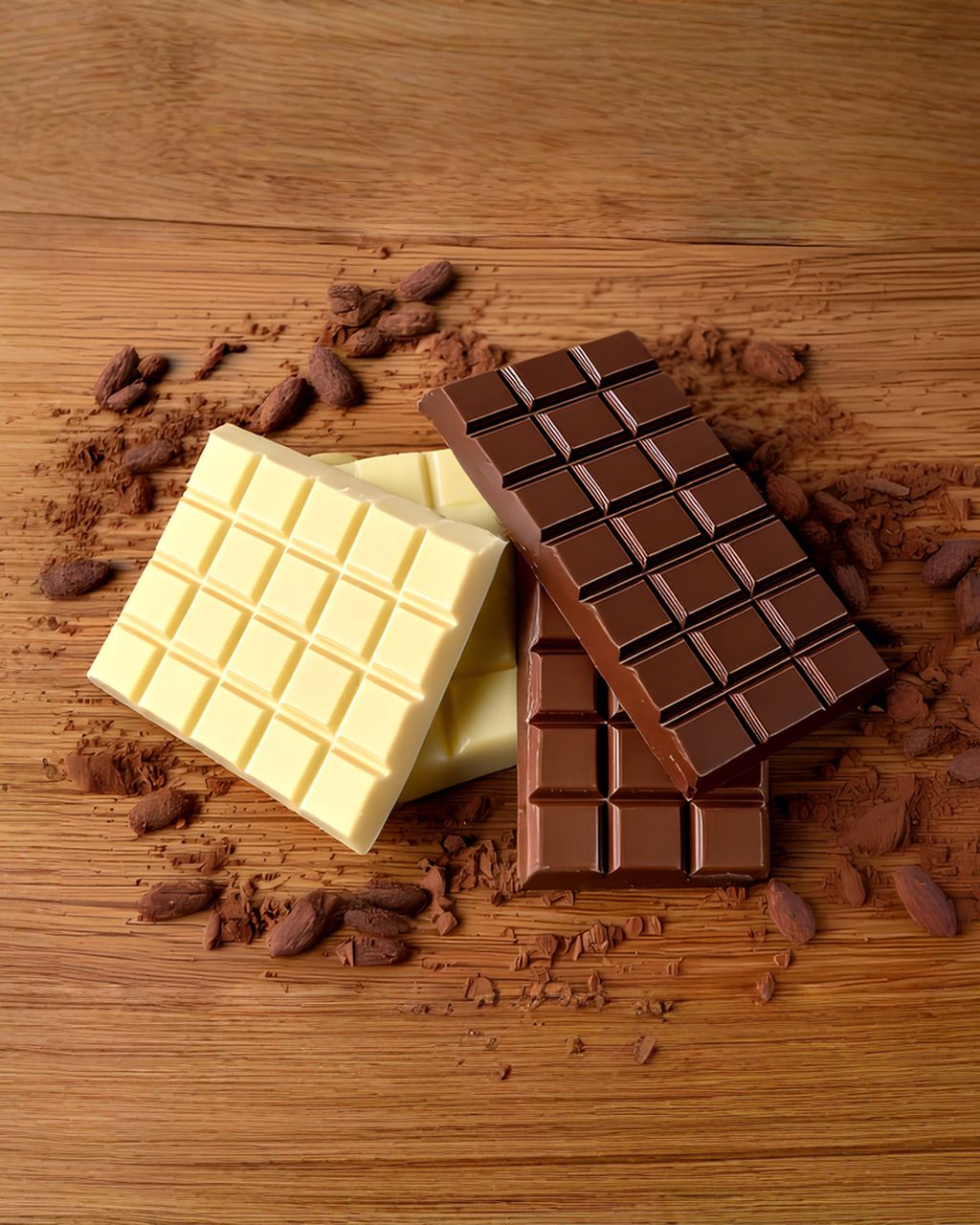
On milk and white chocolate the percentage still shows the cocoa solids, but the rest is no longer just sugar. Roughly a fifth of the bar is milk powder. That's why the "100 minus the percentage = sugar" rule doesn't work here.
Milk chocolate: ordinary supermarket bars usually sit around 30%, while good milk couvertures run 33–40%. Milk powder is usually 14–25% and sugar is often around 40%, which makes it frequently the largest single ingredient.
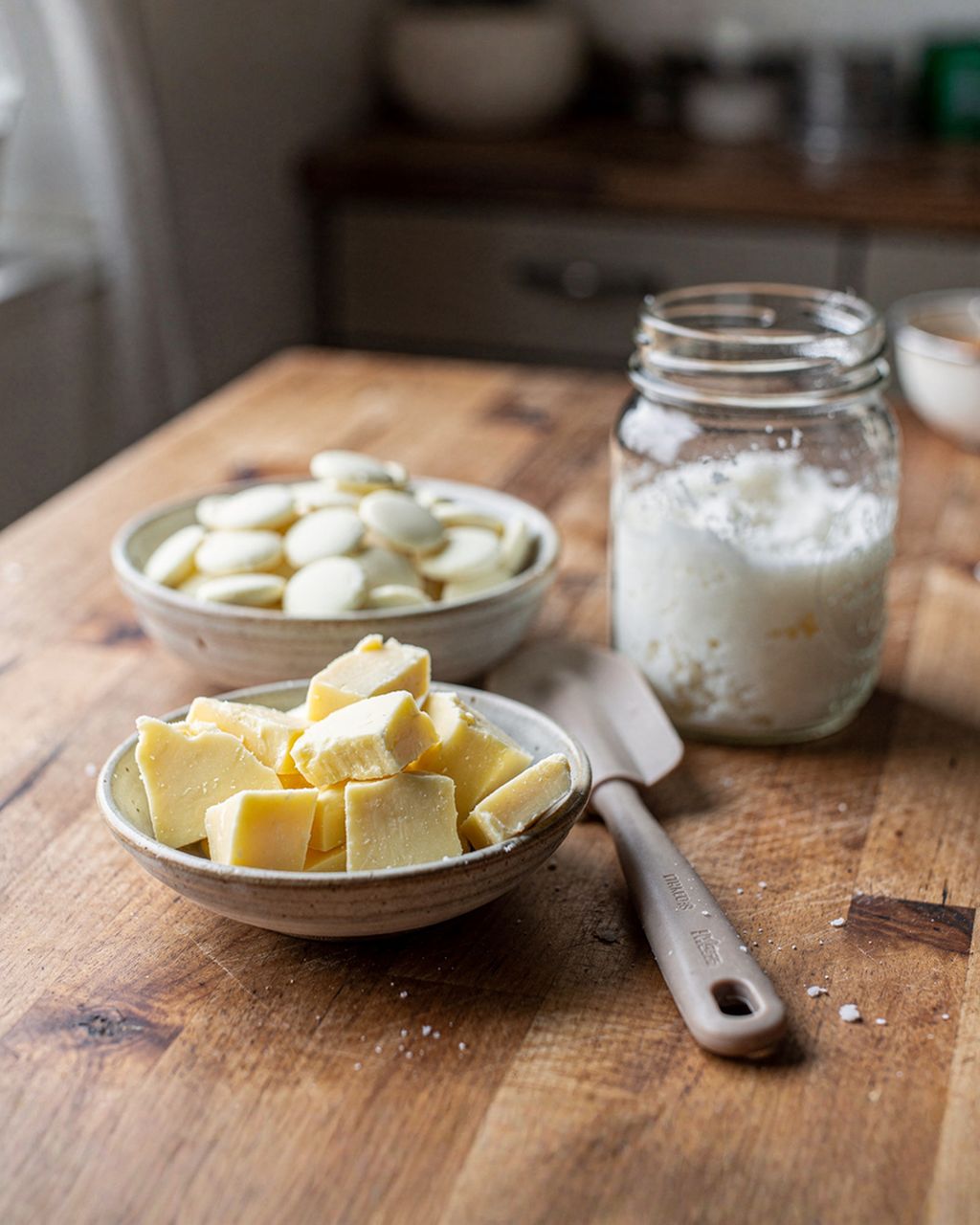
White chocolate: its percentage is pure cocoa butter, because it contains no fat-free cocoa solids at all. That's where the creamy color and the lack of chocolatey bitterness come from. The legal minimum is 20%, and good white chocolates usually contain 28–35%.
In milk and white chocolate, a higher percentage ultimately means less sugar and more cocoa butter. The chocolate is less sweet, melts better and is more fluid once melted. With white chocolate, a higher percentage is the quickest way to spot quality, because cheap white bars are built mostly on sugar.
You can recognize good chocolate by a short ingredient list in which cocoa butter is the only fat. Ingredients are listed in descending order by weight, so the order alone tells you a lot. On the label, look for this:
A short ingredient list. Cocoa mass, cocoa butter, sugar, plus milk in milk and white chocolate, along with lecithin and vanilla. Good chocolate doesn't need more.
No foreign fats. The EU allows up to 5% other vegetable fats (such as shea butter or palm oil) in chocolate, but this must be stated explicitly on the packaging. If you see a note like "contains vegetable fats in addition to cocoa butter", it's the cheaper option and harder to temper.
Real vanilla, not vanillin. "Natural vanilla extract" or "vanilla pods" is a good sign. "Flavoring" or "vanillin" is more typical of cheaper products.
In dark chocolate, cocoa mass comes first, not sugar. If sugar leads in a dark chocolate, that's suspicious.
Milk, not substitutes. In milk chocolate, look for whole milk powder. Whey and milk permeates are cheaper fillers.
Watch out for "cocoa coating" or "confectionery coating". That isn't chocolate: other fats replace the cocoa butter, so it's cheap and needs no tempering, but it tastes waxy. (Note that the Czech legal term "čokoládová poleva", literally "chocolate glaze", is the opposite: it means couverture, chocolate with a high share of cocoa butter, at least 35% total cocoa solids and 31% cocoa butter.) You'll find more on the differences in the article Couverture: How It Differs from Regular Chocolate and Cooking Chocolate.
The percentage alone doesn't guarantee quality. An 85% bar made from cheap, over-roasted beans can taste worse than a carefully made 55%. The percentage tells you "how much", while the ingredients and the maker tell you "how well".
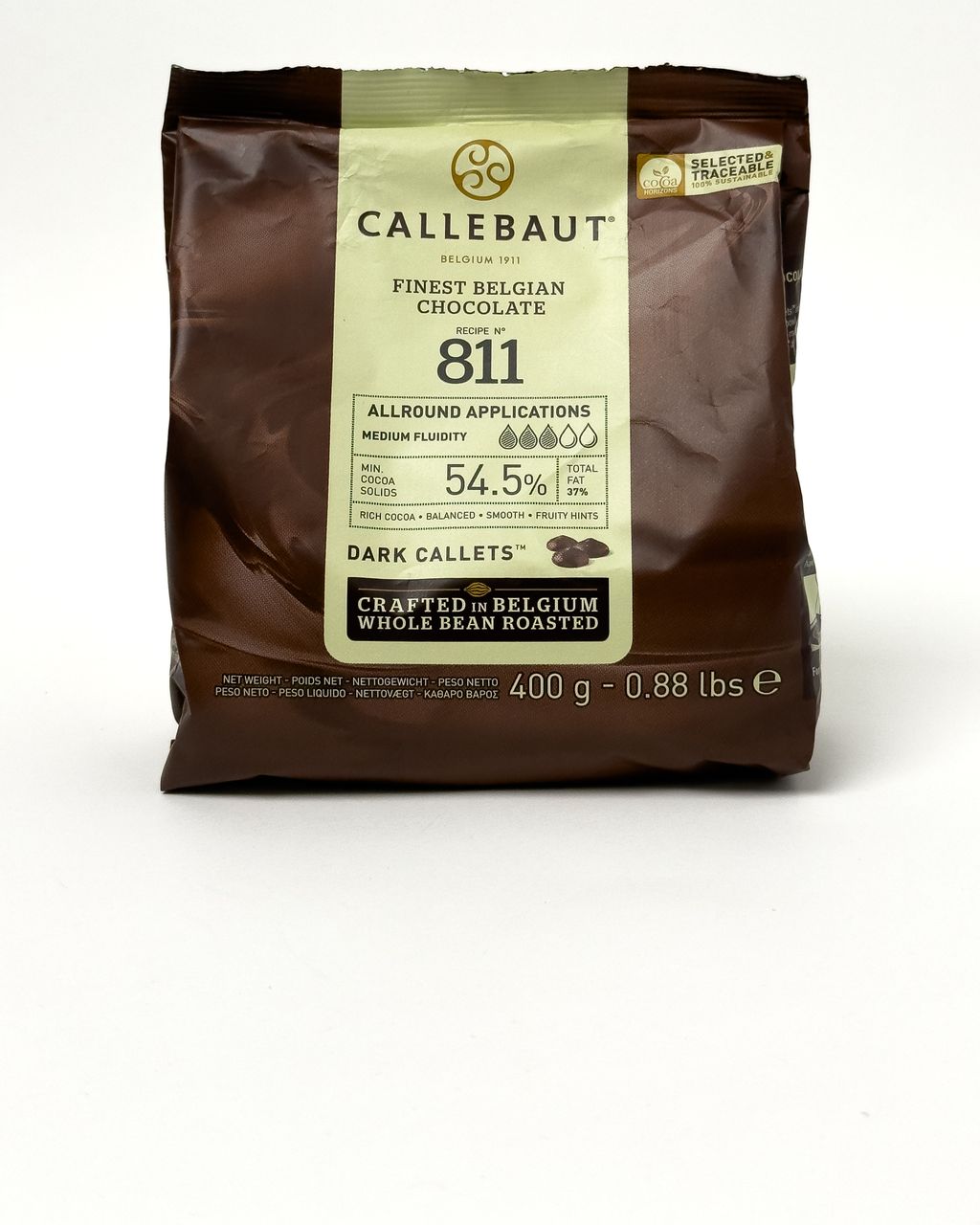
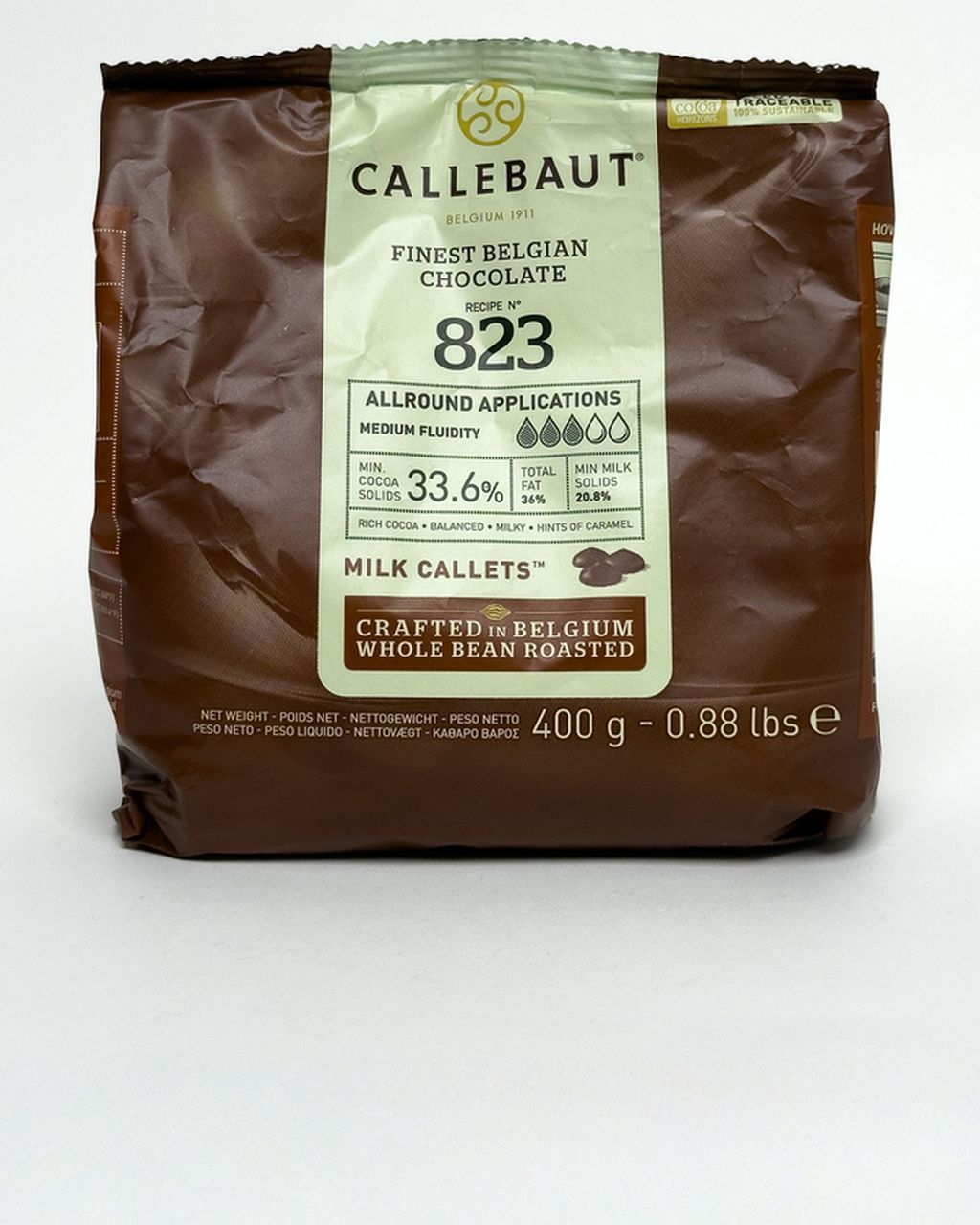
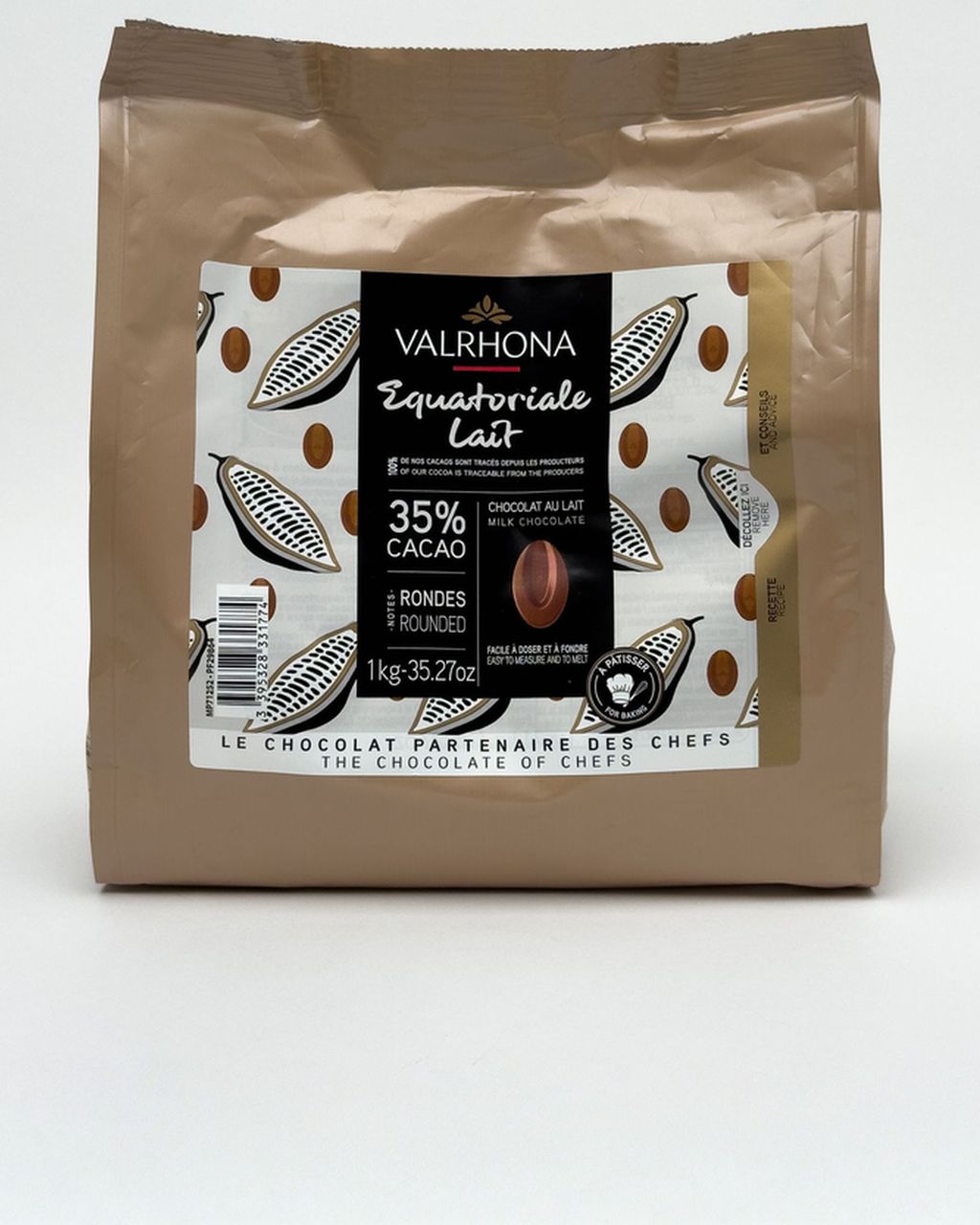
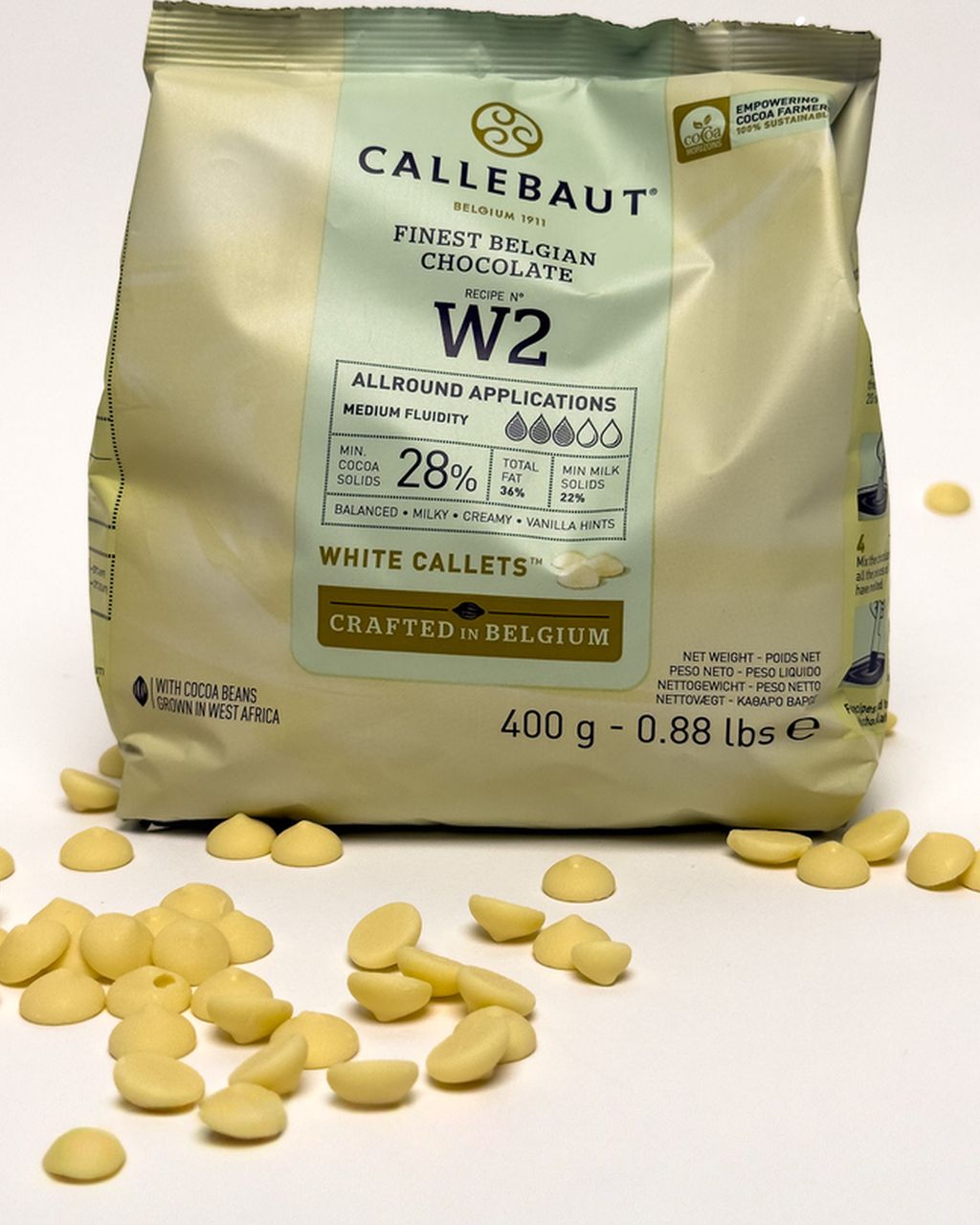
Callebaut 811, Callebaut 823, Valrhona Equatoriale Lactée 35% and Callebaut W2 show clearly that the percentage on the wrapper is only a minimum, and that flavor depends on the balance of cocoa butter, fat-free solids, milk and sugar. The values come from the manufacturers' technical data sheets.
Callebaut 811, dark has at least 54.5% cocoa solids and 36.6% fat, all of it cocoa butter since it contains no milk. That means fat-free solids of at least around 18%. Sugar is around 43%, which is less than the "100 minus the percentage" rule would suggest: 54.5% is the guaranteed minimum, and the actual cocoa content according to the data sheet is a little higher. That's why it tastes balanced, isn't aggressively bitter and suits almost everything: ganache, glazes, mousse and batters. It proves that "only" 54% doesn't mean worse chocolate, just different chocolate.
Callebaut 823, milk has 33.6% cocoa solids, 20.8% milk solids and 36.2% fat. It has a distinct caramel and milk flavor and is a classic for pralines and milk ganache.
Valrhona Equatoriale Lactée 35%, milk is a nice example of what the number hides. According to the composition Valrhona gives, it contains 29.3% cocoa butter and just 7.9% cocoa beans. Together that's 37.2%, more than the name promises: the 35% on the wrapper is the guaranteed minimum, and the actual cocoa content is around 37%. Most of the "cocoa" in it is butter, which is why it's so velvety and creamy. It has 19.2% milk and 43% sugar.
Callebaut W2, white has at least 28% cocoa solids (according to the manufacturer, 29.5% cocoa butter), which in white chocolate is pure cocoa butter. On top of that come 22% milk solids and 35.8% fat in total, including 6.3% milk fat. That's at least 8 percentage points more cocoa butter than the law requires, which is why it melts well and doesn't taste merely sugary.
Notice that with professional pastry brands, the percentage on the wrapper is a minimum, so the real figure tends to be a little higher. Also, both milk chocolates contain more fat than most ordinary supermarket bars. A high cocoa butter content is exactly what makes chocolate a couverture, chocolate that flows well when melted and can be tempered. You'll find more pastry chocolates, dark, milk and white, in the category baking chocolate and pralines.
For baking in general, choose dark chocolate with 50–70% for most recipes, 70% and up where the chocolate should stand out, and 100% only where the recipe accounts for your own sugar.
50–60%: an all-purpose choice for ganache, glazes, creams and pralines. It's balanced and won't overpower the other flavors.
65–75%: for brownies, chocolate cakes and fondants, where the chocolate is meant to be the star. The article Which Chocolate to Use for Brownies and Chocolate Cake covers this in detail.
80–100%: for flavoring, sauces, or anywhere you control the sweetness yourself. If you replace 70% chocolate with 100% chocolate without adjusting the sugar, the dessert will turn out much more bitter.
Milk 33–40% and white 28% and up: for pralines, mousse and ganache. With milk and white chocolate ganache, you'll need less cream, because they contain less fat-free solids to thicken the filling.
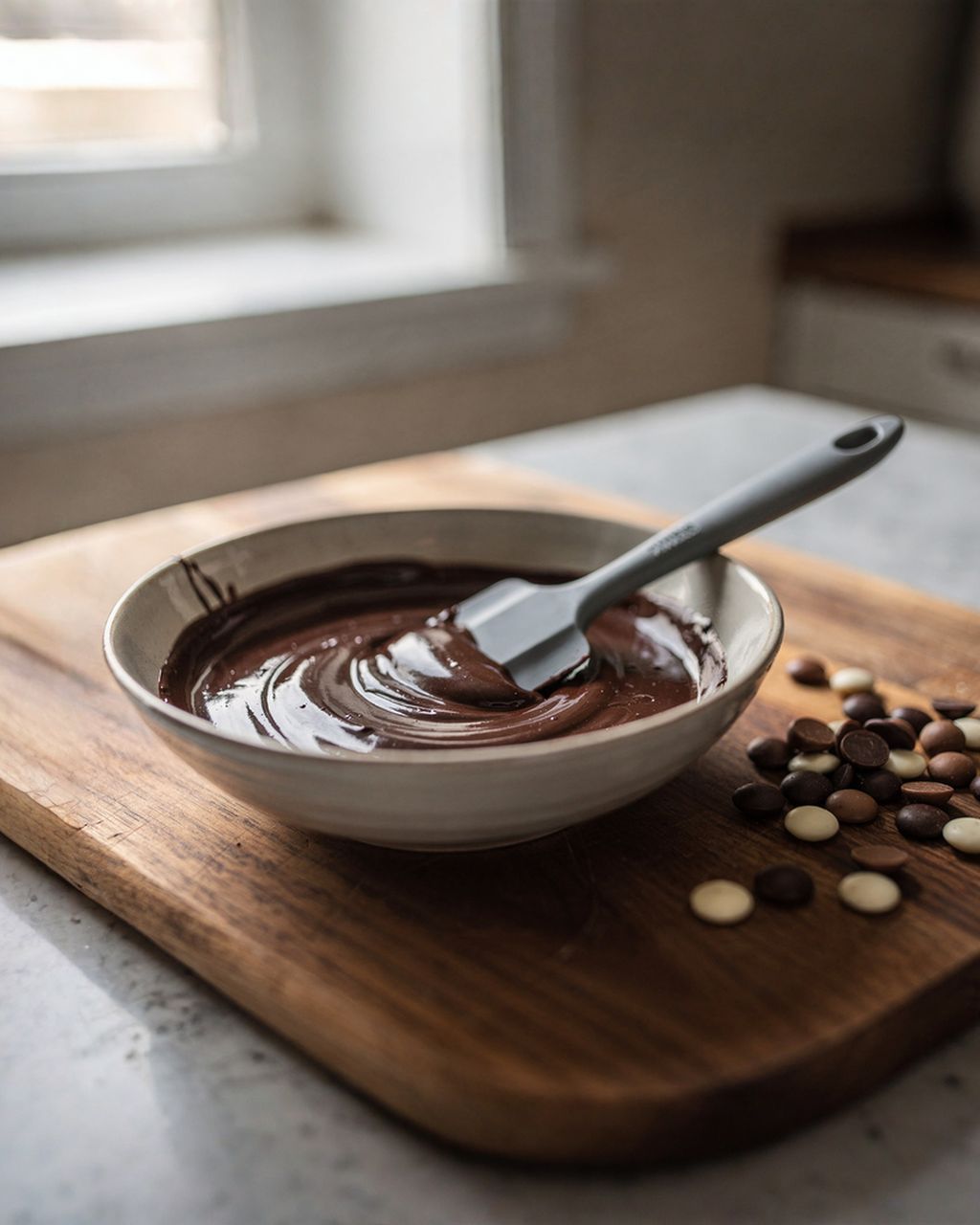
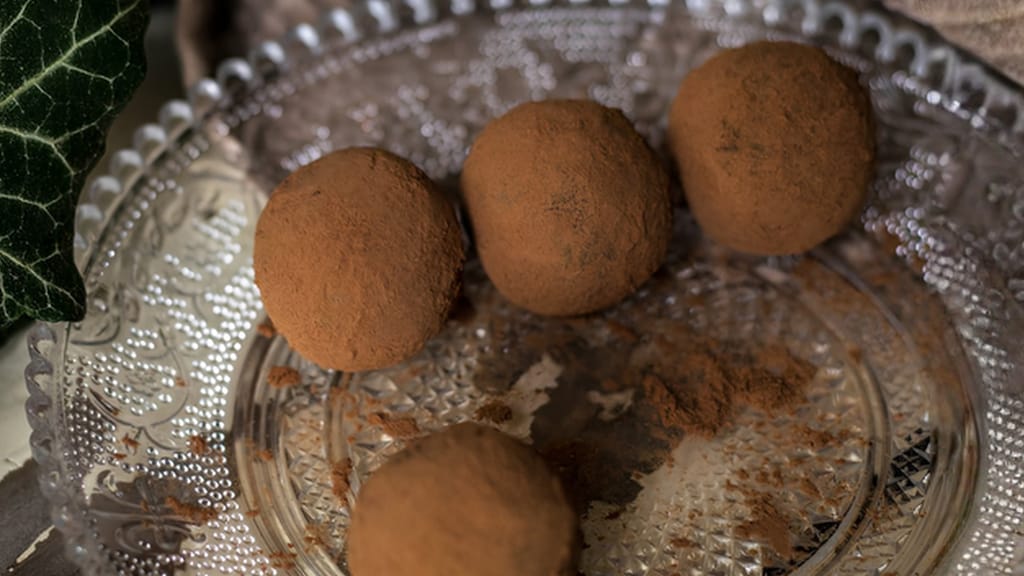
Chocolate peanut butter truffles are a good way to test this. Make them once with 54% chocolate and once with 70%, and you'll notice the difference in both flavor and firmness right away.
Chocolate peanut butter truffles
Chocolate peanut butter truffles: try them with both 54% and 70% chocolate
100% chocolate is pure cocoa mass, sometimes with a little added cocoa butter, but with no sugar at all. On its own it tastes very bitter and astringent. In the kitchen it's useful wherever you want to control the sweetness yourself: in sauces, chili, cakes where you add your own sugar, or to balance an overly sweet cream.
Yes, but the dessert will be sweeter and less intense, because 54% chocolate has roughly 15 percentage points more sugar. In a batter, cut about a tablespoon of sugar for every 100 g of chocolate. With ganache, expect it to set a bit softer, so add a little more chocolate or use less cream.
Yes, you can temper 70% dark chocolate at home as long as cocoa butter is its only fat. The easiest way is the seeding method: melt two thirds of the chocolate to 45–50 °C (113–122 °F), stir in the remaining third, chopped, and keep stirring until the chocolate cools to 31–32 °C (88–90 °F). You'll know it's tempered when a drop on paper sets glossy within a few minutes and snaps cleanly. Chocolate containing other vegetable fats, or cocoa-flavored coating, can't be tempered.
Single origin means the cocoa beans come from one country or region, such as Ecuador or Madagascar. The chocolate usually has a more distinctive, specific flavor, such as fruity, nutty or more acidic notes. It doesn't guarantee higher quality in itself, just a more recognizable character.
A grayish-white coating on chocolate is usually fat bloom or sugar bloom, and the chocolate is still fine to eat. It happens when chocolate goes through a temperature change or is exposed to moisture, and cocoa butter or sugar rises to the surface. The taste is usually the same, but the chocolate snaps less cleanly and looks dull. Once you melt and re-temper it, the shine comes back. Store it at 15–18 °C (59–64 °F) in a dry place, and keep it out of the fridge.
One recipe worth heating the oven for, one tip, and one deal from the shop. Nothing else.