- Season
- Year-round
- Price
- Medium
Calories and nutrition per 100 g
- 317 kcal
- 2.2 g protein
- 33 g fat
- 2.8 g carbs
Whipping Cream 33%
Whipping cream 33% is dairy cream with 33% milk fat, the everyday Czech cream for whipping and for cream sauces. Czech law requires at least 30% fat for whipping cream, so 33% is the most common strength, both fresh and long-life (UHT).
Fresh cream does not belong on the counter; do not leave it at room temperature for more than 2 hours. Unopened long-life (UHT) cream can be stored outside the fridge if the pack allows it (usually up to 24 °C) until its best-before date. Chill it at least overnight before whipping.
Keep fresh cream at 2–8 °C, at the back of the fridge rather than in the door. Unopened, it keeps until its use-by date, which is a safety limit. Once opened, close fresh or UHT cream well and use it within 2–3 days, or sooner if the pack says so. Throw out cream that smells sour or has curdled.
It can be frozen and keeps best quality for 3–4 months at −18 °C. After thawing it usually will not whip, because freezing damages the fat globules, so use it in sauces, soups and batters. Thaw it in the fridge and use within 24 hours. To keep whipped cream on hand, whip it first and freeze it in dollops; it keeps 1–2 months.
For whipping, choose fresh whipping cream from the chiller with 31–33% fat or more. The pack must state the fat content and the heat treatment: under the Czech decree only cream heated to no more than 125 °C may be called "čerstvá" (fresh), while "trvanlivá" (long-life) cream has been UHT-treated. Check the ingredients: the simplest products contain only cream, some add a stabiliser such as carrageenan. Skip swollen or damaged packs and get the cream into the fridge quickly.
Whipping cream 31% or high-fat cream 35–40%. Both whip the same way; high-fat cream gives firmer whipped cream and overwhips faster, so watch it.
For cooking, crème fraîche, or 180 ml whole milk mixed with 55 g melted butter; neither will whip. For dairy-free whipping, the chilled solid part of full-fat coconut milk or a plant-based whipping alternative.
Keep the cream in the fridge for at least 12 hours and put the bowl and beaters in the freezer for 10–15 minutes. Whip at least 200 ml at a time, starting at medium speed. Add icing sugar (10–20 g per 250 ml) once the beaters leave trails. Stop when the peaks hold their shape and are still glossy; beyond that it turns grainy and then into butter. Add it to hot sauces gradually and add acidic ingredients last.
Stir leftover cream that is still within its date into mashed potatoes, soup or scrambled eggs. If you overwhip it, keep going until butter and buttermilk separate: rinse the butter in cold water and squeeze it, and use the buttermilk in pancakes or batter.
Roughly what one measure weighs, scooped the way you normally would in the kitchen.
Most often it is whipped for cakes, pastries and fruit. In savoury cooking it enriches and thickens sauces, soups and mash; with 33% fat it tolerates a gentle simmer and can be reduced, whereas cooking cream curdles more easily when boiled. Hot cream poured over chocolate makes ganache, and it is the base for panna cotta and ice cream and for infusing vanilla or citrus zest.
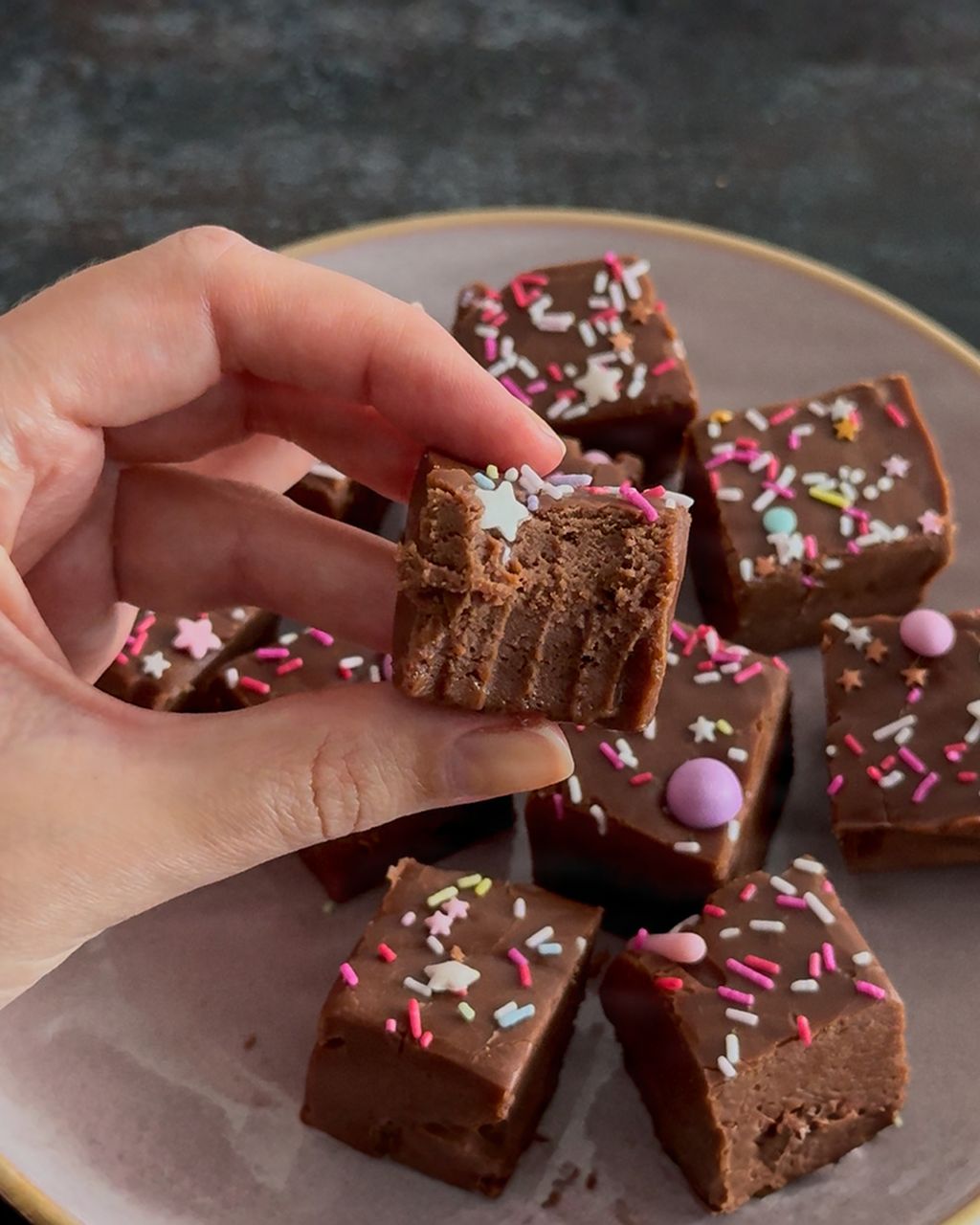
Dark chocolate fudge
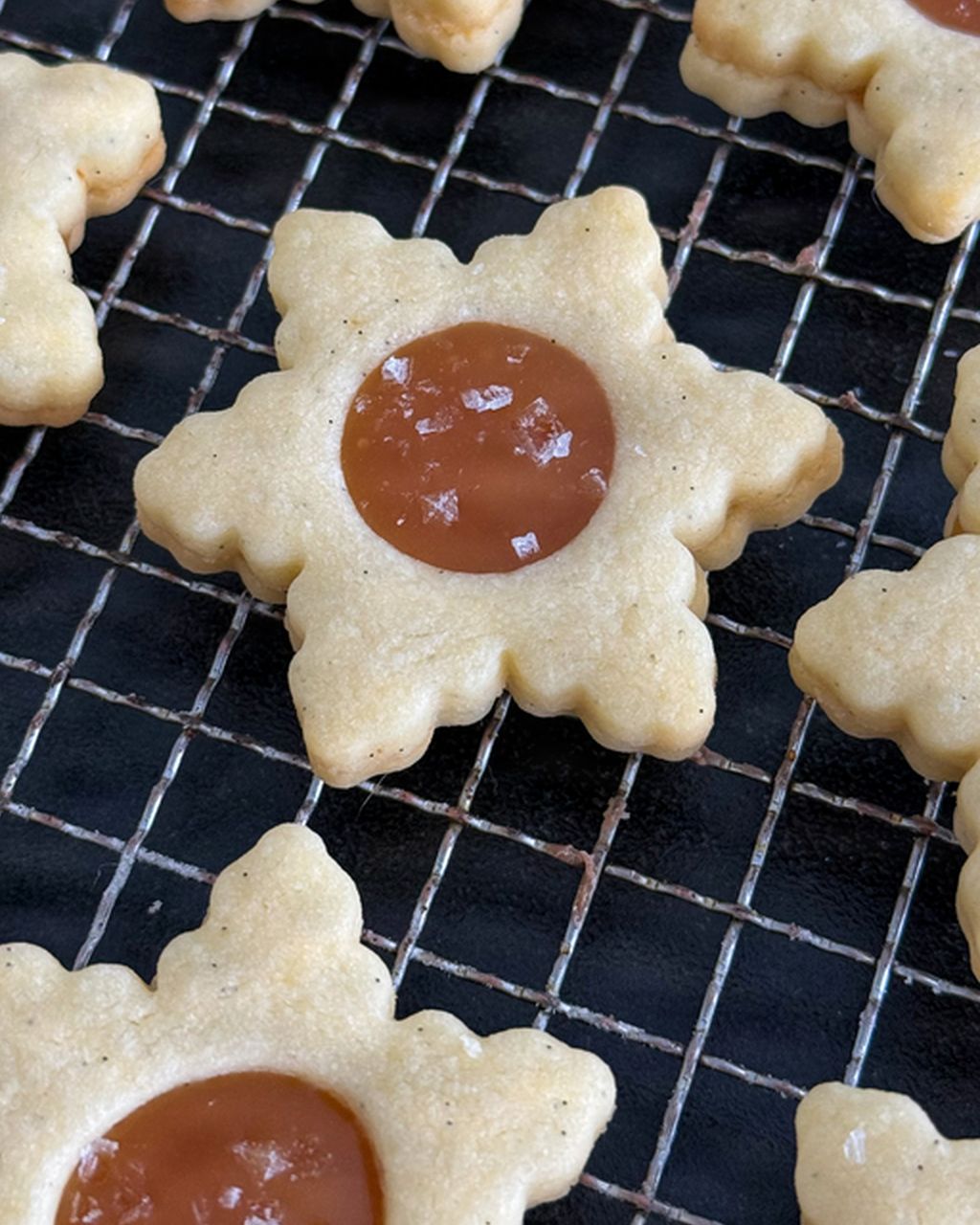
Linzer cookies with salted caramel and flaky sea salt
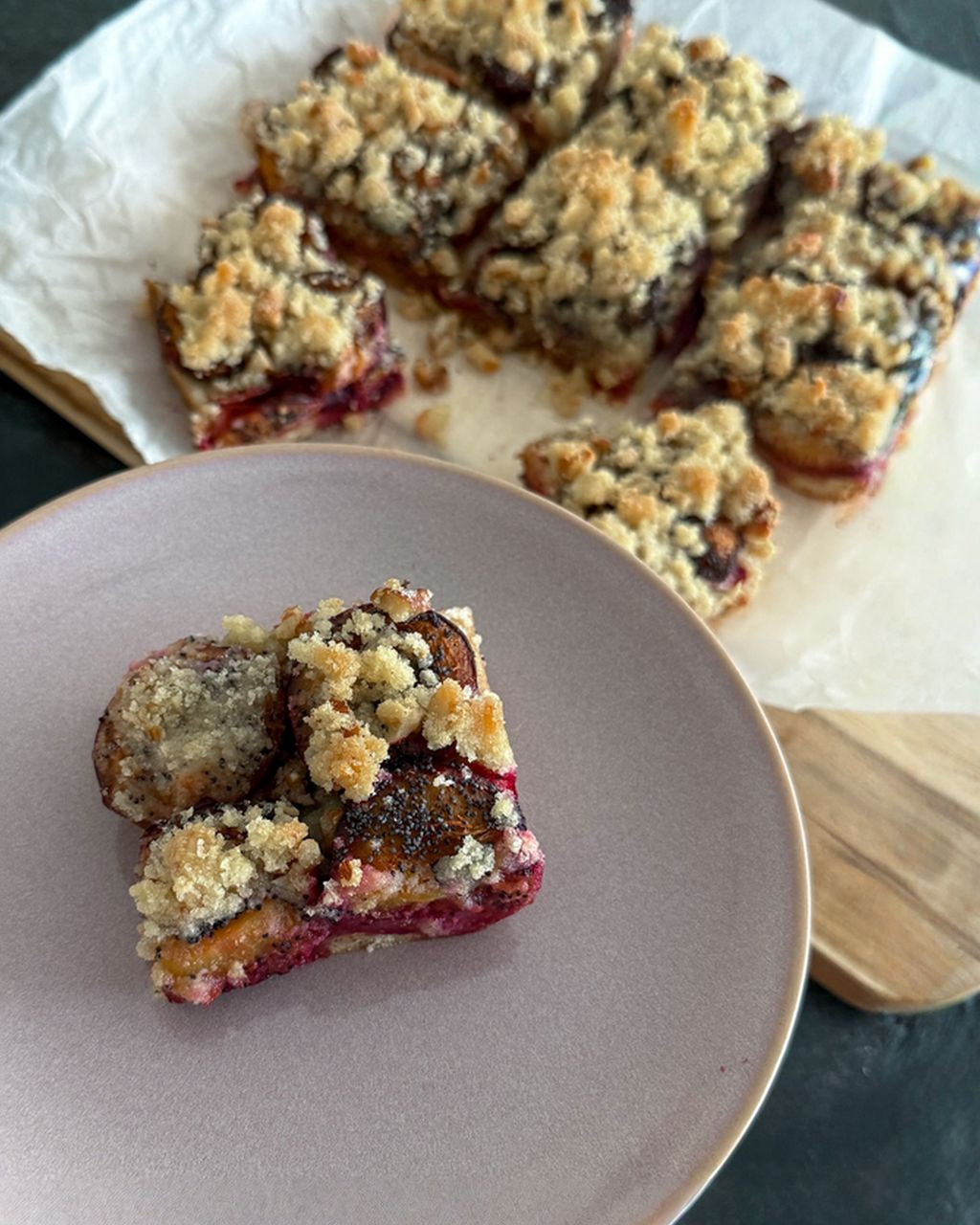
Classic yeasted plum sheet cake with crumble topping
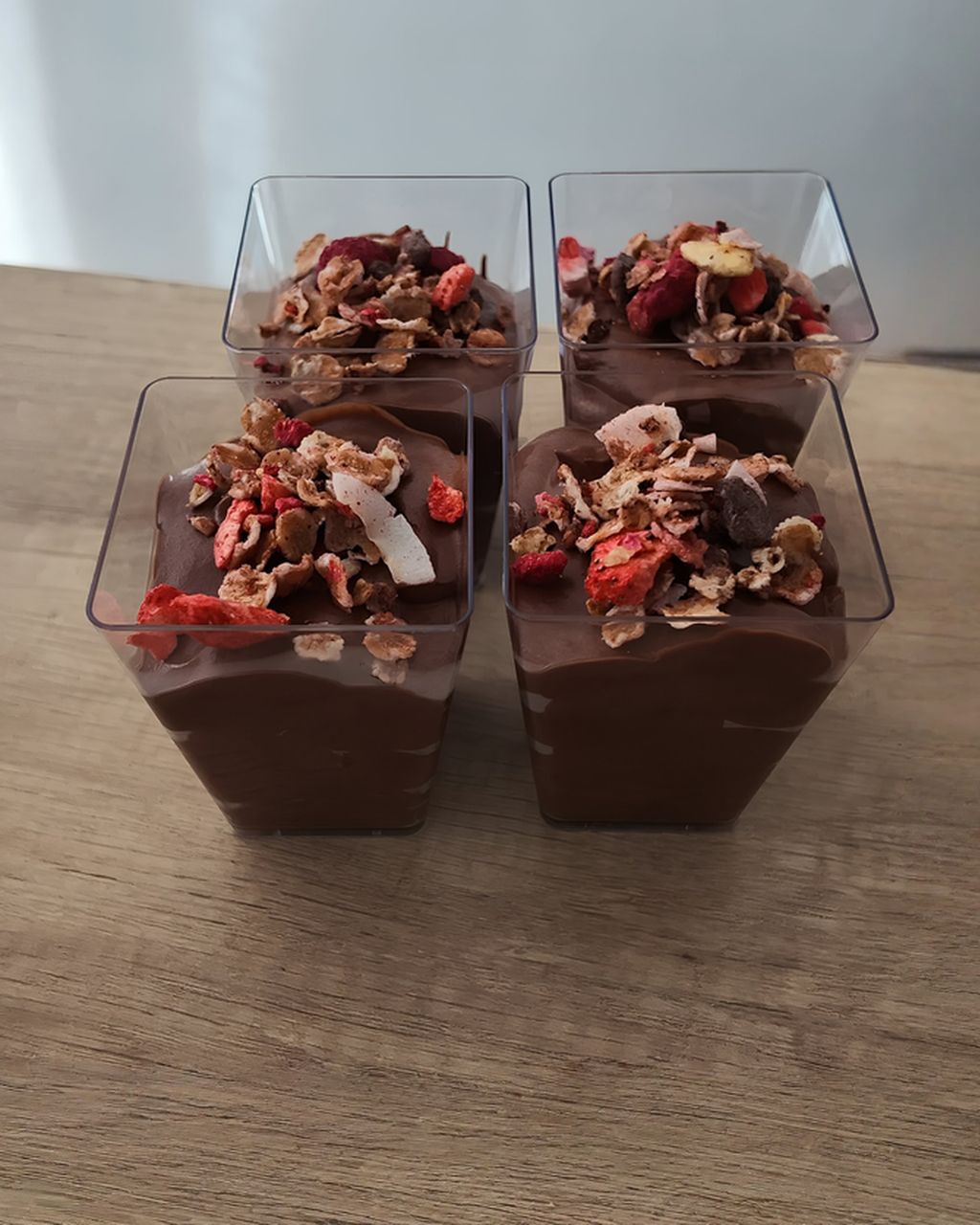
Chocolate mousse
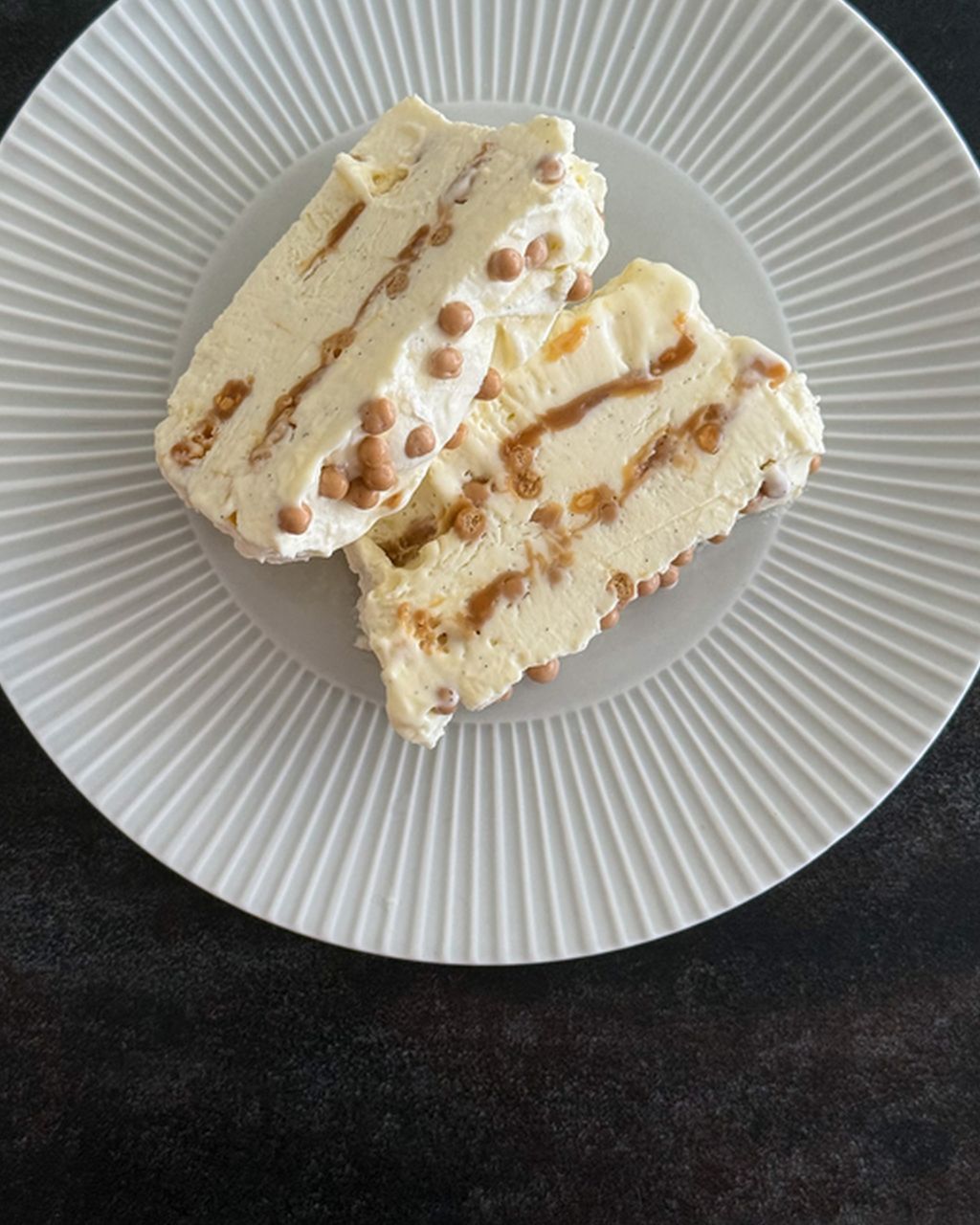
No-churn vanilla ice cream with peanut butter swirl
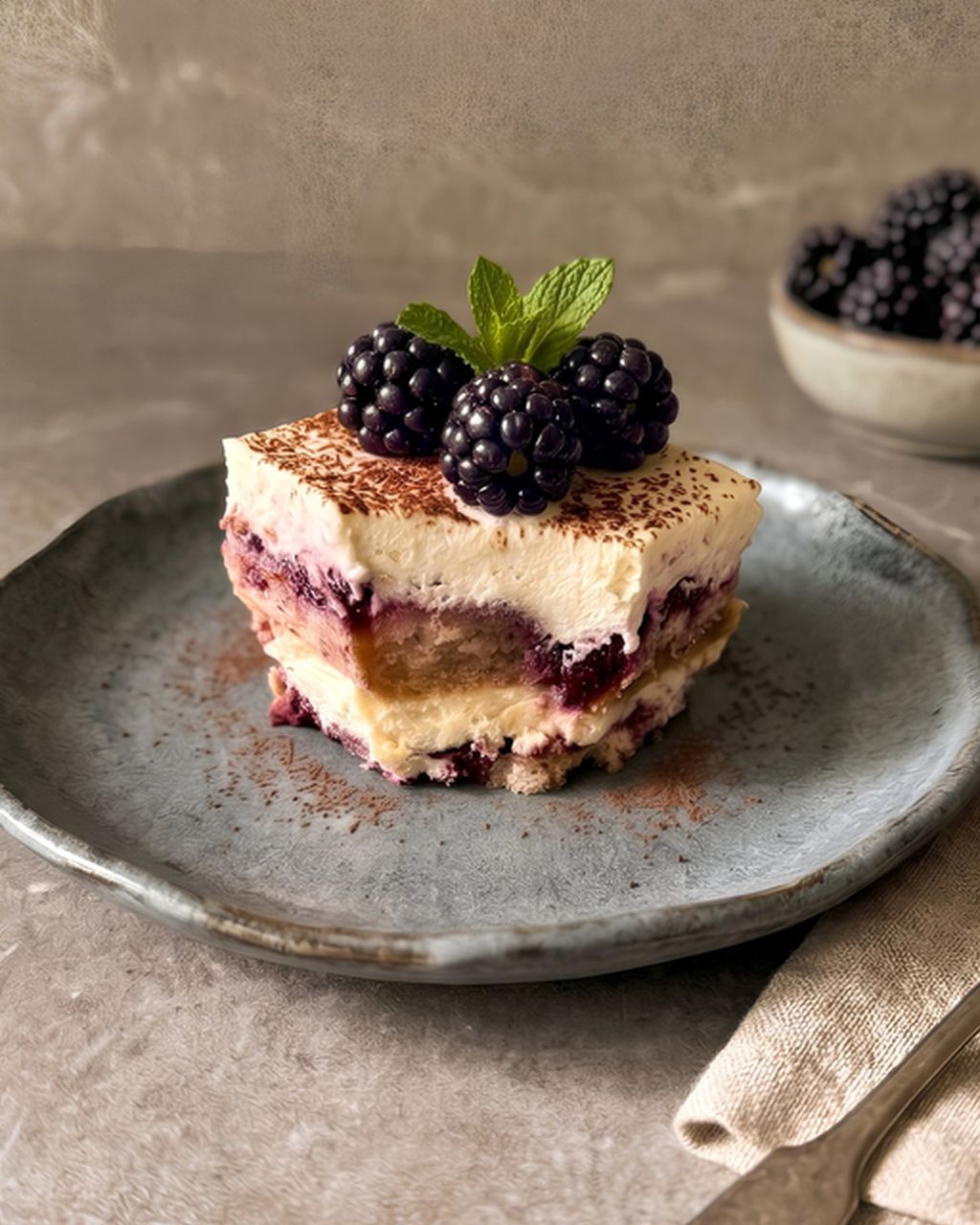
Mini tiramisu with blackberries and earl grey tea
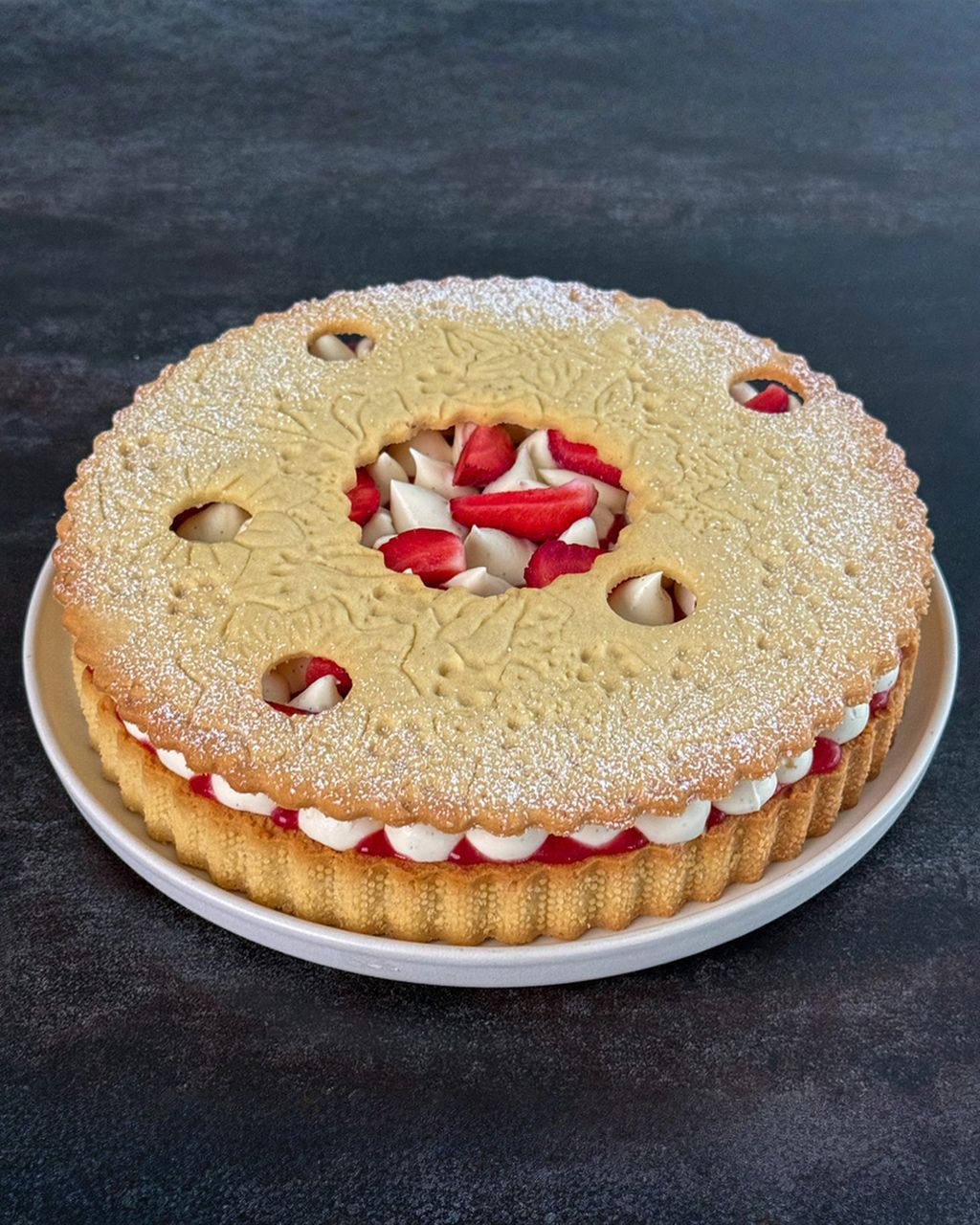
Strawberry tart with white chocolate and almonds
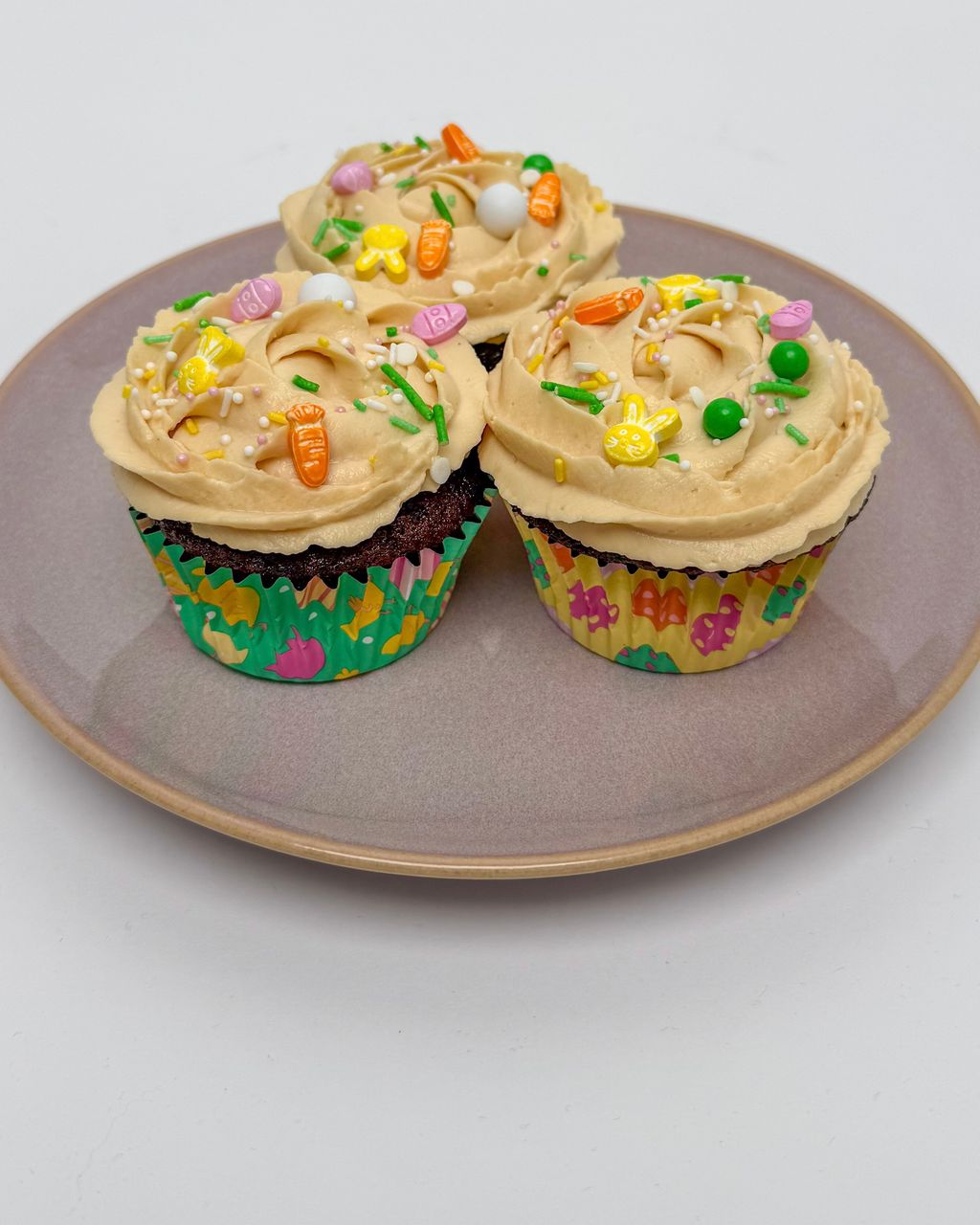
Chocolate cupcakes with salted caramel cream
Whipping cream 33% is dairy cream with 33% milk fat, the everyday Czech cream for whipping and for cream sauces. Czech law requires at least 30% fat for whipping cream, so 33% is the most common strength, both fresh and long-life (UHT). It is made by separating the fat from cow's milk in a centrifuge and heat-treating it. Fresh cream from the chiller whips best; long-life (UHT) cream keeps unopened outside the fridge but whips more slowly and to less volume. In Czech it is often just called šlehačka.
Clean, faintly sweet and buttery, with no sourness. Full in the mouth, but lighter than high-fat cream. Fresh pasteurised cream tastes brightest; UHT cream can have a faint cooked-milk note. Once whipped it turns light and carries vanilla, chocolate, coffee and fruit well.
Seasonal baking plans, tested recipes and kitchen tricks that save you time. Unsubscribe in one click.
3 min read
Czech Decree 397/2016 on milk and dairy products sets fat minimums for liquid cream: "smetana" (cream) needs at least 10% fat, "smetana ke šlehání" (whipping cream) at least 30% and "smetana vysokotučná" (high-fat cream) at least 35%. So 33% cream is ordinary whipping cream; high-fat cream starts at 35%. Coffee cream and cooking cream are not separate categories but plain "smetana" with 10–12% fat, named for their use.
The pack must state the fat content and the heat treatment. Only cream heated to no more than 125 °C may be labelled "fresh" (čerstvá); "long-life" (trvanlivá) cream has been UHT-treated or sterilised. The name cream is reserved for dairy cream, so plant-based whipping products cannot use it.
Cream with 33% fat whips reliably as long as it is properly cold. Whip it straight from the fridge at 4–7 °C, in a chilled bowl, at medium speed and at least 200 ml at a time. Add sugar at soft peaks and rum or purée at the very end. 250 ml of cream gives roughly twice its volume of whipped cream.
If it stays runny, the usual culprits are warmth, UHT or lactose-free cream, or sugar added too early. The six most common causes and how to rescue it are in Why your cream won't whip. Plain whipped cream starts weeping in the fridge after a few hours. If it has to hold on a cake until the next day, add whipped cream stabiliser or gelatine.
Fresh cream from the chiller whips fastest and to the most volume. Long-life (UHT) cream is homogenised, so its fat globules are smaller and join up less readily when whipped; it takes longer and the foam softens sooner. The upside is that it keeps for months unopened outside the fridge.
So use fresh cream for whipped cream on cakes. UHT cream is fine in sauces, soups, ganache and baking, where foam volume does not matter.
Cream with 30% fat or more tolerates a gentle simmer, which is why it is used for reduced sauces for meat and pasta. Acid, salt and hard boiling are what curdle it; why, and how to rescue a split sauce, is in Cream sauce curdled.
In desserts it becomes ganache (hot cream poured over chopped chocolate, ratios in Chocolate ganache) or is whipped into a mousse, as in our Chocolate mousse.
Whipping cream 33% is the all-rounder: it whips and it cooks. High-fat cream with 35–45% fat whips firmer and more stable, is richer and curdles even less in sauces, but overwhips faster. Coffee cream and cooking cream with 10–12% fat will not whip at all.
Lactose-free whipping cream usually has 30–33% fat and whips in a similar way, but it is mostly UHT and the whipped cream is softer. Whipped cream stabiliser goes in when the cream must hold its shape for more than a few hours.
Liquid whipping cream can be frozen, but after thawing it will not whip firm and is only good for hot dishes. Freezing UHT cream makes no sense, since it keeps unopened outside the fridge. Whipped cream, on the other hand, freezes well in dollops on a tray and then in a box. What freezing does to milk, cream and yogurt is covered in Can you freeze milk, cream and yogurt?.
Cream used to be skimmed from milk left to stand. The Swedish engineer Gustaf de Laval built a cream separator in 1878, which let dairies make cream with a precisely set fat content. Today cream is separated from fresh milk, standardised to the target fat level and heat-treated.