Callebaut Dark Chocolate Callets (811) 400g
Why No-Bake Cookies Fall Apart and What to Use as a Binder So They Hold Together
Updated Oct 17, 2026
Why do no-bake cookies fall apart? Almost always it's because there isn't enough binder for the amount of dry ingredients, the binder is the wrong choice, or it goes soft at room temperature. No-bake treats don't hold together thanks to an oven, but thanks to whatever in them sets firm or turns sticky: fat, syrup, melted chocolate and sticky ingredients like dates. Here's how each binder works, what ratio to use, how long to chill the mixture, and how to rescue balls that are already crumbling in your hands.
No-bake balls and bars crumble for four reasons: too little binder, a binder that doesn't set, ingredients that are too coarse or dry and too short a chilling time.
Too little binder. Ground biscuits, nuts and coconut are dry and soak up the binder. If there isn't enough, it can't coat every particle and the mixture stays loose.
A binder that doesn't set. Syrup is sticky on its own, but it never firms up. Butter softens at room temperature. If you rely on just one of them, the cookies hold in the fridge and fall apart on the plate.
Coarse or dry ingredients. Big pieces of nuts and biscuits don't bind, air pockets form between them, and the ball cracks. Dried-out coconut or stale biscuits soak up more liquid than the recipe allows for.
Too short a chill. Fat and chocolate need time to set. A mixture you roll straight after mixing either turns runny or cracks.
Fat binds by setting firm when cold, holding the dry particles together. It's the most common binder in classic no-bake cookies.
Butter gives the best flavor, but it's soft at room temperature. Cookies made with butter alone hold up mainly when they're chilled.
Coconut oil sets harder, but it melts at around 24 °C (75 °F). On a warm table it quickly turns shiny and sticky.
A combination of butter and melted chocolate holds better than either fat alone, because the cocoa butter in chocolate sets at a higher temperature.
If you don't have coconut oil or don't want to use it, you'll find substitutes by function, along with ratios, in the article what to use instead of coconut oil in no-bake cookies.
Syrup binds by being sticky: it coats the dry particles and glues them together even when nothing sets. That's why it's the best insurance against crumbling.
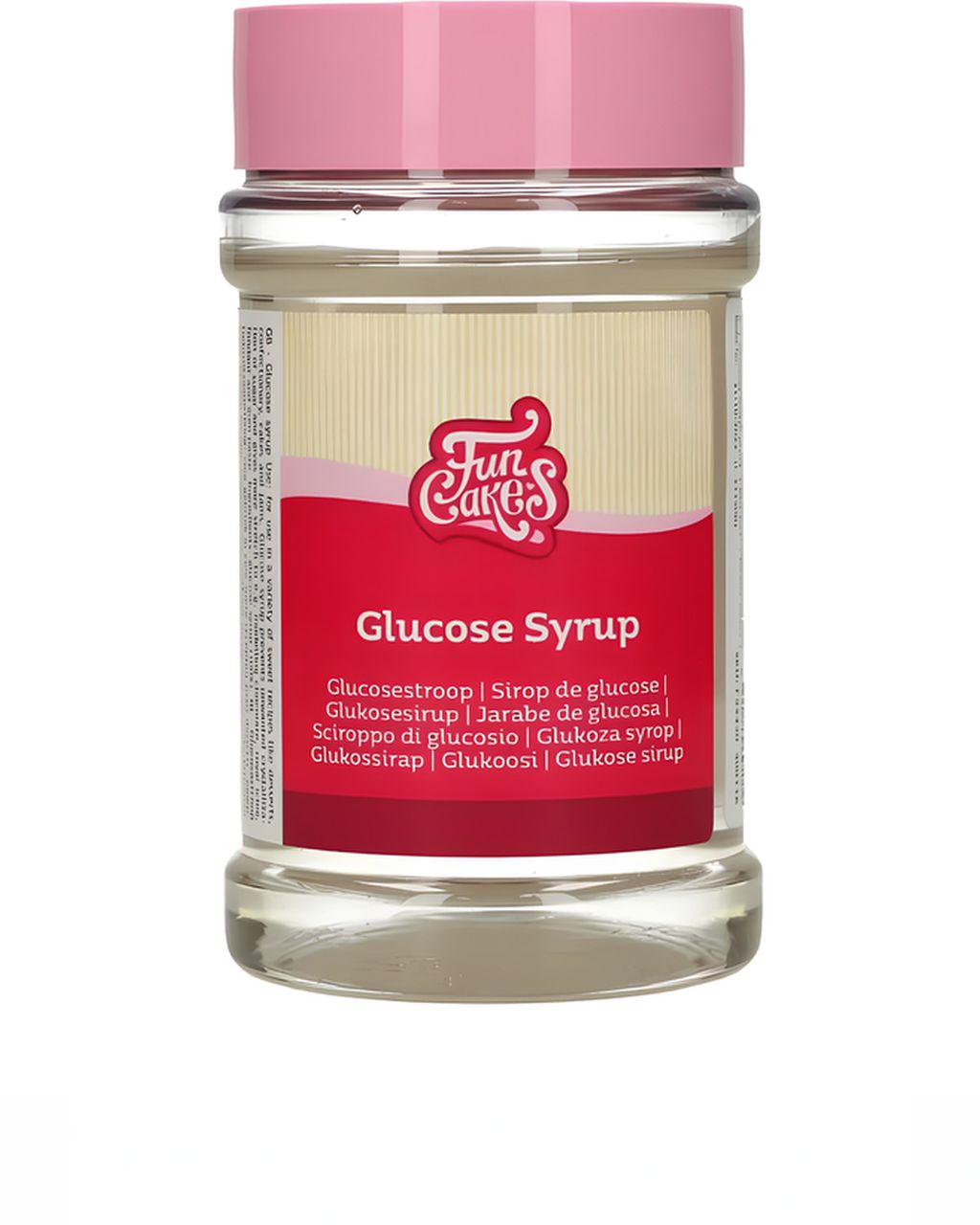
Glucose syrup is the best binding syrup. It's thick, much less sweet than honey and doesn't crystallize, so the balls stay soft and don't turn sugary. 1–2 tablespoons (about 20–40 g) per 250 g of dry ingredients is enough. We stock FunCakes glucose syrup. If you warm it slightly, it mixes in more easily.
Honey sticks in a similar way, but it's sweeter and you can taste it in the mixture. It may crystallize over time.
Sweetened condensed milk binds and sweetens at the same time. It's the classic choice for rum balls, but it makes the mixture softer and it belongs in the fridge.
Maple or agave syrup are runnier and stick less well. Expect to need more of them.
Melted chocolate is the firmest binder: the cocoa butter in it sets as it cools and holds better than butter, even at room temperature.
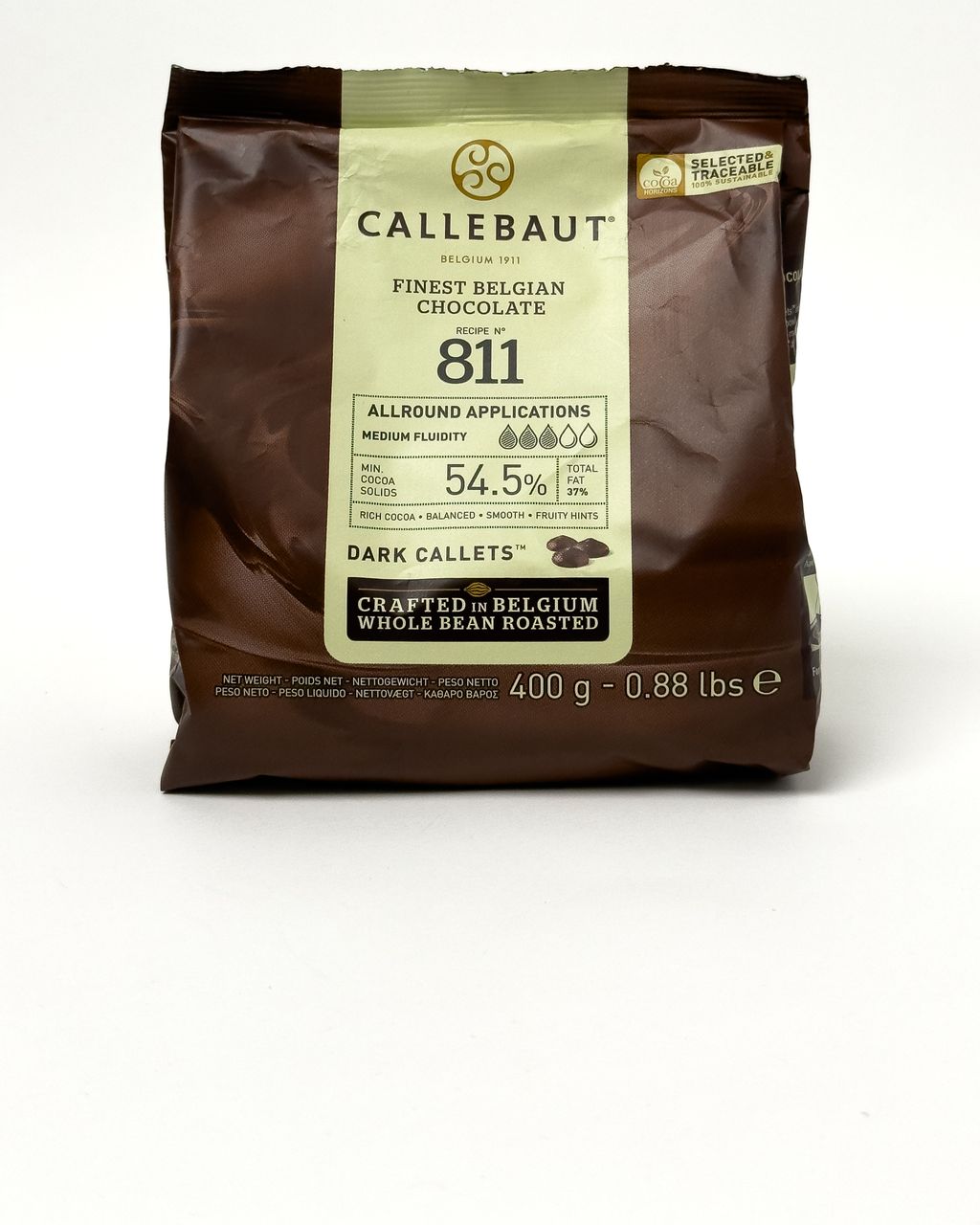
You need chocolate with plenty of cocoa butter. According to the manufacturer, dark Callebaut 811 callets contain 54.5% cocoa solids and 36.6% fat. The callets melt quickly and evenly, and you don't need to chop them. Melt the chocolate to no more than 45 °C (113 °F). Stir it into the mixture warm, but not hot, otherwise it will melt the butter and the mixture will separate.
Ratio: start with 100 g of chocolate per 250 g of dry ingredients. A combination of 100 g of chocolate and 1 tablespoon of glucose syrup is both firm and soft at once. What the percentages on the packaging mean is explained in the article cocoa percentages on chocolate.
Dates, nut butters and thick jam bind on their own, because they're sticky and moist. They work best in balls made without butter.
Dates blended into a paste bind oats and nuts without any additional fat. An example is these cocoa balls made with oats and dates.
Nut butter adds both fat and stickiness, and it firms up in the fridge.
Jam or plum butter (povidla) add moisture, but not firmness. Combine them with chocolate or fat.
For 250 g of dry ingredients (ground biscuits, nuts, coconut), plan on roughly 100–150 g of binder. The exact ratio depends on how dry your ingredients are.
Fat only: 100–125 g of butter or coconut oil per 250 g of dry ingredients.
Chocolate only: 100–150 g of melted dark chocolate.
Fat + syrup: 80 g of butter + 1–2 tablespoons of glucose syrup. It holds better than butter alone.
Chocolate + syrup: 100 g of chocolate + 1 tablespoon of glucose syrup. The most reliable combination for balls that need to last on a plate.
Condensed milk: 150–200 g per 250 g of biscuits. The mixture is soft and has to go in the fridge.
The handful test: squeeze a spoonful of the mixture in your palm. If it holds its shape and doesn't crumble when you break it, it's good. If it crumbles, add binder a spoonful at a time. If it sticks to your fingers and looks shiny, there's too much binder or the mixture is warm.
Grind the dry ingredients finely. The finer the crumb, the fewer air pockets and the less binder each ball needs.
Let the mixture firm up in the fridge for 30–60 minutes before rolling, then chill the finished balls or bars for at least another hour before you coat or slice them.
Before rolling: a mixture with fat or chocolate firms up in 30–60 minutes so you can shape it without it sticking. If it's too hard, leave it on the counter for 5–10 minutes.
Bars: press them into a pan lined with baking parchment and slice only when completely chilled. Dip the knife in hot water and wipe it dry. It cuts cleanly and the edge doesn't crumble.
Don't overdo the freezer. Quick freezing speeds up setting, but a hard mixture breaks when you roll it. Water then condenses on the surface and the coating won't stick.
You can rescue a crumbling mixture by adding binder in small amounts. The quickest fix is a spoonful of warm glucose syrup or 30–50 g of melted chocolate.
Work out why it's crumbling. If it's loose when cold, there's not enough binder. If it holds in the fridge and falls apart on the counter, the binder is softening and you need chocolate.
Add binder a spoonful at a time. Use glucose syrup, melted chocolate or a spoonful of softened butter. Do the handful test after each addition.
Mix with your hands. The warmth of your palms helps the fat coat the crumbs. Kneading binds more than stirring with a spoon.
Break up coarse pieces. If it cracks around pieces of nuts, crush the mixture again or blitz it briefly in a blender.
Chill it again for 30 minutes, and only then roll.
If finished balls are falling apart, crush them, add binder and roll them again. If a mixture can't be saved as balls, press it into a pan as bars and pour chocolate over them. For more ideas on what to do with leftover cookies, see the article what to do with leftover cookies after Christmas.
Balls turn soft and sticky when they contain too much liquid binder or fat that melts at room temperature. It's the opposite problem to crumbling.
Add a spoonful or two of dry ingredients (ground nuts, coconut, cocoa) and chill the mixture again.
Replace some of the butter or coconut oil with melted chocolate. It holds more firmly.
When rolling, dampen your hands or rub them lightly with fat, and work in smaller batches with the chilled mixture.
Store no-bake cookies made with butter, cream, quark or condensed milk in the fridge. For how long they keep, follow the recipe. Fillings made with raw eggs are a chapter of their own: when raw eggs in no-bake cookies pose a salmonella risk and what to use instead of raw eggs.
For binding no-bake cookies, any good-quality dark chocolate with cocoa butter will do. Chocolate coating made with vegetable fat binds too, but it tastes blander and melts differently on the tongue.
Dark chocolate bars, 50–70%, work well, you just have to chop them so they melt evenly.
Couverture callets, such as dark Callebaut 811, melt quickly and evenly. They contain more cocoa butter, so they're more fluid and coat the crumbs better. They're also good for the coating you put on the balls afterward.
Chocolate-flavored coating (not chocolate) contains other fats instead of cocoa butter. It sets without tempering, but tastes sweet rather than chocolatey.
Milk and white chocolate bind too, but they set more softly. Use a slightly larger amount or chill for longer.
You'll find more ideas for no-bake treats in our no-bake cookie roundup, and everything for baking and no-bake in the Christmas cookies category.
You can replace glucose syrup with honey in no-bake cookies. Honey binds the mixture in a similar way, but it's sweeter and you'll taste it. Use the same amount or slightly less, and keep in mind that it may crystallize over time.
Most no-bake cookies made with butter, coconut oil or chocolate can be frozen in a sealed container, roughly for a few weeks. Layer coated balls with baking parchment so they don't stick together. Thaw them slowly in the fridge, not on the counter, otherwise water condenses on them and the coating turns damp. Fillings made with cream or quark may change texture after thawing.
No-bake cookies crack after coming out of the fridge because the fat in them has set hard and the mixture doesn't have enough binder to stay flexible. Let them sit on the counter for 10–15 minutes, and if they still crack, add a spoonful of glucose syrup to the next batch to keep the mixture pliable.
For both vegan and gluten-free no-bake cookies, you can bind the mixture with coconut oil, dairy-free dark chocolate, date paste or nut butter. For a gluten-free version, also replace the biscuits with ground nuts, coconut or biscuits labeled gluten-free. Use only oats labeled gluten-free, and always check the ingredients on the packaging of chocolate and coatings.
No-bake cookies get condensation on them after coming out of the fridge because moisture from the warmer air condenses on the cold surface. Coconut and cocoa then turn damp, and a chocolate coating can lose its shine. It helps to store them in a tightly sealed container and only open it once the cookies have come up to room temperature.
One recipe worth heating the oven for, one tip, and one deal from the shop. Nothing else.