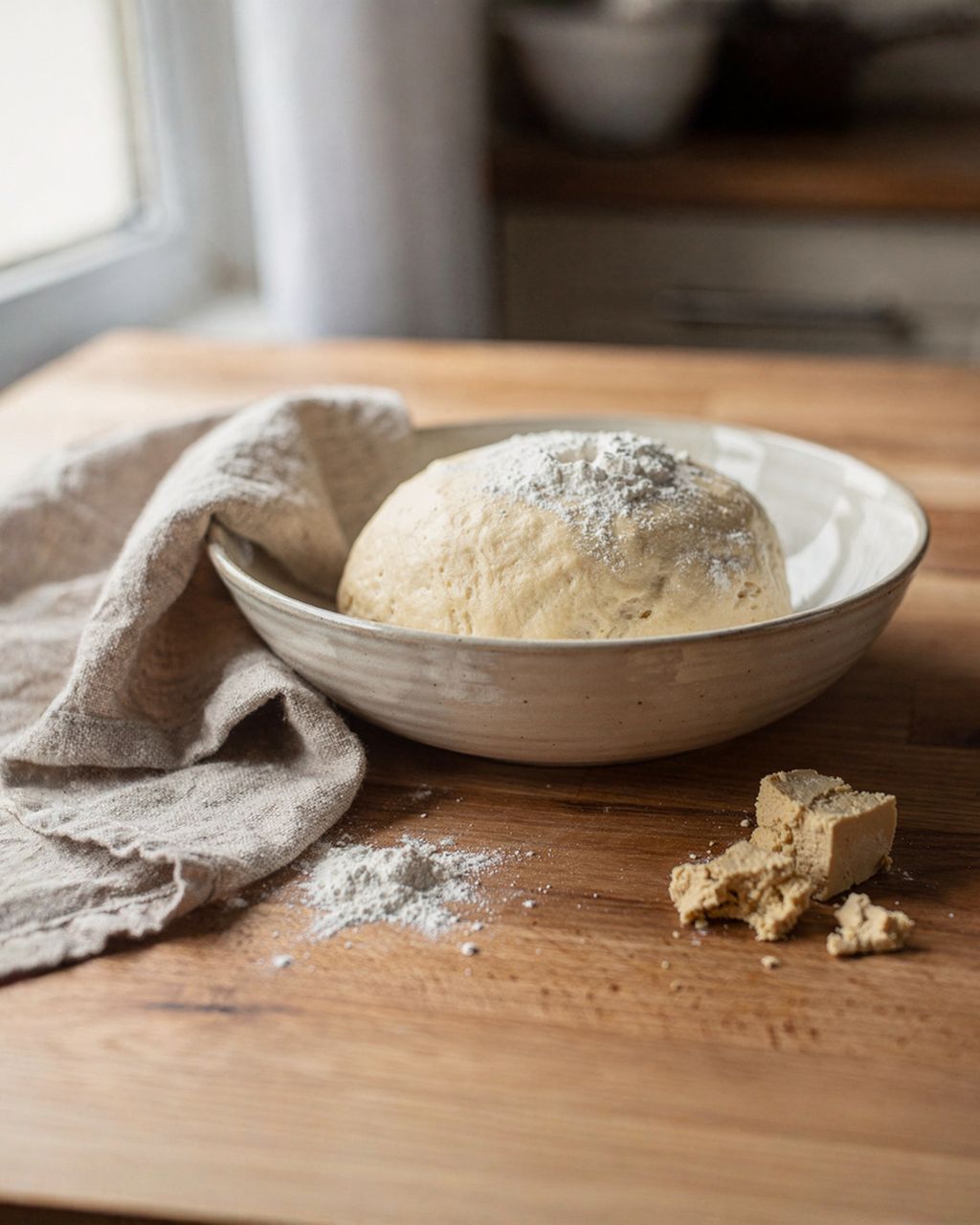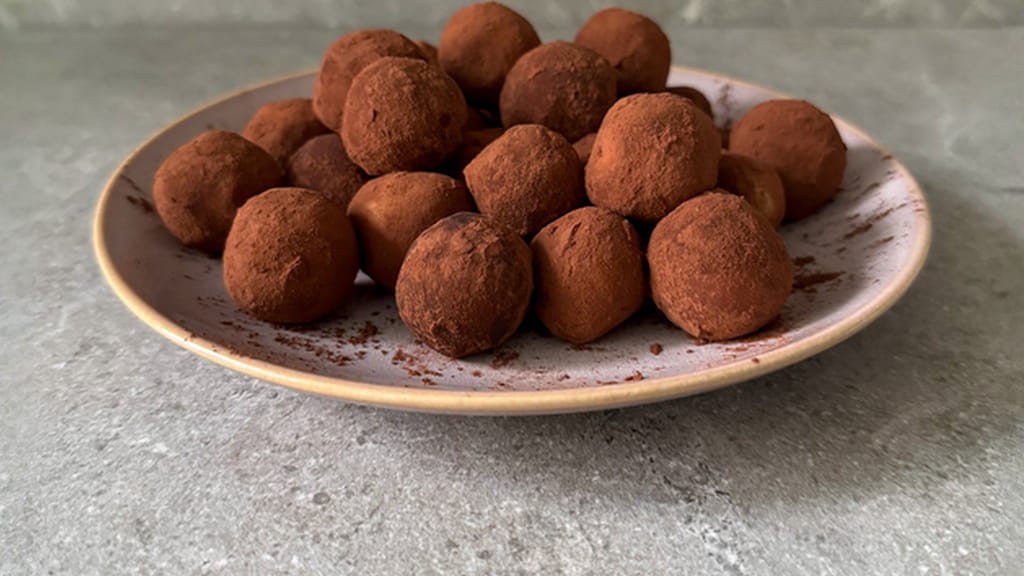
Baileys balls with white chocolate and sponge fingers
Updated Sep 5, 2026
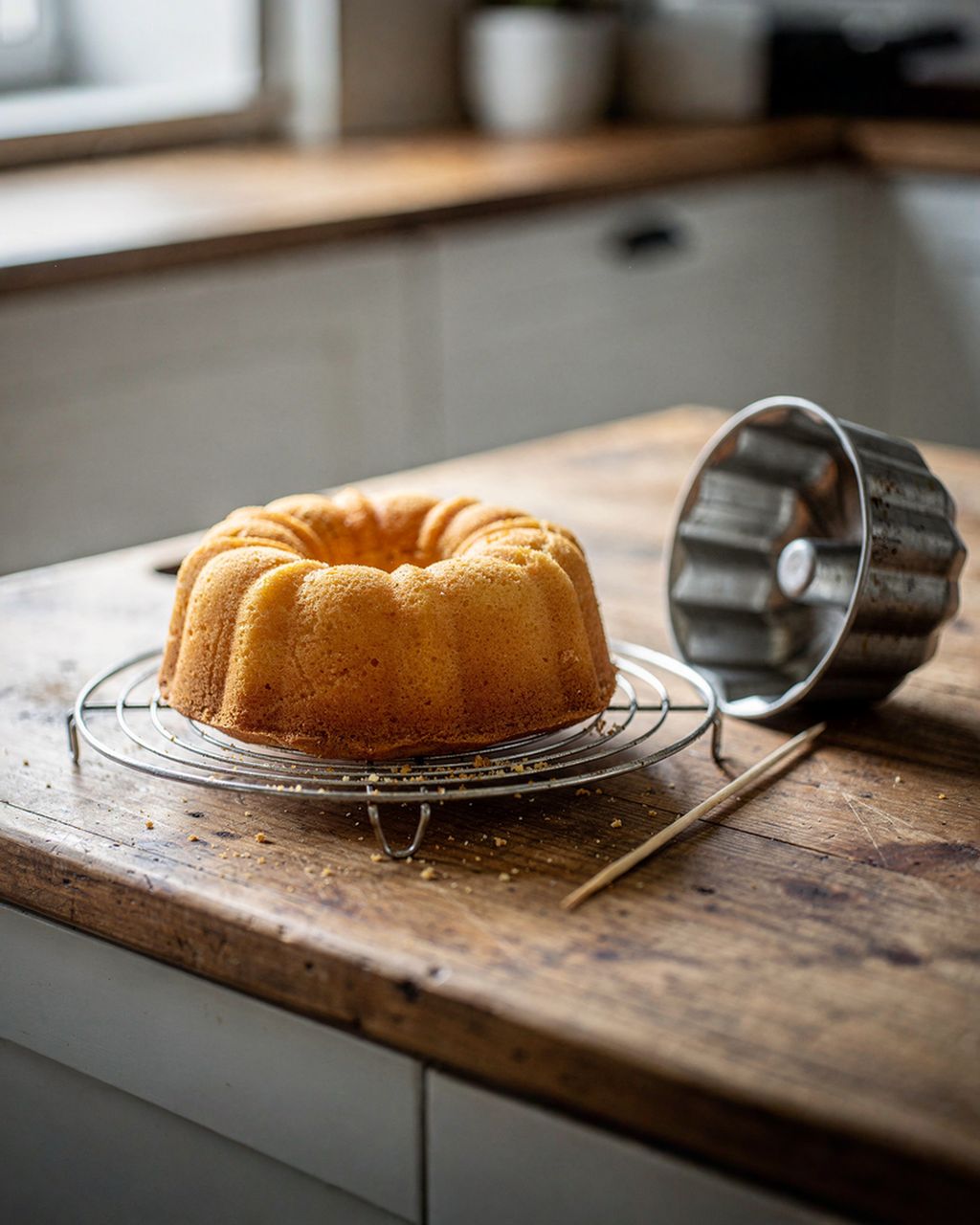
An underbaked bundt cake almost always comes down to one of six culprits: too high a temperature, an inaccurate oven, an overfilled pan, opening the oven door, batter that's too runny, or simply not enough time. The good news is that while it's still warm, you can usually finish baking it — and even a cooled-down cake can be rescued, just not the way you'd expect. Below you'll find exact temperatures, times, and a test that's more reliable than the toothpick trick.
A raw centre comes down to one of these six things — and it's usually the first one:
The temperature was too high. The surface hardens and browns before the heat has time to reach the centre.
Your oven runs differently than the dial suggests. A 20-30°C (35-55°F) discrepancy is completely normal for home ovens.
The pan was overfilled. A thicker layer of batter needs noticeably longer to bake, and once batter fills more than two-thirds of the tin, it will overflow anyway.
The oven door got opened. This can drop the oven temperature by 20°C (35°F) or more.
The batter was too runny. Fruit, curd cheese, or a lot of fat all add moisture that the oven has to evaporate off.
Not enough time. A bundt cake is tall; 30 minutes is simply not going to be enough.
Work through this list from the bottom up — most people fix the time first, even when temperature is the real problem.
A classic whisked/creamed bundt cake wants 160-170°C (320-340°F) with conventional top-and-bottom heat, or 140-150°C (285-300°F) with a fan oven. At 180°C (350°F) or higher, the surface sets and browns before the heat works its way through to the centre — and that's exactly how you end up with a scorched ring around a raw core.
The reason is simple: a bundt cake is a tall bake. Heat has to travel from the outside in, and that takes time. A higher temperature won't speed up that transfer — it will just burn the surface sooner. If you're already staring at a dark crust and a gooey centre, drop the temperature by 20-30°C (35-55°F) and tent the top with foil.
Almost certainly not — a discrepancy of 20-30°C (35-55°F) in either direction is completely normal for a standard home oven. The only way to know for sure is with an oven thermometer, which costs very little — just hang it in the middle of the rack and leave it there.
What to actually do about it:
Let the oven preheat for at least 15-20 minutes after the indicator light goes off. The tray and walls need to heat through too, not just the air.
Bake in the lower to middle third of the oven. The top is always hotter, and the surface of the cake will burn sooner up there.
If you only have a fan oven, drop the temperature by 20°C (35°F) compared with conventional heat — so 140-150°C instead of 160-170°C.
Fill the tin no more than two-thirds full — leave about 3 cm (a good inch) of clearance between the batter and the rim. The batter rises significantly in the first 10-15 minutes, and an overfilled tin ends up going one way: it overflows, and the centre stays dense and underdone.
Measure the tin's volume with water — for a 22-26 cm (9-10 inch) tin, it typically ranges from roughly 1.5 to 3.5 litres, since height and shape matter more than diameter. Go by the two-thirds rule, not by litres.
Adjust the baking time to match how deep the batter sits in the tin:
Smaller tin (around 22 cm/9 inch), typically batter made with 4 eggs and 250 g flour: bake for 45-55 minutes at 165°C (330°F).
Large tin (24-26 cm/10 inch) with a correspondingly larger amount of batter: bake for 55-70 minutes at 160°C (320°F).
And watch the material: a dark metal tin absorbs more heat and bakes faster from the outside in, so drop the temperature by 10°C (18°F). Silicone conducts heat less efficiently and can add a good 10 minutes.
Not before two-thirds of the way through baking — so for a one-hour bundt cake, that's around the 40-minute mark. Before that, the structure is still setting, and a blast of cold air will make it collapse.
Opening the door can drop the oven temperature by 20°C (35°F) or more — and the longer it's open, the worse it gets. It takes several minutes for the oven to recover afterwards. Do that three times, each time peeking in for a bit, and you can easily knock a full ten minutes off the actual baking time — then you're left wondering why it's still not done after an hour.
A thermometer is the most reliable test: a finished bundt cake reads roughly 93-99°C (200-210°F) at the centre — lighter batters are done around 93-98°C, while dense, buttery bundt cakes with a high fat and sugar content need to go all the way to 99°C so the starch fully gelatinises and the centre isn't gummy.
No thermometer? Combine these three signs — none of them is reliable on its own:
A skewer or thin knife inserted at the thickest point (between the central cone and the outer edge) should come out clean, or with at most a few dry crumbs. If it comes out gummy or floury, keep baking.
The surface springs back. Press a finger gently into the centre; a done cake bounces back immediately, while an underbaked one leaves a dent.
The batter has pulled away from the tin's sides. You'll see a narrow gap running all the way round — the moisture has evaporated and the cake has shrunk slightly.
One trap to watch for: with chocolate bundt cakes and fruit-studded batters, the skewer almost never comes out completely clean, because melted chocolate or fruit juice clings to it. In those cases, go by the spring test and a thermometer, not the skewer.
And don't test too early: the first check should happen 10 minutes before the recipe's stated baking time is up, then again every five minutes after that.
While the cake is still warm and still in the tin, put it back in the oven at 150-160°C (300-320°F) for another 10-15 minutes and loosely tent the top with foil. This works reliably — the heat gets through to the centre and the surface doesn't scorch any further.
Step by step:
Don't turn it out of the tin. The tin is holding a shape that hasn't fully set yet.
Drop the temperature by 20-30°C (35-55°F) from what you originally baked at.
Tent the surface loosely with foil, like a little tent — don't press it onto the batter.
Put it back in the lower third of the oven and bake for 10-15 minutes.
Check with a thermometer (93-99°C/200-210°F) or a skewer. If it's still gummy, add another 5-10 minutes and check again.
What to expect: the cake will end up a touch drier at the edges than if it had come out right the first time — but you'll save the whole thing. And if the centre has already sunk, it won't puff back up — the raising agent is spent and the gas is gone. That's a cosmetic flaw, not a reason to bin it; sugar, icing, or whipped cream will easily hide it.
Don't put a cooled underbaked bundt cake back in the oven whole — it won't work. By the time the heat reaches the centre a second time, the edges will have dried out into a cracker, and a sunken middle still won't rise back up. Instead of a rescue, you'll end up with two problems instead of one.
Two things actually work:
Slice it into 1.5-2 cm (roughly ¾ inch) slices, spread them on a baking tray, and bake at 160°C (320°F) until hot and dry all the way through — usually 10-12 minutes. A thin slice heats through quickly and evenly, turning an underbaked bundt cake into something between toast and tea rusks. Delicious with cold butter or jam.
Crumble it up and use the crumbs. Spread the crumbs in a thin layer on a tray and bake at 160°C until hot and dry throughout — for pieces from the raw centre, check they're properly cooked with a thermometer. Go by how done it is, not by a fixed time.
What to make with the crumbs:
Truffle-style bites — mix the crumbs with a little butter or cream and roll them in coconut or cocoa.
Layered dessert cups — crumbs, whipped cream, and fruit layered in a glass. The crumbs' moisture actually works in your favour here.
A base for a no-bake cake — mix the crumbs with melted butter and press into a tin.
A topping for ice cream or baked fruit.
Baileys balls with white chocolate and sponge fingers
Cake-crumb truffles you can make even from a crumbled bundt cake: Baileys and white chocolate truffles
You'll avoid an underbaked bundt cake with six things: a lower temperature of 160-170°C (320-340°F), an oven thermometer, a tin filled no more than two-thirds full, room-temperature ingredients, a closed oven door for the first two-thirds of baking, and checking the centre reaches 93-99°C (200-210°F). In detail:
Bake at 160-170°C (320-340°F) conventional heat, not 180°C (350°F) or higher.
Buy an oven thermometer and find out your oven's actual discrepancy.
Fill the tin two-thirds full, and bake any leftover batter as muffins.
Let your ingredients come to room temperature — butter, eggs, and milk at room temperature blend into a smooth batter that bakes evenly. Cold ingredients cause the batter to seize.
Don't open the oven door before two-thirds of the baking time has passed.
Check the centre with a thermometer (93-99°C/200-210°F) instead of guessing with a skewer.
If you're not sure about the right times and temperatures for your particular tin size, check the detailed breakdown in our article on what temperature to bake a bundt cake at and for how long.
Beginners have the most luck with moist bundt cakes made with fruit, pumpkin, or oil instead of some of the butter — a few extra minutes in the oven won't dry them out. Their ratios are forgiving, so even if you leave them in a little longer than needed, they'll still stay wonderfully moist. Bake one with a thermometer on hand and the oven at 165°C (330°F).
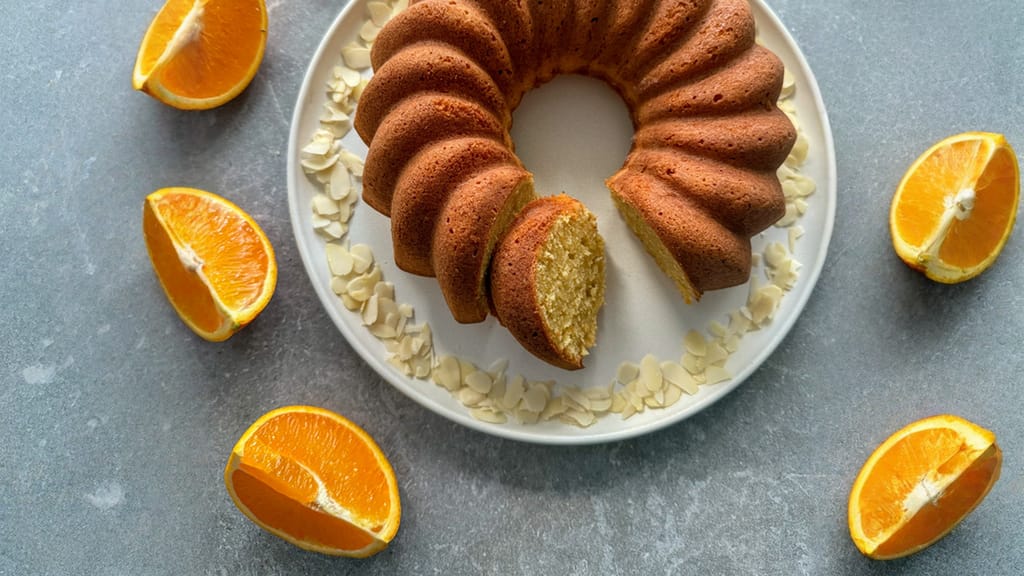
Orange bundt cake with almonds, cinnamon and cardamom
Fragrant orange bundt cake with almonds, cinnamon, and cardamom
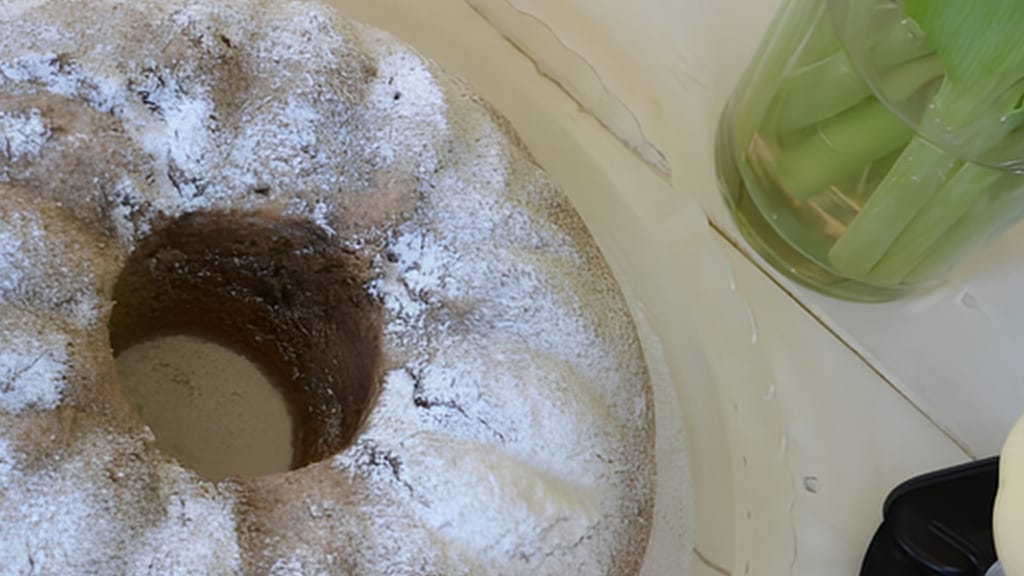
Apple bundt cake with coconut fat
Moist apple bundt cake with coconut oil
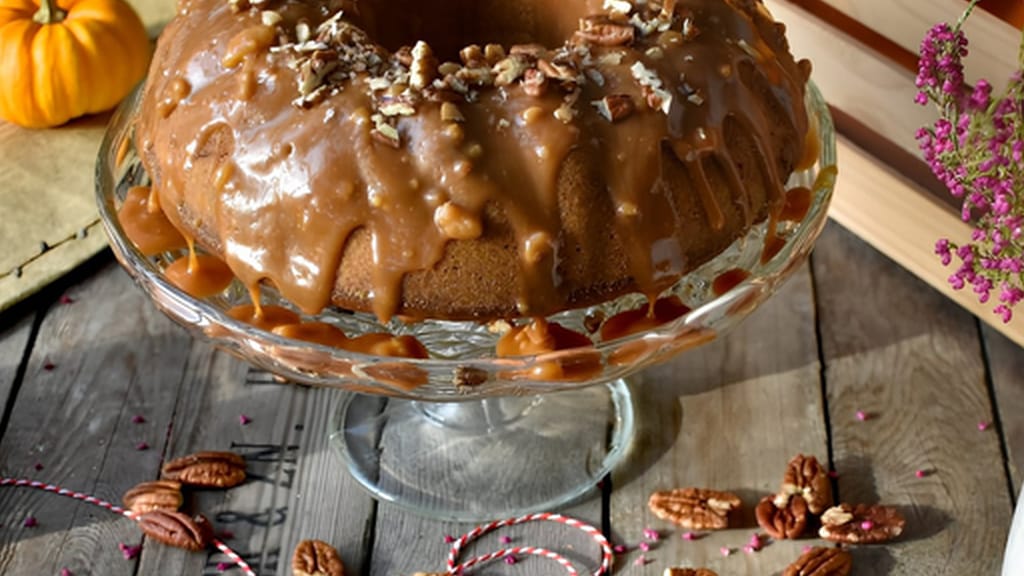
Autumn pumpkin bundt cake with creamy caramel glaze
Autumn pumpkin bundt cake with a creamy caramel glaze
A sunken centre in an otherwise fully baked bundt cake is most often caused by too much raising agent or by opening the oven door during the first two-thirds of baking. The batter rises faster than the structure can set, and once the gas escapes, the middle collapses. Use roughly 1 teaspoon (4-5 g) of baking powder per 150 g of flour — that's one sachet per 500 g — and keep the oven door shut for the first two-thirds of the baking time. The other common cause is turning the cake out of the tin the moment it comes out of the oven — let it rest for 10 minutes first.
You shouldn't eat raw batter from the middle of a bundt cake — flour is a raw ingredient and can carry salmonella or E. coli, as the US FDA and CDC warn, and the Czech Food Safety Information Centre (Ministry of Agriculture) says the same. Only baking removes the risk — freezing or reheating in the microwave won't do it. So either finish baking the underdone centre until it reaches 93-99°C (200-210°F), or discard it; the well-baked edges are perfectly fine to eat.
Conventional top-and-bottom heat at 160-170°C (320-340°F) works better for bundt cakes. A fan oven blasts air straight at the surface, so it dries out and browns before the centre has a chance to cook through — exactly what you don't want with a tall cake like this. If a fan oven is your only option, drop the temperature by 20°C (about 35°F), so 140-150°C (285-300°F), and be prepared to tent the top with foil.
Freezing an underbaked bundt cake to finish later isn't a good idea — freezing won't kill any bacteria in the raw flour, and once thawed, the centre will actually be wetter, as the ice crystals release moisture as they melt. Make the call right away: while it's still warm, pop it back in the oven at 150-160°C (300-320°F) for 10-15 minutes. Freezing only makes sense once the cake is fully baked — wrapped well, it keeps in the freezer for about 3 months.
A bundt cake should cool in the tin for exactly 10 minutes before you turn it out onto a rack. Any less and the centre is still too soft, so the cake breaks apart or sinks as you turn it out. Any longer causes a different problem — steam trapped between the cake and the tin dampens the crust, the cake sticks, and it tears when you finally turn it out.
One recipe worth heating the oven for, one tip, and one deal from the shop. Nothing else.