Strawberry tart with white chocolate and almonds

Updated Jul 19, 2026
Chocolate with fruit and nuts isn't just a random pile of treats — it works on a simple principle: fat, acidity and crunch balance each other out. Once you know which chocolate suits which fruit and nut, you can turn a handful of ingredients into a dessert that tastes thought-through, not thrown together. Let's go through the tried-and-true pairings, a few bolder combos, and how to make your own treats at home without any hassle.
Chocolate, fruit and nuts work together because they complement each other in three ways: fat, acidity and texture. Cocoa butter carries aroma and coats the tongue, tart fruit cuts through the sweetness and richness, and crunchy nuts add contrast to the creamy smoothness. There's one simple rule of thumb: bold chocolate pairs with bold fruit, delicate chocolate with delicate fruit.
Use that to pick your chocolate too — what sets dark, milk and white chocolate apart mostly comes down to the ratio of cocoa solids to cocoa butter (we cover this in our article on the differences between dark, milk and white chocolate).
Dark chocolate gets along beautifully with tart, aromatic fruit — raspberries, orange, cherries, mango — and with bolder nuts like walnuts or pecans. Its cocoa bitterness balances out sweet purées, while the fruit's acidity brightens it right back up. The most versatile choice is chocolate with 60–70% cocoa; anything above 85% tends to overpower most fruit.
Milk chocolate is sweeter and creamier, so it really shines with nuts and caramel flavours — hazelnuts, almonds, peanuts, salted caramel. The fat in nuts pairs beautifully with milk chocolate's creaminess, and lightly toasting the nuts (5–7 minutes at 160°C/320°F) deepens their nutty flavour. It works less well with strongly tart fruit, which can easily make it taste overly sweet.
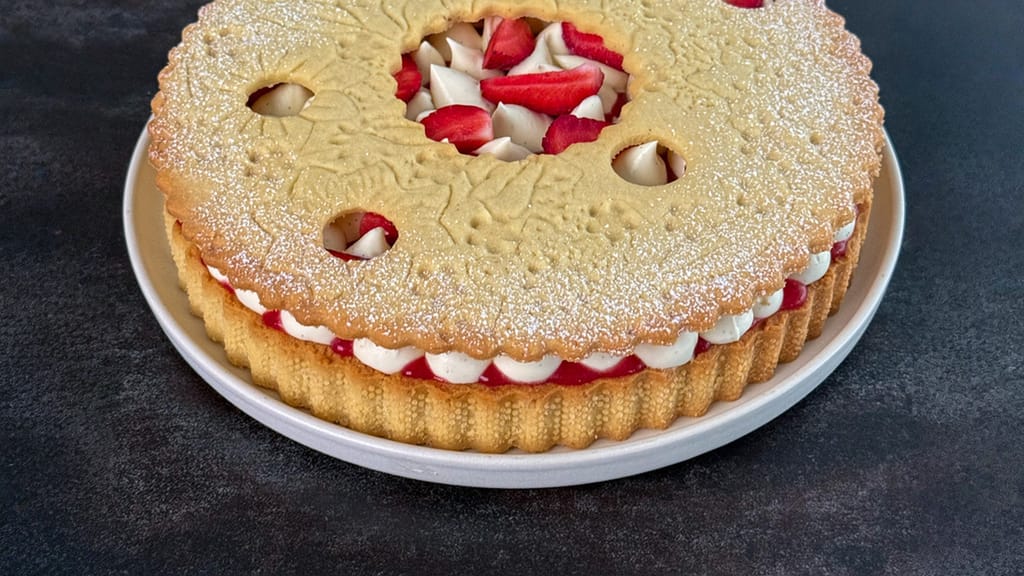
White chocolate contains no cocoa solids — just cocoa butter, sugar and milk — which makes it buttery and very sweet. Tame it with tart or fresh fruit: strawberries, raspberries, passion fruit, citrus. The classic combo of strawberries + white chocolate + almonds holds together precisely because of this balance between sweetness and acidity.
Strawberry tart with white chocolate and almonds
Strawberry tart with white chocolate and almonds – a delicate pairing in practice
Tried-and-true pairings you can always rely on:
dark chocolate + dried plums – bitterness against the plums' caramel sweetness
milk chocolate + hazelnuts – the backbone of every nut chocolate bar
white chocolate + strawberries + almonds – sweet, fresh, crunchy
dark chocolate + figs + a pinch of salt – salt brings out the fig's caramel notes
milk chocolate + salted caramel + pecans – a dessert classic
None of these are accidental: in each one, either acidity, bitterness or salt pushes back against the chocolate's sweetness, plus there's always one extra crunchy element. Florentines — chocolate-coated discs studded with dried fruit and nuts — are exactly this principle in one bite.

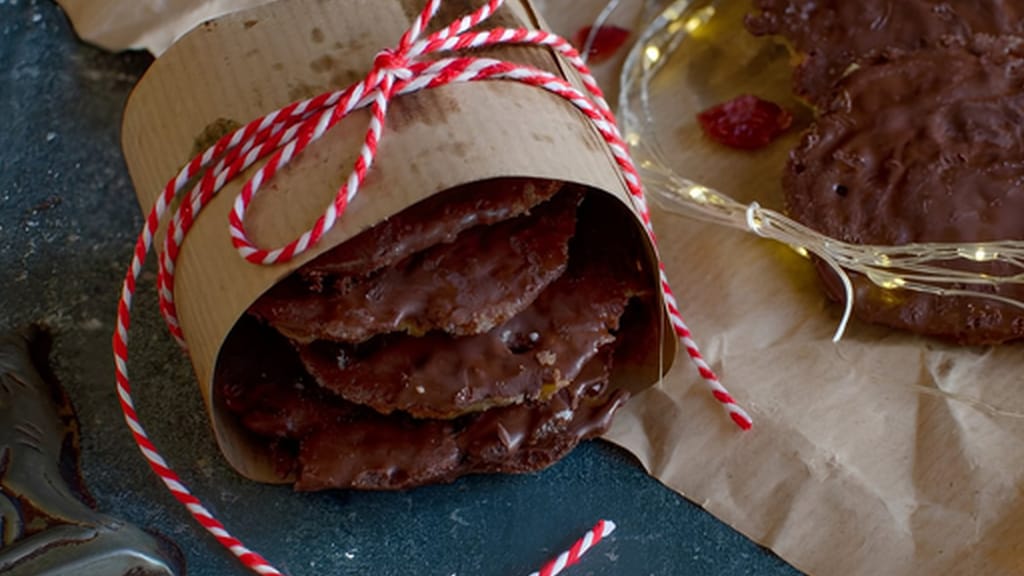
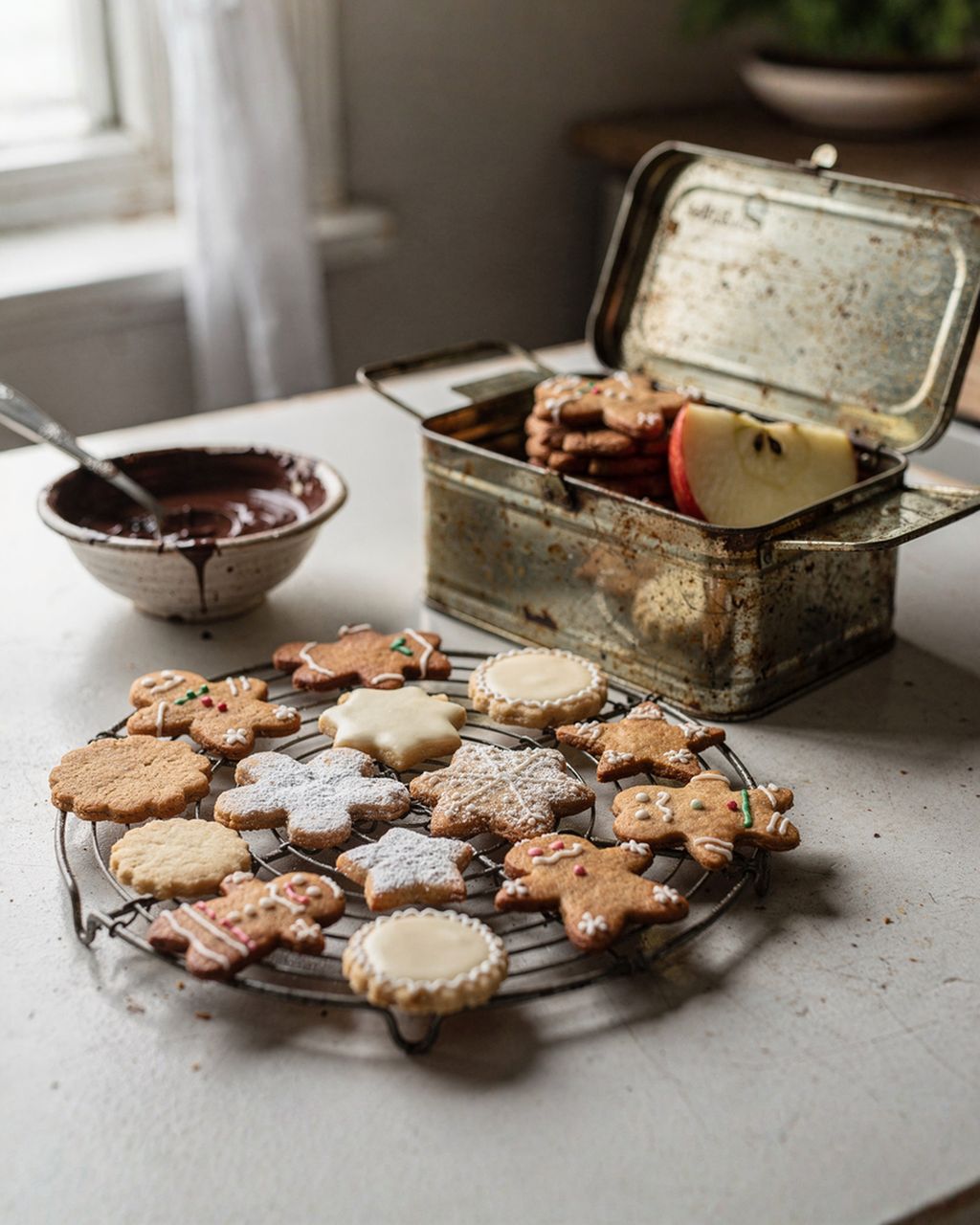
Chocolate-glazed marokánky (nut & candied fruit cookies)
Chocolate florentines – dried fruit and nuts set in chocolate
The most interesting bold pairings are white chocolate with passion fruit and dark chocolate with mango — both combine sweetness (buttery in white chocolate, cocoa-bitter in dark) with bold tropical acidity.
White chocolate + passion fruit is perfect for a mousse: just stir a few spoonfuls of passion fruit juice into a light white chocolate mousse for a fresh, velvety dessert. Dark chocolate + mango works beautifully as a filling for a no-bake cheesecake — the bitter chocolate-and-milk purée set against sweet mango.
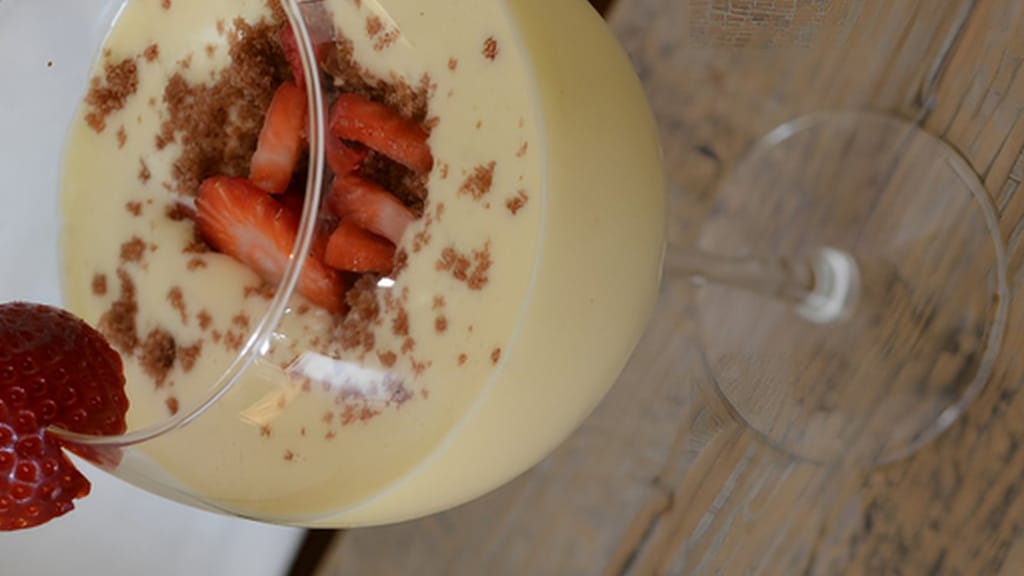
White chocolate mousse – light and fluffy
White chocolate mousse – light and airy (the base you'd stir the passion fruit into)
The easiest homemade treat is a chocolate mendiant: spoon melted chocolate onto baking paper, press dried fruit and nuts into each puddle, and let it set. All you need is:
chocolate of your choice (dark holds its shape best)
dried fruit – apricots, cranberries, plums, raisins
nuts – almonds, walnuts or hazelnuts, roughly chopped is fine
baking paper and, if you like, a thermometer for tempering
Step-by-step method:
Melt the chocolate in a bain-marie or in the microwave in 20-second bursts, stirring each time — check our detailed guide to melting chocolate without lumps if you're not sure how.
Chop the fruit and nuts into smaller pieces.
Spoon out small pools of chocolate onto the paper (about 4–5cm/1.5–2in across).
Press pieces of fruit and nuts into each one.
Let it set – 30 minutes in the fridge, or over an hour at room temperature.
If you want the discs to snap nicely and have a proper shine, temper the chocolate (melt dark chocolate to around 45°C/113°F, then cool it to around 31°C/88°F). Untempered chocolate will still set, just softer, and it'll turn grey over time.

In sensible portions, yes — dark chocolate, fruit and nuts each bring something different to the table, though it's still a sweet treat at the end of the day. Dark chocolate (70%+) is rich in cocoa flavanols; studies suggest that regularly consuming cocoa flavanols may slightly lower blood pressure, though only at doses of around 900mg of flavanols a day and after several weeks — one square isn't going to do it.
Fruit brings vitamin C and fibre to the mix. With nuts, it's worth knowing they're not all the same: walnuts are a rare plant source of omega-3 (ALA), while almonds lead the pack in vitamin E — contrary to popular belief, almonds contain almost no omega-3. Either way, treat this as a dessert and stick to a small portion.
In an airtight container in a cool, dry spot, they'll keep for about one to two weeks. The fruit is the main factor: dried fruit extends shelf life, while fresh fruit (strawberries, banana) should be eaten within two days. Only refrigerate them well sealed, otherwise the chocolate will pick up fridge odours.
That's called fat bloom — cocoa butter migrates to the surface when chocolate sets too slowly, hasn't been tempered, or when storage temperatures fluctuate. It doesn't affect the taste, just the looks; you can prevent it by tempering the chocolate and storing it somewhere cool, around 16–18°C (61–64°F).
Very juicy, watery fruits like melon, orange segments or pineapple — the moisture makes the chocolate seize and the coating slides right off. If you want to use fresh fruit (strawberries, grapes), pat it completely dry and dip just before serving; otherwise, go for dried fruit instead.
Try seeds — pumpkin, sunflower or toasted sesame all bring similar crunch and richness without the nut allergens. Toasted buckwheat or coconut flakes work well too. Just watch out for treats made in a kitchen that also handles nuts, because of cross-contamination.
Not necessarily, if you'll eat the treats quickly and don't mind a softer coating. Tempering (controlled heating and cooling) gives chocolate a glossy shine, a firm snap, and resistance to bloom — it's worth doing if you're gifting the treats or storing them for longer.
One recipe worth heating the oven for, one tip, and one deal from the shop. Nothing else.