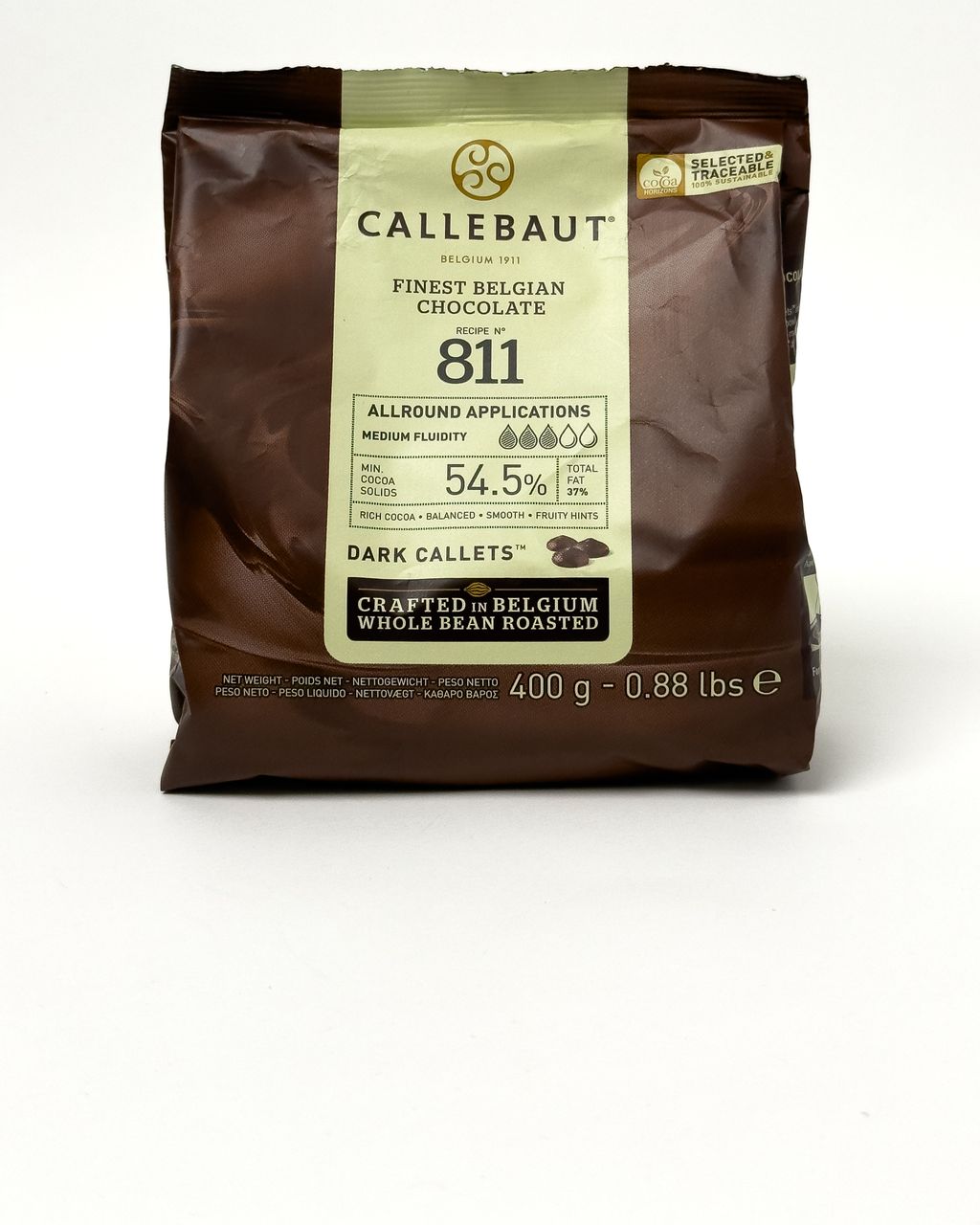
Callebaut Dark Chocolate Callets (811) 400g
Chocolate-Covered Fruit: How to Dip Strawberries, Dates and Dried Fruit So the Chocolate Sticks
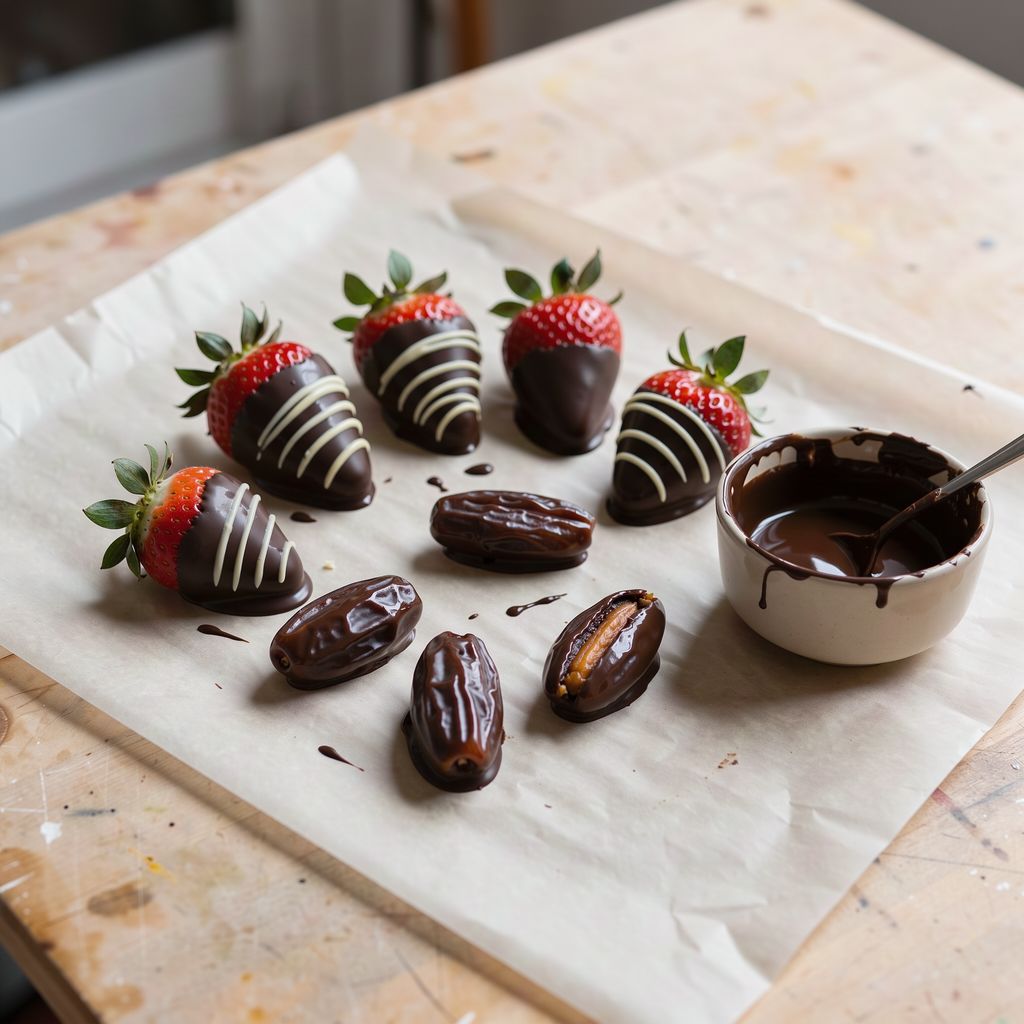
Updated Oct 17, 2026
Chocolate sticks to fruit when the fruit is completely dry and at room temperature, and the chocolate is tempered (dark chocolate at 31–32 °C / 88–90 °F). One drop of water or a cold strawberry straight from the fridge, and the chocolate slides off, seizes or beads with moisture within a few hours. Here's the whole method: how to prep the fruit, which chocolate to choose, what temperature to heat it to, how to drizzle on a contrasting color, and how long chocolate-covered strawberries, dates, bananas and dried fruit keep.
The method has five steps: dry the fruit, let it come to room temperature, temper the chocolate, dip and let the excess drip off, then let it set at 18–20 °C (64–68 °F). After that, it's just details for each type of fruit.
Dry. Leave washed fruit on a paper towel for at least an hour; wipe the sugar dust off dried fruit.
Warm up. The fruit should be at 18–22 °C (64–72 °F), not fridge-cold.
Temper. Melt the chocolate and bring it to working temperature (see the table below).
Dip and tap off. Dunk, lift out, tap against the rim of the bowl for a few seconds, and scrape the bottom against the edge.
Let it set. On parchment paper in a cool room, not in the fridge. Tempered chocolate sets in 5–10 minutes.
You need a narrow, deep bowl – the chocolate has to be deep enough to submerge a strawberry completely. That's why you should melt at least 250–300 g (about 9–10 oz), even though the coating itself takes less. Let the rest set on paper and use it next time.
Fruit for dipping must be dry and at room temperature, because water makes chocolate seize and stops it from clinging, and on cold fruit moisture condenses as it warms up and lifts the shell away. A few drops of water in melted chocolate make the sugar absorb moisture and clump – the chocolate thickens, turns dull and goes grainy. And a damp fruit surface means the chocolate won't grip, so the shell peels off or slides down.
Cold fruit is the second enemy. A strawberry from the fridge makes the chocolate set instantly and unevenly, and as soon as it warms up, moisture condenses on it – under the shell and on top. The result is chocolate that peels away from the fruit and a sticky, beaded surface.
Fresh fruit (strawberries, cherries, grapes): wash no later than 2 hours ahead, dry, and leave lying loose on a towel.
Dried fruit (dates, apricots, figs): don't wash, just wipe; if it's sticky, let it air-dry briefly.
Cut fruit (apples, pears, pineapple): releases juice from the cut surface, so the chocolate only lasts a few hours. Blot the cut surface dry and serve right away.
The best result comes from tempered real chocolate (couverture, often labeled "chocolate coating" on the package in Czech shops): it's glossy, snaps cleanly and keeps at room temperature. Compound coating is more convenient but tastes worse. Untempered chocolate is a compromise, only for eating right away.
Tempered couverture – shine, a clean snap, doesn't melt on your fingers, doesn't turn gray. It needs a thermometer and 15 minutes of work. Best for celebration strawberries, gift dates, anything that has to last.
Untempered chocolate – simply melted and set in the fridge. It's soft, smears, and by the next day it develops gray streaks (fat bloom). For a dessert you'll eat within the hour, it's fine.
Compound coating – contains vegetable fat instead of cocoa butter, so it needs no tempering and always sets. But it's waxier, melts more slowly on the tongue and tastes more of sugar than cocoa. It works for a quick project with kids, but it can't match the shine and snap of couverture.
For dipping, chocolate callets (small discs) work best – they melt evenly and also act as "seed" crystals when tempering. For a detailed comparison of couverture and baking chocolate, see Couverture Chocolate: How It Differs From Regular Chocolate, and you'll find the full selection in the baking and cooking chocolate category.
Dark chocolate suits strawberries, dates and figs best, milk chocolate suits bananas and dried apricots, and ruby suits strawberries and raspberries:
Dark Callebaut 811 (54.5% cocoa) – the all-round choice for strawberries, sweet dates and dried figs; its bitterness balances the fruit's sweetness. It has medium fluidity, so it forms a coating that's just the right thickness.
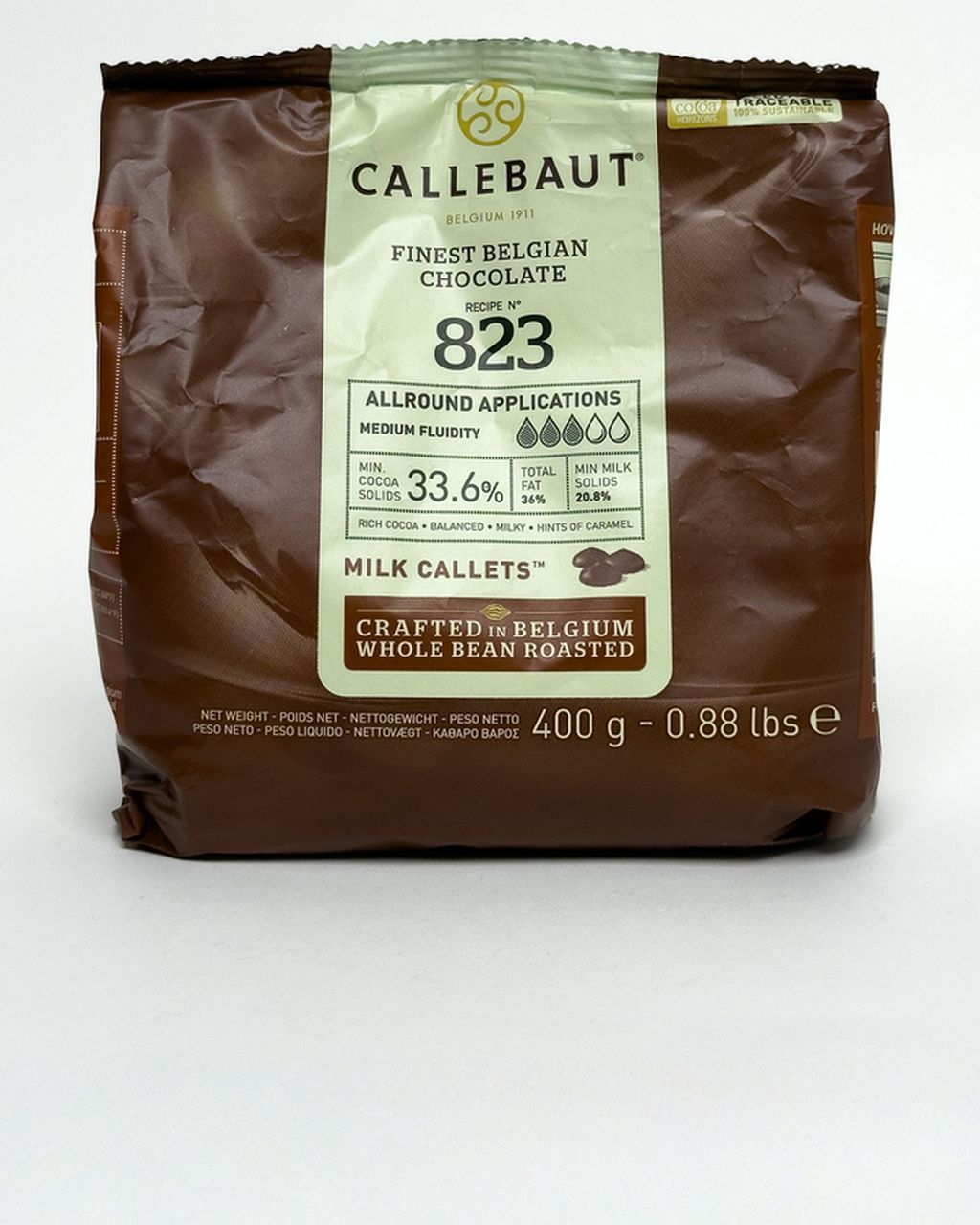
Milk Callebaut 823 – for bananas, tart dried apricots and for kids. With sweet dates it tends to be too sweet.
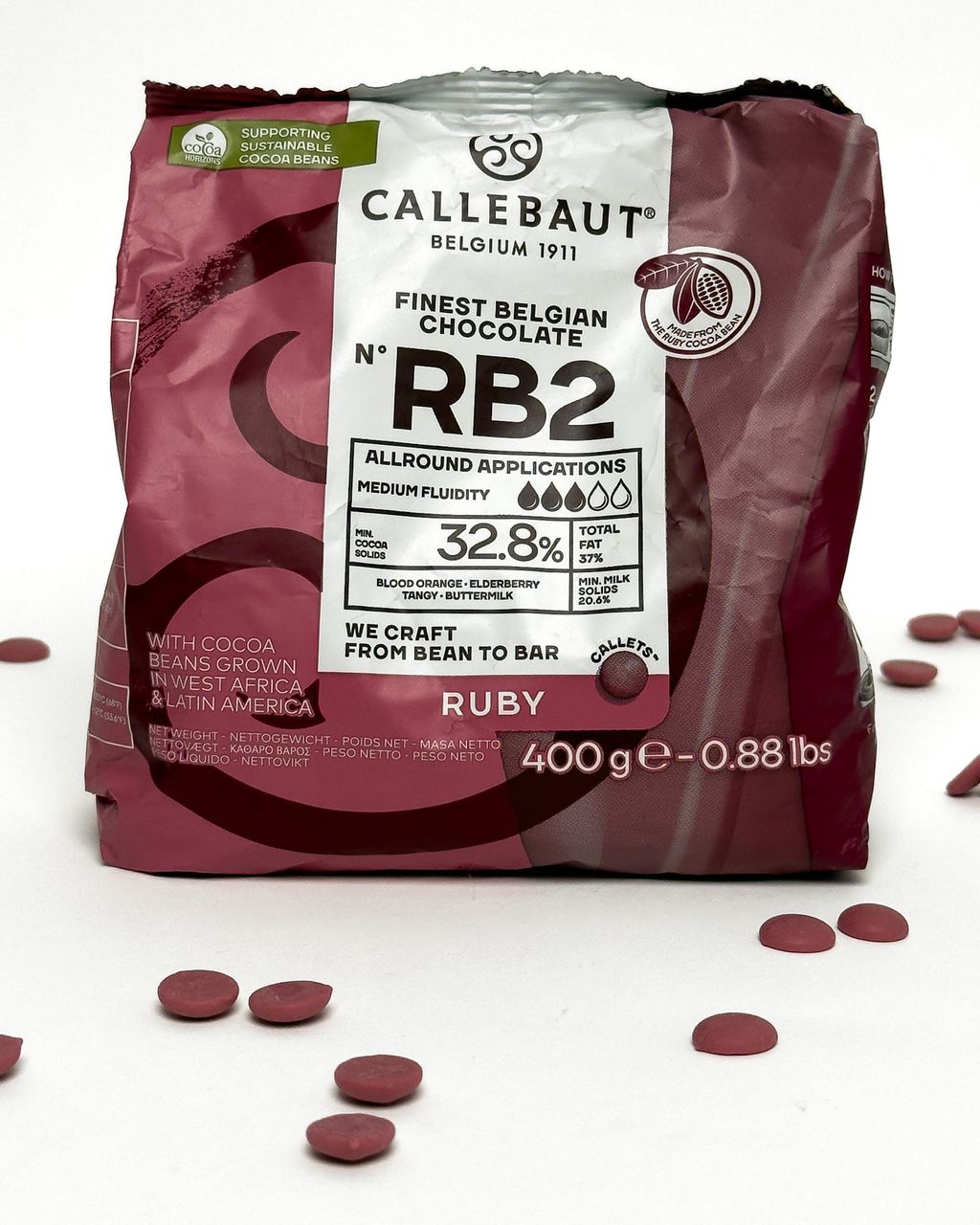
Ruby RB2 – fruity, tangy and pink; it pairs best with strawberries, raspberries and lychee. Read more in Ruby Chocolate: What It Is and How to Work With It.
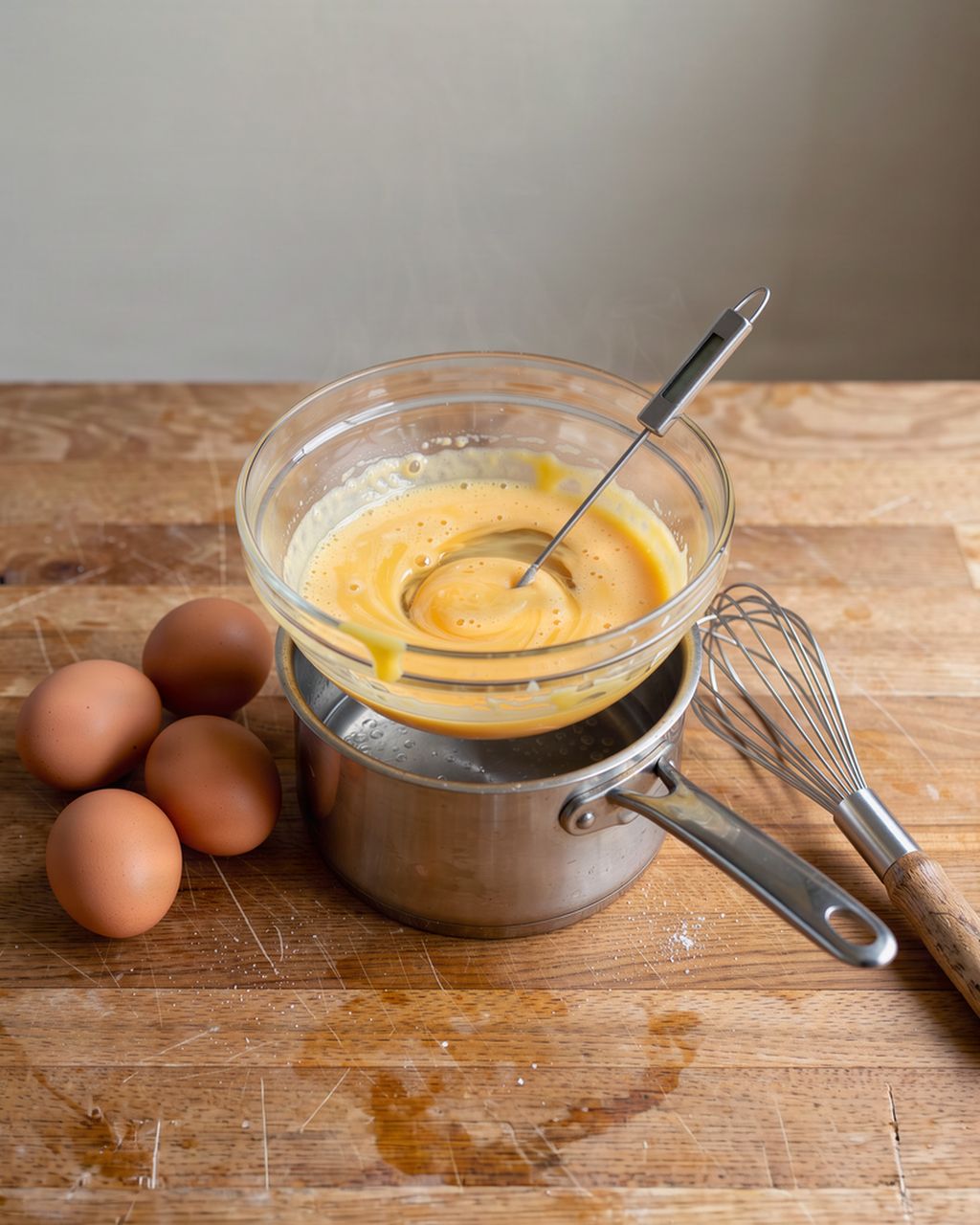
The easiest approach is the seeding method: melt two thirds of the chocolate to 45–50 °C (113–122 °F), stir in the remaining third of callets and keep stirring until the chocolate drops to working temperature. The callets add stable cocoa butter crystals to the melted chocolate, which then guide how it sets.
Working temperatures for each chocolate:
Dark 811: melt to 45–50 °C, work at 31–32 °C (88–90 °F)
Milk 823: melt to 45 °C (113 °F), work at 29–30 °C (84–86 °F)
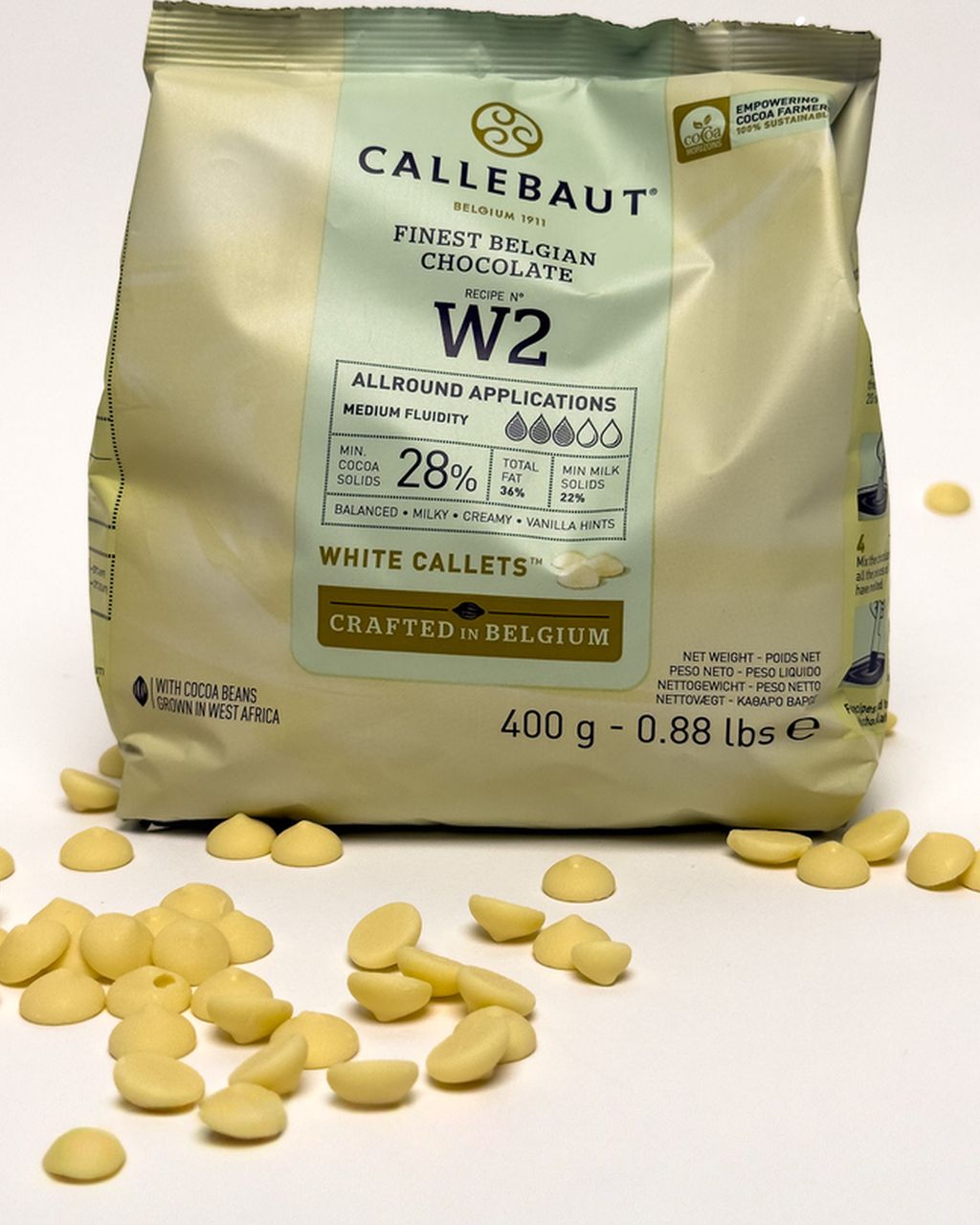
White W2: melt to 45 °C (113 °F), work at 28–29 °C (82–84 °F)
Ruby RB2: melt gently to 45 °C (113 °F), work at roughly 29–30 °C (84–86 °F); check the package for exact temperatures
If any callets are left unmelted, fish them out or warm briefly with a hair dryer. The test: dip the tip of a knife and let it sit at 20 °C (68 °F). If it sets in 3–5 minutes, glossy and without streaks, the chocolate is tempered. While dipping, stir the chocolate occasionally and make sure it doesn't go over the upper limit – above 34 °C (93 °F) for dark, the crystals melt and you have to start again.
A quick route without a thermometer: melt in the microwave in 20–30 second bursts, stirring each time, until the chocolate is only lukewarm and a few pieces finish melting as you stir. As long as you never overheat it, the crystals survive. It's not foolproof, but for strawberries it usually works.
Chocolate-covered strawberries are dipped whole, with the stem and the leaves you hold them by. The stem also acts as protection: juice doesn't leak through an intact berry. So don't cut them and don't pull off the leaves.
Choose firm, medium-sized, ripe strawberries with no bruises; overripe ones soon release juice.
Dip about three quarters of the way and leave the top edge red – it looks better and gives you something to hold.
After dipping, slowly turn the strawberry over the bowl so the excess runs off, and scrape the bottom against the edge. Otherwise a chocolate "foot" forms underneath.
Lay them on parchment on their sides, not on the tip.
Sprinkle on decoration (crushed pistachios, freeze-dried raspberries, coconut) right away while the chocolate is liquid – a minute later it won't stick.
Ruby works surprisingly well with strawberries: the chocolate's tangy notes bring out the fruit. Dark chocolate keeps the contrast and takes a white drizzle best.
Chocolate-covered dates are the most forgiving fruit to dip: they contain little water, so the chocolate holds for weeks. Pit them, stuff them and dip them whole using a fork.
Which dates: large, soft Medjool dates are ideal for stuffing; smaller Deglet Nour are drier and firmer, and suit being dipped whole.
Filling: a whole blanched almond, a roasted hazelnut, a teaspoon of peanut butter, a piece of marzipan (see Marzipan: How It Differs From Marzipan Paste for how to work with it) or a piece of candied orange peel. Finish with a pinch of flaky salt on top.
Dipping: set the date on a fork, dunk, lift out, tap the fork against the rim of the bowl and slide the date onto paper. Trim any chocolate "tail" with a skewer.
If the dates are sticky, let them air-dry for 15 minutes. There's no need to put them in the fridge.
Dark 811 is the best choice for dates – milk chocolate blends into one with the date's sweetness. If you like date balls, you can coat cocoa oat and date balls in a similar way.
Chocolate-covered bananas are made frozen: cut them into 3–4 cm (1–1½ in) pieces, push them onto skewers, freeze for at least 2 hours and only then dip. A fresh banana is slippery, browns quickly and releases moisture, while a frozen one chills the chocolate so it sets in seconds.
Tempering doesn't matter here – the bananas are eaten from the freezer. You can add 1 teaspoon of coconut oil per 100 g of melted chocolate; the coating will be thinner and less hard and brittle when frozen.
Milk 823 is the classic with banana, dark for adults.
Toppings (chopped peanuts, coconut) must go on the banana immediately after it comes out, because chocolate sets almost instantly on frozen fruit.
Put the dipped bananas straight back in the freezer and store them in a sealed container. They keep for about a month and are best within a week.
You can do the same with frozen chunks of mango or grapes – just expect the chocolate to bead with moisture after thawing.
Dried fruit is dipped in chocolate just like dates, and it lasts the longest of all. What matters is how sweet the fruit is:
Dried apricots – tart, so they can handle milk and white chocolate. Dip only halfway; the orange color looks pretty.
Dried figs – sweet and earthy, so go for dark chocolate. Hard figs can be soaked in hot water or tea for 10 minutes, but then you must dry them thoroughly, ideally overnight.
Cranberries, raisins, sour cherries – don't dip small pieces one by one. Stir them into tempered chocolate and spoon little clusters onto parchment.
Freeze-dried fruit (raspberries, strawberries) – not for dipping, it's too fragile. Crush it and sprinkle it on freshly dipped fruit for tartness and color.
Candied orange peel – a discipline of its own, because you first have to candy and dry the peel. The method is in Candied Orange Peel in Chocolate.
Nuts are a different process (they're coated in several layers in a bowl) – you'll find it in Almonds and Nuts in Chocolate. Which fruit goes with which chocolate flavor-wise is covered in Chocolate With Fruit and Nuts: The Best Combinations.
To make a drizzle, put 50 g (about 1¾ oz) of melted contrasting chocolate into a piping bag or paper cone, snip a 1–2 mm tip and quickly pull zigzags over the already set layer. The lines won't bleed into firm base chocolate.
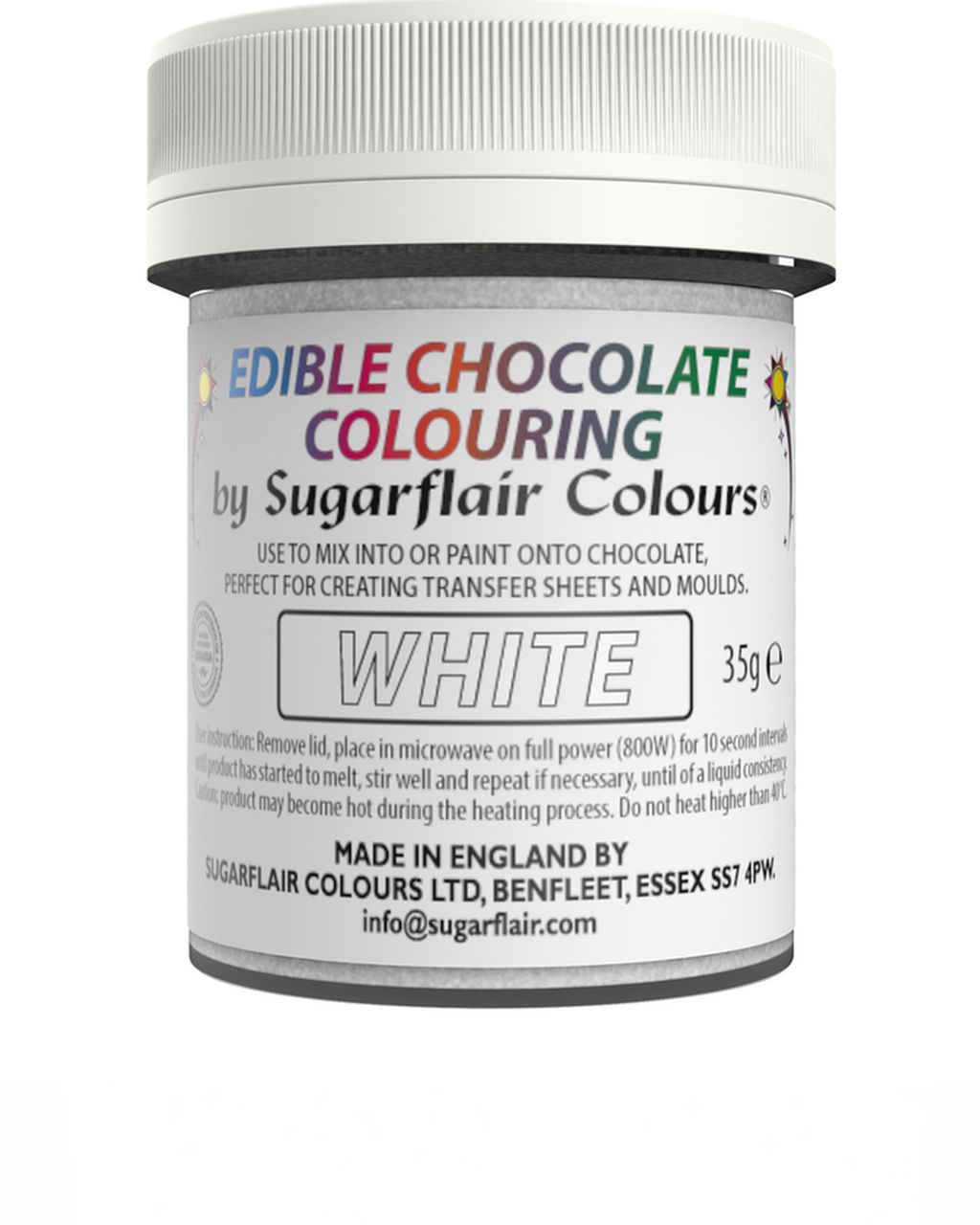
White on dark gives the strongest contrast. White chocolate is creamy yellowish, though; for whiter lines, add a little warmed Sugarflair oil-based chocolate colorant – White to 50 g of white Callebaut W2.
Color only with oil-based or powdered fat-soluble colorant. Ordinary gel color contains water and will make your chocolate seize just like a wet strawberry.
Ruby or milk on dark is a subtler option, for example on gift dates.
Make the lines only once the chocolate underneath has set – on wet chocolate they merge and smear. Quick movements and a higher hand (10–15 cm / 4–6 in above the fruit) give thinner lines.
The drizzle chocolate should be tempered too, or the lines will turn gray before the rest.
It depends on how much water the fruit contains: chocolate-covered strawberries keep 1–2 days, bananas in the freezer about a month, and dates and dried fruit in tempered chocolate 2–4 weeks.
Strawberries and fresh fruit: best on the day you make them. At room temperature up to 24 hours; in the fridge 1–2 days in a sealed container lined with a paper towel to absorb moisture. I don't recommend freezing – after thawing the strawberry goes soft and the chocolate cracks.
Dates and dried fruit: in a cool, dry place (15–18 °C / 59–64 °F) in a sealed container for 2–4 weeks. They don't belong in the fridge – the chocolate would bead with moisture and turn gray.
Frozen bananas: in a sealed container in the freezer for about a month.
When you take strawberries out of the fridge, let them warm up for 15–20 minutes in a closed container. The moisture then condenses on the lid, not on the chocolate.
Chocolate on fruit fails in six ways: it slides off, seizes, gets gray streaks, cracks, forms a foot under the fruit, or beads with moisture. Each has a simple cause and fix:
Chocolate slides or peels off – the fruit was wet. Dry it longer, at least an hour.
Chocolate thickens and goes grainy – water got into it, or it overheated. You can't use seized chocolate for dipping anymore, but it's fine for batter or ganache.
Gray streaks and a dull surface – the chocolate wasn't tempered or it set too slowly in a warm room. Temper it and let it set at 18–20 °C (64–68 °F).
Cracked shell – the fruit was too cold, or the layer is too thick and the fruit expands underneath as it warms. Bring the fruit to room temperature and let the excess drip off.
Foot under the fruit – the excess wasn't shaken off. Tap for longer and scrape the bottom against the rim of the bowl.
Sticky beading – the fruit went from the fridge into the warmth. Let it warm up in a closed container.
The same principles apply when you dip cookies in chocolate – they're covered in detail in Dipping Cookies in Chocolate: How to Get a Glossy Finish.
If you want chocolate fruit for a party without worrying about setting and shells, dip it right at the table. For fondue you need chocolate with cream – you'll find the ratio and temperature in Chocolate Fondue at Home. For a fountain you need chocolate with a little oil so it flows; how much and which kind is explained in Chocolate Fountain at Home.
Juicy fruit and fruit with a cut surface don't suit chocolate: melon, citrus segments, kiwi and sliced pineapple release juice, so the chocolate only lasts a few hours on them. If you want to serve them, dip them right before serving or use them for fondue.
For 500 g (about 1 lb) of strawberries (roughly 20–25 berries), the coating takes around 150–200 g of chocolate, but melt at least 250–300 g so the bowl is deep enough for dipping.
Don't add oil or butter to tempered chocolate for strawberries or dates – they take away the shine and the snap. The exception is frozen bananas, where you can add 1 teaspoon of coconut oil per 100 g of chocolate. A little neutral oil belongs only in a fountain or fondue. Never add butter – the water in it makes the chocolate set worse and it can seize.
Raspberries and blueberries are too small and soft to dip one by one, and raspberries have a hollow center that the chocolate flows into. It's better to stir them into the chocolate and spoon out little clusters, or use freeze-dried raspberries as a topping.
Wait until the chocolate-covered dates are completely set, ideally the next day, then pack them in paper cups in a sturdy box. Store them somewhere dry at 15–18 °C (59–64 °F), not in the fridge, and they'll keep for 2–4 weeks.
One recipe worth heating the oven for, one tip, and one deal from the shop. Nothing else.