Oat bars with dried fruit
No-Fridge Travel Food: What Keeps and How to Pack It

Updated Jul 18, 2026
The best travel food that doesn't need a fridge is dry, preserved, or low-moisture — nuts, dried fruit, granola bars, canned goods, long-life bread and hard cheese will keep for hours or even days without refrigeration, because bacteria simply have nothing to grow on. Fresh meat, soft cheeses, mayo-based salads and cooked dishes, on the other hand, belong in the cold — outside they're only safe for 2 hours, and in heat above 32 °C (90 °F) just one hour. In this article we'll show you what to pack, why it keeps, how to fit it into a backpack or car without taking up loads of space, and what to add at a rest stop to turn it into a proper meal.
Five categories of food hold up reliably without refrigeration:
Dry and low-moisture foods – nuts, seeds, dried fruit, granola and oats, crackers, crispbread, rice cakes.
Dried meat – beef jerky, dry-cured salami and fermented sausages.
Canned goods – tuna, sardines, legumes, corn, pâtés.
Long-life cheeses – hard aged cheeses (parmesan, Swiss-style, Edam) and vacuum-packed cheese.
Sweet, long-lasting treats – honey, nut butters, dark chocolate, energy bars.
Why these in particular? Bacteria need water to multiply. Drying, preserving, and high sugar or salt content all lower what's called water activity, leaving microbes with nothing to feed on — that's why a dried plum or a wedge of parmesan lasts for weeks while a fresh peach lasts only days. Go for foods that are low in water and high in fibre, good fats and protein: they'll keep you full for hours and won't hog space in your bag.
Nuts and dried fruit make the most practical travel snack — they don't spoil, weigh next to nothing, and pack a lot of energy into a small volume.
Nuts provide protein and healthy fats that keep you full for hours. Almonds are rich in fibre and vitamin E, cashews in magnesium, walnuts in omega-3s. Studies on the Mediterranean diet have long linked a daily handful of nuts to heart health.
Dried fruit is quick sugar for a tough climb. Apricots and figs add fibre and potassium, while cranberries and raisins are great mixed in. Buy unsweetened, unsulphured versions where you can, to skip the added sugar.
Homemade trail mix is easy to put together yourself — roughly 2 parts nuts to 1 part dried fruit, plus a handful extra for flavour: dark chocolate chunks, coconut, toasted seeds. Only add chocolate in cooler weather, as it melts in the heat.
Storage matters. Nuts are full of fat, which turns rancid with exposure to air, heat and light — you'll notice a bitter, oily taste. Store them airtight, dry and out of the sun, and for longer trips take smaller portions you'll get through quickly. Toss out any dried fruit that's gone damp and started fermenting or growing mould.
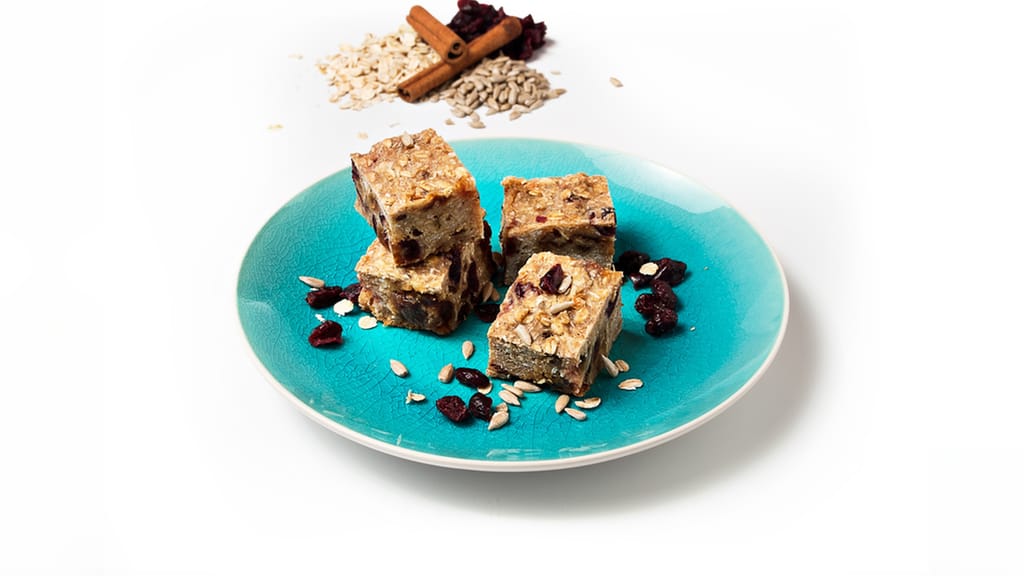
Oat bars with dried fruit
Oat squares with dried fruit – a long-lasting travel snack you can make ahead
Homemade granola bars are a travel snack you have full control over — you know exactly what's in them, and you can tailor them to your taste and any allergies.
Compared to store-bought ones, you'll cut down on sugar and pack in more nuts and seeds. The base is oats, held together with honey, maple syrup, or mashed banana with nut butter; the rest is up to you. Wrap each finished bar individually in baking paper or a beeswax wrap — they'll hold their shape, won't get sticky, and slip easily into a backpack pocket. You'll find the exact method and ratios in our recipe.
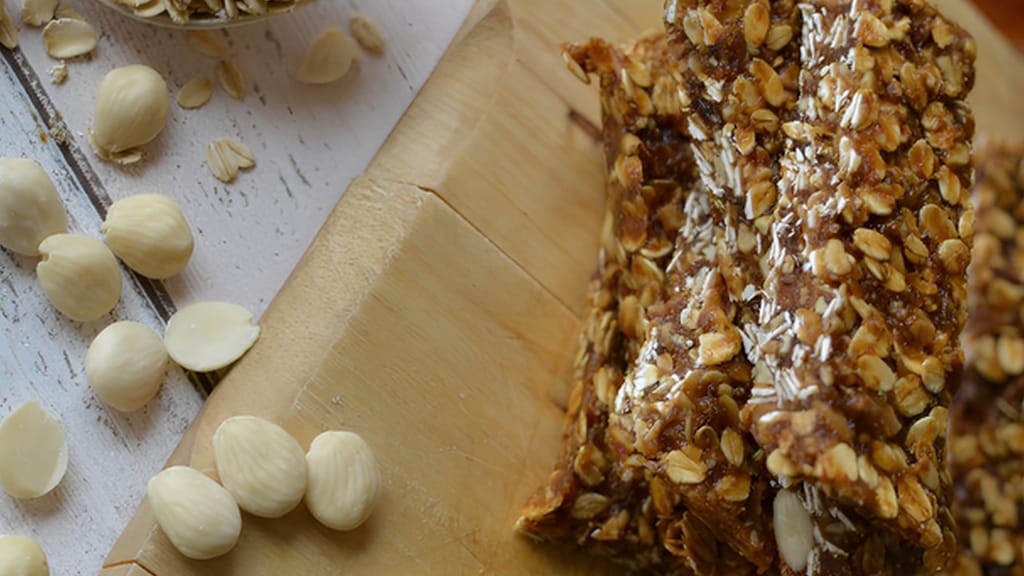
Homemade almond granola bars
Homemade almond granola bars – recipe for a long-lasting travel snack
Canned goods are the most reliable source of protein without a fridge — tuna, sardines or legumes last for years, shrug off temperature swings, and can be turned into a warm meal at a rest stop.
Fish – tuna, sardines and mackerel in oil provide protein and omega-3s, and work well on a sandwich or stirred into pasta.
Legumes – beans, chickpeas and lentils are a cheap, filling base for a warm meal; corn adds sweetness to a salad.
Pâtés and ready meals – lentil stew or beans in tomato sauce just need heating on a camp stove.
Store cans somewhere dry and cool; never open a can that's dented, bulging or rusty. After opening, watch out: the contents instantly start behaving like fresh food, so the two-hour rule kicks in — finish an opened can right away if there's no fridge around. Tuna and pasta make a filling meal at a camp stove in just a few minutes.
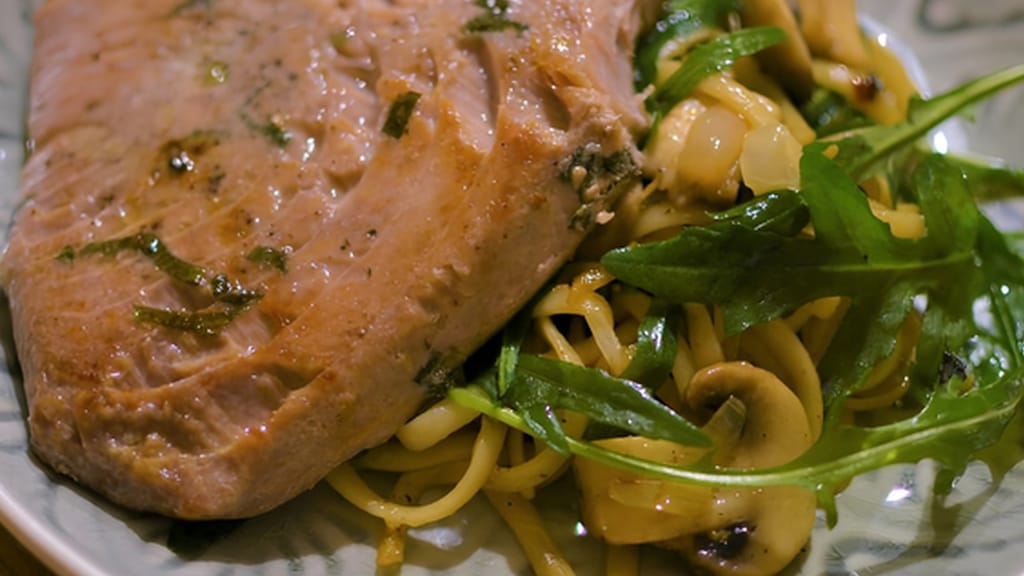
Mint tuna with gluten-free pasta
Tuna with mint and gluten-free pasta – a quick canned-food meal for a rest stop
Rice cakes and crispbread stand in for fresh bread on the road — they're light, crunchy, and if kept dry will last for months without going mouldy.
Rice cakes have a neutral flavour and work like an edible plate for anything sweet or savoury. Scandinavian crispbread is denser, with a bolder flavour from seeds and wholegrain flour, and keeps you fuller for longer. Carry both in a sturdy container — they're brittle and break easily in a backpack.
Tasty, quick combinations:
hummus with fresh pepper or carrot sticks,
guacamole or mashed avocado with salt (mix this up at your rest stop, since avocado doesn't keep long without refrigeration),
nut butter with banana slices,
hard cheese with sardines.
You can whip up both hummus and guacamole on the road from just a handful of ingredients — here are our tried-and-tested recipes.
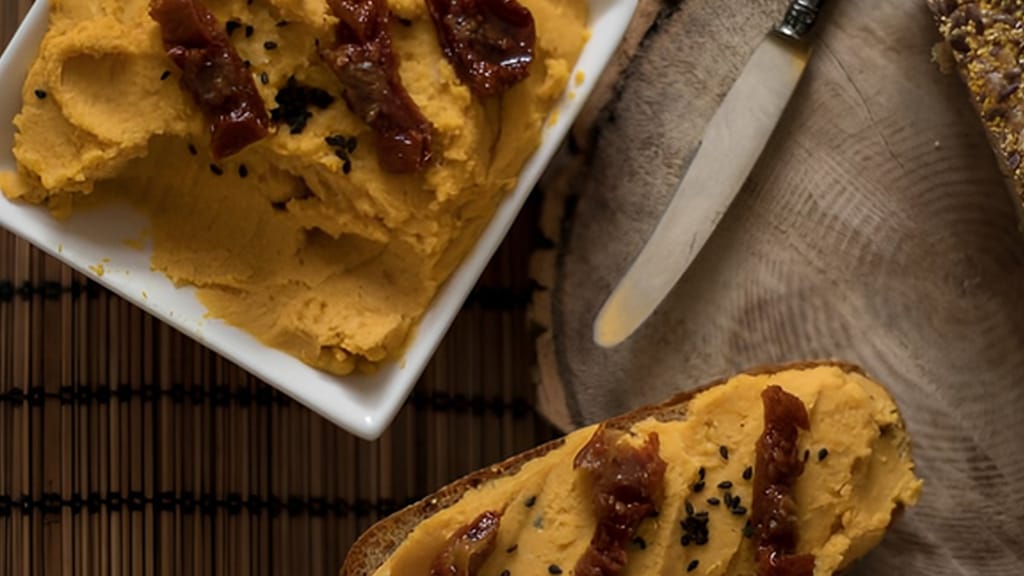
Carrot hummus
Carrot hummus – a long-lasting spread for rice cakes and crispbread
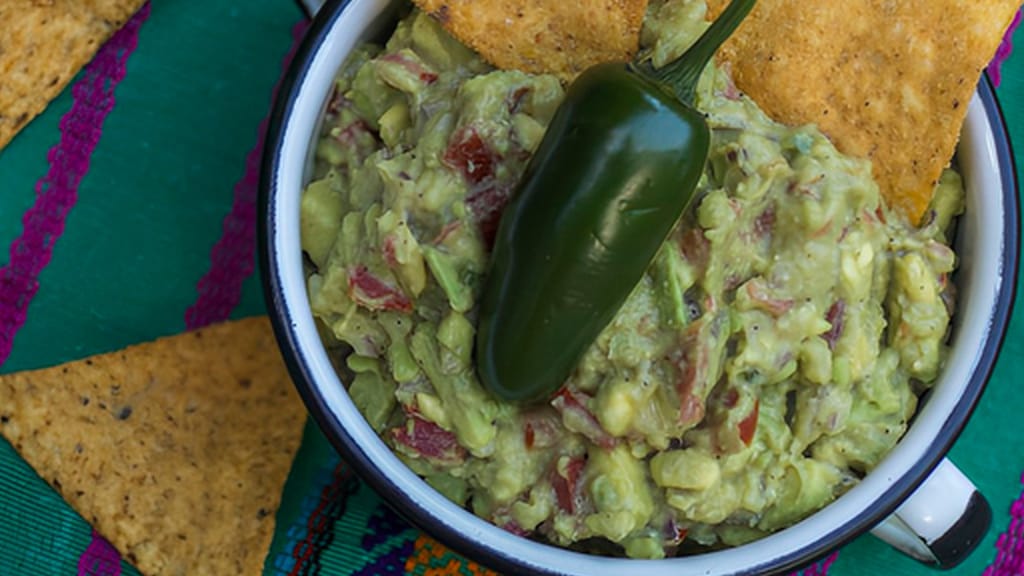
Guacamole
Guacamole – a quick avocado spread for a rest-stop snack
Pack food in layers from the bottom up, based on weight and the order you'll eat it: heavy, sturdy items at the bottom, fragile items and anything you'll eat first on top.
Layer by weight and fragility. Cans and tins go at the bottom of the backpack or car boot; crackers, bread and bars go on top so they don't get crushed.
Save on space. Transfer nuts, dried fruit and granola into vacuum or zip-lock bags and push out the air — they'll take up far less room than in their original packaging.
Use reusable containers. Sturdy boxes protect bread and crackers, screw-top jars seal in liquid sauces and spreads, and cloth bags let nuts breathe. You'll cut down on waste and save money too.
Keep supplies dry. Moisture is the biggest enemy of shelf-stable food — pack a few silica gel sachets, or at least use double zip-lock seals, and make sure to close opened packets properly.
Pack in order of use. Put whatever you'll eat first on top; keep your first-hour snack in a side pocket so you don't have to unpack the whole bag for it.
For a day on the road without refrigeration, mix together shelf-stable protein, quick energy and something to snack on:
a handful of nuts and dried fruit, or homemade trail mix,
1–2 granola bars,
a can of tuna or legumes for a warm meal,
crispbread or rice cakes plus a spread (hummus, nut butter),
a piece of hard cheese or dried meat,
plenty of water and dark chocolate for a quick pick-me-up.
Choose shelf-stable foods, pack them in layers, and eat fresh food within two hours — and you'll be set for the road, well-fed and worry-free.
In a car that's heated up past 32 °C (90 °F), eat fresh and cooked food (meat, soft cheeses, mayo-based salads) within an hour at the latest. Shelf-stable foods like nuts, canned goods or crackers won't become unsafe in the heat, but chocolate will melt and the fats in nuts will turn rancid faster, so don't leave them sitting in direct sun.
Hard aged cheeses (parmesan, Swiss-style) and cured dry salami will happily last a full day of travel outside the fridge, since they're low in moisture and high in salt. Vacuum-sealed, they'll keep even longer; once opened, though, keep them in a cooler part of your bag and eat within one to two days. Soft, fresh cheeses like mozzarella or cream cheese, on the other hand, won't survive without refrigeration.
Granola bars, rice cakes with nut butter, dried fruit, a banana, a clementine, or vacuum-packed hard cheese are all great for kids — naturally sweet and mess-free. For children under about five, skip small whole nuts due to choking risk and chop them up or use nut butter instead.
If you stick to shelf-stable foods (nuts, canned goods, crackers, bars), you don't need a cooler bag at all. It's only worth bringing one if you want to carry fresh meat, dairy or mayo-based salads — in that case add frozen ice packs, keep the bag in the shade, and still eat the fresh food as soon as possible.
A bulging lid, a dented or rusty can, leaking contents, or a bad smell on opening all mean you must not eat it — it could be botulism. Unopened cans can last for years even past their best-before date if stored cool and dry, but once opened, the contents behave like fresh food and the two-hour rule applies.
One recipe worth heating the oven for, one tip, and one deal from the shop. Nothing else.